3 major health items included in Biden’s budget request

President Joe Biden proposed an ambitious budget for the next federal fiscal year that includes more money for fighting the opioid epidemic, bolstering public health and several other healthcare items.

The budget request to Congress, released Friday, acts as essentially a wish list of priorities for the administration for the next year.

It is doubtful how much would get approved by Congress but sends a message of what the administration prioritizes.

Here are three healthcare priorities outlined in the request:

  • The opioid epidemic: $10.7 billion was requested for fighting the opioid epidemic, $3.9 billion over the 2021 enacted level. The money will help support research, prevention and recovery services. The administration also is calling for targeted investments for “populations with unique needs, including Native Americans, older Americans and rural populations,” according to a release from the Office of Management and Budget on Friday.
     
  • Public health infrastructure: $8.7 billion was requested for the Centers for Disease Control and Prevention to boost public health capacity in states and territories. OMB calls the budget increase the largest in nearly two decades for the agency at the frontlines of combating COVID-19. The Biden administration hopes to use the new money to train new epidemiologists and public health experts and “build international capacity to detect, prepare for and respond to emerging global threats.” A letter sent Friday to congressional leaders from the White House said that CDC funding was 10% lower than the previous decade after adjusting for inflation.
     
  • Research funding boosts: $6.5 billion to launch a new agency called the Advanced Research Projects Agency for Health. The new agency would provide major increases in federal research and development spending on cancer and other diseases such as diabetes and Alzheimer’s. The goal of the investment is to “drive transformational innovation in health research and speed application and implementation of health breakthroughs,” OMB’s letter to Congress said. The funding is rolled into a $51 billion request for funding to the National Institutes of Health.

How basic research leads to future job growth

https://www.axios.com/basic-science-research-fuels-job-growth-fcf7723b-b701-4ed2-8b2b-699d28dd1fbd.html

Illustration of a hand in a medical glove holding a beaker full of liquid

A new report out later today concludes that basic scientific research plays an essential role in creating companies that later produce thousands of jobs and billions in economic value.

Why it mattersThe report uses the pandemic — and especially the rapid development of new mRNA vaccines — to show how basic research funding from the government lays the necessary groundwork for economically valuable companies down the road.

By the numbers: The Science Coalition — a nonprofit group that represents 50 of the nation’s top private and public research universities — identified 53 companies that have spun off from federally funded university research.

  • Those companies — which range from pharmaceutical startups to agriculture firms — have contributed more than $1.3 billion to U.S. GDP between 2015 and 2019, while supporting the creation of more than 100,000 jobs.

What they’re saying: “The COVID-19 pandemic has shown that the need for the federal government to continue investing in fundamental research is far from theoretical,” says John Latini, president of the Science Coalition. “Consistent, sustained, robust federal funding is how science evolves.”

DetailsLatini praised the Biden administration’s first budget proposal to Congress, released last week, which includes what would be a $9 billion funding boost for the National Institutes of Health (NIH) — the country’s single biggest science research funding agency.

  • The National Oceanic and Atmospheric Administration would see its budget rise to a record high of $6.9 billion, including $800 million reserved for climate research.

The catch: The Biden budget proposal is just that, and it will ultimately be up to Congress to decide how much to allocate to research agencies.

Context: Government research funding is vital because private money tends to go to applied research. But without basic research — the lifeblood of science — the U.S. risks missing out on potentially world-changing innovations in the future.

  • The long-term value of that funding can be seen in the story of Katalin Kariko, an obscure biomedical researcher who labored for years on mRNA with little reward — until the pandemic, when her work helped provide the foundation for mRNA COVID-19 vaccines.

The bottom line: Because its ultimate payoff might lay years in the future, it’s easy to see basic research funding as a waste — until the day comes when we need it.

A stark global vaccine divide

The vaccine divide: Wealthy nations have 23 jabs for every one in a poorer  country | World News | Sky News

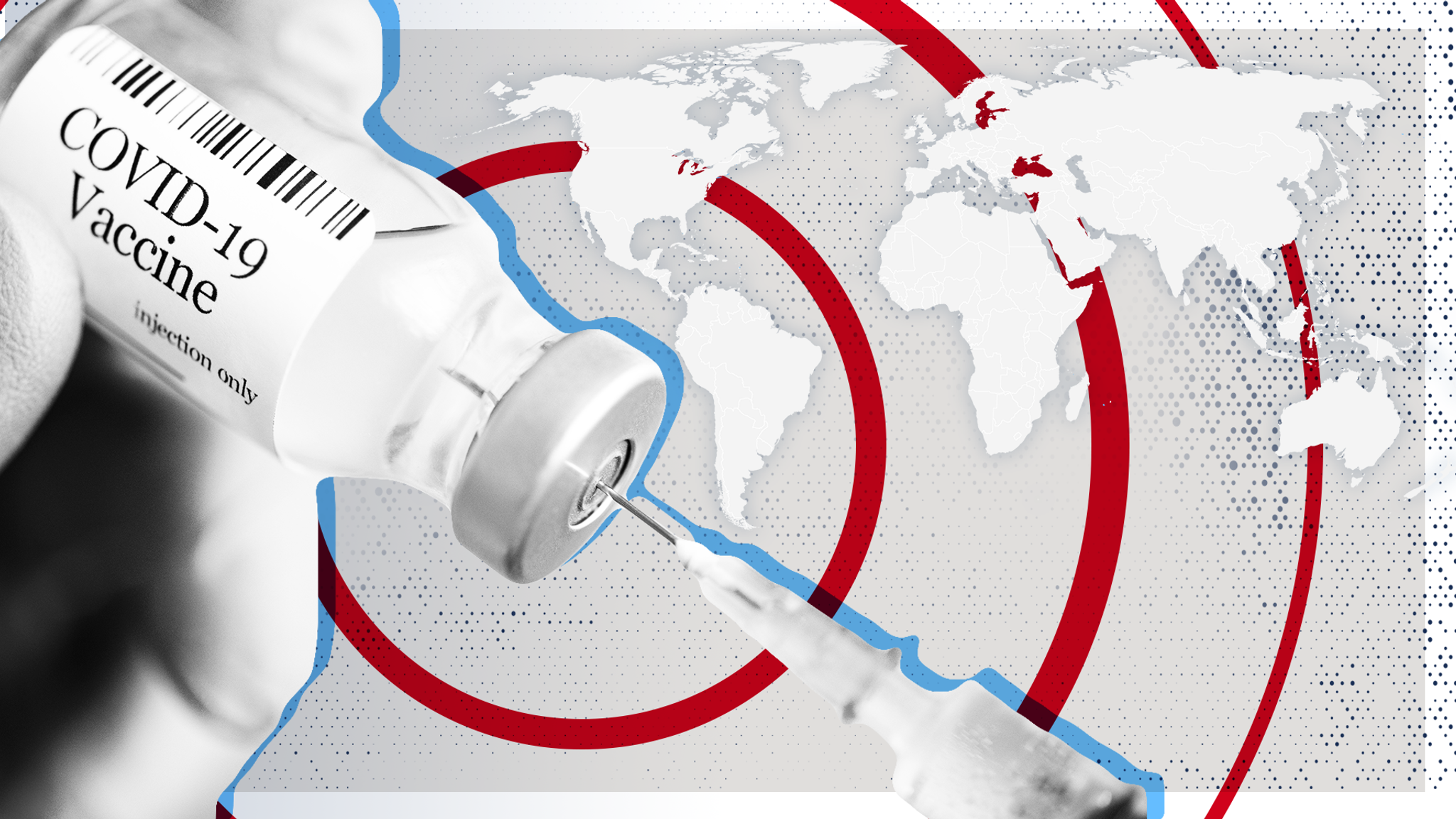
Wealthy nations — including the U.S., the U.K. and the EU — have vaccinated their citizens at a rate of one person per second over the last month, while most developing countries still haven’t administered a single shot, according to the People’s Vaccine Alliance.

Why it matters: As higher-income countries aim to achieve herd immunity in a matter of months, most of the world’s vulnerable people will remain unprotected.

  • Experts say that mutations that may arise while the virus spreads could be a danger to us all, vaccinated or not.

The big picture: Even though more vaccines will arrive in developing nations soon, only 3% of people in those countries are likely to be vaccinated by mid-2021.

  • At best, only a fifth of their population will be vaccinated by the end of the year, per the People’s Vaccine Alliance.

What we’re watching: Three dozen countries have bought several times the amount of vaccine that they’ll need to vaccinate their entire population.

  • The U.S. alone has ordered more than a billion extra dosesScience Magazine reports. Global health leaders are saying it’s time to figure out where all of these excess doses will go.
  • “Over the next year or two, U.S. surplus doses and those from other countries could add up to enough to immunize everyone in the many poorer nations that lack any secured COVID-19 vaccine,” Science writes.

America’s nightmarish year is finally ending

America's nightmare year of COVID is finally ending

One year after the World Health Organization declared COVID-19 a pandemic, the end of that pandemic is within reach.

The big picture: The death and suffering caused by the coronavirus have been much worse than many people expected a year ago — but the vaccines have been much better.

Flashback“Bottom line, it’s going to get worse,” Anthony Fauci told a congressional panel on March 11, 2020, the day the WHO formally declared COVID-19 to be a global pandemic.

  • A year ago today, the U.S. had confirmed 1,000 coronavirus infections. Now we’re approaching 30 million.
  • In the earliest days of the pandemic, Americans were terrified by the White House’s projections — informed by well-respected modeling — that 100,000 to 240,000 Americans could die from the virus. That actual number now sits at just under 530,000.
  • Many models at the time thought the virus would peak last May. It was nowhere close to its height by then. The deadliest month of the pandemic was January.

Yes, but: Last March, even the sunniest optimists didn’t expect the U.S. to have a vaccine by now.

  • They certainly didn’t anticipate that over 300 million shots would already be in arms worldwide, and they didn’t think the eventual vaccines, whenever they arrived, would be anywhere near as effective as these shots turned out to be.

Where it stands: President Biden has said every American adult who wants a vaccine will be able to get one by the end of May, and the country is on track to meet that target.

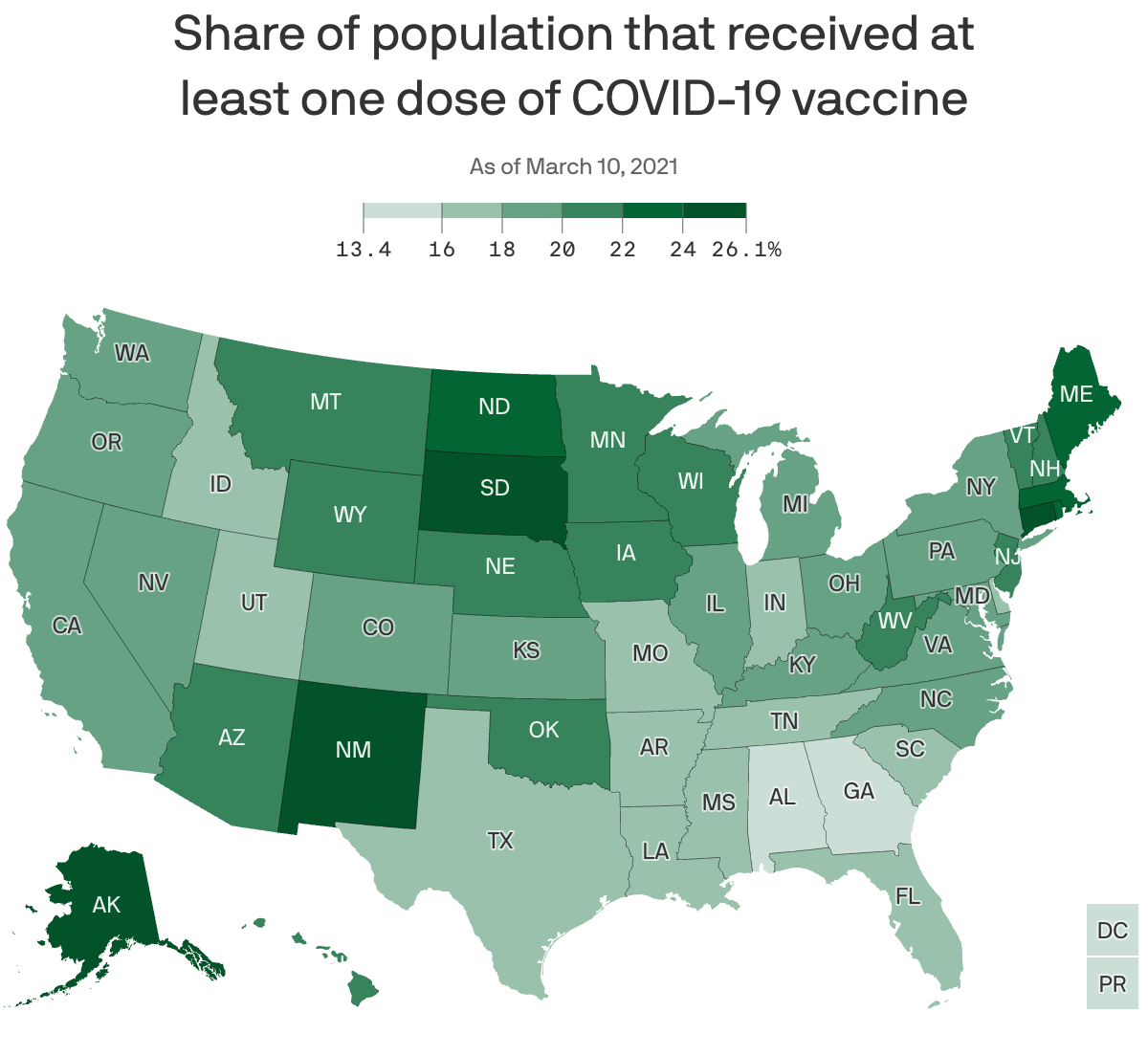
  • The U.S. is administering over 2 million shots per day, on average. Roughly 25% of the adult population has gotten at least one shot.
  • The federal government has purchased more doses than this country will be able to use: 300 million from Pfizer, 300 million from Moderna and 200 million from Johnson & Johnson.
  • The Pfizer and Moderna orders alone would be more than enough to fully vaccinate every American adult. (The vaccines aren’t yet authorized for use in children.)

Yes, millions of Americans are still anxiously awaiting their first shot — and navigating signup websites that are often frustrating and awful.

  • But the supply of available vaccines is expected to surge this month, and the companies say the bulk of those doses should be available by the end of May.
  • Cases, hospitalizations and deaths are all falling sharply at the same time vaccinations are ramping up.

The bottom line: Measured in death, loss, isolation and financial ruin, one year has felt like an eternity. Measured as the time between the declaration of a pandemic and vaccinating 60 million Americans, one year is an instant.

  • The virus hasn’t been defeated, and may never fully go away. Getting back to “normal” will be a moving target. Nothing’s over yet. But the end of the worst of it — the long, brutal nightmare of death and suffering — is getting close.

AstraZeneca vaccine up to 90% effective and easily transportable, company says

Coronavirus vaccine by AstraZeneca and Oxford up to 90 percent effective -  The Washington Post

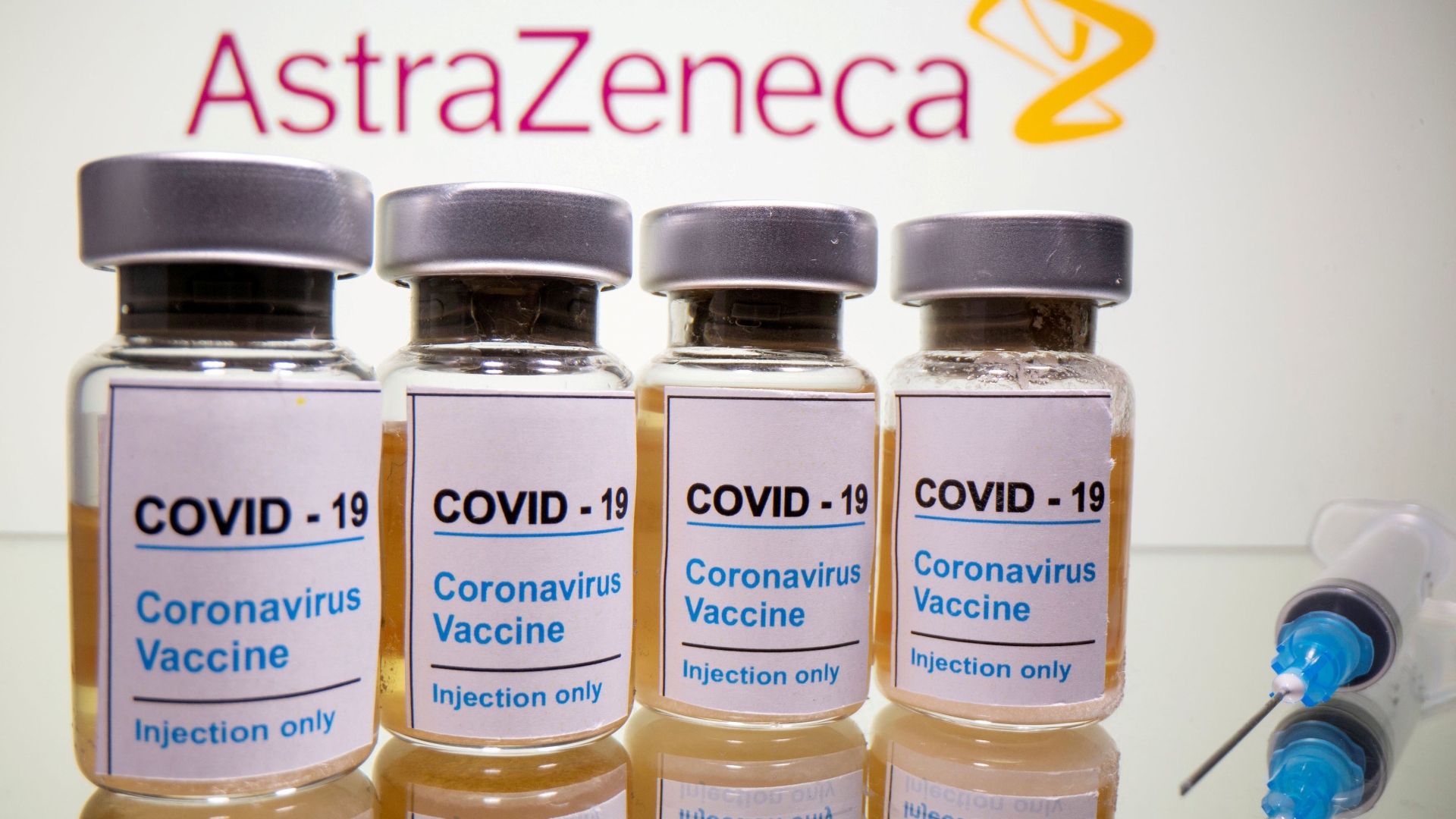
AstraZeneca on Monday became the third pharmaceutical company to announce remarkable results from late-stage trials of a coronavirus vaccine, saying that its candidate, developed by Oxford University, is up to 90 percent effective.

This is the third straight week to begin with buoyant scientific news that suggests, even as coronavirus cases surge to devastating levels in many countries, an end to the pandemic is in sight.

Pfizer and its German partner BioNTech and Moderna have each reported vaccines that are 95 percent effective in clinical trials. A direct comparison to the Oxford-AstraZeneca vaccine is complicated, due to the trial design, but the vaccine may be a more realistic option for much of the world, as it is likely to be cheaper and does not need to be stored at subzero temperatures.

Peter Piot, director of the London School of Hygiene & Tropical Medicine, who was instrumental in the battle against AIDS, said the positive results from three vaccine candidates cannot be overestimated.

“2020 will be remembered for the many lives lost from covid-19, lockdowns and the U.S. election. Science should now be added to this list,” said Piot, adding, “the only way to stop covid-19 in its tracks is having multiple effective and safe vaccines that can be deployed all around the world and in vast quantities.”

“I’m totally delighted,” said Hildegund C.J. Ertl, a vaccine expert at the Wistar Institute in Philadelphia. Adding to the results from Pfizer and Moderna, “what it tells me is this virus can be beaten quite easily: 90 to 95 percent efficacy is something we’d dream about for influenza virus, and we’d never get it.”

The Oxford-AstraZeneca team said in a video conference with journalists that its candidate offered 90 percent protection against the virus when a subject received a half-dose, followed with a full dose one month later. Efficacy was lower — 62 percent — when subjects received two full doses a month apart. The interim results, therefore, averaged to 70 percent efficacy.

Andrew Pollard, chief investigator of the Oxford trial, said the findings showed the vaccine would save many lives.

“Excitingly, we’ve found that one of our dosing regimens may be around 90 percent effective, and if this dosing regimen is used, more people could be vaccinated with planned vaccine supply,” he said.

Britain has preordered 100 million doses — which at a dose and a half per person would cover most of its population. The United States has ordered 300 million.

The results have yet to be peer-reviewed or published, and will be scrutinized by regulators. Many questions remain, including whether the vaccine can reduce transmission of the virus by people without symptoms, which would have repercussions for how soon people could stop wearing masks. It is also unclear how long the immunity from the vaccine lasts — a crucial question.

Sarah Gilbert, a lead Oxford researcher, cautioned that the dose-and-a-half regimen would have to be more closely studied to be fully understood. But she said the first half-dose might be priming a person’s immune system just enough, and that the second booster then encourages the body to produce a robust defense against sickness and infection.

AstraZeneca and Oxford have been conducting Phase 3 clinical trials worldwide, with the most recent data coming from an interim analysis based on 131 coronavirus infections in Britain and Brazil among 10,000 volunteers, with half getting the vaccine and half getting a placebo.

The company said it would present the results to Britain’s health-care products regulators immediately and would seek approval to fine-tune its clinical trials in the United States, to further assess the half-dose shot followed by a booster.

Because the vaccine is already in production, if approved, the first 4 million doses could be ready in December, and 40 million could be delivered in the first quarter of 2021, company executives said. By the spring, the company and its global partners in India, Brazil, Russia and the United States could be cranking out 100 million to 200 million doses a month.

British Health Secretary Matt Hancock said “should all that go well, the bulk of the rollout will be in the new year.”

In a statement to Parliament, Prime Minister Boris Johnson said that vaccines were “edging ever closer to liberating us from the virus, demonstrating emphatically that this is not a pandemic without end. We can take great heart from today’s news, which has the makings of a wonderful British scientific achievement.”

World markets have rallied on optimistic vaccine news, though shares in AstraZeneca were down Monday on the London stock exchange.

No participants who received the vaccine developed severe cases or required hospitalization, AstraZeneca said Monday. The drugmaker also said that no “serious safety events” were reported in connection with the vaccine, which was typically “well tolerated” by participants regardless of their dosing levels or ages.

The vaccine uses a harmless cold virus that typically infects chimpanzees to deliver to the body’s cells the genetic code of the spike protein that dots the outside of the coronavirus. That teaches the body’s immune system to recognize and block the real virus.

Although the reason the regimen with an initial half-dose worked better remains to be teased out, Ertl said that it could be related to the fact that the body’s immune system can develop a defense system to block the harmless virus that’s used to deliver the spike protein’s code. Giving a smaller initial dose may lessen those defenses, and make the vaccine more effective.

Several other vaccines in late-stage development use a similar technology, harnessing a harmless virus to deliver a payload that will teach the immune system how to fight off the real thing — including the Johnson & Johnson vaccine, the Russian vaccine being developed by the Gamaleya Research Institute and the vaccine made by CanSino Biologics in China.

While the results released by AstraZeneca indicate somewhat lower efficacy than Pfizer and Moderna, the vaccine can be stored and transported at normal refrigerated conditions for up to six months. That could make it significantly easier to roll out than Pfizer’s vaccine, which has to be stored at minus-70 degrees Celsius, or Moderna’s, which is stable in refrigerated conditions for only 30 days and must be frozen at minus-20 degrees Celsius after that.

The Oxford-AstraZeneca vaccine was first developed in a small laboratory running on a shoestring budget by Gilbert at Oxford and her team. The university kicked in 1 million pounds ($1.3 million) and then sought a manufacturing partner, before settling on AstraZeneca.

“We wanted to ensure there wouldn’t be any profiteering off the pandemic,” said Louise Richardson, the university’s vice chancellor, so that their vaccine would be widely distributed “and wouldn’t just be for the wealthy and the first world.”

The scientists said that although it appeared to be a race, or a competition, among the front-running vaccine developers, no one company could produce by itself the millions of doses needed to end the pandemic.

“We don’t have enough supply for the whole planet,” Pollard said, adding that the important message is that today there are at least three highly effective, safe vaccines, that also appear to work well among the elderly, and that they are produced using different technologies, ensuring the quickest route to manufacture the billions of doses that will be necessary.

Pollard said it is “unclear why” the different vaccines were producing different results, and he said he and the scientific community awaited full data sets from all the clinical trials to fully understand what is going on. He said different studies were also using different end points to describe efficacy.

“At this moment we can’t fully explain the differences,” Pollard said. “It’s critical to understand what everyone is measuring.”

A Viral Epidemic Splintering into Deadly Pieces

Once again, the coronavirus is ascendant. As infections mount across the country, it is dawning on Americans that the epidemic is now unstoppable, and that no corner of the nation will be left untouched.

As of Wednesday, the pathogen had infected at least 4.3 million Americans, killing more than 150,000. Many experts fear the virus could kill 200,000 or even 300,000 by year’s end. Even President Trump has donned a mask, after resisting for months, and has canceled the Republican National Convention celebrations in Florida.

Each state, each city has its own crisis driven by its own risk factors: vacation crowds in one, bars reopened too soon in another, a revolt against masks in a third.

“We are in a worse place than we were in March,” when the virus coursed through New York, said Dr. Leana S. Wen, a former Baltimore health commissioner. “Back then we had one epicenter. Now we have lots.”

To assess where the country is heading now, The New York Times interviewed 20 public health experts — not just clinicians and epidemiologists, but also historians and sociologists, because the spread of the virus is now influenced as much by human behavior as it is by the pathogen itself.

Not only are American cities in the South and West facing deadly outbreaks like those that struck Northeastern cities in the spring, but rural areas are being hurt, too. In every region, people of color will continue to suffer disproportionately, experts said.

While there may be no appetite for a national lockdown, local restrictions must be tightened when required, the researchers said, and governors and mayors must have identical goals. Testing must become more targeted.

In most states, contact tracing is now moot — there are simply too many cases to track. And while progress has been made on vaccines, none is expected to arrive this winter in time to stave off what many fear will be a new wave of deaths.

Overall, the scientists conveyed a pervasive sense of sadness and exhaustion. Where once there was defianceand then a growing sense of dread, now there seems to be sorrow and frustration, a feeling that so many funerals never had to happen and that nothing is going well. The United States is a wounded giant, while much of Europe, which was hit first, is recovering and reopening — although not to us.

“We’re all incredibly depressed and in shock at how out of control the virus is in the U.S.,” said Dr. Michele Barry, the director of the Center for Innovation in Global Health at Stanford University.

With so much wealth and medical talent, they asked, how could we have done so poorly? How did we fare not just worse than autocratic China and isolated New Zealand, but also worse than tiny, much poorer nations like Vietnam and Rwanda?

“National hubris and belief in American exceptionalism have served us badly,” said Martha L. Lincoln, a medical anthropologist and historian at San Francisco State University. “We were not prepared to see the risk of failure.”

Since the coronavirus was first found to be the cause of lethal pneumonias in Wuhan, China, in late 2019, scientists have gained a better understanding of the enemy.

It is extremely transmissible, through not just coughed droplets but also a fine aerosol mist that is expelled when people talk loudly, laugh or sing and that can linger in indoor air. As a result, masks are far more effective than scientists once believed.

Virus carriers with mild or no symptoms can be infectious, and there may be 10 times as many people spreading the illness as have tested positive for it.

The infection may start in the lungs, but it is very different from influenza, a respiratory virus. In severely ill patients, the coronavirus may attach to receptors inside the veins and arteries, and move on to attack the kidneys, the heart, the gut and even the brain, choking off these organs with hundreds of tiny blood clots.

Most of the virus’s victims are elderly, but it has not spared young adults, especially those with obesity, high blood pressure or diabetes. Adults aged 18 to 49 now account for more hospitalized cases than people aged 50 to 64 or those 65 and older.

Children are usually not harmed by the virus, although clinicians were dismayed to discover a few who were struck by a rare but dangerous inflammatory versionYoung children appear to transmit the virus less often than teenagers, which may affect how schools can be opened.

Among adults, a very different picture has emerged. Growing evidence suggests that perhaps 10 percent of the infected account for 80 percent of new transmissions. Unpredictable superspreading events in nursing homes, meatpacking plants, churches, prisons and bars are major drivers of the epidemic.

Thus far, none of the medicines for which hopes were once high — repurposed malaria drugs, AIDS drugs and antivirals — have proved to be rapid cures. One antiviral, remdesivir, has been shown to shorten hospital stays, while a common steroid, dexamethasone, has helped save some severely ill patients.

One or even several vaccines may be available by year’s end, which would be a spectacular achievement. But by then the virus may have in its grip virtually every village and city on the globe.

Some experts, like Michael T. Osterholm, the director of the University of Minnesota’s Center for Infectious Disease Research and Policy, argue that only a nationwide lockdown can completely contain the virus now. Other researchers think that is politically impossible, but emphasize that localities must be free to act quickly and enforce strong measures with support from their state legislators.

Danielle Allen, the director of Harvard University’s Edmond J. Safra Center for Ethics, which has issued pandemic response plans, said that finding less than one case per 100,000 people means a community should continue testing, contact tracing and isolating cases — with financial support for those who need it.

Up to 25 cases per 100,000 requires greater restrictions, like closing bars and limiting gatherings. Above that number, authorities should issue stay-at-home orders, she said.

Testing must be focused, not just offered at convenient parking lots, experts said, and it should be most intense in institutions like nursing homes, prisons, factories or other places at risk of superspreading events.

Testing must be free in places where people are poor or uninsured, such as public housing projects, Native American reservations and churches and grocery stores in impoverished neighborhoods.

None of this will be possible unless the nation’s capacity for testing, a continuing disaster, is greatly expanded. By the end of summer, the administration hopes to start using “pooling,” in which tests are combined in batches to speed up the process.

But the method only works in communities with lower infection rates, where large numbers of pooled tests turn up relatively few positive results. It fails where the virus has spread everywhere, because too many batches turn up positive results that require retesting.

At the moment, the United States tests roughly 800,000 people per day, about 38 percent of the number some experts think is needed.

Above all, researchers said, mask use should be universal indoors — including airplanes, subway cars and every other enclosed space — and outdoors anywhere people are less than six feet apart.

Dr. Emily Landon, an infection control specialist at the University of Chicago Pritzker School of Medicine, said it was “sad that something as simple as a mask got politicized.”

“It’s not a statement, it’s a piece of clothing,” she added. “You get used to it the way you got used to wearing pants.”

Arguments that masks infringe on personal rights must be countered both by legal orders and by persuasion. “We need more credible messengers endorsing masks,” Dr. Wen said — just before the president himself became a messenger.

“They could include C.E.O.s or celebrities or religious leaders. Different people are influencers to different demographics.”

Although this feels like a new debate, it is actually an old one. Masks were common in some Western cities during the 1918 flu pandemic and mandatory in San Francisco. There was even a jingle: “Obey the laws, wear the gauze. Protect your jaws from septic paws.”

“A libertarian movement, the Anti-Mask League, emerged,” Dr. Lincoln of San Francisco State said. “There were fistfights with police officers over it.” Ultimately, city officials “waffled” and compliance faded.

“I wonder what this issue would be like today,” she mused, “if that hadn’t happened.”

Images of Americans disregarding social distancing requirements have become a daily news staple. But the pictures are deceptive: Americans are more accepting of social distancing than the media sometimes portrays, said Beth Redbird, a Northwestern University sociologist who since March has conducted regular surveys of 8,000 adults about the impact of the virus.

“About 70 percent of Americans report using all forms of it,” she said. “And when we give them adjective choices, they describe people who won’t distance as mean, selfish or unintelligent, not as generous, open-minded or patriotic.”

The key predictor, she said in early July, was whether or not the poll respondent trusted Mr. Trump. Those who trusted him were less likely to practice social distancing. That was true of Republicans and independents, “and there’s no such thing as a Democrat who trusts Donald Trump,” she added.

Whether or not people support coercive measures like stay-at-home orders or bar closures depended on how scared the respondent was.

“When rising case numbers make people more afraid, they have more taste for liberty-constraining actions,” Dr. Redbird said. And no economic recovery will occur, she added, “until people aren’t afraid. If they are, they won’t go out and spend money even if they’re allowed to.”

As of Wednesday, new infections were rising in 33 states, and in Puerto Rico and the District of Columbia, according to a database maintained by The Times.

Weeks ago, experts like Dr. Anthony S. Fauci, the director of the National Institute for Allergy and Infectious Diseases, were advising states where the virus was surging to pull back from reopening by closing down bars, forbidding large gatherings and requiring mask usage.

Many of those states are finally taking that advice, but it is not yet clear whether this national change of heart has happened in time to stop the newest wave of deaths from ultimately exceeding the 2,750-a-day peak of mid-April. Now, the daily average is 1,106 virus deaths nationwide.

Deaths may surge even higher, experts warned, when cold weather, rain and snow force Americans to meet indoors, eat indoors and crowd into public transit.

Oddly, states that are now hard-hit might become safer, some experts suggested. In the South and Southwest, summers are so hot that diners seek air-conditioning indoors, but eating outdoors in December can be pleasant.

Several studies have confirmed transmission in air-conditioned rooms. In one well-known case cluster in a restaurant in Guangzhou, China, researchers concluded that air-conditioners blew around a viral cloud, infecting patrons as far as 10 feet from a sick diner.

Rural areas face another risk. Almost 80 percent of the country’s counties lack even one infectious disease specialist, according to a study led by Dr. Rochelle Walensky, the chief of infectious diseases at Massachusetts General Hospital in Boston.

At the moment, the crisis is most acute in Southern and Southwestern states. But websites that track transmission rates show that hot spots can turn up anywhere. For three weeks, for example, Alaska’s small outbreak has been one of the country’s fastest-spreading, while transmission in Texas and Arizona has dramatically slowed.

Deaths now may rise more slowly than they did in spring, because hospitalized patients are, on average, younger this time. But overwhelmed hospitals can lead to excess deaths from many causes all over a community, as ambulances are delayed and people having health crises avoid hospitals out of fear.

The experts were divided as to what role influenza will play in the fall. A harsh flu season could flood hospitals with pneumonia patients needing ventilators. But some said the flu season could be mild or almost nonexistent this year.

Normally, the flu virus migrates from the Northern Hemisphere to the Southern Hemisphere in the spring — presumably in air travelers — and then returns in the fall, with new mutations that may make it a poor match for the annual vaccine.

But this year, the national lockdown abruptly ended flu transmission in late April, according to weekly Fluview reports from the Centers for Disease Control and Prevention. International air travel has been sharply curtailed, and there has been almost no flu activity in the whole southern hemisphere this year.

Assuming there is still little air travel to the United States this fall, there may be little “reseeding” of the flu virus here. But in case that prediction turns out be wrong, all the researchers advised getting flu shots anyway.

“There’s no reason to be caught unprepared for two respiratory viruses,” said Tara C. Smith, an epidemiologist at Kent State University’s School of Public Health.

Experts familiar with vaccine and drug manufacturing were disappointed that, thus far, only dexamethasone and remdesivir have proved to be effective treatments, and then only partially.

Most felt that monoclonal antibodies — cloned human proteins that can be grown in cell culture — represented the best hope until vaccines arrive. Regeneron, Eli Lilly and other drugmakers are working on candidates.

“They’re promising both for treatment and for prophylaxis, and there are companies with track records and manufacturing platforms,” said Dr. Luciana Borio, a former director of medical and biodefense preparedness at the National Security Council. “But manufacturing capacity is limited.”

According to a database compiled by The Times, researchers worldwide are developing more than 165 vaccine candidates, and 27 are in human trials.

New announcements are pouring in, and the pressure to hurry is intense: The Trump administration just awarded nearly $2 billion to a Pfizer-led consortium that promised 100 million doses by December, assuming trials succeed.

Because the virus is still spreading rapidly, most experts said “challenge trials,” in which a small number of volunteers are vaccinated and then deliberately infected, would probably not be needed.

Absent a known cure, “challenges” can be ethically fraught, and some doctors oppose doing them for this virus. “They don’t tell you anything about safety,” Dr. Borio said.

And when a virus is circulating unchecked, a typical placebo-controlled trial with up to 30,000 participants can be done efficiently, she added. Moderna and Pfizer have already begun such trials.

The Food and Drug Administration has said a vaccine will pass muster even if it is only 50 percent effective. Experts said they could accept that, at least initially, because the first vaccine approved could save lives while testing continued on better alternatives.

“A vaccine doesn’t have to work perfectly to be useful,” Dr. Walensky said. “Even with measles vaccine, you can sometimes still get measles — but it’s mild, and you aren’t infectious.”

“We don’t know if a vaccine will work in older folks. We don’t know exactly what level of herd immunity we’ll need to stop the epidemic. But anything safe and fairly effective should help.”

Still, haste is risky, experts warned, especially when opponents of vaccines are spreading fear. If a vaccine is rushed to market without thorough safety testing and recipients are hurt by it, all vaccines could be set back for years.

No matter what state the virus reaches, one risk remains constant. Even in states with few Black and Hispanic residents, they are usually hit hardest, experts said.

People of color are more likely to have jobs that require physical presence and sometimes close contact, such as construction work, store clerking and nursing. They are more likely to rely on public transit and to live in neighborhoods where grocery stores are scarce and crowded.

They are more likely to live in crowded housing and multigenerational homes, some with only one bathroom, making safe home isolation impossible when sickness strikes. They have higher rates of obesity, high blood pressure, diabetes and asthma.

Federal data gathered through May 28 shows that Black and Hispanic Americans were three times as likely to get infected as their white neighbors, and twice as likely to die, even if they lived in remote rural counties with few Black or Hispanic residents.

“By the time that minority patient sets foot in a hospital, he is already on an unequal footing,” said Elaine Hernandez, a sociologist at Indiana University.

The differences persist even though Black and Hispanic adults drastically altered their behavior. One study found that through the beginning of May, the average Black American practiced more social distancing than the average white American.

Officials in ChicagoBaltimore and other communities faced another threat: rumors flying about social media that Black people were somehow immune.

The top factor making people adopt self-protective behavior is personally knowing someone who fell ill, said Dr. Redbird. By the end of spring, Black and Hispanic Americans were 50 percent more likely than white Americans to know someone who had been sickened by the virus, her surveys found.

Dr. Hernandez, whose parents live in Arizona, said their neighbors who had not been scared in June had since changed their attitudes.

Her father, a physician, had set an example. Early on, he wore a mask with a silly mustache when he and his wife took walks, and they would decline friends’ invitations, saying, “No, we’re staying in our bubble.”

Now, she said, their neighbors are wearing masks, “and people are telling my father, ‘You were right,’” Dr. Hernandez said.

There was no widespread agreement among experts about what is likely to happen in the years after the pandemic. Some scientists expected a quick economic recovery; others thought the damage could persist for years.

Working at home will become more common, some predicted, while crowded, open-plan offices may be changed. The just-in-time supply chains on which many businesses depend will need fixing because the processes failed to deliver adequate protective gear, ventilators and test materials.

A disease-modeling system like that used by the National Weather Service to predict storms is needed, said Caitlin Rivers, an epidemiologist at the Johns Hopkins Center for Health Security. Right now, the country has surveillance for seasonal flu but no national map tracking all disease outbreaks. As Dr. Thomas R. Frieden, a former C.D.C. director, recently pointed out, states are not even required to track the same data.

Several experts said they assumed that millions of Americans who have been left without health insurance or forced to line up at food banks would vote for politicians favoring universal health care, paid sick leave, greater income equality and other changes.

But given the country’s deep political divisions, no researcher was certain what the outcome of the coming election would be.

Dr. Redbird said her polling of Americans showed “little faith in institutions across the board — we’re not seeing an increase in trust in science or an appetite for universal health care or workers equity.”

The Trump administration did little to earn trust. More than six months into the worst health crisis in a century, Mr. Trump only last week urged Americans to wear masks and canceled the Republican convention in Florida, the kind of high-risk indoor event that states have been banning since mid-March.

“It will probably, unfortunately, get worse before it gets better,” Mr. Trump said at the first of the resurrected coronavirus task force briefings earlier this month, which included no scientists or health officials. The briefings were discontinued in April amid his rosy predications that the epidemic would soon be over.

Mr. Trump has ignoredcontradicted or disparaged his scientific advisers, repeatedly saying that the virus simply would go away, touting unproven drugs like hydroxychloroquine even after they were shown to be ineffective and sometimes dangerous, and suggesting that disinfectants or lethal ultraviolet light might be used inside the body.

Millions of Americans have lost their jobs and their health insurance, and are in danger of losing their homes, even as they find themselves in the path of a lethal disease. The Trump presidency “is the symptom of the denigration of science and the gutting of the public contract about what we owe each other as citizens,” said Dr. Joia S. Mukherjee, the chief medical officer of Partners in Health in Boston.

One lesson that will surely be learned is that the country needs to be better prepared for microbial assaults, said Dr. Julie Gerberding, a former director of the C.D.C.

“This is not a once-in-a-century event. It’s a harbinger of things to come.”


The state of the global race for a coronavirus vaccine

https://www.axios.com/race-for-coronavirus-vaccine-us-china-oxford-eace8d13-59b6-404f-9dd9-569d00e01f58.html

The state of the global race for a coronavirus vaccine - Axios

Vaccines from the U.K., U.S. and China are sprinting ahead in a global race that involves at least 197 vaccine candidates and is producing geopolitical clashes even as it promises a possible pandemic escape route.

Driving the news: The first two candidates to reach phase three trials — one from the University of Oxford and AstraZeneca, the other from China — both appear safe and produce immune responses, according to preliminary results published today in The Lancet.

  • A vaccine from Moderna, the U.S. biotech firm, is heading into phase three trials after similarly encouraging initial results.
  • There are at least 16 other vaccines currently in clinical trials in Australia, France, Germany, India, Russia, South Korea, the U.K., the U.S. and China, which is experimenting with a variety of vaccine types and has five candidates already in trials.

What they’re saying: Experts are increasingly confident that it’s no longer a question of if but when vaccines will be available.

  • “Absolutely, for sure, we will get more than one vaccine,” Barry Bloom, a professor of public health at Harvard, told reporters today.
  • He cautioned that it’s not yet clear which vaccines will win the race and that we won’t know how effective they are in protecting against COVID-19 — and for how long — until after phase three trials.

Pressed on when a vaccine could be approved, Bloom said that while it seemed “utterly crazy seven months ago,” January was looking increasingly realistic.

  • Richard Horton, The Lancet‘s editor-in-chief, is more cautious: “If we have a vaccine by the end of 2021, we will have done incredibly well.”
  • Zeke Emanuel, chair of the Department of Medical Ethics and Health Policy at the University of Pennsylvania, splits the difference: “Seven months after we got the genome, to have three vaccines in phase three is literally unprecedented. If in six to eight months we get a license, that will be, again, totally unprecedented in world history.”

But, but, but: “Getting something approved doesn’t protect you from COVID,” Emanuel warns.

  • The challenges of producing, distributing and delivering a vaccine (particularly in two doses, as the Oxford vaccine requires) around the entire world are hard to even fathom.
  • Even distributing a vaccine in one country will require an unprecedented buildup of facilities, materials (like glass vials), personnel and protocols, assuming enough people are even willing to take it.

Illustration of syringe in the earth

The global picture is even murkier. Several countries and pharmaceutical companies have committed to “fair and equitable” distribution.

  • In principle, that would suggest a vulnerable front-line worker in Uganda, say, should get the vaccine before a young, healthy person in the United States.
  • In practice, well … no one really knows.

The bottom line: “It’s very fragmented, and in some ways that’s understandable,” Horton says. “But the danger of that is that many countries will lose out and only the strongest country, the country with the most money, will win.”

  • If countries hoard supplies rather than prioritizing at-risk people elsewhere, Bloom says, “that should be a cause not just of global concern but of global shame.”

For now, governments are prioritizing their own populations.

  • The Trump administration is pouring at least $3.5 billion into the development and manufacture of three leading vaccine candidates, with the promise of hundreds of millions of doses should they prove safe and effective.
  • Even as the homegrown Oxford vaccine takes a global lead, the U.K. is hedging its bets by purchasing 90 million doses being developed by German and French companies.
  • The U.K. and U.S. have both also put in large pre-orders of the Oxford vaccine, though AstraZeneca says 1 billion doses will also be manufactured in India and distributed mainly to other low- and middle-income countries.
  • The WHO and EU are attempting to create a framework for distributing the vaccine globally, though the U.S. has declined to take part.

Illustration of syringes forming a health plus/cross

What to watch: Managing the largest vaccination project in history will clearly require global collaboration — but it’s also becoming a competition between rival powers.

  • Six months from now, we will be in a situation where a few countries will have vaccines, and we believe those countries will be the UK, Russia, China and the US,” Kirill Dmitriev, the head of Russia’s sovereign wealth fund, told the FT.

Between the lines: Others are less certain Russia will be in that group, though Dmitriev says a vaccine bankrolled by his fund and developed by the state-run Gamaleya Institute will move into phase three trials next month.

“Basically other countries will decide, you know, which vaccine to buy … and who do you trust?”

— Kirill Dmitriev

State of play: There’s a clear lack of trust among the competitors.

  • According to the U.S, U.K. and Canada, hackers linked to Russian military intelligence have attempted to steal vaccine research in order to aid their own efforts.
  • The U.S. has also accused China of pilfering American research.
  • House Republican leader Kevin McCarthy will introduce a bill on Tuesday that would sanction foreign hackers attempting to steal U.S. vaccine research, according to a copy of the bill obtained by Axios’ Alayna Treene.

Zoom out: It will be a victory for humanity when the first coronavirus vaccines are approved. But the competition to obtain one early goes beyond national pride.

  • Vaccines will save countless lives, drive economic recoveries, and could provide rare opportunities to generate goodwill and influence abroad.
  • “There’s a huge soft power advantage to the U.S. ensuring that other countries can get the vaccine and protect themselves,” Emanuel says. The same would, of course, be true for China.

The bottom line: The race is on, but it won’t end when the first vaccine is approved.


We’re still in the early stages of the vaccine race

https://www.axios.com/newsletters/axios-vitals-a91eb4fb-e10d-46cf-b919-96e1e6e08b22.html?utm_source=newsletter&utm_medium=email&utm_campaign=newsletter_axiosvitals&stream=top

Oxford and CanSino released coronavirus vaccine data. It's still ...

New clinical trial data from two experimental coronavirus vaccines — one from Oxford University and AstraZeneca in the U.K., and the other from CanSino Biologics in China — are providing cautious optimism in the race to combat the pandemic, Axios’ Bob Herman reports.

The big picture: Science has never moved this fast to develop a vaccine. And researchers are still several months away from a clearer idea of whether the leading candidates help people generate robust immune responses to this virus.

Driving the news: The Oxford and CanSino vaccines didn’t lead to any severe adverse reactions or hospitalizations, according to the results released yesterday.

  • Safety — not efficacy — was the main thing these studies were supposed to be testing. And they performed well enough to move on to further trials.
  • Competing candidates from Moderna and Pfizer/BioNTech have also performed well in safety trials.

Yes, but: Future trials will be the ones that tell us whether any of these potential vaccines actually trigger patients’ immune systems to respond to the virus.

  • In the results released yesterday, Oxford researchers gave their vaccine to 543 people but only tested 35 for “neutralizing antibodies.” A separate, nonrandomized group of 10 people got a booster dose of the Oxford vaccine a month after the initial dose.
  • Preliminary antibody responses from CanSino’s vaccine were “disappointing” to several experts.

The bottom line: There are 23 coronavirus vaccines in clinical testing right now, according to the World Health Organization.

  • We now have data on the first four, but the studies mostly are confirming that the vaccines aren’t severely harmful and that large-scale studies are warranted — not that they definitely work yet.
  • “It is good and hopeful news indeed, but we’ll only know when the large trials are done,” tweeted Robert Califf, a former FDA commissioner under President Obama.


A coronavirus vaccine: Where does it stand?

https://www.politifact.com/article/2020/jul/13/coronavirus-vaccine-where-does-it-stand/?fbclid=IwAR3hk04P0N3AuJXsKCr_JqV8vu0qZ6njsHE3if6xX6E2AxsllV1m81LjtX4

Coronavirus vaccines get a biotech boost

IF YOUR TIME IS SHORT

Scientists are expressing cautious optimism that a vaccine can be ready to go by the late spring of 2021, although it’s unclear how much longer it would take to distribute the vaccine widely.

Two possible vaccines are in phase 3 clinical trials; once those trials are completed, they would be candidates for approval. Another eight vaccines have begun phase 2 trials. And more than 100 other vaccines that haven’t begun clinical trials are in the pipeline.

• The Food and Drug Administration recently produced guidelines for the minimum effectiveness of vaccines seeking the agency’s approval. Vaccine officials say these guidelines are important to ensure public confidence in vaccines.


More than four months into the coronavirus pandemic, how close is the U.S. and the world to a safe and effective vaccine? Scientists say they see steady progress and are expressing cautious optimism that a vaccine could be ready by spring of 2021.

As of early July, there were roughly 160 vaccine projects under way worldwide, according to the World Health Organization

Generally, a vaccine trial has several phases. In an initial phase, the vaccine is given to 20 to 100 healthy volunteers. The focus in this phase is to make sure the vaccine is safe, and to note any side effects.

In the second phase, there are hundreds of volunteers. In addition to monitoring safety, researchers try to determine whether shots produce an immune-system response.

The third phase involves thousands of patients. This phase continues the goals of the first two, but adds a focus on how effective the vaccine is. This phase also collects data on more unusual negative side effects.

In ordinary circumstances, these phases take years to complete. But for coronavirus, the timeline is being shortened. This has spurred more public-private partnerships and significantly increased funding.

Here’s a rundown of the 13 vaccine candidates that are furthest along in the clinical phases:

Coronavirus vaccines that are the furthest along:

A Coronavirus Vaccine: Where Does It Stand? – Corridor News

The three vaccine candidates that are furthest along are both in phase 3. 

One is being developed by researchers at Oxford University in the U.K. It uses a weakened version of a virus that causes common colds in chimpanzees. Researchers then added proteins, known as antigens, from the novel coronavirus, in the hope that these could prime the human immune system to fight the virus once it encounters it.

Another candidate in a phase 3 trial is being developed in China. It uses a killed, and thus safe, version of the novel coronavirus to spur an immune reaction.

And on July 15, the biotech company Moderna, which is partnering with the National Institutes of Health, announced that it would be moving to phase 3 within two weeks.

Two others have made it as far as phase 2, while eight others are finishing their phase 1 trials while also beginning phase 2 trials.

These candidates are being developed by a mix of corporations and institutions in several countries. These efforts seek to leverage a range of different technologies.

One uses RNA material that provides the instructions for a body to produce the needed antigens itself. This is a relatively untested approach to vaccination, but if it works, it has aspects that could make it easier to manufacture. Another approach is similar, but uses DNA instead of RNA.

One U.S. biotech firm, Novavax, is receiving federal funding to produce a vaccine that uses a lab-made protein to inspire an immune response.

Beyond these, another 10 vaccine candidates are in phase 1 clinical trials, while another 140 haven’t reached the clinical phase yet.

Having so many potential vaccines this far along is impressive, experts say, given the short time scientists have known about the novel coronavirus. 

“Overall, the pace of development and advancement to Phase 3 trials is impressive,” said Matthew B. Laurens, associate professor at the University of Maryland School of Medicine’s Center for Vaccine Development and Global Health. “The public-private partnerships have been highly successful and are achieving goals for rapid vaccine development.”

In addition, the fact that several types of vaccine approaches are being tested means we aren’t putting all of our eggs in one basket.

“We will need several candidates should any one of these experience difficulties in manufacturing or show a safety signal when implemented in larger numbers of people,” Laurens said.

Meanwhile, at a time of rising public skepticism of government and vaccines, the Food and Drug Administration recently released additional guidelines on vaccine effectiveness. The new guidance requires vaccines to prevent or decrease the severity of the disease at least 50% of the time if they are to win the agency’s approval.

The FDA guidelines “reaffirmed the very rigorous FDA process for approving any vaccine. That gives a great deal of reassurance that this was going to be handled by the book,” said William Schaffner, a professor of preventive medicine and infectious diseases at Vanderbilt University Medical Center. “The more we talk about doing things fast, the more the public thinks, ‘They’re probably cutting corners.’”

How fast will we have access to a workable vaccine?

In early April, Kathleen M. Neuzil, director of the University of Maryland’s vaccine center, told PolitiFact that if all went well, there might be five or six vaccines in trials within six months. Now, three and a half months later, there are two to three times that number.

Anthony Fauci, director of the National Institute of Allergy and Infectious Diseases, and other officials have remained consistent in their estimation of the timeline: 12 to 18 months from the start of the pandemic, or roughly the late spring of 2021.

Schaffner told PolitiFact that he continues to see the first quarter of 2021 as a reasonable target. “I think that’s where the needle is pointing,” he said.

It remains to be seen how fast vaccines can be manufactured and distributed once approved for general use. Officials are also grappling with which Americans will get access first. So it’s unclear how long a person would have to wait to get vaccinated.

Laurens said he is not overly concerned about the distribution, because that is something that officials have long experience with. “Well-established programs exist for vaccine distribution, including for seasonal vaccination of large numbers of individuals,” he said.

Another hopeful sign, Schaffner said, is that the coronavirus itself seems to be relatively stable. There had been concern that the novel coronavirus, like many other viruses, is mutating over time. If the virus changes enough, that could become a problem that bedevils vaccine researchers.

But so far, that hasn’t happened. Even if evidence emerges that mutations are making the virus more transmissible, or that a new variant is making people sicker, that shouldn’t affect the vaccine process. “The central core of the virus would remain the same,” Schaffner said.

During the past month, there has been relatively little news about how much progress is being made on particular vaccines. Schaffner is not worried by the relative quiet.

“In a vaccine trial, if there’s an adverse safety finding, the guillotine comes down and that trial is stopped,” he said. “So quiet is good, because we’d know if something bad happens.”


Op-Ed: We Still Don’t Know the Risk Posed by COVID-19

https://www.medpagetoday.com/infectiousdisease/covid19/87629?xid=fb_o&trw=no&fbclid=IwAR2V6CbOCIXDf2K9sJCcRb0PhbqM4inXixe_poOFYudOcoUFZCmU2JzyrDg

Op-Ed: We Still Don't Know the Risk Posed by COVID-19 | MedPage Today

The need for a coordinated national research strategy

Confused about the risks of dying from the coronavirus or of catching it from someone who seems healthy? We all are, and the dizzying differences in scientific opinion are now linked to political perspectives. Progressives cite evidence that loosening restrictions would cost lives and offer little benefit to the economy, while conservatives embrace evidence that the risks are low. We offer a guide to help navigate the tangle of numbers and suggest a way forward.

Google and many others display the number of cases and deaths (3.6 million and 138,840, respectively, by July 17). This invites a simple calculation for understanding the risk: divide the number who have died by the number who have been diagnosed. So, the chance of dying if infected is about 3.9%. Right? Well, not so fast. Six months into the pandemic, neither the number of deaths nor the number of people infected is known.

Some argue that deaths have been overemphasized since people who die of COVID are mostly older and sicker. Others suggest deaths have been overcounted since if a patient tests positive for COVID-19, it will likely be listed as the cause of death even if the person succumbs to another illness or, in some jurisdictions, dies due to an accident or suicide. Others argue that deaths have been undercounted.

Missing from the tally on any given day are those who died before testing was available, those who died shortly before or after but whose death has not yet been reported, or who died as an indirect result of the epidemic such as failing to seek medical care for fear of going to the hospital.

One carefully designed recent analysis compared deaths this year to the number of people who die during a “normal” year. The analysis concluded that through May, almost 100,000 people died from COVID-19 in addition to 30,000 who died from other causes related to the pandemic.

In short, uncertainty remains about the number of deaths due to COVID-19, which is supposed to be the easy part.

Estimating the number of people who have been infected is harder still. Most infected people are never formally diagnosed and never become one of the “cases” in the news. The limitations of the tests and the difficulty of attracting a representative population to be tested make it hard to estimate the true number of infections. The preferred test (reverse transcription polymerase chain reaction-based tests) uses RNA technology to see if the virus is present in nasal or oral swabs. It is a good test, but still may miss infections in up to 30% of cases.

A second type of test uses blood samples to look for an antibody called immunoglobulin (Ig)G that implies the person was previously infected. Based on IgG test results, the CDC assumes that 5% to 8% of the population has been infected. That would mean 24 million Americans have already had COVID-19 or a very similar illness. That is more than 10 times the number of confirmed cases.

The number is consequential: a higher infection rate for the same number of deaths implies that the virus is less deadly.review by a prominent epidemiologist considered 23 population studies with sample sizes of at least 500 people and found the percentage who have positive antibodies ranged from 0.1% to 48% — a 480-fold difference. Although the study was robustly criticized and at odds with highly citedpeer-reviewed research, it has appeared in over 30 news outlets, and the range of estimates allows people to pick a number that justifies their political position.

Contributing to this uncertainty is the FDA decision to, in a hurry to catch up for lost time, temporarily relax its standards for approving tests. Among over 300 antibody tests currently on the market, data on only a handful are publicly available, and some are being recalled.

The other number we need to know is how many people are spreading the infection without knowing it. Estimates are all over the place. Some major employers, including Stanford Healthcare, have systematically tested all of their employees and found very few infected people who do not have symptoms. In contrast, a CDC study of young, healthy adults working on an aircraft carrier found that 20% of those infected reported no symptoms.

So here we are, months into the epidemic without consensus on the basic information about how many people are infected, the risk of death for those infected, or the risk of asymptomatic transmission. In contrast to official agencies that use transparent methods to report the weather or the unemployment rate, trust in our official health statistics agencies has broken down as reports continue to emerge form myriad sources with conflicting methodologies and motivations.

The time has come to activate impartial groups, like the National Academy of Medicine, to build consensus on how to monitor the epidemic. We know the risks are serious. As cases have started to rise, whether or not the number of U.S. deaths is higher or lower than 130,000, the risk of inaction is too high.

We are staying near home, wearing masks, and treating COVID-19 as a serious threat to public health.