The Fed’s independence helped it save the US economy in 2008 – the CDC needs the same authority today

https://theconversation.com/the-feds-independence-helped-it-save-the-us-economy-in-2008-the-cdc-needs-the-same-authority-today-142593

Centers for Disease Control and Prevention

The image of scientists standing beside governors, mayors or the president has become common during the pandemic. Even the most cynical politician knows this public health emergency cannot be properly addressed without relying on the scientific knowledge possessed by these experts.

Yet, ultimately, U.S. government health experts have limited power. They work at the discretion of the White House, leaving their guidance subject to the whims of politicians and them less able to take urgent action to contain the pandemic.

The Centers for Disease Control and Prevention has issued guidelines only to later revise them after the White House intervened. The administration has also undermined its top infectious disease expert, Dr. Anthony Fauci, over his blunt warnings that the pandemic is getting worse – a view that contradicts White House talking points.

And most recently, the White House stripped the CDC of control of coronavirus data, alarming health experts who fear it will be politicized or withheld.

In the realm of monetary policy, however, there is an agency with experts trusted to make decisions on their own in the best interests of the U.S. economy: the Federal Reserve. As I describe in my recent book, “Stewards of the Market,” the Fed’s independence allowed it to take politically risky actions that helped rescue the economy during the financial crisis of 2008.

That’s why I believe we should give the CDC the same type of authority as the Fed so that it can effectively guide the public through health emergencies without fear of running afoul of politicians.


The paradox of expertise

There is a paradox inherent in the relationship between political leaders and technical experts in government.

Experts have the training and skill to apply scientific knowledge in complex biological and economic systems, yet democratically elected political leaders may overrule or ignore their advice for ill or good.

This happened in May when the CDC, the federal agency charged with controlling the spread of disease, removed advice regarding the dangers of singing in church choirs from its website. It did not do so because of new evidence. Rather, it was because of political pressure from the White House to water down the guidance for religious groups.

Similarly, the White House undermined the CDC’s guidance on school reopenings and has pressured it to revise them. So far, it seems the CDC has rebuffed the request.

The ability of elected leaders to ignore scientists – or the scientists’ acquiescence to policies they believe are detrimental to public welfare – is facilitated by many politicians’ penchant for confident assertion of knowledge and the scientist’s trained reluctance to do so.

Compare Fauci’s repeated comment that “there is much we don’t know about the virus” with President Donald Trump’s confident assertion that “we have it totally under control.”


Experts with independence

Given these constraints on technical expertise, the performance of the Fed in the financial crisis of 2008 offers an informative example that may be usefully applied to the CDC today.

The Federal Reserve is not an executive agency under the president, though it is chartered and overseen by Congress. It was created in 1913 to provide economic stability, and its powers have expanded to guard against both depression and crippling inflation.

At its founding, the structure of the Fed was a political compromise designed make it independent within the government in order to de-politicize its economic policy decisions. Today its decisions are made by a seven-member board of governors and a 12-member Federal Open Market Committee. The members, almost all Ph.D. economists, have had careers in academia, business and government. They come together to analyze economic data, develop a common understanding of what they believe is happening and create policy that matches their shared analysisThis group policymaking is optimal when circumstances are highly uncertain, such as in 2008 when the global financial system was melting down.

The Fed was the lead actor in preventing the system’s collapse and spent several trillion dollars buying risky financial assets and lending to foreign central banks – decisions that were pivotal in calming financial markets but would have been much harder or may not have happened at all without its independent authority.

The Fed’s independence is sufficiently ingrained in our political culture that its chair can have a running disagreement with the president yet keep his job and authority.


Putting experts at the wheel

A health crisis needs trusted experts to guide decision-making no less than an economic one does. This suggests the CDC or some re-imagined version of it should be made into an independent agency.

Like the Fed, the CDC is run by technical experts who are often among the best minds in their fields. Like the Fed, the CDC is responsible for both analysis and crisis response. Like the Fed, the domain of the CDC is prone to politicization that may interfere with rational response. And like the Fed, the CDC is responsible for decisions that affect fundamental aspects of the quality of life in the United States.

Were the CDC independent right now, we would likely see a centralized crisis management effort that relies on the best science, as opposed to the current patchwork approach that has failed to contain the outbreak nationally. We would also likely see stronger and consistent recommendations on masks, social distancing and the safest way to reopen the economy and schools.

Independence will not eliminate the paradox of technical expertise in government. The Fed itself has at times succumbed to political pressure. And Trump would likely try to undermine an independent CDC’s legitimacy if its policies conflicted with his political agenda – as he has tried to do with the central bank.

But independence provides a strong shield that would make it much more likely that when political calculations are at odds with science, science wins.


Making coronavirus testing easy, accurate and fast is critical to ending the pandemic – the US response is falling far short

https://theconversation.com/making-coronavirus-testing-easy-accurate-and-fast-is-critical-to-ending-the-pandemic-the-us-response-is-falling-far-short-142366

Making coronavirus testing easy, accurate and fast is critical to ...

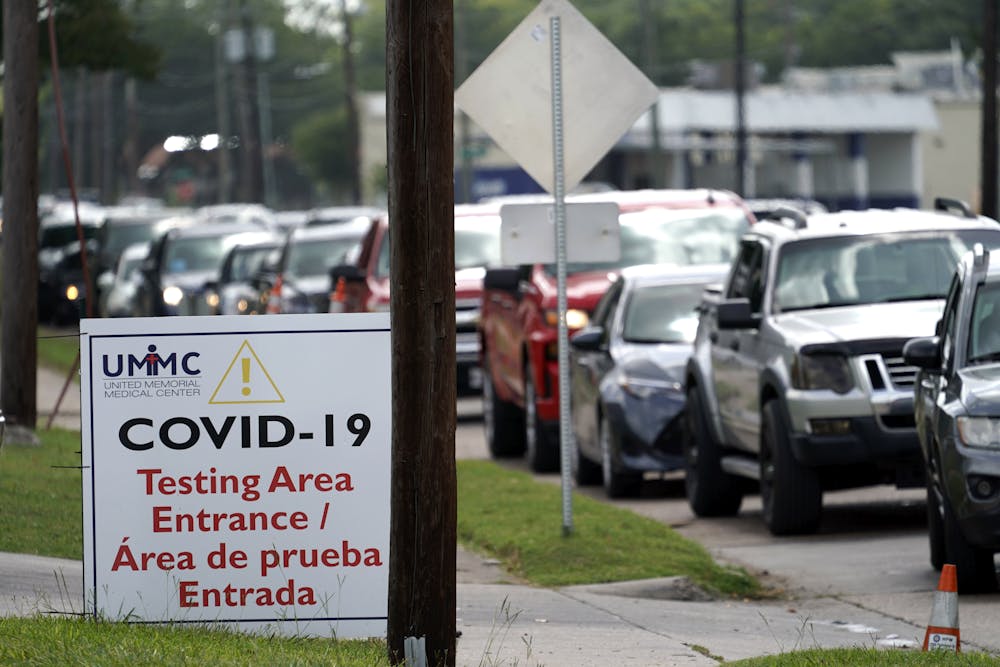
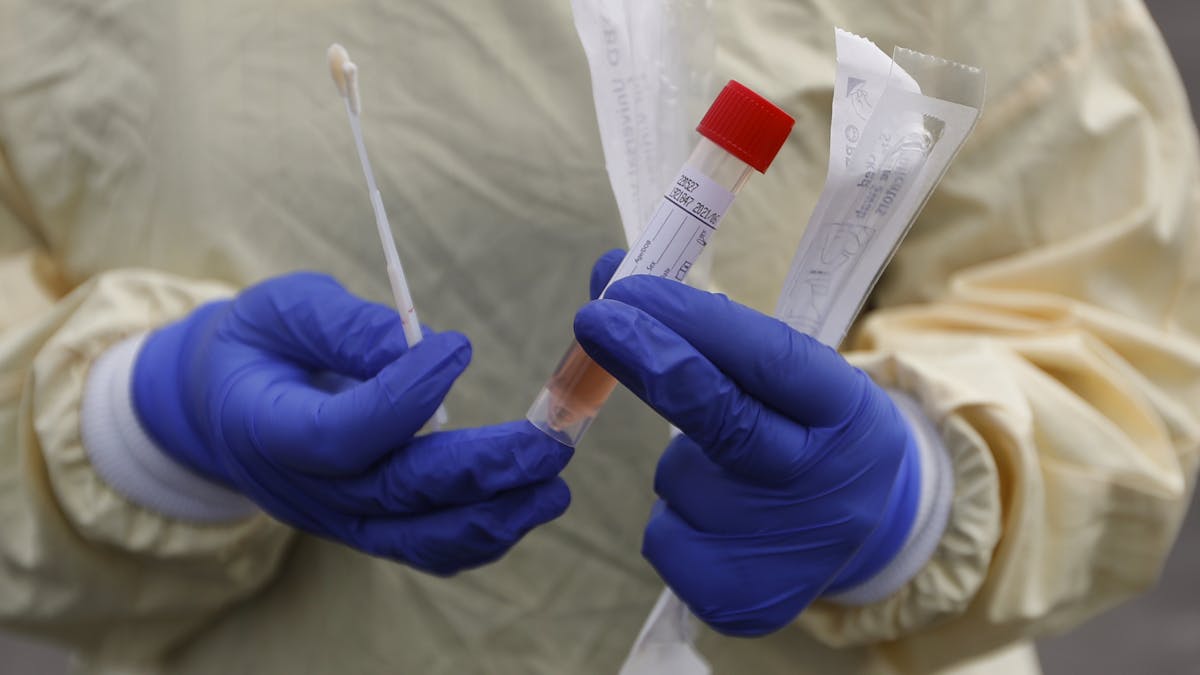
For many people in the U.S., getting tested for COVID-19 is a struggle. In Arizona, testing sites have seen lines of hundreds of cars stretching over a mile. In Texas and Florida, some people were waiting for five hours for free testing.

The inconvenience of these long waits alone discourages many people from getting tested. With the surge in cases, many public testing sites have been reaching maximum capacity within hours of opening, leaving many people unable to get tested for days. Those that do get tested often face a week-long wait to get their test results.

Every person who isn’t tested could be spreading COVID-19 unknowingly. These overstretched testing programs are a weak link in the U.S. pandemic response.

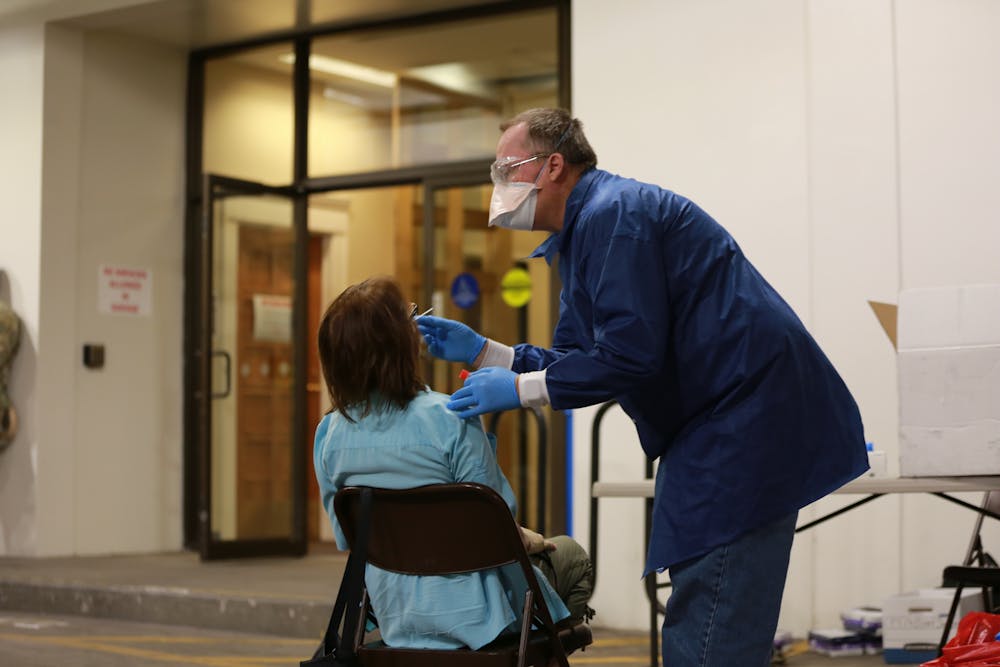
study public health policy to combat infectious disease epidemics. The key to overcoming this pandemic is to slow transmission of the virus by preventing contagious people from infecting others. A widespread quarantine would accomplish this, but is economically and socially burdensome. Testing offers a way to identify contagious people so they can be isolated to prevent the spread of the disease. This is especially important for COVID-19 because an estimated 40% or more of all people infected with SARS-CoV-2 have few or no symptoms so testing is the only way to identify them.

Some states are doing much better than others. But as a whole, the U.S. is falling far short of the amount of testing needed to control the pandemic. What are the challenges the U.S. is facing? And what is the way forward?

Testing should be free, easy, fast and accurate

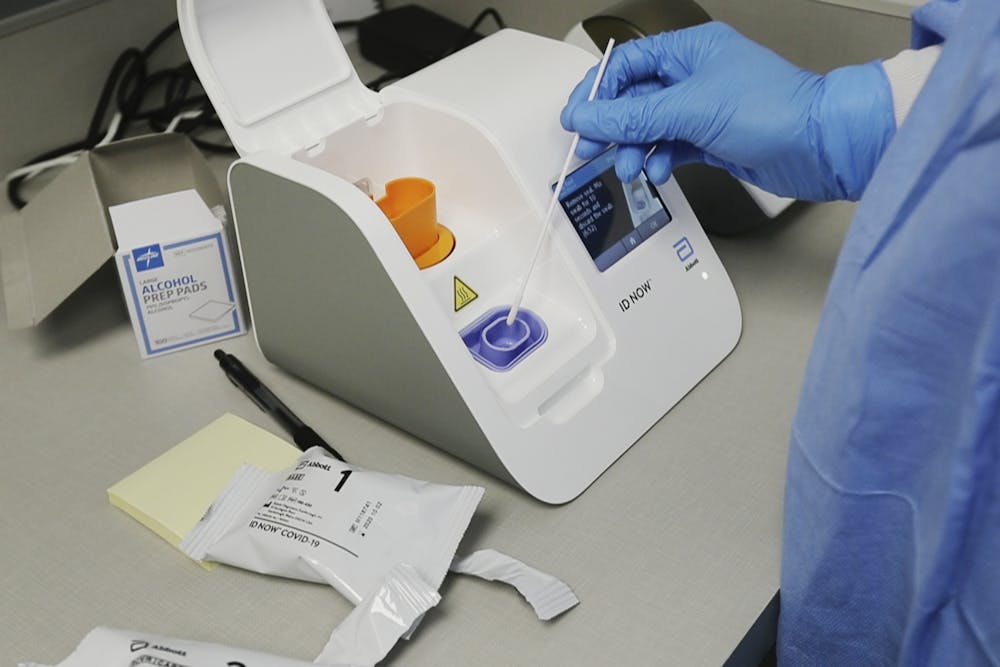
The ultimate goal of testing is for everyone, regardless of symptoms, to know at all times whether they are infected with the coronavirus. To achieve this level of testing, tests should be free, very easy to perform and provide accurate results quickly.

Ideally, free COVID-19 tests would be delivered to everyone directly. The tests would be simple to perform – like a saliva test – and would give a perfectly accurate result within minutes. Everyone could test themselves weekly or anytime they were going to be in close contact with other people.

In this ideal scenario, most, if not all, contagious people would be detected before they could spread the virus to others. And because of the rapid results, there would be no burden of quarantining between doing the test and getting the result.

Researchers are working on better-quality tests, but access is a problem of infrastructure, not science. Right now, nowhere in the U.S. comes close to meeting surging demand for testing.

One of the worst cases: Texas

The difficulty of getting a COVID-19 test varies by state, but currently, people in Texas face some of the biggest obstacles, which results in far fewer tests being done than is needed to control the pandemic.

First, Houston – which is experiencing a surge in cases – and many testing sites across the state recommend or offer testing only to people who have symptoms, were exposed to a COVID-19 case or are a member of a high-risk group.

Even people recommended for testing still face challenges. It is possible to request an appointment for a free COVID-19 test, but testing facilities can handle only so many patients a day and testing slots fill up quickly. Even if someone gets an appointment, they may face an hours-long wait at the testing site.

Finally, public health experts recommend that people who may have been exposed to COVID-19 should quarantine at home for 14 days or until they receive a negative test result. In Texas, patients are supposed to get results through an online portal in three to five days, but many labs have been taking seven to nine days to return results. These long delays mean people face a much higher burden of quarantining while waiting for results.

All of these challenges make it clear that Texas is simply not testing enough people to keep the spread of COVID-19 in check.

To gauge the success of COVID-19 testing programs, epidemiologists use a measure called test positivity. This is simply the percentage of tests that come back positive. The lower the test positivity, the better, because that means very few cases are going undetected. A high test-positivity rate is usually a sign that only the sickest people are getting tested and many cases are being missed.

The World Health Organization guidelines say that if more than 1 out of 20 COVID-19 tests comes back positive – a test positivity of more than 5% – this is an indication that a lot of cases are not diagnosed and the epidemic is not under control. 

Texas currently has a test-positivity of around 16%, which means that a lot of infected people are not getting tested and may be unknowingly spreading the disease.

One of the best cases: New Mexico

In stark contrast to Texas is New Mexico, which has one of the strongest testing programs in the U.S.

First, public health officials there encourage everyone to get tested for COVID-19 regardless of symptoms or exposure. The state has also prohibited health providers from charging patients for tests. People seeking a test have the option to walk in or to make an appointment ahead of time, whichever is more convenient.

All of this relatively good access to testing has resulted in one of the highest per capita testing rates in the country, at over 20,000 tests per 100,000 people, and test-positivity rate of around 4%. New Mexico’s testing program is diagnosing a relatively high proportion of cases despite the state experiencing a recent surge.

New Mexico still has room for improvement. Long lines, wait times and limited capacity are becoming more common as cases surge, but the foundation of a strong testing program has helped the state cope with the increase in cases.


The big-picture problems

The pre-pandemic infectious disease testing capabilities in the U.S. are clearly unable to meet the current demand. A nationwide response is needed, and there are three things that Congress, the federal government and local governments can do to help ensure COVID-19 tests will be easy to get, fast and accurate.

First, Congress can provide funding to stimulate the testing supply chain, scale up existing testing programs and promote innovation in test development.

Second, governments can improve the management and coordination of testing programs to more efficiently use existing resources.

And third, innovative testing methods that reduce the need for lab capacity – like paper-strip tests and pooled testing – need be approved and implemented more quickly.

Every little improvement in testing capabilities means more COVID-19 cases can be caught before the virus is transmitted. And slowing the spread of the virus is the key to overcoming the pandemic.


69% Of Americans Are Concerned That The U.S. Is Reopening Too Quickly Amid The Coronavirus Pandemic

https://www.forbes.com/sites/mattperez/2020/08/06/69-of-americans-are-concerned-that-the-us-is-reopening-too-quickly-amid-the-coronavirus-pandemic/#719b3e2523f3

69% Of Americans Are Concerned That The U.S. Is Reopening Too ...

TOPLINE

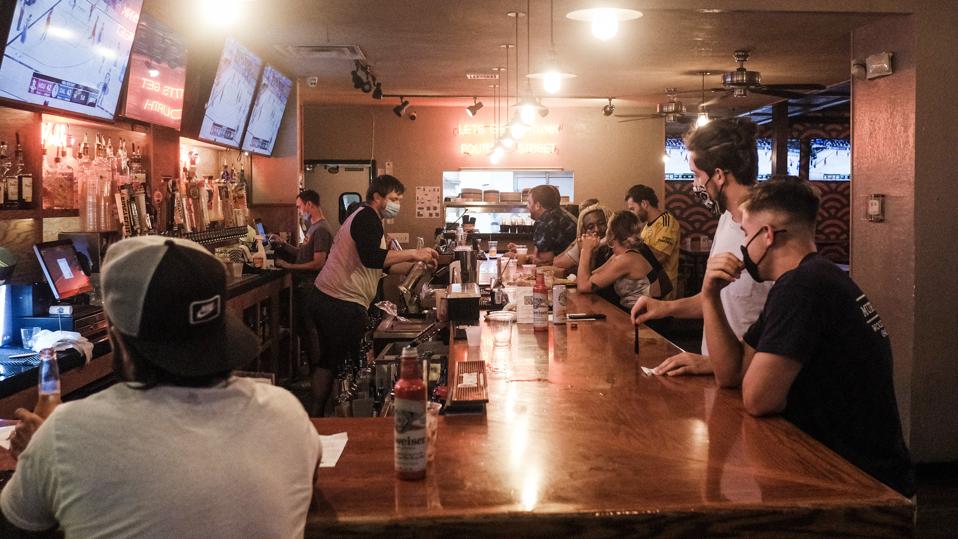
Some 69% of Americans believe that state governments have eased restrictions too soon amid the Covid-19 pandemic, as opposed to opening too slowly, according to a new Pew Research study published on Thursday, as the U.S. grapples with a still-uncontrolled outbreak of the coronavirus.

KEY FACTS

While the Trump administration pushed for states to lift stay-at-home orders throughout the spring to help the battered economy, governors are now being forced to pause or restore some restrictions after a surge in cases this summer.

Around seven-in-ten people believe the most effective way to help economic recovery is to significantly reduce infections across the country, according to the study, and while Trump continues his argument that the U.S. leads the world in cases due to an increase in testing, 60% of Americans believe it’s primarily due to more new infections.

A majority of Democrats and Republicans believe the main reason the outbreak in the U.S. has continued is due to the lack of social distancing and mask wearing, while 58% of adults surveyed believe it’s due to early lifting of restrictions.

A number of wealthy nations that experienced severe outbreaks early in the pandemic have exited their first waves and have less cases than states like California and Florida, with 62% of Americans believing the U.S. response to the coronavirus trails other affluent countries.

The survey comes as the Trump administration continues to pressure Democratic-led states to ease restrictions and demand schools reopen for in-person instruction, even threatening to withhold federal funding if they don’t.

CRUCIAL QUOTE

Dr. Anthony Fauci, the government’s lead infectious disease expert, commented on the rise of infections across the nation: “In the attempt to reopen in some situations states did not abide strictly by the guidelines that the task force and the White House has put out. And others that even did abide by it, the people in the state actually were congregating in crowds and not wearing masks.”

KEY BACKGROUND

While initial hotspots like New York and New Jersey were able to lower the infection rate throughout the spring, cases began exploding in southern and western states before the country as a whole could exit the first wave of its outbreak. Cases are now trending down after a record high of 74,818 on July 24, according to the Centers for Disease Control and Prevention, though deaths have been over 1,000 daily the past week and there are still tens of thousands of cases each day. The U.S. leads all other countries in cases with 4.87 million, as well as reported deaths with 159,864.


COVID-19 long-term toll signals billions in healthcare costs ahead

https://www.reuters.com/article/us-health-coronavirus-fallout-insight/long-term-complications-of-covid-19-signals-billions-in-healthcare-costs-ahead-idUSKBN24Z1CM?fbclid=IwAR2f9fSnhgGBVvIe1fKX2EO5kKSG7TwUesAMUGrG0jBSfoBrBYltR1e9Nik

COVID-19 long-term toll signals billions in healthcare costs ahead ...

Late in March, Laura Gross, 72, was recovering from gall bladder surgery in her Fort Lee, New Jersey, home when she became sick again.

Her throat, head and eyes hurt, her muscles and joints ached and she felt like she was in a fog. Her diagnosis was COVID-19. Four months later, these symptoms remain.

Gross sees a primary care doctor and specialists including a cardiologist, pulmonologist, endocrinologist, neurologist, and gastroenterologist.

“I’ve had a headache since April. I’ve never stopped running a low-grade temperature,” she said.

Studies of COVID-19 patients keep uncovering new complications associated with the disease.

With mounting evidence that some COVID-19 survivors face months, or possibly years, of debilitating complications, healthcare experts are beginning to study possible long-term costs.

Bruce Lee of the City University of New York (CUNY) Public School of Health estimated that if 20% of the U.S. population contracts the virus, the one-year post-hospitalization costs would be at least $50 billion, before factoring in longer-term care for lingering health problems. Without a vaccine, if 80% of the population became infected, that cost would balloon to $204 billion.

Some countries hit hard by the new coronavirus – including the United States, Britain and Italy – are considering whether these long-term effects can be considered a “post-COVID syndrome,” according to Reuters interviews with about a dozen doctors and health economists.

Some U.S. and Italian hospitals have created centers devoted to the care of these patients and are standardizing follow-up measures.

Britain’s Department of Health and the U.S. Centers for Disease Control and Prevention are each leading national studies of COVID-19’s long-term impacts. An international panel of doctors will suggest standards for mid- and long-term care of recovered patients to the World Health Organization (WHO) in August.

YEARS BEFORE THE COST IS KNOWN

More than 17 million people have been infected by the new coronavirus worldwide, about a quarter of them in the United States.

Healthcare experts say it will be years before the costs for those who have recovered can be fully calculated, not unlike the slow recognition of HIV, or the health impacts to first responders of the Sept. 11, 2001 attacks on the World Trade Center in New York.

They stem from COVID-19’s toll on multiple organs, including heart, lung and kidney damage that will likely require costly care, such as regular scans and ultrasounds, as well as neurological deficits that are not yet fully understood.

A JAMA Cardiology study found that in one group of COVID-19 patients in Germany aged 45 to 53, more than 75% suffered from heart inflammation, raising the possibility of future heart failure.

A Kidney International study found that over a third of COVID-19 patients in a New York medical system developed acute kidney injury, and nearly 15% required dialysis.

Dr. Marco Rizzi in Bergamo, Italy, an early epicenter of the pandemic, said the Giovanni XXIII Hospital has seen close to 600 COVID-19 patients for follow-up. About 30% have lung issues, 10% have neurological problems, 10% have heart issues and about 9% have lingering motor skill problems. He co-chairs the WHO panel that will recommend long-term follow-up for patients.

“On a global level, nobody knows how many will still need checks and treatment in three months, six months, a year,” Rizzi said, adding that even those with mild COVID-19 “may have consequences in the future.”

Milan’s San Raffaele Hospital has seen more than 1,000 COVID-19 patients for follow-up. While major cardiology problems there were few, about 30% to 40% of patients have neurological problems and at least half suffer from respiratory conditions, according to Dr. Moreno Tresoldi.

Some of these long-term effects have only recently emerged, too soon for health economists to study medical claims and make accurate estimates of costs.

In Britain and Italy, those costs would be borne by their respective governments, which have committed to funding COVID-19 treatments but have offered few details on how much may be needed.

In the United States, more than half of the population is covered by private health insurers, an industry that is just beginning to estimate the cost of COVID-19.

CUNY’s Lee estimated the average one-year cost of a U.S. COVID-19 patient after they have been discharged from the hospital at $4,000, largely due to the lingering issues from acute respiratory distress syndrome (ARDS), which affects some 40% of patients, and sepsis.

The estimate spans patients who had been hospitalized with moderate illness to the most severe cases, but does not include other potential complications, such as heart and kidney damage.

Even those who do not require hospitalization have average one-year costs after their initial illness of $1,000, Lee estimated.

‘HARD JUST TO GET UP’

Extra costs from lingering effects of COVID-19 could mean higher health insurance premiums in the United States. Some health plans have already raised 2021 premiums on comprehensive coverage by up to 8% due to COVID-19, according to the Kaiser Family Foundation.

Anne McKee, 61, a retired psychologist who lives in Knoxville, Tennessee and Atlanta, had multiple sclerosis and asthma when she became infected nearly five months ago. She is still struggling to catch her breath.

“On good days, I can do a couple loads of laundry, but the last several days, it’s been hard just to get up and get a drink from the kitchen,” she said.

She has spent more than $5,000 on appointments, tests and prescription drugs during that time. Her insurance has paid more than $15,000 including $240 for a telehealth appointment and $455 for a lung scan.

“Many of the issues that arise from having a severe contraction of a disease could be 3, 5, 20 years down the road,” said Dale Hall, Managing Director of Research with the Society of Actuaries.

To understand the costs, U.S. actuaries compare insurance records of coronavirus patients against people with a similar health profile but no COVID-19, and follow them for years.

The United Kingdom aims to track the health of 10,000 hospitalized COVID-19 patients over the first 12 months after being discharged and potentially as long as 25 years. Scientists running the study see the potential for defining a long-term COVID-19 syndrome, as they found with Ebola survivors in Africa.

“Many people, we believe will have scarring in the lungs and fatigue … and perhaps vascular damage to the brain, perhaps, psychological distress as well,” said Professor Calum Semple from the University of Liverpool.

Margaret O’Hara, 50, who works at a Birmingham hospital is one of many COVID-19 patients who will not be included in the study because she had mild symptoms and was not hospitalized. But recurring health issues, including extreme shortness of breath, has kept her out of work.

O’Hara worries patients like her are not going to be included in the country’s long-term cost planning.

“We’re going to need … expensive follow-up for quite a long time,” she said.


The Misguided Rush to Throw the School Doors Open

https://www.governing.com/now/The-Misguided-Rush-to-Throw-the-School-Doors-Open.html?utm_term=READ%20MORE&utm_campaign=The%20Misguided%20Rush%20to%20Throw%20the%20School%20Doors%20Open&utm_content=email&utm_source=Act-On+Software&utm_medium=email

With the COVID-19 pandemic raging across much of America, a return to full-scale classroom instruction poses too grave a risk to students, teachers, school staff, parents and their communities.

Across the country, many of the public schools that are scheduled to open their doors within the next few weeks are still in limbo as to whether they should open on time and how they should operate — with full-scale in-person classroom instruction, with online learning only, or with some hybrid of the two. But the right call is becoming clearer by the day: It’s too soon to bring students and teachers back into the classroom.

Most communities are not ready to reopen their schools for traditional classes because neither government leaders nor the public have done nearly enough to curb the spread of the coronavirus or make the necessary preparations that would be required to operate schools safely.

Tens of thousands of new cases of COVID-19 are being reported every day and the death toll is averaging more than a thousand daily, with Sun Belt states seeing most of the biggest surges. It’s becoming ever clearer that this grim tally will continue until an effective vaccine is available. Until then, the possibility that students, their parents, teachers and school staff could become infected with the coronavirus and spread it widely to their communities should gravely concern every public official. The danger is hardly speculative: Schools that are among the earliest to reopen are already seeing positive cases.

The arguments that students learn better in a classroom setting, that they are suffering psychologically from social isolation, and that school closures have been particularly hard on working families are all legitimate. But are we really prepared to further risk the health of our children and of our communities by putting them in an environment where most of the practices to curb the virus will be difficult, if not impossible, to consistently follow?

And the danger to school staff members if they are forced to return to work should not be underestimated. According to the Kaiser Family Foundation, 25 percent of teachers are at risk of serious illness if they become infected with COVID-19, either because of their age — 65 or older — or their underlying health conditions.

The rush to reopen fully for in-person instruction has been driven in part by President Trump and Education Secretary Betsy DeVos, whose demands have been accompanied with threats of losing federal funds. Those demands appear to run afoul of guidelines issued by the Centers for Disease Control and Prevention a few weeks ago: Among other things, the CDC counseled going with small, socially distanced class sizes, emphasizing hand hygiene and respiratory etiquette, and requiring cloth face coverings — common-sense precautions the president said were too strict and many school officials say will be difficult to implement.

The political pressure has been so intense that the CDC issued a new set of “resources and tools” for school reopening, with CDC Director Robert Redfield saying that “the goal line is to get the majority of these students back to face-to-face learning,” a stance that was seen by many as a capitulation after the president criticized the earlier guidelines. Clearly this is not what most Americans expect of our top health officials. The public must feel confident that decisions to reopen schools are based on the best scientific evidence available and the professional advice of educators.

Despite the threats and pressure, many school officials are still doing the right thing by listening to local health experts and deciding for themselves when and how best to reopen. I see this in my own state of Georgia, where, according to a recent Atlanta Journal-Constitution article on how Georgia schools plan to start the school year, most school official are delaying opening and say that when they do open they plan to implement a hybrid approach to instruction. “Teachers will check in virtually — via some video conferencing software allowing them to see the dozens of children they would normally engage with through rows or groups of desks,” the newspaper reported.

The larger school districts in metropolitan Atlanta recently reversed themselves from offering parents an option to send their children to school traditionally or attend virtually, opting to go all-virtual because of the spikes in the virus. Other schools in the state plan to meet on campus a few days a week and do virtual learning on other days. Then there are superintendents who plan to prioritize on-campus learning but restrict it to students with special learning needs, such as those who have autism. Many of these options are complex and carry with them implications difficult to foresee, but they all prioritize the health of students.

The ultimate decider of when schools will fully reopen will undoubtedly be parents, at least those who have the freedom and budgets to stay home and monitor their children’s academic progress and assist with their homework. As a caring society, we must ensure that the option to telework is given to as many parents as possible, so that the decision to send one’s children to school and possibly expose them to the coronavirus is not based on family income and social status.

We are still in an existential fight with the coronavirus, and we do not know precisely how or when this battle will end. We do know the virus is apolitical and knows no local or state boundaries. There are no quick or easy solutions. One can only pray that public officials learned something from reopening our economy too soon. We do not want this to happen again by prematurely reopening schools.

Much of what our children lose in a semester or two of distance learning can be made up in time, but a lost life is forever.


A Mississippi town welcomed students back to school last week. Now 116 are home in quarantine.

https://www.washingtonpost.com/nation/2020/08/06/school-coronavirus-outbreak-mississippi/?utm_campaign=wp_main&utm_medium=social&utm_source=facebook&fbclid=IwAR058o-kJ0UCs1SRJFdJ-bWJylbuVn1Q2QkYnhMpmWH4s6NVx9yN2CA6lNE

Over 100 students quarantined in Mississippi school district after ...

Last week, schools in Corinth, Miss., welcomed back hundreds of students. By Friday, one high-schooler tested positive for the novel coronavirus. By early this week, the count rose to six students and one staff member infected. Now, 116 students have been sent home to quarantine, a spokeswoman for the school district confirmed.

Despite the quick fallout, the district’s superintendent said he has no plans to change course.

As districts around the country debate the merits of in-person classes vs. remote learning amid an escalating novel coronavirus pandemic, the Corinth School District’s early experience shows how quickly positive tests can lead to larger quarantines.

Other districts that have welcomed teachers or students back have faced similar challenges. After teachers returned to plan lessons in Georgia’s largest district, 260 district employees were barred from reentering schools because of either testing positive for the coronavirus or being in close contact with someone who had. In southeast Kansas, six school administrators tested positive after attending a three-day retreat. And within hours of opening, a school in Greenfield, Ind., was informed by the health department that a student had the virus.

Some health officials in the Trump administration, which has pushed for schools to fully reopen, are now urging communities with high rates of the virus to rethink in-person classes. On Sunday, Deborah Birx, the White House’s top coronavirus coordinator, said on CNN’s “State of the Union” that in hard-hit areas, “we are asking people to distance-learn at this moment so we can get this epidemic under control.”

Mississippi has been among the hardest-hit states in the South and could overtake Florida as the top state for cases per capita, according to researchers at Harvard University. The state has had more than 63,000 coronavirus cases and more than 1,800 deaths to date.

On Tuesday, Gov. Tate Reeves (R) said in a Facebook post that he would delay school opening for seventh to 12th grades in hot spots. The governor also mandated masks in schools and ordered a two-week mask requirement for public gatherings.

In Corinth, the school district gave families an option of either sending their children to school buildings or doing distance learning from home.

“We made the decision that even though we had seen a spike in those numbers, that schools needed to reopen and at the same time, schools need to remain open,” Childress said in the Facebook Live broadcast.

According to the district’s reopening plan, students and teachers are screened daily, with their temperatures taken upon arrival at school and checked for symptoms including coughing, difficulty breathing, and loss of taste and smell. Childress said that the district will start midday temperature checks.

When the schools learned of positive coronavirus cases, they used contact tracing and notified students who had been “within 6 feet of an infected person for 15 minutes or more,” said a memo posted Wednesday on Facebook informing the community of the cases. Seating charts helped the school determine who needed to quarantine, Childress said in the Facebook Live broadcast.

Those students will have to self-quarantine for 14 days and continue school online.

Despite the positive tests and quarantines, Childress said he remained optimistic about the school district’s plans. He encouraged the families to wear masks, and he urged everyone with children in quarantine to stay home until getting their test results.

“We’ve had a good start of school,” Childress said. “We’re going to have some more positive cases. We know that. We know it will happen. We’re going to have to deal with it, and I can assure that we will deal with it and when we impose quarantines on students and staff, we are doing that for a reason.”


Fauci says family has faced threats, harassment amid pandemic

Fauci says family has faced threats, harassment amid pandemic

Fauci says family has faced threats, harassment amid pandemic ...

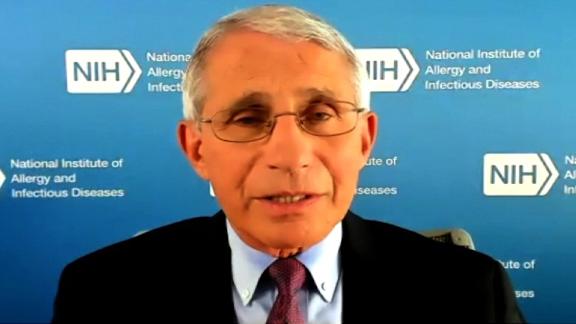
Dr. Anthony Fauci, the nation’s top infectious disease expert, said he and his family are getting death threats because people don’t like what he says about COVID-19.

“Getting death threats for me, and my family, and harassing my daughters, to the point where I have to get security is just — I mean, it’s amazing,” Fauci said during an interview with CNN’s Sanjay Gupta on Wednesday.

“I wouldn’t have imagined in my wildest dreams that people who object to things that are pure public health principles, are so set against it and don’t like what you and I say, namely in the world of science, that they actually threaten you.”

He noted that crises like COVID-19 has brought out the best of people but also the worst of people.

Fauci’s notoriety has been elevated by COVID-19, as he is often on TV offering a blunt portrayal of the state of the pandemic in the U.S.

Fauci, 79, is one of the world’s most respected infectious disease experts, having advised six presidents on HIV/AIDS, Ebola, Zika and other health crises. He has earned a reputation for being blunt and willing to correct the president.

Fauci has had a security detail since at least April.

Fauci also reflected on what he says is a degree of “anti-science” sentiment in the U.S. that is making it difficult to get people to do things to slow the spread of COVID-19 like wearing masks.

“There is a degree of anti-science feeling in this country, and I think it is not just related to science. It’s almost related to authority and a mistrust in authority that spills over,” he told Gupta.

“Because in some respects, scientists, because they’re trying to present data, may be looked upon as being an authoritative figure, and the pushing back on authority, the pushing back on government is the same as pushing back on science.”

He said the scientific community should be more transparent and reach out to people to underscore the importance of science and evidence-based policy.

“I know when I say that if we follow these five or six principles, we can open up we don’t have to stay shut…There are some people that just don’t believe me or don’t pay attention to that. And that’s unfortunate because that is the way out of this,” he said.

President Trump has repeatedly undermined Fauci, questioning the White House coronavirus task force member on Twitter and in interviews with the media.

Over the weekend, Trump tweeted out a video of a portion of Fauci’s testimony explaining why the U.S. has recorded more cases than European cases and called it “wrong.” Trump has falsely claimed several times that the U.S. has more cases because it is doing more testing.

Trump has also retweeted multiple messages that question Fauci’s expertise, including one last week that said he had “misled the American public.”


Pandemic reveals flaws of unemployment insurance programs

Pandemic reveals flaws of unemployment insurance programs

Pandemic reveals flaws of unemployment insurance programs

The lapse of enhanced jobless benefits amid a record-breaking crush of applications is exposing the flaws and shortcomings of how the U.S. provides unemployment insurance.

The economic toll of the coronavirus pandemic has torn holes in a federal safety net woven by individual systems for every state plus the District of Columbia, Puerto Rico and the Virgin Islands. More than 30.2 million Americans were on some form of unemployment insurance as of mid-July, with the Labor Department reporting a growing number of new applications in subsequent weeks.

Friday’s expiration of a $600 weekly add-on to state benefits plunged those vulnerable Americans into financial peril.

Congressional Democrats and Trump administration officials are now deadlocked over negotiations for a broader coronavirus relief package that’s expected to include some form of federal unemployment benefits.

But short-staffed unemployment offices across the U.S. grappling with outdated technology and unprecedented demand would face challenges from implementing a scaled-down or more complicated approach to the weekly payments.

Economists and labor market experts also warn that any solution that emerges from the negotiations would take weeks, if not months, to get up and running, risking a potentially catastrophic fiscal cliff for tens of millions of U.S. households.

“You ought to be able to deliver the program that’s on the books,” said Douglas Holtz-Eakin, former director of the Congressional Budget Office and a White House economist under former President George W. Bush.

“The states, collectively, seem to have not kept up the systems and we now have a big problem because of that,” he added.

The unprecedented size and speed of the pandemic-driven economic collapse has posed a brutal challenge for state unemployment agencies. After 10 years of steady economic expansion, the labor market quickly went from the lowest unemployment rate in 50 years to the highest level of joblessness since the Great Depression.

New claims for unemployment benefits were averaging roughly 200,000 nationwide a week before the pandemic — a manageable level for state agencies that had largely been neglected during the longest stretch of growth in modern U.S. history. But the coronavirus lockdowns spurred 3.3 million new claims between March 15 and March 22, a then-record that would be doubled the following week. Before the COVID-19 outbreak, the previous record was 695,000 from the first week of October 1982.

A little more than four months after the pandemic hit, state agencies are now processing roughly 2 million new claims a week for both unemployment insurance and Pandemic Unemployment Assistance (PUA), a program designed to cover those who don’t qualify for typical benefits.

“On some level, you can’t really blame states for not being prepared for that level of onslaught,” said Michele Evermore, senior policy analyst at the National Employment Law Project.

“Usually, you see the recession starting up and state agencies say ‘You know, this looks like a recession here, so let’s start to staff up.’ This came on all at once, so we’ve had these neglected, antiquated systems and then there’s all these other stressors.”

The U.S. economy has been in recession since February, according to the National Bureau of Economic Research.

Processing the massive surge of unemployment claims on shoddy technology would have been hard enough for states. Adding enhanced benefits and PUA claims to the mix strained state agencies even more.

“It took time to upgrade those systems. It took time to hire and train new staff who could deal with the volumes of the calls, and all in a pandemic, when face-to-face contact and training and being together in office were not possible,” said Julia Pollak, labor economist at job recruitment and posting company ZipRecuriter.

“So it’s easy to see in hindsight why it all fell apart.”

Enhanced unemployment benefits are among the biggest obstacles to reaching a deal on what’s likely to be the last coronavirus relief package before the election. While President Trump and Republicans are divided over how and whether to extend the federal boost, Democrats are largely united behind extending the benefits and reducing them gradually along a curve tied to the unemployment rate.

Speaker Nancy Pelosi (D-Calif.) has called for including such a mechanism, known as an automatic stabilizers, in the coronavirus package being negotiated.

Rep. Don Beyer (D-Va.), vice chair of the Joint Economic Committee, introduced a separate bill designed to tackle economic downturns beyond the coronavirus recession. His measure would establish a six-tier system for reducing the federal benefit in line with a state’s unemployment rate.

The approach was endorsed by former Federal Reserve Chairman Ben Bernanke, who oversaw the central bank’s response to the Great Recession, and his successor, Janet Yellen.

“Every time you get close to a cliff and there’s a political battle and political price to be paid, probably by both sides, rather than just saying ‘This is what’s needed,’ let’s kick it in,” Beyer said in an interview.

“We talked to economists all across the country and virtually everyone we talked to said this makes the most sense.”

But Republican lawmakers and right-leaning economists have pushed back on efforts to codify mandatory spending and make decisions now about what will be needed to mitigate future crises.

“It’s hard for me to understand why it’s appropriate now to anticipate the economic conditions in the future and tie the hands of future elected representatives of Congress,” Holtz-Eakin said.

“It forked out $2.3 trillion in [the CARES Act] across the board in ways that got to small businesses, to households, to the employed, the unemployed. If you’re going to have one in 100-year events, that’s how you deal with them,” he added.

Republicans have instead proposed replacing the flat $600 weekly boost with a percentage of the worker’s pre-pandemic earnings in addition to what is prescribed by each state. While the wage-replacement is more tailored, Evermore warned that making the necessary calculations for each claimant could overwhelm an already teetering system.

“If you told states that they had to do a percentage replacement — oh, my gosh, that’s a recipe for crashing everything,” she said.

“It’s just not how the system is set up to work.”


Cartoon – Brainless Decision Making

Human Decision-Making in a Big Data World – InFocus Blog | Dell ...

40% of Americans still putting off care

https://www.axios.com/newsletters/axios-vitals-65b6b9b9-ee8e-4b89-9688-c43c0146c4d6.html?utm_source=newsletter&utm_medium=email&utm_campaign=newsletter_axiosvitals&stream=top

40% of Americans continue to put off medical care - Axios

Roughly 40% of Americans have postponed getting medical care due to the coronavirus outbreak. That number has stayed around 40% in all 12 weeks of the Census Bureau’s Household Pulse Survey.

Why it matters: Hospitals and doctors started rescheduling surgeries and other appointments as early as mid-May, and many patient volumes are mostly back to pre-pandemic numbers, Axios’ Bob Herman writes.

  • But this data suggests there is still a major backlog of Americans who need care — a phenomenon that existed well before the pandemic.