Overweight patients infected with COVID-19 have a higher risk of severe disease—but it turns out the pandemic may have brought a reprieve for overweight turkeys. According to a recent Washington Post piece, turkey farmers are facing a glut of, ahem, larger birds, as social distancing and reduced travel are expected to result in fewer people around the Thanksgiving dinner table, and fewer families springing for a 20-pound bird.
Farmers commit to their chicks as early as January, making a bet on the ratio of larger (male) toms versus smaller (female) hens to meet holiday demand, so many were locked into their plans before the pandemic hit. Demand for larger birds has also been hit by fewer orders for piece parts: with fall Renaissance festivals canceled, demand for turkey legs cratered. (Spare a thought for mead brewers as well.) Sadly, these soon-to-be-spared holiday heavyweights are unlikely to spend the winter roaming free—look for a rise in ground turkey supply a few months down the road.
Smaller birds for smaller gatherings: just another way our “Pandemic Thanksgiving” will look like none we’ve experienced before.
The upcoming election has huge implications for healthcare, far beyond how COVID is managed, ranging from how care is covered to how it’s delivered. The graphic above shows a continuum of potential policy outcomes of the November 3rd vote.
If President Trump wins a second termand Republicans control at least one house of Congress, there will likely be more attempts to dismantle the ACA, as well as continued privatization of Medicare coverage.
If Democrats win the presidency and sweep Congress, actions to expand the Affordable Care Act (ACA), or even create a national public option, are on the table—although major healthcare reform seems unlikely to occur until the second half of a Biden term.
In the short term, we’d expect to see more policy activity in areas of bipartisan agreement, like improving price transparency, ending surprise billing and lowering the cost of prescription drugs, regardless of who lands in the White House.
While healthcare emerged as the most important issue for voters in the 2018 midterm elections, the COVID pandemic has overshadowed the broader healthcare reform platforms of both Presidential candidates heading into the election. As shown in the gray box, many Americans view the election as a referendum on the Trump administration’s COVID response. Managing the pandemic is one of the most important issues for voters, especially Democrats, who now rank the issue above reducing the cost of healthcare or lowering the cost of drugs.
In many aspects, the COVID policies of Biden and Trump are almost diametrically opposed, especially concerning the role of the federal government in organizing the nation’s pandemic response.
The next administration’s actions to prevent future COVID-19 surges, ensure safe a return to work and school, accelerate therapies, and coordinate vaccine delivery will remain the most important aspect of healthcare policy well into 2021.
This week Nebraska became the latest state to receive waiver authority from the Trump administration to implement work requirements as part of its Medicaid expansion program.
The program, called “Heritage Health Adult”, will be a two-tiered system, with expansion-eligible adults choosing between “Basic” and “Prime” coverage levels. The lower tier will provide coverage for physical and behavioral health services, with a prescription drug benefit, and is open to adults not eligible for traditional Medicaid with incomes under 138 percent of the federal poverty line.
“Prime” enrollees will get additional dental, vision, and over-the-counter drug benefits, in exchange for agreeing to 80 hours per month of work, volunteering, or active job seeking, which must be reported to the state.
Nebraska voters approved the Medicaid expansion two years ago, although enrollment only began this August, and the work-linked demonstration project is slated to start next year. An estimated 90,000 additional Nebraskans are expected to enroll in Medicaid under the expanded program.
The approval of Nebraska’s Medicaid work requirement comes a week after the Trump administration approved a partial expansion of Medicaid in Georgia, called “Pathways to Coverage”, which is also tied to a requirement to seek or engage in employment or education activities.
The Georgia program also requires premium payments by eligible adults who make between 50 and 100 percent of the federal poverty line. Court challenges will inevitably ensue for both the Nebraska and Georgia programs—only Utah has successfully implemented Medicaid work requirements, with 16 other state programs either pending approval, held up in court, or awaiting implementation. We continue to be deeply skeptical of Medicaid work requirements, and believe they only serve to deter those who would otherwise qualify for coverage from enrolling, and that the expense of their implementation and ongoing operation often outweighs any savings to the state.
The argument that “work encourages health”, often advanced by proponents of work requirements, gets it exactly backwards—rather, health security encourages work, a reality that has become ever more urgent as the COVID pandemic has drawn on.
As the economy continues to falter, Medicaid’s importance as a safety net program grows ever greater, and work requirements create an unhelpful obstacle to basic healthcare access.
In Thursday’s second and final Presidential debate, former Vice President Joe Biden warned that a “dark winter” lies ahead in the coronavirus pandemic, and with cases, hospitalizations, and deaths on the rise across the country, it now appears that we are headed into a “third wave” of infections that may prove worse than both the initial onset of COVID on the coasts and the summertime spike in the Sun Belt.
Yesterday more than 71,600 new cases were reported nationwide, nearing a late-July record. Thirteen states hit record-high hospitalizations this week, measured by weekly averages, most in the Midwest and Mountain West. Several Northeastern states, which had previously brought the spread of the virus under control, also experienced substantial increases in infections, leading schools in Boston to suspend all in-person instruction. Of particular concern is hospital capacity, which is already being strained in the more rural areas now being hit by COVID cases. With infection spikes more geographically widespread than in earlier waves, fewer medical workers are available to lend support to hospitals in other states, leading to concerns about hospital staffing as admissions rise.
As hospitalizations increase, so too will demand for therapeutics to help shorten the course and moderate the impact of COVID. This week, Gilead Sciences’ antiviral drug remdesivir, previously available under an Emergency Use Authorization (EUA) from the federal government, became the first drug to win full approval from the Food and Drug Administration (FDA) to treat patients hospitalized with COVID-19. The approval was based on clinical studies that showed that remdesivir can reduce recovery time, and also includes use for pediatric COVID patients under the age of 11.
Meanwhile, the FDA cleared AstraZeneca to resume US clinical trials of its coronavirus vaccine, which had been suspended for a month following an adverse patient event. It’s widely expected that one or more drug companies will submit their vaccine candidates for EUA sometime next month, although new polling data released this week indicates that the American public is growing more skeptical in their willingness to take an early vaccine against the virus, with only 58 percent of respondents saying they would get the shot when it first becomes available, down from 69 percent in August. (Only 43 percent of Black respondents say they would get the vaccine, compared to 59 percent of Whites—a racial divide that reveals deep distrust based on the history of inequities in the US healthcare system.)
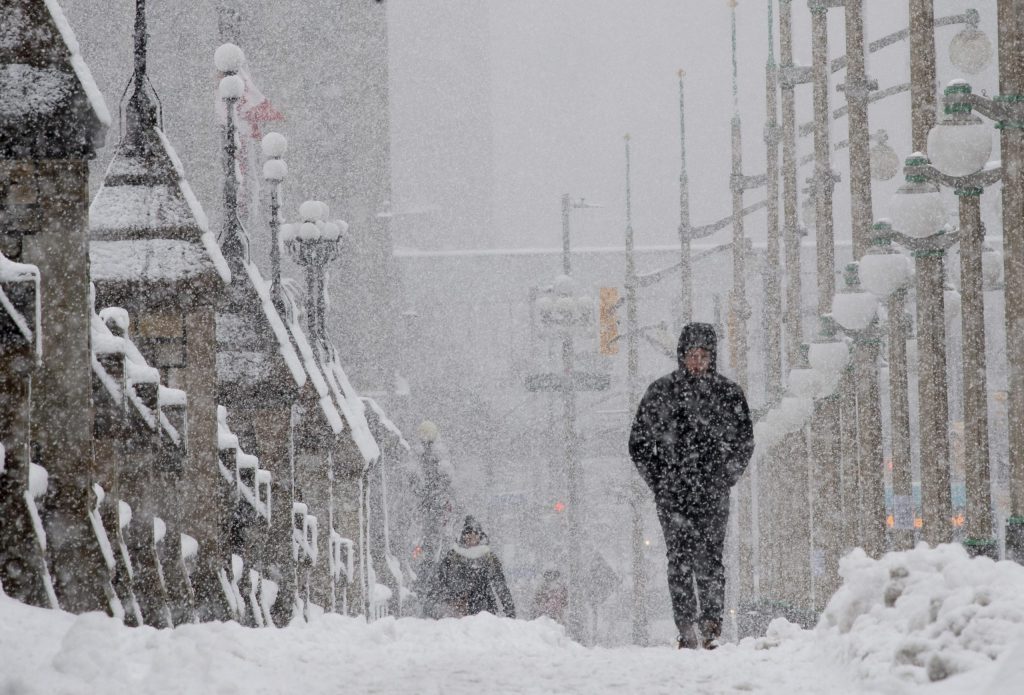
In many respects, the coming month will surely prove to be a pandemic turning point, revealing the magnitude of the next wave of COVID, the direction of US public health policy, the prospects for reliable therapeutics, and the timing of a safe and effective vaccine. We’ll soon know whether we are, indeed, headed for a winter of darkness.





:no_upscale()/cdn.vox-cdn.com/uploads/chorus_asset/file/21986301/2_US_Positive.png)


 HENRY KOTULA