Social distancing won’t just save lives. It might be better for the economy in the long run.

https://www.vox.com/future-perfect/2020/3/31/21199874/coronavirus-spanish-flu-social-distancing

Spanish flu: How social distancing helped the economy in 1918 - Vox

A study of the 1918 Spanish flu pandemic finds that cities with stricter social distancing reaped economic benefits.

For much of the past month, some commentators have defended the effort to promote social distancing, including the near-shutdown of huge swaths of America’s economy, as the lesser of two evils: Yes, asking or forcing people to remain in their homes for as much of the day as possible will slow economic activity, the argument goes. But it’s worth it for the public health benefits of slowing the coronavirus’s spread.

This argument has, naturally, led to a backlash, explained here by my colleague Ezra Klein. Critics — including the president — have argued that the cure is worse than the disease, and mass death from coronavirus is a price we need to be willing to pay to keep the American economy from cratering.

Both these viewpoints obscure an important possibility: The social distancing regime may well be optimal not just from a public health point of view, but from an economic perspective as well.

Economists Sergio Correia, Stephan Luck, and Emil Verner released a working paper (not yet peer-reviewed) last week that makes this argument extremely persuasively. The three analyzed the 1918-1919 flu pandemic in the United States, as the closest (though still not identical) analogue to the current crisis. They compare cities in 1918-’19 that adopted quarantining and social isolation policies earlier to ones that adopted them later.

Their conclusion? “We find that cities that intervened earlier and more aggressively do not perform worse and, if anything, grow faster after the pandemic is over.”

The researchers refer to such social distancing policies as NPIs, or “non-pharmaceutical interventions,” essentially public health interventions not achieved through medication, like quarantines and school and business closures. The key to the paper is their observation that, in theory, NPIs can both decrease economic activity directly, by keeping people in certain jobs from going to work, and increase it indirectly, because it prevents large-scale deaths that would also have a negative impact on the economy.

“While NPIs lower economic activity, they can solve coordination problems associated with fighting disease transmission and mitigate the pandemic-related economic disruption,” they write. In other words, social distancing measures that save lives can also, in the end, soften the economic disruption of a pandemic.

The data here comes from a 2007 paper in the Journal of the American Medical Association, where a group of researchers chronicled what specific policies were put in place between September 8, 1918, and February 22, 1919, by 43 different cities. The most common NPI the JAMA researchers identified was a combination of school closures and bans on public gatherings; 34 of the 43 cities adopted this rule, for an average of four weeks.

Other cities eschewed these policies in favor of mandatory isolation and quarantine procedures: “Typically, individuals diagnosed with influenza were isolated in hospitals or makeshift facilities, while those suspected to have contact with an ill person (but who were not yet ill themselves) were quarantined in their homes with an official placard declaring that location to be under quarantine,” the JAMA authors write, detailing New York City’s approach.

Another 15 cities did both isolation/quarantines and school closures/public gathering bans.

The 2007 paper found a strong association between the number and duration of NPIs and pandemic deaths, with more and longer-lasting NPIs associated with a smaller death toll. Correia, Luck, and Verner, in their new paper, replicate this finding.

But they take it a step further. They study the impact of changes in mortality due to the 1918 pandemic on economic outcomes.

“The increase in mortality from the 1918 pandemic relative to 1917 mortality levels (416 per 100,000) implies a 23 percent fall in manufacturing employment, 1.5 percentage point reduction in manufacturing employment to population, and an 18 percent fall in output,” they conclude. In other words, a big outbreak spelled economic disaster for affected cities.

Then they combined this analysis with an analysis of the effects of NPI policies. They find that the introduction of social distancing policies is associated with more positive outcomes in terms of manufacturing employment and output. Cities with faster introductions of these policies (one standard deviation faster, to be technical) had 4 percent higher employment after the pandemic had passed; ones with longer durations had 6 percent higher employment after the disaster.

The takeaway is clear: These policies not only led to better health outcomes, they in turn led to better economic outcomes. Pandemics are very bad for the economy, and stopping them is good for the economy.

A few notes of caution

It’s important to always approach this kind of study with a degree of skepticism. The 1918 pandemic was not a planned experiment, so researchers’ ability to determine the degree to which the pandemic, or the policies adopted in response to it, affected economic outcomes is always going to be somewhat limited.

The researchers acknowledge that their biggest limitation is the non-randomness of policy adoption by cities. Presumably cities with strict responses to the pandemic were different from cities with laxer responses in ways that went beyond this one incident. Maybe the stricter cities had better public health infrastructure to begin with, for instance, which could exaggerate the estimated effect of social distancing interventions.

The authors argue that because the second and most fatal wave of the 1918 pandemic spread mostly from east to west, geographically, these kinds of dynamics weren’t at play. “Given the timing of the influenza wave, cities that were affected later appeared to have implemented NPIs sooner as they were able to learn from cities that were affected in the early stages of the pandemic,” they note.

The best explanation of differences in policies, then, is how far a city is from the East Coast of the US. They control for a big factor that might affect Western states more (the boom and bust of the agricultural industry as World War I drew to a close) and find few other observable differences between Western cities with strong policies and Eastern policies with weak ones. But the notion that these cities are comparable is a key part of the paper’s research design, and one worth digging into as the paper goes through peer review and revisions.

The economy isn’t everything

The message that there isn’t a trade-off between saving lives and saving the economy is reassuring. If there were such a trade-off, the debate over coronavirus response would be in the realm of pure values: How much money should we be willing to forsake to save a human life? That’s a thorny choice, and finding that we don’t actually have to make it — as this paper suggests — is comforting.

It’s worth emphasizing, though, that if we did have to make that choice, it would still be an easy decision. The lives saved would be worth more.

In another recent white paper, UChicago’s Michael Greenstone and Vishan Nigam estimate the social value of social distancing policies, relative to a baseline where we endure an untrammeled pandemic. To simulate the two scenarios, they rely on the influential Imperial College London model of the coronavirus pandemic — a paper that found that an uncontrolled spread of coronavirus would kill 2.2 million Americans.

Then they throw in an oft-used tool of cost-benefit economic analysis: the value of a statistical life (VSL). Popularized by Vanderbilt economist Kip Viscusi, VSL involves putting a dollar value on a human life by estimating the implicit value that people in a given society place on continuing to live based on their willingness to pay for services that reduce their risk of dying.

Usually, this involves a “revealed preferences” approach. A 2018 paper by Viscusi, for example, used, among other data sources, Bureau of Labor Statistics Census of Fatal Occupational Injuries to measure how much more, in practice, US workers demand to be paid to take jobs that carry a higher risk of death.

Greenstone and Nigam allow VSL to vary with age — understandably, older people are less willing to pay to reduce their odds of death than younger people — but set the average VSL for an American age 18 and over to $11.5 million.

Based on the Imperial College projection that social distancing would save about 1.76 million lives over the next six months, Greenstone and Nigam estimate that the economic value of the policy is $7.9 trillion, larger than the entire US federal budget and greater than a third of GDP. The value is about $60,000 per US household. Even if the Imperial College model is off by 60 percent and the no-social-distancing scenario is less deadly than anticipated, the aggregate benefits are still $3.6 trillion. And this is likely an underestimate that ignores other costs of a large-scale outbreak to society; it focuses solely on mortality benefits.

VSL is sometimes attacked from the left as craven, a reductio ad absurdum of economistic reasoning trampling over everything, including the value of human life itself. But coronavirus helps illustrate how VSL can work in the opposite direction. Human life is so valuable in these terms that social distancing would have to force a 33 percent drop in US GDP before you could start to plausibly argue that the cure is worse than the disease.

That social distancing likely won’t cause a reduction in GDP relative to a scenario where there’s a multimillion-person death toll, as indicated by the 1918 flu paper, makes the case for distancing policies that much stronger.
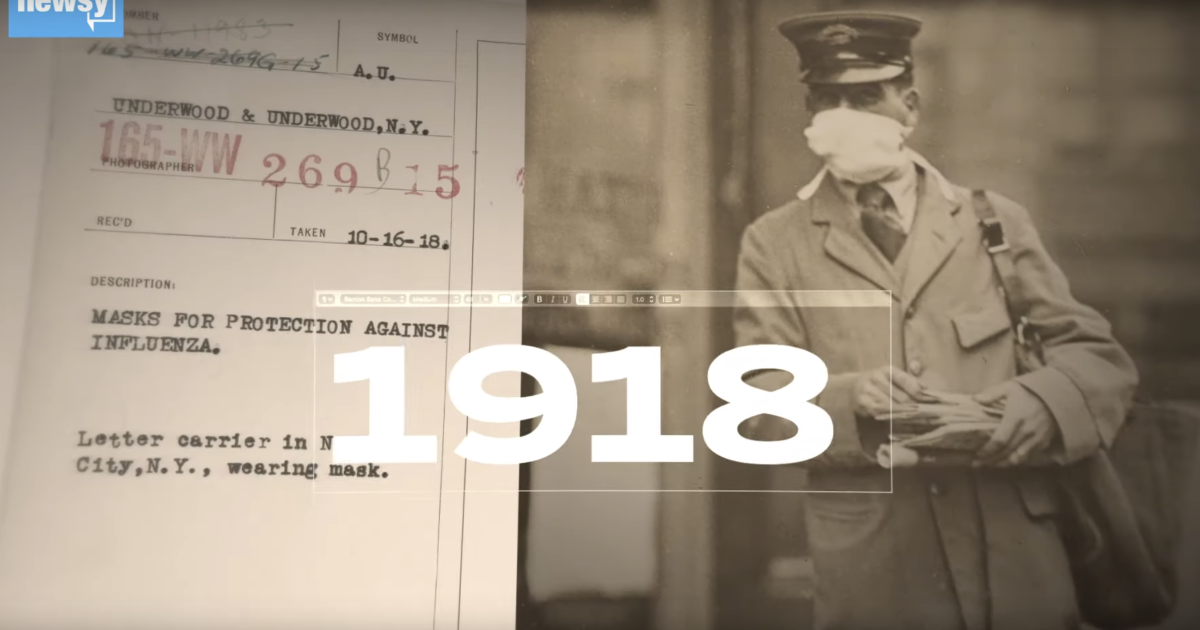


How some cities ‘flattened the curve’ during the 1918 flu pandemic

https://www.nationalgeographic.com/history/2020/03/how-cities-flattened-curve-1918-spanish-flu-pandemic-coronavirus/#close

A Pandemic And A Parade: What 1918 tells us about flattening the curve

Social distancing isn’t a new idea—it saved thousands of American lives during the last great pandemic. Here’s how it worked.

PHILADELPHIA DETECTED ITS first case of a deadly, fast-spreading strain of influenza on September 17, 1918. The next day, in an attempt to halt the virus’ spread, city officials launched a campaign against coughing, spitting, and sneezing in public. Yet 10 days later—despite the prospect of an epidemic at its doorstep—the city hosted a parade that 200,000 people attended.

How they flattened the curve during the 1918 Spanish Flu

Flu cases continued to mount until finally, on October 3, schools, churches, theaters, and public gathering spaces were shut down. Just two weeks after the first reported case, there were at least 20,000 more.

The 1918 flu, also known as the Spanish Flu, lasted until 1920 and is considered the deadliest pandemic in modern history. Today, as the world grinds to a halt in response to the coronavirus, scientists and historians are studying the 1918 outbreak for clues to the most effective way to stop a global pandemic. The efforts implemented then to stem the flu’s spread in cities across America—and the outcomes—may offer lessons for battling today’s crisis. (Get the latest facts and information about COVID-19.)

How they flattened the curve during the 1918 Spanish Flu

From its first known U.S. case, at a Kansas military base in March 1918, the flu spread across the country. Shortly after health measures were put in place in Philadelphia, a case popped up in St. Louis. Two days later, the city shut down most public gatherings and quarantined victims in their homes. The cases slowed. By the end of the pandemic, between 50 and 100 million people were dead worldwide, including more than 500,000 Americans—but the death rate in St. Louis was less than half of the rate in Philadelphia. The deaths due to the virus were estimated to be about 358 people per 100,000 in St Louis, compared to 748 per 100,000 in Philadelphia during the first six months—the deadliest period—of the pandemic.

Dramatic demographic shifts in the past century have made containing a pandemic increasingly hard. The rise of globalization, urbanization, and larger, more densely populated cities can facilitate a virus’ spread across a continent in a few hours—while the tools available to respond have remained nearly the same. Now as then, public health interventions are the first line of defense against an epidemic in the absence of a vaccine. These measures include closing schools, shops, and restaurants; placing restrictions on transportation; mandating social distancing, and banning public gatherings. (This is how small groups can save lives during a pandemic.)

Of course, getting citizens to comply with such orders is another story: In 1918, a San Francisco health officer shot three people when one refused to wear a mandatory face mask. In Arizona, police handed out $10 fines for those caught without the protective gear. But eventually, the most drastic and sweeping measures paid off. After implementing a multitude of strict closures and controls on public gatherings, St. Louis, San Francisco, Milwaukee, and Kansas City responded fastest and most effectively: Interventions there were credited with cutting transmission rates by 30 to 50 percent. New York City, which reacted earliest to the crisis with mandatory quarantines and staggered business hours, experienced the lowest death rate on the Eastern seaboard.

In 2007, a study in the Journal of the American Medial Association analyzed health data from the U.S. census that experienced the 1918 pandemic, and charted the death rates of 43 U.S. cities. That same year, two studies published in the Proceedings of the National Academy of Sciences sought to understand how responses influenced the disease’s spread in different cities. By comparing fatality rates, timing, and public health interventions, they found death rates were around 50 percent lower in cities that implemented preventative measures early on, versus those that did so late or not at all. The most effective efforts had simultaneously closed schools, churches, and theaters, and banned public gatherings. This would allow time for vaccine development (though a flu vaccine was not used until the 1940s) and lessened the strain on health care systems.

The studies reached another important conclusion: That relaxing intervention measures too early could cause an otherwise stabilized city to relapse. St. Louis, for example, was so emboldened by its low death rate that the city lifted restrictions on public gatherings less than two months after the outbreak began. A rash of new cases soon followed. Of the cities that kept interventions in place, none experienced a second wave of high death rates. (See photos that capture a world paused by coronavirus.)

In 1918, the studies found, the key to flattening the curve was social distancing. And that likely remains true a century later, in the current battle against coronavirus. “[T]here is an invaluable treasure trove of useful historical data that has only just begun to be used to inform our actions,” Columbia University epidemiologist Stephen S. Morse wrote in an analysis of the data. “The lessons of 1918, if well heeded, might help us to avoid repeating the same history today.”


A D.C. protest without people: Activists demand PPE for health care workers on front line of coronavirus pandemic

https://www.washingtonpost.com/local/a-dc-protest-without-people-activists-demand-ppe-for-health-care-workers-on-front-line-of-coronavirus-pandemic/2020/04/17/e4a915b4-80d6-11ea-a3ee-13e1ae0a3571_story.html?fbclid=IwAR25nXMi24JerZwm0uFL47exQtEkyWEPh5-tFp1eFO2O4zfzUmdltOfpd3A&utm_campaign=wp_main&utm_medium=social&utm_source=facebook


Activists in D.C. demand PPE for healthcare workers on frontline ...

Spaced six feet apart on the West Lawn of the Capitol, the faces of front-line health-care workers looked out over the nation’s capital. Some wore masks. Others held signs imploring lawmakers for more personal protective equipment.

But these workers were not there in the flesh. Friday’s protest was peopleless.

With mandatory social distancing guidelines and stay-at-home orders in effect throughout the region, and given the grueling demands of their jobs as the deadly coronavirus continues to spread, it would have been nearly impossible to assemble 1,000 health-care workers outside Congress this week.

Instead, volunteers put up 1,000 signs to stand on the lawn in their absence.

Activists who are used to relying on people power to amplify messages and picket lawmakers have been forced to use alternative protest tactics amid the pandemic.

Half a dozen volunteers with liberal activist group MoveOn pressed lawn signs into the grass outside the Capitol as the sun peaked over the Statue of Freedom.

On each sign was a message.

Some, bearing the blue Star of Life seen on the uniforms of doctors, first responders and emergency medical technicians, reiterated a hashtag that has made the rounds on social media for weeks, accompanying posts from desperate front-line workers who say they are running out of necessary protective equipment: #GetUsPPE.

Others showed photos of medical workers in scrubs and hair nets and baseball caps. Some wore face shields and plastic visors. Others donned gloves.

One barefaced doctor in a white lab coat held up a hand-drawn sign. “Trump,” it said. “Where’s my mask?”

Health-care providers in hospitals, clinics, nursing homes, assisted-living facilities and rehabilitation centers have for weeks begged for more PPE to protect themselves and their vulnerable patients.

States and hospitals have been running out of supplies and struggling to find more. The national stockpile is nearly out of N95 respirator masks, face shields, gowns and other critical equipment, the Department of Health and Human Services announced last week.

“Health-care workers are on the front lines of this crisis, and they’re risking their lives to save ours every day, and our government, from the very top of this administration on down, has not used the full force of what they have with the Defense Production Act to ensure [workers] have the PPE they need and deserve,” said Rahna Epting, the executive director of MoveOn. “We wanted to show that these are real people who are demanding that this government protect them.”

Unlike protests that have erupted from Michigan to Ohio to Virginia demanding that states flout social distancing practices and reopen the economy immediately, organizers with MoveOn said they wanted to adhere to health guidelines that instruct people not to gather in large groups.

“Normally, we’d want everyone down here,” said MoveOn volunteer Robby Diesu, 32, as he looked out over the rows of signs. “We wanted to find a way to show the breadth of this problem without putting anyone in harm’s way.”

A large white sign propped at the back of the display announced in bold letters: “Social distancing in effect. Please do not congregate.”

The volunteers who put up the signs live in the same house and have been quarantining under the same roof for weeks. Still, as they worked, several wore masks over their face to protect passersby — even though there were few.

A handful of joggers stopped to take pictures as the sun rose.

One man, who spoke on the condition of anonymity because he is a government employee, said he supported the idea.

“I’m so used to seeing protests out here by the Capitol that it really is bizarre to see how empty it is,” he said. “But this is really impressive to me.”

By sharing images and video on social media of front-line workers telling their stories, MoveOn organizers said they hope to galvanize people in the same way as a traditional rally with a lineup of speakers.

Activists planned to deliver a petition to Sen. Chris Murphy (D-Conn.) with more than 2 million signatures urging Congress to require the delivery of more PPE to front-line workers. Murphy has been a vocal critic of the Trump administration’s coronavirus task force and its reliance on private companies to deliver an adequate amount of critical gear, such as N95 respirator masks, medical gowns, gloves and face shields, to health-care workers.

“In this critical hour, FEMA should make organized, data-informed decisions about where, when, and in what quantities supplies should be delivered to states — not defer to the private sector to allow them to profit off this pandemic,” the senator wrote last week in a letter to Vice President Pence, co-signed by 44 Democratic and two independent senators.

Organizers said the signs would remain on the Capitol lawn all day, but that the demonstration was only the beginning of a spate of atypical ones the group expects to launch this month.

Epting described activists’ energy as “more intense” than usual as the pandemic drags on.

“The energy is very high, the intensity is very high,” she said. “That’s forcing us to be creative and ingenuitive in order to figure out how to protest in a social distancing posture and keep one another safe at the same time.”


Beginning the long, winding journey back from coronavirus

https://mailchi.mp/39947afa50d2/the-weekly-gist-april-17-2020?e=d1e747d2d8

45cat - The Beatles - The Long And Winding Road / For You Blue ...

It was another brutal week in the coronavirus pandemic, with more than 2.1M cases and nearly 150,000 deaths worldwide. The US continued to be the hardest-hit country, reaching a daily record 4,591 deaths from COVID-19 on Thursday. The national death toll is now more than 35,000, though there are signs that the number of new cases in the US has begun to plateau, raising hopes that the worst days may be drawing to a close. Meanwhile, with strict stay-at-home measures continuing in most places across the country, the economic toll of the virus mounted. New unemployment claims rose by another 5.2M, bringing the estimated number of American jobs claimed by the virus to 22M, eliminating a decade’s worth of job growth, and raising the unemployment rate to an estimated 17 percent.

As the growth in new cases flattened, attention turned this week to plans to “reopen” the American economy. Despite insisting early in the week that he alone would decide when and how to reopen the country, President Trump yesterday unveiled a set of non-binding, “Opening Up America Again” guidelines for state and local officials to use in judging when to loosen restrictions. The guidelines suggest a three-stage, gated approach, gradually allowing individuals and employers to return to normal activities based on criteria including disease trends, hospital capacity, and the availability of robust testing. Progressing from one stage to the next is predicated on maintaining a downward trajectory in new cases—with any signs of a resurgence indicating a need to reimpose restrictions.

Missing from the White House plan are specific details about how states, cities, and healthcare providers are to procure and pay for the many millions of tests and extensive contact tracing that will need to be available to allow businesses, public transport systems, and other essential services to resume activity. By week’s end, about 3.5M coronavirus tests had been conducted nationally, but the daily number of tests conducted has plateaued, and the test-positivity rate is still troublingly high. Public health experts continue to warn that testing must ramp up significantly before any steps toward reopening can be considered, a difficult challenge given widespread reports of shortages of testing supplies and trained lab technicians. To bolster testing capacity, the Centers for Medicare and Medicaid Services (CMS) this week nearly doubled the amount it will pay laboratories to analyze tests using high-throughput equipment.

Three coalitions of states—in the Northeast, Midwest, and West Coast—were formed this week to coordinate regional efforts to reopen the economy. Among the issues they’ll need to address: interstate travel restrictions, coordinated purchasing of critical supplies, investments in contact tracing capabilities, and ongoing surveillance of the virus’ spread. With federal agencies taking a back seat to states (“You are going to call your own shots,” the President told governors on a call this week), it became clear that the road back from the coronavirus pandemic will be circuitous, with a patchwork of different timelines and approaches in different locations based on local conditions and resources.

In the words of William Gibson, “The future is here—it’s just not very evenly distributed.”


Coronavirus tracked: the latest figures as the pandemic spreads

https://www.ft.com/coronavirus-latest


A graphic with no description

The human cost of the coronavirus outbreak has continued to mount, with more than 2.2m cases confirmed globally and more than 141,900 people known to have died from the disease.  The World Health Organization has declared the outbreak a pandemic and it has spread to more than 190 countries around the world.  This page provides an up-to-date visual narrative of the spread of Covid-19 so please check back regularly because we will be refreshing it with new graphics and features as the story evolves.

A graphic with no description

Focus of Covid-19 deaths has switched from Asia to Europe — and now the US. Streamgraph and stacked column charts, showing regional daily deaths of patients diagnosed with coronavirus

A graphic with no description


To save lives, social distancing must continue longer than we expect

https://www.washingtonpost.com/outlook/2020/04/08/save-lives-social-distancing-must-continue-longer-than-we-expect/?fbclid=IwAR0mNfbcEn9yfF8wfYRsWX9pufLcaArlhqXc8ETSOeSN3_2VdAob0V7WPYQ

To save lives, social distancing must continue longer than we ...

The lessons of the 1918 flu pandemic.

After weeks of quarantine, school closures and binge-watching movies, Americans are getting restless. In a recent interview on “The View,” California Gov. Gavin Newsom (D) warned that complacency and cabin fever were his biggest concerns, and he urged audiences to “stick with this.”

He is right. More than 100 years ago, during the worst contagious crisis in human history (so far), the influenza epidemic of 1918-1919 took 40 million to 100 million lives worldwide and inspired a huge implementation of social distancing measures such as school closures, bans on public gatherings, isolation and quarantine.

But the experience of 1918 also reminds us that early, layered (i.e., more than one at the same time) and lengthy mitigation measures are the best strategy. For social distancing to work, it must be sweeping and enforced across a wide swath of the community. Essential businesses will, of course, need to continue. All other places where people congregate should cease operations for the time being. In 1918, social distancing measures were kept in place for many weeks, if not months, even if people and businesses did not always support them. But the key lesson: This approach worked.

By now, many have read of the comparisons between St. Louis, where a decisive health commissioner reacted with amazing rapidity to implement sweeping public health orders, and Philadelphia, which chose to stay open, even going ahead with plans for a huge parade.

St. Louis was rewarded with one of the best outcomes of any large U.S. city. Philadelphia’s fateful decision to carry on with its immense Liberty Loan Parade resulted in a massive spike in influenza cases in the days immediately following. The city endured some of the worst numbers of cases and deaths in the United States as a result.

Philadelphia was hardly alone, however. In Baltimore, the health commissioner dragged his feet when a group of physicians requested that the city ban public gatherings. “We do not consider such drastic steps necessary in view of the extreme low civilian death rate in the city,” he told them. More than 4,100 Baltimoreans lost their lives to the epidemic.

In Atlanta, the mayor sided with business interests and reopened the city after just three weeks of closures, over the vocal objections of his Board of Health. When the board predicted that Atlanta’s epidemic peak would not occur for another nine days, the mayor dismissed the science, arguing that there was no way to foretell future conditions. The city health officer sided with the mayor, mistakenly declaring that the peak had passed. It had not, and Atlanta’s fall wave of the epidemic raged on, unchecked, through the end of 1918. “The influenza situation in Atlanta is up to the people themselves,” the Public Safety Committee declared.

Atlanta may be a more extreme example, but its experience was hardly singular. In every city we studied from this era there was public pressure to quit the social distancing measures as soon as the epidemic seemed to peak and then ebb. Thinking that the proverbial coast was clear, many communities lifted social distancing measures before the battle was truly over. After weeks of being denied their usual social outlets, people were eager to return to a life of normalcy, and they did so in one giant rush. In city after city, masses lined up for movie houses and performance theaters, crowds packed into dance halls and cabarets, and throngs flocked to downtown shopping districts, often on the very day that the closure orders were lifted.

The result? Cases and deaths resurged. Most cities closed their schools once again. But the political, economic and social will to issue another round of sweeping business closures and gathering bans had evaporated as people grew weary of the dislocations of social distancing. In some cities, most notably Denver, Kansas City, Milwaukee and even the vaunted St. Louis, this second peak was even deadlier than the first.

Lastly, 1918 teaches us how quickly an unchecked epidemic can overwhelm our health-care infrastructure. Philadelphia had to erect 32 temporary hospitals just to handle its massive number of influenza cases. On a single day in mid-October, 10 trucks were needed to carry the bodies of indigent victims to the city’s potter’s field. Some of the deceased had to be buried in temporary graves until more permanent plots could be dug.

In Pittsburgh, the epidemic grew so bad that a local sporting club had to donate its tents to use as field hospitals. One San Antonio hospital had to rely on 18 student nurses to tend to hundreds of influenza patients; the 12 regular nurses were all sick with influenza themselves. Nashville’s City Hospital was overrun with cases in a single day. These cities, unfortunately, were not alone in their experiences.

Today we have two notable advantages over those in 1918: We know the causative agent of covid-19, and our medical care is far more advanced. In 1918, scientists believed the epidemic was caused by a bacterium, and the influenza virus would not be discovered for another quarter-century. The standard medical treatment for influenza victims in 1918 consisted of little more than propping patients up to prevent them from choking on their sputum. Today, it is only a matter of time before researchers discover pharmaceutical therapies and develop an effective vaccine against the disease. In 2020, physicians have the ability to drive down the fatality rate of this epidemic through the use ventilators and intensive care units — as long as such lifesaving machines are available.

Our health-care system can only do this, however, if we don’t allow our already-taxed hospitals, physicians and nurses to be overrun with cases. That means that, until an effective vaccine can be developed and deployed, we must “flatten the curve.” This will not be accomplished in a week, or even a month. We must implement and coordinate sweeping non-pharmaceutical interventions on a national level and keep these measures in place as long as necessary. These measures are not perfect. They are slow and plodding. They are socially and economically disruptive. They fracture the routines of our daily lives in myriad ways, large and small. They do not magically end epidemics. But they can save lives.

As we all endure the hardships of the covid-19 pandemic and dislocations of social distancing, we can take heart that together we will save lives. Just as our forebears did a century ago.

And that is the most important lesson of 1918.


W.H.O., Now Trump’s Scapegoat, Warned About Coronavirus Early and Often

W.H.O. Warned Trump About Coronavirus Early and Often - The New ...

The World Health Organization, always cautious, acted more forcefully and faster than many national governments. But President Trump has decided to cut off U.S. funding to the organization.

On Jan. 22, two days after Chinese officials first publicized the serious threat posed by the new virus ravaging the city of Wuhan, the chief of the World Health Organization held the first of what would be months of almost daily media briefings, sounding the alarm, telling the world to take the outbreak seriously.

But with its officials divided, the W.H.O., still seeing no evidence of sustained spread of the virus outside of China, declined the next day to declare a global public health emergency. A week later, the organization reversed course and made the declaration.

Those early days of the epidemic illustrated the strengths and weaknesses of the W.H.O., an arm of the United Nations that is now under fire by President Trump, who on Tuesday ordered a cutoff of American funding to the organization.

With limited, constantly shifting information to go on, the W.H.O. showed an early, consistent determination to treat the new contagion like the threat it would become, and to persuade others to do the same. At the same time, the organization repeatedly praised China, acting and speaking with a political caution born of being an arm of the United Nations, with few resources of its own, unable to do its work without international cooperation.

Mr. Trump, deflecting criticism that his own handling of the crisis left the United States unprepared, accused the W.H.O. of mismanaging it, called the organization “very China-centric” and said it had “pushed China’s misinformation.”

But a close look at the record shows that the W.H.O. acted with greater foresight and speed than many national governments, and more than it had shown in previous epidemics. And while it made mistakes, there is little evidence that the W.H.O. is responsible for the disasters that have unfolded in Europe and then the United States.

The W.H.O. needs the support of its international members to accomplish anything — it has no authority over any territory, it cannot go anywhere uninvited, and it relies on member countries for its funding. All it can offer is expertise and coordination — and even most of that is borrowed from charities and member nations.

The W.H.O. has drawn criticism as being too close to Beijing — a charge that grew louder as the agency repeatedly praised China for cooperation and transparency that others said were lacking. China’s harsh approach to containing the virus drew some early criticism from human rights activists, but it proved effective and has since been adopted by many other countries.

A crucial turning point in the pandemic came on Jan. 20, after China’s central government sent the country’s most famous epidemiologist, Zhong Nanshan, to Wuhan to investigate the new coronavirus racing through that city of 11 million people. Dr. Zhong delivered a startling message on national television: Local officials had covered up the seriousness of the outbreak, the contagion spread quickly between people, doctors were dying and everyone should avoid the city.

Dr. Zhong, an eccentric 83-year-old who led the fight against the SARS outbreak of 2002 and 2003, was one of few people in China with enough standing to effectively call Wuhan’s mayor, Zhou Xianwang, a rising official in the Communist Party, a liar.

Mr. Zhou, eager to see no disruption in his plans for a local party congress from Jan. 11 to 17 and a potluck dinner for 40,000 families on Jan. 18, appears to have had his police and local health officials close the seafood market, threaten doctors and assure the public that there was little or no transmission.

Less than three days after Dr. Zhong’s warning was broadcast, China locked down the city, preventing anyone from entering or leaving and imposing strict rules on movement within it — conditions it would later extend far behind Wuhan, encompassing tens of millions of people.

The national government reacted in force, punishing local officials, declaring that anyone who hid the epidemic would be “forever nailed to history’s pillar of shame,” and deploying tens of thousands of soldiers, medical workers and contact tracers.

It was the day of the lockdown that the W.H.O. at first declined to declare a global emergency, its officials split and expressing concern about identifying a particular country as a threat, and about the impact of such a declaration on people in China. Such caution is a standard — if often frustrating — fact of life for United Nations agencies, which operate by consensus and have usually avoided even a hint of criticizing nations directly.

Despite Dr. Zhong’s warning about human-to-human transmission, Tedros Adhanom Ghebreyesus, the W.H.O.’s director-general, said there was not yet any evidence of sustained transmission outside China.

“That doesn’t mean it won’t happen,” Dr. Tedros said.

“Make no mistake,” he added. “This is an emergency in China, but it has not yet become a global health emergency. It may yet become one.”

The W.H.O. was still trying to persuade China to allow a team of its experts to visit and investigate, which did not occur until more than three weeks later. And the threat to the rest of the world on Jan. 23 was not yet clear — only about 800 cases and 25 deaths had been reported, with only a handful of infections and no deaths reported outside China.

“In retrospect, we all wonder if something else could have been done to prevent the spread we saw internationally early on, and if W.H.O. could have been more aggressive sooner as an impartial judge of the China effort,” said Dr. Peter Rabinowitz, co-director of the MetaCenter for Pandemic Preparedness and Global Health Security at the University of Washington.

Amir Attaran, a public health and law professor at the University of Ottawa, said, “Clearly a decision was taken by Dr. Tedros and the organization to bite their tongues, and to coax China out of its shell, which was partially successful.”

“That in no way supports Trump’s accusation,” he added. “The president is scapegoating, dishonestly.”

Indeed, significant shortcomings in the administration’s response arose from a failure to follow W.H.O. advice.

The Centers for Disease Control and Prevention bungled the rollout of diagnostic tests in the United States, even as the W.H.O. was urging every nation to implement widespread testing. And the White House was slow to endorse stay-home restrictions and other forms of social distancing, even after the W.H.O. advised these measures were working in China.

It is impossible to know whether the nations of the world would have acted sooner if the W.H.O. had called the epidemic a global emergency, a declaration with great public relations weight, a week earlier than it did.

But day after day, Dr. Tedros, in his rambling style, was delivering less formal warnings, telling countries to contain the virus while it was still possible, to do testing and contact tracing, and isolate those who might be infected. “We have a window of opportunity to stop this virus,” he often said, “but that window is rapidly closing.”

In fact, the organization had already taken steps to address the coronavirus, even before Dr. Zhong’s awful revelation, drawing attention to the mysterious outbreak.

On Jan. 12, Chinese scientists published the genome of the virus, and the W.H.O. asked a team in Berlin to use that information to develop a diagnostic test. Just four days later, they produced a test and the W.H.O. posted online a blueprint that any laboratory around the world could use to duplicate it.

On Jan. 21, China shared materials for its test with the W.H.O., providing another template for others to use.

Some countries and research institutions followed the German blueprint, while others, like the C.D.C., insisted on producing their own tests. But a flaw in the initial C.D.C. test, and the agency’s slowness in approving testing by labs other than its own, contributed to weeks of delay in widespread testing in the United States.

In late January, Mr. Trump praised China’s efforts. Now, officials in his administration accuse China of concealing the extent of the epidemic, even after the crackdown on Wuhan, and the W.H.O. of being complicit in the deception. They say that lulled the West into taking the virus less seriously than it should have.

Larry Gostin, director of the W.H.O.’s Center on Global Health Law, said the organization relied too heavily on the initial assertions out of Wuhan that there was little or no human transmission of the virus.

“The charitable way to look at this is that W.H.O. simply had no means to verify what was happening on the ground,” he said. “The less charitable way to view it is that the W.H.O. didn’t do enough to independently verify what China was saying, and took China at face value.”

The W.H.O. was initially wary of China’s internal travel restrictions, but endorsed the strategy after it showed signs of working.

“Right now, the strategic and tactical approach in China is the correct one,” Dr. Michael Ryan, the W.H.O.’s chief of emergency response, said on Feb. 18. “You can argue whether these measures are excessive or restrictive on people, but there is an awful lot at stake here in terms of public health — not only the public health of China but of all people in the world.”

A W.H.O. team — including two Americans, from the C.D.C. and the National Institutes of Health — did visit China in mid-February for more than a week, and its leaders said they were given wide latitude to travel, visit facilities and talk with people.

Whether or not China’s central government intentionally misstated the scale of the crisis, incomplete reporting has been seen in every other hard-hit country. France, Italy and Britain have all acknowledged seriously undercounting cases and deaths among people who were never hospitalized, particularly people in nursing and retirement homes.

New York City this week reported 3,700 deaths it had not previously counted, in people who were never tested. The United States generally leaves it to local coroners whether to test bodies for the virus, and many lack the capacity to do so.

In the early going, China was operating in a fog, unsure of what it was dealing with, while its resources in and around Wuhan were overwhelmed. People died or recovered at home without ever being treated or tested. Official figures excluded, then included, then excluded again people who had symptoms but had never been tested.

On Jan. 31 — a day after the W.H.O.’s emergency declaration — President Trump moved to restrict travel from China, and he has since boasted that he took action before other heads of state, which was crucial in protecting the United States. In fact, airlines had already canceled the great majority of flights from China, and other countries cut off travel from China at around the same time Mr. Trump did.

The first known case in the United States was confirmed on Jan. 20, after a man who was infected but not yet sick traveled five days earlier from Wuhan to the Seattle area, where the first serious American outbreak would occur.

The W.H.O. said repeatedly that it did not endorse international travel bans, which it said are ineffectual and can do serious economic harm, but it did not specifically criticize the United States, China or other countries that took that step.

Experts say it was China’s internal travel restrictions, more severe than those in the West, that had the greatest effect, delaying the epidemic’s spread by weeks and allowing China’s government to get ahead of the outbreak.

The W.H.O. later conceded that China had done the right thing. Brutal as they were, China’s tactics apparently worked. Some cities were allowed to reopen in March, and Wuhan did on April 8.

The Trump administration has not been alone in criticizing the W.H.O. Some public health experts and officials of other countries, including Japan’s finance minister, have also said the organization was too deferential to China.

The W.H.O. has altered some of its guidance over time — a predictable complication in dealing with a new pathogen, but one that has spurred criticism. But at times, the agency also gave what appeared to be conflicting messages, leading to confusion.

In late February, before the situation in Italy had turned from worrisome to catastrophic, Prime Minister Giuseppe Conte and other government officials, citing W.H.O. recommendations, said the regional governments of Lombardy and Veneto were doing excessive testing.

“We have more people infected because we made more swabs,” Mr. Conte said.

In fact, the W.H.O. had not said to limit testing, though it had said some testing was a higher priority. It was — and still is — calling for more testing in the context of tracing and checking people who had been in contact with infected patients, but few Western countries have done extensive contact tracing.

But the organization took pains not to criticize individual countries — including those that did insufficient testing.

On March 16, Dr. Tedros wrote on Twitter, “We have a simple message for all countries: test, test, test.” Three days later, a W.H.O. spokeswoman said that there was “no ‘one size fits all’ with testing,” and that “each country should consider its strategy based on the evolution of the outbreak.”

The organization was criticized for not initially calling the contagion a pandemic, meaning an epidemic spanning the globe. The term has no official significance within the W.H.O., and officials insisted that using it would not change anything, but Dr. Tedros began to do so on March 11, explaining that he made the change to draw attention because too many countries were not taking the group’s warnings seriously enough.


Testing Falls Woefully Short as Trump Seeks an End to Stay-at-Home Orders

Coronavirus Testing Falls Woefully Short as Trump Seeks to Reopen ...

As President Trump pushes to reopen the economy, most of the country is not conducting nearly enough testing to track the path and penetration of the coronavirus in a way that would allow Americans to safely return to work, public health officials and political leaders say.

Although capacity has improved in recent weeks, supply shortages remain crippling, and many regions are still restricting tests to people who meet specific criteria. Antibody tests, which reveal whether someone has ever been infected with the coronavirus, are just starting to be rolled out, and most have not been vetted by the Food and Drug Administration.

Concerns intensified on Wednesday as Senate Democrats released a $30 billion plan for building up what they called “fast, free testing in every community,” saying they would push to include it in the next pandemic relief package. Business leaders, who participated in the first conference call of Mr. Trump’s advisory council on restarting the economy, warned that it would not rebound until people felt safe to re-emerge, which would require more screening.

And Gov. Andrew M. Cuomo of New York reiterated his call for federal assistance to ramp up testing, both for the virus and for antibodies.

“The more testing, the more open the economy. But there’s not enough national capacity to do this,” Mr. Cuomo, a Democrat, said at his daily briefing in Albany. “We can’t do it yet. That is the unvarnished truth.”

As the governor spoke, a PowerPoint slide behind him said, “WE NEED FEDERAL SUPPORT.”

At his own briefing later in the day, Mr. Trump boasted of having “the most expansive testing system anywhere in the world” and said that some states could even reopen before May 1, the date his task force had tentatively set. Twenty-nine states, he added, “are in good shape.”

From the beginning of the coronavirus crisis, lapses by the federal government have compromised efforts to detect the pathogen in patients and communities. A diagnostic test developed by the Centers for Disease Control and Prevention proved to be flawed. The F.D.A. failed to speed approval for commercial labs to make tests widely available. All of that means that the U.S. has been far behind in combating the virus.

Whether in New York City, with its densely packed 8.4 million residents, or Nebraska, with fewer than two million spread across mostly rural expanses, widespread diagnostic and antibody testing will be crucial for determining a number of factors: How many in a community are infected but asymptomatic? Who has the protective antibodies that might allow them to go about their lives without fear? Are workplaces and schools safe?

“It is great that we are flattening the curve,” said Dr. Mark McClellan, director of the Margolis Center for Health Policy at Duke University, who worked in the George W. Bush administration and is advising state and federal policymakers on the virus response.

“But for this next phase, where we are really aiming to detect and stamp out smaller outbreaks before they get so big, testing is critical for that,” he said. “So we have to plan ahead now for much larger capacity.”

By the end of May, he added, “we will maybe be up to two million tests a week, but we are definitely not at that level now.”

Nationally, an average of 145,000 people have been tested for the virus each day over the past week, according to the Covid Tracking Project, which reported a total of nearly 3.1 million tests across the United States as of Tuesday night.

State health officials and medical providers around the country say they are unable to test as many people as they would like. Many of them say the biggest challenge is getting not the diagnostic tests themselves but the supplies to process them, including chemical reagents, swabs and pipettes. Manufacturers are facing a huge global demand as every country fights the pandemic, with many attempting the widest-scale testing they have ever undertaken.

“We’re at a really critical juncture and the supply chain has not yet caught up,” Scott Becker, chief executive of the Association of Public Health Laboratories, said on Wednesday.

Yet even as people waited hours for drive-through testing in California, Florida, New Jersey and elsewhere, some laboratories reported having ample capacity.

Two weeks ago, officials at University of California San Diego Health rushed to scale up testing, setting up a second laboratory devoted only to Covid-19. “You know the saying, ‘If you build it, they will come’?” said Dr. David T. Pride, director of the molecular microbiology laboratory there. “We built it and nobody has come. ” He said confusion over which laboratories were accepting tests, and “convoluted” systems connecting providers to labs, meant his facilities were running about 200 to 300 tests per day when they could handle 1,000.

Quest Diagnostics, one of the nation’s biggest testing laboratories, said on Wednesday that it could now process more tests than it was receiving, and that it was reaching out to state health departments, doctors and nursing homes. After dealing with backlogs for weeks, the company said it was returning results in less than two days for ordinary patients, and in less than one day for priority patients.

In Nebraska, as of Wednesday afternoon, 11,757 people had been screened for Covid-19, and of those, 901 were positive, according to state health data.

Peter C. Iwen, director of the Nebraska Public Health Laboratory, said that chemicals and equipment needed to run the tests were going to places like New Orleans and New York. “We’re trying to compete with those people, and we’re just not getting the reagents sent to us,” he said in an interview with the Omaha television station KETV.

The nonprofit Community Health of South Florida is operating three drive-through sites in the Miami area and the Florida Keys, where it has provided free testing to 1,300 people.

Tiffani Helberg, the group’s vice president for communications, said a tight supply of testing swabs as well as staffing numbers meant the nonprofit was not screening as many people as it would like.

“Is it a struggle every day? Absolutely,” she said.

The lack of testing is hitting minority communities especially hard, according to Dr. James E.K. Hildreth, president and chief executive of Meharry Medical College in Nashville, one of the nation’s largest historically black medical schools.

“Testing should be a priority for vulnerable populations — that would be prisons, nursing homes, assisted living facilities and, last but not least, minorities and disadvantaged communities,” said Dr. Hildreth, an infectious disease expert. “Because in those communities, we know there are many individuals with underlying conditions, and they are more likely to get severe disease and die.”

But even as short supplies are limiting who can get tests, some laboratories say they have extra capacity.

The American Clinical Laboratory Association, a trade group representing large diagnostic companies like LabCorp and Quest, has recently reported a dip in the daily testing volumes of its members. On Monday, its members processed 43,000 tests, the lowest number since March 20. At one point in early April, members were processing more than 100,000 a day.

“They are reaching out to providers to make sure they know that we have more testing capacity,” said Julie Khani, president of the lab association.

But even as testing for active coronavirus infections is struggling to meet demand, public health officials and major laboratories say they are gearing up for the next wave: antibody testing. A well-designed antibody test will detect whether someone has been exposed to the virus and generated an immune response, and whether the person may be protected from further illness.

“Antibody testing is not a cure-all,” Gov. Doug Ducey of Arizona, a Republican, said on Tuesday as he announced a partnership with the University of Arizona to provide antibody tests for 250,000 health care workers and emergency responders. “But learning more about it is an important step to identifying community exposure, helping us make decisions about how we protect our citizens and getting us to the other side of this pandemic more quickly.”

Most of the available antibody tests can say only whether someone has antibodies, not how many they have or how powerful they are at fighting the virus. Many of the tests are also flawed and signal the presence of antibodies even when there are none. The F.D.A. has granted emergency approval to three companies to begin selling the tests, but dozens more have entered the market after the agency loosened the guidelines in March.

“We have to to make sure it’s an accurate test with good specificity,” said Dr. Rachel Levine, Pennsylvania’s health secretary. “And we really need to know that antibodies are truly protective and how long-lasting they are.”

Dr. Jon R. Cohen, the executive chairman of BioReference Laboratories, which is processing tests at drive-through sites in New York and New Jersey and other locations around the country, said he was still evaluating different antibody tests but planned to begin offering them soon. Other large laboratories said the same.

“It’s a huge factor, we believe, in terms of people regaining confidence and jump-starting the economy,” he said. “To me, it’s an absolute moral imperative.”


Medical supply scramble continues

https://www.axios.com/newsletters/axios-vitals-fb6b1c68-afc1-4b2b-9096-de20fd0b10a7.html?utm_source=newsletter&utm_medium=email&utm_campaign=newsletter_axiosvitals&stream=top

What's Really To Blame For Drug Shortages

The U.S. is still scrambling to get health care workers the personal protective equipment, ventilators and lab testing materials that they need.

Between the lines: President Trump has repeatedly said that governors are responsible for obtaining supplies for their states, but industry groups are asking the federal government to play a larger role.

  • The American Medical Association asked FEMA to create a national system to acquire and distribute personal protective equipment, in light of ongoing shortages.
  • David Skorton, president and CEO of the Association of American Medical Colleges, wrote a letter to coronavirus task force coordinator Deborah Birx asking for more federal help with diagnostic testing supply shortages.

Meanwhile, the private sector is shifting into gear on its own and in partnership with the government.

  • The Trump administration and 20 major health care systems launched a new ventilator loan program that will allow hospitals to ship unused machines to areas where they are needed most to fight the coronavirus pandemic, Axios’ Joann Muller reports.
  • General Motors started manufacturing ventilators on Tuesday under a $489.4 million federal contract. But it will take until August to produce all 30,000 the government ordered under the Defense Production Act.
  • Space-focused organizations around the U.S. are now looking to manufacture ventilators and other much-needed health equipment to aid the pandemic relief effort, Axios’ Miriam Kramer reports.

1 scary stat: Prescription drugs needed by patients on ventilators are being filled only 53% of the time so far in April, as demand has skyrocketed, according to Vizient, a health care purchasing group.