Rick Bright, ousted director of vaccine agency, warns that administration lacks ‘centralized, coordinated plan’

https://www.cnn.com/2020/05/14/politics/coronavirus-whistleblower-testimony/index.html?fbclid=IwAR0KfVp-njw8vqKFdaLbBC4r4NAx3KeS4rFg2vmFbSneW7PcqOwVYult9rc

Virus whistleblower tells lawmakers US lacks vaccine plan | Where ...

Rick Bright, the ousted director of a crucial federal office charged with developing countermeasures to infectious diseases, testified before Congress on Thursday that the US will face an even worse crisis without additional preparations to curb the coronavirus pandemic.

“Our window of opportunity is closing,” Bright said. “Without better planning, 2020 could be the darkest winter in modern history.”
Bright criticized the Trump administration for failing to implement a “standard, centralized, coordinated plan” to combat the virus and questioned its timeline for a vaccine. His testimony came a week after filing a whistleblower complaint alleging he was fired from his job leading the Biomedical Advanced Research and Development Authority for opposing the use of a drug frequently touted by President Donald Trump as a potential coronavirus treatment.
About an hour before Bright’s hearing, Trump tweeted that he had “never met” or “even heard of” Bright, but considers the NIH senior adviser a “disgruntled employee, not liked or respected by people I spoke to and who, with his attitude, should no longer be working for our government!”
Before the House Committee on Energy and Commerce’s health subcommittee, Bright urged the Trump administration to consider a number of actions, including increasing production of essential equipment and establishing both a national test strategy and a national standard of procurement of supplies. He calls on top officials to “lead” through example and wear face coverings and social distance.
Bright claimed that the administration missed “early warning signals” to prevent the spread of the virus. He said that he would “never forget” an email from Mike Bowen, the hearing’s other witness and the vice president of the medical supply company Prestige Ameritech, indicating that the US supply of N95, the respirator masks used by health care professionals, was at a perilous level.
“He said, ‘We’re in deep shit,'” testified Bright. “‘The world is.'”
Bright said he “pushed” that warning “to the highest levels” he could at Health and Human Services but received “no response.”
“From that moment, I knew that we were going to have a crisis for health care workers because we were not taking action,” said Bright. “We were already behind the ball.”
In his written statement, Bright blamed the leadership of HHS for being “dismissive” of his “dire predictions.” Bright wrote that he knew the US had a “critical shortage of necessary supplies” and personal protective equipment during the first three months of the year and prodded HHS to boost production of masks, respirators, syringes and swabs to no avail. He alleged that he faced “hostility and marginalization” from HHS officials after he briefed White House trade adviser Peter Navarro and members of Congress “who better understood the urgency to act.”
And he charged that he was removed from his post at BARDA and transferred to “a more limited and less impactful position” at NIH after he “resisted efforts to promote” the “unproven” drug chloroquine.
A Department of Health and Human Services spokesperson responded that it was “a personnel matter that is currently under review” but said it “strongly disagrees with the allegations and characterizations.”
Bright is seeking to be reinstated to his position as the head of BARDA. The Office of Special Counsel, which is reviewing Bright’s complaint, has determined that was a “substantial likelihood of wrongdoing” in removing him from his post, according to Bright’s attorneys.
Rep. Anna Eshoo, a California Democrat and the panel’s chairwoman, said Bright “was the right person, with the right judgment, at the right time.”
“We can’t have a system where the government fires those who get it right and reward those who get it completely wrong,” added Eshoo.
In his testimony, Bright also cast doubt on the Trump administration’s goal of manufacturing a vaccine in 12 to 18 months as overly optimistic, calling it “an aggressive schedule” and noting that it usually takes up to 10 years to make a vaccine.
“My concern is if we rush too quickly, and consider cutting out critical steps, we may not have a full assessment of the safety of that vaccine,” Bright said. “So, it’s still going to take some time.”
Some Republicans on the subcommittee said that the hearing shouldn’t have been held at all.
Rep. Michael Burgess of Texas, the top Republican on the panel, said “every whistleblower needs to be heard,” but added the hearing was “premature” and a “disservice” to the Special Counsel’s investigation since Bright’s complaint was filed only a week ago.
And Republican Rep. Richard Hudson of North Carolina claimed that the hearing was not about the whistleblower complaint but “undermining the Administration during a national and global crisis.”
Thursday’s subcommittee meeting comes two days after a blockbuster hearing in the Senate that featured Dr. Anthony Fauci, who leads the National Institute of Allergy and Infectious Diseases. Fauci said that access to a vaccine in time for the fall school year would be “a bit of a bridge too far” and warning against some schools opening too soon, which Trump later called “not an acceptable answer.”
Fauci testified from his modified quarantine at home since he had made contact with a White House staffer who tested positive. But Bright appeared masked and in-person for his hearing on Capitol Hill, as did the lawmakers who questioned him. Many members of the House have steered clear of Capitol Hill since the onset of the outbreak, although they are expected to return on Friday to vote on a multi-trillion dollar Democratic bill responding to the crisis.


The pandemic broke America

https://www.axios.com/coronavirus-america-broken-2baa69e4-60e6-49a5-932a-5d118441ae20.html

The coronavirus pandemic broke America - Axios

Eight weeks into this nation’s greatest crisis since World War II, we seem no closer to a national strategy to reopen the nation, rebuild the economy and defeat the coronavirus.

Why it matters: America’s ongoing cultural wars over everything have weakened our ability to respond to this pandemic. We may be our worst enemy.

  • The response is being hobbled by the same trends that have impacted so much of our lives: growing income inequality, the rise of misinformation, lack of trust in institutions, the rural/urban divide and hyper-partisanship.
  • We’re not even seeing the same threat from the virus. Democrats are far more likely than Republicans to be worried about getting seriously ill, while Republicans — including the president — are more likely to think the death counts are too high.

Without even a basic agreement on the danger of the pandemic and its toll, here’s how we see the national response unfold:

  • The Centers for Disease Control and Prevention, the crown jewel of the globe’s public health infrastructure, has been sidelined, its recommendations dismissed by the White House.
  • President Trump declares the U.S. has “prevailed on testing” at a time when health experts say we still need far more daily tests before the country can reopen safely.
  • Distribution of the promising coronavirus drug remdesivir was initially botched because of miscommunication between government agencies.
  • More than two thirds of Americans say it’s unlikely they would use a cell phone-based contact tracing program established by the federal government, a key component of a testing regime to control the virus.
  • The second phase of a program to aid small businesses isn’t fully allocated because firms are either concerned about its changing rules, confused about how to access it, or find the structure won’t help them stay in business.
  • With the unemployment rate at a post-Depression record last month, and expected to go higher, there is no meaningful discussion between the parties in Congress on aid to the out-of-work.
  • States and local governments are facing billions in losses without a strategy for assistance.
  • The virus is literally inside the White House. Aides have tested positive for coronavirus, leading to quarantines for some of the nation’s top public health officials and a new daily testing regime for White House staff and reporters who enter the West Wing.
  • The No. 1 book on Amazon for a time was a book by an anti-vaxxer whose conspiracy-minded video about the pandemic spread widely across social media, leading to takedowns by platforms like YouTube and Facebook.

The other side: There’s better news at the state level. “Governors collectively have been winning widespread praise from the public for their handling of the coronavirus outbreak,” the Washington Post reports.

Between the lines: Nationwide, 71% of Americans approve of the job their governor is doing, according to the Post. For Trump, the figure is 43%.

  • And former presidents we often expect to help rally the nation in trying times are scarce.
  • George W. Bush released a video, in which his face barely appeared, calling for unity in the fight against the virus. Barack Obama was recorded in leaked remarks to former staffers calling Trump’s coronavirus response “an absolute chaotic disaster.” Trump attacked both of them on Twitter.

The bottom line: An existential threat — like war or natural disaster — usually brings people together to set a course of action in response. Somehow, we’ve let this one drive us apart.


Another 3 million Americans filed for unemployment last week

https://www.axios.com/jobless-claims-coronavirus-3-million-460364c8-be73-437c-b99c-fa7d75aad87e.html?stream=top&utm_source=alert&utm_medium=email&utm_campaign=alerts_all

Data: U.S. Employment and Training Administration via FRED; Chart: Andrew Witherspoon/Axios

Data: U.S. Employment and Training Administration via FRED; Chart: Andrew Witherspoon/Axios

Another 2.98 million Americans filed for unemployment last week, the Labor Department said on Thursday.

Why it matters: The coronavirus is still forcing a historically high number of Americans out of work. In two months alone, more than 36 million people have filed jobless claims.

Between the lines: The pace of new applications has slowed from its peak in March, but the weekly numbers are still way higher than before businesses shuttered to contain the outbreak.

  • There are more jobless workers that haven’t been able to get their application through. State unemployment offices are racing to get through an avalanche of unemployment filings — with states like New York processing more claims in the past few months than they have in years.
  • Measuring the backlog is “like trying to measure the ocean, it’s constantly moving,” New York Labor Department commissioner Roberta Reardon said in a press call yesterday.
  • While more Americans than ever before are eligible for unemployment, including gig workers, some states are just beginning to scale up to accept those applications.

By the numbers: The total number of people continuing to receive unemployment benefits — after initially applying — rose, bringing the total to a record 22.8 million.

  • A decrease in this figure would be an indication that Americans are returning back to work.

The bottom line: Goldman Sachs estimates the unemployment rate will hit 25%, matching the peak level of joblessness during the Great Depression.


Window of Opportunity is Closing for Coronavirus Response

https://www.axios.com/rick-bright-testimony-opening-statement-6817ae7a-5196-4357-b83c-d3ff96990efd.html?stream=health-care&utm_source=alert&utm_medium=email&utm_campaign=alerts_healthcare

Window of opportunity – definition and meaning – Market Business News

A top vaccine doctor who was ousted from his position in April is expected to testify Thursday that the Trump administration was unprepared for the coronavirus, and that the U.S. could face the “darkest winter in modern history” if it doesn’t develop a national coordinated response, according to prepared testimony first obtained by CNN.

The big picture: Rick Bright, the former head of the Biomedical Advanced Research and Development Authority (BARDA), will tell Congress that leadership at the Department of Health and Human Services ignored his warnings in January, February and March about a potential shortage of medical supplies.

  • He will testify that HHS “missed early warning signals” and “forgot important pages from our pandemic playbook” early on — but that “for now, we need to focus on getting things right going forward.”
  • Bright’s testimony also reiterates claims from a whistleblower report he filed last week that alleges he was ousted over his attempts to limit the use of hydroxychloroquine — an unproven drug touted by President Trump — to treat the coronavirus.

What he’s saying: Bright will testify he urged HHS to ramp up production of
masks, respirators and medical supplies as far back as January. Those warnings were dismissed, Bright says, and he was “cut out of key high-level meetings to combat COVID-19.”

  • “I continue to believe that we must act urgently to effectively combat this deadly disease. Our window of opportunity is closing. If we fail to develop a national coordinated response, based in science, I fear the pandemic will get far worse and be prolonged, causing unprecedented illness and fatalities.”

Bright will call for a national strategy to combat the virus, including “tests that are accurate, rapid, easy to use, low cost, and available to everyone who needs them.”

  • “Without clear planning and implementation of the steps that I and other experts have outlined, 2020 will be darkest winter in modern history.”

Read Bright’s prepared statement.


Fed chair Powell warns of “lasting” economic damage without more stimulus

https://www.axios.com/fed-jerome-powell-coronavirus-spending-e71d88c5-09ec-4410-b08f-3d4ad6304db0.html

Fed chair Powell warns of "lasting" economic damage without more ...

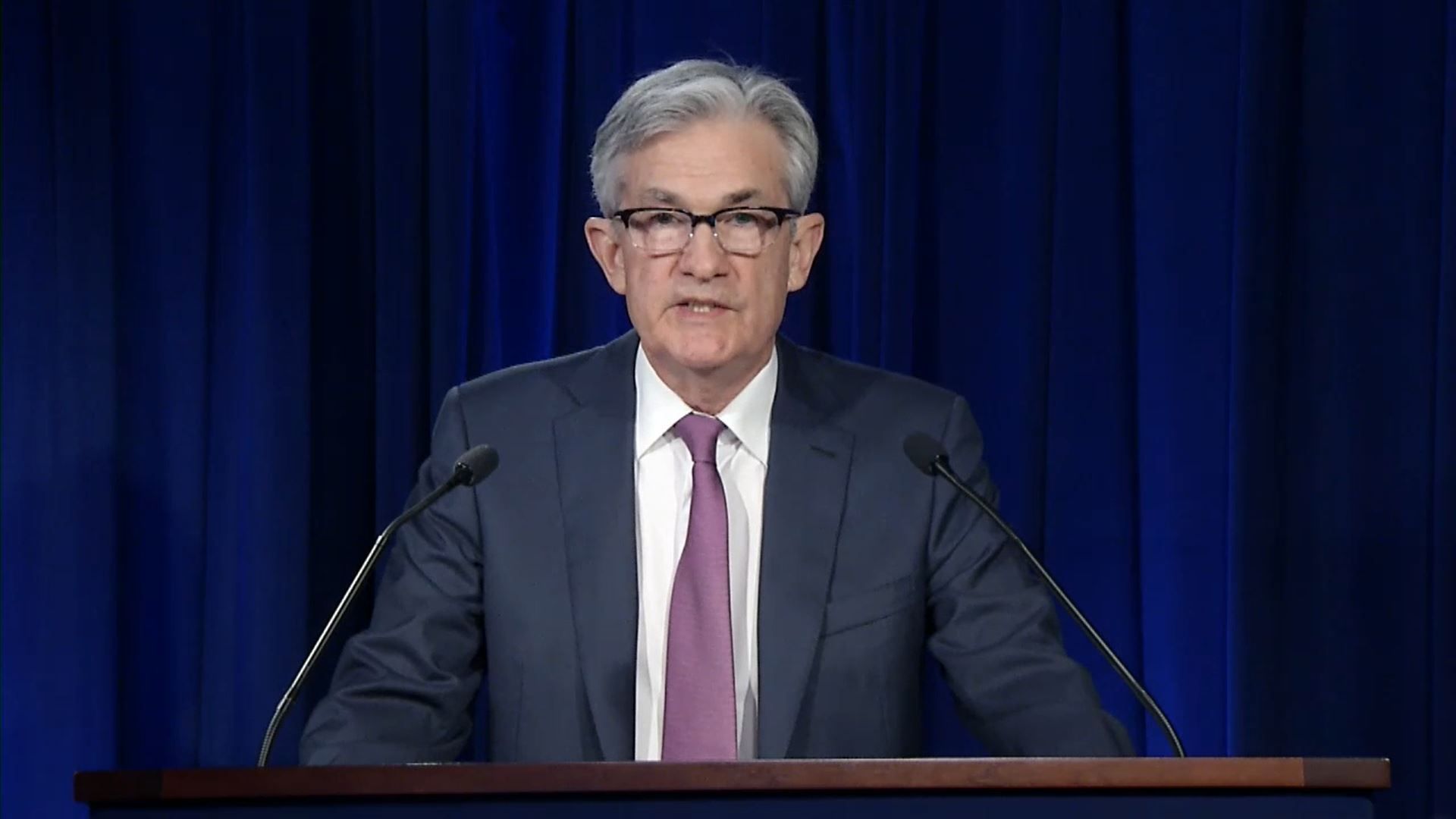
Federal Reserve Chairman Jerome Powell said Congress may need to do more to prevent a worse economic downturn triggered by the coronavirus pandemic, in an interview with the Peterson Institute’s Adam Posen on Wednesday.

Why it matters: Powell warned of dire economic consequences without additional stimulus. While the Fed has responded to the pandemic with the most aggressive policy actions in the central bank’s history, it doesn’t have the power to get money directly in the hands of Americans and businesses in the form of grants like Congress does.

The backdrop: The coronavirus has pushed the economy into a downturn not seen since the Great Depression, with a record number of Americans out of work.

  • Congress and the Fed have unleashed trillions of dollars in coronavirus aid to support the economy.
  • House Democrats proposed another $3 trillion in stimulus this week, but more spending is facing resistance from Republican members of Congress.

What they’re saying: “Additional fiscal support could be costly, but worth it if it helps avoid long-term economic damage and leaves us with a stronger recovery,” Powell said.

  • “It’s not the time to prioritize” concerns about fiscal spending, Powell said.

Powell warned about the long-lasting damage a steep, prolonged downturn could have on the economy, including permanent scarring to the most vulnerable workers in the labor force.

  • In a Fed survey set to be released tomorrow, Powell said 40% of people making less than $40,000/year who were employed in February, lost their job in March.


COVID-19 by the numbers: 51 stats, dollar figures and dates for hospital leaders to know

https://www.beckershospitalreview.com/hospital-management-administration/covid-19-by-the-numbers-51-stats-dollar-figures-and-dates-for-hospital-leaders-to-know.html?utm_medium=email

Coronavirus death rate in US compared to countries like Italy ...

In recent months, hospitals and health systems across the U.S. have made dramatic changes to quickly respond to the COVID-19 pandemic. To help provide a more detailed picture of the COVID-19 pandemic and response efforts, Becker’s Hospital Review has compiled key stats, dollar figures and dates for hospital and health system leaders to know.

COVID-19 relief aid 

Congress has allocated $175 billion in relief aid to hospitals and other healthcare providers to cover expenses or lost revenues tied to the COVID-19 pandemic. 

The first $50 billion in funding from the Coronavirus Aid, Relief and Economic Security Act was delivered to hospitals in April. HHS distributed $30 billion based on Medicare fee-for-service reimbursements and another $20 billion based on hospitals’ share of net patient revenue.

In addition, HHS is sending $12 billion to 395 hospitals that provided inpatient care for 100 or more COVID-19 patients through April 10 and disbursing another $10 billion to hospitals, clinics and health centers in rural areas.

HHS recently provided a list of hospitals that received payments from the general distribution and rural targeted allocation of the provider relief fund as well as hospitals that received COVID-19 high-impact payments.

Below are the 10 health systems that received the most funding from the general distribution and rural targeted allocation of the provider relief fund based on data updated May 12. Each health system received payments and agreed to the terms and conditions for receiving relief aid as of May 6. 

1. Dignity Health: $180.3 million

2. NewYork-Presbyterian Hospital: $119 million

3. Cleveland Clinic: $103.3 million

4. Stanford Health Care: $102.4 million

5. Intermountain Healthcare: $97.9 million

6. Memorial Hermann Health System: $92.4 million

7. NYU Langone Hospitals: $92.1 million

8. Sutter Health: $82.7 million

9. County of Los Angeles: $80.8 million (County operates four hospitals)

10. Hackensack Meridian Health: $76.8 million


Below are the 10 hospitals that received the most funding from the $12 billion COVID-19 high-impact fund based on data updated May 8. 

1. Long Island Jewish Medical Center (New Hyde Park, N.Y.): $277.7 million

2. Holy Name Medical Center (Teaneck, N.J.): $213.4 million

3. Tisch Hospital (New York City): $203.2 million

4. Montefiore Hospital-Moses Campus (New York City): $156.7 million

5. Columbia University Irving Medical Center (New York City): $152.7 million

6. NewYork-Presbyterian Queens (New York City): $143.3 million

7. Mount Sinai Medical Center (New York City): $140.8 million

8. Sandra Atlas Bass Heart Hospital (Manhasset, N.Y.): $137.5 million

9. Maimonides Medical Center (New York City): $131.5 million

10. Weill Cornell Medical Center (New York City): $118.6 million


COVID-19 vulnerability 

Every state in the U.S. will be affected by COVID-19, but some are more vulnerable due to limited ability to mitigate and treat the virus, and to reduce its economic and social impacts, according to a COVID-19 vulnerability index created by the Surgo Foundation.

The Surgo Foundation, a privately funded think tank, created an index that combines indicators specific to COVID-19 with the CDC’s social vulnerability index, which measures the expected negative impact of disasters of any type. The Surgo Foundation’s index takes into account factors that fall into one of several categories, including socioeconomic status, minority status, housing type, epidemiologic factors and healthcare system factors. Each state and the District of Columbia received a score in each category and an overall score, with a higher score indicating that the state is more vulnerable. Read more about the methodology here.

Below are the 10 states with the highest composite scores based on the vulnerability index. 

1. Mississippi: 1

2. Louisiana: 0.98

3. Arkansas: 0.96

4. Oklahoma: 0.94

5. Alabama: 0.92

6. West Virginia: 0.9

7. New Mexico: 0.88

8. Nevada: 0.86

9. North Carolina: 0.84

10. South Carolina: 0.82


Where COVID-19 cases, deaths are decreasing most

An analysis from The New York Times based on county-level data shows some U.S. cities are seeing sustained decreases in COVID-19 cases and deaths.

Below are the top five metro areas where COVID-19 cases have decreased the most (relative to population) in the past week. The list reflects The New York Times‘ rankings as of May 13 at 6:30 a.m. CDT. 

1. Grand Island, Neb.
Change rate: -394 cases per 100,000 population

2. Waterloo-Cedar Falls, Iowa
Change rate: -265 cases per 100,000 population

3. Pine Bluff, Ark.
Change rate: -197 per 100,000 population

4. New York City area
Change rate: -184 cases per 100,000 population

5. Boston
Change rate: -139 cases per 100,000 population


Below are the top five metro areas where COVID-19 deaths have decreased the most in the past week. 

1. Grand Island, Neb.
Change rate: -11.8 deaths per 100,000 population

2. New York City area
Change rate: -11.1 deaths per 100,000 population

3. Fairfield County (Conn.)
Change rate: -9.7 deaths per 100,000 population

4. Hartford, Conn.
Change rate: -9.7 deaths per 100,000 population

5. Springfield, Mass.
Change rate: -9.5 deaths per 100,000 population


States resuming elective surgeries 

Below are the states that have allowed or announced plans to allow healthcare providers to resume elective surgeries as of May 13. There are different restrictions in each state, which are detailed in executive orders and other documents from the state. 

April 22
California
Texas
Utah

April 24
Oklahoma

April 26
Colorado

April 27
Arkansas
Indiana
Iowa
Kentucky
Louisiana
Mississippi
Pennsylvania

April 28
New York
West Virginia

April 30
Alabama
Tennessee

May 1
Arizona
Illinois
Ohio
Oregon
Virginia

May 4
Alaska
Florida
Nebraska

May 15
Vermont

May 18
Washington

May 31
South Dakota


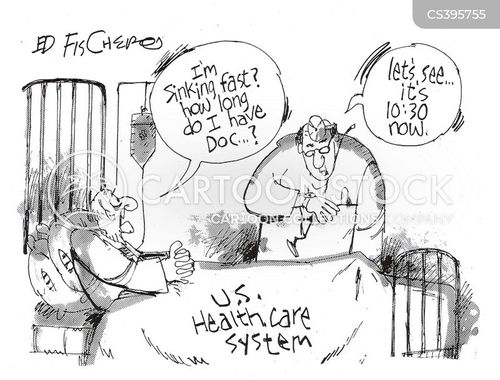
Cartoon – Sinking Fast

Uninsured Cartoons and Comics - funny pictures from CartoonStock

Cartoon – Learning Online

Coronavirus socialism: Political Cartoons – Redlands Daily Facts

White House adviser says unemployment may climb to 20 percent

https://thehill.com/homenews/administration/497003-white-house-advisor-says-unemployment-may-climb-to-20-percent?rnd=1589120557

White House economic adviser expects unemployment rate to climb ...

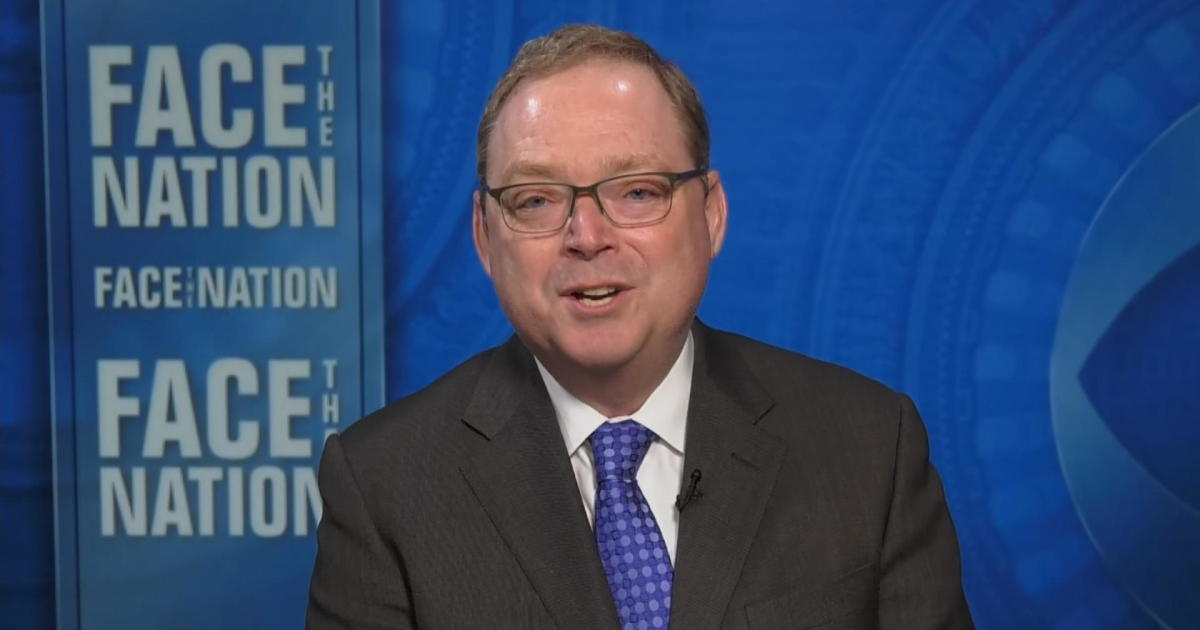
White House adviser Kevin Hassett said Sunday the U.S. unemployment rate could reach 20 percent in May. 

“I think just looking at the flow of initial claims, it looks like we’re probably going to get close to 20 percent in the next report,” Hassett said on CNN’s “State of the Union.”

He made similar comments on CBS’s “Face the Nation,” saying the low point could reach 20 percent around May or June.

Hassett said on CNN the unemployment rates depend on whether the virus “has really abated” and if economies are “really going again.” 

“I would guess middle of summer is when we’re going to start to go into the transition phase,” he said, adding that he hopes there will be “very strong” growth in the third and fourth quarters.

The unemployment in April rate rose to 14.7 percent from 4.4 percent in March, according to the latest jobs report released by the Bureau of Labor Statistics on Friday. 

The U.S. lost 20.5 million jobs in April amid the coronavirus pandemic, breaking the record for the largest one-month increase in the unemployment rate.


Melinda Gates: US coronavirus response ‘lacking leadership at the federal level’

https://finance.yahoo.com/news/us-coronavirus-response-lacks-leadership-at-the-federal-level-melinda-gates-151610533.html

Melinda Gates: US coronavirus response “lacks leadership at the ...

Philanthropist Melinda Gates on Thursday sharply criticized the U.S. response to the coronavirus outbreak, telling Yahoo Finance that the country is “lacking leadership at the federal level” and as a result has endured unnecessary deaths and economic pain.

“It’s highly distressing and disappointing,” says Gates, co-chair of the Bill and Melinda Gates Foundation, which she said has donated $300 million to organizations involved in the coronavirus response.

“To have 50 state-grown solutions is inefficient, it makes no sense, and it’s costing people their lives,” she adds.

President Donald Trump said on Tuesday “there’ll be more death” as states lift stay-at-home measures but has urged a path toward reopening the economy in order to blunt job loss and other damaging effects caused by the mandates.

The Trump administration has drawn criticism for what some consider a failure to adequately address the coronavirus outbreak in its early stages. Trump has repeatedly said “nobody” could have foreseen the pandemic though he reportedly received dire warnings as early as February.

“The lack of action is really causing harm and hurt unnecessarily in this country,” Gates says. “I’m incredibly disappointed to see that.”

The White House recently declined to take up guidelines written by the Centers for Disease Control and Prevention for how schools, restaurants, and other institutions can safely reopen, the Associated Press reported on Thursday.

The Trump administration did release a set of conditions for coronavirus containment that it recommends states meet before they reopen, including a 14-day downward trajectory in new cases or positive test rates. However, many states that remain short of that benchmark have started to reopen or will do it soon, among them Kentucky, Ohio, and Utah, the AP reported on Thursday.

On Friday, the monthly jobs report showed the U.S. economy cut 20.5 million payrolls in April, and the unemployment rate jumped to 14.7%.

The severity of economic pain is a direct result of inaction from the federal government, Gates said.

“It is impacting families now, because if we had a good testing and tracing system like Germany has, we would have started to reopen slowly more places in the economy, people wouldn’t be struggling so much to put a meal on their table,” says Gates, who released a book last year entitled “The Moment of Lift: How Empowering Women Changes the World.”

‘Difficult tension’ faced by parents at home

She said the U.S. must bolster its benefits for paid sick, medical, and family leave in order to mitigate some of the economic pain and reopen the economy, since some workers will return to their jobs while others will need to remain home to care for sick family members or children educated remotely.

Speaking with Yahoo Finance, she called on Congress to improve the paid sick and family leave expansion passed in March, which excluded many companies from the benefits requirements.

“Congress made a first step that is in one of the stimulus packages, they really did put in sick days and paid leave,” she says. “The problem is, it doesn’t go far enough.”

Moreover, she advocated for a nationwide paid medical and family leave plan — a proposal backed in part by both parties, though they differ sharply on the details.

The Republican-controlled Senate and Democrat-controlled House remain divided over an additional stimulus measure, while President Donald Trump has sought likely-polarizing tax cuts to be included in the bill, the New York Times reported on Wednesday.

Nevertheless, Gates said she is optimistic that Congress will enact paid medical and family leave.

“Congress is hearing about this difficult tension moms and dads — but particularly moms — are facing at home,” she says.