‘We’re Going Away’: A State’s Choice to Forgo Medicaid Funds Is Killing Hospitals

Since its opening in a converted wood-frame mansion 117 years ago, Greenwood Leflore Hospital had become a medical hub for this part of Mississippi’s fertile but impoverished Delta, with 208 beds, an intensive-care unit, a string of walk-in clinics and a modern brick-and-glass building.

But on a recent weekday, it counted just 13 inpatients clustered in a single ward. The I.C.U. and maternity ward were closed for lack of staffing and the rest of the building was eerily silent, all signs of a hospital savaged by too many poor patients.

Greenwood Leflore lost $17 million last year alone and is down to a few million in cash reserves, said Gary Marchand, the hospital’s interim chief executive. “We’re going away,” he said. “It’s happening.”

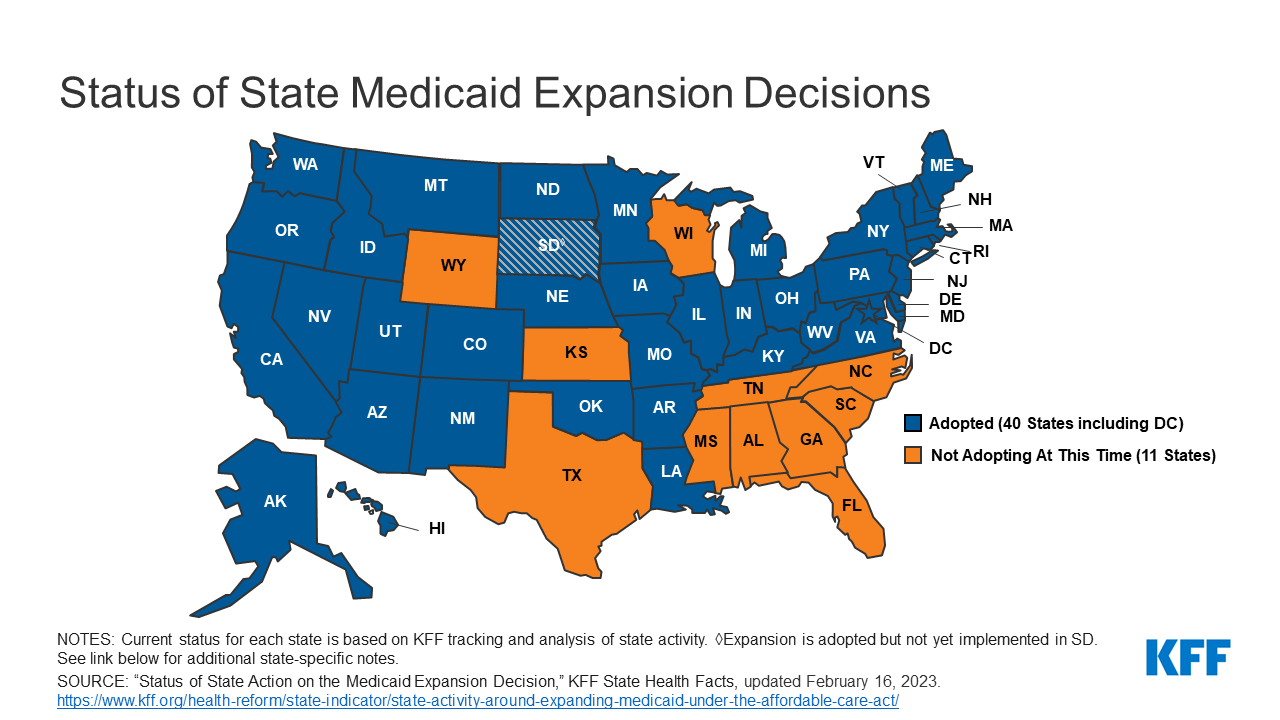
Rural hospitals are struggling all over the nation because of population declines, soaring labor costs and a long-term shift toward outpatient care. But those problems have been magnified by a political choice in Mississippi and nine other states, all with Republican-controlled legislatures.

They have spurned the federal government’s offer to shoulder almost all the cost of expanding Medicaid coverage for the poor. And that has heaped added costs on hospitals because they cannot legally turn away patients, insured or not.

States that opted against Medicaid expansion, or had just recently adopted it, accounted for nearly three-fourths of rural hospital closures between 2010 and 2021, according to the American Hospital Association.

Opponents of expansion, who have prevailed in Texas, Florida and much of the Southeast, typically say they want to keep government spending in check. States are required to put up 10 percent of the cost in order for the federal government to release the other 90 percent.

But the number of holdouts is dwindling. On Monday, North Carolina became the 40th state to expand Medicaid since the option to cover all adults with incomes below 138 percent of the poverty line opened up in 2014 under the terms of the 2010 Affordable Care Act. The law, a major victory for President Barack Obama, has continued to defy Republican efforts to kill or limit it.

“This argument about rural hospital closures has been an incredibly compelling argument to voters,” said Kelly Hall, the executive director of the Fairness Project, a national nonprofit that has successfully pushed ballot measures to expand Medicaid in seven states.

In Mississippi, one of the nation’s poorest states, the missing federal health care dollars have helped drive what is now a full-blown hospital crisis. Statewide, experts say that no more than a few of Mississippi’s 100-plus hospitals are operating at a profit. Free care is costing them about $600 million a year, the equivalent of 8 percent to 10 percent of their operating costs — a higher share than almost anywhere else in the nation, according to the state hospital association.

Expanding Medicaid would uncork a spigot of about $1.35 billion a year in federal funds to hospitals and health care providers, according to a 2021 report by the office of the state economist.

And it would guarantee medical coverage to some 100,000 uninsured adults making less than $20,120 a year in a state whose death rates are at or near the nation’s highest for heart disease, stroke, diabetes, cancer, kidney disease and pneumonia. Infant mortality is also sky-high, and the Delta has the nation’s highest rate of foot and leg amputations because of diabetes or hypertension.

Health officials blame those numbers in part on the high rate of uninsured residents who miss out on preventive care.

“I can tell you I have a number of patients who are on dialysis with renal failure for the rest of their life because they couldn’t afford the medication for their blood pressure, and that caused their kidneys to go bad,” said Dr. John Lucas, a Greenwood Leflore surgeon.

Among Mississippi adults, only disabled people and parents with extremely low incomes, along with most pregnant women, are eligible for Medicaid. Many of the ineligible are also too poor to qualify for the tax credits for insurance under the Affordable Care Act, leaving them without affordable options.

The same is true for close to two million other Americans who live in the states that have not expanded Medicaid. Three in five are adults of color, according to a 2021 study by the Center on Budget and Policy Priorities, a nonprofit research group. In Mississippi, more than half are Black.

Gov. Tate Reeves, a Republican, and key G.O.P. state lawmakers argue that a bigger Mississippi program is not in taxpayers’ best interest. The governor says the state’s $3.9 billion surplus would be best used to help eliminate Mississippi’s income tax.

“Don’t simply cave under the pressure of Democrats and their allies in the media who are pushing for the expansion of Obamacare, welfare and socialized medicine,” Mr. Reeves said in his annual State of the State address in January.

Opponents also argue that the newly insured would become dependent on Medicaid and therefore be less likely to work. “I believe we should be working to get people off Medicaid as opposed to adding more people to it,” said Philip Gunn, the powerful Republican House speaker.

Yet in Mississippi’s Delta, a flat swath of fields of corn, soybeans and other crops nearly as big as Delaware, access to any kind of medical care is drying up for lack of money. More than 300,000 people live here, nearly 35 percent of them Black. About the same percentage live in poverty, a rate three times the national average.

Dr. Daniel P. Edney, the state’s top health officer, said he did not set Medicaid policy, and he has been careful not to take sides. But he predicted emerging health care deserts where women would have to travel long distances to deliver babies and more sick people would die because they could not gain access to care.

Of the state’s hospitals, “I have maybe heard of two that are generating any profit,” he said. When he asks hospital executives if Medicaid expansion would help their balance sheets, he said, “they say it’s a game changer.”

He predicted that five hospitals would soon downgrade into mere emergency rooms, where doctors work to stabilize patients, then transfer them to the nearest hospital.

If that happens, some of the sickest will not make it, said Dr. Jeff Moses, an emergency room physician at Greenwood Leflore.

“Where are they going? Davy Jones’s locker,” he said. “It is very dark, and I’m not exaggerating this. I just can’t imagine what will happen to this community if this hospital closes.”

Nine years after states began expanding Medicaid, evidence is growing that broader coverage saves lives. In a 2021 analysis, researchers for the National Bureau of Economic Research estimated that in one four-year period, 19,200 more adults aged 55 to 64 survived because of expanded coverage, and nearly 16,000 more would have lived if that coverage was nationwide.

Other studies suggest why: Making medical care more affordable led to increases in regular checkups, cancer screenings, diagnoses of chronic diseases and prescriptions for needed medicines.

Especially during the first six years of the Medicaid expansion, when the federal government picked up 95 to 100 percent of the cost, many states found that the program was a net fiscal gain. Some states have imposed taxes on hospitals or health care providers to cover their share of the expense, the same strategy used to help fund other Medicaid costs.

Now the federal government is offering a new incentive for the holdouts: As part of a 2021 pandemic relief measure, it agreed to temporarily pay a higher proportion of costs for some existing Medicaid patients if states broadened eligibility.

Mississippi’s office of the state economist has estimated that for at least the first decade, those savings and others would fully cover the roughly $200 million a year that Medicaid expansion would cost the state government.

Tim Moore, the president of the Mississippi Hospital Association, said expansion was “a no-brainer.” The state is so poor, he said, that for every dollar it spends on Medicaid, the federal government pumps four back in.

Polls, including by Mississippi Today and Siena College, appear to show Mississippians support Medicaid expansion, regardless of their political affiliation. Brandon Presley, the Democratic candidate for governor, is highlighting hospital closures as a reason to deny Mr. Reeves a second term in elections this November.

In a possible sign of political nervousness, the governor and the legislature recently agreed to extend Medicaid coverage to pregnant women for 12 months after they give birth, prolonging a federal pandemic-era policy.

The legislators are also trying to prop up the hospitals with a one-time infusion of $83 million or more. But that is a pittance compared with what the state has given up in Medicaid payments.

The state has lost four hospitals since 2008, according to the hospital association, and Dr. Edney, the state health officer, said that it would inevitably lose more. He said he worried most about health care access in the Delta, where he grew up, the child of working-class parents with no health insurance.

On Saturday, Representative Bennie Thompson, Democrat of Mississippi, said victims of a tornado that struck the Delta last week had to be ferried 50 miles away for medical treatment because the local hospital had no power. More Medicaid dollars, he said, would have equipped it with an emergency generator.

An hour due west from Greenwood Leflore, another major hospital, run by Delta Health System, is also in serious trouble. Licensed for more than 300 beds, the hospital one day last month held just 72 inpatients.

Thirty-two of them were kept in the emergency department, partly because of nursing cuts. One upshot is that patients seeking emergency care now wait an average of two hours, four times as long as they should, according to Amy Walker, the chief nursing officer. Some simply walk out.

The neonatal intensive care unit closed last July. Now babies in trouble must be ferried by ambulance or helicopter 125 miles south to Jackson.

Iris Stacker, the chief executive, said the hospital could remain open through the end of the year; after that, she makes no promises. She is hoping federal grants will help keep the doors open, despite the state’s failure to expand Medicaid.

But she said, “It’s very hard to ask the federal government for more money when you have this pot of money sitting here that we won’t touch.”

A top message on Greenwood Leflore’s website is now a request for donations. So far, the hospital has raised less than $12,000.

Mike Hardin, a 70-year-old retiree, was one of a handful of inpatients one recent day. He had come to the emergency room two days before with slurred speech. Doctors quickly diagnosed a stroke and now were sending him home with revised medications.

“They have to do something to keep this hospital open,” he said as he was wheeled out of his room. “The people around this area wouldn’t have any place else to go.”

The hospital’s outpatient clinics are largely still in business, and doctors there say their caseloads are full of impoverished patients who should have been treated earlier.

Dr. Abhash Thakur, a cardiologist, said he routinely saw patients in the late stages of congestive heart failure who had never seen a cardiologist or been prescribed heart medication. Some have as little as 10 percent of their heart function left.

“They are not the exception,” he said, before examining a 52-year-old man who uses a wheelchair because of his heart disease. “Every day, probably, I will see a few of them.”

Dr. Raymond Girnys, a general surgeon, had just treated a man in his late 50s. He said that a week earlier, the man had punctured his foot on a sharp stick while walking in his tennis shoes in a field.

The man did not seek medical attention until the foot became infected because he was poor and uninsured. Dr. Girnys pointed out the irony: If his patient lost his foot, he would become eligible for Medicaid because then he would be disabled.

“If they had insurance, they wouldn’t be afraid to seek care,” he said.

Experts say that no more than a few of Mississippi’s 100-plus hospitals are operating at a profit.
Three things to watch during the House Ways and Means hearing with Becerra

https://www.washingtonpost.com/politics/2023/03/28/ten-states-still-spurn-medicaid-expansion-they-unlikely-budge-soon/

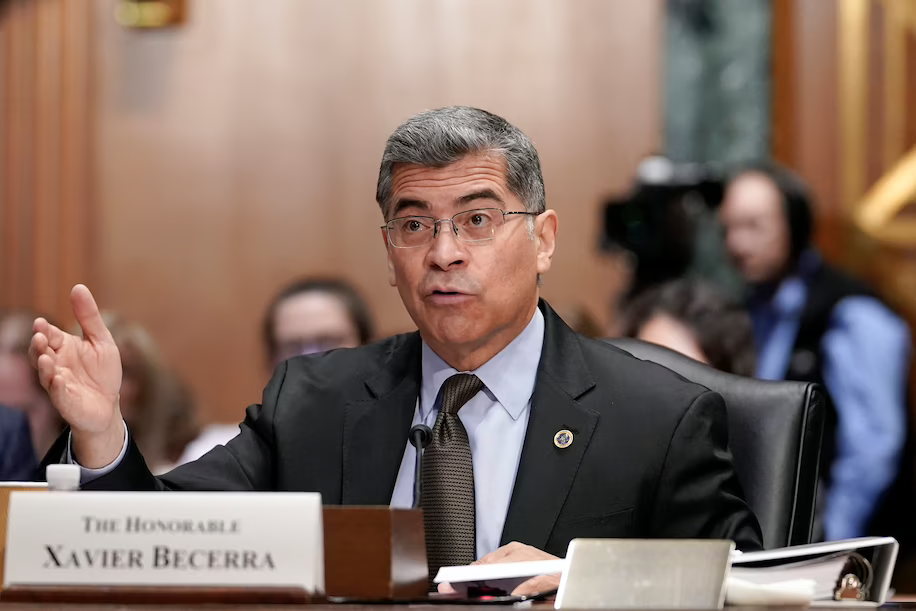
On tap today: Health and Human Services SecretarXavier Becerra will defend President Biden’s fiscal 2024 budget before the Republican-controlled House Ways and Means Committee this afternoon. Becerra will also appear before a House Appropriations subcommittee at 10 a.m.

What to expect: There are three main proposals in the president’s budget request that panel Chair Jason Smith (R-Mo.) and other Republicans on the panel plan to grill Becerra on during the hearing, according to people familiar with the matter. Those include:

While Becerra was summoned to Capitol Hill to discuss the president’s budget, lawmakers could use the opportunity to quiz him on a variety of health policies. He’s likely to face criticism and tough questions from Republicans on the federal health department’s final rule addressing the Affordable Care Act’s “family glitch,” its implementation of surprise billing protections and its strategy to combat illicit fentanyl trafficking, people familiar with the matter said.

What we’re watching tomorrow: Becerra will testify in front of the House Energy and Commerce health subcommittee at 10 a.m. Wednesday.

Ten states still spurn Medicaid expansion — and they’re unlikely to budge soon

https://www.washingtonpost.com/politics/2023/03/28/ten-states-still-spurn-medicaid-expansion-they-unlikely-budge-soon/

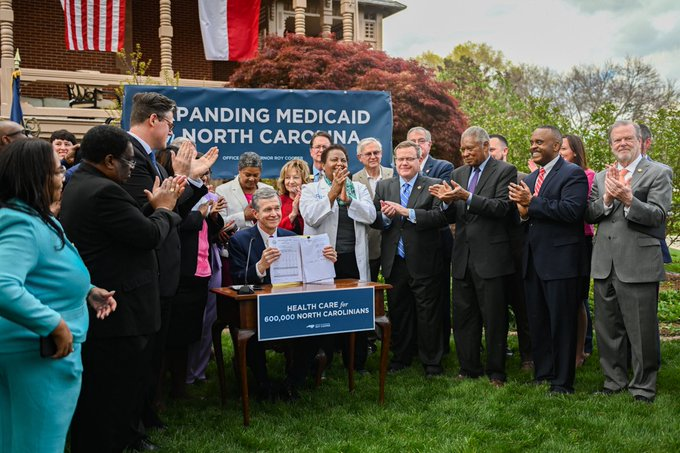
North Carolina is poised to become the 40th state to expand Medicaid. 

Yesterday afternoon, Gov. Roy Cooper (D) signed legislation crafted by the state’s two Republican leaders, an unlikely deal that puts an end to an over-a-decade-long political battle. 

But North Carolina may be the last of the Medicaid expansion holdout states to reverse course for a while. Supporters of extending the safety net coverage to hundreds of thousands more low-income adults have repeatedly run into Republican resistance in the 10 states that have long refused the Obamacare program — and another victory isn’t imminent. 

“Now we’re down to some of the hardest states to get expansion through,” said Frederick Isasi, the executive director of Families USA, a left-leaning consumer health lobby, though he expressed confidence the remaining states would eventually budge. 

Over the years, some steadfast GOP opposition to Medicaid expansion has softened, such as in North Carolina. The 2010 Affordable Care Act required states to extend the safety net program up to 138 percent of the federal poverty level, but the Supreme Court made doing so voluntary. 

The ballot measures

Since 2017, advocates have put expanding Medicaid directly to voters in seven conservative-leaning states. They argued it would bring federal taxpayer dollars back to their state and help struggling rural hospitals — and the ballot measures passed in every instance. 

But that strategy may be almost exhausted. Three of the holdout states have had citizen-led ballot measure processes — Florida, Wyoming and Mississippi — but at the moment, that path only appears viable in one state.

That’s Florida, where Medicaid advocates have their eye on fall 2026. Florida Decides Healthcare, a political committee supporting expansion, estimates it’ll cost roughly $10 million just to gather enough signatures to get the measure on the ballot, according to Jake Flaherty, the group’s campaign manager. 

  • Even if that happens in a few years, there’s another hurdle. An amendment to the constitution must garner the support of 60 percent of voters. Only once — in Idaho — has that happened for Medicaid expansion. 

The prospects are dim in the near future for the other two states. Wyoming advocates don’t believe they can use the ballot measure process to expand Medicaid, citing a mandate that an initiative not “make appropriations.” The next best chance is likely 2025, when the state legislature convenes again for a general session, according to Nate Martin, the executive director of Better Wyoming.

And in Mississippi, advocates filed paperwork to launch an expansion campaign in 2021. But it had to disband a month later when the state Supreme Court nullified the ballot measure process until state lawmakers fixed it, which the legislature failed to do this year, the Clarion Ledger reported.

Other states

North Carolina is the first state to expand Medicaid through the legislature since Virginia in 2018. And it’s still not finalized: The expansion is tied to the state passing a new budget, which is expected to occur over the summer. 

Other states that haven’t expanded include Alabama, Georgia, Kansas, South Carolina, Tennessee, Texas and Wisconsin. Republicans opposing expansion have often cited fiscal concerns with the policy, which supporters push back against and have pointed to extra two-year incentives signed into law in 2021.  

Several advocates said they’re watching Alabama closely, and that Gov. Kay Ivey (R) has the power to expand Medicaid without the GOP-led legislature’s sign-off. Last week, a House committee held an educational meeting on addressing the state’s coverage gap, the Alabama Reflector reported. In a statement to The Health 202, spokesperson Gina Maiola wrote that “the governor’s concern remains how the state would pay for it long-term.”

And in Kansas, Democratic Gov. Laura Kelly has been pushing the issue for years. But it’s an uphill battle to get it passed this year amid some Republican opposition, Will Lawrence, her chief of staff, acknowledged in an interview. Lawrence said he believes if a deal can be reached with the House speaker at some point, then the Senate may come along.

  • “We’ll continue to push those conversations,” Lawrence said. He added: “If it doesn’t happen this session, then we’ll be working over the summer and fall, like we did a few years ago, and we’ll come back with a strong push in January of next year.”

California partners with Civica Rx to produce generic insulin

https://mailchi.mp/6f4bb5a2183a/the-weekly-gist-march-24-2023?e=d1e747d2d8

This week, California Governor Gavin Newsom announced the state has struck a 10-year, $50M partnership with nonprofit drugmaker Civica Rx to produce three versions of generic insulin.

These are intended to be made available nationwide for list prices of no more than $30 a vial.

Production is slated to begin in late 2023 at Civica’s Petersburg, VA plant, and Food and Drug Administration approval will be required. This deal advances California’s CalRx initiative to produce and distribute generic drugs at low costs; according to a Newsom administration official, the low-cost insulin will be available to state residents through mail-order and retail pharmacies. This is the first state-level partnership for Civica, a health system collaborative whose members now cover a third of all US hospital capacity.

The Gist: Since Congress capped insulin copays for Medicare beneficiaries at $35 per month, there’s been a remarkable sea change in the pricing of the drug. Last week, Sanofi joined Eli Lilly and Novo Nordisk, the three of which together control 90 percent of the US insulin market, in dramatically reducing insulin list prices and capping out-of-pocket costs (including for the uninsured), bringing them in line with the costs now paid by Medicare beneficiaries. 

Given that most Americans needing insulin are already covered by these policies, the impact of California’s initiative may be muted. However, it sets an important precedent for state partnership in pharmaceutical production that will surely expand to other drugs (Newsom stated generic naloxone could be next)—and works to position Newsom as an advocate for lower drug costs, should he seek higher office. 

North Carolina legislature approves Medicaid expansion

https://mailchi.mp/6f4bb5a2183a/the-weekly-gist-march-24-2023?e=d1e747d2d8

On Thursday, legislators in North Carolina’s Republican-led General Assembly passed a bill to expand Medicaid eligibility to more than 600K low-income residents. The bill is expected to be signed into law by Democratic Governor Roy Cooper, with expanded coverage beginning in 2024. The Tar Heel State is poised to become the 40th state to expand Medicaid through the Affordable Care Act, although it must still appropriate funding in upcoming budget negotiations. The North Carolina Healthcare Association, which represents the state’s health systems, helped get the deal over the line by supporting language that repeals state certificate of need (CON) review in certain instances, including ambulatory surgical centers (ASCs), behavioral health and substance treatment beds, and capital technology replacements costing below $3M.

The Gist: North Carolina legislators have been attempting to expand Medicaid since 2019. It’s notable that the state’s hospitals viewed the benefits of broader public insurance to be worth the elimination of CON rules restricting development of ambulatory surgery centers, which will surely increase competition from new insurer- and private equity-backed facilities.

North Carolina will become the fourth state to expand Medicaid using additional incentives from the American Rescue Plan, and there’s a chance Kansas will be next, given the recent push by Democratic Governor Laura Kelly.

Prospects for Medicaid expansion in the remaining nine states seem slim at best. 

Why are 600+ rural hospitals at risk of closing?

https://www.advisory.com/daily-briefing/2023/03/22/rural-hospitals

A report from the Center for Healthcare Quality and Payment Reform (CHQPR) found that over 600 rural hospitals are at risk of closing in 2023, citing persistent financial challenges related to patient services or depleted financial resources.

More than 600 rural hospitals are at risk of closing in 2023

In the report, which was released in January, CHQPR identified 631 rural hospitals — over 29% nationwide — at risk of closing in 2023. However, compared to pre-pandemic levels, fewer rural hospitals are at immediate risk of closing because of the federal relief they received during the pandemic.

Among rural hospitals at risk of closing, CHQPR found two common contributing factors. First, these hospitals reported persistent financial losses of patient services over a multi-year period, excluding the first year of the COVID-19 pandemic. Second, these hospitals reported low financial reserves, with insufficient net assets to counter losses on patient services over a period of more than six years. 

In most states, at least 25% of the rural hospitals are at risk of closing, and in 12 states, 40% or more are at risk.

Meanwhile, more than 200 of these rural hospitals are facing an immediate risk of closing. According to CHQPR, these hospitals have inadequate revenues to cover expenses and very low financial reserves.

“Costs have been increasing significantly and payments, particularly from commercial insurance plans, have not increased correspondingly with that,” said Harold Miller, president and CEO of CHQPR. “And the small hospitals don’t have the kinds of financial reserves to be able to cover the losses.”

How rural hospital closures impact communities

In many cases, the closure of a rural hospital leads to a loss of access to comprehensive medical care in a community. Most of the at-risk hospitals are in areas where closure would result in community residents being forced to travel a long distance for emergency or inpatient care.

“In many of the smallest rural communities, the only thing there is the hospital,” Miller said. “The hospital is the only source. Not only is it the only emergency department and the only source of inpatient care, it’s the only source of laboratory services, the only place to get an X-ray or radiology. It may even be the only place where there is primary care.”

Many small hospitals also run health clinics. “There literally wouldn’t be any physicians in the community at all if it wasn’t for the rural hospital running that rural health clinic,” Miller said. “So if the hospital closes, you’re literally eliminating all health care services in the community.”

According to Miller, there has to be a fundamental change in the way hospitals are paid. “The problem that hospitals have faced though, is that they do two fundamentally different things — but they are only paid for one of them,” Miller said.

“Hospitals deliver services to patients when they are sick, and they are paid for that. But the other thing that hospitals do, which is essential for a community, is that they are available when somebody needs them — that standby capacity is critical for a community. But hospitals aren’t paid for that,” he added. (Higgs, Cleveland.com, 3/16; CHQPR report, accessed 3/20)

Advisory Board’s take

Why it is ‘not enough’ to simply stave off hospital closures

Hospital closures are a big deal — for all the reasons outlined above (and more) — but we cannot understate the importance of monitoring hospitals that are in or moving into the “at risk” category.

When hospitals fall into the “at risk” category, they are more likely to cut services to reduce costs. While this may help preserve hospital survival, it can have a devastating effect on patient access. For instance, a 2019 Health Affairs study found that rural hospital closures are associated with an 8% annual decrease in the supply of general surgeons in the years preceding closure.

While dangerous trends persist in maternal mortality, especially among Black women, obstetrics (OB) care is often placed on the chopping block for hospitals looking to rationalize services and stave off closure. According to the American Hospital Association (AHA), nearly 90 rural community hospitals closed OB units between 2015-2019. As of 2020, only 53% of rural community hospitals offered OB services, AHA reports.

Ultimately, these service closures carry massive implications for patient access and outcomes. As care delays result in higher-acuity downstream presentation, they can also increase the strain on the rest of the healthcare system.

So, yes, we need to stave off hospital closures. But to say “that’s not enough” is a massive understatement. In fact, many of the strategies hospitals deploy to stave off closure can create gaps that stakeholders must work together to fill.

This is especially true as we near the end of the COVID-19 public health emergency. As Medicaid redeterminations start ramping up, rural hospitals may see an increase in bad debt, especially among states that have not expanded Medicaid.

For example, the Alabama Rural Health Association reported that 55 of 67 counties in Alabama are considered rural, and CHQPR reported that 48% of rural hospitals in the state are at risk of closing. Meanwhile, the Wyoming Department of Health reported that 17 of 23 counties in the state are considered “Frontier,” which means there are fewer than six residents per square mile, and CHQPR reported that 29% of the state’s rural hospitals are at risk of closure.

When rural hospitals close their doors, the surrounding communities are left without access to timely, quality health care.

There is no silver bullet here — but Advisory Board researchers have created several resources to help stakeholders understand how to support rural hospitals:

Rural providers aren’t providing “rural healthcare” — they’re providing healthcare in a rural setting. While niche policies can help in pockets, rural providers need federal policymakers to consider rural needs in overall health policy to meet the magnitude of the crisis.

We’ve become even less prepared for the next pandemic

https://mailchi.mp/28f390732e19/the-weekly-gist-march-10-2023?e=d1e747d2d8

Published this week in the Washington Post, this sobering article surveys the dismantling of our nation’s patchwork public health infrastructure, driven by a backlash to COVID pandemic restrictions. Positioning themselves as defenders of freedom, a coalition of conservative and libertarian activists, legislators, and judges have neutered many of the nation’s public health authorities. State health officials and governors in over half the country are now unable to issue mask mandates or order school closures without the permission of their state legislatures.

While the implications for a hypothetical “next COVID” are dire, we’re already seeing the consequences today: officials in Columbus, OH can no longer, for example, quarantine a child with measles, or shut down a restaurant experiencing a hepatitis A outbreak. 

The Gist: The anti-public health backlash in the wake of COVID has now been codified, with far reaching consequences for future disease outbreaks. COVID protections for hospital-based healthcare providers are winding down, even in states like California which quickly embraced masking.

But now in over half the country, many reasonable responses to unknown future health threats won’t even be on the table, or will involve debate and legislative action, wasting precious response time. 

Lawmakers stress urgency of healthcare worker shortage

https://www.healthcaredive.com/news/lawmakers-fixes-healthcare-workforce-shortages/642994/

Addressing the education pipeline is one thing that legislators could focus on to improve nurse and physician shortages, medical school and health system leaders said.

As the healthcare industry continues to face pandemic-driven workforce challenges, lawmakers are exploring ways to boost the number of clinicians practicing in the U.S.

“A shortage of healthcare personnel was a problem before the pandemic and now it has gotten worse,” Chairman Sen. Bernie Sanders I-Vt., said during a Thursday Senate HELP committee hearing. “Health care jobs have gotten more challenging and, in some cases, more dangerous,” he said.

The country faces a shortage of up to 124,000 physicians by 2034, including 48,000 primary care physicians, according to the Association of American Medical Colleges.

Hospitals are currently facing shortages of registered nurses as burnout and other factors drive them to other roles. 

For example, 47-hospital system Ochsner Health in New Orleans has about 1,200 open nursing positions, Chief Academic Officer Leonardo Seoane said at Thursday’s hearing.

The workforce shortaged led Ochsner to close about 100 beds across its system during the past six months, leading to it use already-constrained emergency departments as holding bays for patients, he said.

Like other systems, labor costs have also been a concern due to a continued reliance on temporary staff to fill gaps. Ochsner’s non-agency labor costs grew just under 60% since 2019, while its costs for contract staff grew nearly 900%, he said.

“Our country is perilously short of nurses, and those we do have are often not working in the settings that could provide the most value,” Sarah Szanton, dean of Johns Hopkins School of Nursing said.

“This was true before the pandemic and has become more acute,” she said.

While many nurses left permanent roles for higher-paying contract positions during the pandemic, others have turned to jobs at outpatient clinics, coinciding with a shift toward non-hospital based care.

Registered nurse employment is nearly 5% above where it was in 2019, with nearly all that growth occurring outside of hospitals, Douglas Staiger, a professor of economics at Dartmouth College, found in his research and said at the hearing.

One major concern: Driving current and projected shortages in hospitals that lawmakers can address is the educational pipeline, medical school and health system leaders said.

Educational programs for nurses and physicians face site shortages and educators who are often allured by other higher-paying jobs in the industry.

Nursing educators in Vermont earn about $65,000 a year — about half of what nurses with similar degrees working in hospitals earn, Sanders said during the hearing. He asked members to consider expanding the Nurse Corps and nurse faculty loan repayments, among other programs.

Supporting partnerships between universities and hospitals to create more training opportunities is another way Congress can help, along with addressing high costs of tuition, James Herbert, president of University of New England, said during the hearing.

“Scholarship and loan repayment programs are critical to make healthcare education more accessible for those who would otherwise find it out of reach,” Herbert said.

That includes expanding and improving Medicare-funded physician residencies, he said.

Creating a more diverse workforce that looks more like the population it serves is another important task, and one lawmakers can address by supporting historically black colleges and universities.

Federal funding could help improve classrooms and other infrastructure at HBCUs “that have been egregiously are underfunded for decades,” in addition to expanding Medicare-funded residencies for hospitals that train a large number of graduates for HBCU medical schools, said James Hildreth Sr., president and CEO at Meharry Medical College in Nashville.

The American Hospital Association submitted a statement to the HELP subcommittee and said it also supports increasing the number of residency slots eligible for Medicare funds and rejecting cuts to curb long-term physician shortages.

Other AHA supported policies to address current and long-term workforce shortages include better funding for nursing schools and supporting expedited visas for foreign-trained nurses.

AHA also asked lawmakers to look into travel nurse staffing agencies, reviving requests it made last year alleging that staffing companies engaged in price gouging during the pandemic.

Last year some state lawmakers considered capping the rate hospitals can pay agencies for temporary nursing staff, though none ended up passing legislation to do so.

Medicaid enrollees largely unaware of upcoming redeterminations, survey finds

https://www.healthcaredive.com/news/medicaid-redeterminations-restart-enrollees-unaware-Robert-Wood-Johnson/643158/

Dive Brief:

  • About 64% of adults in a Medicaid-enrolled family in December said they did not know they may lose coverage once pandemic-era policy ends and eligibility checks resume on April 1, according to a survey from the Robert Wood Johnson Foundation.
  • The percentage of respondents who said they heard nothing about upcoming Medicaid renewals rose from June, when 62% said they knew nothing about the changes, the survey found.
  • Awareness was low across the board regardless of geographic region or a state’s Medicaid expansion status, according to the survey.

Dive Insight:

The federal government barred states from resuming Medicaid eligibility checks amid widespread job losses and other challenges during the pandemic.

Once eligibility checks resume, as many as 18 million people are expected to lose coverage, according to the Robert Wood Johnson Foundation.

About 7 million of those people are expected to gain coverage through the individual markets or employer-sponsored plans, though 8 million will not and will likely become uninsured, according to a report from Moody’s Investor Services.

Awareness levels regarding looming redetermination checks remained low and varied only slightly regionally, the report found.

Similarly, above 60% of respondents reported unawareness of Medicaid redeterminations both in Medicaid expansion states and those that haven’t expanded Medicaid, “which suggests the need for widespread outreach and education efforts,” the report said.

“Reducing information gaps about the change is a critical first step,” the report said.

In non-expansion states, people will need help learning about navigating marketplace options, while in expansion states they’ll need information on how to stay enrolled, the report said.

The suspension of eligibility checks led Medicaid membership to rise substantially during the pandemic, growing from 70.7 million members in February 2020 to 90.9 million in September, according to the Moody’s Investor Services report.

The end of the policy is expected to deal a blow to payers that have touted recent enrollment growth while hospitals could see more self-pay patients and “higher bad debt” for facilities, the Moody’s report said.

‘We’re going to come out of this winning:’ Northwell CEO on labor challenges and the system’s biggest growth area

New Hyde Park, N.Y.-based Northwell Health began 2023 with a low, but positive operating margin, but labor costs are expected to increase again this year on the back of recent union activity in the state. 

To offset such increases that were not anticipated in the 2023 budget, Northwell is evaluating opportunities to reduce expenses and increase revenue across the health system, which includes 21 hospitals and about 83,000 employees.

Michael Dowling, CEO of Northwell, spoke to Becker’s Hospital Review about the health system’s biggest challenge this year, how it approaches cost-cutting and why outpatient care is its biggest growth area.

Editor’s note: Responses are lightly edited for length and clarity.

Question: Many health systems saw margins dip last year amid rising inflation, increased labor costs and declining patient volumes. How have you led Northwell through the challenges of last year? 

Michael Dowling: We ended 2022 with a low, but positive margin. We’ve been coming back from COVID quite successfully, and we’re back pretty much in all areas to where we were prior to the pandemic. Volumes have returned and we’re very busy. We came into 2023 with a positive budget and a positive margin. We anticipate that you’re always going to have challenges and disturbances, but it’s important to stay focused and deal with it. We have a very detailed strategic plan, which outlines our various goals, and we stick to it. 

Q: What is your top priority today?

MD: The biggest issue for us today is labor costs. We have lots of union activity in New York at the moment. There were various nurse strikes in New York City at the beginning of the year. None of our hospitals were involved in those deliberations, but some of those hospitals agreed to contracts that have increases that were not anticipated in anybody’s 2023 budget. That’s going to have an effect on us. We have negotiations ongoing with the nurses’ union, and have 10 unions overall. About 90 percent of Northwell’s facilities have unions, so the bottom line is we are going to have expenses as a result of these contracts that were not anticipated in the budget. I don’t know the final number on these contracts yet, but it’s definitely going to be more than what we anticipated. 

The unions in New York get a lot of government support and have become very empowered and quite aggressive. The bottom line is there’s more expense than we anticipated in our budget, so we need to figure out how to address that. We’re looking at everything across our health system to find expense reductions or revenue enhancements to be able to make up for the increased labor costs and be optimistic about ending the year with a positive margin. But we’re in a good place and are not like some other health systems that are struggling financially. 

Q: Where are the biggest opportunities to reduce expenses or increase revenue to offset the increased labor costs?

MD: It’s a combination of a lot of things. We have a detailed capital plan that we may slow down. We hire about 300 people a week, so maybe we’ll target that hiring into specific areas and not be as broad based as we thought we could be. We will examine if we have specific programs or initiatives we can curtail without doing any damage to our core mission. It will end up being a portfolio of items; it won’t be one big thing. On the revenue side, we’re working very hard to increase our neurosurgery, cardiac, cancer and orthopedic businesses. Over the next couple of months, all of those things will be taken into consideration. The bottom line is we are going to come out of this winning.

Q: Looking three or four years down the line, where do you see the biggest growth opportunities for Northwell?

MD: Our biggest growth is in outpatient care. A lot of surgeries are moving outpatient, so we have to get ahead of that. Some think we are only a hospital system, but only about 46 percent of our business is from our hospital sector today. Home care is going to grow phenomenally, especially given the new technology that’s available. Digital health will also dramatically expand. 

We’re also looking at expanding into new geographic areas and markets. It’s about positioning your offerings in places close to where people live, so you reduce the inconvenience of people having to travel long distances for care when it should be available to them closer to home. When you do that, you increase market share. We’re constantly increasing our market share by being very aggressive about going to where the customer is and providing the highest quality care that we can. Part of that is also being able to recruit top-line, quality physicians. When you do that, you attract new business because you have competencies that you didn’t have before. It’s a combination of all of these things, but there’s certainly no limit to the opportunities in front of us. We’re not in a world of challenges; we’re in a world of opportunity. The question is are we aggressive enough and do we have enough tolerance for some risk? We need to be as aggressive as we possibly can to take advantage of some of those opportunities. 

Q: What is the biggest challenge on the horizon for Northwell?

MD: The biggest challenge is the huge growth in government payer business — Medicare and Medicaid. The problem with Medicaid — especially in a union environment — is it doesn’t cover your costs. The government is a big part of a potential future issue there. By increasing Medicaid, the more of your business becomes Medicaid and the worse you end up doing, unless you can increase your commercial payer business to continue to cross-subsidize. We also have a lot of union negotiations over the next couple of months, which will put a strain on our 2023 budget, but we will resolve it.

Q: How do you see hospitals and health systems evolving as CMS, commercial payers and patients continue to push more services to outpatient settings, where they can arguably be performed at a higher quality and lower cost?

MD: I think it’s going to continue to grow. For example, Northwell has 23 hospitals — 21 of which it owns — yet it has 890 outpatient facilities. We’ve been ahead of this curve a long time. Our primary expansion is in ambulatory care, not in-hospital care. Like I said, only 46 percent of Northwell’s total business is its hospital business. If you’re relying on the hospital to be the core provider of the future, you’re going to lose. You’ve got to take a little bit of a hit by going out and expanding your ambulatory presence. But the more you expand ambulatory and grow in the right locations, the more you increase market share, which brings more of the necessary inpatient care back to your hospitals. Our hospitals are growing and getting busier in addition to our outpatient centers because we are growing market share. If we enter a new community and see 100 people, five of them will need to be hospitalized. That’s a new market. Ambulatory cannot be disassociated from its connection to the inpatient market. 

Q: Many financial experts are projecting a recession this year. How might that affect hospitals and health systems, and how can they best prepare? 

MD: Even if we do have a recession, it doesn’t mean that people don’t get sick. In fact, people’s problems increase. Our business does not slow down if we have a recession; our business will probably increase. On the revenue side, it won’t necessarily affect our government reimbursement, which we don’t do well on anyway. The things you worry about during a recession is if employers give up the coverage of their staff. Then those employees with no insurance may go on a state Medicaid program, and that might affect hospitals. 

In the healthcare sector, even in a recession, the need for hospital services actually increases. No recession could be as bad as what we experienced during COVID, yet we managed it. We had a problem that we didn’t even understand, and we worked through it. I think healthcare deserves an extraordinary credit for what was done during COVID. If there is a recession, we will deal with it. It’s just one of those things that happens, and we will respond to it in as comprehensive a way as we can. I can’t control it, but I can control our response. Leadership to me is about having a positive disposition; basically saying that whatever happens to you, you’re going to win.