Updated COVID-19 projections are out: The new peak dates in each state

https://www.beckershospitalreview.com/patient-flow/updated-covid-19-projections-are-out-the-new-peak-dates-in-each-state.html?utm_medium=email

COVID-19 state-by-state forecast | WCHS

Peak demand for hospital resources due to COVID-19 is expected this week in the U.S., according to updated projections from the University of Washington’s Institute for Health Metrics and Evaluation in Seattle. 

The model, first released in late March, presents estimates of predicted health service utilization and deaths due to COVID-19 for each state in the U.S. if social distancing measures are maintained through May. Researchers used state-level hospital capacity data, data on confirmed COVID-19 deaths from the World Health Organization, and observed COVID-19 utilization from select locations.

When IHME first released its model, the only place where the number of daily deaths had already peaked was Wuhan, China. The data from Wuhan formed the basis for IHME’s estimation of the time from implementation of social distancing policies to the peak day of deaths. That estimation is now based on data from Wuhan and seven locations in Spain and Italy where the number of daily deaths appears to be peaking or to have peaked. The model has also been updated to use three different weighting schemes to better approximate the variation in potential policy impact across social distancing mandates.

Projections for peak demand for resources, namely hospital beds and ventilators, also changed after IHME incorporated new data sources into its model and made changes to its analytical framework. Access more information about the changes here.

According to the most recent projections, which use data updated April 8, peak demand for hospital resources will occur at the national level on April 11. However, this varies by state. Below is the projected date of peak demand for hospital beds, ICU beds and ventilators in each state according to the IHME model. 

April 1
Vermont

April 2
Washington

April 4
Louisiana

April 7
Michigan

April 8
Colorado
New York
Ohio

April 9
Delaware
District of Columbia

April 11
Illinois
New Jersey

April 12
Hawaii

April 13
California
Pennsylvania
Wisconsin

April 14
Idaho
Indiana

April 15
North Carolina
West Virginia

April 16
Mississippi
New Hampshire

April 17
Alaska
Maine
Maryland
Nevada
Tennessee

April 20
Alabama
Georgia
Kansas
Massachusetts
Montana
Virginia

April 21
Connecticut
Florida
Kentucky
Missouri
New Mexico
North Dakota

April 22
Arizona
Oregon
Texas

April 23
Minnesota
Oklahoma

April 24
South Carolina

April 25
Arkansas
Rhode Island
Utah

April 26
Nebraska

April 27
Iowa
South Dakota

April 29
Wyoming


The Most Appalling COVID-19 Lie

https://www.medpagetoday.com/infectiousdisease/covid19/85741?xid=nl_mpt_investigative2020-04-08&eun=g885344d0r&utm_source=Sailthru&utm_medium=email&utm_campaign=InvestigativeMD_040820&utm_term=NL_Gen_Int_InvestigateMD_Active

The Most Appalling COVID-19 Lie | MedPage Today

— Doctor breaks down the worst fallacy

Please forgive the basic nature of this video. I’ve enjoyed spending some time with my family finally after my quarantine expired. I wasn’t planning on making a video this weekend, but everybody’s in bed now and I felt that this was important.

I have done a few interviews recently and I’ve been asked the same question every time, which is what is the worst piece of misinformation you’ve heard about coronavirus. The first time I answered I said one of those conspiracy theories that we’ve all heard, but I quickly realized actually that isn’t the most damaging misconception about the current virus at all. The most harmful perception about COVID-19 is that it’s a disease that only affects the very old or the infirm.

The Intensive Care National Audit and Research Centre is a body that collects information from all the intensive care units in the U.K. and they’ve been publishing data about the COVID-19 patients here. I briefly mentioned one of their results in a previous video and I’ve been posting updates on Twitter. The most recent, which is about the first 775 patients admitted with COVID-19 to intensive care units in the U.K., came out a couple of days ago. I put it up on Twitter and it got quite a lot of attention, and so I felt it was useful to talk about that here as well.

The European Society of Intensive Care Medicine (ESICM) has published some preliminary results — I don’t have the full data set yet — for an even bigger group of patients — I think something like 1,800 patients. But from what I have seen, the results are very comparable.

The first headline is that the average age of patients admitted is 60 years old. Now, that doesn’t mean the average age of people getting coronavirus is 60. It’s just that out of the patients admitted to intensive care units with COVID-19 in the U.K., the average age — both mean and median — is around 60. The reason I say it like that is because admissions to ITU [intensive treatment unit] are prioritized for those that have the best chance of survival.

The right-hand column is quite useful here. It shows results for admissions to ITU over the last couple of years in the U.K. for patients with non-COVID viral pneumonia to act as a comparator. We can see immediately that in comparison to the usual viral pneumonia admissions, COVID admissions have a better baseline in that 91% are fully independent compared to 73% normally and fewer have pre-existing comorbidities or medical problems.

You can also see they are much more likely to be mechanically ventilated — i.e., intubated on a breathing machine, a ventilator — which is reflective of the profound hypoxia or low oxygen levels that we’re seeing in COVID-19 and the guidance that these patients deteriorate fast, and so doctors should intubate early.

An interesting pattern that’s emerged from every country’s cohorts is that men are more affected by this than women; 70% of severe infections requiring ITU are male, and perhaps most sobering is that out of all the patients admitted to ITU so far in the U.K., almost half have died — 48%. Comparing that with the usual admissions we see in ICU for viral pneumonia, like say influenza, only 22% of those died. If it needs to be repeated again, this is not “just like the flu.”

If you look at just 16- to 49-year-olds, although numbers are low at the moment, a quarter of them admitted to ITU have died. It remains true that 80% of people that get COVID-19 will have a self-limiting illness, the way I did, that does not require hospital admission. Your risk goes up with increasing age and the pre-existence of medical conditions.

However, overall one in five people that get this will have a severe infection, perhaps requiring hospital admission. Out of that, a quarter will require admission to intensive care. As these figures show, the average age for that subgroup is only 60, and half of those patients die.

Something that’s not captured in these figures is that death is just one marker. If you spend a week on a ventilator and 2 weeks in the hospital overall and then go home alive, that’s hardly what I’d call a mild infection. As I’ve said before, the main risk for most of us is not from the virus itself, but the effect that it’ll have on how healthcare functions in our respective countries.

On the subjects of healthcare, we’ve now seen three doctors here in the U.K., several in America, and 51 in Italy lose their lives directly because of COVID-19 — many or perhaps even most of whom were fit and well beforehand. To my sisters and brothers in healthcare, especially those going into battle like this without the appropriate armor — which is something that I just cannot believe is happening in developed countries, it shouldn’t be happening — I salute you.

That’s it. That’s the video. This isn’t aimed at any particular age group nor political affiliation. I find it remarkable I even have to say that second point because somehow this has become a partisan issue, which again I can’t understand.

Perhaps, if this does have an intended audience, it’s the middle-aged politicians who maybe also think that they’re too young for this disease and promote this appalling fallacy that COVID-19 is only killing patients who would have died sooner or later otherwise. Just stop f**king around.


TED Esther Choo. Emergency physician and public health advocate. Life on the medical front lines of the pandemic

https://www.ted.com/about/programs-initiatives/ted-connects-community-hope

Doctors give OHSU's Esther Choo a standing ovation for gender bias ...

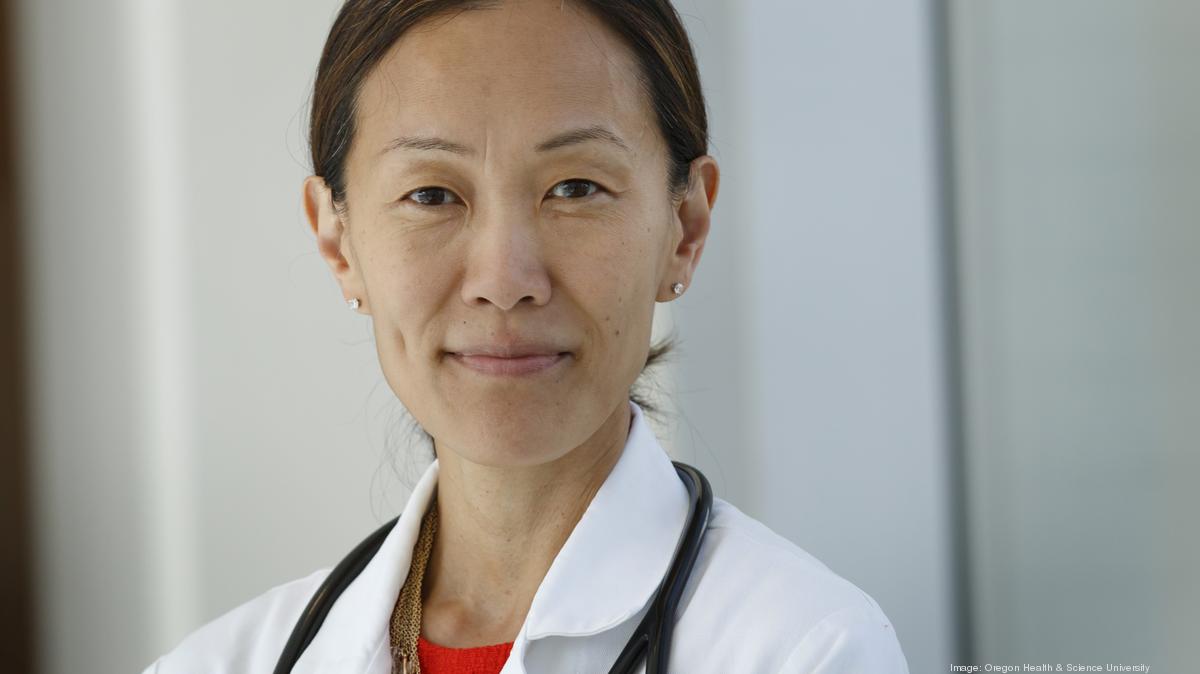
Esther Choo is an emergency physician and associate professor at the Oregon Health & Science University. She is a popular science communicator who has used social media to talk about racism and sexism in healthcare. She was the president of the Academy of Women in Academic Emergency Medicine and is a member of the American Association of Women Emergency Physicians.

As the coronavirus pandemic sweeps the globe, it’s hard to know where to turn or what to think. TED Connects is a free, live, daily conversation series featuring experts whose ideas can help us reflect and work through this uncertain time with a sense of responsibility, compassion and wisdom.


Special Report: Doctors embrace drug touted by Trump for COVID-19, without hard evidence it works

https://www.reuters.com/article/us-health-coronavirus-usa-hydroxychloroq/special-report-doctors-embrace-drug-touted-by-trump-for-covid-19-without-hard-evidence-it-works-idUSKBN21O2VO

Special Report: Doctors embrace drug touted by Trump for COVID-19 ...

The decades-old drug that President Donald Trump has persistently promoted as a potential weapon against COVID-19 has within a matter of weeks become a standard of care in areas of the United States hit hard by the pandemic — though doctors prescribing it have no idea whether it works.

Doctors and pharmacists from more than half a dozen large healthcare systems in New York, Louisiana, Massachusetts, Ohio, Washington and California told Reuters they are routinely using hydroxychloroquine on patients hospitalized with COVID-19. At the same time, several said they have seen no evidence that the drug, used for years to treat malaria and autoimmune disorders, has any effect on the virus.

Use of hydroxychloroquine has soared as the United States has quickly become the epicenter of the pandemic. More than 355,000 people in the United States have tested positive for the novel coronavirus, and more than 10,000 have died. The federal government estimates that as many as 240,000 people in the country may die from the disease before the outbreak is over.

Facing those numbers, and in the absence of any known effective treatments, doctors on the frontlines said they began using hydroxychloroquine and the related chloroquine on patients who are deteriorating based on a few small studies suggesting a possible benefit. Some said they had come under pressure from patients to use the therapies widely touted by Trump and other supporters.

“I may take it,” Trump said on Saturday, referring to hydroxychloroquine, though he has twice tested negative for coronavirus, according to the White House. “We’re just hearing really positive stories, and we’re continuing to collect the data.”

Potential side effects of hydroxychloroquine include vision loss and heart problems. But doctors interviewed by Reuters say they are comfortable prescribing the drug for a short course of several days for coronavirus patients because the risks are relatively low and the therapies are inexpensive and generally available.

However, protocols directing how these drugs should be used vary from one hospital to another, including when to introduce them and whether to combine them with other drugs. In addition, some studies showing promise involve patients who took the therapies for mild or early-stage illness. Many of those people are likely to recover from the virus on their own.

Patients admitted to the hospital in the United States are generally much sicker than the mildly ill cases cited in such studies when they receive therapy. These factors, doctors said, have made it difficult for them to determine whether the drugs are making a difference. “I have seen hundreds of patients with severe COVID and most of these people are on hydroxychloroquine,” Dr Mangala Narasimhan, regional director of critical care at Northwell Health, a 23-hospital system in New York, said in an email. “In my opinion, although it is very early, I do not see a dramatic improvement from the hydroxychloroquine in these patients.” Dr Daniel McQuillen, an infectious disease specialist at Lahey Hospital & Medical Center in Burlington, Massachusetts, said he has prescribed a course of hydroxychloroquine for about 30 COVID-19 patients so far because the drug has shown “a little bit of antiviral activity.” But he has not seen “marked improvement for patients.”

“Anecdotally, it may have had limited effect in patients with milder disease,” McQuillen said. The therapy “has had no effect in limiting or slowing progression of our patients that have been at or near ICU level when they arrived.”

‘SEE WHAT STICKS’

The experience of David Lat, a legal recruiter and commentator who founded the blog Above the Law, reflects the mixture of hope and uncertainty surrounding the drugs now being pursued as possible coronavirus treatments.

Since early March, the 44-year-old New Yorker has chronicled his near-fatal infection with coronavirus in social media posts followed by thousands of people. Lat’s case has resonated with a U.S. audience that has begun to recognize the risk that coronavirus poses not only to elderly patients with serious medical conditions, but also to generally healthy younger adults.

After more than a week of worsening symptoms, Lat was admitted to NYU Langone Medical Center on March 16 and later placed on a ventilator. On March 28, he shared on Facebook that his doctors had taken him off of the ventilator and had moved him out of intensive care after his condition improved dramatically.

In an exchange of text messages with Reuters, Lat said he was treated with hydroxychloroquine and the antibiotic azithromycin. He also received the experimental therapy clazakizumab, which aims to regulate an overreaction by the body’s immune system thought to trigger the respiratory distress seen in severe COVID-19. After the story was published, Lat clarified that he received a fourth therapy, the antiviral Kaletra, not Kevzara, as he had initially recalled.

“The doctors haven’t concluded what caused my recovery,” Lat said. “The state of coronavirus research is very much ‘throw stuff against a wall and see what sticks’ – but when something does stick, in terms of a good patient outcome, you’re not sure what stuck.” Lat’s doctors were not immediately available to comment on his treatment.

Some doctors have been vocal in advocating the drug. Dr Vladimir Zelenko, a general practitioner in upstate New York, has claimed that a three-drug cocktail of hydroxychloroquine, azithromycin and zinc sulfate has helped mitigate the infection in nearly 200 hundred of his patients before they became sick enough to require hospitalization. His recommendations have attracted the attention of Trump’s supporters. Zelenko wasn’t immediately available for comment.

Despite such encouraging reports, hard evidence that any of the therapies now under study will work is weeks and possibly months way.

Early, but mixed, data has emerged from COVID-19 trials of the malaria drugs in China. A research team in Marseilles, France, has published data showing that out of 80 mild COVID-19 patients treated with hydroxychloroquine and azithromycin, 93 percent had no detectable levels of the virus after eight days.

Doctors have questioned the value of the Marseille study and several papers from China as being too small or poorly designed to offer hard evidence of benefit. Most do not compare outcomes of patients who received the malaria therapies with people who did not, considered the most reliable measure of a drug’s effectiveness. Last week, doctors in Paris reported that they tried to replicate the results of the Marseille study and failed. Results from a trial conducted in Wuhan, China, were released that included a control group of patients who did not receive the anti-malarial therapy for comparison. But critics questioned why information on the trial’s main goal — detecting viral load — was not disclosed, and said data was missing for some patients. More rigorous U.S.-led trials are now underway. But most focus on whether the drugs can help prevent illness in people exposed to the coronavirus, such as healthcare workers or relatives of confirmed patients, and not people who are already sick. Randomized, controlled trials of the drugs are being conducted in other countries, including China, Brazil and Norway.

Until the evidence is in, “each institution is setting their own treatment guidelines,” said Dr Otto Yang, an infectious disease specialist at the University of California, Los Angeles Medical Center. “There is simply no data,” he said. “It is a matter of opinion, and opinions differ.”

GAME-CHANGER?

Trump is deeply invested in the idea that the malaria drugs will show a benefit, and personally pressured federal health officials to make them available, Reuters reported on Saturday. The president announced on Twitter last month that hydroxychloroquine, when combined with azithromycin, has the potential to become “one of the biggest game changers in the history of medicine.”


Dying Patient’s Last Question

Image may contain: 1 person, text

Dr. Derrick Smit shares the final words from one of his COVID-19 patients as he struggled for his last breath, “Who’s going to pay for it?”

This doesn’t happen anywhere else in the world. Only in America.

When will COVID-19 peak? A state-by-state analysis

https://www.beckershospitalreview.com/patient-flow/when-will-covid-19-peak-a-state-by-state-analysis.html?utm_medium=email

The Covid-19 coronavirus is not the flu. It's worse. - Vox

Peak demand for hospital resources due to COVID-19 is expected by mid-April in the U.S., according to an analysis from the University of Washington’s Institute for Health Metrics and Evaluation in Seattle. 

The study presents estimates of predicted health service utilization and deaths due to COVID-19 for each state in the U.S. if social distancing measures are maintained. Researchers used state-level hospital capacity data, data on confirmed COVID-19 deaths from the World Health Organization, and observed COVID-19 utilization from select locations.

While peak demand for resources, namely hospital beds and ventilators, will occur at the national level in two weeks, this varies by state. About a third of states, including New York, are projected to hit peak capacity in the first half of April, but some states will see the most demand for hospital resources in May.

Below is the projected date of peak hospital resource demand in each state according to the model, which uses data last updated April 1.

April 8
New Jersey

April 9
Louisiana
Michigan
New York
Vermont

April 11
Delaware
Washington

April 15
Alaska
Connecticut
District of Columbia

April 16
Massachusetts

April 17
Alabama
Colorado
Maine
New Hampshire

April 18
Pennsylvania

April 19
Indiana
Ohio
Tennessee

April 20
Illinois
Nevada
Rhode Island

April 21
Mississippi
North Dakota

April 22
Minnesota

April 23
Nebraska
Oklahoma
Utah

April 24
Georgia
New Mexico

April 26
Arkansas
California
Idaho
Montana
North Carolina

April 27
Arizona
Wisconsin

April 28
Kansas
South Carolina

April 29
Maryland

May 1
Iowa

May 3
Florida
Hawaii

May 4
South Dakota
West Virginia
Wyoming

May 5
Oregon

May 6
Texas

May 16
Kentucky

May 20
Virginia

May 21
Missouri


California Hospitals Face Surge With Proven Fixes And Some Hail Marys

https://khn.org/news/california-hospitals-face-surge-with-proven-fixes-and-some-hail-marys/

California Hospitals Face Surge With Proven Fixes And Some Hail ...

California’s hospitals thought they were ready for the next big disaster.

They’ve retrofitted their buildings to withstand a major earthquake and  whisked patients out of danger during deadly wildfires. They’ve kept patients alive with backup generators amid sweeping power shutoffs and trained their staff to thwart would-be shooters.

But nothing has prepared them for a crisis of the magnitude facing hospitals today.

“We’re in a battle with an unseen enemy, and we have to be fully mobilized in a way that’s never been seen in our careers,” said Dr. Stephen Parodi, an infectious disease expert for Kaiser Permanente in California. (Kaiser Health News, which produces California Healthline, is not affiliated with Kaiser Permanente.)

As California enters the most critical period in the state’s battle against COVID-19, the state’s 416 hospitals — big and small, public and private — are scrambling to build the capacity needed for an onslaught of critically ill patients.

Hospitals from Los Angeles to San Jose are already seeing a steady increase in patients infected by the virus, and so far, hospital officials say they have enough space to treat them. But they also issued a dire warning: What happens over the next four to six weeks will determine whether the experience of California overall looks more like that of New York, which has seen an explosion of hospitalizations and deaths, or like that of the San Francisco Bay Area, which has so far managed to prevent a major spike in new infections, hospitalizations and death.

Some of their preparations share common themes: Postpone elective surgeries. Make greater use of telemedicine to limit face-to-face contact. Erect tents outside to care for less critical patients. Add beds — hospital by hospital, a few dozen at a time — to spaces like cafeterias, operating rooms and decommissioned wings.

But by necessity — because of shortages of testing, ventilators, personal protective equipment and even doctors and nurses — they’re also trying creative and sometimes untried strategies to bolster their readiness and increase their capacity.

In San Diego, hospitals may use college dormitories as alternative care sites. A large public hospital in Los Angeles is turning to 3D printing to manufacture ventilator parts. And in hard-hit Santa Clara County, with a population of nearly 2 million, public and private hospitals have joined forces to alleviate pressure on local hospitals by caring for patients at the Santa Clara Convention Center.

Yet some hospitals acknowledge that, despite their efforts, they may end up having to park patients in hallways.

“The need in this pandemic is so different and so extraordinary and so big that a hospital’s typical surge plan will be insufficient for what we’re dealing with in this state and across the nation,” said Carmela Coyle, president and CEO of the California Hospital Association.

Across the U.S., more than 213,000 cases of COVID-19 have been confirmed, and at least 4,750 people have died. California accounts for more than 9,400 cases and at least 199 deaths.

Health officials and hospital administrators are singling out April as the most consequential month in California’s effort to combat a steep increase in new infections. State Health and Human Services Secretary Mark Ghaly said Wednesday that the number of hospitalizations is expected to peak in mid-May.

Gov. Gavin Newsom said there were 1,855 COVID-19 cases in hospitals Wednesday, a number that had tripled in six days, and 774 patients in critical care. By mid-May, the number of critical care patients is expected to climb to 27,000, he said.

Newsom said the state needs nearly 70,000 more hospital beds, bringing its overall capacity to more than 140,000 — both inside hospitals and also at alternative care sites like convention centers. The state also needs 10,000 more ventilators than it normally has to aid the crush of patients needing help to breathe, he said, and so far has acquired fewer than half.

Newsom and state health officials worked with the Trump administration to bring a naval hospital ship to the Port of Los Angeles, where it is already treating patients not infected with the novel coronavirus. The state is working with the Army Corps of Engineers to deploy eight mobile field hospitals, including one in Santa Clara County. And it is bringing hospitals back online that were shuttered or slated to close, including one each in Daly City, Los Angeles, Long Beach and Costa Mesa.

The governor is also drafting a plan to make greater use of hotels and motels and nursing homes to house patients, if needed.

But the size of the surge that hits hospitals depends on how well the public follows social distancing and stay-at-home orders, said Newsom and hospital administrators. “This is not just about health care providers caring for the sick,” said Dr. Steve Lockhart, the chief medical officer of Sutter Health, which has 22 hospitals across Northern California.

While hospitals welcomed the state assistance, they’re also undertaking dramatic measures to prepare on their own.

“I’m genuinely very worried, and it scares me that so many people are still out there doing business as usual,” said Chris Van Gorder, CEO of Scripps Health, a system with five major hospitals in San Diego County. “It wouldn’t take a lot to overwhelm us.”

Internal projections show the hospital system could need 8,000 beds by June, he said. It has 1,200.

In addition to taking precautions to protect its health care workers — such as using baby monitors to observe patients without risking infection — it is working with area colleges to use dorm rooms as hospital rooms for patients with mild cases of COVID-19, among other efforts, he said.

“Honestly, I think we should have been better prepared than we are,” Van Gorder said. “But hospitals cannot take on this burden themselves.”

Van Gorder and other hospital administrators say a continued shortage of COVID-19 tests has hampered their response — because they still don’t know exactly which patients have the virus — as has the chronic underfunding of public health infrastructure.

Kaiser Permanente wants to double the capacity of its 36 California hospitals, Parodi said. It is also working with the garment industry to manufacture face masks, and eyeing hotel rooms for less critical patients.

Harbor-UCLA Medical Center, a 425-bed safety-net hospital in Los Angeles, is working to increase its capacity by 200%, said Dr. Anish Mahajan, the hospital’s chief medical officer.

Harbor-UCLA is using 3D printers to produce ventilator piping equipped to serve two patients per machine. And in March it transformed a new emergency wing into an intensive care unit for COVID-19 patients.

“This was a shocking thing to do,” Mahajan said of the unprecedented move to create extra space.

He said some measures are untested, but hospitals across the state are facing extreme pressure to do whatever they can to meet their greatest needs.

In March, Stanford Hospital in the San Francisco Bay Area launched a massive telemedicine overhaul of its emergency department to reduce the number of employees who interact with patients in person. This is the first time the hospital has used telemedicine like this, said Dr. Ryan Ribeira, an emergency physician who spearheaded the project.

Stanford also did some soul-searching, thinking about which of its staff might be at highest risk if they catch COVID-19, and has assigned them to parts of the hospital with no coronavirus patients or areas dedicated to telemedicine. “These are people that we might have otherwise had to drop off the schedule,” Ribeira said.

Nearby, several San Francisco hospitals that were previously competitors have joined forces to create a dedicated COVID-19 floor at Saint Francis Memorial Hospital with four dozen critical care beds.

The city currently has 1,300 beds, including 200 ICU beds. If the number of patients surges as it has in New York, officials anticipate needing 5,000 additional beds.

But the San Francisco Bay Area hasn’t yet seen the expected surge. UCSF Health had 15 inpatients with COVID-19 Tuesday. Zuckerberg San Francisco General Hospital and Trauma Center had 18 inpatients with the disease Wednesday.

While hospital officials are cautiously optimistic that local and state stay-at-home orders have worked to slow the spread of the virus, they are still preparing for what could be a major increase in admissions.

“The next two weeks is when we’re really going to see the surge,” said San Francisco General CEO Susan Ehrlich. “We’re preparing for the worst but hoping for the best.”


Dr. Birx predicts up to 200,000 coronavirus deaths ‘if we do things almost perfectly’

https://www.yahoo.com/news/dr-birx-predicts-200-000-115800421.html

Dr. Birx predicts up to 200,000 U.S. coronavirus deaths 'if we do ...

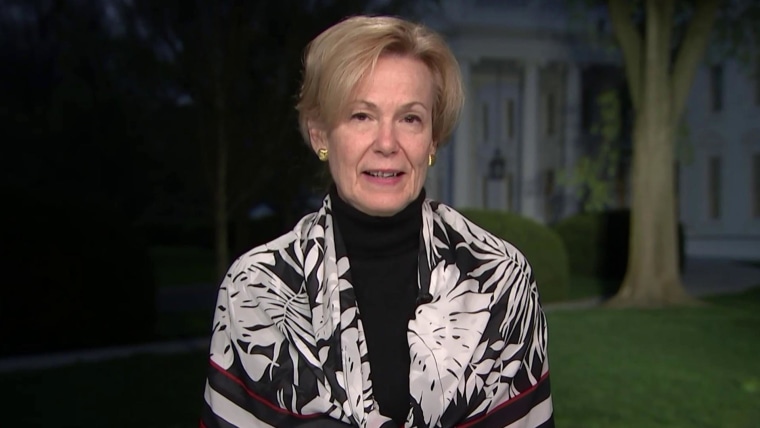
The White House coronavirus response coordinator said Monday that she is “very worried about every city in the United States” and projects 100,000 to 200,000 American deaths as a best case scenario.

In an interview on “TODAY,” Dr. Deborah Birx painted a grim message about the expected fatalities, echoing that they could hit more than 2 million without any measures, as coronavirus cases continue to climb throughout the country.

“I think everyone understands now that you can go from five to 50 to 500 to 5,000 cases very quickly,” Birx said.

“I think in some of the metro areas we were late in getting people to follow the 15-day guidelines,” she added.

Birx said the projections by Dr. Anthony Fauci that U.S. deaths could range from 1.6 million to 2.2 million is a worst case scenario if the country did “nothing” to contain the outbreak, but said even “if we do things almost perfectly,” she still predicts up to 200,000 U.S. deaths.

Fauci, the director of the National Institute of Allergy and Infectious Diseases, reiterated Monday on CNN that “I don’t want to see it, I’d like to avoid it, but I wouldn’t be surprised if we saw 100,000 deaths.”

Politics

Birx said the best case scenario would be for “100 percent of Americans doing precisely what is required, but we’re not sure that all of America is responding in a uniform way to protect one another,” referencing images circulating online of people still congregating in big groups and ignoring guidelines from the Centers for Disease Control and Prevention.

Birx was also on “Meet the Press” on Sunday warning that “no state, no metro area will be spared,” a message she repeated Monday. Even if metro or rural areas don’t see the virus in the community now, by the time it does appear, the outbreak will be significant, she added.

How long Americans will be expected to comply with measures, including socially distancing and sheltering in place, remains unclear in this growing pandemic after several states and larger cities began implementing measures over the past couple of weeks.

President Trump announced Sunday that the administration’s guidelines on social distancing have been extended until April 30. Trump said last week that he wanted to see much of the country return to normal by Easter, April 12, despite warnings from top health experts that easing guidelines early could cause mass deaths. Now, Trump said he expects “great things to be happening” by June 1.

Birx said on Sunday that the choice to extend the guidelines had not been made lightly.

“We know it’s a huge sacrifice for everyone,” she added.


Nurse dies in New York hospital where workers are reduced to using trash bags as protective medical gear

https://www.businessinsider.com/kious-kelly-hospital-nurse-dies-trash-bags-2020-3?utmSource=twitter&utmContent=referral&utmTerm=topbar&referrer=twitter&fbclid=IwAR3BPkAbdFrHQBM1UiV3o23sIqDsBxkhLBNJ7kV9sCmqU3zpKndGKHc0gY8

Nurse dies in New York hospital where workers are reduced to using ...

A nurse at Mount Sinai Hospital in New York died from COVID-19 after learning he was infected by the novel coronavirus almost two weeks ago. Protective medical gowns are in such short supply in the Mount Sinai system that some nurses have started to use Hefty-brand garbage bags instead, according to photos on social media.

The New York Post reported that Kious Kelly, an assistant nursing manager at Mount Sinai Hospital in Manhattan, died Tuesday. He was 48 years old.

His sister confirmed his death to the Post, saying that she was told he had been in the intensive-care unit but that he did not think it was serious. The Post did not specify how he contracted the virus.

“We are deeply saddened by the passing of a beloved member of our nursing staff,” Renatt Brodsky, a representative for the Mount Sinai Health System, told Business Insider in a statement. Brodsky did not provide any further details.

New York state has become the epicenter for the US’s coronavirus outbreak, with more than 33,000 infections and more than 360 deaths. In New York and other areas in the US with large outbreaks, healthcare workers are reporting shortages of personal protective equipment like masks, gowns, face shields, and gloves.

At Mount Sinai West, in the same hospital system where Kelly worked, nurses published a photo on social media showing them fashioning plastic trash bags into protective outfits, according to the Post.

“NO MORE GOWNS IN THE WHOLE HOSPITAL,” they wrote on Facebook. “NO MORE MASKS AND REUSING THE DISPOSABLE ONES … NURSES FIGURING IT OUT DURING COVID-19 CRISIS.” One nurse is seen holding a box of Hefty Strong 33-gallon bags, more commonly used for lining household trash cans.