


Cartoon – Coronavirus Plan

The image of scientists standing beside governors, mayors or the president has become common during the pandemic. Even the most cynical politician knows this public health emergency cannot be properly addressed without relying on the scientific knowledge possessed by these experts.
Yet, ultimately, U.S. government health experts have limited power. They work at the discretion of the White House, leaving their guidance subject to the whims of politicians and them less able to take urgent action to contain the pandemic.
The Centers for Disease Control and Prevention has issued guidelines only to later revise them after the White House intervened. The administration has also undermined its top infectious disease expert, Dr. Anthony Fauci, over his blunt warnings that the pandemic is getting worse – a view that contradicts White House talking points.
And most recently, the White House stripped the CDC of control of coronavirus data, alarming health experts who fear it will be politicized or withheld.
In the realm of monetary policy, however, there is an agency with experts trusted to make decisions on their own in the best interests of the U.S. economy: the Federal Reserve. As I describe in my recent book, “Stewards of the Market,” the Fed’s independence allowed it to take politically risky actions that helped rescue the economy during the financial crisis of 2008.
That’s why I believe we should give the CDC the same type of authority as the Fed so that it can effectively guide the public through health emergencies without fear of running afoul of politicians.
There is a paradox inherent in the relationship between political leaders and technical experts in government.
Experts have the training and skill to apply scientific knowledge in complex biological and economic systems, yet democratically elected political leaders may overrule or ignore their advice for ill or good.
This happened in May when the CDC, the federal agency charged with controlling the spread of disease, removed advice regarding the dangers of singing in church choirs from its website. It did not do so because of new evidence. Rather, it was because of political pressure from the White House to water down the guidance for religious groups.
Similarly, the White House undermined the CDC’s guidance on school reopenings and has pressured it to revise them. So far, it seems the CDC has rebuffed the request.
The ability of elected leaders to ignore scientists – or the scientists’ acquiescence to policies they believe are detrimental to public welfare – is facilitated by many politicians’ penchant for confident assertion of knowledge and the scientist’s trained reluctance to do so.
Compare Fauci’s repeated comment that “there is much we don’t know about the virus” with President Donald Trump’s confident assertion that “we have it totally under control.”
Given these constraints on technical expertise, the performance of the Fed in the financial crisis of 2008 offers an informative example that may be usefully applied to the CDC today.
The Federal Reserve is not an executive agency under the president, though it is chartered and overseen by Congress. It was created in 1913 to provide economic stability, and its powers have expanded to guard against both depression and crippling inflation.
At its founding, the structure of the Fed was a political compromise designed make it independent within the government in order to de-politicize its economic policy decisions. Today its decisions are made by a seven-member board of governors and a 12-member Federal Open Market Committee. The members, almost all Ph.D. economists, have had careers in academia, business and government. They come together to analyze economic data, develop a common understanding of what they believe is happening and create policy that matches their shared analysis. This group policymaking is optimal when circumstances are highly uncertain, such as in 2008 when the global financial system was melting down.
The Fed was the lead actor in preventing the system’s collapse and spent several trillion dollars buying risky financial assets and lending to foreign central banks – decisions that were pivotal in calming financial markets but would have been much harder or may not have happened at all without its independent authority.
The Fed’s independence is sufficiently ingrained in our political culture that its chair can have a running disagreement with the president yet keep his job and authority.
A health crisis needs trusted experts to guide decision-making no less than an economic one does. This suggests the CDC or some re-imagined version of it should be made into an independent agency.
Like the Fed, the CDC is run by technical experts who are often among the best minds in their fields. Like the Fed, the CDC is responsible for both analysis and crisis response. Like the Fed, the domain of the CDC is prone to politicization that may interfere with rational response. And like the Fed, the CDC is responsible for decisions that affect fundamental aspects of the quality of life in the United States.
Were the CDC independent right now, we would likely see a centralized crisis management effort that relies on the best science, as opposed to the current patchwork approach that has failed to contain the outbreak nationally. We would also likely see stronger and consistent recommendations on masks, social distancing and the safest way to reopen the economy and schools.
Independence will not eliminate the paradox of technical expertise in government. The Fed itself has at times succumbed to political pressure. And Trump would likely try to undermine an independent CDC’s legitimacy if its policies conflicted with his political agenda – as he has tried to do with the central bank.
But independence provides a strong shield that would make it much more likely that when political calculations are at odds with science, science wins.
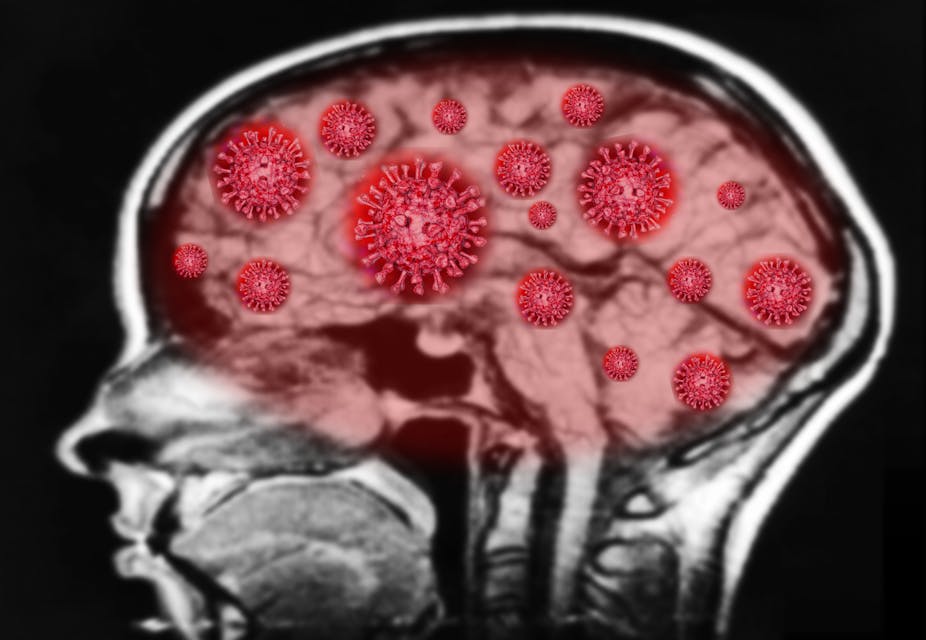
Of all frightening ways that the SARS-COV-2 virus affects the body, one of the more insidious is the effect of COVID-19 on the brain.
It is now clear that many patients suffering from COVID-19 exhibit neurological symptoms, from loss of smell, to delirium, to an increased risk of stroke. There are also longer-lasting consequences for the brain, including myalgic encephalomyelitis /chronic fatigue syndrome and Guillain-Barre syndrome.
These effects may be caused by direct viral infection of brain tissue. But growing evidence suggests additional indirect actions triggered via the virus’s infection of epithelial cells and the cardiovascular system, or through the immune system and inflammation, contribute to lasting neurological changes after COVID-19.
I am a neuroscientist specializing in how memories are formed, the role of immune cells in the brain and how memory is persistently disrupted after illness and immune activation. As I survey the emerging scientific literature, my question is: Will there be a COVID-19-related wave of memory deficits, cognitive decline and dementia cases in the future?
Many of the symptoms we attribute to an infection are really due to the protective responses of the immune system. A runny nose during a cold is not a direct effect of the virus, but a result of the immune system’s response to the cold virus. This is also true when it comes to feeling sick. The general malaise, tiredness, fever and social withdrawal are caused by activation of specialized immune cells in the brain, called neuroimmune cells, and signals in the brain.
These changes in brain and behavior, although annoying for our everyday lives, are highly adaptive and immensely beneficial. By resting, you allow the energy-demanding immune response to do its thing. A fever makes the body less hospitable to viruses and increases the efficiency of the immune system. Social withdrawal may help decrease spread of the virus.
In addition to changing behavior and regulating physiological responses during illness, the specialized immune system in the brain also plays a number of other roles. It has recently become clear that the neuroimmune cells that sit at the connections between brain cells (synapses), which provide energy and minute quantities of inflammatory signals, are essential for normal memory formation.
Unfortunately, this also provides a way in which illnesses like COVID-19 can cause both acute neurological symptoms and long-lasting issues in the brain.

Microglia are specialized immune cells in the brain. In healthy states, they use their arms to test the environment. During an immune response, microglia change shape to engulf pathogens. But they can also damage neurons and their connections that store memory.
During illness and inflammation, the specialized immune cells in the brain become activated, spewing vast quantities of inflammatory signals, and modifying how they communicate with neurons. For one type of cell, microglia, this means changing shape, withdrawing the spindly arms and becoming blobby, mobile cells that envelop potential pathogens or cell debris in their path. But, in doing so, they also destroy and eat the neuronal connections that are so important for memory storage.
Another type of neuroimmune cell called an astrocyte, typically wraps around the connection between neurons during illness-evoked activation and dumps inflammatory signals on these junctions, effectively preventing the changes in connections between neurons that store memories.
Because COVID-19 involves a massive release of inflammatory signals, the impact of this disease on memory is particularly interesting to me. That is because there are both short-term effects on cognition (delirium), and the potential for long-lasting changes in memory, attention and cognition. There is also an increased risk for cognitive decline and dementia, including Alzheimer’s disease, during aging.
If activation of neuroimmune cells is limited to the duration of the illness, then how can inflammation cause long-lasting memory deficits or increase the risk of cognitive decline?
Both the brain and the immune system have specifically evolved to change as a consequence of experience, in order to neutralize danger and maximize survival. In the brain, changes in connections between neurons allows us to store memories and rapidly change behavior to escape threat, or seek food or social opportunities. The immune system has evolved to fine-tune the inflammatory response and antibody production against previously encountered pathogens.
Yet long-lasting changes in the brain after illness are also closely linked to increased risk for age-related cognitive decline and Alzheimer’s disease. The disruptive and destructive actions of neuroimmune cells and inflammatory signaling can permanently impair memory. This can occur through permanent damage to the neuronal connections or neurons themselves and also via more subtle changes in how neurons function.
The potential connection between COVID-19 and persistent effects on memory are based on observations of other illnesses. For example, many patients who recover from heart attack or bypass surgery report lasting cognitive deficits that become exaggerated during aging.
Another major illness with a similar cognitive complications is sepsis – multi-organ dysfunction triggered by inflammation. In animal models of these diseases, we also see impairments of memory, and changes in neuroimmune and neuronal function that persist weeks and months after illness.
Even mild inflammation, including chronic stress, are now recognized as risk factors for dementias and cognitive decline during aging.
In my own laboratory, I and my colleagues have also observed that even without bacterial or viral infection, triggering inflammatory signaling over a short-term period results in long-lasting changes in neuronal function in memory-related brain regions and memory impairments.
It will be many years before we know whether the COVID-19 infection causes an increased risk for cognitive decline or Alzheimer’s disease. But this risk may be decreased or mitigated through prevention and treatment of COVID-19.
Prevention and treatment both rely on the ability to decrease the severity and duration of illness and inflammation. Intriguingly, very new research suggests that common vaccines, including the flu shot and pneumonia vaccines, may reduce risk for Alzheimer’s.
Additionally, several emerging treatments for COVID-19 are drugs that suppress excessive immune activation and inflammatory state. Potentially, these treatments will also reduce the impact of inflammation on the brain, and decrease the impact on long-term brain health.
COVID-19 will continue to impact health and well-being long after the pandemic is over. As such, it will be critical to continue to assess the effects of COVID-19 illness in vulnerability to later cognitive decline and dementias.
In doing so, researchers will likely gain critical new insight into the role of inflammation across the life-span in age-related cognitive decline. This will aid in the development of more effective strategies for prevention and treatment of these debilitating illnesses.

Some 69% of Americans believe that state governments have eased restrictions too soon amid the Covid-19 pandemic, as opposed to opening too slowly, according to a new Pew Research study published on Thursday, as the U.S. grapples with a still-uncontrolled outbreak of the coronavirus.
While the Trump administration pushed for states to lift stay-at-home orders throughout the spring to help the battered economy, governors are now being forced to pause or restore some restrictions after a surge in cases this summer.
Around seven-in-ten people believe the most effective way to help economic recovery is to significantly reduce infections across the country, according to the study, and while Trump continues his argument that the U.S. leads the world in cases due to an increase in testing, 60% of Americans believe it’s primarily due to more new infections.
A majority of Democrats and Republicans believe the main reason the outbreak in the U.S. has continued is due to the lack of social distancing and mask wearing, while 58% of adults surveyed believe it’s due to early lifting of restrictions.
A number of wealthy nations that experienced severe outbreaks early in the pandemic have exited their first waves and have less cases than states like California and Florida, with 62% of Americans believing the U.S. response to the coronavirus trails other affluent countries.
The survey comes as the Trump administration continues to pressure Democratic-led states to ease restrictions and demand schools reopen for in-person instruction, even threatening to withhold federal funding if they don’t.
Dr. Anthony Fauci, the government’s lead infectious disease expert, commented on the rise of infections across the nation: “In the attempt to reopen in some situations states did not abide strictly by the guidelines that the task force and the White House has put out. And others that even did abide by it, the people in the state actually were congregating in crowds and not wearing masks.”
While initial hotspots like New York and New Jersey were able to lower the infection rate throughout the spring, cases began exploding in southern and western states before the country as a whole could exit the first wave of its outbreak. Cases are now trending down after a record high of 74,818 on July 24, according to the Centers for Disease Control and Prevention, though deaths have been over 1,000 daily the past week and there are still tens of thousands of cases each day. The U.S. leads all other countries in cases with 4.87 million, as well as reported deaths with 159,864.
https://apnews.com/833d91877e2f0fa913c5258978a9e83c
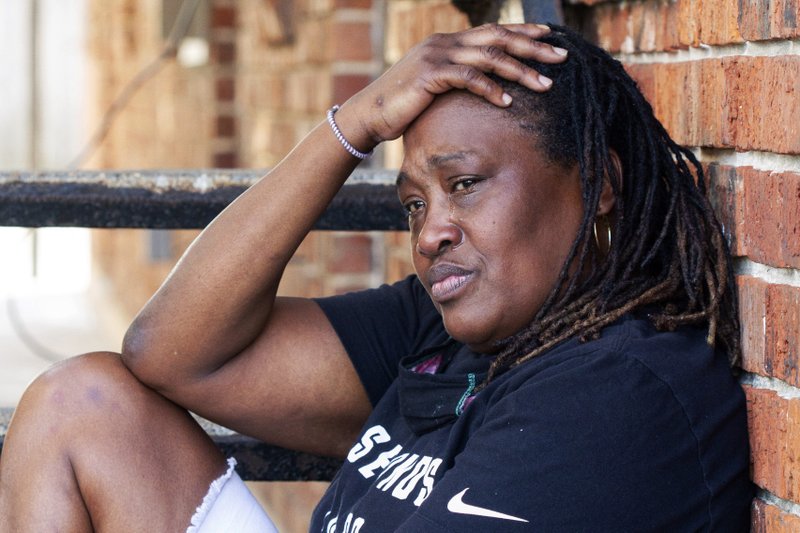
Kelyn Yanez used to clean homes during the day and wait tables at night in the Houston area before the coronavirus. But the mother of three lost both jobs in March because of the pandemic and now is facing eviction.
The Honduran immigrant got help from a local church to pay part of July’s rent but was still hundreds of dollars short and is now awaiting a three-day notice to vacate the apartment where she lives with her children. She has no idea how she will meet her August rent.
“Right now, I have nothing,” said Yanez, who briefly got her bar job back when the establishment reopened, but lost it again when she and her 4-year-old daughter contracted the virus in June and had to quarantine. The apartment owners “don’t care if you’re sick, if you’re not well. Nobody cares here. They told me that I had to have the money.”
Yanez, who lives in the U.S. illegally, is among some 23 million people nationwide at risk of being evicted, according to The Aspen Institute, as moratoriums enacted because of the coronavirus expire and courts reopen. Around 30 state moratoriums have expired since May, according to The Eviction Lab at Princeton University. On top of that, some tenants were already encountering illegal evictions even with the moratoriums.
Now, tenants are crowding courtrooms — or appearing virtually — to detail how the pandemic has upended their lives. Some are low-income families who have endured evictions before, but there are also plenty of wealthier families facing homelessness for the first time — and now being forced to navigate overcrowded and sometimes dangerous shelter systems amid the pandemic.
Experts predict the problem will only get worse in the coming weeks, with 30 million unemployed and uncertainty whether Congress will extend the extra $600 in weekly unemployment benefits that expired Friday. The federal eviction moratorium that protects more than 12 million renters living in federally subsidized apartments or units with federally backed mortgages expired July 25. If it’s not extended, landlords can initiate eviction proceedings in 30 days.
“It’s going to be a mess,” said Bill Faith, executive director of Coalition on Homelessness and Housing in Ohio, referring to the Census Bureau Household Pulse Survey, which found last week that more than 23% of Ohioans questioned said they weren’t able to make last month’s rent or mortgage payment or had little or no confidence they could pay next month’s.
Nationally, the figure was 26.5% among adults 18 years or older, with numbers in Louisiana, Oklahoma, Nevada, Alabama, Florida, Mississippi, New York, Tennessee and Texas reaching 30% or higher. The margins of error in the survey vary by state.
“I’ve never seen this many people poised to lose their housing in a such a short period of time,” Faith said. “This is a huge disaster that is beginning to unfold.”
Housing advocates fear parts of the country could soon look like Milwaukee, which saw a 21% spike in eviction filings in June, to nearly 1,500 after the moratorium was lifted in May. It’s more than 24% across the state.
“We are sort of a harbinger of what is to come in other places,” said Colleen Foley, the executive director of the Legal Aid Society of Milwaukee.
“We are getting calls to us from zip codes that we don’t typically serve, the part of the community that aren’t used to coming to us,” she added. “It’s a reflection of the massive job loss and a lot of people facing eviction who aren’t used to not paying their rent.”
In New Orleans, a legal aid organization saw its eviction-related caseload almost triple in the month since Louisiana’s moratorium ended in mid-June. Among those seeking help is Natasha Blunt, who could be evicted from her two-bedroom apartment where she lives with her two grandchildren.
Blunt, a 50-year-old African American, owes thousands of dollars in back rent after she lost her banquet porter job. She has yet to receive her stimulus check and has not been approved for unemployment benefits. Her family is getting by with food stamps and the charity of neighbors.
“I can’t believe this happened to me because I work hard,” said Blunt, whose eviction is at the mercy of the federal moratorium. “I don’t have any money coming in. I don’t have nothing. I don’t know what to do. … My heart is so heavy.”
Along with exacerbating a housing crisis in many cities that have long been plagued by a shortage of affordable options, widespread discrimination and a lack of resources for families in need, the spike in filings is raising concerns that housing courts could spread the coronavirus.
Many cities are still running hearings virtually. But others, like New Orleans, have opened their housing courts. Masks and temperature checks are required, but maintaining social distance has been a challenge.
“The first couple of weeks, we were in at least two courts where we felt really quite unsafe,” said Hannah Adams, a staff attorney with Southeast Louisiana Legal Services.
In Columbus, Ohio, Amanda Wood was among some 60 people on the docket Friday for eviction hearings at a convention center converted into a courtroom.
Wood, 23, lost her job at a claims management company in early April. The following day, the mother of a 6-month-old found out she was pregnant again. Now, she is two months behind rent and can’t figure out a way to make ends meet.
Wood managed to find a part-time job at FedEx, loading vans at night. But her pregnancy and inability to find stable childcare has left her with inconsistent paychecks.
“The whole process has been really difficult and scary,” said Wood, who is hoping to set up a payment scheduled after meeting with a lawyer Friday. “Not knowing if you’re going to have somewhere to live, when you’re pregnant and have a baby, is hard.”
Though the numbers of eviction filings in Ohio and elsewhere are rising and, in some places reaching several hundred a week, they are still below those in past years for July. Higher numbers are expected in August and September.
Experts credit the slower pace to the federal eviction moratorium as well as states and municipalities that used tens of millions of dollars in federal stimulus funding for rental assistance. It also helped that several states, including Massachusetts and Arizona, have extended their eviction moratorium into the fall.
Still, experts argue more needs to be done at the state and federal level for tenants and landlords.
Negotiations between Congress and the White House over further assistance are ongoing. A $3 trillion coronavirus relief bill passed in May by Democrats in the House would provide about $175 billion to pay rents and mortgages, but the $1 trillion counter from Senate Republicans only has several billion in rental assistance. Advocacy groups are looking for over $100 billion.
“An eviction moratorium without rental assistance is still a recipe for disaster,” said Graham Bowman, staff attorney with the Ohio Poverty Law Center. “We need the basic economics of the housing market to continue to work. The way you do that is you need broad-based rental assistance available to families who have lost employment during this crisis.”
“The scale of this problem is enormous so it needs a federal response.”





 HENRY KOTULA