


Cartoon – Hired a Part-time Locum

https://mailchi.mp/0b6c9295412a/the-weekly-gist-january-7-2022?e=d1e747d2d8

Every hospital in America has been affected by the growing shortage of nursing talent as the pandemic persists. This week a health system chief operating officer shared her greatest concern about the future of the nursing workforce: “We’re under immense pressure to find any nurses we can to keep units and operating rooms open. But if I think about the long-term impact, what I am most worried about is losing our most experienced nurses en masse.”
The average age of a nurse is 52, and 19 percent of nurses are over 65. Health systems have been facing a wave of retirements of Baby Boomer nurses, and the stresses of the pandemic, both in the workplace and at home, have dramatically accelerated the rate of tenured nurses leaving the profession, taking their well-honed clinical acumen with them.
“We’re looking at ways to increase the nursing pipeline, but you can’t replace a nurse with decades of experience one-to-one with someone just out of school, and expect the same level of clinical management, particularly for complex patients,” our COO colleague shared.
In the near term, her system is looking at two sets of strategies to maintain the nursing “brain trust”.
First, they hope to retain tenured nurses with job flexibility: “We’re not just losing nurses to retirement, we’re losing them to Siemens and Aetna—not because they are excited about that work, but because they don’t want to work a 12-hour shift. We have to be better about creating part-time, flexible schedules.”
Second, they are piloting telenursing and decision-support solutions to provide guidance and a second set of eyes for new nurses. These tools have also helped in new nurse recruitment. We’d predict the workforce crisis will persist far beyond the pandemic, and require rethinking of training, process automation, and the boundaries of practice license. But in the near-term, retaining and upskilling the talent we have is essential to maintaining access and quality.

Amid a nationwide staffing shortage, rising demand for nurses has led hospitals to increase salaries and other benefits to attract and retain workers, Melanie Evans reports for the Wall Street Journal.
Hospitals across the country have been struggling amid staffing shortages, particularly of nurses, Evans reports. According to health care consultancy Premier, nurse turnover rates have increased to around 22% this year, up from the annual rate of about 18% in 2019.
“We are employing more nurses now than we ever have, and we also have more vacancies than we ever had,” said Greg Till, chief people officer at Providence Health & Services.
To retain their current nurses and attract new staff, many hospitals have increased their nurses’ salaries to remain competitive in the job market, Evans reports.
For example, HCA Healthcare, one of the largest hospital chains in the country, said it increased nurse pay this year to keep up with Covid-19 surges and compete with rivals also trying to fill vacant positions.
Similarly, Jefferson Health in May raised salaries for its nearly 10,000 nurses by 10% after the system discovered that rivals had increased their compensation. “The circumstances required it,” said Kate Fitzpatrick, Jefferson’s chief nurse executive.
In addition, Citizens Memorial Hospital in Bolivar, Mo., this month raised its nurses’ salaries by up to 5% after rivals in other nearby cities increased their workers’ wages. Sarah Hanak, Citizen Memorial’s CNO, said the hospital also increased the hourly wages of nurses working overnight shifts by around 15% to ensure sufficient staffing for those shifts.
“We were forced to,” Hanak said. “We absolutely have to stay competitive.”
Overall, the average annual salary for RNs, not including bonus pay, grew to $81,376, according to Premier—a 4% increase across the first nine months of the year. This is larger than the 3.3% increase in the average annual nurse salary for 2020 and the 2.6% increase in 2019, Evans writes.
In addition to salary increases, some organizations, such as Providence, are also offering other benefits to attract and retain nurses, such as more time off, greater schedule flexibility, and new career development opportunities. Many hospitals are also hiring new graduates to work in specialized roles in ORs and other areas, allowing them to advance their careers more quickly than they would have before.
Overall, this rising demand for nurses has allowed those entering the workforce to negotiate higher salaries, more flexible working hours, and other benefits, Evans writes.
“I think you get to write your ticket,” said Tessa Johnson, president of the North Dakota Nurses Association.
Nurse compensation increases were inevitable—here’s why
It was inevitable that we would get to this point: baseline nurse compensation on a clear upward trajectory. Inevitable because this boils down to laws of supply and demand. Amid a clear nursing shortage, organizations are being forced to raise baseline compensation to compete for increasingly scarce qualified nurses. This is true in nearly every market, even for those considered to be ‘destination employers.’
If anything, what’s most surprising in the data from Premier is the moderated increase of around 4%. From a worker’s perspective, that’s not even covering cost of living increases due to inflation. However, amid this new data, it’s important to keep two things in mind:
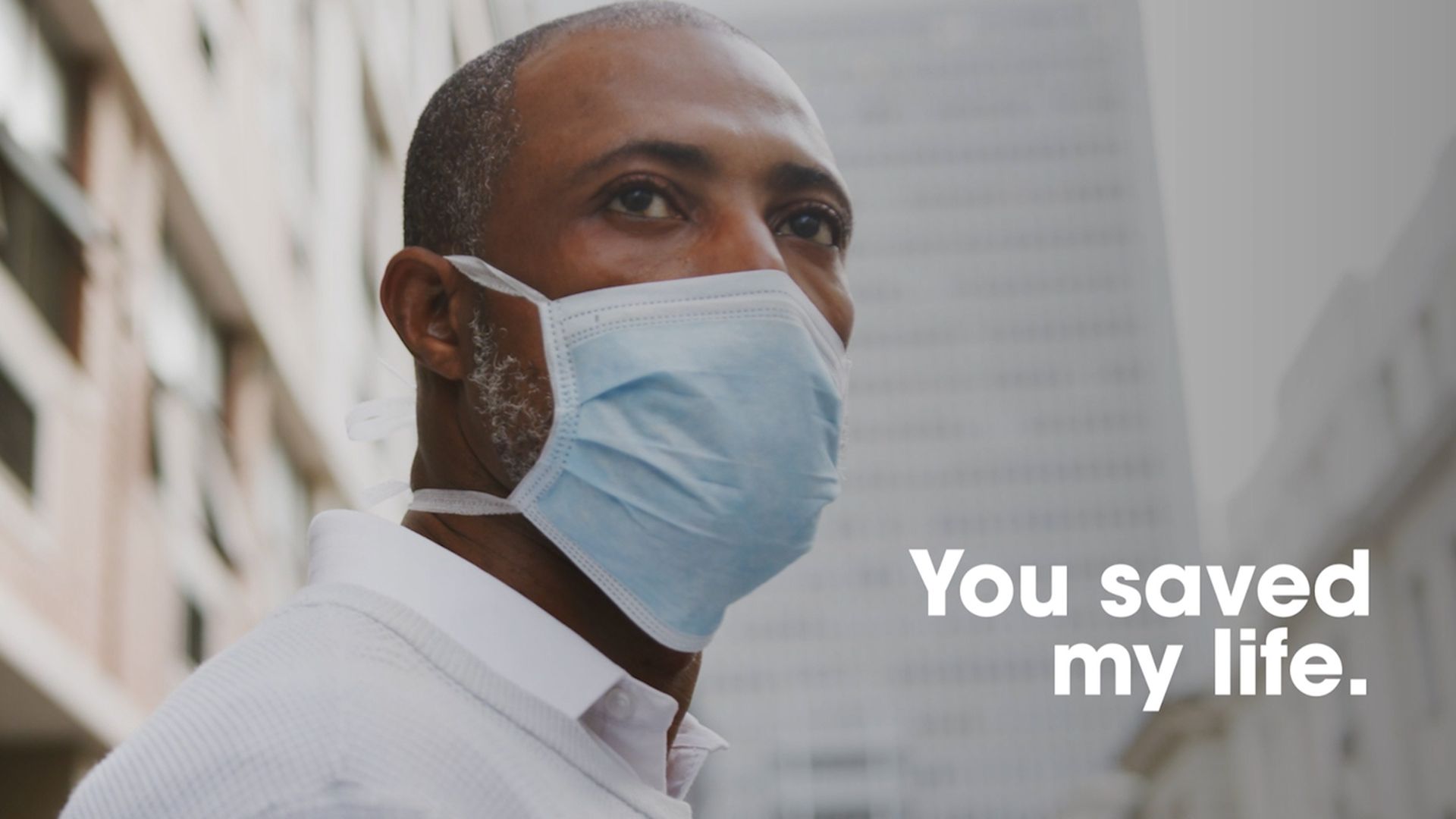
The American Hospital Association, the American Medical Association and the American Nurses Association teamed up to release a new “Forever Grateful” TV and digital ad campaign on Monday to thank health care workers.
Why it matters: The campaign comes in the face of record levels of reported health care worker burnout tied, in part, to the prolonged emergency response to COVID-19.

As the pandemic rages on, hospitals across the country are experiencing significant labor shortages for critical clinical roles. In the graphic above, we highlight the shortage of nursing talent, perhaps the most sought-after role for which health systems are struggling to hire.
Even before the current COVID surge, many nurses reported feeling dissatisfied or feeling burned out. In a May 2021 survey, more than one in five nurses said they were considering leaving their current jobs, citing insufficient staffing, workload, and the emotional toll of the work. Many health systems are offering lucrative incentives, such as five-figure signing bonuses, to fill immediate critical care needs, and to address the growing backlog of patients returning for delayed care.
As more nurses quit or retire from their permanent positions, health systems are being forced to fill workforce gaps by luring temporary talent at much higher costs (now cresting $8K a week to fund a single travel nurse in some parts of the country). Travel nurse demand reached an all-time high in August, up almost 40 percent from the previous peak in December 2020. As they struggle to fill essential openings, hospital leaders must also focus on keeping the current nursing staff engaged—a challenge that only gets harder as staff nurses compare their salaries to those paid to the temporary colleagues working alongside them.


The hourly mean wage for registered nurses in the U.S. is $38.47, according to the U.S. Bureau of Labor Statistics’ latest occupational employment and wage statistics survey.
Among 10 metropolitan areas with the highest employment level in registered nurses, registered nurses have the highest hourly mean wage in the Los Angeles area and the lowest in the Miami area.
Ten hourly mean wages for RNs by metropolitan area, in descending order:
1. Los Angeles: $54.38
2. Boston: $47.79
3. New York City: $45.63
4. Houston: $40.85
5. Washington, D.C.: $40.14
6. Philadelphia: $38.45
7. Dallas: $37.50
8. Chicago: $37.48
9. Detroit: $36.64
10. Miami: $34.76
https://mailchi.mp/ef14a7cfd8ed/the-weekly-gist-august-6-2021?e=d1e747d2d8
With vaccine mandates on the rise among healthcare organizations, including many of the health systems we work with, we’ve begun to hear a new argument in favor of getting staff vaccinated—one that weighs against the worry that mandates will drive scarce clinical workers away.
With staffing already stretched, some systems have been concerned that implementing mandates could worsen shortages and force an increase in the use of costly agency labor. But, some executives are now telling us, so could not vaccinating staff. As the highly contagious Delta variant continues to sweep through unvaccinated populations, clinical workers who haven’t gotten their shots are especially susceptible to contracting the virus.
That’s driven a sharp increase in unvaccinated nurses and other workers calling out sick with COVID symptoms, which has made a difficult staffing situation even worse.
Some of the high-profile reports of hospitals running out of beds in the face of the Delta variant are actually driven by running out of staff to keep those beds in use—making it even more critical to ensure that frontline workers are protected against the virus.
As a growing number of hospitals and other care facilities mandate that their workers get vaccinated, we’d hope this unwelcome pressure on an already stretched workforce begins to wane.

The largest union for registered nurses in the U.S. called on the Centers for Disease Control and Prevention (CDC) to bring back recommendations for universal masking in public regardless of people’s vaccination status.
The National Nurses Union (NNU) in a Monday letter to CDC Director Rochelle Walensky requested that the agency reinstitute guidelines for all people to wear masks in public and in close proximity to those outside their household.
NNU Executive Director Bonnie Castillo pointed to a 16 percent uptick in U.S. COVID-19 cases from last week, according to CDC data, as well as rises in case counts in more than 40 states and hospitalizations in more than 25 states as reasons to return to previous, stricter guidelines.
“NNU strongly urges the CDC to reinstate universal masking, irrespective of vaccination status, to help reduce the spread of the virus, especially from infected individuals who do not have any symptoms,” Castillo wrote in the letter. “Our suggestions are based on science and the precautionary principle and are made in order to protect nurses, other essential workers, patients, and the public from Covid-19.”
The union also cited the World Health Organization’s (WHO) call for vaccinated people to continue wearing masks in public amid the spread of the highly transmissible delta variant. Several U.S. officials and experts have said the WHO’s guidance reflects the state of the pandemic worldwide, which overall has seen lower vaccination rates than the U.S.
Castillo acknowledged that COVID-19 vaccines are effective at preventing severe illness and death but noted “no vaccine is 100 percent effective, and the emergence and spread of variants of concern may reduce vaccine effectiveness.”
The NNU in its letter also appeals for the CDC to update its guidance to “fully recognize aerosol transmission,” mandate tracking and reporting of cases among health care and essential workers, and keep records of cases, including mild and asymptomatic infections, among fully vaccinated people to measure the shots’ effectiveness.
The CDC did not immediately return a request for comment on the letter, but officials have consistently defended the updated mask guidance, saying fully vaccinated individuals are protected against the virus.
The NNU vocally opposed the CDC’s current mask guidance updated in May to permit fully vaccinated individuals to go maskless in virtually all settings. The union has argued that the change in recommendations endangered patients, front-line workers and nurses as the pandemic continues.
In the Monday letter, the union wrote that the CDC’s relaxation of mask guidance “failed to account for” the possibility of fully vaccinated people contracting and spreading the virus. It also said the agency’s guidelines do not protect people, including children, who cannot get the vaccine.
The NNU sent the letter days after the CDC urged schools to reopen for full in-person learning in the fall, saying that fully vaccinated teachers and students do not need to wear masks.
It also comes after Los Angeles County and St. Louis County recommended their residents to wear masks in public indoors.
 HENRY KOTULA