Talk Is Cheap: Now Trump Must Deliver On His Healthcare Promises

https://www.forbes.com/sites/robertpearl/2025/06/09/talk-is-cheap-now-trump-must-deliver-on-his-healthcare-promises/

President Donald Trump has made big promises about fixing American healthcare. Now comes the moment that separates talk from action.

With the 2026 midterms fast approaching and congressional attention soon shifting to electoral strategy, the window for legislative results is closing quickly. This summer will determine whether the administration turns promises into policy or lets the opportunity slip away.

Trump and his handpicked healthcare leaders — HHS Secretary Robert F. Kennedy Jr. and FDA Commissioner Dr. Marty Makary — have identified three major priorities: lowering drug prices, reversing chronic disease and unleashing generative AI. Each one, if achieved, would save tens of thousands of lives and reduce costs.

But promises are easy. Real change requires political will and congressional action. Here are three tests that Americans can use to gauge whether the Trump administration succeeds or fails in delivering on its healthcare agenda.

Test No. 1: Have Drug Prices Come Down?

Americans pay two to four times more for prescription drugs than citizens in other wealthy nations. This price gap has persisted for more than 20 years and continues to widen as pharmaceutical companies launch new medications with average list prices exceeding $370,000 per year.

One key reason for the disparity is a 2003 law that prohibits Medicare from negotiating prices directly with drug manufacturers. Although the Inflation Reduction Act of 2022 granted limited negotiation rights, the initial round of price reductions did little to close the gap with other high-income nations.

President Trump has repeatedly promised to change that. In his first term, and again in May 2025, he condemned foreign “free riders,” promising, “The United States will no longer subsidize the healthcare of foreign countries and will no longer tolerate profiteering and price gouging.”

To support these commitments, the president signed an executive order titled “Delivering Most-Favored-Nation (MFN) Prescription Drug Pricing to American Patients.” The order directs HHS to develop and communicate MFN price targets to pharmaceutical manufacturers, with the hope that they will voluntarily align U.S. drug prices with those in other developed nations. Should manufacturers fail to make significant progress toward these targets, the administration said it plans to pursue additional measures, such as facilitating drug importation and imposing tariffs. However, implementing these measures will most likely require congressional legislation and will encounter substantial legal and political challenges.

The pharmaceutical industry knows that without congressional action, there is no way for the president to force them to lower prices. And they are likely to continue to appeal to Americans by arguing that lower prices will restrict innovation and lifesaving drug development.

But the truth about drug “innovation” is in the numbers: According to a study by America’s Health Insurance Plans, seven out of 10 of the largest pharmaceutical companies spend more on sales and marketing than on research and development. And if drugmakers want to invest more in R&D, they can start by requiring peer nations to pay their fair share — rather than depending so heavily on U.S. patients to foot the bill.

If Congress fails to act, the president has other tools at his disposal. One effective step would be for the FDA to redefine “drug shortages” to include medications priced beyond the reach of most Americans. That change would enable compounding pharmacies to produce lower-cost alternatives just as they did recently with GLP-1 weight-loss injections.

If no action is taken, however, and Americans continue paying more than twice as much as citizens in other wealthy nations, the administration will fail this crucial test.

Test No. 2: Did Food Health, Quality Improve?

Obesity has become a leading health threat in the United States, surpassing smoking and opioid addiction as a cause of death.

Since 1980, adult obesity rates have surged from 15% to over 40%, contributing significantly to chronic diseases, including type 2 diabetes, heart disease and multiple types of cancers.

A major driver of this epidemic is the widespread consumption of ultra-processed foods: products high in added sugar, unhealthy fats and artificial additives. These foods are engineered to be hyper-palatable and calorie-dense, promoting overconsumption and, in some cases, addictive eating behaviors.

RFK Jr. has publicly condemned artificial additives as “poison” and spotlighted their impact on children’s health. In May 2025, he led the release of the White House’s Make America Healthy Again (MAHA) report, which identifies ultra-processed foods, chemical exposures, lack of exercise and excessive prescription drug use as primary contributors to America’s chronic disease epidemic.

But while the report raises valid concerns, it has yet to produce concrete reforms.

To move from rhetoric to results, the administration will need to implement tangible policies.

Here are three approaches (from least difficult to most) that, if enacted, would signify meaningful progress:

  • Front-of-package labeling. Implement clear and aggressive labeling to inform consumers about the nutritional content of food products, using symbols to indicate healthy versus unhealthy options.
  • Taxation and subsidization. Impose taxes on unhealthy food items and use the revenue to subsidize healthier food options, especially for socio-economically disadvantaged populations.
  • Regulation of food composition. Restrict the use of harmful additives and limit the total amount of fat and sugar included, particularly for foods aimed at kids.

These measures will doubtlessly face fierce opposition from the food and agriculture industries. But if the Trump administration and Congress manage to enact even one of these options — or an equivalent reform — they can claim success.

If, instead, they preserve the status quo, leaving Americans to decipher nutritional fine print on the back of the box, obesity will continue to rise, and the administration will have failed.

Test No. 3: Are Patients Using Generative AI To Improve Health?

The Trump administration has signaled a strong commitment to using generative AI across various industries, including healthcare. At the AI Action Summit in Paris, Vice President JD Vance made the administration’s agenda clear: “I’m not here this morning to talk about AI safety … I’m here to talk about AI opportunity.”

FDA Commissioner Dr. Marty Makary has echoed that message with internal action. After an AI-assisted scientific review pilot program, he announced plans to integrate generative AI across all FDA centers by June 30.

But internal efficiency alone won’t improve the nation’s health. The real test is whether the administration will help develop and approve GenAI tools that expand clinical access, improve outcomes and reduce costs.

To these ends, generative AI holds enormous promise:

  • Managing chronic disease: By analyzing real-time data from wearables, GenAI can empower patients to better control their blood pressure, blood sugar and heart failure. Instead of waiting months between doctor visits for a checkup, patients could receive personalized analyzes of their data, recommendations for medication adjustments and warnings about potential risk in real time.
  • Improving diagnoses: AI can identify clinical patterns missed by humans, reducing the 400,000 deaths each year caused by misdiagnoses.
  • Personalizing treatment: Using patient history and genetics, GenAI can help physicians tailor care to individual needs, improving outcomes and reducing side effects.

These breakthroughs aren’t theoretical. They’re achievable. But they won’t happen unless federal leaders facilitate broad adoption.

That will require investing in innovation. The NIH must provide funding for next-generation GenAI tools designed for patient empowerment, and the FDA will need to facilitate approval for broad implementation. That will require modernizing current regulations. The FDA’s approval process wasn’t built for probabilistic AI models that rely on continuous application training and include patient-provided prompts. Americans need a new, fit-for-purpose framework that protects patients without paralyzing progress.

Most important, federal leaders must abandon the illusion of zero risk. If American healthcare were delivering superior clinical outcomes, managing chronic disease effectively and keeping patients safe, that would be one thing. But medical care in the United States is far from that reality. Hundreds of thousands of Americans die annually from poorly controlled chronic diseases, medical errors and misdiagnoses.

If generative AI technology remains confined to billing support and back-office automation, the opportunity to transform American healthcare will be lost. And the administration will have failed to deliver on this promise.

When I teach strategy at Stanford’s Graduate School of Business, I tell students that the best leaders focus on a few high-priority goals with clear definitions of success — and a refusal to accept failure. Based on the administration’s own words, grading the administration on these three healthcare tests will fulfill those criteria.

However, with Labor Day just months away, the window for action will soon close. The time for presidential action is now.
FDA advisers recommend selling Narcan over the counter (OTC)

https://mailchi.mp/89b749fe24b8/the-weekly-gist-february-17-2023?e=d1e747d2d8

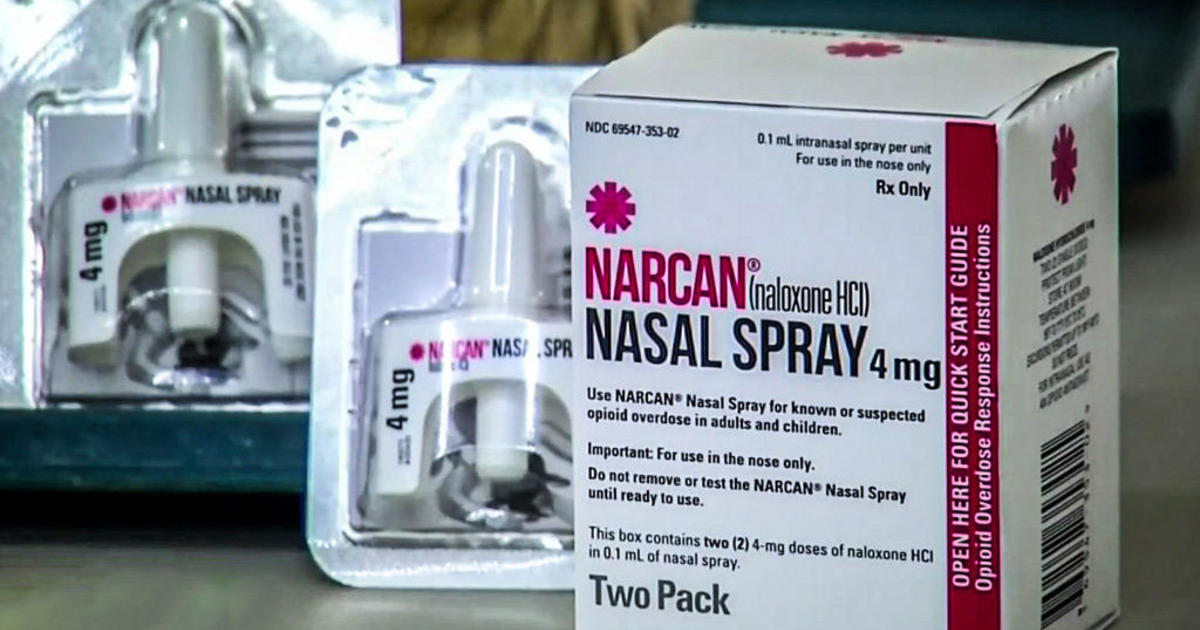
 On Wednesday, a joint Food and Drug Administration (FDA) advisory panel unanimously recommended that the anti-opioid overdose drug Narcan (known generically as naloxone) be made available in nasal spray form without a prescription. It’s highly likely the FDA will grant OTC approval to Narcan next month, which could make it more widely available to the public as soon as this summer.

The Gist: Narcan has become one of the most essential tools to combat the unrelenting epidemic of opioid-related drug overdoses, which claimed a record 107K lives in 2021. Even though the medication can be prescribed to at-risk individuals and others who are in close contact with drug users, access thus far has been limited mostly to emergency responders and outreach workers.

While the US has successfully reduced the availability of the prescription opioids that initially sparked the crisis, a majority of recent deaths are attributed to synthetic opioids like fentanyl. This much-needed policy change acknowledges that efforts to restrict drug supply have stalled, and shifts the focus to broadening access to effective harm-mitigation tools

As community leaders on the frontline of the opioid epidemic, hospitals and providers can play a valuable role in publicizing expanded Narcan availability.

SOTU: Biden’s biggest healthcare priorities

President Joe Biden last night highlighted several healthcare priorities during his State of the Union address, including efforts to reduce drug costs, a universal cap on insulin prices, healthcare coverage, and more.

COVID-19

In his speech, Biden acknowledged the progress the country has made with COVID-19 over the last few years.

“Two years ago, COVID had shut down our businesses, closed our schools, and robbed us of so much,” he said. “Today, COVID no longer controls our lives.”

Although Biden noted that the COVID-19 public health emergency (PHE) will come to an end soon, he said the country should remain vigilant and called for more funds from Congress to “monitor dozens of variants and support new vaccines and treatments.”

The Inflation Reduction Act

Biden highlighted several provisions of the Inflation Reduction Act (IRA), which passed last year, that aim to reduce healthcare costs for millions of Americans.

“You know, we pay more for prescription drugs than any major country on earth,” he said. “Big Pharma has been unfairly charging people hundreds of dollars — and making record profits.”

Under the IRA, Medicare is now allowed to negotiate the prices of certain prescription drugs, and out-of-pocket drug costs for Medicare beneficiaries are capped at $2,000 per year. Insulin costs for Medicare beneficiaries are also capped at $35 a month.

“Bringing down prescription drug costs doesn’t just save seniors money,” Biden said.  “It will cut the federal deficit, saving tax payers hundreds of billions of dollars on the prescription drugs the government buys for Medicare.”

Caps on insulin costs for all Americans

Although the IRA limits costs for seniors on Medicare, Biden called for the policy to be made universal for all Americans. According to a 2022 study, over 1.3 million Americans skip, delay purchasing, or ration their insulin supply due to costs.

“[T]here are millions of other Americans who are not on Medicare, including 200,000 young people with Type I diabetes who need insulin to save their lives,” Biden said. “… Let’s cap the cost of insulin at $35 a month for every American who needs it.”

With the end of the COVID-19 PHE, HHS estimates that around 15 million people will lose health benefits as states begin the process to redetermine eligibility.

The opioid crisis

Biden also addressed the ongoing opioid crisis in the United States and noted the impact of fentanyl, in particular.

“Fentanyl is killing more than 70,000 Americans a year,” he said. “Let’s launch a major surge to stop fentanyl production, sale, and trafficking, with more drug detection machines to inspect cargo and stop pills and powder at the border.”

He also highlighted efforts by to expand access to effective opioid treatments. According to a White House fact sheet, some initiatives include expanding access to naloxone and other harm reduction interventions at public health departments, removing barriers to prescribing treatments for opioid addiction, and allowing buprenorphine and methadone to be prescribed through telehealth.

Access to abortion

In his speech, Biden called on Congress to “restore” abortion rights after the U.S. Supreme Court overturned Roe v. Wade last year.

“The Vice President and I are doing everything we can to protect access to reproductive healthcare and safeguard patient privacy. But already, more than a dozen states are enforcing extreme abortion bans,” Biden said.

He also added that he will veto a national abortion ban if it happens to pass through Congress.

Progress on cancer

Biden also highlighted the Cancer Moonshot, an initiative launched last year aimed at advancing cancer treatment and prevention.

“Our goal is to cut the cancer death rate by at least 50% over the next 25 years,” Biden said. “Turn more cancers from death sentences into treatable diseases. And provide more support for patients and families.”

According to a White House fact sheet, the Cancer Moonshot has created almost 30 new federal programs, policies, and resources to help increase screening rates, reduce preventable cancers, support patients and caregivers and more.

“For the lives we can save and for the lives we have lost, let this be a truly American moment that rallies the country and the world together and proves that we can do big things,” Biden said. “… Let’s end cancer as we know it and cure some cancers once and for all.”

Healthcare coverage

Biden commended the fact that “more American have health insurance now than ever in history,” noting that 16 million people signed up for plans in the Affordable Care Act marketplace this past enrollment period.

In addition, Biden noted that a law he signed last year helped millions of Americans save $800 a year on their health insurance premiums. Currently, this benefit will only run through 2025, but Biden said that we should “make those savings permanent, and expand coverage to those left off Medicaid.”

Advisory Board’s take

Our questions about the Medicaid cliff

President Biden extolled economic optimism in the State of the Union address, touting the lowest unemployment rate in five decades. With job creation on the rise following the incredible job losses at the beginning of the COVID-19 pandemic, there is still a question of whether the economy will continue to work for those who face losing Medicaid coverage at some point in the next year.

The public health emergency (PHE) is scheduled to end on May 11. During the PHE, millions of Americans were forced into Medicaid enrollment because of job losses. Federal legislation prevented those new enrollees from losing medical insurance. As a result, the percentage of uninsured Americans remained around 8%. The safety net worked.

Starting April 1, state Medicaid plans will begin to end coverage for those who are no longer eligible. We call that the Medicaid Cliff, although operationally, it will look more like a landslide. Currently, state Medicaid regulators and health plans are still trying to figure out exactly how to manage the administrative burden of processing millions of financial eligibility records. The likely outcome is that Medicaid rolls will decrease exponentially over the course of six months to a year as eligibility is redetermined on a rolling basis.

In the marketplace, there is a false presumption that all 15 million Medicaid members will seamlessly transition to commercial or exchange health plans. However, families with a single head of household, women with children under the age of six, and families in both very rural and impoverished urban areas will be less likely to have access to commercial insurance or be able to afford federal exchange plans. Low unemployment and higher wages could put these families in the position of making too much to qualify for Medicaid, but still not making enough to afford the health plans offered by their employers (if their employer offers health insurance). Even with the expansion of Medicaid and exchange subsidies, it, is possible that the rate of uninsured families could rise.

For providers, this means the payer mix in their market will likely not return to the pre-pandemic levels. For managed care organizations with state Medicaid contracts, a loss of members means a loss of revenue. A loss of Medicaid revenue could have a negative impact on programs built to address health equity and social determinants of health (SDOH), which will ultimately impact public health indicators.

For those of us who have worked in the public health and Medicaid space, the pandemic exposed the cracks in the healthcare ecosystem to a broader audience. Discussions regarding how to address SDOH, health equity, and behavioral health gaps are now critical, commonplace components of strategic business planning for all stakeholders across our industry’s infrastructure.

But what happens when Medicaid enrollment drops, and revenues decrease? Will these discussions creep back to the “nice to have” back burners of strategic plans?

Or will we, as an industry, finish the job?

At a Tennessee Crossroads, Two Pharmacies, a Monkey, and Millions of Pills

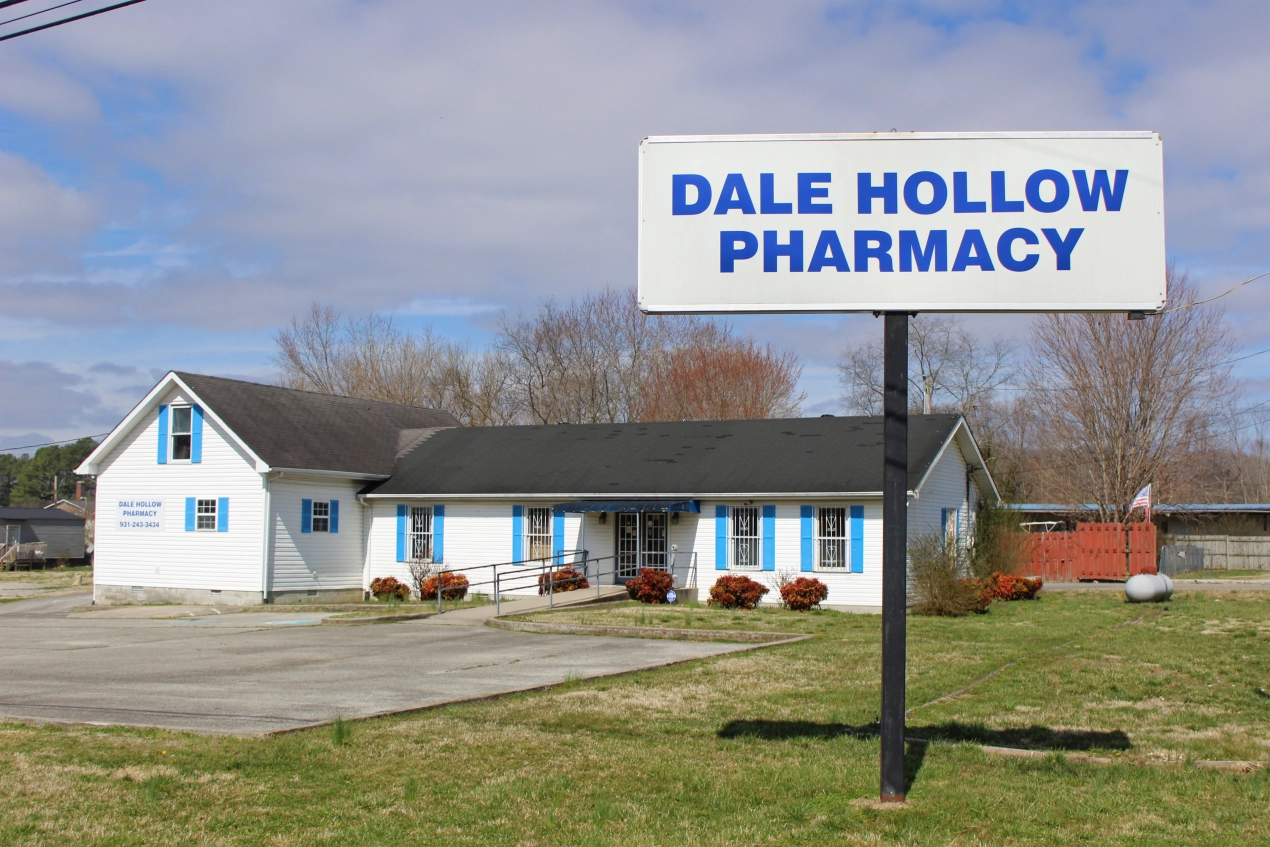
CELINA, Tenn. — It was about 1 a.m. on April 19, 2016, when a burglary alarm sounded at Dale Hollow Pharmacy in Celina, a tiny town in the rolling, wooded hills near the Kentucky border.

Two cops responded. As their flashlights bobbed in the darkness, shining through the pharmacy windows, they spotted a sign of a break-in: pill bottles scattered on the floor.

The cops called the co-owner, Thomas Weir, who arrived within minutes and let them in. But as quickly as their flashlights beamed behind the counter, Weir demanded the cops leave. He said he’d rather someone “steal everything” than let them finish their search, according to a police report and body camera footage from the scene.

“Get out of there right now!” Weir shouted, as if shooing off a mischievous dog. “Get out of there!”

The cops argued with Weir as he escorted them out. They left the pharmacy more suspicious than when they’d arrived, triggering a probe in a small town engulfed in one of the most outsize concentrations of opioids in a pill-ravaged nation.

Nearly six years later, federal prosecutors have unveiled a rare criminal case alleging that Celina pharmacy owners intentionally courted opioid seekers by filling dangerous prescriptions that would have been rejected elsewhere. The pharmacies are accused of giving cash handouts to keep customers coming back, and one allegedly distributed its own currency, “monkey bucks,” inspired by a pet monkey that was once a common sight behind the counter. Two pharmacists admitted in plea agreements they attracted large numbers of patients from “long distances” by ignoring red flags indicating pills were being misused or resold. In their wake, prosecutors say, these Celina pharmacies left a rash of addiction, overdoses, deaths, and millions in wasted tax dollars.

“I hate that this is what put us on the map,” said Tifinee Roach, 38, a lifelong Celina resident who works in a salon not far from the pharmacies and recounted years of unfamiliar cars and unfamiliar people filling the parking lots. “I hate that this is what we’re going to be known for.”

Celina, an old logging town of 1,900 people about two hours northeast of Nashville, was primed for this drug trade: In the shadow of a dying hospital, four pharmacies sat within 1,000 feet of each other, at the crux of two highways, dispensing millions of opioid pills. Before long, that intersection had single-handedly turned Tennessee’s Clay County into one of the nation’s pound-for-pound leaders of opioid distribution. In 2017, Celina pharmacies filled nearly two opioid prescriptions for every Clay County resident — more than three times the national rate — according to the Centers for Disease Control and Prevention.

Visitors once came to Celina to tour its historical courthouse or drop their lines for smallmouth bass in the famed fishing lake nearby. Now they came for pills.

Soon after Weir’s police encounter in 2016, the Drug Enforcement Administration set its sights on his two Celina pharmacies, three doors apart — Dale Hollow Pharmacy and Xpress Pharmacy. Separately, investigators examined the clinic of Dr. Gilbert Ghearing, which sat directly between Dale Hollow and Xpress and leased office space to a third pharmacy in the same building, Anderson Hometown Pharmacy. Its owners and operators have not been charged with any crime.

In December, a federal judge unsealed indictments against Weir and the other owners of Dale Hollow and Xpress pharmacies, Charles “Bobby” Oakley and Pamela Spivey, alleging they profited from attracting and filling dangerous and unjustifiable opioid prescriptions. Charges were also filed against William Donaldson, the former pharmacist and owner of Dale Hollow, previously convicted of drug dealing, who allegedly recruited most of the customers for the scheme.

The pharmacists at Dale Hollow and Xpress, John Polston and Michael Griffith, pleaded guilty to drug conspiracy and health care fraud charges and agreed to cooperate with law enforcement against the other suspects.

Ghearing was indicted on drug distribution charges for allegedly writing unjustifiable opioid prescriptions in a separate case in 2019. He pleaded not guilty, and his case is expected to go to trial in September.

‘An American Tragedy’

The Celina indictment comes as pharmacies enter an era of new accountability for the opioid crisis. In November, a federal jury in Cleveland ruled pharmacies at CVS, Walgreens, and Walmart could be held financially responsible for fueling the opioid crisis by recklessly distributing massive amounts of pain pills in two Ohio counties. The ruling — a first of its kind — is expected to reverberate through thousands of similar lawsuits filed nationwide.

Criminal prosecutions for such actions remain exceedingly rare. The Department of Justice in recent years increased prosecutions of doctors and pain clinic staffers who overprescribed opioids but files far fewer charges against pharmacists, and barely any against pharmacy owners, who are generally harder to hold directly responsible for prescriptions filled at their establishments.

In a review of about 1,000 news releases about legal enforcement actions taken by the Department of Health and Human Services since 2019, KHN identified fewer than 10 similar cases involving pharmacists or pharmacy owners being criminally charged for filling opioid prescriptions. Among those few similar cases, none involved allegations of so many opioids flowing readily through such a small place.

The Celina case is also the first time the Department of Justice sought a restraining order and preliminary injunction against pharmacies under the Controlled Substances Act, said David Boling, a spokesperson for the U.S. Attorney’s Office for the Middle District of Tennessee. DOJ used the civil filing to shut down Dale Hollow and Xpress pharmacies quickly in 2019, allowing prosecutors more time to build a criminal case against the pharmacy owners.

Former U.S. Attorney Don Cochran, who oversaw much of the investigation, said the crisis in Celina was so severe it warranted a swift and unique response.

Cochran said it once made sense for small pharmacies to be clustered in Celina, where a rural hospital served the surrounding area. But as the hospital shriveled toward closure, as have a dozen others in Tennessee, the competing pharmacies turned to opioids to sustain themselves and got hooked on the profits, he said.

“It’s an American tragedy, and I think the town was a victim in this,” Cochran said. “The salt-of-the-earth, blue-collar folks that lived there were victimized by these people in these pharmacies. I think they knew full well this was not a medical necessity. It was just a money-making cash machine for them.”

And much of that money came from taxpayers. In its court filings, DOJ argues the pharmacies sought out customers with Medicaid or Medicare coverage — or signed them up if they didn’t have it. To keep these customers coming back, the pharmacies covered their copays or paid cash kickbacks whenever they filled a prescription, prosecutors allege. The pharmacies collected more than $2.4 million from Medicare for opioids and other controlled substances from 2012 to 2018, according to the court filings.

Prosecutors say the pharmacies also paid kickbacks to retain profitable customers with non-opioid prescriptions. In one case, Dale Hollow gave $100 “payouts” to a patient whenever they filled his prescription for mysoline, an anti-seizure drug, then used those prescriptions to collect more than $237,000 from Medicare, according to Polston’s plea agreement.

Attorneys for Weir, Oakley, Donaldson, Spivey, Polston, and Griffith either declined to comment for this article or did not respond to requests for comment.

Ronald Chapman, an attorney for Ghearing, defended the doctor’s prescriptions, saying he’d done “the best he [could] with what was available” in a rural setting with no resources or expertise in pain management.

Chapman added that, while he does not represent the other Celina suspects, he had a theory as to why they drew the attention of federal law enforcement. As large corporate pharmacies made agreements with the federal government to be more stringent about opioid prescriptions, they filled fewer of them. Customers then turned to smaller pharmacies in rural areas to get their drugs, he said.

“I’m not sure if that’s what happened in this case, but I’ve seen it happen in many small towns in America. The only CVS down the street, or the only Rite Aid down the street, is cutting off every provider who prescribes opioids, leaving it to smaller pharmacies to do the work,” Chapman said.

Donaldson, reached briefly at his home in Celina on March 9, insisted the allegations levied against Dale Hollow and Xpress could apply to many pharmacies in the region.

“It wasn’t just them,” Donaldson said.

The Monkey and the Monkey Bucks

Long before it was called Dale Hollow Pharmacy, the blue-and-white building that moved millions of pills through Celina was Donaldson Pharmacy, and Donaldson was behind the counter doling out pills.

Donaldson owned and operated the pharmacy for decades as the eccentric son of one of the most prominent families in Celina, where a street, a park, and many businesses bear his surname. Even now, despite Donaldson’s prior conviction for opioid crimes and his new indictment, an advertisement for “Donaldson Pharmacy” hangs at the entrance of a nearby high school.

“Bill has always had a heart of gold, and he would help anyone he could. I just think he let that, well …” said Pam Goad, a neighbor, trailing off. “He’s always had a heart of gold.”

According to interviews with about 20 Celina residents, including Clay County Sheriff Brandon Boone, Donaldson is also known to keep a menagerie of exotic animals, at one point including at least two giraffes, and a monkey companion, “Carlos,” whom he dressed in clothing.

The monkey — a mainstay at Donaldson Pharmacy for years — both attracted and deterred customers. Linda Nelson, who owns a nearby business, said Carlos once escaped the pharmacy and, during a scrap with a neighbor’s dogs, tore down her mailbox by snapping its wooden post in half.

But the monkey wasn’t the only reason Donaldson Pharmacy stood out.

According to a DEA opioid database published by The Washington Post, Donaldson Pharmacy distributed nearly 3 million oxycodone and hydrocodone pills from 2006 to 2014, making it the nation’s 20th-highest per capita distributor during that period. It retained its ranking even though the pharmacy closed in 2011, when Donaldson was indicted for dispensing hydrocodone without a valid prescription.

Donaldson confessed to drug distribution and was sentenced to 15 months in prison. The pharmacy’s name was changed to Dale Hollow and ended up with Donaldson’s brother-in-law, Oakley. In 2014, Oakley sold 51% of the business to Weir, who also bought a majority stake of Xpress Pharmacy, three doors away, according to the DOJ’s civil complaint.

Under Weir’s leadership, these two pharmacies became an opioid hub with few equals, prosecutors say. From 2015 to 2018, Dale Hollow and Xpress pharmacies were the fourth-and 11th-highest per capita opioid purchasers in the nation, according to the DOJ, citing internal DEA data.

Many of these prescriptions were for Subutex, an opioid that can be used to treat addiction but is itself prone to abuse. Unless the patient is pregnant or nursing or has a documented allergy, Tennessee law requires doctors instead to prescribe Suboxone, an alternative that is much harder to abuse.

But at the Celina pharmacies, prescriptions for Subutex outnumbered those for Suboxone by at least 4-to-1, prosecutors say. In their plea agreements, pharmacists from Dale Hollow and Xpress described stores that thrived on the trade in Subutex, and said Weir set “mandates” for how many Subutex prescriptions to fill and instructed them to “never run out.”

Griffith, the head pharmacist at Xpress, said the pharmacy in 2015 created flyers specifically advertising Subutex, then delivered them on trays of cookies to practices throughout Tennessee, including some hours away. In the following two years, the amount of Subutex dispensed by Xpress increased by about eightyfold, according to his plea agreement.

Dale Hollow didn’t need flyers or cookies. It had Donaldson.

After getting out of prison in 2014, Donaldson was hired by the pharmacy he once owned, where he “recruited and controlled” about 50% to 90% of customers, according to the indictment filed against him. The pharmacy also enticed customers by distributing a Monopoly-like currency called “monkey bucks” — an apparent callback to Carlos — that could be spent at the pharmacy like cash, the indictment states.

Prosecutors also allege that, from a desk inside Dale Hollow, Donaldson would sign customers up for Medicare or Medicaid, then use a vehicle provided by the pharmacy to drive them to a doctor’s office to get opioid prescriptions, then back to Dale Hollow where he’d offer to cover their copays himself if they kept their business at the pharmacy. Sometimes, he would text the Dale Hollow pharmacist with instructions to fill specific prescriptions, or just to fill more of them, according to federal court records.

“Y’all have got to get your numbers up. Fill fill,” Donaldson texted Polston in 2018, according to his plea agreement.

By then, however, all those prescriptions had drawn unwanted attention.

In August 2018, Dale Hollow and Xpress pharmacies were raided by DEA agents, who brought with them Fox News’ Geraldo Rivera and a television crew. Six months later, DOJ filed its civil complaint, persuading a federal judge to immediately close both pharmacies.

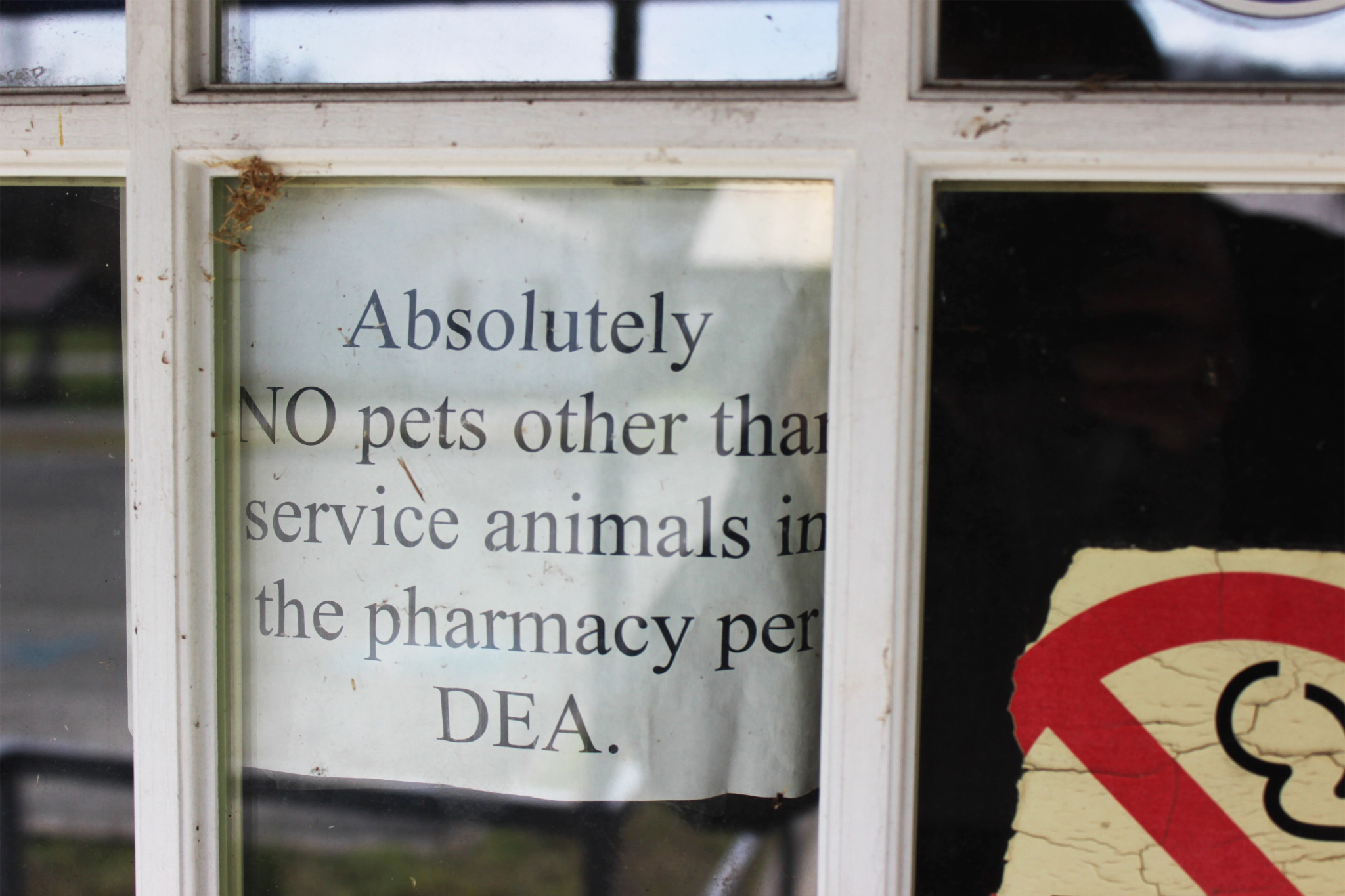
Today, Dale Hollow Pharmacy sits shuttered, as it has been for the past three years, and a paper sign taped to the door says animals are not allowed inside by order of the DEA. The building that was once Xpress Pharmacy reopened this year as an unrelated pharmacy with a fresh coat of paint. Ghearing’s clinic and Anderson Hometown Pharmacy are closed.

Most of Celina’s opioid prescriptions are gone, too. According to the latest available CDC data, Clay County reported about 32 opioid prescriptions per 100 residents in 2020 — one-sixth the rate of 2017’s.

3 major health items included in Biden’s budget request

President Joe Biden proposed an ambitious budget for the next federal fiscal year that includes more money for fighting the opioid epidemic, bolstering public health and several other healthcare items.

The budget request to Congress, released Friday, acts as essentially a wish list of priorities for the administration for the next year.

It is doubtful how much would get approved by Congress but sends a message of what the administration prioritizes.

Here are three healthcare priorities outlined in the request:

  • The opioid epidemic: $10.7 billion was requested for fighting the opioid epidemic, $3.9 billion over the 2021 enacted level. The money will help support research, prevention and recovery services. The administration also is calling for targeted investments for “populations with unique needs, including Native Americans, older Americans and rural populations,” according to a release from the Office of Management and Budget on Friday.
     
  • Public health infrastructure: $8.7 billion was requested for the Centers for Disease Control and Prevention to boost public health capacity in states and territories. OMB calls the budget increase the largest in nearly two decades for the agency at the frontlines of combating COVID-19. The Biden administration hopes to use the new money to train new epidemiologists and public health experts and “build international capacity to detect, prepare for and respond to emerging global threats.” A letter sent Friday to congressional leaders from the White House said that CDC funding was 10% lower than the previous decade after adjusting for inflation.
     
  • Research funding boosts: $6.5 billion to launch a new agency called the Advanced Research Projects Agency for Health. The new agency would provide major increases in federal research and development spending on cancer and other diseases such as diabetes and Alzheimer’s. The goal of the investment is to “drive transformational innovation in health research and speed application and implementation of health breakthroughs,” OMB’s letter to Congress said. The funding is rolled into a $51 billion request for funding to the National Institutes of Health.

New York physician charged with manslaughter in patient death

Legal and Illegal Drug Overdose: Guide to Signs, Symptoms, and Help

A New York physician has been charged with manslaughter in the second degree and is facing other felonies related to the overdose death of a patient, New York Attorney General Letitia James announced Feb. 19. 

Sudipt Deshmukh, MD, allegedly prescribed a lethal mix of opioids and other controlled substances that resulted in the overdose death of a patient. The physician allegedly knew the patient struggled with addiction.

An indictment, unsealed Feb. 18, alleges that between 2006 and 2016, Dr. Deshmukh ignored his professional responsibilities by prescribing combinations of opioid painkillers and other controlled substances, including hydrocodone, methadone and morphine, without regard to the risk of death associated with the combinations of those drugs.  

Dr. Deshmukh is facing several felony charges, including healthcare fraud, for allegedly causing Medicare to pay for medically unnecessary prescriptions. 

The indictment comes after the attorney general’s office filed a felony complaint against Dr. Deshmukh in August. In 2019, the New York State Office of Professional Medical Conduct found that he committed several counts of misconduct. 

Drug companies seek billion-dollar tax deductions from opioid settlement

https://www.washingtonpost.com/business/2021/02/12/opioid-settlement-tax-refund/?arc404=true

Image result for Drug companies seek billion-dollar tax deductions from opioid settlement

Four companies that agreed to pay a combined $26 billion to settle claims about their roles in the opioid crisis plan to deduct some of those costs from their taxes and recoup around $1 billion apiece.

In recent months, as details of the blockbuster settlement were still being worked out, pharmaceutical giant Johnson & Johnson and the “big three” drug distributors — McKesson, AmerisourceBergen and Cardinal Health —all updated their financial projections to include large tax benefits stemming from the expected deal, a Washington Post analysis of regulatory filings found.

In one example, Dublin, Ohio-based drug distributor Cardinal Health said earlier this month it planned to collect a $974 million cash refund because it claimed its opioid-related legal costs as a “net operating loss carryback” — a tax provision Congress included in last year’s coronavirus bailout package as a way of helping companies struggling during the pandemic.

The deductions may deepen public anger toward companies prosecutors say played key roles in a destructive public health crisis that kills tens of thousands of Americans every year. In lawsuits filed by dozens of states and local jurisdictions, public officials have argued that the companies, among other corporate defendants, flooded the country with billions of highly addictive pills and ignored signs they were being steered to people who abused them.

Under the terms of the proposed settlement — which is being finalized and will ultimately be subject to federal court approval — the four companies would pay between $5 billion and $8 billion each to reimburse communities for the costs of the health crisis. Plaintiffs who support the proposal say it will resolve a highly complex litigation process and make funds available to communities and individuals still struggling with addiction.

Others including Greg McNeil, whose son became addicted to opioids and died from an overdose, have said $26 billion is only a small fraction of the epidemic’s financial toll and argue the proposal doesn’t include what many family members of opioid victims want the most: an admission of guilt.

All four firms disavow any wrongdoing or legal responsibility. The companies have said they produced government-approved prescription pills, distributed them to registered pharmacies and took steps to try to prevent their misuse.

U.S. tax laws generally restrict companies from deducting the cost of legal settlements from their taxes, with one major exception: Damages paid to victims as restitution for the misdeeds can usually be deducted. Still, Congress has placed stricter limits on such deductions in recent years, and some tax experts say the Internal Revenue Service could challenge the companies’ attempts to deduct opioid settlement costs.

Harry Cullen, a Brooklyn-based activist who has worked to hold drug companies accountable for the epidemic, said it is “incredibly insulting” that companies would try deduct the settlement payments. “As if they are donating it to these people who they harmed in the first place.”

Erich Timmerman, a spokesman for Cardinal Health, said in a statement that the company’s tax deductions are permissible under federal law. He also pointed to a statement chief executive Mike Kaufmann made in November, when he said Cardinal takes its role in the pharmaceutical supply chain seriously and remains “committed to being part of the solution to this epidemic.”

AmerisourceBergen declined to comment on its taxes but said in a statement the company takes steps to mitigate the diversion of prescription drugs, including by refusing service to customers it sees as a risk and by making daily reports to federal drug officials.

Johnson & Johnson declined to comment on the opioid settlement and tax deductions beyond its regulatory filings.A spokeswoman for McKesson did not respond to multiple requests for comment.

Cardinal Health’s use of the “carryback” tax break draws attention to what some see as a shortcoming of the $2 trillion U.S. coronavirus bailout known as the Cares Act. In their haste to funnel cash benefits to businesses facing economic peril, lawmakers made billions of dollars in tax breaks broadly available to any company, regardless of whether it suffered during the pandemic.

Cardinal, a company with a $15 billion market capitalization and $4 billion in available cash, surpassed Wall Street expectations for its most recent earnings period. Last week, CEO Kaufmann told investors a rebound in medical treatments and procedures had revived demand for Cardinal’s health devices and drugs. He said the company was boosting its investment in sophisticated supply-chain technology.

On the same day, Cardinal said it was filing for a tax break using the Cares Act provision and expected a nearly $1 billion cash refund from the IRS within the next 12 months. The company plans to pay $6.6 billion in the settlement.

Francine J. Lipman, a tax professor at the University of Nevada at Las Vegas, said Cardinal Health appears to be “getting a bit of a windfall from laws that Congress intended to help companies that are suffering due to a pandemic.”

The “carryback” tax break permits any company that lost money in 2018, 2019 or 2020 to apply those losses to previous, more profitable years. Some form of this provision has been permitted by the U.S. tax code for over a century to help businesses that face ups and downs to even out their taxes.

The Cares Act raised the limit on the amount of losses companies can use to offset taxes and permitted them to apply those losses to earlier periods. Because the corporate tax rate was higher before 2018, companies with recent losses can increase tax refunds they received before that year by up to 67 percent.

Cardinal estimated in August it expected to deduct $488 million from the expected opioid legal settlement. But in its Feb. 5 filing, the company said the amount probably would be higher in part because the Cares Act permitted it to carry back losses related to the opioid litigation to previous years when the tax rate was higher.

UNLV’s Lipman said Cardinal’s decision to apply for a tax refund before any legal settlement has been finalized could face scrutiny from the IRS. Deductions must be made against business expenses that are shown to have “economic effect,” she said, which may preclude deductions against future, unpaid legal settlements.

Timmerman, Cardinal’s spokesman, said the company has already recorded a loss related to the opioid litigation because Cardinal insures itself through a wholly-owned insurance subsidiary. The opioid litigation caused a loss to the insurance company’s reserve, and that is the loss that Cardinal is deducting, he said.

“Tax and accounting rules applicable to insurance companies, including self-insurance companies, require recognition of loss when an insurance reserve is set, thus establishing economic effect, even if the underlying settlement is not final,” Timmerman said.

The three other companies involved in the $26 billion settlement have estimated the tax benefits of the deal but have not filed for tax refunds. They all said the tax benefits could be lower if courts or regulators determined some or all of the payments are not tax-deductible.

McKesson, which expects to pay $8.1 billion in the settlement, said in a Feb. 2 filing that the actual cost of the deal would be $6.7 billion after taxes, implying a $1.4 billion tax benefit. The company also said $497 million in tax benefits were “uncertain” because of the “uncertainty in connection with the deductibility of opioid related litigation and claims.”

AmerisourceBergen, which anticipates a $6.6 billion settlement payment, said in November it expects a $1.1 billion tax benefit. The company said an additional $371.5 million tax benefit was possible but “uncertain.”

“A settlement has not been reached, and, therefore, we applied significant judgment in estimating the ultimate amount of the opioid litigation settlement that would be deductible,” the company said.

Matthew Gardner, a senior fellow at the nonprofit Institute on Taxation and Economic Policy, said these disclaimers suggest the companies are making conservative estimates. “That’s one way of saying they are likely going to claim even bigger tax benefits in their tax returns than they are showing on their financial statements,” he said.

Whether the payments will be deductible may hinge on specific word choices in the final terms of the settlement. Though recent changes to the tax code have attempted to close loopholes that permit companies to deduct taxes when they have committed wrongdoing, many companies now push to make sure their settlements include a “restitution” payment for victims — the “magic word” that often qualifies them for deductions, Gardner said.

In previous opioid-related settlements local governments reached with McKesson, Purdue Pharma and Teva Pharmaceuticals, the companies admitted no fault and agreed to restitution payments that appeared to qualify them for tax deductions, USA Today reported in 2019.

Johnson & Johnson has said it expects it could deduct as much as 21.4 percent of its $5 billion share of the settlement, which would mean a roughly $1.1 billion tax benefit. However, the company said last summer that the deductible amount may be lower if a regulation proposed by the IRS last year came into effect.

The rule, which did take effect Jan. 20, requires companies to meet a long list of specific criteria to qualify government settlements for tax deductions.

Faces on pills are seen at the Provocative Opioid Memorial in 2018 in Washington, D.C. There are 22,000 pills that represent the number of people who died of an opioid overdose in 2015. 

In 2019, The Post analyzed a database maintained by the Drug Enforcement Administration that tracks the path of every pain pill sold in the United States. The database shows that America’s largest drug companies distributed 76 billion oxycodone and hydrocodone pain pills across the country between 2006 and 2012 as the nation’s deadliest drug epidemic spun out of control.

McKesson, Cardinal Health and AmerisourceBergen distributed 44 percent of the nation’s oxycodone and hydrocodone pills — the two most abused prescription opioid drugs — during that time.

An investigation by The Post last year found that near the peak of U.S. opioid production, a Johnson & Johnson subsidiary was manufacturing enough oxycodone and hydrocodone to capture half or more of the U.S. market. The company also lobbied for years to help persuade regulators to loosen a narcotics import rule, allowing Johnson & Johnson’s U.S. subsidiary to produce rising amounts of opioids out of potent poppies harvested by its Tasmanian subsidiary, The Post found.

Attorneys for Johnson & Johnson have said its opioid-producing subsidiaries did not cause the United States’ addiction crisis, that the companies were heavily regulated, and that such companies play only a “peripheral role in the multibillion-dollar market for prescription opioids.”

Purdue Pharma pleads guilty to federal criminal charges related to nation’s opioid crisis

https://www.cnn.com/2020/11/24/us/purdue-pharma-oxycontin-guilty-plea/index.html?fbclid=IwAR2DM1jxDtKxFaCW1o-HJ45Tuh1-HOVw5DjNx_ncuhfajyjdkvP9wnMHUMg

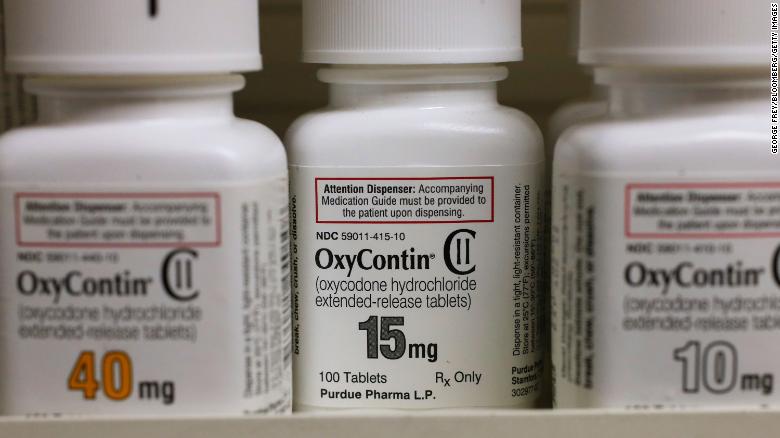
Purdue Pharma, the maker of OxyContin, pleaded guilty Tuesday to three federal criminal charges related to the company’s role in creating the nation’s opioid crisis. Purdue Pharma board chairman Steve Miller pleaded guilty on behalf of the company during a virtual federal court hearing in front of US District Judge Madeline Cox Arleo.

The counts include one of dual-object conspiracy to defraud the United States and to violate the Food, Drug, and Cosmetic Act, and two counts of conspiracy to violate the Federal Anti-Kickback Statute.

The plea deal announced in October includes the largest penalties ever levied against a pharmaceutical manufacturer, including a criminal fine of $3.544 billion and an additional $2 billion in criminal forfeiture, according to a Department of Justice press release.

The company, which declared bankruptcy last year, will be dissolved as a part of the plea agreement, and its assets will be used to create a new “public benefit company” controlled by a trust or similar entity designed for the benefit of the American public.

The Justice Department has said Purdue Pharma will function entirely in the public interest rather than to maximize profits. Its future earnings will go to paying the fines and penalties, which in turn will be used to combat the opioid crisis.

In pleading guilty to the criminal charges, the company is taking responsibility for past misconduct, Purdue Pharma said in a statement to CNN Tuesday.”Having our plea accepted in federal court, and taking responsibility for past misconduct, is an essential step to preserve billions of dollars of value for creditors and advance our goal of providing financial resources and lifesaving medicines to address the opioid crisis,” the statement said. “We continue to work tirelessly to build additional support for a proposed bankruptcy settlement, which would direct the overwhelming majority of the settlement funds to state, local and tribal governments for the purpose of abating the opioid crisis.”

According to the US Centers for Disease Control and Prevention, about 70,000 Americans died of drug overdoses in 2018, just one year of the opioid crisis, and about 70% of those deaths were caused by prescription or illicit opioids like OxyContin. In that year, an estimated 10.3 million Americans 12 and older misused opioids, including 9.9 million prescription pain reliever abusers and 808,000 heroin users, according to the US Department of Health and Human Services Substance Abuse and Mental Health Services Administration.

The Sackler family, and other current and former employees and owners of the company, still face the possibility that federal criminal charges will be filed against them. The court did not set a date for a sentencing hearing.

KHN’s ‘What The Health?’: Trump Twists on Virus Response

https://khn.org/news/khn-podcast-what-the-health-trump-twists-on-virus-response/

KHN's 'What The Health?': Trump Twists on Virus Response | Kaiser ...

President Donald Trump — who has spent the past six months trying to play down the coronavirus pandemic — seems to have pivoted. In back-to-back briefings on July 21 and 22, Trump cautioned that the U.S. is in a dangerous place vis-a-vis the pandemic. He urged the public to wear masks — although he has rarely worn one in public.

Meanwhile, Republicans in the Senate are scrambling to put together a package for the next COVID-19 relief bill, facing a July 31 deadline, when some of the benefits passed in the spring expire. House Democrats passed their bill in May.

This week’s panelists are Julie Rovner of Kaiser Health News, Joanne Kenen of Politico, Margot Sanger-Katz of The New York Times and Tami Luhby of CNN.

Among the takeaways from this week’s podcast:

  • Although Trump’s renewed emphasis on COVID-19 has surprised some of his critics, it may persuade his supporters to take actions promoted by public health officials. Trump’s emphasis on the importance of face coverings, perhaps coupled with the rising number of cases in parts of the country, could convince people who were otherwise dismissive of masks. People who do not necessarily trust public health officials may listen to Trump.
  • Republicans on Capitol Hill are in disarray on how to approach the next coronavirus relief bill. They are not in lockstep with the White House and are not supporting Trump’s call for a payroll tax cut.
  • One reason members of Congress are not eager to cut the payroll taxes is that the economic downturn has spurred concerns the Medicare and Social Security trust funds are being depleted faster than expected. However, analysts point out that when employment rises again, some of those concerns could dissipate.
  • A key sticking point in the economic relief package is whether to extend the bump in unemployment benefits that Congress approved in the spring. Lawmakers are facing a hard deadline on the issue because that money runs out next week, and the prohibition on evictions that was also part of an earlier COVID-19 relief bill ends even sooner. With rent, mortgages and other bills coming due Aug. 1, unemployed consumers could face a tough beginning of the month.
  • The Food and Drug Administration has approved limited use of pool testing for COVID-19. That allows approved labs to put together a small number of tests to run at once, thus conserving some of the materials needed for the process. If the pool tests positive, then those people whose results were pooled have to be tested again individually. The efforts have limited usefulness when rates of transmission are high in a community, but they may be helpful in specific settings, such as schools or workplaces.
  • New data shows that opioid addiction ticked back up in 2019, after a slight decline. Part of the problem is the growing use of the powerful — and dangerous — drug fentanyl. Economic woes also play a role. Addiction is often referred to as an epidemic of despair.
  • Although it’s unlikely the judicial system will overrule the administration’s efforts to bolster short-term insurance plans — which are generally less expensive but don’t offer as much protection for consumers as policies sold on the Affordable Care Act’s marketplaces — they could be circumvented if Democrats take over the White House. Even still, Democrats would likely have to find a way to make ACA plans more affordable.


Administration’s talking health care again, with 2020 in mind

https://www.politico.com/news/2020/07/26/trumps-health-care-again-with-2020-election-381473?utm_source=ActiveCampaign&utm_medium=email&utm_content=Republicans+Roll+Out+%241+Trillion+Coronavirus+Relief+Plan&utm_campaign=TFT+Newsletter+07272020

Tell us: How has Trump handled healthcare in his first 100 days ...

Polls show voters say Joe Biden would handle the issue better. And Trump is running short on options to make concrete changes before November.

President Donald Trump is suddenly talking about health care again.

He signed several executive orders on drug pricing on Friday. He vowed to unveil some new health plan by the end of next week, although he hasn’t provided specifics or an explanation of how he’ll do it. His aides are touting a speech in which Trump will lay out his health care vision. White House counselor to the president Kellyanne Conway has been calling Trump “the health care president.”

Yet it’s unlikely to amount to much in terms of policy ahead of the election. There’s almost no chance Congress will enact any legislation on the issue before November and policy specialists say the executive orders in question will make changes only at the margins — if they make any changes at all. Trump has also previously vowed to roll out a grand health care plan without following through.

That leaves Trump with mostly rhetorical options — even if he insists otherwise — cognizant that voters consistently rank health care as a top priority and say Joe Biden, Trump’s presumptive 2020 rival, would handle the issue better than the president. Meanwhile, Trump is running for reelection having not replaced Obamacare or presented an alternative — all while urging the Supreme Court to overturn the decade-old health law. And millions of Americans are currently losing their health insurance as the coronavirus-gripped economy sputters.

“I think politically, the main objective will be to have something he can call a plan, but it will be smaller than a plan. Just something that he can talk about,” said Drew Altman, president and CEO of the Kaiser Family Foundation, a nonpartisan health policy organization. “But it’s almost inconceivable that anything can be delivered legislatively before the election.”

Trump has long stumped on his pledges to kill Obamacare, the law his predecessor implemented that expanded Americans’ access to health insurance, set baseline standards for coverage, introduced penalties for not having insurance and guaranteed coverage for preexisting conditions. But conservatives say the law introduced too many mandates and drove up costs.

But after winning election in 2016, Trump failed to overturn the law in Congress — or even offer an agreed upon alternative to the law — despite holding the majority in both chambers on Capitol Hill. Democrats then retook the House in the 2018 midterms, essentially ending any chances the law, formally known as the Affordable Care Act, would be repealed.

Even some conservatives said the ongoing failure to present a concrete replacement plan is helping the Democrats politically.

Republicans, said Joe Antos, a health expert at the conservative American Enterprise Institute, “spent basically 2010 to today arguing that the ACA is no good. After 10 years, clearly there are some problems with starting all over again. I haven’t detected very strong interest, at least among elected officials, in revisiting that.”

But the coronavirus pandemic has added pressure to address health care costs, and Trump has lagged behind Biden on his handling of the issue in polls. Fifty seven percent of registered voters recently polled by Quinnipiac said Biden would do a better job on health care than Trump, while only 35 percent approved of Trump’s handling of health care as president. And on the issue of affordability, a CNBC poll found 55 percent of battleground voters favored Biden and the Democrats, compared with 45 percent who preferred Trump and the Republicans.

“At this point, there are two huge issues, jobs and the economy, and health care, i.e., the coronavirus. If anything that’s simply been magnified,” said David Winston, a Republican pollster and strategist. “Given the fact that it’s one of the top issues, it’s not like there’s a choice but to talk about it. If candidates aren’t making statements and proposing solutions around that, it’s a requirement. Both candidates have to address it.”

Biden has campaigned on expanding Obamacare while also promising to implement a “public option” similar to Medicare, which is government-run health insurance for seniors. On drug pricing, he and Trump embrace some of the same ideas, like allowing the safe importation of drugs from other countries where they are cheaper. Biden also supports direct Medicare negotiation of drug prices, a Democratic priority that Trump supported during the 2016 campaign before reversing course.

“Donald Trump has spent his entire presidency working to take health care away from tens of millions of Americans and gut coverage for preexisting conditions,” said Andrew Bates, a Biden campaign spokesman. “If the Trump campaign wants to continue their pattern of highlighting the worst possible contrasts for Donald Trump, we certainly won’t stop them.”

The Trump administration insists it can point to several health care victories during Trump’s term.

Trump frequently notes the removal of the penalty for Americans who do not purchase insurance as a major victory, falsely claiming it is equivalent to overturning Obamacare.

Trump also signed an executive order last year to fight kidney disease to encourage home dialysis and increase the amount of kidney transplants, and he expanded telehealth medicine during the pandemic.

More recently, the U.S. Court of Appeals for the District of Columbia upheld a Trump administration rule expanding the availability of short-term health plans, which Trump has touted as an alternative to Obamacare but Democrats deride as “junk.” The plans are typically cheaper than Obamacare coverage because they don’t provide the same level of benefits or consumer protections for preexisting conditions.

A federal judge in June similarly upheld another Trump administration rule requiring hospitals to disclose the prices they have negotiated with insurers. Price transparency in the health care system has long been a significant issue, with Americans rarely having clarity over how much their treatments will cost ahead of time. Trump called the win “bigger than health care itself,” in an apparent reference to Obamacare. It’s unclear whether transparency will force down health care prices, and hospitals opposing the rule have appealed the judge’s decision.

And on Friday at the White House, Trump held an event to sign four executive orders aimed at slashing drug pricing. The move aimed to tackle a largely unfulfilled signature campaign promise — that he would stop pharmaceutical companies from “getting away with murder.”

“We are ending the sellouts, betrayals and broken promises from Washington,” Trump said Friday.“You have a lot of broken promises from Washington.”

But the orders appeared largely symbolic for now, as they were not immediately enforceable, contained notable caveats and may not be completed before the election anyway. For instance, an order requiring drugmakers to pass along any discounts directly to seniors requires the health secretary to confirm the plan won’t result in higher premiums or drive up federal spending. But the White House had shelved that plan last summer over worries the move might hike seniors’ Medicare premiums ahead of the election and cost taxpayers $180 billion over the next decade.

Conway disputed that Trump had not made progress on issues like drug pricing.

“President Trump is directing the development of therapeutics and vaccines, has delivered lower prescription drug costs, increased transparency in pricing for consumers and is committed to covering preexisting conditions and offering higher quality health care with lower costs and more choices,” she said.

Yet a number of Trump’s other health care initiatives have faced hurdles — especially amid the coronavirus pandemic.

The opioid crisis, which the president had touted as a top priority and campaigned on in 2016, is getting worse. Drug overdose deaths hit a record high in 2019 and federal and state data shows they are skyrocketing in 2020.

“The overdose epidemic will not take a back seat simply because Covid-19 has hit us hard, and that needs to be reflected in policy,” said Andrew Kessler, founder and principal of Slingshot Solutions, a behavioral health consulting firm.

The president’s plan to end HIV by 2030 has similarly receded during the pandemic. And Trump’s proposal on improving kidney care — an issue that affects roughly 15 percent of American adults — is still in its early stages and will not be finalized until next year.