From Budget Battles to Consumer Backlash: Paul Keckley on the Future of U.S. Health Care

https://strategichcmarketing.com/from-budget-battles-to-consumer-backlash-paul-keckley-on-the-future-of-u-s-health-care/?access_code=667226

The U.S. health care industry is approaching a critical inflection point, according to veteran health care strategist Paul Keckley. In a candid and thought-provoking keynote at the 2025 Healthcare Marketing & Physician Strategies Summit (HMPS) in Orlando, Keckley outlined the challenges and potential opportunities health care leaders must navigate in an era of unprecedented economic uncertainty, regulatory disruption, and consumer discontent.

Drawing on decades of policy experience and his signature candid style, Keckley delivered a sobering yet actionable assessment of where the industry stands and what lies ahead.

Paul Keckley, PhD, health care research and policy expert and managing editor of The Keckley Report

Health care now accounts for a staggering 28 percent of the federal budget, with Medicaid expenditures alone ranging from the low 20s to 34 percent of individual state budgets. Despite its fiscal significance, Keckley points out that health care remains “not really a system, but a collection of independent sectors that cohabit the economy.”

In the article that follows, Keckley warns of a reckoning for those who remain entrenched in legacy assumptions. On the flip side, he notes, “The future is going to be built by those who understand the consumer, embrace transparency, and adapt to the realities of a post-institutional world.”

A Fractured System in a Fractured Economy

Fragmentation complicates any effort to meaningfully address rising costs or care quality. It also heightens the stakes in a political climate marked by what Keckley termed “MAGA, DOGE, and MAHA” factions, shorthand for various ideological forces shaping health care policy under the Trump 2.0 administration.

Meanwhile, macroeconomic conditions are only adding to the strain. At the time of Keckley’s address, the S&P 500 was down 8 percent, the Dow down 10 percent, and inflationary pressures were squeezing both provider margins and household budgets.

Economic uncertainty is not just about Wall Street,” Keckley warns. “It’s about kitchen-table economics — how households decide between paying for care or paying the cable bill.”

Traditional Forecasting Is Failing

One of Keckley’s key messages was that conventional methods of strategic planning in health care, based on lagging indicators like utilization rates and demographics, are no longer sufficient. Instead, leaders must increasingly look to external forces such as capital markets, regulatory volatility, and consumer behavior.

“Think outside-in,” he urges. “Forces outside health care are shaping its future more than forces within.”

He encourages health systems to go beyond isolated market studies and adopt holistic scenario planning that considers clinical innovation, workforce shifts, AI and tech disruption, and capital availability as interconnected variables.

Affordability and Accountability: The Hospital Reckoning

Keckley pulls no punches in addressing the mounting criticism of hospitals on Capitol Hill, particularly not-for-profit health systems. Public perception is faltering, with hospital pricing increasing faster than other categories in health care and only a third of providers in full compliance with price transparency rules.

“Economic uncertainty is not just about Wall Street. It’s about kitchen-table economics — how households decide between paying for care or paying the cable bill.”

“We have to get honest about trust, transparency, and affordability,” he says. “I’ve been in 11 system strategy sessions this year. Only one even mentioned affordability on their website, and none defined it.”

Keckley also predicts that popular regulatory targets like site-neutral payments, the 340B program, and nonprofit tax exemptions will face intensified scrutiny.

“Hospitals are no longer viewed as sacred institutions,” he says. “They’re being seen as part of the problem, especially by younger, more educated, and more skeptical Americans.”

The Consumer Awakens

Perhaps the most urgent shift Keckley outlines is the redefinition of the health care consumer. “We call them patients,” he says, “but they are consumers. And they are not happy.”

Keckley cites polling data showing that two out of three Americans believe the health care system needs to be rebuilt from the ground up. Roughly 40 percent of U.S. households have at least one unpaid medical bill, with many choosing intentionally not to pay. Among Gen Y and younger households, dissatisfaction is particularly acute.

“[Consumers] expect digital, personalized, seamless experiences — and they don’t understand why health care can’t deliver.”

These consumers aren’t just passive recipients of care; they’re voters, payers, and critics. With 14 percent of health care spending now coming directly from households, Keckley argues, health systems must engage consumers with the same sophistication that retail and tech companies use.

“They expect digital, personalized, seamless experiences — and they don’t understand why health care can’t deliver.”

Tech Disruption Is Real

Keckley underscores the transformative potential of AI and emerging clinical technologies, noting that in the next five years, more than 60 GLP-1-like therapeutic innovations could come to market. But the deeper disruption, he warns, is likely to come from outside the traditional industry.

Citing his own son’s work at Microsoft, Keckley envisions a future where a consumer’s smartphone, not a provider or insurer, is the true hub of health information. “Health care data will be consumer-controlled. That’s where this is headed.”

The takeaway for providers: Embrace data interoperability and consumer-centric technology now, or risk irrelevance. “The Amazons and Apples of the world are not waiting for CMS to set the rules,” Keckley says.

Capital, Consolidation, and Private Equity

Capital constraints and the shifting role of private equity also featured prominently in Keckley’s remarks. With declining non-operating revenue and shrinking federal dollars, some health systems increasingly rely on investor-backed funding.

But this comes with reputational and operational risks. While PE investments have been beneficial to shareholders, Keckley says, they’ve also produced “some pretty dire results for consumers” — particularly in post-acute care and physician practice consolidation.

“Policymakers are watching,” he says. “Expect legislation that will limit or redefine what private equity can do in health care.”

Politics and Optics: Navigating the Policy Minefield

In the regulatory arena, Keckley emphasizes that perception often matters more than substance. “Optics matter often more than the policy itself,” he says.

He cautions health leaders not to expect sweeping policy reform but to brace for “de jure chaos” as the current administration focuses on symbolic populist moves — cutting executive compensation, promoting price transparency, and attacking nonprofit tax exemptions.

With the 2026 midterm elections looming large, Keckley predicts a wave of executive orders and rhetorical grandstanding. But substantive policy change will be incremental and unpredictable.

“Don’t wait for a rescue from Washington. The future is going to be built by those who understand the consumer, embrace transparency, and adapt to the realities of a post-institutional world.”

The Workforce Crisis That Wasn’t Solved

Keckley also addresses the persistent shortage of health care workers and the failure of Title V of the ACA, which had promised to modernize the workforce through new team-based models. “Our guilds didn’t want it,” Keckley notes, bluntly. “So nothing happened.”

He argues that states, not the federal government, will drive the next chapter of workforce reform, expanding the scope of practice for pharmacists, nurse practitioners, and even lay caregivers, particularly in behavioral health and primary care.

What Should Leaders Do Now?

Keckley closed his keynote with a challenge for marketers and strategists: Get serious about defining affordability, understand capital markets, and stop defaulting to legacy assumptions.

“Don’t wait for a rescue from Washington,” he says. “The future is going to be built by those who understand the consumer, embrace transparency, and adapt to the realities of a post-institutional world.”

He encouraged leaders to monitor shifting federal org charts, track state-level policy moves, and scenario-plan for a future where trust, access, and consumer empowerment define success.

Conclusion: A Health Care Reckoning in the Making

Keckley’s keynote was more than a policy forecast; it was a wake-up call. In a landscape shaped by economic headwinds, political volatility, and consumer rebellion, health care leaders can no longer afford to stay in their lane. They must engage, adapt, and transform, or risk becoming casualties of a system under siege.

“Health care is not just one of 11 big industries,” Keckley says. “It’s the one that touches everyone. And right now, no one is giving us a standing ovation.”


The Perfect Storm facing the Healthcare Workforce: Eight Current Issues frame the Challenge

Tonight at midnight, thousands of federal workers face the possibility their jobs will be eliminated as part of the Department of Government Efficiency (DOGE) federal cost reduction initiative under Elon Musk’ leadership. Already, thousands who serve in federal healthcare roles at the NIH, CDC and USAID have been terminated and personnel in agencies including CMS, HHS and the FDA are likely to follow.

The federal healthcare workforce is large exceeding more than 2.5 million who serve agencies and programs as providers, clerks, administrators, scientists, analysts, counselors and more. More than half work on an hourly basis, and 95% work outside DC in field offices and clinics. For the vast majority, their work goes unnoticed except when “government waste” efforts like DOGE spring up. In those times, they’re relegated to “expendables” status and their numbers are cut.

The same can be said for the larger private U.S. healthcare workforce. Per the U.S. Bureau of Labor Statistics, industry employment was 21.4 million, or 12.8% of total U.S. employment in 2023 and is expected to reach 24 million by 2030. It’s the largest private employer in the U.S. economy and includes many roles considered “expendable” in their organizations.

Facts about the U.S. healthcare workforce:

  • More than 70% of the healthcare workforce work in provider settings including 7.4 million who work in hospitals.
  • More than half work in non-clinical roles.
  • Home health aides is the highest growth cohort and hospitals employ the biggest number (7.4 million).
  • 29% of physicians and 15% of nurses are foreign born, almost three-fourths of the workforce are women, two-thirds are non-Hispanic whites, and the majority are older than 50.
  • Its licensed professions enjoy public trust ranking among Gallup’s highest rated though all have declined:
 % 2023‘19-‘23’23 Rank % 2023‘19-‘23’23 Rank
Nurses78-71Pharmacists55-96
Dentists59-2 Psychiatrists36-79
Medical doctors56-95Chiropractors33-810

The Perfect storm

The healthcare workforce is unsteady: while stress and burnout are associated with doctors and nurses primarily, they cut across every workgroup and setting.

Eight fairly recent issues complicate efforts to achieve healthcare workforce stability:

Increased costs of living: 

Consumers are worried about their costs of living: it hits home hardest among young, low-income households including dual eligible seniors for whom gas, food and transportation are increasing faster than their incomes, and rents exceed 50% of their income. The healthcare workforce takes a direct hit: one in five we employ cannot pay their own medical bills.

Slowdown in consolidation: 

The Federal Trade Commission’s new pre-merger notification mandate that went in effect today essentially requires greater pre-merger/acquisition disclosures and a likely slowdown in deals.  Organizations anticipating deals might default to layoffs to strengthen margins while the regulatory consolidation dust settles. Expendables will take a hit.

Uncertainty about Medicaid cuts: 

In the House’ budget reconciliation plan, Medicaid cuts of up to $880 billion/10 years are contemplated. A cut of that magnitude will accelerate closure of more than 400 rural hospitals already at risk and throw the entire Medicaid program into chaos for the 79 million it serves—among them 3 million low-hourly wage earners in the healthcare workforce and at least 2 million in-home unpaid caregivers who can’t afford paid assistance. The impact of Medicaid cuts on the healthcare workforce is potentially catastrophic for their jobs and their health.

Heightened attention to tax exemptions for not-for-profit hospitals: 

Large employers sent this recommendation to Congressional leaders last week as spending cuts were being considered: “Nonprofit hospitals, despite their tax-exempt status, frequently prioritize profits over patient care. Many have deeply questionable arrangements with for-profit entities such as management companies or collections agencies, while others have “joint ventures” with Wall Street hedge funds or other for-profit provider or staffing companies. Nonprofit hospitals often shift the burden of their costs onto taxpayers and the communities they serve by overcharging for health care services, or abusing programs intended to provide access to low-cost care and prescription drugs for low-income patients. By eliminating nonprofit hospital status, resources could be more evenly distributed across the healthcare system, ensuring that hospitals are held accountable for their charitable care both to their communities and the tax laws that govern them.” Pressures on NFP hospitals to lower costs and operate more transparently are gaining momentum in state legislatures and non-healthcare corporate boardrooms. Belt tightening is likely. Layoffs are underway.

Heightened attention to executive compensation in healthcare organizations: 

Executive compensation, especially packages for CEO’s, is a growing focus of shareholder dissent, Congressional investigation, media coverage and employee disgruntlement. Compensation committee deliberations and fair market comparison data will be more publicly accessible to communities, rank and file employees, media, regulators and payers intensifying disparities between “labor” and “management”.

Increased tension between providers and insurers:

Health insurers are now recovering from 2 years of higher utilization and lower profits; hospitals did the same in 2022 and 2023. Neither is out of the woods and both are migrating to tribal warfare based on ownership (not-for-profit vs. investor owned vs. government owned), scale and ambition. Bigger, better-capitalized organizations in their ranks are faring better while many struggle. The workforce is caught in the crossfire.

Increased pressure on private equity-backed employers to exit: 

The private equity market for healthcare services has experienced a slow recovery after 2 disappointing years peppered by follow-on offerings in down rounds. Exit strategies are front and center to PE sponsors; workforce stability and retention is a means to an end to consummate the deal—that’s it.

The AI Yellow Brick Road: 

Last and potentially the most disruptive is the role artificial intelligence will play in redefining healthcare tasks and reorganizing the system’s processes based on large-language models and massive investments in technology. Job insecurity across the entire healthcare workforce is more dependent on geeks and less on licensed pro’s going forward.

These eight combine to make life miserable most days in health human resource management. DOGE will complicate matters more. It’s a concern in every sector of healthcare, and particularly serious in hospitals, medical practices, long-term and home care settings.

‘Modernizing the healthcare workforce’ sounds appealing, but for now, navigating these issues requires full attention. They require Board understanding and creative problem-solving by managers. And they merit a dignified and respectful approach to interactions with workers displaced by these circumstances: they’re not expendables, they’re individuals like you and me.

Senate report slams private equity’s ownership of hospitals

A bipartisan Senate report on private equity ownership of two health systems shows PE investment puts a priority of profit over patient health and hospital finances.

A yearlong investigation found that patient care deteriorated at both systems, while private equity owners received millions, according to the Senate Budget Committee’s bipartisan staff report, “Profits Over Patients: The Harmful Effects of Private Equity on the U.S. Health Care System.”

The investigation was led by Senate Budget Committee Chairman Sheldon Whitehouse, D-R.I., and Ranking Member Charles E. Grassley, R-Iowa.

WHY THIS MATTERS

The report centered on the hospital Ottumwa Regional Health Center in Iowa and its operating company, Lifepoint Health in Tennessee.

Private equity company Apollo Global Management owns Lifepoint Health.

The investigation expanded to include other entities, including PE firm Leonard Green & Partners and hospital operator Prospect Medical Holdings, in which Leonard Green & Partners held a majority stake. Leonard Green & Partners (LGP) is a private equity firm in Los Angeles that owns hospitals under Prospect Medical Holdings (PMH).

“LGP and PMH’s primary focus was on financial goals rather than quality of care at their hospitals, leading to multiple health and safety violations as well as understaffing and the closure of several hospitals,” the report said.

The investigation originated from questions over the role, if any, private equity played in a series of patient sexual assaults by a nurse practitioner at the Iowa hospital. In 2022, a nurse practitioner fatally overdosed on drugs acquired at the hospital. Police discovered the nurse had sexually assaulted nine incapacitated female patients over a two-year period, the report said.

Prospect Medical Holdings owns and operates hospitals in urban and suburban areas, primarily on the East and West Coasts, including Connecticut, Rhode Island, Pennsylvania and California.

It is a previously public traded company that went private in 2010 when LGP acquired a 61% majority stake. During the course of LGP’s majority ownership, Prospect Medical Holdings acquired 16 hospitals over a span of four years. PMH has operated a total of 21 unique hospitals, the report said.

Apollo has a 97% ownership stake in Lifepoint Health, a company that owns and operates acute care hospitals in predominantly rural areas. This includes Ottumwa Regional Health Center. Apollo owns around 220 hospitals nationwide, making it the single largest private equity owner of hospitals in the United States, the report said.

Ottumwa has been under PE ownership since 2010, when it was acquired by the PE-owned hospital operator RegionalCare, which was later acquired by Apollo.

KEY FINDINGS

The report’s key findings show that LGP controlled the Prospect Medical Holding board of directors, which incentivized management to satisfy financial goals regardless of patient outcomes.

“According to documents obtained by the committee, discussion amongst PMH and LGP leadership during board meetings centered around profits, costs, acquisitions, managing labor expenses and increasing patient volume – with little or no discussion of patient outcomes or quality of care.”

Current PMH leadership has overseen the closure of eight hospitals, with three-fourths coming during or directly after LGP’s majority ownership, including four in Texas and two in Pennsylvania.

Several hospitals suffered from labor cuts, decreased patient capacity, unsafe building maintenance and financial distress, the report said.

Despite this, LGP took home $424 million of the $645 million that PMH paid out in dividends and preferred stock redemption, in addition to over $13 million in fees, leaving PMH in severe financial distress.

In order to pay investors dividend distributions, PMH was forced to take on hundreds of millions of dollars in debt, running out of cash and defaulting on its loans, the report said.

ORHC’s PE owned companies, including Lifepoint Health, have failed to fulfill at least seven promises, including legally binding ones made to Ottumwa, including those related to growth, physician recruitment, routine capital expenditures, charity care, patient satisfaction and continuation of services.

Patient volumes have decreased, likely due to long wait times in the ER, outgoing transfers, insufficient staffing and a lack of specialists, the report said. This has also resulted from having a poor reputation in the community.

Because of financial harm, OTHC is dependent on Lifepoint Health to pay its expenses.

However, Lifepoint pays Apollo $9.2 million annually in management fees, as well as a 1% transaction fee each time Lifepoint completes an acquisition, which included a $55 million fee in relation to the acquisition of Lifepoint Health in 2018.

THE LARGER TREND

PE and other private funds had less than $1 trillion in managed assets in 2004, but now manage more than $13 trillion globally. PE firms create affiliated funds with money raised from investors, such as pension funds, foundations and insurance companies. The intention is generating returns for their investors within a short period of time.

PE has grown in healthcare. In the 2010s investors spent more than $1 trillion. By 2021 PE investment had reached an all-time high of 515 deals valued at $151 billion.

ON THE RECORD

“Recent peer reviewed studies have generally found negative consequences for general acute care hospitals during the first three years of PE ownership as compared to non-PE owned hospitals, including lower quality of care, increased transfers to other hospitals, decreased staffing and higher prices,” the report said.

The Two Events that Changed U.S. Healthcare for Everyone

In late 2025, two events reset the U.S. health system’s future at least through 2026 and possibly beyond:

  • November 5, 2024: The Election: Its post-mortem by pollsters and pundits reflects a country divided and unsettled: 22 Red States, 7 Swing States and 21 Blue States. But a solid majority who thought the country was heading in the wrong direction and their financial insecurity driving voters to return the 45th President to the White House. With slim majorities in the House and Senate, and a short-leash before mid-term elections November 3, 2026, the Trump team has thrown out ‘convention’ in their setting policies and priorities for their second term. That includes healthcare.
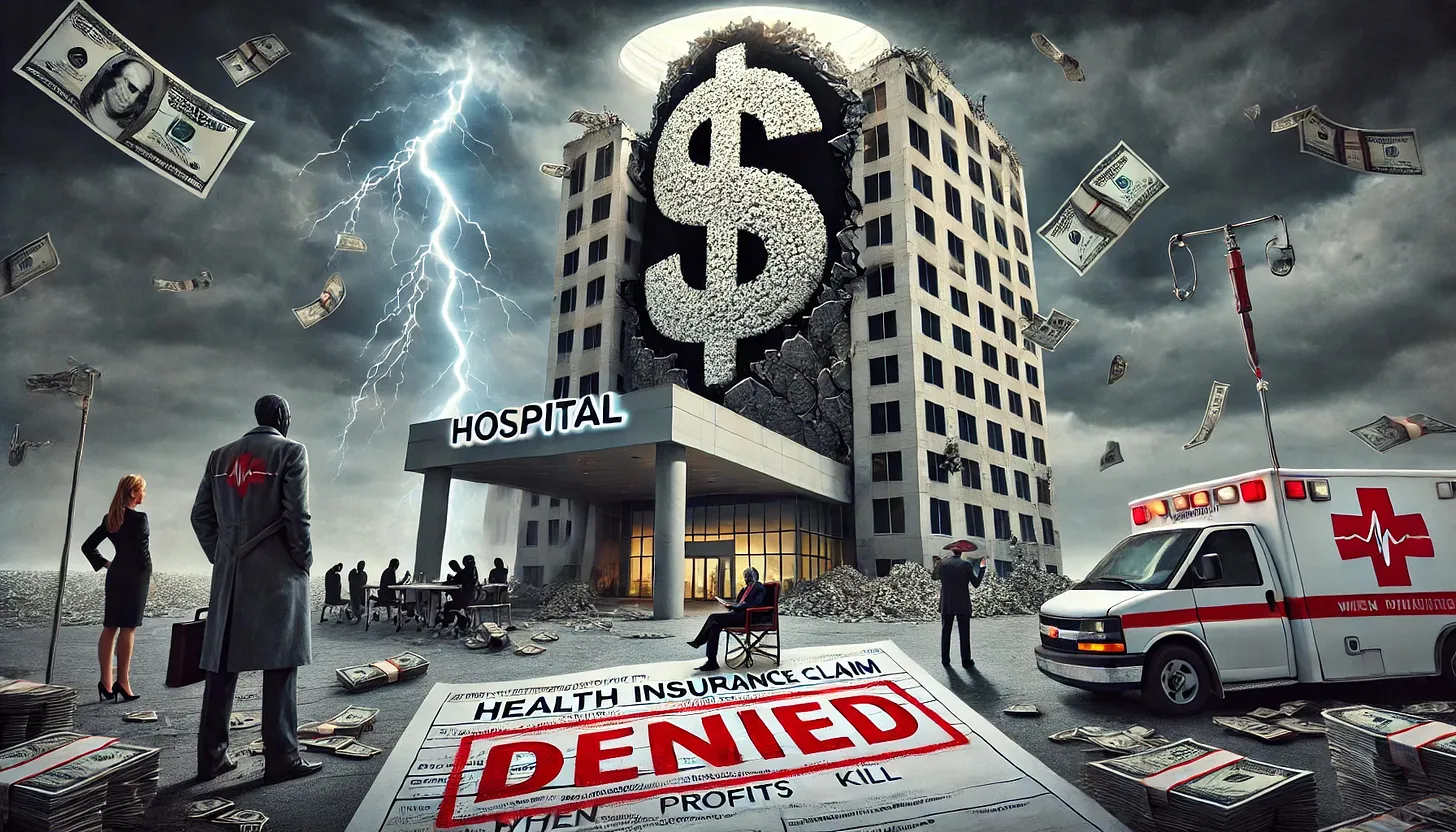
  • December 4, 2024: The Murder of a Health Executive : The murder of Brian Thompson, United Healthcare CEO, sparked hostility toward health insurers and a widespread backlash against the corporatization of the U.S. health system. While UHG took the most direct hit for its aggressiveness in managing access and coverage disputes, social media and mainstream journalists exposed what pollsters affirmed—the majority of American’s distrust the health system, believing it puts its profits above their needs. And their polls indicate animosity is highest among young adults, in lower income households and among members of its own workforce.

These events provide the backdrop for what to expect this year and next. Four directional shifts seem to underly actions to date and announced plans:

  • From elitism to populism: Key personnel and policy changes will draw less from Ivy League credentials, DC connections and recycled federal health agency notables and more from private sector experience, known disruptors and unconventional thought leaders. Notably, the new Chairs of the 7 Congressional Committees that control healthcare regulation, funding and policy changes in the 119th Congress represent LA, AL, WV, ID, VA, MO & KY constituents—hardly Ivy League territory.
  • From workforce disparities to workforce modernization: The Departments of Health & Human Services, Labor, Commerce and Treasury will attempt to suspend/modify regulatory mandates and entities they deem derived from woke ideology. The Trump team will replace them with policies that enable workforce de-regulation and modernization in the private sector. Hiring quotas, non-compete contracts, DEI et al will get a fresh look in the context of technology-enabled workplaces and supply-demand constraints. The HR function in every organization will become ground zero for Trump Healthcare 2.0 system transformation.
  • From western medicine to whole person wellbeing: HHS Secretary Nominee Robert F. Kennedy Jr. (RFK) Jr.’s “Make America Healthy Again” pledges war on ultra-processed foods. CMS’ designee Mehmet Oz advocates for vitamins, supplements and managed care. FDA nominee Marty Makary, a Hopkins surgeon, is a RFKJ ally in the “Health Freedom” movement promoting suspicion about ‘mainstream medicine’ and raising doubts about vaccination efficacy for children and low-risk adults. NIH nominee Jay Bhattacharya, director of Stanford’s Center for Demography and Economics of Health and Aging, opposed Covid-19 lockdowns and is critical of vaccine policies. Collectively, this four-some will challenge conventional western (allopathic) medicine and add wide-range of non-traditional interventions that are a safe and cost-effective to the treatment arsenal for providers and consumers. The food supply will be a major focus: HHS will work closely with the USDA (nominee Brooke Rollins, currently CEO of the America First Policy Institute, to reduce the food chain’s dependence on ultra-processed foods in public health.
  • From DC dominated health policies to states: The 2022 Supreme Court’ Dobbs decision opened the door for states to play the lead role in setting policies for access to abortion for their female citizens. It follows federalism’s Constitutional preference that Washington DC’s powers over states be enumerated and limited. Thus, state provisions about healthcare services for its citizens will expand beyond their already formidable scope. Likely actions in some states will include revised terms and conditions that facilitate consolidation, allowance for physician owned hospitals and site-neutral payments, approval of “skinny” individual insurance policies that do not conform to the Affordable Care Act’s qualified health plan spec’s, expanded scope of practice for nurse practitioners, drug price controls and many others. At least for the immediate future, state legislatures will be the epicenters for major policy changes impacting healthcare organizations; federal changes outside appropriations activity are unlikely.

Transforming the U.S. health system is a bodacious ambition for the incoming Trump team. Early wins will be key—like expanding price transparency in every healthcare sector, softening restrictions on private equity investments, targeted cuts in Medicaid and Medicare funding and annulment of the Inflation Reduction Act. In tandem, it has promised to cut Federal government spending by $2 trillion and lower prices on everything including housing and healthcare—the two spending categories of highest concern to the working class. Healthcare will figure prominently in Team Trump’s agenda for 2025 and posturing for its 2026 mid-term campaign. And equally important, healthcare costs also figure prominently in quarterly earnings reports for companies that provide employee health benefits forecast to be 8% higher this year following a 7% spike the year prior. Last year’s 23% S&P growth is not expected to repeat this year raising shareholder anxiety and the economy’s long-term resilience and the large roles housing and healthcare play in its performance.

My take:

The 2024 election has been called a change election. That’s unwelcome news to most organizations in healthcare, especially the hospitals, physicians, post-acute providers and others who provide care to patients and operate at the bottom of the healthcare pyramid.

Equipping a healthcare organization to thoughtfully prepare for changes amidst growing uncertainty requires extraordinary time and attention by management teams and their Boards. There are no shortcuts. Before handicapping future state scenario possibilities, contingencies and resource requirements, a helpful starting point is this: On the four most pressing issues facing every U.S. healthcare company/organization today, Boards and Management should discuss…

  • Trust: On what basis can statements about our performance be verified? Is the data upon which our trust is based readily accessible? Does the organization’s workforce have more or less trust than outside stakeholders? What actions are necessary to strengthen/restore trust?
  • Purpose: Which stakeholder group is our organization’s highest priority? What values & behaviors define exceptional leadership in our organization? How are they reflected in their compensation?
  • Affordability: How do we measure and monitor the affordability of our services to the consumers and households we ultimately depend? How directly is our organization’s alignment of reducing cost reduction and pass-through savings to consumers? Is affordability a serious concern in our organization (or just a slogan)?
  • Scale: How large must we be to operate at the highest efficiency? How big must we become to achieve our long-term business goals?

This week, thousands of healthcare’s operators will be in San Francisco (JPM Healthcare Conference), Naples (TGI Leadership Conference) and in Las Vegas (Consumer Electronics Show) as healthcare begins a new year. No one knows for sure what’s ahead or who the winners and losers will be.  What’s for sure is that healthcare will be in the spotlight and its future will not be a cut and paste of its past.

PS: The parallels between radical changes facing the health system and other industries is uncanny. College athletics is no exception. As you enjoy the College Football Final Four this weekend, consider its immediate past—since 2021, the impact of Name, Image and Likeness (NIL) monies on college athletics, and its immediate future–pending regulation that will codify permanent revenue sharing arrangements (to be implemented 2026-2030) between college athletes, their institutions and sponsors. What happened to the notion of student athlete and value of higher education? Has the notion of “not-for-profit” healthcare met a similar fate? Or is it all just business?

The Two Events that Changed U.S. Healthcare for Everyone

In late 2025, two events reset the U.S. health system’s future at least through 2026 and possibly beyond:

  • November 5, 2024: The Election: Its post-mortem by pollsters and pundits reflects a country divided and unsettled: 22 Red States, 7 Swing States and 21 Blue States. But a solid majority who thought the country was heading in the wrong direction and their financial insecurity driving voters to return the 45th President to the White House. With slim majorities in the House and Senate, and a short-leash before mid-term elections November 3, 2026, the Trump team has thrown out ‘convention’ in their setting policies and priorities for their second term. That includes healthcare.
  • December 4, 2024: The Murder of a Health Executive : The murder of Brian Thompson, United Healthcare CEO, sparked hostility toward health insurers and a widespread backlash against the corporatization of the U.S. health system. While UHG took the most direct hit for its aggressiveness in managing access and coverage disputes, social media and mainstream journalists exposed what pollsters affirmed—the majority of American’s distrust the health system, believing it puts its profits above their needs. And their polls indicate animosity is highest among young adults, in lower income households and among members of its own workforce.

These events provide the backdrop for what to expect this year and next. Four directional shifts seem to underly actions to date and announced plans:

  • From elitism to populism: Key personnel and policy changes will draw less from Ivy League credentials, DC connections and recycled federal health agency notables and more from private sector experience, known disruptors and unconventional thought leaders. Notably, the new Chairs of the 7 Congressional Committees that control healthcare regulation, funding and policy changes in the 119th Congress represent LA, AL, WV, ID, VA, MO & KY constituents—hardly Ivy League territory.
  • From workforce disparities to workforce modernization: The Departments of Health & Human Services, Labor, Commerce and Treasury will attempt to suspend/modify regulatory mandates and entities they deem derived from woke ideology. The Trump team will replace them with policies that enable workforce de-regulation and modernization in the private sector. Hiring quotas, non-compete contracts, DEI et al will get a fresh look in the context of technology-enabled workplaces and supply-demand constraints. The HR function in every organization will become ground zero for Trump Healthcare 2.0 system transformation.
  • From western medicine to whole person wellbeing: HHS Secretary Nominee Robert F. Kennedy Jr. (RFK) Jr.’s “Make America Healthy Again” pledges war on ultra-processed foods. CMS’ designee Mehmet Oz advocates for vitamins, supplements and managed care. FDA nominee Marty Makary, a Hopkins surgeon, is a RFKJ ally in the “Health Freedom” movement promoting suspicion about ‘mainstream medicine’ and raising doubts about vaccination efficacy for children and low-risk adults. NIH nominee Jay Bhattacharya, director of Stanford’s Center for Demography and Economics of Health and Aging, opposed Covid-19 lockdowns and is critical of vaccine policies. Collectively, this four-some will challenge conventional western (allopathic) medicine and add wide-range of non-traditional interventions that are a safe and cost-effective to the treatment arsenal for providers and consumers. The food supply will be a major focus: HHS will work closely with the USDA (nominee Brooke Rollins, currently CEO of the America First Policy Institute, to reduce the food chain’s dependence on ultra-processed foods in public health.
  • From DC dominated health policies to states: The 2022 Supreme Court’ Dobbs decision opened the door for states to play the lead role in setting policies for access to abortion for their female citizens. It follows federalism’s Constitutional preference that Washington DC’s powers over states be enumerated and limited. Thus, state provisions about healthcare services for its citizens will expand beyond their already formidable scope. Likely actions in some states will include revised terms and conditions that facilitate consolidation, allowance for physician owned hospitals and site-neutral payments, approval of “skinny” individual insurance policies that do not conform to the Affordable Care Act’s qualified health plan spec’s, expanded scope of practice for nurse practitioners, drug price controls and many others. At least for the immediate future, state legislatures will be the epicenters for major policy changes impacting healthcare organizations; federal changes outside appropriations activity are unlikely.

Transforming the U.S. health system is a bodacious ambition for the incoming Trump team. Early wins will be key—like expanding price transparency in every healthcare sector, softening restrictions on private equity investments, targeted cuts in Medicaid and Medicare funding and annulment of the Inflation Reduction Act. In tandem, it has promised to cut Federal government spending by $2 trillion and lower prices on everything including housing and healthcare—the two spending categories of highest concern to the working class. Healthcare will figure prominently in Team Trump’s agenda for 2025 and posturing for its 2026 mid-term campaign. And equally important, healthcare costs also figure prominently in quarterly earnings reports for companies that provide employee health benefits forecast to be 8% higher this year following a 7% spike the year prior. Last year’s 23% S&P growth is not expected to repeat this year raising shareholder anxiety and the economy’s long-term resilience and the large roles housing and healthcare play in its performance.

My take:

The 2024 election has been called a change election. That’s unwelcome news to most organizations in healthcare, especially the hospitals, physicians, post-acute providers and others who provide care to patients and operate at the bottom of the healthcare pyramid.

Equipping a healthcare organization to thoughtfully prepare for changes amidst growing uncertainty requires extraordinary time and attention by management teams and their Boards. There are no shortcuts. Before handicapping future state scenario possibilities, contingencies and resource requirements, a helpful starting point is this: On the four most pressing issues facing every U.S. healthcare company/organization today, Boards and Management should discuss…

  • Trust: On what basis can statements about our performance be verified? Is the data upon which our trust is based readily accessible? Does the organization’s workforce have more or less trust than outside stakeholders? What actions are necessary to strengthen/restore trust?
  • Purpose: Which stakeholder group is our organization’s highest priority? What values & behaviors define exceptional leadership in our organization? How are they reflected in their compensation?
  • Affordability: How do we measure and monitor the affordability of our services to the consumers and households we ultimately depend? How directly is our organization’s alignment of reducing cost reduction and pass-through savings to consumers? Is affordability a serious concern in our organization (or just a slogan)?
  • Scale: How large must we be to operate at the highest efficiency? How big must we become to achieve our long-term business goals?

This week, thousands of healthcare’s operators will be in San Francisco (JPM Healthcare Conference), Naples (TGI Leadership Conference) and in Las Vegas (Consumer Electronics Show) as healthcare begins a new year. No one knows for sure what’s ahead or who the winners and losers will be.  What’s for sure is that healthcare will be in the spotlight and its future will not be a cut and paste of its past.

PS: The parallels between radical changes facing the health system and other industries is uncanny. College athletics is no exception. As you enjoy the College Football Final Four this weekend, consider its immediate past—since 2021, the impact of Name, Image and Likeness (NIL) monies on college athletics, and its immediate future–pending regulation that will codify permanent revenue sharing arrangements (to be implemented 2026-2030) between college athletes, their institutions and sponsors. What happened to the notion of student athlete and value of higher education? Has the notion of “not-for-profit” healthcare met a similar fate? Or is it all just business?

When Profits Kill: The Deadly Costs of Treating Healthcare as a Business

The recent assassination of the CEO of UnitedHealthcare — the health insurance company with, reportedly, the highest rate of claims rejections (and thus dead, wounded, and furious customers and their relations) — gives us a perfect window to understand the stupidity and danger of the Musk/Trump/Ramaswamy strategy of “cutting government” to “make it more efficient, run it like a corporation.”

Consider health care, which in almost every other developed country in the world is legally part of the commons — the infrastructure of the nation, like our roads, public schools, parks, police, military, libraries, and fire departments — owned by the people collectively and run for the sole purpose of meeting a basic human need.

The entire idea of government — dating all the way back to Gilgamesh and before — is to fulfill that singular purpose of meeting citizens’ needs and keeping the nation strong and healthy. That’s a very different mandate from that of a corporation, which is solely directed (some argue by law) to generate profits.

The Veterans’ Administration healthcare system, for example, is essentially socialist rather than capitalist. The VA owns the land and buildings, pays the salaries of everybody from the surgeons to the janitors, and makes most all decisions about care. Its primary purpose — just like that of the healthcare systems of every other democracy in the world — is to keep and make veterans healthy. Its operation is nearly identical to that of Britain’s beloved socialist National Health Service.

UnitedHealthcare similarly owns its own land and buildings, and its officers and employees behave in a way that’s aligned with the company’s primary purpose, but that purpose is to make a profit. Sure, it writes checks for healthcare that’s then delivered to people, but that’s just the way UnitedHealthcare makes money; writing checks and, most importantly, refusing to write checks.

Think about it. If UnitedHealthcare’s main goal was to keep people healthy, they wouldn’t be rejecting 32 percent of claims presented to them. Like the VA, when people needed help they’d make sure they got it.

Instead, they make damn sure their executives get millions of dollars every year (and investors get billions) because making a massive profit ($23 billion last year, and nearly every penny arguably came from saying “no” to somebody’s healthcare needs) is their real business.

On the other hand, if the VA’s goal was to make or save money by “being run efficiently like a company,” they’d be refusing service to a lot more veterans (which it appears is on the horizon).

This is the essential difference between government and business, between meeting human needs (social) and reaching capitalism’s goal (profit).

It’s why its deeply idiotic to say, as Republicans have been doing since the Reagan Revolution, that “government should be run like a business.” That’s nearly as crackbrained a suggestion as saying that fire departments should make a profit (a doltish notion promoted by some Libertarians). Government should be run like a government, and companies should be run like companies.

Given how obvious this is with even a little bit of thought, where did this imbecilic idea that government should run like a business come from?

Turns out, it’s been driven for most of the past century by morbidly rich businessmen (almost entirely men) who don’t want to pay their taxes. As Jeff Tiedrich notes:

“The scariest sentence in the English language is: ‘I’m a billionaire, and I’m here to help.’”

Rightwing billionaires who don’t want to pay their fair share of the costs of society set up think tanks, policy centers, and built media operations to promote their idea that the commons are really there for them to plunder under the rubric of privatization and efficiency.

They’ve had considerable success. Slightly more than half of Medicare is now privatized, multiple Republican-controlled states are in the process of privatizing their public school systems, and the billionaire-funded Project 2025 and the incoming Trump administration have big plans for privatizing other essential government services.

The area where their success is most visible, though, is the American healthcare system. Because the desire of rightwing billionaires not to pay taxes have prevailed ever since Harry Truman first proposed single-payer healthcare like most of the rest of the world has, Americans spend significantly more on healthcare than other developed countries.

In 2022, citizens of the United States spent an estimated $12,742 per person on healthcare, the highest among wealthy nations. This is nearly twice the average of $6,850 per person for other wealthy OECD countries.

Over the next decade, it is estimated that America will spend between $55 and $60 trillion on healthcare if nothing changes and we continue to cut giant corporations in for a large slice of our healthcare money.

On the other hand, Senator Bernie Sanders’ single-payer Medicare For All plan would only cost $32 trillion over the next 10 years. And it would cover everybody in America, every man woman and child, in every medical aspect including vision, dental, psychological, and hearing.

Currently 25 million Americans have no health insurance whatsoever.

If we keep our current system, the difference between it and the savings from a single-payer system will end up in the pockets, in large part, of massive insurance giants and their executives and investors. And as campaign contributions for bought off Republicans. This isn’t rocket science.

And you’d think that giving all those extra billions to companies like UnitedHealthcare would result in America having great health outcomes. But, no.

Despite insanely higher spending, the U.S. has a lower life expectancy at birth, higher rates of chronic diseases, higher rates of avoidable or treatable deaths, and higher maternal and infant mortality rates than any of our peer nations.

Compared to single-payer nations like Canada, the U.S. also has a higher incidence of chronic health conditions, Americans see doctors less often and have fewer hospital stays, and the U.S. has fewer hospital beds and physicians per person.

No other country in the world allows a predatory for-profit industry like this to exist as a primary way of providing healthcare. Every other advanced democracy considers healthcare a right of citizenship, rather than an opportunity for a handful of industry executives to hoard a fortune, buy Swiss chalets, and fly around on private jets.

This is one of the most widely shared graphics on social media over the past few days in posts having to do with Thompson’s murder…

Sure, there are lots of health insurance companies in other developed countries, but instead of offering basic healthcare (which is provided by the government) mostly wealthy people subscribe to them to pay for premium services like private hospital rooms, international air ambulance services, and cosmetic surgery.

Essentially, UnitedHealthcare’s CEO Brian Thompson made decisions that killed Americans for a living, in exchange for $10 million a year. He and his peers in the industry are probably paid as much as they are because there is an actual shortage of people with business training who are willing to oversee decisions that cause or allow others to die in exchange for millions in annual compensation.

That Americans are well aware of this obscenity explains the gleeful response to his murder that’s spread across social media, including the refusal of online sleuths to participate in finding his killer.

It shouldn’t need be said that vigilantism is no way to respond to toxic individuals and companies that cause Americans to die unnecessarily. Hopefully, Thompson’s murder will spark a conversation about the role of government and the commons — and the very real need to end the corrupt privatization of our healthcare system (including the Medicare Advantage scam) that has harmed so many of us and killed or injured so many of the people we love.

The Misadventures of Primary Care

https://www.kaufmanhall.com/insights/thoughts-ken-kaufman/misadventures-primary-care

Innovation in the American economy over the past 30 years has been nothing short of stunning—one remarkable technological advance after another. Industry by industry and product by product, corporate innovation has profoundly changed the way we navigate our economic and consumer lives. From this context of technological and innovative change came the corporate belief that healthcare could be “significantly improved” through the same application of aggressive corporate strategy and innovation.

So along came Walmart, Walgreens, CVS, and Amazon with all the resources in the world and with the best intentions to contemporize primary care.

The goals of all this were front and center: change the definition of the healthcare gatekeeper, lower costs, improve quality, and create a much more consumer-friendly care experience. Yet here we see that American business has proven—once again—that the best intentions, the smartest ideas, and a lot of money are still no guarantee of commercial success. How quickly the corporate retail re-invention of primary care all came apart.

Between 2017 and 2022, retail clinic claims grew 200%, spiking particularly during the pandemic, according to Healthcare Finance. And yet now, Walmart has abandoned its primary care strategy, Walgreens is pulling back significantly—even after announcing significant expansion plans as little as a year ago—and CVS is facing uncertainty after a leadership shakeup.

Under corporate leadership and strategy, primary care has become a catalog of woes. Let’s unpack that catalog.

Walmart opened its first health center in 2019, offering a range of basic services with prices posted. At first, it focused on patients who could pay cash, but eventually evolved to accept a range of insurance plans. Walmart brought a level of strategic aggression to its primary care initiative by announcing in 2023 it would nearly double the number of clinics it operated. But in an abrupt about face, the megaretailer shuttered all 51 primary care locations in April, citing an unsustainable business model with an inability to maximize revenue and adequately control expenses.

Walgreens, on the other hand, opted to invest in existing providers. In 2020 and 2021, Walgreens spent $6.2 billion on the primary care clinic chain VillageMD, establishing it as the majority owner. In 2022, Walgreens sunk another $3.5 billion, through a mix of debt and equity, into VillageMD’s $8.9 billion acquisition of Summit Health. Walgreens, like Walmart, suffered for its primary care investments. The company was forced to take a $5.8 billion write-down on Village MD in the second quarter of this year.

During an October 15 earnings call, Walgreens CEO Tim Wentworth said the company “is reorienting to its legacy strength as a retail pharmacy-led company,” according to the Wall Street Journal. “We are in the early stages of a turnaround that will take time.” And that comment came with the potential closure of 1,200 Walgreens retail locations, following on the heels of 160 primary care clinic closures earlier this year.

CVS, too, has not been immune to primary care turbulence, as CVS Health CEO Karen Lynch was forced to step down last month after presiding over an expansion of healthcare clinics but then closing dozens of them in California and New England. CVS’s strategic approach revolved around its $10.6 billion acquisition of Oak Street Health in 2023 and its intention to expand primary care in 1,100 MinuteClinics. That strategy now seems to be up in the air with the departure of Ms. Lynch. The CVS board is now suggesting an approach that may involve a spinoff of its insurance and pharmacy benefits manager units, Aetna and Caremark.

Amazon, however, at the moment shows no signs of abandoning its foray into primary care. Rather than focusing its efforts on solely brick-and-mortar locations, Amazon organized its primary care strategy around the 2023 $3.9 billion acquisition of One Medical, a concierge-style service designed to facilitate both in-person and virtual visits. While Amazon’s primary care strategy remains somewhat opaque, it seems to revolve around partnering with employers and health systems to cultivate primary care patient loyalty through a membership program that builds on the Amazon Prime brand.

Each company took a slightly different approach to primary care, but all four planned to leverage their exceptional size to achieve profitability.

Interestingly, scale has not been sufficient to solve the challenges of primary care. American Medical Association President Bruce A. Scott wrote recently: “If retail giants can’t make today’s care delivery model work financially, how on earth can physicians in private practice?” It’s no wonder the ongoing shortage of about 20,000 primary care physicians is expected to persist. A recent AAMC report found that by 2036, that number could double.

Primary care has been unsuccessful as a transactional business; retailers sell goods at a set price and send customers on their way. In healthcare, payment models are nowhere near as straightforward. Patients, particularly in areas where access to care is limited, may have continuous, rather than episodic, needs. All of this complexity has seemed to add up to higher costs and lower margins. Primary care seems to require a much more complex business model, one robust enough to remain patient as that business model experiments with various approaches or is vast enough to offset losses with other lines of revenue.

So where does all of the above lead us? Are there any useful conclusions or lessons to be learned? Maybe so.

  1. Primary care is an essential component of any hospital system of care. Done right, it acts as both an important gatekeeper and as a trusting component of the continuity of healthcare service.
  2. At the moment, there is not enough primary care to meet the demand. Stories abound of patients whose longtime primary care physicians retire and said physicians cannot be replaced without a great effort—or often not at all.
  3. Right now, the economics of primary care don’t work as a standalone service. Many have tried and—regardless of whether they were big or small, for profit or not-for-profit—this essential patient-centered service can only operate when subsidized by a larger enterprise. Walmart, Walgreens, and CVS have all tired of those subsidies.
  4. The overall healthcare system and its quality of care and delivery is significantly damaged by the current state of primary care. Too many patients receive delayed diagnosis and treatment and slow or little necessary follow-up. Patients that should be seen in the office are instead funneled to the emergency room. Care, of course, remains well-intentioned but often is instead inconsistent and chaotic. Conditions that might have been deftly managed instead become chronic.
  5. All this leads to the importance of not giving up on primary care. Patients prefer to be seen in the primary care ecosystem. They tend to trust that level of care and attention. Patients also prefer to be seen in-person when they are feeling particularly poorly, and they appreciate prompt answers about concerning health issues. What this all suggests is that we are at a moment when hospitals need to double down on the primary care dilemma. Primary care needs to be examined as an essential component of the overall enterprise-wide strategic plan both clinically and—especially—financially.

Corporate America, with all of its economic power and resources and scale, has found primary care to be a confounding and, so far, unsuccessful business model. So, after all of the recent noise and promises and slide decks, the problem and promise of primary care is back in the mission-driven hands of America’s not-for-profit hospitals—exactly where it should have been all along.

The Four Core Pillars of Trump Healthcare 2.0

While speculation swirls around key cabinet appointments in the incoming Trump administration, much is being written about how things might change for industries and the companies that compose them. Healthcare is no exception.

Speculation about possible changes originates from media coverage, healthcare trade associations, law firms, consultancies, think tanks and academics. Their views are primarily based on Trump Healthcare 1.0 initiatives (2017-2021), presumed Trump 2.0 leverage in the U.S. Senate, House and conservative Supreme Court and a belief by the Trump-team leaders that their mandate is to lower costs for “everyday Americans” and tighten border security.

Thus, Trump Healthcare 2.0 policy changes will be extensive, leveraging legislation, executive orders, agency administrative actions, court decisions and appropriations processes to reset the U.S. health system.

Context:

The red shift that enabled the 45th President to regain the White House was fueled by discontent and fear: discontent with prices paid by ordinary consumers and fear that illegal immigration was an existential threat. Abortion was an important concern to women but inflation and prices for gas, groceries, housing and healthcare mattered more. Exit polls indicate voter concern about how Trump 2.0 economic policies (tariffs et al) might inflate consumer prices or add up to $7 trillion to the national debt was low. And the fate of the Affordable Care Act was a non-issue: assurance about protection for pre-existing condition coverage neutered attention to other elements of the ACA that will get attention in Trump Healthcare 2.0 (i.e. subsidies, short-term plans, et al).

The Four Pillars of Trump Healthcare 2.0 Policy Changes

The new administration is inclined toward a transactional view of the U.S. health system. It does not envision transformational change; instead, it sees opportunity for the system to perform significantly better. Its policies, leadership appointments and actions will be predicated on these four pillars:

  • Access to the U.S. healthcare system is a right to be earned. Fundamentally, Trump Healthcare 2.0 builds on its moral conviction that there should be NO FREE LUNCHES whether it’s illegal immigrants or patients who use the health system without doing their part. Trump Healthcare 2.0 will advance mechanisms to enable self-care, increase personal responsibility, promote cheaper/better alternatives to traditional insurance and health delivery and challenge lawmakers to limit financial support to free-loaders. The fundamental notions of public health and community benefit will be revisited and restrictions enacted.
  • The status quo is not working. Change is needed. Polls show the majority of Americans are dissatisfied with the health system. Affordability is their major concern: escalating, inexplicable costs are forcing their employers to share more responsibility. Trump Healthcare 2.0 will implement changes that lower spending and costs for consumers and employers. They’ll leverage coalitions of working-class voters and businesses to enact policies that expose waste, fraud and abuse in the system and direct the U.S. Department of Health & Human Services to streamline its structure and prioritize cost-effectiveness (the HHS Strategic Plan for 2022-2026 is up for review).
  • Private solutions solve public problems better than government. Trump Healthcare 2.0 posits that government is broken including the federal and state agencies that control healthcare oversight and funding. Reducing regulatory barriers to consolidation and innovation and lessening risks for private investors whose ventures align with Trump Healthcare 2.0 priorities will be foci. Fundamentally, Trump Healthcare 2.0 believes the private sector is better able to address problems than government bureaucrats: key Trump Healthcare 2.0 leadership positions will be filled by successful private sector operators instead of re-cycled DC luminaries desiring attention.
  • Price transparency fuels competition and value. Trump Healthcare 1.0 mandated hospital price transparency via its 2019 Executive Order: Trump Healthcare 2.0 will expand the scope and usefulness of price transparency mandates in hospital, ancillary and outpatient services, physician services, insurance and others. It will facilitate accelerated use of Artificial Intelligence in decision-making by consumers, providers and payers. It will expand timely access to data on prices, direct costs, overhead, executive compensation, outcomes, user experiences and other elements of care management provided by hospitals, physicians and other providers. And it will move quickly to implement site neutral payments in the 119th Trump Healthcare 2.0 holds that providers, insurers and drug companies are not inclined to transparency despite strong support from elected officials and voters. They’ll advance these policy changes anticipating pushback from industry insiders. Trump Healthcare 2.0 believes price transparency in healthcare will produce transformational changes that enable more competition and lower costs.

Looking ahead:

The Trump 2.0 team’s immediate task is to assemble its Cabinet: that’s taken prior administrations 38 days on average to complete. In tandem, temporary fixes for CMS’ pending Physician Pay Cut and telehealth expansion will pass as Congress’ lame duck session begins this week.

Looking to 2025, the Trump Healthcare 2.0 team will focus initially on issues in Congress where Bipartisan support appears strong i.e. regulation of PBMs, implementation of site neutral payment policies, expansion of drugs subject to Inflation Reduction Act’s pricing limits and perhaps others. It will plan its legislative agenda coordinating with key committees (i.e. Senate HELP, House Ways and Means et al) and outside groups that share its predisposition.  And it will use its political clout to build popular support for healthcare reforms that respond directly to consumer (voter) concern about affordability.

Trump Healthcare 2.0 will bring heightened transparency to the health system and be premised on pillars that are popular with working class voters. It will not be a duplicate of Trump Healthcare 1.0: it will be much more.

U.S. Healthcare in 2025 and Beyond: Three Major Predictions

With days before voters decide the composition of the 119th U.S. Congress and the next White House occupant, the immediate future for U.S. healthcare is both predictable and problematic:

It’s predictable that…

1-States will be the epicenter for healthcare legislation and regulation; federal initiatives will be substantially fewer.

At a federal level, new initiatives will be limited: continued attention to hospital and insurer consolidation, drug prices and the role of PBMs, Medicare Advantage business practices and a short-term fix to physician payments are likely but little more. The Affordable Care Act will be modified slightly to address marketplace coverage and subsidies and CMSs Center for Medicare and Medicaid Innovation (CMMI) will test new alternative payment models even as doubt about their value mounts. But “BIG FEDERAL LAWS” impacting the U.S. health system are unlikely.

But in states, activity will explode:  for example…

  • In this cycle, 10 states will decide their abortion policies joining 17 others that have already enacted new policies.
  • 3 will vote on marijuana legalization joining 24 states that have passed laws.
  • 24 states have already passed Prescription Drug Pricing legislation and 4 are considering commissions to set limits.
  • 40 have expanded their Medicaid programs
  • 35 states and Washington, D.C., operate CON programs; in 12 states, CONs have been repealed.
  • 14 have legislation governing mental health access.
  • 5 have passed or are developing commissions to control health costs.
  • And so on.

Given partisan dysfunction in Congress and the surprising lack of attention to healthcare in Campaign 2024 (other than abortion coverage), the center of attention in 2025-2026 will be states. In addition to the list above, attention in states will address protections for artificial intelligence utilization, access to and pricing for weight loss medications, tax exemptions for not-for-profit health systems, telehealth access, conditions for private equity ownership in health services, constraints on contract pharmacies, implementation of site neutral payments, new 340B accountability requirements and much more. In many of these efforts, state legislatures and/or Governors will go beyond federal guidance setting the stage for court challenges, and the flavor of these efforts will align with a state’s partisan majorities: as of September 30th, 2024, Republicans controlled 54.85% of all state legislative seats nationally, while Democrats held 44.19%. Republicans held a majority in 56 chambers, and Democrats held the majority in 41 chambers. In 2024, 27 states are led by GOP governors and 23 by Dems and 11 face voters November 5.  And going into the election, 22 states are considered red, 21 are considered blue and 7 are tagged as purple.

The U.S. Constitution affirms Federalism as the structure for U.S. governance: it pledges the pursuit of “life, liberty and the pursuit of happiness” as its purpose but leaves the lion’s share of responsibilities to states to figure out how. Healthcare may be federalism’s greatest test.

2-Large employers will take direct action to control their health costs.

Per the Kaiser Family Foundation’s most recent employer survey, employer health costs are expected to increase 7% this year for the second year in a row. Willis Towers Watson, predicts a 6.4% increase this year on the heels of a 6% bump last year. The Business Group on Health, which represents large self-insured employers, forecasts an 8% increase in 2025 following a 7% increase last year. All well-above inflation, ages and consumer prices this year.

Employers know they pay 254% of Medicare rates (RAND) and they’re frustrated. They believe their concerns about costs, affordability and spending are not taken seriously by hospitals, physicians, insurers and drug companies. They see lackluster results from federal price transparency mandates and believe the CMS’ value agenda anchored by accountable care organizations are not achieving needed results. Small-and-midsize employers are dropping benefits altogether if they think they can. For large employers, it’s a different story. Keeping health benefits is necessary to attract and keep talent, but costs are increasingly prohibitive against macro-pressures of workforce availability, cybersecurity threats, heightened supply-chain and logistics regulatory scrutiny and shareholder activism.

Maintaining employee health benefits while absorbing hyper-inflationary drug prices, insurance premiums and hospital services is their challenge. The old playbook—cost sharing with employees, narrow networks of providers, onsite/near site primary care clinics et al—is not working to keep up with the industry’s propensity to drive higher prices through consolidation.

In 2025, they will carefully test a new playbook while mindful of inherent risks. They will use reference pricing, narrow specialty specific networks, technology-enabled self-care and employee gainsharing to address health costs head on while adjusting employee wages. Federal and state advocacy about Medicare and Medicaid funding, insurer and hospital consolidation and drug pricing will intensify. And some big names in corporate America will step into a national debate about healthcare affordability and accountability.

Employers are fed up with the status quo. They don’t buy the blame game between hospitals, insurers and drug companies. And they don’t think their voice has been heard.

3-Private equity and strategic investors will capitalize on healthcare market conditions. 

The plans set forth by the two major party candidates feature populist themes including protections for women’s health and abortion services, maintenance/expansion of the Affordable Care Act and prescription drug price controls. But the substance of their plans focus on consumer prices and inflation: each promises new spending likely to add to the national deficit:

  • Per the Non-Partisan Committee for a Responsible Federal Budget, over the next 10 years, the Trump plan would add $7.5 trillion to the deficit; the Harris plan would add $3.5 trillion.
  • Per the Wharton School at the University of Pennsylvania, Harris’ proposals would add $1.2 trillion to the national deficits over 10 years and Trump’s proposals would add $5.8 trillion over the same period

Per the Congressional Budget Office, federal budget deficit for FY2024 which ended September 30 will be $1.8 trillion– $139 billion more than FT 2023. Revenues increased by an estimated $479 billion (or 11 percent). Revenues in all major categories, but notably individual income taxes, were greater than they were in fiscal year 2023. Outlays rose by an estimated $617 billion (or 10 percent). The largest increase in outlays was for education ($308 billion). Net outlays for interest on the public debt rose by $240 billion to total $950 billion.

The federal government spent $6.75 trillion in 2024, a 10% increase from the prior year. Spending on Social Security (22% of total spending) and healthcare programs (28.5% of total spending) also increased substantially. The U.S. debt as of Friday was $37.77 trillion, or $106 thousand per citizen.

The non-partisan Congressional Budget Office (CBO) reports that federal debt held by the public averaged 48.3 % of GDP for the half century ending in 2023– far above its historic average. It projects next year’s national debt will hit 100% for the first time since the US military build-up in the second world war. And it forecast the debt reaching 122.4% in 2034 potentially pushing interest payments from 13% of total spending this year to 20% or more.

Adding debt is increasingly cumbersome for national lawmakers despite campaign promises, and healthcare is rivaled by education, climate and national defense in seeking funding through taxes and appropriations. Thus, opportunities for private investors in healthcare will increase dramatically in 2025 and 2026. After all, it’s a growth industry ripe for fresh solutions that improve affordability and cost reduction at scale.

Combined, these three predictions foretell a U.S. healthcare system that faces a significant pressure to demonstrate value.

They require every healthcare organization to assess long-term strategies in the likely context of reduced funding, increased regulation and heightened attention to prices and affordability. This is problematic for insiders accustomed to incrementalism that’s protected them from unwelcome changes for 3 decades.  

Announcements last week by Walgreens and CVS about changes to their strategies going forward reflect the industry’s new normal: change is constant, success is not. In 2025, regardless of the election outcome, healthcare will be a major focus for lawmakers, regulators, employers and consumers.  

Who is CHA Partners? Here’s what to know about the New Jersey company looking to buy Delco’s Crozer Health

https://whyy.org/articles/cha-partners-crozer-health-delaware-county-purchase-proposal-what-to-know-new-jersey/

CHA Partners LLC emerged last week as the mystery suitor interested in acquiring Crozer Health and its ailing four-hospital system in Delaware County.

The New Jersey–based real estate firm has a record of buying, stabilizing and selling struggling hospitals, but at least one organization with a history with the company says they’re skeptical about CHA saving health care in Delco.

“It’s really just shocking that both CHA and another community would be interested in going down the same road that we’ve gone [down],” said Paul DiLorenzo, executive director of the Salem Health and Wellness Foundation.

Since its founding in 2008, CHA Partners has acquired and turned around five hospitals in New Jersey. The list includes the Barnert Medical Arts Complex in Paterson, the Greenville Medical Arts Complex in Jersey City, the William B. Kessler Medical Arts Complex in Hammonton and the Muhlenberg Medical Arts Complex in Plainfield.

The fifth and most recent hospital project involved the 2019 acquisition and revival of Salem Medical Center, formerly known as Memorial Hospital of Salem County. The hospital was on the brink of closure after years of a shrinking patient population and aging infrastructure.

“CHA offered to take over the hospital, but needed local support as a part of the initial investment,” DiLorenzo said.

Salem Health and Wellness Foundation, a nonprofit organization that supports public health and social services programs in the community, agreed to step in.

According to court documents, the foundation gave Salem Medical Center and CHA Partners about $39 million in grants and loans to save the local hospital.

CHA Partners sold Salem Medical Center to Inspira Health Network in 2022, but DiLorenzo said the real estate firm still owes the community foundation upwards of $4 million in unpaid loans and legal fees.

The majority of the loan balances were forgiven and the Salem community foundation sued CHA Partners to recoup the rest. They won in court this past May, but DiLorenzo said the foundation has yet to receive any payments.

Now, as the real estate firm moves to acquire another hospital system — Crozer Health in Delco — DiLorenzo said anger “is an understatement.”

“It’s astounding to us that CHA would be negotiating to do that when they’re not doing anything in good faith to pay the bills that are owed to us and to make the people of Salem County whole again,” he said.

CHA Partners declined to comment on its pending deal with Crozer Health or its standing with Salem Health and Wellness Foundation, which was involved with just the single hospital in Salem and not any of the other four New Jersey hospitals that CHA has acquired and stabilized.

CHA recently signed a letter of intent to purchase the hospital system from Crozer Health’s parent company, Prospect Medical Holdings.

The real estate firm would transition the health system from for-profit to nonprofit status, according to Crozer officials who announced the preliminary, nonbinding deal to staff last week. Prospect will work with CHA over the next few months to complete a transfer of ownership, but until then, there are no guarantees of a completed sale.

Prospect and Crozer officials declined to comment specifically on CHA’s history with the hospital in Salem, New Jersey, and the Salem Health and Wellness Foundation. But in an announcement to staff, Crozer leadership described CHA as a company committed to “preserving health care and jobs in the communities it serves” and turning around hospitals, with “each dedicated to providing exceptional care to local residents.”

Following the recent news of a potential new buyer for the Crozer Health system, Pennsylvania state Sen. Tim Kearney released a statement Thursday with concerns about the potential deal.

“The health and well-being of our constituents in Delaware County must be the top priority,” Kearney said. “I am calling on the Attorney General to conduct a thorough analysis of this acquisition. CHA’s track record must be carefully examined to determine if it is indeed a responsible and suitable buyer that will prioritize the health care needs of our community.”

After their experience in Salem County, DiLorenzo echoed those precautions. And while he blames CHA for failing to pay his foundation back, he said this is all a symptom of widespread challenges facing the United States health care industry.

“Poor communities, poor rural communities in particular, are really struggling to make the equation of all this work,” DiLorenzo said. “You have low insurance reimbursement rates, you don’t have the number of people to create a volume, you have health care systems that you know are trying to make the investment in communities, but they can’t make the numbers work. So, this is something that’s bigger than just Salem or just Delaware County.”

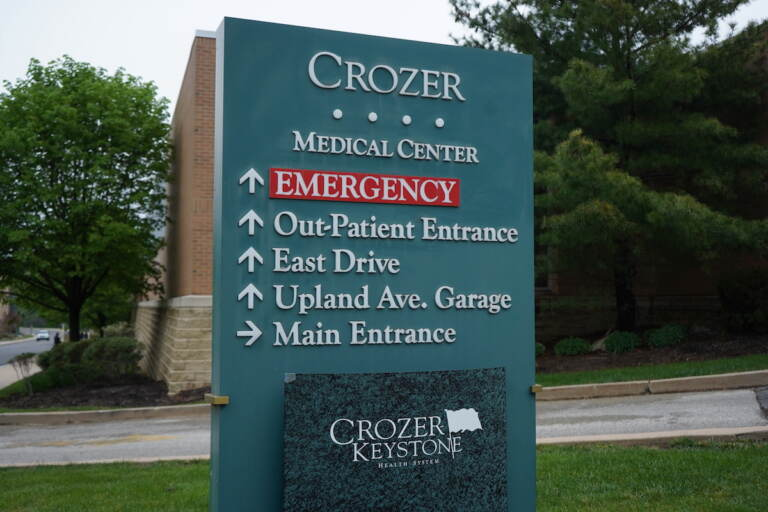
Crozer Health is the region’s main EMS provider and home to its primary trauma center and contains the county’s only burn unit. Last October, parent company Prospect Medical Holdings agreed to a deal with the state Attorney General’s Office and the Foundation for Delaware County to sell the distressed hospital system.

In February, the court-approved plan set in motion a 270-day window for Prospect to locate a nonprofit buyer.

WHYY News first reported last month that Prospect had found a potential buyer, but the identity of CHA Partners was not revealed until this past week. Prospect had also asked Pennsylvania officials for $100 million to $500 million in state funds to help finance the deal.