Is Informed Consent Being Used as a Guise for Spreading Misinformation?

The website for the group Physicians for Informed Consent (PIC) reads like an apolitical, educational resource that provides information on vaccines and why they shouldn’t be government-mandated. Its mission is “that doctors and the public are able to evaluate the data on infectious diseases and vaccines objectively, and voluntarily engage in informed decision-making about vaccination.”

The group’s accompanying social media accounts, however, tell a different story. On PIC’s Facebook, Twitter, Instagram, and LinkedIn feeds, you’ll find post after post about reasons to be scared of vaccinesespecially for children – often highlighting selective portions of scientific research that contain vaccination risks.

Who’s Behind PIC?

The group was founded in 2015 after California passed a law that prohibited the use of personal belief exemptions from vaccinations required for children to attend any public or private school in the state.

Three years later, the number of waivers issued by doctors to parents seeking medical exemptions for their children tripled. As a result, another law was passed in 2019, cracking down on the inappropriate use of medical exemptions.

The group’s founder, Shira Miller, MD, is a concierge integrative medicine doctor based in Los Angeles, specializing in menopausal care. On her own Twitter profile, she describes herself as “Facebook’s Most Popular Menopause Doctor.”

Miller earned her medical degree in 2002 from Technion-Israel Institute of Technology in Haifa, Israel, and has reportedly been working as a concierge physician since 2010.

PIC’s leadership team also includes 20 physicians from a wide range of specialties, most of whom, like Miller, don’t specialize in infectious diseases.

Among its leaders is Paul Thomas, MD, an Oregon-based pediatrician. Thomas, who is listed as one of PIC’s founding directors, was issued an emergency suspension order of his medical license in 2021 by the state medical board, in which they cited at least eight cases of alleged patient harm. In line with PIC’s philosophy, Thomas maintains that he isn’t “anti-vax” – he’s pro-informed-consent.

Also on the team is Jane Orient, MD, internist and executive director of the Association of American Physicians and Surgeons (AAPS), a group that also opposes vaccine mandates. Orient received her medical degree from Columbia University and currently practices in Arizona. In 2020, the AAPS sued the federal government for withholding its stockpile of hydroxychloroquine from COVID patients, despite research showing that the drug is ineffective. The complaint was dismissed in September 2021.

Doug Mackenzie, MD, a plastic surgeon who graduated from Johns Hopkins University of Medicine, is PIC’s treasurer. He has previously identified himself as an “ex-vaxxer” rather than an anti-vaxxer when speaking on a panel in 2019.

The only RN on the team is Tawny Buettner. After California mandated vaccinations for healthcare workers, Buettner organized a protest outside of her place of work, Rady Children’s Hospital in San Diego; she later sued the hospital after she was dismissed from her job. According to the complaint, Buettner and the 36 other plaintiffs alleged that their requests for religious exemptions from the COVID-19 vaccine were all denied.

Kenneth Stoller, MD, also listed on the leadership team, graduated from the American University of the Caribbean School of Medicine and completed pediatric residency training at the University of California Los Angeles. Stoller was disciplined in 2019 for doling out medical exemptions to children without adequate evidence. According to state records, his license in California has since been revoked; he currently holds a medical license in New Mexico.

What’s PIC?

The most notable physician groups accused of spreading COVID-19 misinformation since the vaccine rollout have been affiliated with right-wing media, if not overtly proclaiming conservative, anti-vaccination beliefs.

For example, America’s Frontline Doctors, a group notorious for its support of hydroxychloroquine as a treatment for COVID-19, has made its values well-known. The group’s founder, Simone Gold, MD, JD, was arrested for participating in the Jan. 6 capitol riot and has openly opposed mask-wearing. Similarly, physician leaders of the Front Line COVID-19 Critical Care Alliance, known for promoting the use of ivermectin to treat COVID-19, tout their appearances on the ultra-conservative Newsmax on the website’s homepage.

PIC wants to be different. The group’s focus, according to its general counsel Greg Glaser, JD, of Copperopolis, California, is on the “authoritative citations that show, or calculate, the risks [of vaccines] to the public,” he told MedPage Today.

“We are pro-informed consent, pro-ethics, pro-health. PIC is not anti-vaccine, and PIC is not pro-vaccine – PIC is neutral,” Glaser said on behalf of the group.

In August 2021, Glaser submitted an amicus brief to the Supreme Court PIC’s behalf, arguing against the implementation of vaccine mandates. The document claims that “government statements confirm there is no evidence that COVID-19 vaccines prevent the spread of SARS-CoV-2 or COVID-19,” ignoring the breadth of existing literature that says otherwise.

4 possible scenarios for the pandemic’s next act

As COVID-19 cases fall and hospitals tiptoe out from yet another surge, the nation is left collectively asking one major question: What comes next?

By now, health experts have made it clear COVID-19 will always be around in some capacity but have stressed uncertainty about the potential scope and severity of future surges.

While difficult to predict what the pandemic’s next act could look like, several potential scenarios have emerged in recent months. 

Below are four possible paths the pandemic could take in the future, as outlined by physicians, epidemiologists and global health officials: 

1. Delta rebound. Delta has seemingly fallen out of the collective pandemic lingo amid omicron’s dominance in recent months, though there is still a chance delta — thought to be the deadliest strain thus far — makes a comeback. 

In a Jan. 24 op-ed for The Washington Post, Ashish Jha, MD, dean of Brown University’s School of Public Health in Providence, R.I., said “It is possible, though unlikely, that the delta variant returns and co-circulates with omicron in different populations, contributing to ongoing infections and hospitalizations.” 

It’s important to note that delta is still dominant in some parts of the world, health experts told The Atlantic, adding that while unlikely, there is a chance it could morph into something that catches up with omicron, allowing the two to tag-team — a dangerous combination given delta’s brutality and omicron’s transmissibility. 

2. COVID-19 may become a seasonal virus. Dr. Jha said this scenario is likely, whether delta makes a comeback or not. 

“That means we are likely to see surges in Southern states this summer (as people there spend more time indoors) and in Northern states next fall and winter as the weather turns cold again,” he wrote in a Jan. 24 op-ed for The Washington Post. 

Emerging evidence suggests COVID-19 may be a seasonal disease, though the research is still preliminary. A July 2021 study from the University of Pittsburgh projected a seasonal COVID-19 pattern in North America with three repeating waves: one starting in New England in the spring, the second starting in the South in the summer, and the third kicking off in the Dakotas in the fall. Based on these findings, researchers predicted the U.S. would see a summer 2021 wave in the South and a fall 2021 wave in North-Central states, which is similar to what happened with the delta and omicron surges. As of November 2021, the study had not been peer reviewed. 

3. A new variant emerges. If there’s one thing on this list that’s near certain, it’s that there will be new variants in the future. Global health officials have said they expect future variants to be even more transmissible than omicron.

“Omicron will not be the last variant that you will hear us talking about,” Maria Van Kerkhove, PhD, the World Health Organization’s technical lead on COVID-19, said Jan. 25. “The next variant of concern will be more fit, and what we mean by that is it will be more transmissible, because it will have to overtake what is currently circulating.” 

Health officials aren’t so much concerned about the emergence of new variants themselves but whether they will cause more or less disease severity. WHO officials have warned against assuming the virus will become milder as it continues to mutate.

“There is no guarantee of that,” Dr. Van Kerkhove said. “We hope that is the case, but there is no guarantee of that and we can’t bank on it,” she added, emphasizing the importance of interventions such as ramping up global vaccination coverage to prevent the emergence of new variants. 

Health experts are also concerned white-tailed deer may become a reservoir for the virus to mutate and spread to other animals or back to humans in the form of a new variant. 

“This is a top concern right now for the United States,” said Casey Barton Behravesh, who directs the CDC’s One Health Office, which focuses on connections among human, animal and environmental health. “If deer were to become established as a North American wildlife reservoir — and we do think they’re at risk of that — there are real concerns for the health of other wildlife species, livestock, pets and even people,” she told The New York Times. 

Preliminary findings recently found white-tailed deer on New York’s Staten Island infected with omicron, the first time the strain has been detected in wild animals in the U.S. Scientists are still exploring a number of questions regarding the virus’s spread among deer, such as how they contract the virus, how the pathogen might mutate inside the host, and whether deer could pass the virus back to humans.

4. The omicron subvariant may spread globally, prolonging the current COVID-19 surge in some parts of the world. 

Research shows BA.2 is more transmissible than BA.1, the original omicron strain, though there is no evidence to suggest the subvariant causes more severe illness. The WHO said it expects cases of the omicron subvariant to increase globally due to its growth advantage over BA.1. 

“We expect to see BA.2 increasing in detection around the world,” Dr. Kerkhove said during a Feb. 8 media briefing. 

In late January, Nathan Grubaugh, PhD, an epidemiologist at the Yale University School of Public Health in New Haven, Conn., told The New York Times he was “fairly certain” the subvariant will become dominant in the U.S. but is unclear on “what that would mean for the pandemic.”

The BA.2 variant could spur a new surge, but it’s more likely that U.S. cases will continue to decrease, according to Dr. Grubaugh. If anything, the variant may simply slow the decline.  

Overall, most experts told the Times that BA.2’s presence would not significantly alter the course of the pandemic, and so far, data backs this up. COVID-19 cases have been falling nationwide since peaking in mid-January, and modeling from Rochester, Minn.-based Mayo Clinic predicts this trend will continue over the next 14 days.

The weekly number of BA.2 sequences identified in the U.S. has also fallen since mid-January, according to a Feb. 11 U.K. Health Security Agency’s report. The U.S. confirmed 191 BA.2 sequences in the week of Jan. 17, which fell to 116 in the week of Jan. 24. In the week of Jan. 31, just four sequences were confirmed, according to supplemental data from the report. 

How likely is COVID-19 hospitalization for vaccinated Americans?

CDC Charts Show Hospitalization Rates for Unvaxxed, 2 Doses, 3 Doses

Data from federal, state, and local health agencies show COVID-19 case, hospitalization, and death rates are much lower for vaccinated Americans than they are for the unvaccinated.

The first week of December 2021, when Omicron was first detected in the US, unvaccinated adults were nearly 25 times more likely to be hospitalized than vaccinated adults. While Omicron caused a big spike in COVID-19 cases, vaccinated people continued to be less likely to be hospitalized than the unvaccinated.

In King County, Wash., which includes Seattle, unvaccinated people were 13 times more likely to be hospitalized for coronavirus since December than people who were fully vaccinated.

New York City was one of the first areas in the US to get hit with Omicron. During the week ending January 15, 0.6% of all unvaccinated people were hospitalized with COVID-19 , compared with 0.02% of all vaccinated people.

These two areas have some of the most up-to-date data that illustrates the differences in susceptibility and severity of coronavirus based on vaccination status. But other state and local health agencies as well as the Centers for Disease Control and Prevention (CDC) also provide data that shows vaccine effectiveness.

As of January 26, 210 million Americans, or 64% of the population, were considered fully vaccinated after completing the initial series of COVID-19 shots. Twenty-six percent of Americans had received a booster dose.

National data isn’t as recent but shows lower hospitalization risks among the boosted.

CDC data compiled from hospitals in 12 states shows that, in the week before Christmas, unvaccinated people ages 50 to 64 were 32 times more likely to be hospitalized with COVID-19 than people in the age range who got a booster shot. They were eight times more likely to be hospitalized with COVID-19 than fully vaccinated people without a booster.

Unvaccinated people 65 and older were about 50 times more likely to be hospitalized than those who were fully vaccinated and received a booster.

More recent data from across the country suggests vaccinated people continue to experience lower hospitalization rates.

Georgia and North Dakota are two states publishing recent data on hospitalizations for people who have received a booster shot.

These comparisons do not account for age, so they don’t directly show the effectiveness of boosters. But the available data suggests vaccinated people are hospitalized at lower rates than unvaccinated people, just like before the Omicron wave.

In the first week of December, the combination of Georgia’s unvaccinated population and those receiving only one dose of the vaccine were 10 times more likely to be in a hospital with COVID-19 than the boosted population.

Georgia counts anyone in a hospital who tests positive for COVID-19 as a COVID-19 hospitalization.

Hospitalization rates in the state increased for everyone regardless of vaccination status during the Omicron wave. But the gap between the boosted population and the unvaccinated or partially vaccinated remained.

As of mid-January, the weekly hospitalization rate for Georgia’s booster group was a third of the rate for the combined unvaccinated and not fully vaccinated population. As of January 31, 48% of Georgians were not fully vaccinated, while 17% had received a booster.

During the same period in North Dakota, unvaccinated and partially vaccinated people were about twice as likely to be hospitalized with COVID-19 compared with the vaccinated. The hospitalization gap was three times greater for those with boosters.

Several other states published data on hospitalizations through mid-January. They all show vaccinated Americans at much lower risk.

Why is America’s Covid-19 death rate so high?

Death Rates In The U.S. During Pandemic Far Higher Than Other Countries :  Shots - Health News : NPR

Covid-19 death rates in the United States are “eye-wateringly” high compared with other wealthy nations—a problem that several health experts say underscores the shortfalls of the country’s pandemic response.

U.S. Covid-19 death rates exceed those of other wealthy nations

According to CDC data, over 880,000 Americans have died from Covid-19 since the beginning of the pandemic—a death toll greater than that of any other country. And during the current omicron wave, Covid-19 deaths are now greater than the peak number seen during the delta wave and more than two-thirds as high as record numbers seen last winter before vaccines were available, the New York Times reports.

Moreover, since Dec. 1, when omicron was first detected in the United States, the proportion of Americans who have died from Covid-19 has been at least 63% higher than other large, wealthy countries, including Britain, Canada, France, and Germany, according to a Times analysis of mortality figures.

Currently, the daily Covid-19 death rate in the United States is nearly double that of Britain and four times that of Germany. The only large European countries to surpass the United States’ Covid-19 death rates have been the Czech Republic, Greece, Poland, Russian, and Ukraine—all of which are less wealthy nations where the most effective treatments may be limited.

“Death rates are so high in the States—eye-wateringly high,” said Devi Sridhar, head of the global public health program at the University of Edinburgh. “The United States is lagging.”

Similarly, Joseph Dieleman, an associate professor at the University of Washington, said the United States “stands out” with its high Covid-19 death rate. “There’s been more loss than anyone wanted or anticipated,” he said. 

Vaccination shortfalls plague the U.S.

Lagging Covid-19 vaccination rates among Americans likely contributed to the country’s outsized death toll compared with other nations, several health experts said.

Currently, around 64% of the U.S. population has been fully vaccinated. However, several peer countries, including Australia (80%), Canada (80%), and France (77%), have achieved higher vaccination rates.

Unvaccinated people make up the majority of hospitalized Covid-19 patients, according to the Times, but lagging vaccination and booster rates among vulnerable groups, such as older Americans, has also led to increased hospitalizations.

Around 12% of Americans ages 65 and older are not fully vaccinated, and among those who are fully vaccinated, 43% still have not received a booster shot, leaving them with waning immunity against the omicron variant. In comparison, only 4% of Britons ages 65 and older are not fully vaccinated, and only 9% have not had a booster shot.

“It’s not just vaccination—it’s the recency of vaccines, it’s whether or not people have been boosted, and also whether or not people have been infected in the past,” said Lauren Ancel Meyers, director of the University of Texas at Austin’s Covid-19 modeling consortium.

Similarly, former FDA Commissioner Scott Gottlieb said that the United States‘ lagging vaccination rates compared to the U.K.’s, particularly for boosters, may be due to “protracted wrangling” that “may have sowed confusion, sapping consumer interest.”

How the U.S. could fare in future Covid-19 waves

According to some scientists, the gap between the United States and other wealthy nations may soon begin to narrow. Although U.S. vaccination rates have been slow, the delta and omicron waves have infected so many people that overall immunity against the coronavirus has increased—which could potentially help blunt the effect of future waves.

“We’ve finally started getting to a stage where most of the population has been exposed either to a vaccine or the virus multiple times by now,” said David Dowdy, an epidemiologist at the Johns Hopkins Bloomberg School of Public Health. “I think we’re now likely to start seeing [American and European Covid-19 death rates] be more synchronized going forward.”

However, other experts noted that the United States has other disadvantages that could make future Covid-19 waves difficult. For example, many Americans have chronic health problems, such as diabetes and obesity, that increase the risk of severe Covid-19 outcomes.

Overall, health experts said the impact of future Covid-19 waves will depend on what new variants emerge, as well as what level of death people decide is tolerable.

“We’ve normalized a very high death toll in the U.S.,” said Anne Sosin, who studies health equity at Dartmouth University. “If we want to declare the end of the pandemic right now, what we’re doing is normalizing a very high rate of death.”

FDA fully approves Moderna’s COVID vaccine

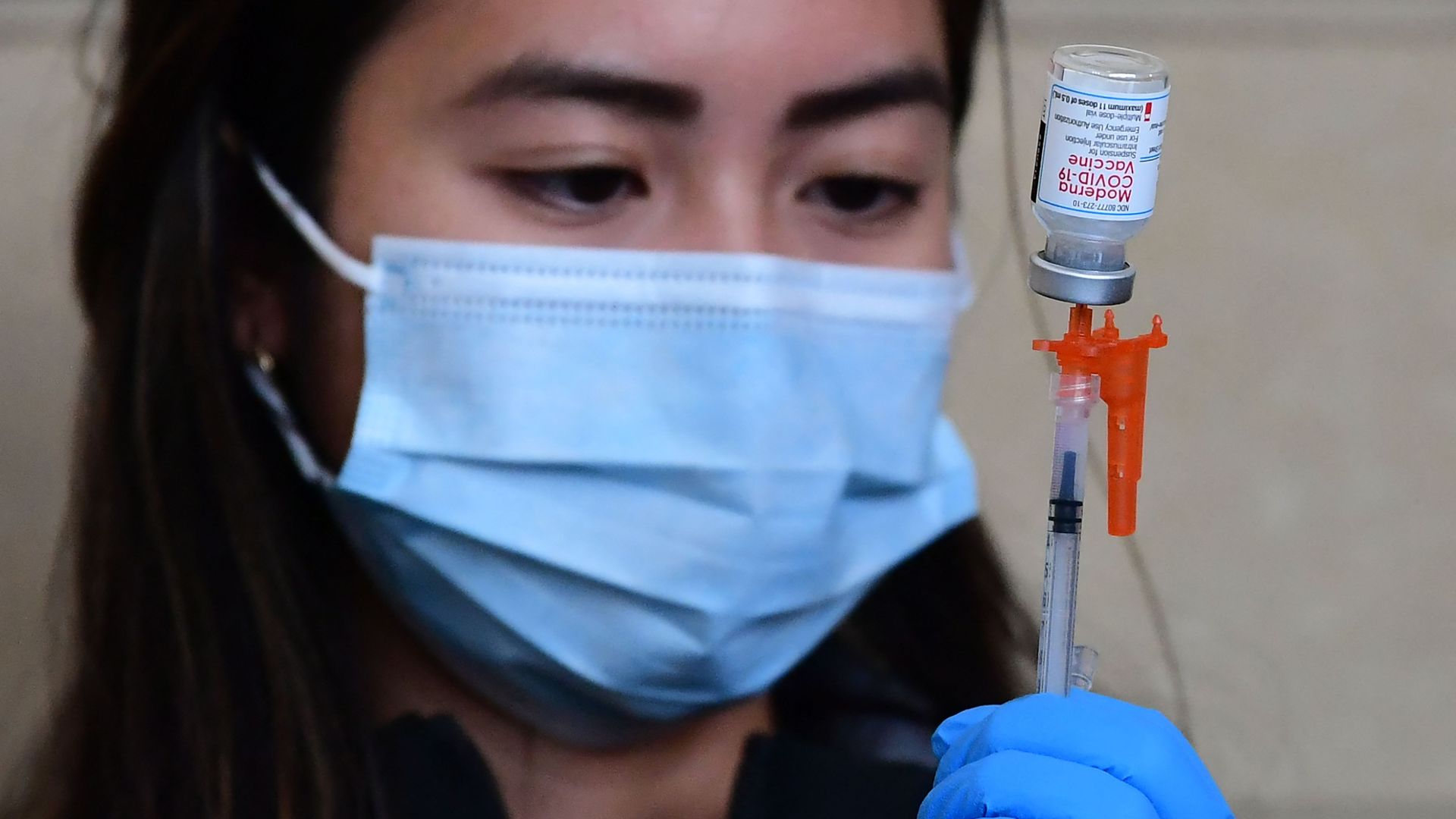
A health care worker preparing a dose of  Moderna's coronavirus vaccine.

The Food and Drug Administration fully approved Moderna’s mRNA COVID-19 vaccine on Monday, saying it meets its safety and manufacturing requirements.

Why it matters: Moderna’s vaccine, which will now be marketed as Spikevax, is the second coronavirus vaccine to receive full approval after the FDA approved Pfizer-BioNTech’s vaccine in August.

What they’re saying: “The public can be assured that Spikevax meets the FDA’s high standards for safety, effectiveness and manufacturing quality required of any vaccine approved for use in the United States,” acting FDA Commissioner Janet Woodcock said in a statement.

  • “The totality of real-world data and the full [Biologics License Application] for Spikevax in the United States reaffirms the importance of vaccination against this virus,” Moderna CEO Stéphane Bancel said.

The big picture: The rise of the Omicron variant forced vaccine makers to reevaluate the effectiveness of their vaccines, which were developed based on eaarlier forms of the virus.

  • Studies show that Moderna and Pfizer-BioNTech’s vaccines still overwhelmingly prevent severe disease and hospitalizations, especially when the first two doses are reinforced with a booster shot.

Biden moves to shore up testing and mask supply as Omicron wave appears to ease

https://mailchi.mp/d57e5f7ea9f1/the-weekly-gist-january-21-2022?e=d1e747d2d8

Covid omicron variant expected to hit New York in 'coming days,' NY health  commissioner says

 This week the Biden Administration unveiled actions to make at-home COVID tests and N95 masks available, free of charge, to hundreds of millions of Americans. However, even as US COVID hospitalizations have now surpassed last winter’s previous peak, two newly-approved COVID antiviral drugs remain scarce. Just as fast as Omicron has surged across the country, it may be starting to recede, with cases beginning to drop in several states in the Northeast. Modelers now project the incredibly contagious variant will infect 40 percent of Americans and more than half the human race by the end of March.

The Gist: Absent another significant variant, experts are cautiously optimistic that enough of the US population will soon have either infection-acquired or vaccine-induced immunity that we may be nearing the end of the pandemic, and the beginning of “endemic COVID.” 

The US must now shift from COVID “war footing” to learning how to live with the virus long term. That will mean tackling difficult and politically-charged decisions, such as what level of testing and masking are sustainable, and how many COVID deaths we are willing to tolerate.

New Jersey requires boosters for healthcare staff

New Jersey requires COVID-19 vaccine for health care workers, ending test  option - 6abc Philadelphia

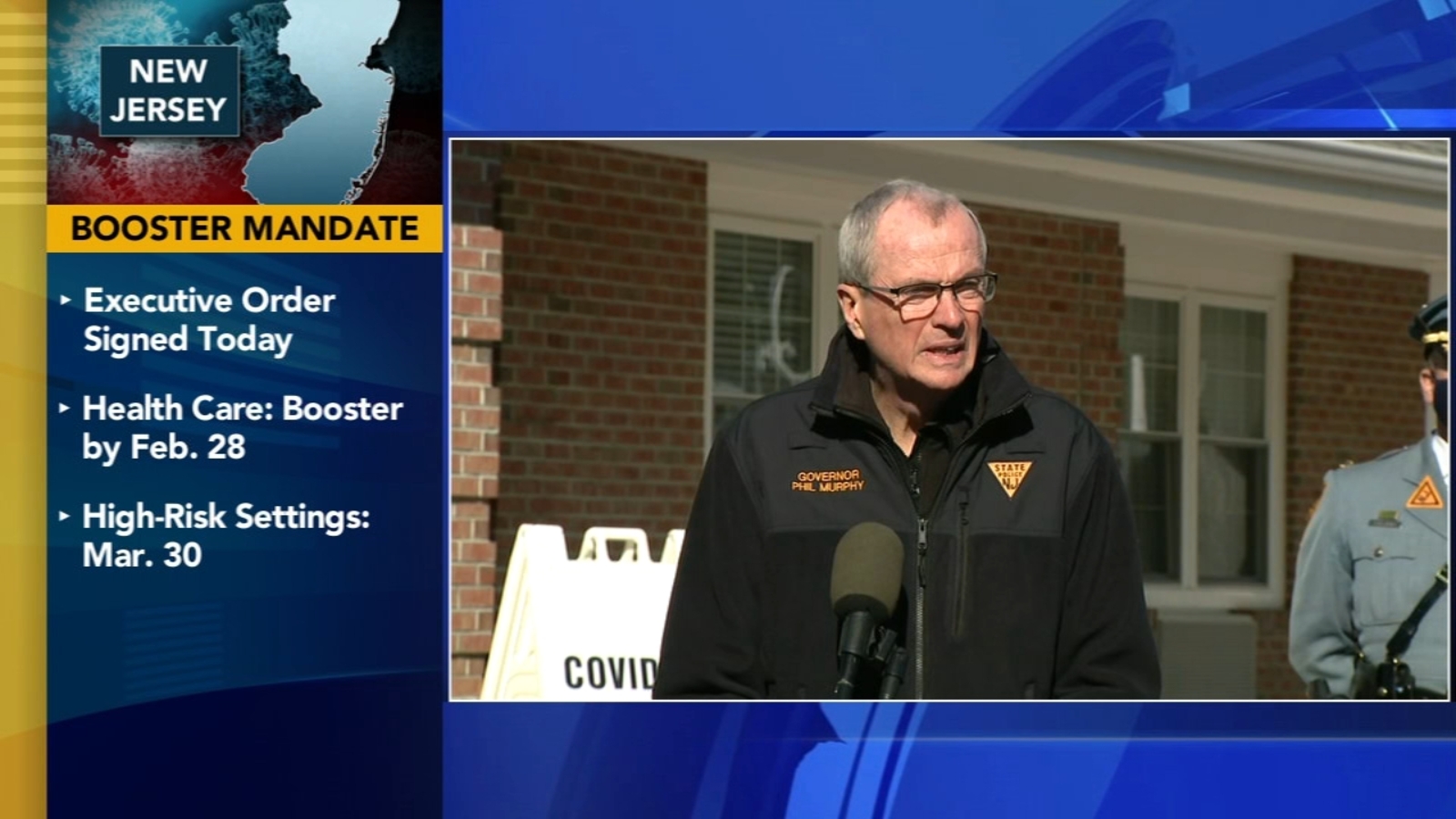
Workers in New Jersey healthcare facilities and high-risk congregate settings like hospitals and nursing homes will be required to be up to date with their COVID-19 vaccinations, including a booster, Gov. Phil Murphy announced Jan. 19.

Mr. Murphy said there would no longer be an option to opt out of vaccination through testing, except for the purposes of providing an accommodation for people exempt from vaccination.

New Jersey healthcare facilities’ covered workers subject to the CMS vaccination mandate for healthcare settings were already required to ensure covered employees received at least one vaccine by Jan. 27 and completed their primary vaccine series by Feb. 28. Mr. Murphy said the state is now requiring proof that these workers are up to date with their vaccination by Feb. 28, which also includes any booster shots for which they are eligible. Noncompliant workers risk losing their jobs.

Workers at covered healthcare settings not subject to the CMS mandate and covered high-risk congregate settings like prisons and jails have until Feb. 16 to receive their first dose of the primary vaccine series and must submit proof that they are up to date with their vaccination by March 30. Mr. Murphy said workers who become newly eligible for a booster after the two deadlines must submit proof of their booster shot within three weeks of becoming eligible. 

“With the highly transmissible omicron variant spreading across the country and New Jersey, it is essential that we do everything we can to protect our most vulnerable populations,” Mr. Murphy said in a news release. “With immunity waning approximately five months after a primary COVID-19 vaccination, receiving a booster dose is necessary to protect yourself and those around you. It is critically important that we slow the spread throughout our healthcare and congregate settings in order to protect our vulnerable populations and the staff that care for them.”

The rule in New Jersey, which was issued through an executive order, comes after New York and California also announced booster requirements for healthcare staff. 

Good morning. Omicron is in retreat. What’s next?

Fewer fevers
The latest Omicron developments continue to be encouraging. New Covid-19 cases are plummeting in a growing list of places. The percentage of cases causing severe illness is much lower than it was with the Delta variant. And vaccines — particularly after a booster shot — remain extremely effective in preventing hospitalization and death.
I also think it’s time to begin considering what life after the Omicron wave might look like.
1. Plunging cases
Since early last week, new cases in Connecticut, Maryland, New Jersey and New York have fallen by more than 30 percent. They’re down by more than 10 percent in Colorado, Florida, Georgia, Massachusetts and Pennsylvania. In California, cases may have peaked.
“Let’s be clear on this — we are winning,” Mayor Eric Adams of New York said yesterday. Kathy Hochul, the governor of New York State, said during a budget speech, “We hope to close the books on this winter surge soon.”
If anything, the official Covid numbers probably understate the actual declines, because test results are often a few days behind reality.
The following data comes from Kinsa, a San Francisco company that tracks 2.5 million internet-connected thermometers across the country. It uses that data to estimate the percentage of Americans who have a fever every day. The declines over the past week have been sharp, which is a sign of Omicron’s retreat:

Many hospitals are still coping with a crushing number of patients, because Covid hospitalization trends often trail case trends by about a week. But even the hospital data shows glimmers of good news: The number of people hospitalized with Covid has begun declining over the past few days in places where Omicron arrived first:

The U.S. seems to be following a similar Omicron pattern as South Africa, Britain and several other countries: A rapid, enormous surge for about a month, followed by a rapid decline — first in cases, then hospitalizations and finally deaths.
(Look up official numbers for your state and county.)
2. Low risks
Some of the clearest research on Covid’s risks comes from a team of British researchers led by Dr. Julia Hippisley-Cox of the University of Oxford. The team has created an online calculator that allows you to enter a person’s age, vaccination status, height and weight, as well as major Covid risk factors. (It’s based on an analysis of British patients, but its conclusions are relevant elsewhere.)
A typical 65-year-old American woman — to take one example — is five foot three inches tall and weighs 166 pounds. If she had been vaccinated and did not have a major Covid risk factor, like an organ transplant, her chance of dying after contracting Covid would be 1 in 872, according to the calculator. For a typical 65-year-old man, the risk would be 1 in 434.
Among 75-year-olds, the risk would be 1 in 264 for a typical woman and 1 in 133 for a typical man.
Those are meaningful risks. But they are not larger than many other risks older people face. In the 2019-20 flu season, about 1 out of every 138 Americans 65 and older who had flu symptoms died from them, according to the C.D.C.
And Omicron probably presents less risk than the British calculator suggests, because it uses data through the first half of 2021, when the dominant version of Covid was more severe than Omicron appears to be. One sign of Omicron’s relative mildness: Among vaccinated people in Utah (a state that publishes detailed data), the percentage of cases leading to hospitalization has been only about half as high in recent weeks as it was last summer.
For now, the available evidence suggests that Omicron is less threatening to a vaccinated person than a normal flu. Obviously, the Omicron wave has still been damaging, because the variant is so contagious that it has infected tens of millions of Americans in a matter of weeks. Small individual risks have added up to large societal damage.
3. Effective boosters
The final major piece of encouraging news involves booster shots: They are highly effective at preventing severe illness from Omicron. The protection is “remarkably high,” as Dr. Eric Topol of Scripps Research wrote.
Switzerland has begun reporting Covid deaths among three different groups of people: the unvaccinated; the vaccinated who have not received a booster shot; and the vaccinated who have been boosted (typically with a third shot). The first two shots still provide a lot of protection, but the booster makes a meaningful difference, as Edouard Mathieu and Max Roser of Our World in Data have noted:
The next stage
The Covid situation in the U.S. remains fairly grim, with overwhelmed hospitals and nearly 2,000 deaths a day. It’s likely to remain grim into early February. Caseloads are still high in many communities, and death trends typically lag case trends by three weeks.
But the full picture is less grim than the current moment.
Omicron appears to be in retreat, even if the official national data doesn’t yet reflect that reality. Omicron also appears to be mild in a vast majority of cases, especially for the vaccinated. This combination means that the U.S. may be only a few weeks away from the most encouraging Covid situation since early last summer, before the Delta variant emerged.
If that happens — and there is no guarantee it will, as Katherine Wu of The Atlantic explains — it will be time to ask how society can move back toward normalcy and reduce the harsh toll that pandemic isolation has inflicted, particularly on children and disproportionately on low-income children.
When should schools resume all activities? When should offices reopen? When should masks come off? When should asymptomatic people stop interrupting their lives because of a Covid exposure? Above all, when does Covid prevention do more harm — to physical and mental health — than good?
These are tricky questions, and they could often sound inappropriate during the Omicron surge. Now, though, the surge is receding.

Biden administration’s vaccine mandate for healthcare workers is a go

https://mailchi.mp/92a96980a92f/the-weekly-gist-january-14-2022?e=d1e747d2d8

Explainer: The legal challenges awaiting Biden's vaccine mandate | Reuters

Biden administration’s vaccine mandate for healthcare workers is a go, but its mandate for large employers and at-home testing plan face roadblocks. The US Supreme Court ruled Thursday that the vaccine mandate for the nation’s healthcare workers at facilities participating in Medicare and Medicaid can go forward while lower courts hear legal challenges. But it said that the Occupational Safety and Health Administration (OSHA) did not have the authority to enforce the broader vaccine-or-test mandate for businesses over 100 employees, which would have covered more than 80 million private sector workers.

Meanwhile, private insurers are required to begin covering eight at-home tests per beneficiary per month starting tomorrow. The roughly half of Americans with private insurance coverage stand to benefit, if they’re lucky enough to get their hands on rapid tests, which have been in increasingly scarce supply.

The Gist: Health systems that were early to issue vaccine mandates will have a leg up on others who paused requirements amid ongoing legal challenges. Lagging facilities now have a little over a month to start enforcement amid troublesome staffing shortages.

Also, the use of the private insurance system to cover at-home tests not only excludes nearly 40 million seniors on traditional Medicare, as well as the uninsured, but means that the cost of tests will ultimately be borne by consumers and employers through higher insurance premiums.

US hospitals seeing different kind of COVID surge this time

https://apnews.com/article/coronavirus-pandemic-business-health-pandemics-49810a71d2ca21c4b56adb1d1092b6dd?fbclid=IwAR1KvwTCWhAHZwDlmzgzMiNL5xhBfOySbZwgzXs3IAXtWlHai_VRfni5eaQ

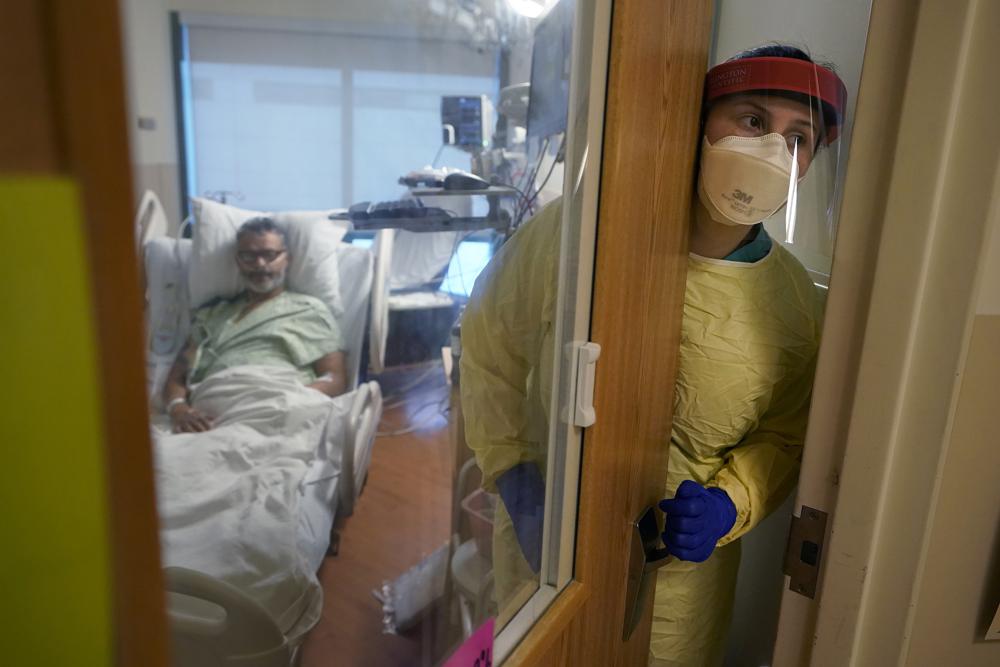
Registered nurse Rachel Chamberlin, of Cornish, N.H., right, steps out of an isolation room where where Fred Rutherford, of Claremont, N.H., left, recovers from COVID-19 at Dartmouth-Hitchcock Medical Center, in Lebanon, N.H., Monday, Jan. 3, 2022. Hospitals like this medical center, the largest in New Hampshire, are overflowing with severely ill, unvaccinated COVID-19 patients from northern New England. If he returns home, Rutherford said, he promises to get vaccinated and tell others to do so, too. (AP Photo/Steven Senne)

Hospitals across the U.S. are feeling the wrath of the omicron variant and getting thrown into disarray that is different from earlier COVID-19 surges.

This time, they are dealing with serious staff shortages because so many health care workers are getting sick with the fast-spreading variant. People are showing up at emergency rooms in large numbers in hopes of getting tested for COVID-19, putting more strain on the system. And a surprising share of patients — two-thirds in some places — are testing positive while in the hospital for other reasons.

At the same time, hospitals say the patients aren’t as sick as those who came in during the last surge. Intensive care units aren’t as full, and ventilators aren’t needed as much as they were before.

The pressures are nevertheless prompting hospitals to scale back non-emergency surgeries and close wards, while National Guard troops have been sent in in several states to help at medical centers and testing sites.

Nearly two years into the pandemic, frustration and exhaustion are running high among health care workers.

“This is getting very tiring, and I’m being very polite in saying that,” said Dr. Robert Glasgow of University of Utah Health, which has hundreds of workers out sick or in isolation.

About 85,000 Americans are in the hospital with COVID-19, just short of the delta-surge peak of about 94,000 in early September, according to the Centers for Disease Control and Prevention. The all-time high during the pandemic was about 125,000 in January of last year.

But the hospitalization numbers do not tell the whole story. Some cases in the official count involve COVID-19 infections that weren’t what put the patients in the hospital in the first place.

Dr. Fritz François, chief of hospital operations at NYU Langone Health in New York City, said about 65% of patients admitted to that system with COVID-19 recently were primarily hospitalized for something else and were incidentally found to have the virus.

At two large Seattle hospitals over the past two weeks, three-quarters of the 64 patients testing positive for the coronavirus were admitted with a primary diagnosis other than COVID-19.

Joanne Spetz, associate director of research at the Healthforce Center at the University of California, San Francisco, said the rising number of cases like that is both good and bad.

The lack of symptoms shows vaccines, boosters and natural immunity from prior infections are working, she said. The bad news is that the numbers mean the coronavirus is spreading rapidly, and some percentage of those people will wind up needing hospitalization.

This week, 36% of California hospitals reported critical staffing shortages. And 40% are expecting such shortages.

Some hospitals are reporting as much as one quarter of their staff out for virus-related reasons, said Kiyomi Burchill, the California Hospital Association’s vice president for policy and leader on pandemic matters.

In response, hospitals are turning to temporary staffing agencies or transferring patients out.

University of Utah Health plans to keep more than 50 beds open because it doesn’t have enough nurses. It is also rescheduling surgeries that aren’t urgent. In Florida, a hospital temporarily closed its maternity ward because of staff shortages.

In Alabama, where most of the population is unvaccinated, UAB Health in Birmingham put out an urgent request for people to go elsewhere for COVID-19 tests or minor symptoms and stay home for all but true emergencies. Treatment rooms were so crowded that some patients had to be evaluated in hallways and closets.

As of Monday, New York state had just over 10,000 people in the hospital with COVID-19, including 5,500 in New York City. That’s the most in either the city or state since the disastrous spring of 2020.

New York City hospital officials, though, reported that things haven’t become dire. Generally, the patients aren’t as sick as they were back then. Of the patients hospitalized in New York City, around 600 were in ICU beds.

“We’re not even halfway to what we were in April 2020,” said Dr. David Battinelli, the physician-in-chief for Northwell Health, New York state’s largest hospital system.

Similarly, in Washington state, the number of COVID-19-infected people on ventilators increased over the past two weeks, but the share of patients needing such equipment dropped.

In South Carolina, which is seeing unprecedented numbers of new cases and a sharp rise in hospitalizations, Gov. Henry McMaster took note of the seemingly less-serious variant and said: “There’s no need to panic. Be calm. Be happy.”

Amid the omicron-triggered surge in demand for COVID-19 testing across the U.S., New York City’s Fire Department is asking people not to call for ambulance just because they are having trouble finding a test.

In Ohio, Gov. Mike DeWine announced new or expanded testing sites in nine cities to steer test-seekers away from ERs. About 300 National Guard members are being sent to help out at those centers.

In Connecticut, many ER patients are in beds in hallways, and nurses are often working double shifts because of staffing shortages, said Sherri Dayton, a nurse at the Backus Plainfield Emergency Care Center. Many emergency rooms have hours-long waiting times, she said.

“We are drowning. We are exhausted,” Dayton said.

Doctors and nurses are complaining about burnout and a sense their neighbors are no longer treating the pandemic as a crisis, despite day after day of record COVID-19 cases.

“In the past, we didn’t have the vaccine, so it was us all hands together, all the support. But that support has kind of dwindled from the community, and people seem to be moving on without us,” said Rachel Chamberlin, a nurse at New Hampshire’s Dartmouth-Hitchcock Medical Center.

Edward Merrens, chief clinical officer at Dartmouth-Hitchcock Health, said more than 85% of the hospitalized COVID-19 patients were unvaccinated.

Several patients in the hospital’s COVID-19 ICU unit were on ventilators, a breathing tube down their throats. In one room, staff members made preparations for what they feared would be the final family visit for a dying patient.

One of the unvaccinated was Fred Rutherford, a 55-year-old from Claremont, New Hampshire. His son carried him out of the house when he became sick and took him to the hospital, where he needed a breathing tube for a while and feared he might die.

If he returns home, he said, he promises to get vaccinated and tell others to do so too.

“I probably thought I was immortal, that I was tough,” Rutherford said, speaking from his hospital bed behind a window, his voice weak and shaky.

But he added: “I will do anything I can to be the voice of people that don’t understand you’ve got to get vaccinated. You’ve got to get it done to protect each other.”