Employers seeking a “source of truth” for coronavirus guidance

https://mailchi.mp/f2774a4ad1ea/the-weekly-gist-may-22-2020?e=d1e747d2d8

What Is Truth? | Psychology Today

As states begin to reopen, employers need guidance to ensure safe, COVID-free operations, and are beginning to call local health systems for advice on how to manage this daunting task. Providing this support is uncharted territory for most systems, and they’re learning on the fly as they bring back shuttered outpatient services and surgery centers themselves. This week we convened leaders from across our Gist Healthcare membership to share ideas on how to assist employers in bringing businesses safely back online—and to discuss whether the pandemic might create broader opportunities for working with the employer community.

It’s no surprise some companies are hoping that providers can step in to test their full workforce, but as several systems shared, “Even if we thought that was the right plan, testing supplies and PPE are still too limited for us to deliver on it now.” Better to support businesses in creating comprehensive screening strategies (with some offering their own app-based solutions), coupled with a testing plan for symptomatic employees.

Health systems have been surprised by the hunger for information on COVID-19 among the business community. Hundreds of companies have registered for informational webinars, hosted by systems through their local chambers of commerce. They’re excited to receive distilled information on local COVID-19 impact and response. As one leader said, the system isn’t really creating new educational content, but rather summarizing and synthesizing CDC, state and local guidance.

Business leaders are looking for “a source of truth” from their local health system amid conflicting guidelines and media reports. Case in point: employers are asking about the need for antibody testing, having been approached by testing vendors and feeling pressure from employees. Guidance from system doctors provides a plain-spoken interpretation on testing utility (great for looking at a population, meaningless right now for an individual), and helps them make smarter decisions and educate their workforce.

Health systems are hopeful that helping employers through the coronavirus crisis will lay the foundation for longer-term partnerships with employers, allowing them to continue to provide benefits through lower cost, coordinated care and network options. 

Timing is critical, and it may be smaller businesses that have the ability to change more quickly. Large companies have mostly locked in their benefits for 2021, whereas many mid-market businesses are looking for alternative options now.

Worksite health, telemedicine, and direct primary care arrangements are all on the table. One system surveyed local brokers and employers and found that 20 percent of mid-market employers are open to narrow-network partnerships. “The number seems low,” they reported, “but it’s up from five percent last year, a huge jump.” For systems seeking direct partnerships with employers, there’s a window of opportunity right now to find those businesses committed to continuing to offer benefits, who are looking for a creative, local alternative—and to get that first Zoom meeting on the calendar.


Further confusion on the coronavirus testing front

https://mailchi.mp/f2774a4ad1ea/the-weekly-gist-may-22-2020?e=d1e747d2d8

Coronavirus test: confusion over availability and criteria is ...

With all 50 states now in the process of reopening, data reported by public health agencies on coronavirus testing is under increased scrutiny. The issue is not how many tests are being conducted—that number has dramatically increased nationwide (although experts still caution that total testing should be about three times higher than the current 300,000 per day).

Rather, as reported this week, the issue is what kind of tests are being included in public reporting. It emerged this week that several states—including GeorgiaTexasPennsylvaniaVermont, and Virginia—have been combining statistics on polymerase chain reaction (PCR) tests, used to diagnose current infection, with antibody blood tests, used to detect past infection.

More troublingly, The Atlantic reported on Wednesday that the Centers for Disease Control and Prevention (CDC) has been doing the same thing, which artificially inflates the number of tests conducted, and makes the numbers difficult to interpret. Among other experts, Dr. Ashish Jha, director of Harvard’s Global Public Health Institute, was stunned: “You’ve got to be kidding me. How could the CDC make that mistake? This is a mess.”

Accurate testing data is critical to determine the pace and scope of reopening, and to monitor for resurgences of the virus that might necessitate future restrictions. It’s important to know who’s infected now for clinical reasons, and it’s essential to understand who’s already been sick for public health purposes. Combining the two datasets is positively unhelpful, and likely only serves a political purpose.

Testing problems have proven to be this country’s original sin in the way the coronavirus pandemic has evolved, but it’s not too late to make sure that we have ample, accurate, and well-reported testing to guide critical public health decisions.

US coronavirus update: 1.62M cases, 95K+ confirmed deaths, 12.9M tests conducted (of some type).


Huge Study Throws Cold Water on Antimalarials for COVID-19

https://www.medpagetoday.com/infectiousdisease/covid19/86642?xid=nl_mpt_DHE_2020-05-23&eun=g885344d0r&utm_source=Sailthru&utm_medium=email&utm_campaign=Daily%20Headlines%20Top%20Cat%20HeC%20%202020-05-23&utm_term=NL_Daily_DHE_dual-gmail-definition

Huge Study Throws Cold Water on Antimalarials for COVID-19 ...

— No support for continued use seen in analysis of 15,000 patients who got controversial drugs

Chloroquine or hydroxychloroquine (HCQ), with or without an antibiotic, in hospitalized COVID-19 patients were associated with increased risk of death in the hospital and higher rates of arrhythmias, analysis of outcomes in nearly 100,000 patients indicated.

The 15,000 patients who received HCQ or chloroquine were about twice as likely to die compared to controls who did not receive these agents after adjusting for covariates (18.o% for hydroxychloroquine and 16% for chloroquine versus 9.3% for controls), reported Mandeep Mehra, MD, of Brigham and Women’s Hospital in Boston, and colleagues.

The drug was also associated with a higher risk of ventricular arrhythmia during hospitalization (6.1% for hydroxychloroquine, 4.3% for chloroquine versus 0.3% for controls), the authors wrote in The Lancet.

Moreover, risks for both in-hospital mortality and ventricular arrhythmia were even higher compared to controls when either drug was combined with a macrolide antibiotic, they noted.

Mehra said in a statement these drugs should not be used as treatments for COVID-19 outside of clinical trials.

“This is the first large scale study to find statistically robust evidence that treatment with chloroquine or hydroxychloroquine does not benefit patients with COVID-19,” he said. “Instead, our findings suggest it may be associated with an increased risk of serious heart problems and increased risk of death. Randomised clinical trials are essential to confirm any harms or benefits associated with these agents.”

Mehra’s group analyzed some 96,000 patients from 671 hospitals on six continents with COVID-19 infection, from Dec. 20 to April 14, all of whom had either died or been discharged from the hospital by April 21.

Overall, 14,888 patients were treated with hydroxychloroquine, chloroquine, hydroxychloroquine with a macrolide antibiotic or chloroquine with an antibiotic, and their results were compared to 81,144 controls who did not receive these drugs.

Authors adjusted for demographic factors, as well as cardiovascular disease, diabetes, lung disease, smoking, immunosuppressed conditions and baseline disease severity.

The estimated excess risk attributable to the drug regimen rather than other factors, such as comorbidities, ranged from 34% to 35%.

Arrhythmia’s greatest risk was in the group who received hydroxychloroquine and a macrolide antibiotic such as azithromycin (8% versus 0.3% of controls), and this regimen was associated with a more than five-fold risk of developing an arrhythmia while hospitalized, though cause and effect cannot be inferred, the group noted.

“Previous small-scale studies have failed to identify robust evidence of a benefit and larger, randomised controlled trials are not yet completed,” said co-author Frank Ruschitzka, MD, Director of the Heart Center at University Hospital Zurich in a statement. “However, we now know from our study that the chance that these medications improve outcomes in COVID-19 is quite low.”

An accompanying editorial by Christian Funck-Brentano, MD, PhD, and Joe-Elie Salem, MD, PhD, of Sorbonne Université in Paris, noted limitations of the observational data, but said the authors “should be commended for providing results from a well designed and controlled study … in a very large sample of hospitalized patients.”

They also cautioned against attributing the increased risk of hospital deaths to the higher incidence of arrhythmias, noting that “the relationship between death and ventricular tachycardia was not studied and causes of deaths (i.e., arrhythmic vs non-arrhythmic) were not adjudicated.”

The editorialists nevertheless concluded both hydroxychloroquine and chloroquine, with or without azithromycin, “are not useful and could be harmful in hospitalized patients with COVID-19,” and stressed the importance of clinical trials for these drugs.

“The global community awaits the results of ongoing, well powered randomized controlled trials showing the effects of chloroquine and hydroxychloroquine on COVID-19 clinical outcomes,” they wrote.


Congress headed toward unemployment showdown

Congress headed toward unemployment showdown

Alabama Starts Giving $600 Federal Stimulus Payments to the ...

A debate over whether to extend enhanced unemployment benefits is emerging as a significant obstacle to getting a deal on another round of coronavirus relief legislation.

With the national unemployment rate expected to creep toward 20 percent in the months ahead, the fight over whether to boost benefits for Americans who lose their jobs or to keep benefits lean to motivate laid-off employees to rejoin the workforce is set to become a defining issue ahead of the election.

Senate Majority Leader Mitch McConnell (R-Ky.) says that Senate Republicans don’t have any interest in extending the $600 federal increase to state unemployment benefits that was a core component of the $2.2 trillion CARES Act.

The enhanced benefits are due to expire at the end of July, making them a principal topic of the upcoming negotiations.

McConnell told House GOP lawmakers in a conference call Wednesday that the Senate will not extend the beefed-up federal unemployment benefits, which GOP senators say has become a disincentive for middle- and lower-wage workers to return to the job.

But not all Republicans are on board with McConnell.

Sen. Pat Roberts (R-Kan.) said “my inclination would say that that’s going to have to continue for a while.”

“I get it, I talk to a lot of business people in Kansas — and South Carolina — about that and the disincentive if you continue to pay it to work. So I say it’s a tough a choice. But I think under the circumstances it should be continued in some form,” he added.

The employment picture grew darker on Thursday after the Labor Department announced that another 2.4 million Americans filed unemployment claims last week, bringing the total for the past nine weeks to 38 million new claims.

Sen. Thom Tillis (R), who faces a tough reelection race in North Carolina, said he wants to wait and see how the unemployment numbers play out.

“I think a lot of it really depends on how well the business openings go. I for one think that anything we do has to be tailored to where we’re not in the situation where the benefit’s greater than the salary it was replacing,” he said.

Other Republicans, however, say there is strong support for shutting off the federal boost to unemployment insurance after July.

“They think it is a huge disincentive to get the economy back and growing again. They’re not happy it was done in the first place,” said Sen. Rob Portman (R-Ohio), who helped craft the unemployment benefits section of the CARES Act, referring to complaints he has heard from GOP colleagues about the beefed-up benefits.

Sen. Rand Paul (R-Ky.) on Thursday warned: “When the government wage exceeds the market wage you’ll get institutionalized unemployment.”

“It was a mistake to make it so high to begin with. It would be a mistake to extend it,” he added. “If you favor extending it, basically you’re favoring institutionalized unemployment.”

Other Republicans are raising concerns that adding $600 in federal assistance to weekly state unemployment compensation creates a benefit that exceeds the hourly wage for many jobs in their states.

“I think it needs to end,” said Sen. John Boozman (R-Ark.). “Hopefully the economy will start to be getting back on track and we’ll be able to get rid of it.”

Portman has proposed a bill that he hopes will give laid-off workers incentive to give up their enhanced benefits and look for new jobs before the July 31 expiration of the $600 federal add-on.

His legislation would let these workers continue collecting $450 of the $600 weekly benefit if they find work in the next nine weeks.

This sets up a major fight with Democrats, who see expanded unemployment benefits as the most effective way to help Americans hit hardest economically by the pandemic.

Speaker Nancy Pelosi (D-Calif.) and House Democrats have passed a $3 trillion coronavirus relief bill that would extend the $600 federal add-on to state unemployment benefits through July.

Sen. Sherrod Brown (D-Ohio) said Democrats “absolutely” will insist on extending the federal increase to state unemployment benefits.

“It’s been a longtime Republican plan to reduce the amount of UI to workers, to shrink the number of weeks and to make fewer people eligible. In Ohio, only a quarter of unemployed workers are eligible for Ohio unemployment,” he said.

He said Democrats will make extending the program a top priority.

“Democrats are the party of workers, clearly, and they aren’t,” he said of his GOP colleagues.

The debate is just beginning, but it will grow heated in the weeks ahead as both sides begin to negotiate in earnest the size and scope of the next relief bill.

Senate Democratic Whip Dick Durbin (Ill.) predicted: “Republicans will catch … hell back home when they try to explain cutting off unemployment.”

He also predicted fallout for not reforming the Small Business Administration’s Paycheck Protection Program or providing more aid to state and local governments.

Durbin warned that failing to extend enhanced unemployment benefits would be a “disastrous mistake.”

“The economists tell us it is probably the single best stimulus that we can put into this economy,” he said

Durbin said if McConnell blocks extending beefed-up unemployment benefits past July 31, there will be hardship across America and in the commonwealth of Kentucky that “he doesn’t even begin to contemplate at this moment.”

Sen. Bernie Sanders (I-Vt.), who was a competitive candidate in the Democratic presidential primary and whose support is seen as crucial to turning out voters in the fall, also weighed in Thursday.

“Republicans are going nuts about the $600 per week expanded unemployment benefits that workers now receive. Imagine that! Americans not forced to live on starvation wages. What a frightening precedent. What will they want next? Health care as a human right?” Sanders tweeted Thursday afternoon.

Some Democratic moderates, however, have signaled in private talks that they’re open to negotiating with Republicans to scaling down the $600 in additional weekly assistance after July.

A Republican source familiar with the preliminary talks said that moderate Sens. Christopher Coons (D-Del.), Bob Menendez (D-N.J.) and Joe Manchin (D-W.Va.) have expressed interest in finding a compromise.

Sen. Michael Bennet (D-Colo.) has also signaled a willingness in reviewing the impact of the generous federal payment on people rejoining the workforce.


Congress Should Redirect The Medicare Shared Savings Program To Address The COVID-19 Emergency

https://www.healthaffairs.org/do/10.1377/hblog20200518.386084/full/?utm_source=Newsletter&utm_medium=email&utm_content=COVID-19%3A+Redirecting+The+Medicare+Shared+Savings+Program%2C+The+Hidden+Homeless%2C+Senior+Housing+Communities+Need+Support%3B+Reimagining+Involuntary+Commitment%3B+Book+Reviews&utm_campaign=HAT+5-22-20

Congress Should Redirect The Medicare Shared Savings Program To ...

The COVID-19 virus has unleashed a rolling series of crises among fee-for-service providers. First, and most directly affected, providers in areas with major outbreaks have suffered extreme personal hardship and risked infection themselves with inadequate equipment and protective gear when treating patients. Second, everywhere in the country, physician practices and hospitals have seen revenue drops from 20 percent to 60 percent due to the need to follow social distancing practices to minimize infection. This revenue collapse has perversely resulted in staffing reductions that are likely to accelerate unless Congress provides further assistance to the industry. Third, and only partially observed so far, there is a pending “second wave” of health crises discernible in the “missing heart attacks” and reports from nephrologists and oncologists of patients making difficult decisions about whether to continue necessary care. In some cases, emergency care has shifted out of the hospital, and some triage is conducted on the street to avoid risk of COVID-19 infection.

The COVID-19 public health emergency has generated a massive set of emergency changes in Medicare payment policy, loosening regulation of acute hospital care, dramatically expanding use cases for telehealth and other types of virtual care, and, through the Coronavirus Aid, Relief, and Economic Security (CARES) Act and subsequent relief legislation, releasing a $175 billion pool of money that attempts to prop up Medicare providers dependent on in-person, fee-for-service revenue. Now, with that first batch of changes handled, a debate has started among proponents of value-based purchasing as to the appropriate direction for the Medicare Shared Savings Program (MSSP) and other value-based initiatives during the emergency.

In this context, a number of stakeholders have begun to call on the Centers for Medicare and Medicaid Services (CMS) to modify existing MSSP parameters to maintain the program through the emergency. CMS has responded by eliminating downside risk for accountable care organizations (ACOs) for the duration of the public health emergency and taking COVID-19 costs out of ACO financial calculations. These are welcome changes but don’t completely address the serious problems ACO participants face. We urge a different focus—the federal government should charge these existing networks with addressing the “second wave” of health care needs going largely unaddressed, as patients with serious, non-COVID-19-related chronic conditions see procedures and visits postponed indefinitely. Commensurately, Congress should suspend all financial impacts from the MSSP for the duration of the public health emergency—and consider excluding any data from 2020 for performance years 2021 and beyond. We describe key elements of these changes in this post.

A Growing Call For MSSP Modifications

The Medicare Payment Advisory Commission (MedPAC) issued a comment letter urging CMS to allow ACO providers to focus on COVID-19, rather than shared savings. MedPAC, acknowledging the dramatic shifts in care delivery necessitated by the COVID-19 crisis, made several recommendations about treatment of savings and losses in the MSSP for 2020. MedPAC asked CMS not to use 2020 data for purposes of ACO quality, bonuses, and penalties. MedPAC would also have CMS disregard 2020 claims when assigning beneficiaries to ACOs, since a shift to telehealth, with physicians and patients potentially located far apart, could distort the ACO assignment with unintended effects. Finally, MedPAC recommended extending all ACO agreement periods, keeping everyone in the current risk arrangement for one year, a recommendation CMS adopted.

William Bleser and colleagues recently suggested immediate and short-term actions that could help preserve ACOs through this crisis. Their blog post identifies the decision point, coming on June 30, 2020, for ACOs to stay in the program and be accountable for losses in 2020. The impact of the emergency on ACOs will still be unclear at that time, and the authors recommend that CMS allow ACOs to completely opt out of downside risk for 2020 while accepting a capped amount of potential shared savings. Eliminating the downside and offering a limited upside might just convince ACOs not to leave the program entirely. CMS has taken these concerns seriously and removed all COVID-19–related costs from ACO financial calculations and eliminated shared losses during the public health emergency.  

Another recent blog post by Travis Broome and Farzad Mostashari makes the case that the population health focus and financial incentives for ACOs position them uniquely, not just to survive, but to lead the way for primary care during the COVID-19 crisis. ACO participation may protect these practices because of the program’s unique financial metrics. Unlike Medicare managed care, MSSP ACOs are measured against a benchmark that trends forward at actual regional and national spending growth rates. During an unusual spending year, as 2020 is sure to be, those factors are included in the trend, and the ACO is not heavily penalized for the spending pattern. Broome and Mostashari recommend that CMS focus on shielding primary care practices from certain quality reporting and information collection requirements to pave the way for high-quality care and solid financial performance.

A More Focused Re-Envisioning Of The MSSP

Foundational to the MSSP is an agreement between groups of providers and the federal government to align their financial relationship with patient and taxpayer goals: to improve the quality of care for their patients and reduce the growth of health care spending. Both of those elements must take a back seat during a massive public health emergency.

Reducing overall health care costs is not an appropriate consideration for providers today. Even though national and regional growth factors will track actual changes in expenditures and may allow for identification of more efficient providers, this objective is second order to directly responding to the threat of the emergency. Given the overwhelming need to respond to the COVID-19 crisis in their communities, the ability of any health system or ACO to influence costs this year is likely to be dwarfed by factors outside its control. This type of highly infectious, novel pandemic is a risk that can only be properly assumed by the federal government. Neither physician practices, nor hospitals, nor any other ACO participants can realistically budget and prepare for such an event on their own. Congress and CMS should adopt MedPAC’s suggestion to suspend charging penalties or paying bonuses for all of 2020, no matter how long the public health emergency is in effect.

Similarly, while the prevention and care management metrics embedded in the MSSP remain appropriate indicators directionally, difficulties in seeing patients for well visits and new standards for documentation during telehealth visits will make any precise differentiation of quality in primary care practices near impossible. MedPAC is correct that using 2020 data for performance evaluation would undercut the legitimacy of the program, and the commissioners are right to support the call to suspend the use of such data in establishing bonuses, penalties, and benchmarks in 2020 and beyond.

However, many practices have made significant investments in population health technology, staff, and training that remain as valuable as ever during this emergency. And the public has an interest in maintaining those staff and those skills, as the basis for a better health system in the future. All told, like much of the rest of the economy, putting the MSSP and other ACO arrangements “on ice” to allow providers to focus on near-term priorities would best serve the public interest. That includes delaying or freezing requirements to step up to higher-risk tracks in the Pathways to Success program, as well as delaying or canceling quality submission requirements. These delays, however, should be paired with public funding to reflect the work that ACOs have already undertaken, as well as work that they can do to help manage through the crisis, discussed further below.

Taking steps to preserve ACOs through 2020 is a good start, but we believe Congress and CMS should think bigger and empower ACOs to focus directly on the current crisis for the next two years.

Adapting ACOs To Serve The Current Emergency

ACOs are a valuable asset for the Medicare program, reflecting nearly 10 years of work across hundreds of thousands of providers serving tens of millions of beneficiaries. Disbanding them by indifference would be a mistake. The current collapse in fee-for-service volume is a problem of fee-for-service medicine primarily, and ACOs represent an infrastructure for a further step away from volume-focused medicine once the danger from this emergency passes.

Suspending financial considerations and consequences for the duration of the emergency is insufficient. Without the responsibility for managing risk and sharing in any savings, the ACO contract with CMS loses its organizing force, and the program becomes “a solution in search of a problem.”

We see two opportunities for ACOs to redirect their energies productively this year and next. First, ACOs should be directed to follow best practices in testing and public health data collection, in collaboration with local and state officials. Managing the spread of the virus in their communities is already a daily task for these providers; additional surveillance and data collection could be adopted and updated continuously as recommendations evolve. By providing resources to ACOs to support this work directly, CMS would help ensure providers can keep up.

Second, and perhaps more important in most of the country to date, ACOs should be charged with meeting explicit virtual care management requirements to identify, contact, and serve patients in their panel with multiple high-risk chronic diseases. These patients are underserved today, and efforts to address their needs are piecemeal. In place of the current financial incentives, we propose that CMS require ACOs to perform a variety of care management and COVID-19 surveillance functions in exchange for a care management fee. Congress could enable and CMS could specify that ACOs place 10 percent to 15 percent of their patients under virtual care management programs, for example, and require that ACOs maintain regular contact with these patients as well as others at higher risk. The 10 percent to 10 percent figure is a fairly low bar, considering that more than 60 percent of Medicare patients have multiple chronic conditions, according to CMS. Additionally, COVID-19 patients could be offered principal care management, a new service for Medicare beneficiaries with one serious health condition, for a month or more after their diagnosis. New flexibilities for remote patient monitoring and virtual care make this far easier to implement than it had been before the pandemic.

CMS could quickly adapt existing financial models to support this work, drawing from analysis and design of the Primary Care FirstComprehensive Primary Care Plus, and other care management programs. ACOs are by design collaborative and can rapidly learn and share best practices for establishing virtual care management services. Behavioral health services and outreach, as well as other valuable preventive care, could also be directly funded through this structure. As an alternative to the fee for care management and surveillance, Congress could allow ACOs to receive their 2019 shared savings amounts again for 2020, for ACOs continuously operating in each year.

Looking Ahead

The steps we have outlined here will accomplish several worthwhile ends in this crisis:

  • directly funding primary care capacity at a time when volumes are nosediving;
  • keeping the nearly 500,000 physician and other clinicians already in ACOs working together, maintaining the infrastructure that has already been built; and
  • providing upfront resources to manage patients whose conditions could deteriorate in the coming months, potentially catching them before they do.

These modifications should be executed first by Congress, not CMS, to ensure that such changes to the program do not become commonplace. This would invigorate the ACO programs by focusing them on the unique set of problems of this crisis, unencumbered by requirements better suited to peacetime than wartime. And when the war is over, these organizations can resume their longer-term mission to manage total costs and quality with all of the new tools and capabilities they have acquired during the crisis.


Cartoon – I survived the Coronavirus

Politicalcartoons.com - Editorial Cartoon 237636

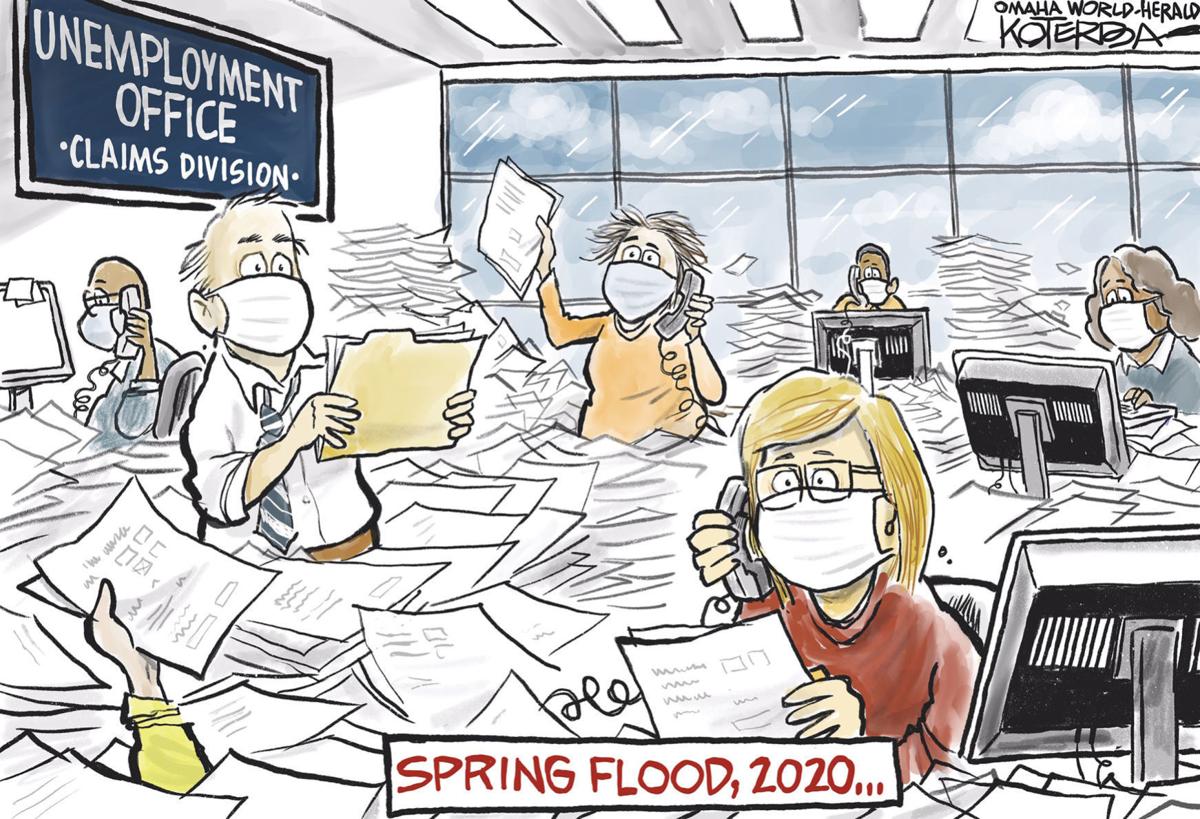
Cartoon – 2020 Spring Flood

Syndicated cartoons gallery: Unemployment cartoons from around the ...

Cartoon – Working Paycheck to Paycheck

The Benefits And Compensation Comics And Cartoons | The Cartoonist ...


Cartoon – Post Graduate Unemployment

Unemployment cartoon 2 - NexGenT Blog

Fighting for Coverage

https://www.managedhealthcareexecutive.com/news/fighting-coverage?rememberme=1&elq_mid=12155&elq_cid=876742&GUID=A13E56ED-9529-4BD1-98E9-318F5373C18F

Fighting for Coverage | Managed Healthcare Executive

One of the main goals of the ACA, sometimes referred to as Obamacare, was to provide affordable health insurance to every American.

The law’s passage in 2010 made it possible for nearly 54 million Americans—previously denied coverage due to pre-existing medical conditions—to purchase coverage, as well as landmark provisions to protect those who developed an expensive medical condition while insured from being unexpectedly dropped by their health plan.

By all accounts, such provisions helped a record number of Americans procure medical insurance coverage—and, by extension, reduce healthcare costs and avoid medical bankruptcies.

Yet, with the elimination of the individual mandate penalty in 2017, and other policy changes that have forced up the cost of premiums, many Americans are looking for options off the healthcare exchange.

One such option is the short-term limited duration insurance (STLDI) plan, loosely defined as bare bones medical coverage that can last up to 12 months with the potential for renewal. Managed Healthcare Executive® Editorial Advisor Margaret Murray, chief executive officer of the Association for Community Affiliated Plans (ACAP), said such plans “are not really insurance,”—and refers to them as “junk insurance.” With a new 2018 HHS rule that dramatically expands access to this type of coverage, she worries that their availability will hurt consumers.

“Insurance brokers may offer these plans to consumers and those consumers may not realize that they largely reverse ACA protections regarding pre-existing conditions and coverage limits,” she says. “These plans don’t cover what you think they will cover, the insurance companies can cancel your policy at any time, and they can deny your access to maternity care and certain drugs. It’s not really major medical insurance and it’s not always easy for your average consumer to see that.”

Changing regulations

The Trump Administration contends, with rising insurance premiums, that such short-term plans make health insurance more affordable for the average American.

Cathryn Donaldson, a spokesperson for America’s Health Insurance Plans, a health insurance trade association, says such plans “can provide a temporary bridge for those who are going through a life transition or gap in coverage such as having a baby or changing jobs.”

Yet, Karen Pollitz, a senior fellow at the Kaiser Family Foundation, says STLDI plans embody the old adage about getting what you pay for. STLDI are not required to comply with many of the ACA’s most important protections, which means insurance companies can exclude coverage for pre-existing conditions, charge higher premiums based on health status, impose annual and/or lifetime caps, and opt out of coverage for things like maternity care or mental health treatment. They can also revoke coverage at will.

“Under the ACA, it used to be that short term and minimum essential coverage [MEC] policies had to have a prominent warning printed on the front place that said, if you buy this, you are not getting full coverage and may even owe a tax penalty,” she explains. “Those warnings are no longer there and that’s of concern.”

Furthermore, late last year, HHS put forth a final rule extending the duration of STLDI from a mere three months up to 364 days. In addition, insurers can offer renewals and extensions for up to three years. What is even more concerning, Murray says, is the current Administration is now actively promoting the use of private web broker sites to market STLDI. This can make it more difficult for consumers to understand which plans offer comprehensive medical coverage and which are the riskier STLDI plans.

“The current administration says such plans offer consumers more affordable options—and more choice,” Murray explains. “But the marketing for these plans is really disingenuous. It’s not just that they are just short-term. They don’t cover what people think they will cover. They are very profitable for insurance companies. But they can be very costly for consumers, who likely won’t realize they don’t have comprehensive coverage until they are sick or injured.”

The fall-out

Over the past few months, several high-profile publications like Consumer Reports and the Washington Post have printed stories about the dangers, and unexpected costs, of STLDI for consumers.

“It’s like you are in the market for a car and someone offers you a really affordable roller-skate,” says Pollitz. “But a roller-skate is not the same thing as a car. It’s not going to get you as far if you really need to travel. And it’s going to cost you more in the long run.”

Murray also cautions more widespread adoption of such plans can affect the entire insurance market, siphoning cost-conscious consumers from risk pools and driving up premium costs for everyone.

“There are always some young invincibles, who think they won’t get sick—and there are some invincibles, too—and they will be attracted by the lower premiums,” she says. “But in doing so, that will leave people who are sicker to pay higher rates by moving people out of the ACA marketplace.”

That’s one reason why ACAP, as well as six other health organizations, filed a lawsuit in the U.S. District Court for the District of Columbia on September 14, 2018 in order to roll back the new STLDI rule and stop the expansion of such plans. Murray said the HHS rule violates the ACA, “undercutting plans that comply” with the still active legislation. They argue the Trump Administration is using these new rules to try to overturn the ACA—which they have not yet been able to successfully repeal in Congress.

“We thought this was important enough that it was worth suing the federal government in order to try and stop it,” she says. “We had hoped to get a summary judgment last year because we wanted to stop the spread of STLDI plans for the 2020 open enrollment. Unfortunately, we didn’t get that. The judge ruled against us. But we are appealing it—and the hope is that we will have a decision to stop these things being sold in 2021.

The take-home message

Donaldson says it is vital the healthcare community educate consumers about the risks of STLDI plans and make sure they are better aware of what sort of comprehensive plans are available on the Healthcare.gov marketplace.

“While alternative plans such as association health plans and STLDI may present more affordable premiums, they are not a replacement for comprehensive coverage and may not cover the treatments or prescriptions an individual may need throughout the year,” she says.

Pollitz agrees.

“We understand that life happens and there may be all manner of reasons why you are separated from coverage,” she says. “But it is becoming harder and harder to distinguish these plans from real coverage especially now that they are now being aggressively marketed to people all over the country. And it’s vital that people understand that 90% of consumers will play less than the listed price on Healthcare.gov marketplace because they qualify for subsidies. It really does pay to take the time to look before you sign up for one of these short-term plans.”