CVSHealth Eyes Breakup: A Reckoning for Corporate Health Care’s Vertical Empire

In a surprising turn of events, sources say that CVS Health is exploring the possibility of breaking up its business empire — a move that could unravel years of aggressive vertical integration, including its $70 billion acquisition of health insurer Aetna back in 2017.

While details are still slim, such a move signals just how dire the situation has become for CVSHealth as it navigates mounting financial and regulatory pressures on multiple fronts.

It’s yet another chapter in a story that has seen CVSHealth evolve from a retail pharmacy chain into a health care behemoth — but perhaps one that grew too big, too fast. And to be honest, I’m not surprised. I’ve seen this movie before. In fact, I saw it many times – although each time with different stars – during my 20 years in the health insurance business. One of the most memorable featured Aetna, which in the late 1990s and early 2000s had to retrench, at Wall Street’s insistence, after a buying spree of smaller health insurers that brought the company a ton of unprofitable accounts and disappointing bottom lines. Aetna followed its buying spree with a purging spree, dumping as many as eight million health plan enrollees in short order to get back into Wall Street’s good graces.

It seems that CVSHealth also bought too much too fast. The results? Rising expenses, frustrated patients, and now potential cracks in the corporate structure itself.

CVS: A Cautionary Tale of Vertical Integration

Large corporations like CVS and its peers have used their size to dominate various aspects of health care—whether it’s insurance, retail pharmacy, physician practices and clinics, and controlling the drug supply chain. But as these mega-corporations continue to grow, they also become harder to manage, and their inefficiencies start to become evident. 

CVS’s acquisition of Aetna was hailed at the time as a strategic masterstroke — a way to streamline health care by bringing together the different parts of the system under one corporate umbrella. It was supposed to deliver “efficiencies” that would benefit both the company and patients. 

But it’s not just the purchase of Aetna. From pharmacy benefit manager Caremark to Aetna to health care providers Signify Health and Oak Street Health — CVS’s business model has become increasingly complex, making it difficult to navigate regulatory scrutiny, rising costs and fierce competition in the retail pharmacy space.

The latest reports suggest that CVS’s board is trying to figure out where Caremark would land in the event of a breakup. Would it stay with the retail side or with the insurance arm?

This isn’t just an internal debate; it’s emblematic of the broader issue—CVS has built a vertically integrated structure that was supposed to work together to improve care, but investors are now questioning how and even if these pieces should fit together. 

It’s Been a Hard Few Years for CVS

Federal Trade Commission’s Legal Action Against CVS’s Caremark and Other PBMs

Instead, those supposed efficiencies have largely translated into higher costs for consumers and increased scrutiny from regulators, especially with CVS’s Caremark at the center of anti-competitive practices allegations by the Federal Trade Commission (FTC). PBMs like Caremark control the drug pricing landscape in ways that lack transparency and disproportionately affect patients and independent pharmacies.

Now, as CVS grapples with rising medical costs within its Aetna business — just like its biggest competitors, UnitedHealth and Humana —the company’s management appears to be in damage control mode. While nothing is certain, discussions about splitting the business have reached the boardroom level, according to sources familiar with the matter. This comes as activist investors, like Glenview Capital, push for structural changes to improve CVS’s declining financial performance.

CVS’s Aetna Medicare Advantage Loss in New York City

New York City Mayor Eric Adams had a plan to force city municipal retirees out of traditional Medicare and into a corporate Aetna Medicare Advantage plan. The NYC Organization of Public Service Retirees vehemently opposed the move and spent months fighting it.

In August, a Manhattan Supreme Court judge permanently halted the mayor and Aetna’s attempts.

Wall Street Woes

For CVS Health, 2024 started off bad. CVS missed Wall Street financial analyst’s earnings-per-share expectations for the first quarter of 2024 by several cents. Shareholders’ furor sent CVS’ stock price tumbling from $67.71 to a 15-year low of $54 at one point. 

An astonishing 65.7 million shares of CVS stock were traded that day. The company’s sin: paying too many claims for seniors and people with disabilities enrolled in its Medicare Advantage plans

Also in August, CVS Health cut its 2024 forecast for a third time, citing troubles covering seniors via the company’s private Medicare Advantage business. Operating income for CVS Health’s insurance arm, Aetna, dropped a whopping 39% in Q3, which forced the company to shake up its leadership – moving CEO Karen Lynch into the role of managing insurance and publicly firing one of her lieutenants, Executive Vice President Brian Kane.

What’s Next?

The notion that CVS could split its operations would effectively unwind one of the most high-profile health care mergers in recent memory. A split up of the company would mark the end of an era in which health care conglomerates could grow unchecked. CVS’s struggle isn’t happening in isolation—other companies, like Walgreens and Rite Aid, are facing similar financial difficulties and structural questions.

CVS’s potential breakup could signal a broader industry trend toward unwinding massive, vertically integrated health care corporations. 

Whether CVS breaks up or not, it’s clear that the model of health care mega-mergers, designed to consolidate power and increase corporate profits, is facing serious headwinds. Cigna recently announced that it is getting out of the Medicare Advantage business and Humana is getting out of the commercial insurance market. UnitedHealth, meanwhile, so far seems to be weathering those headwinds, but it, too, will be facing even more scrutiny by lawmakers and regulators in the months and years ahead.
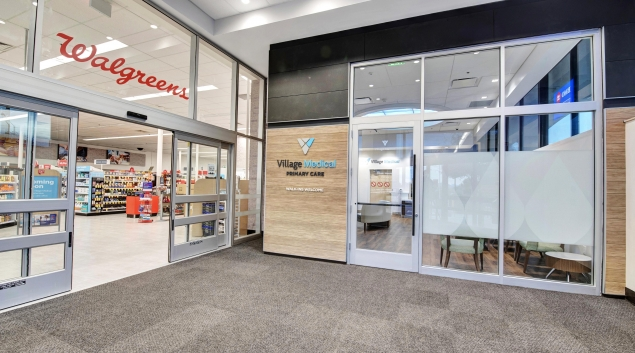
Walgreens considering selling all of its VillageMD business

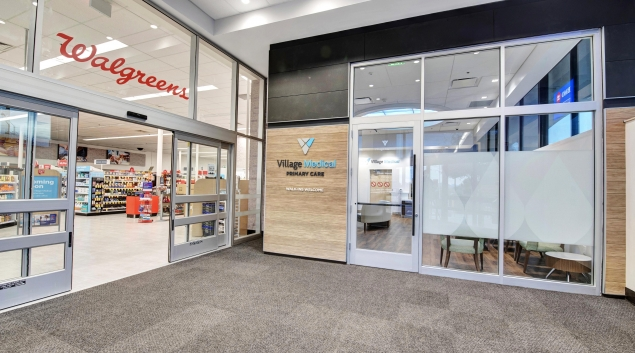
Walgreens Boots Alliance is considering selling all of its VillageMD primary care clinics, according to a filing with the Securities and Exchange Commission.

The company is evaluating options in light of ongoing investments into VillageMD and its substantial ongoing and expected future cash requirements,  Walgreens said in the August 7 filing.  

“These options could include a sale of all or part of the VillageMD businesses, possible restructuring options and other strategic opportunities,” Walgreens said.

WHY THIS MATTERS

Walgreens has been facing financial pressure due to a changing retail environment and increased regulatory and reimbursement challenges on the pharmacy end, according to its Q3 earnings report from June.

VillageMD, as well as some other pharmacy clinics, have faced the challenge of making the clinics a scalable solution.

On August 5, Walgreens Boots Alliance stock hit a 52-week low of $10.62, according to Seeking Alpha. Year to date, shares are down  about 59%.

In the recent SEC filing, Walgreens acknowledged the existence of defaults under the VillageMD Secured Loan. On January 3, 2023, Walgreens had provided VillageMD senior secured credit facilities in the aggregate amount of $2.25 billion. This consisted of a senior secured term loan in an aggregate principal amount of $1.75 billion and a senior secured credit facility in an aggregate original committed amount of $500 million.

Walgreens is actively engaged in discussions with VillageMD’s stakeholders and other third parties with respect to the future of its investment in VillageMD, it said.

On August 8, Walgreens announced the pricing of an underwritten public offering of senior unsecured notes consisting of $750M aggregate principal amount of 8.125% notes due 2029. The sale of the notes is expected to close on August 12.

WBA said it intends to use the net proceeds from the offering, together with cash on hand, for the repayment and/or retirement of its outstanding 3.800% notes due 2024, and to use any remaining amounts for general corporate purposes.

On August 1, WBA announced it had sold all of its remaining unencumbered shares of Cencora, a drug wholesale company, for $818 million, and, subject to the completion of the sale, a concurrent share repurchase by Cencora in the amount of $250 million.

Proceeds will be used primarily for debt paydown and general corporate purposes, as the company continues to build out a more capital-efficient health services strategy rooted in its retail pharmacy footprint, Walgreens said.

THE LARGER TREND

During the Q3 earnings call on June 27, CEO Tim Wentworth said the company intended to reduce its stake in VillageMD. This was part of a strategy announced earlier in the year to close unprofitable VillageMD clinics in order to cut $1 billion in costs.

Walgreens also announced at that time plans to shutter up to 25% of its retail stores that were unprofitable.

S&P Global Ratings downgrades Walgreens, citing struggles in both pharmacy and retail

The drugstore retailer faces debt maturities, while the upending of some strategies introduces new uncertainties, analysts said.

S&P Global Ratings analysts have downgraded Walgreens Boot Alliance by two notches, to ‘BB’ from ‘BBB-’, which puts the drugstore company into speculative-grade territory.

Analysts Diya Iyer and Hanna Zhang cited guidance for the year “notably below” their expectations, and said “material strategic changes, limited cash flow generation, and large maturities in coming years are key risks to the business.”

The company is struggling in its retail business as well as its pharmacy operations, they said in a Friday client note. In the U.S., margins are taking a hit on the pharmacy side from reimbursement pressure and on the retail side from declining sales volume and higher shrink. They expect Walgreens’ S&P Global Ratings-adjusted EBITDA margin to decline more than 100 basis points this fiscal year, dipping below 5%, from 6% last year, though the company’s cost cuts will counter that somewhat.

Walgreens’ debt and its need to refinance much of it represent another “key risk,” they said. This November, Walgreens faces $1.4 billion in maturities, mostly U.S. bonds. Another $2.8 billion comes due in fiscal 2026 and $1.8 billion in fiscal 2027. The analysts called Walgreens’ move to consolidate cash “prudent” in case refinancing isn’t possible.

“We will be monitoring how Walgreens’ new management addresses this large debt load closely amid its persistently weak performance and higher interest rates,” Iyer and Zhang said.

Beyond those financial realities, though, are strategic weaknesses. Ex-Cigna executive Tim Wentworth took over as CEO last fall and this year has overseen a strategic review that has entailed more layoffs and store closures.

Walgreens has also upended some of its plans to expand its medical care operations, divesting of or shrinking many of its original investments and plans. Last month, for example, the company announced it would reduce its stake in value-based medical chain VillageMD, saying it will no longer be the company’s majority owner, after closing dozens of the clinics last year. The company first poured $1 billion into VillageMD in 2020 and more than doubled its stake for another $5.2 billion the following year, but the banner’s waning value helped drive a $6 billion loss in Q2.

Despite such moves, Iyer and Zhang said they continue to see the VillageMD banner as “a significant drag on profitability due to the rising cost of labor, pressures from reimbursement, and lower volumes.”

Walgreens’ acquisition streak led the S&P analysts to believe that it would divest of its Boots U.K. business, which could have helped pay down $8 billion to $10 billion in debt. But the company called off the idea about two years ago.

“We believe these frequent and large changes to the company’s strategic plans diminish management’s credibility to execute on a sustainable and cohesive operating model for Walgreens in both the near and long term,” Iyer and Zhang said.

Gains that Walgreens has managed to eke from its medical operations haven’t managed to offset declines on the retail said, they also said, adding that they are closely watching what it does next with its massive footprint. The company last year announced that it would close 150 stores in the U.S. and 300 in the U.K. and just last month said it was reviewing 25% of its current footprint, with plans to shutter a “significant portion” of its roughly 8,700 stores.

“Our ratings continue to reflect Walgreens’ large scale and its efforts to address its credit metric profile. With almost $140 billion in sales in fiscal 2023 and a diverse array of global businesses, Walgreens remains prominent in the drugstore space,” they said. “However, we think its scale is providing less protection to profitability at least partly due to inconsistent strategic direction.”

FTC: Big Insurance’s PBMs “Profit at the Expense of Patients by Inflating Drug Costs and Squeezing Main Street Pharmacies”

Regular readers of HEALTH CARE un-covered know that I write frequently about the huge amounts of money the health insurance industry’s pharmacy benefit managers (PBMs) extract from the prescription drug supply chain. I also submitted a comment letter to the Federal Trade Commission two and a half years ago urging it to launch an investigation into PBM business practices that have contributed to the closure of hundreds of independent pharmacies across the country and to millions of Americans walking away from the pharmacy counter without their medications. 

On a bipartisan basis, the FTC did launch an inquiry into the PBM business, and today the Commission issued a damning interim report that confirmed what industry critics, including me, have been saying:

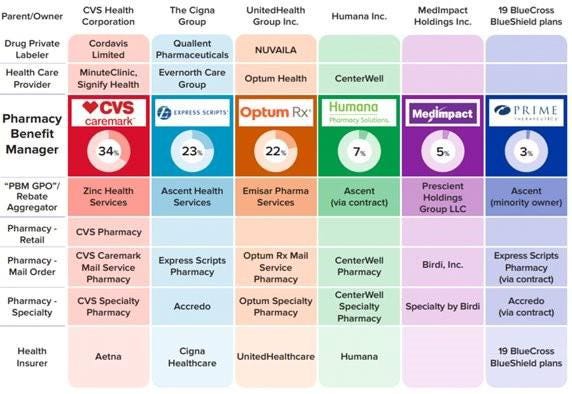
Just six companies now control 95% of the pharmacy benefit market, and these Big Insurance-owned middlemen “profit at the expense of patients by inflating drug costs and squeezing Main Street pharmacies.” Below you’ll find the commission’s statement on its preliminary findings.

Last year, we also published a profile of one of the industry’s most vocal critics in Congress, Rep. Earl L. “Buddy” Carter (R-Ga.), a pharmacist by trade who has seen PBM’s profiteering firsthand. In a press release this morning, Carter said:

Since day one in Congress, I’ve been calling on the FTC to investigate PBMs, which use deceptive and anti-competitive practices to line their own pockets while reducing patients’ access to affordable, quality health care. I’m proud that the FTC launched a bipartisan investigation into these shadowy middlemen, and its preliminary findings prove yet again that it’s time to bust up the PBM monopoly. We are losing more than one pharmacy per day in this country, causing pharmacy deserts and taking the most accessible health care professionals in America out of people’s communities. I am calling on the FTC to promptly complete its investigation and begin enforcement actions if – and when – it uncovers illegal and anti-competitive PBM practices.

Carter and several other members of Congress have introduced bipartisan bills to rein in PBMs. The House has passed PBM reform legislation but the Senate has not yet done so, but there is growing support in both chambers to enact one or more bills by the end of the year. The FTC’s interim report should make that more likely to happen.

Read the FTC’s full press release below:

FTC Releases Interim Staff Report on Prescription Drug Middlemen

Report details how prescription drug middleman profit at the expense of patients by inflating drug costs and squeezing Main Street pharmacies

The Federal Trade Commission today published an interim report on the prescription drug middleman industry that underscores the impact pharmacy benefit managers (PBMs) have on the accessibility and affordability of prescription drugs.

The interim staff report, which is part of an ongoing inquiry launched in 2022 by the FTC, details how increasing vertical integration and concentration has enabled the six largest PBMs to manage nearly 95 percent of all prescriptions filled in the United States.

This vertically integrated and concentrated market structure has allowed PBMs to profit at the expense of patients and independent pharmacists, the report details. 

“The FTC’s interim report lays out how dominant pharmacy benefit managers can hike the cost of drugs—including overcharging patients for cancer drugs,” said FTC Chair Lina M. Khan. “The report also details how PBMs can squeeze independent pharmacies that many Americans—especially those in rural communities—depend on for essential care. The FTC will continue to use all our tools and authorities to scrutinize dominant players across healthcare markets and ensure that Americans can access affordable healthcare.”

The report finds that PBMs wield enormous power over patients’ ability to access and afford their prescription drugs, allowing PBMs to significantly influence what drugs are available and at what price. This can have dire consequences, with nearly 30 percent of Americans surveyed reporting rationing or even skipping doses of their prescribed medicines due to high costs, the report states.

The interim report also finds that PBMs hold substantial influence over independent pharmacies by imposing unfair, arbitrary, and harmful contractual terms that can impact independent pharmacies’ ability to stay in business and serve their communities. 

The Commission’s interim report stems from special orders the FTC issued in 2022, under Section 6(b) of the FTC Act, to the six largest PBMs—Caremark Rx, LLC; Express Scripts, Inc.; OptumRx, Inc.; Humana Pharmacy Solutions, Inc.; Prime Therapeutics LLC; and MedImpact Healthcare Systems, Inc. In 2023, the FTC issued additional orders to Zinc Health Services, LLC, Ascent Health Services, LLC, and Emisar Pharma Services LLC, which are each rebate aggregating entities, also known as “group purchasing organizations,” that negotiate drug rebates on behalf of PBMs.

PBMs are part of complex vertically integrated​ health care conglomerates, and the PBM industry is highly concentrated. As shown in the below image, this concentration and integration gives them significant power over the pharmaceutical supply chain. The percentages reflect the amount of prescriptions filled in the United States.

The interim report highlights several key insights gathered from documents and data obtained from the FTC’s orders, as well as from publicly available information:

  • Concentration and vertical integration: The market for pharmacy benefit management services has become highly concentrated, and the largest PBMs are now also vertically integrated with the nation’s largest health insurers and specialty and retail pharmacies.
    • The top three PBMs processed nearly 80 percent of the approximately 6.6 billion prescriptions dispensed by U.S. pharmacies in 2023, while the top six PBMs processed more than 90 percent.
    • Pharmacies affiliated with the three largest PBMs now account for nearly 70 percent of all specialty drug revenue.
  • Significant power and influence: As a result of this high degree of consolidation and vertical integration, the leading PBMs now exercise significant power over Americans’ ability to access and afford their prescription drugs.
    • The largest PBMs often exercise significant control over what drugs are available and at what price, and which pharmacies patients can use to access their prescribed medications.
    • PBMs oversee these critical decisions about access to and affordability of life-saving medications, without transparency or accountability to the public.
  • Self-preferencing: Vertically integrated PBMs appear to have the ability and incentive to prefer their own affiliated businesses, creating conflicts of interest that can disadvantage unaffiliated pharmacies and increase prescription drug costs.
    • PBMs may be steering patients to their affiliated pharmacies and away from smaller, independent pharmacies.
    • These practices have allowed pharmacies affiliated with the three largest PBMs to retain high levels of dispensing revenue in excess of their estimated drug acquisition costs, including nearly $1.6 billion in excess revenue on just two cancer drugs in under three years.
  • Unfair contract terms: Evidence suggests that increased concentration gives the leading PBMs leverage to enter contractual relationships that disadvantage smaller, unaffiliated pharmacies.
    • The rates in PBM contracts with independent pharmacies often do not clearly reflect the ultimate total payment amounts, making it difficult or impossible for pharmacists to ascertain how much they will be compensated.
  • Efforts to limit access to low-cost competitors: PBMs and brand drug manufacturers negotiate prescription drug rebates some of which are expressly conditioned on limiting access to potentially lower-cost generic and biosimilar competitors.
    • Evidence suggests that PBMs and brand pharmaceutical manufacturers sometimes enter agreements to exclude lower-cost competitor drugs from the PBM’s formulary in exchange for increased rebates from manufacturers.

The report notes that several of the PBMs that were issued orders have not been forthcoming and timely in their responses, and they still have not completed their required submissions, which has hindered the Commission’s ability to perform its statutory mission. FTC staff have demanded that the companies finalize their productions required by the 6(b) orders promptly. If, however, any of the companies fail to fully comply with the 6(b) orders or engage in further delay tactics, the FTC can take them to district court to compel compliance.

The FTC remains committed to providing timely updates as the Commission receives and reviews additional information.

The Commission voted 4-1 to allow staff to issue the interim report, with Commissioner Melissa Holyoak voting no. Chair Lina M. Khan issued a statement joined by Commissioners Rebecca Kelly Slaughter and Alvaro Bedoya. Commissioners Andrew N. Ferguson and Melissa Holyoak each issued separate statements.  The Federal Trade Commission develops policy initiatives on issues that affect competition, consumers, and the U.S. economy. The FTC will never demand money, make threats, tell you to transfer money, or promise you a prize. Follow the FTC on social media, read consumer alerts and the business blog, and sign up to get the latest FTC news and alerts.

Why Walgreens’ US Health President Is ‘Bullish’ on the Role of Retail in Healthcare

During a fireside chat at AHIP 2024, Mary Langowski, executive vice president and president of U.S. healthcare at Walgreens Boots Alliance, said she sees a bright future for retail in healthcare.

Retailers are facing several headwinds in healthcare in 2024. Walmart and Dollar General both recently ended healthcare endeavors, and CVS Health is reportedly looking for a private equity partner for Oak Street Health (which it acquired in 2023). VillageMD, which is backed by Walgreens, is shuttering numerous clinics.

Still, Mary Langowski, executive vice president and president of U.S. healthcare at Walgreens Boots Alliance, sees a strong future for retailers in healthcare.

“I happen to be very bullish on the role of retail in healthcare and frankly, having a very central role in healthcare,” she said. “And part of that is because over 80% of people want health and wellness offerings in a pharmacy and in a retail setting. Consumers want the ease, they want the convenience of it. And those are important things to keep in mind, that demand is there.”

Langowski, who joined Walgreens in March, made these comments during a Tuesday fireside chat at the AHIP 2024 conference held in Las Vegas. She added that what the industry is seeing is not an “evolution” of whether retailers will exist in healthcare, but a shift around what the “right model is going to be.” 

“We really think that if you take our core assets, … we can be a really good partner to not just one provider entity but many, many provider entities and payers across the United States,” Langowski said. “We’re everywhere. We’re in the community, we’re digitally inclined. I think a strategy for us is less capital-intensive, capital-light and very scaled models.”

She also told the health plans in the audience that she wants to collaborate more. She said she sees retail as a “really critical entry point” in the healthcare system.

“We have people using their pharmacists two times more than any doctor and Medicare patients see us eight times more than their physician,” Langowski declared. “We’re not doing enough together to take advantage of those moments where we can engage people and we can create interventions way earlier in their healthcare disease state.”

Langowski noted that insurers are under a lot of pressure, including rising costs, regulatory issues and challenges contracting with providers. However, Walgreens’ assets are “highly complementary” to insurers’ assets, she said. 

“We aren’t going to do what you do. You don’t do what we do, but we work really well together,” she said. “And what it will take is being clever about the commercial and economic model and I believe there are multiple ways to create win-win scenarios where everybody does well. Most importantly, patients get healthier and they have a much better and much more seamless experience with the system.”

Retail clinic failures show collaboration may work better than competition

CVS has fared better because of its ability to scale and coordinate its other business model resources, Aetna and Signify, analyst says.

The disruption promised by the retailization of healthcare hasn’t materialized as planned.

Walmart and Walgreens recently announced the closing of retail clinics.

The news is a significant setback for retail health players, some of whom are now realizing that delivering retail-driven primary care may not be economically viable and certainly isn’t causing the disruption in local healthcare markets that many predicted,” said Emarketer senior analyst for digital health Rajiv Leventhal.

Reimbursement for primary care is a major challenge, as are labor shortages and higher costs. Retailers that are not able to scale their clinics through synergies with other parts of their business models, as CVS has done, will find costs rising above their ability to make money.  

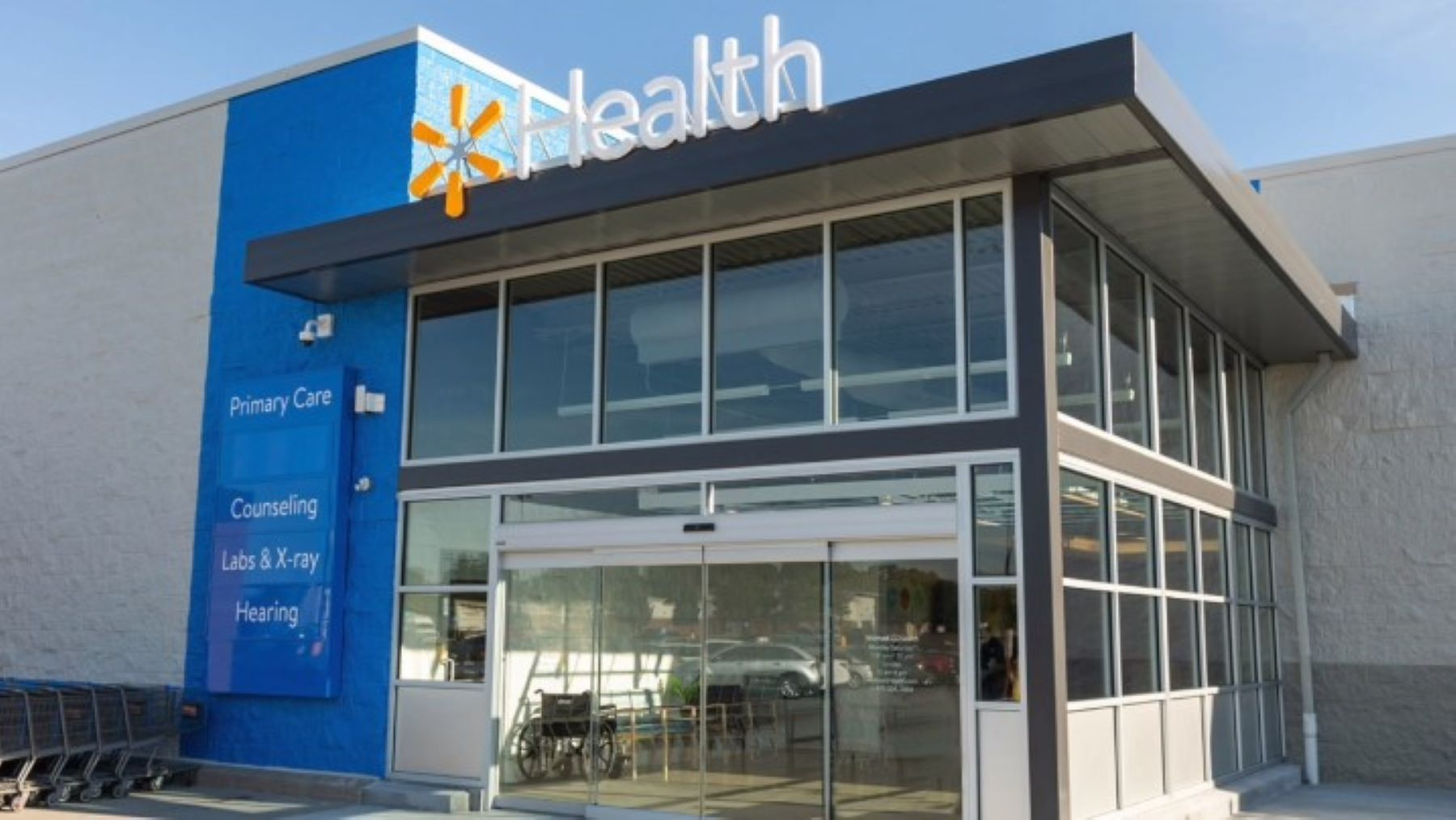
Walmart is closing all 51 of its health centers across five states, saying the business model was unsustainable.

“Healthcare is very difficult and very challenging,” said Innocent Clement, cofounder and CEO of Ciba Health and a physician by training. “Walmart (was) very disappointing news. I expected a lot. It’s embedded in all of our communities.”

Retail clinics help make healthcare affordable and the convenience of pharmacies creates access for vulnerable populations, Clement said.  

Retail based clinics and urgent care clinics play a role in controlling healthcare costs by diverting approximately 30% of cases from much higher-cost emergency rooms. 

“Walmart Health’s decision to shut down its health centers and telehealth services is a sudden pivot from its recent plans to expand but not surprising given retailers’ overall struggles in the care delivery space,” Leventhal said.

“It’s not Walmart’s first failed attempt at operating medical clinics, but it will likely be its last crack at it considering how badly it went – going from signing off on a plan in 2018 to build 4,000 primary care clinics to shutting down in 2024 after opening just 51. The latest effort was littered with red flags throughout, from struggling with basic billing and payment functions to leadership changes and other operational obstacles.”

Walgreens suffered a $6 billion loss in its second quarter due to its struggles to make VillageMD profitable. It announced it was closing 60 VillageMD clinics and that number is expected to rise.

Walgreens invested $1 billion in VillageMD and then dumped in $5.2 billion more, Leventhal said. The plan was to keep expanding and co-locating VillageMD clinics with a Walgreens pharmacy. As of last year, Walgreens had 680 clinics with an estimated 200 co-located with a drugstore. Now 140 are already closed with 20 more to close, many of those are co-located with a Walgreens drugstore.

“They’re still leaning into VillageMD investments where they’re succeeding,” Leventhal said. However, “the investment just has not paid off at all. That led to a significant jaw dropping loss.”

Walgreens’ $1 billion cost-cutting strategy should put it in a better position going forward, Leventhal said.

“What many people don’t realize is that urgent care clinics are experiencing a level of extreme financial pressure that endangers their availability, range of services, and continued existence,” said longtime healthcare executive Web Golinkin, a former CEO of RediClinic and FastMed Urgent Care. He recently published a book about his experiences in “Here Be Dragons: One Man’s Quest to Make Healthcare More Accessible and Affordable.”

Reimbursements from third-party payers on services at clinics have been relatively flat over the past recent memory, Golinkin said. This includes both commercial and government payers, Medicare and Medicaid. At the same time, operating costs have increased dramatically.

“It’s difficult for providers to have leverage in a retail health setting. It’s harder than it looks,” Golinkin said. “The reason we were disruptive, we were open seven days a week for extended hours and co-located with a pharmacy.”

But supply and labor costs increased during the pandemic and have not reset, he said. There’s already a shortage of primary care physicians.

RediClinic began inside retail clinics such as Walmart and Walgreens before being sold to Rite Aid in 2014, Golinkin said. FastMed was sold off piecemeal to HCA Healthcare, HonorHealth in Arizona and others.

The bigger picture is the lack of access in this country to primary care, Golinkin said. CMS needs to shift dollars to primary care, he said, a statement backed by the American Medical Association, which has been banging the drum for greater physician reimbursement.

Healthcare has narrow margins to begin with, Golinkin said, but may be able to offset losses in one area with profits from another.

Retail clinics may be able to offset losses through pharmacy sales, with the clinics acting somewhat as a loss leader to getting customers in the store, Leventhal said.

But what’s really needed is the ability to scale and a business model that brings consumers from retail pharmacy sales and the clinic to drug purchases and other care needs, as CVS has done.

The struggles for Walmart and Walgreens are a cautionary tale for other retailers, Leventhal said. 

“It’s difficult to operate a primary care startup,” he said.

There are nearly 14,000 urgent care clinics in the United States, Golinkin said, adding that most are under sole ownership and all are under the same financial pressure that caused Walmart to shut down.

“This is not just about Walmart. It’s an access issue,” Golinkin said. “What happened to Walmart is symptomatic.”

The answer may lie in partnerships between providers and retailers.

There are many examples of partnerships between retail medical providers and health systems. Prominent health systems such as Advocate Health Care, Providence, Kaiser Permanente and Cleveland Clinic either provide care in retail pharmacies or are clinically affiliated with one, according to Golinkin. 

Walgreens has a partnership with Advocate Health Care.

It makes a lot of sense from a continuity of care perspective, Golinkin said. If someone goes into a clinic in a retail space and sees a clinician associated with a hospital or physician practice, and that doctor or PA or nurse says the consumer needs further care, that person goes to the provider.

Most clinics and urgent care centers are tied now to an EHR for a clinically integrated network.

“This approach will boost referrals for health systems while saving them the costs of maintaining their own outpatient practices,” he said. “That’s the model we’re really going to see going forward, more collaboration.”

WHY THIS MATTERS

CVS Health has created the scale to make its clinics successful, according to Leventhal.

Amazon is also lurking as a potential competitor through its expansion with primary care startup One Medical. Amazon bought One Medical for $3.9 billion last year.

CVS took a hit to its bottom line as well, but that was mostly due to high MA utilization through its insurer, Aetna.

CVS is in a much better position strategically, because it has an insurer, a pharmacy benefit manager and also Signify Health, said Leventhal. 

CVS’s Aetna business makes it the most imposing retail health disruptor, he said. This combination of a payer and provider has substantial power in local markets and can influence patient decisions on where to get care.

The company’s acquisition of Oak Street Health and Signify Health gives it a full circle strategy. CVS is leaning into opening more Oak Street clinics within CVS drugstores, Leventhal said. 

CVS has the ability to synergize Aetna with Oak Street Health and Signify operations, as outlined in its 2023 Investor Day Presentation, according to Leventhal. 

For example, over 650,000 Medicare beneficiaries (not all of them Aetna members) visit CVS stores in Oak Street geographies each week, CVS data said. 

There are over 300,000 Signify Home visits annually in Oak Street geographies. Approximately one in six CVS customers end up scheduling a visit at an Oak Street clinic. CVS promotes this by setting up tables within their drugstores that have material on Oak Street.

Ten percent of Aetna seniors educated by Signify about Oak Street as a primary care option scheduled a Welcome Visit, the presentation said.

CVS was in a competitive battle to acquire Signify Health last year for $8 billion. Signify does risk assessments that are billed to the insurer, which connects them with services, specifically with Oak Street Health.

Even CVS would acknowledge delivering primary care through a retail entity is challenging due to low margins, Leventhal said. 

In theory, clinics appeared to be the perfect one-stop shop model. In reality, they faced a bunch of challenges, especially during and after COVID-19, Golinkin said.

THE LARGER TREND

Pharmacies, particularly independents, are also dealing with the cost pressures of reimbursement. 

Pharmacies are paid by pharmacy benefit managers a reimbursement fee for dispensing drugs, and over the course of the last 10 years those fees have materially declined, squeezing pharmacy margins, according to Seeking Alpha.

This squeeze is in part why Walgreens Boots Alliance’s cash flows have declined so precipitously and why rivals such as Rite Aid have been forced into bankruptcy, the report said.

The newest model for pharmacies is the cost-plus drug model. CVS, Walmart and Walgreens all have offerings and Walgreens is soon expected to roll out its own cost-plus drug model to create a more sustainable model for pharmacies to be reimbursed.

Walgreens CEO Tim Wentworth, who came aboard in October 2023, recently said that the company is ready to adopt a cost plus drug model, which is similar to the one used by Mark Cuban’s online pharmacy, Cost Plus Drugs. 

Cost Plus Drugs, which launched in 2022, works directly with drug manufacturers to avoid PBM middlemen. It lowers prices on medications by basing costs on the manufacturing fee, plus a 15% markup, a $3 pharmacy handling fee and a $5 shipping fee. Cost Plus also transparently displays what it pays for its medicines. 

Walmart announces closing of clinics and virtual care

https://www.healthcarefinancenews.com/news/walmart-announces-closing-clinics-and-virtual-care?mkt_tok=NDIwLVlOQS0yOTIAAAGSzraKE5ynKelzJqN_u6PkS2uiDa7kDhU8buZUg2FuUp8WbSLrwsIS6LTs5r1vnMTtXeXfGhlUj3HuY2B-390Y8ldBKzh1mYa3OKZNPISlq1s

Walmart is closing Walmart Health and Walmart Health Virtual Care, saying the business model was not profitable nor sustainable. 

The Walmart Health centers opened in 2019.

“Through our experience managing Walmart Health centers and Walmart Health Virtual Care, we determined there is not a sustainable business model for us to continue,” the company said by statement. “The decision to close all 51 health centers across five states and shut down the virtual care offering was not easy.”

WHY THIS MATTERS

Walmart said the challenging reimbursement environment and escalating operating costs created a lack of profitability.

It does not yet have a specific date for when each center will close, but would share that information “as soon as decisions are made.”

Its priority, Walmart said, was “ensuring the people and communities who are impacted are treated with the utmost respect, compassion and support throughout the transition. Today and in the coming days, we are focused on continuity of care for patients and providing impacted associates with respect and assistance as we begin the closing process of the healthcare centers.”

The clinics will continue to serve patients while they are open.

“Through their respective employers, these providers will be paid for 90 days, after which eligible providers will receive transition payments,” Walmart said.

All associates are eligible to transfer to any other Walmart or Sam’s Club location. They will be paid for 90 days, unless they transfer to another location during that time or leave the company, Walmart said. After 90 days, if they do not transfer or leave, eligible associates will receive severance benefits.

“We understand this change affects lives – the patients who receive care, the associates and providers who deliver care and the communities who supported us along the way,” Walmart said. 

THE LARGER TREND

Moving forward, Walmart said it would take what it has learned to provide health and wellness services across the country through its nearly 4,600 pharmacies and more than 3,000 vision centers. Both have been in operation for 40 years.

“Over the past few years, the importance of pharmacies has continued to grow, and we have expanded the clinical capabilities of the services we provide,” Walmart said. “We continue to offer immunizations and have grown to provide testing and treatment services, access to specialty pharmacy medication and care, as well as other essential services such as medication therapy management and a variety of health screenings. With more than 4,000 of our stores in medical provider shortage areas, our pharmacies are often the front door of healthcare.”

Walmart said it plans to launch more services such as the Walmart Healthcare Research Institute and health programs to join its fresh food and over-the-counter offerings.

Among the country’s largest grocers, Walmart plans this year to introduce a line of premium food called Bettergoods to compete against Trader Joe’s and Whole Foods, according to The Wall Street Journal.

However, share prices last week fell for Walmart and Kroger after Amazon unveiled a low-cost grocery delivery program, according to Seeking Alpha. Amazon is expanding its fresh-food business through a delivery subscription benefit in the United States for its Prime members and customers using an EBT (electronic benefits transfer) card. It outlined the $9.99 monthly plan last Tuesday, according to the report. Share prices for Walmart were down 1.55% as of this morning.

Cigna’s Express Scripts adopts cost-plus pricing model

https://mailchi.mp/169732fa4667/the-weekly-gist-november-17-2023?e=d1e747d2d8

This week, Express Scripts, the nation’s second-largest pharmacy benefit manager (PBM), which is owned by health insurer Cigna, announced a new pricing model.

It is giving employers and health plans the option to pay pharmacies up to 15 percent over acquisition costs, plus a dispensing fee, for covered drugs. This payment structure was popularized by the Mark Cuban Cost Plus Drugs Company, founded by the billionaire businessman in reaction to the opaque pricing and complicated discounts and rebates common among PBMs.

While Cigna is not promising that this new pricing model will result in lower prices, it says it will improve transparency and should benefit retail pharmacies, who will split the markup with Express Scripts.

Cigna projects that only some employers will lower their healthcare spending through the cost-plus model, and that patient cost-sharing should be similar under both approaches. 

The Gist: Between disruptive competitors like Cuban’s venture and increasing scrutiny from Congress, PBMs are facing new pressures to improve transparency and account for their role in rising drug costs. 

This move by Cigna is an attempt to address at least one of those concerns, possibly intended to preempt regulatory and legislative action. 

After years of complaints surrounding their business practices, it appears that the Congressional tide may be turning toward PBM industry reform. However, patients—who by and large are unaware of what PBMs are or do—won’t be satisfied till they see their out-of-pocket prescription drug costs go down. 

Next up on this front: seeing which provisions targeting PBMs, many which have bipartisan support, make it into the Senate’s broad healthcare legislation planned for the end of this year, and in what form that bill ultimately passes. 

Walmart partners with a health system and insurer in Florida

https://mailchi.mp/f12ce6f07b28/the-weekly-gist-november-10-2023?e=d1e747d2d8

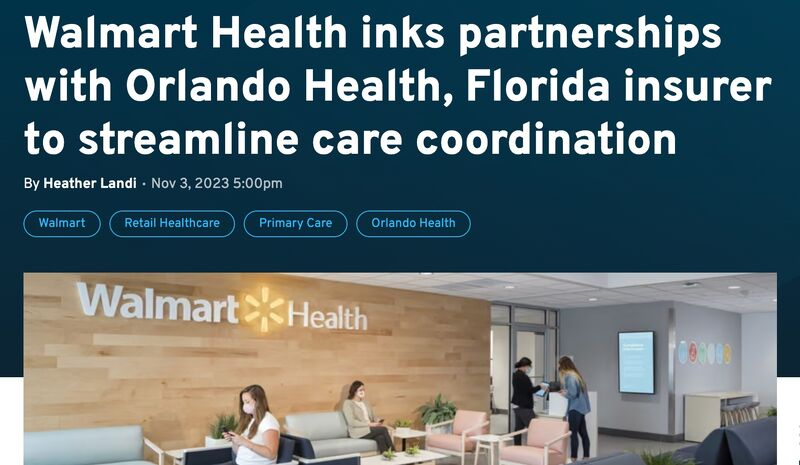
On Tuesday, Walmart Health announced deals with nine-hospital system Orlando Health and Ambetter from Sunshine Health, a Centene subsidiary offering Affordable Care Act exchange plans, to become a preferred provider in the Ambetter Value Plan. 

Walmart Health’s 23 Florida-based centers will provide primary care services and care coordination in a narrow-network health plan that includes Orlando Health. The Ambetter Value Plan is available in seven counties, covering the Orlando, Tampa, and Jacksonville areas.

While this partnership is limited to Florida, Walmart Health operates 48 centers in five states, with plans to open dozens more locations and expand into three additional states next year. 

The Gist: With a strong foothold and customer base in states that haven’t expanded Medicaid, Walmart Health centers are well positioned to be part of low-cost, narrow-network plans targeted at individuals who don’t qualify for Medicaid, or who were recently removed from the program. 

While Walmart Health already works with major insurers, this first-ever network partnership with a health system is a notable step forward for Walmart, advancing its healthcare delivery business beyond meeting basic primary care needs into more complex care coordination. 

While other large retail and pharmacy chains have opted to buy their way into the primary care space, Walmart is thus far building its own retail store-based clinic enterprise, with plenty of room to scale. 

Walmart Health continues rapid Florida expansion

Walmart Health opened three new clinics in Jacksonville, Fla., starting June 6 as the company continues its push into retail healthcare, the Florida Times-Union reported.

The retail giant now has more than 30 Walmart Health centers across Florida, Arkansas, Georgia, Illinois and Texas, with plans to grow to 77 by the end of 2024 and expand into Arizona and Missouri.

Florida is one of Walmart Health’s biggest markets, with 22 coming to the state by fall 2023. They are also located in the Orlando and Tampa metro areas. They include medical, dental, vision, hearing and behavioral health services.

“With only one primary care doctor per 1,380 Florida residents, these Walmart Health centers will help address the demand for care in three major cities in the Sunshine State,” David Carmouche, MD, senior vice president of omnichannel care offerings for Walmart, said in a 2022 Times-Union story. “We are part of these communities, and we are excited to bring more options for in-person and telehealth care services to our neighbors. We’re making healthcare available when and where you may need it.”