Here are the Five Areas the New DOJ Task Force on Monopolies in Health Care Should Focus On

Abuses by payers are myriad, but these five areas could bear the most fruit for federal antitrust investigators.

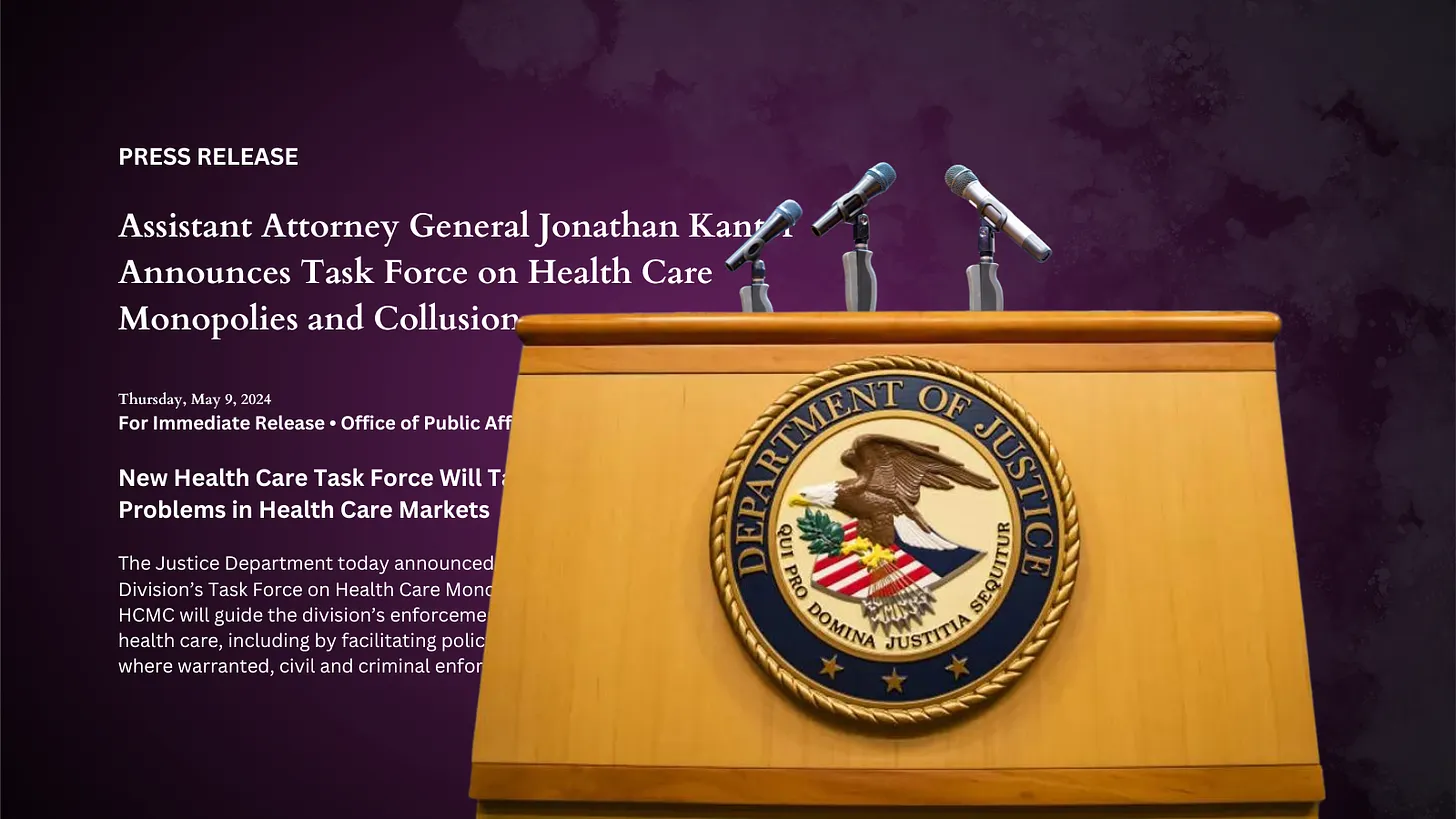
Earlier this month, the U.S. Department of Justice announced it has haunched an investigation into “issues regarding payer-provider consolidation” along with other problems associated with mergers and acquisitions in health care. This is significant. For years Washington has trained its oversight authority on pharmaceutical manufacturers, private equity investments in health care and, more recently, pharmacy benefits managers controlled by big insurers. This has held bad actors like Martin Skhreli and Steward Healthcare accountable. But, it has also let insurers grow ever larger, under the radar. 

No longer. 

This task force will specifically evaluate the following, as an example: “A health insurance company buys several medical practices that compete with each other. It also prohibits its medical practices from contracting with rival health insurance companies.” The government will also dig into “anticompetitive uses of health care data,” “preventing transparency,” “price fixing,” and other areas that could drag nefarious activities of insurers into the spotlight. 

I applaud the Department of Justice’s continued focus on these issues, building on the Department’s action announced in February to begin an antitrust investigation into UnitedHealth Group. (If you haven’t read the piece we published in February on UnitedHealth’s self-dealing that helped lead DOJ to open that antitrust inquiry, you can do so here.) The following are a few areas of low-hanging fruit that I hope the task force will focus on as they consider the impact insurers’ ongoing vertical integration has had on the overall health care system.

1. Insurers purchasing physician practices

Once a low-profile issue, Congress and the Biden administration alike have increasingly turned their focus to insurance companies – often referred to as payers – that now own and operate physician practices and clinics – those being paid. Even for someone without a law degree, it is easy to see the conflict this creates, particularly at scale. 

There is the oft-cited statistic that UnitedHealth has said that through its Optum division, the company employs or otherwise controls about 10 percent of doctors in the U.S. – around 130,000 physicians and other practitioners in 16 states. This prompted me to take a closer look at publicly available information on the number of doctors employed by other insurers to get a better handle on how much control of physician practices payers now have. 

It is difficult to put a percentage on physicians employed by each insurer, but it is clear that the others are following UnitedHealth’s lead. CVS/Aetna purchased Signify Health in 2023adding 10,000 clinicians to its portfolio. The company says it supports “more than 40,000 physicians, pharmacists, nurses and nurse practitioners.” 

Clearly taking a page out of UnitedHealth’s playbook, Elevance (formerly Anthem), which owns Blue Cross Blue Shield plans in 14 states announced last month a “strategic partnership” with 900 providers across several states. Elevance did not disclose the terms of the deal except to say it, “will primarily be through a combination of cash and our equity interest in certain care delivery and enablement assets of Carelon Health.” 

As insurers have acquired physician practices, they also have created a rinse-and-repeat strategy associated with kicking physicians they don’t own out of network, and in some cases targeting those same practices for acquisition. Aetna and Humana recently told investors they will be reviewing their networks of physicians, signaling they’ll soon be further narrowing their networks. A good question for this task force: when insurers review those contracts with doctors, do they ever kick the doctors they employ out of network? (Doubtful.) This could specifically draw attention from the task force’s focus on “health care contract language and other practices that restrict competition,” such as contract provisions that require or encourage patients to seek care from doctors directly employed or closely controlled by patients’ insurers.

Additionally, UnitedHealth CEO Andrew Witty recently told analysts, “As I think you see some of the funding changes play out across the — across the next few years, I suspect that may also create new opportunities for us as different companies assess their positions.” My translation: UnitedHealth’s burdensome business practices and the way it shortchanges doctors (those “funding changes” he referenced) contribute to the financial distress that is forcing many health care providers to “assess their positions.”

As the task force continues to consider the impact of private equity in health care monopolies, transactions like this one should receive equal consideration for their lack of transparency and overall impact on market consolidation.

2. Co-mingling of middlemen

I have watched with interest for over the past year as both Democrats and Republicans in Washington increasingly trained their fire on pharmacy benefit managers. The natural next area of focus in that space, which this new task force could advance, should be around how the

three PBMs that control 80 percent of market share are all combined with health insurance companies – namely CVS/Aetna (Caremark), UnitedHealth (Optum Rx), and Cigna (Express Scripts). 

An important, and politically popular, area where this consolidation has played out is in the squeeze placed on small, independent pharmacists across the country. More than 300 community pharmacies have closed in the past year alone, out of an inability to operate or push back on unfair margins pushed by these PBM-insurer monopolies. As we have written here, the fees these PBMs charge have increased more than 100,000 percent over the past decade, and are quietly contributing significantly to the profits of the largest health insurers. 

We still have little insight into how these business lines interact with each other, and the ultimate impact that has on patients. Given the enormous influence just three insurance companies have over what prescriptions Americans can receive, and how much should be paid for each prescription, the task force would do well to focus on what insurers and PBMs are doing behind the scenes to maximize profits and limit patient access to prescription drugs. It’s already gaining traction on Capitol Hill, with one Congressman recently saying, “I’ll continue to bust this up … this vertical integration in health care.”

3. Prior authorization requests

CVS/Aetna shares were hammered after the company reported a significant increase in payment of Medicare Advantage claims during the first three month is of this year. Expect all insurers to notice. And as they have seen their forecasts fall short of Wall Street’s expectations – particularly because of increasing scrutiny in Washington of Medicare Advantage – these corporations will look to increase their already aggressive use of prior authorization to limit claims payments.

It is not as though insurers make seeking the care you need easy. Far from it. Prior authorization has become “medical injustice disguised as paperwork,” as the New York Times said in a recent, excellent video detailing the widespread nature of this profiteering practice. 

While not a stated direct focus of this task force, the increased impact of prior authorization in care delivery is a direct outgrowth of a few large health insurers effectively controlling the marketplace. As insurers directly employ more doctors and enroll more Americans in their plans, they can use prior authorization to increasingly determine whether a patient can get care, period. 

Scrutiny in this space could add momentum to increasing activity in state legislatures and Washington to rein in excessive prior authorization. As of early March, nine states and the District of Columbia had passed bills to limit how far insurers could go with prior authorization. And earlier this year, the Centers for Medicare and Medicaid released a final rule that is expected to save physicians $15 billion over the next decade by putting limits on insurer prior authorization tactics. 

4. Rising out-of-pocket costs

Regular readers of this newsletter know one of my crusades is to ensure folks who pay good money for health insurance – out of their paychecks or through their tax dollars – can use it when they need it. It was a big win earlier this year for the Lower Out of Pockets Now coalition (which I lead) when President Biden called for a cap on prescription drug out-of-pocket costs of $2,000 annually for everybody, not just Medicare beneficiaries. 

If there was true competition and real consumer choice in health insurance, payers wouldn’t be able to get away with increasingly shifting patients into high-deductible plans. But the fact that a few big players control the health insurance market has allowed the oligopoly of payers to do just that, with ever-rising deductibles alongside ever-rising premiums. 

The task force’s focus on price fixing, collusion, and transparency in health care costs will, I hope, include some focus on how insurers use their size and clout to drive up out-of-pocket costs and premiums simultaneously – with little recourse to employers or their employees.

5. Implementing crystal clear laws and rules in health care

You know you’re a monopoly or close to it when you can pretty much do whatever you want and get away with it. Look no further than America’s health insurance companies and implementation of the No Surprises Act. 

As I wrote earlier this year, Congress and CMS have been clear about how out-of-network hospital bills should be negotiated between insurers and physicians. Yet in case after case, including many that have become the basis of lawsuits, insurers are clearly flouting the Act passed by Congress and the rules promulgated by CMS. Payers are doing this, doctors have said, simply because of their size and ability to weather criticism from physicians, regulators, and the courts – while doctors struggle to pay their bills with significant payments still owed pending out-of-network negotiations with insurers. 

One would hope, at a minimum, this task force, focused on rooting out the ills of monopolies, would document how insurers are well aware of how they are supposed to implement legislation like the No Surprises Act, but flout it anyway.

8 Reasons Hospitals must Re-think their Future

Today is the federal income Tax Day. In 43 states, it’s in addition to their own income tax requirements. Last year, the federal government took in $4.6 trillion and spent $6.2 trillion including $1.9 trillion for its health programs. Overall, 2023 federal revenue decreased 15.5% and spending was down 8.4% from 2022 and the deficit increased to $33.2 trillion. Healthcare spending exceeded social security ($1.351 trillion) and defense spending ($828 billion) and is the federal economy’s biggest expense.

Along with the fragile geopolitical landscape involving relationships with China, Russia and Middle East, federal spending and the economy frame the context for U.S. domestic policies which include its health system. That’s the big picture.

Today also marks the second day of the American Hospital Association annual meeting in DC. The backdrop for this year’s meeting is unusually harsh for its members:

Increased government oversight:

Five committees of Congress and three federal agencies (FTC, DOJ, HHS) are investigating competition and business practices in hospitals, with special attention to the roles of private equity ownership, debt collection policies, price transparency compliance, tax exemptions, workforce diversity, consumer prices and more.

Medicare payment shortfall: 

CMS just issued (last week) its IPPS rate adjustment for 2025: a 2.6% bump that falls short of medical inflation and is certain to exacerbate wage pressures in the hospital workforce. Per a Bank of American analysis last week, “it appears healthcare payrolls remain below pre-pandemic trend” with hospitals and nursing homes lagging ambulatory sectors in recovering.”

Persistent negative media coverage:

The financial challenges for Mission (Asheville), Steward (Massachusetts) and others have been attributed to mismanagement and greed by their corporate owners and reports from independent watchdogs (Lown, West Health, Arnold Ventures, Patient Rights Advocate) about hospital tax exemptions, patient safety, community benefits, executive compensation and charity care have amplified unflattering media attention to hospitals.

Physicians discontent: 

59% of physicians in the U.S. are employed by hospitals; 18% by private equity-backed investors and the rest are “independent”. All are worried about their income. All think hospitals are wasteful and inefficient. Most think hospital employment is the lesser of evils threatening the future of their profession. And those in private equity-backed settings hope regulators leave them alone so they can survive. As America’s Physician Group CEO Susan Dentzer observed: “we knew we’re always going to need hospitals; but they don’t have to look or operate the way they do now. And they don’t have to be predicated on a revenue model based on people getting more elective surgeries than they actually need. We don’t have to run the system that way; we do run the healthcare system that way currently.”

The Value Agenda in limbo:

Since the Affordable Care Act (2010), the CMS Center for Innovation has sponsored and ultimately disabled all but 6 of its 54+ alternative payment programs. As it turns out, those that have performed best were driven by physician organizations sans hospital control. Last week’s release of “Creating a Sustainable Future for Value-Based Care: A Playbook of Voluntary Best Practices for VBC Payment Arrangements.” By the American Medical Association, the National Association of ACOs (NAACOs) and AHIP, the trade group representing America’s health insurance payers is illustrative. Noticeably not included: the American Hospital Association because value-pursuers think for hospitals it’s all talk.

National insurers hostility:  

Large, corporate insurers have intensified reimbursement pressure on hospitals while successfully strengthening their collective grip on the U.S. health insurance sector. 5 insurers control 50% of the U.S. health insurance market: 4 are investor owned. By contrast, the 5 largest hospital systems control 17% of the hospital market: 1 is investor-owned. And bumpy insurer earnings post-pandemic has prompted robust price increases: in 2022 (the last year for complete data and first year post pandemic), medical inflation was 4.0%, hospital prices went up 2.2% but insurer prices increased 5.9%.

Costly capital: 

The U.S. economy is in a tricky place: inflation is stuck above 3%, consumer prices are stable and employment is strong. Thus, the Fed is not likely to drop interest rates making hospital debt more costly for hospitals—especially problematic for public, safety net and rural hospitals. The hospital business is capital intense: it needs $$ for technologies, facilities and clinical innovations that treat medical demand. For those dependent on federal funding (i.e. Medicare), it’s unrealistic to think its funding from taxpayers will be adequate.  Ditto state and local governments. For those that are credit worthy, capital is accessible from private investors and lenders. For at least half, it’s problematic and for all it’s certain to be more expensive.

Campaign 2024 spotlight:

In Campaign 2024, healthcare affordability is an issue to likely voters. It is noticeably missing among the priorities in the hospital-backed Coalition to Strengthen America’s Healthcare advocacy platform though 8 states have already created “affordability” boards to enact policies to protect consumers from medical debts, surprise hospital bills and more.

Understandably, hospitals argue they’re victims. They depend on AHA, its state associations, and its alliances with FAH, CHA, AEH and other like-minded collaborators to fight against policies that erode their finances i.e. 340B program participation, site-neutral payments and others. They rightfully assert that their 7/24/365 availability is uniquely qualifying for the greater good, but it’s not enough. These battles are fought with energy and resolve, but they do not win the war facing hospitals.

AHA spent more than $30 million last year to influence federal legislation but it’s an uphill battle. 70% of the U.S. population think the health system is flawed and in need of transformative change. Hospitals are its biggest player (30% of total spending), among its most visible and vulnerable to market change.

Some think hospitals can hunker down and weather the storm of these 8 challenges; others think transformative change is needed and many aren’t sure. And all recognize that the future is not a repeat of the past.

For hospitals, including those in DC this week, playing victim is not a strategy. A vision about the future of the health system that’s accessible, affordable and effective and a comprehensive plan inclusive of structural changes and funding is needed. Hospitals should play a leading, but not exclusive, role in this urgently needed effort.

Lacking this, hospitals will be public utilities in a system of health designed and implemented by others.

Higher-risk patients paying more for colonoscopies

https://mailchi.mp/9b1afd2b4afb/the-weekly-gist-december-1-2023?e=d1e747d2d8

Published this week in Stat, this article explores the confusing payment landscape patients must navigate when receiving colonoscopies. While the Affordable Care Act requires that preventative care services be covered without cost-sharing, this only applies to the “screening” colonoscopies that low-risk patients are recommended to get every ten years.

But when procedures are performed at more frequent intervals for higher-risk patients, they are called “surveillance” or “diagnostic” colonoscopies, for which patients have no guarantees of cost-sharing protections, despite being essentially the same procedure, done for the same purpose.

If a gastroenterologist finds and excises one or more precancerous polyps during a screening colonoscopy, the procedure can leave the patient—especially one with a high deductible health plan—with a large, unexpected bill. 

The Gist: Against the backdrop of a sharp rise in colorectal cancer rates among US adults under 65, articles like this are a frustrating demonstration of how insurance incentive structures can work against optimal care delivery. 

Incentives should be carefully designed such that proven, preventative screenings—at the discretion of their doctor—are widely available to patients with minimal financial barriers. Surely, no one is “choosing” to have an “unnecessary” colonoscopy—as the procedure is notoriously disliked by patients. 

How Do Democrats and Republicans Rate Healthcare for 2024?

https://mailchi.mp/burroughshealthcare/april-16-9396870?e=7d3f834d2f

It feels as though November 5, 2024 is far away, but for both Democrats and Republicans, the election is now. On the issue of healthcare, the two parties’ approaches differ sharply.


Think back to the behemoth effort by Republicans to “repeal and replace” the Affordable Care Act six years ago, an effort that left them floundering for a replacement, basically empty-handed. Recall the 2022 midterms, when their candidates in 10 of the tightest House and Senate races uttered hardly a peep about healthcare.
 
That reticence stood in sharp contrast to Democrats who weren’t shy about reiterating their support for abortion rights, simultaneously trying hard to ensure that Americans understood and applauded healthcare tenets in the Inflation Reduction Act.
 
As The Hill noted in early August, sounds like the same thing is happening this time around as America barrels toward November 2024. The publication said it reached to 10 of the leading Republican candidates about their plans to reduce healthcare costs and make healthcare more affordable, and only one responded: Rep. Will Hurd (R-Texas).


Healthcare ‘A Very Big Problem’


Maybe the party thinks its supporters don’t care. But, a Pew Research poll from June showed 64% of us think healthcare affordability is a “very big problem,” superseded only by inflation. In that research, 73% of Democrats and 54% of Republicans thought so.


Chuck Coughlin, president and CEO of HighGround, an Arizona-based public affairs firm, told The Hill that the results aren’t surprising.
 
“If you’re a Republican, what are you going to talk about on healthcare?” he said.
 
Observers note that the party has homed in on COVID-lockdowns, transgender medical rights, and yes, abortion.


Republicans Champion CHOICE


There is action on this front, for in late July, House Republicans passed the CHOICE Arrangement Act. Its future with the Democratic-controlled Senate is bleak, but if Republicans triumph in the Senate and White House next year, it could advance with its focus on short-term health plans. They don’t offer the same broad ACA benefits and have a troubling list of “what we won’t cover” that feels like coverage is going backwards to some.
 

Plans won’t offer coverage for preexisting conditions, maternity care, or prescription drugs, and they can set limits on coverage. The plans will make it easier for small employers to self-insure, so they don’t have to adhere to ACA or state insurance rules.


CHOICE would let large groups come together to buy Association Health Plans, said NPR, which noted that in the past, there have been “issues” with these types of plans.
 
Insurance experts say that the act takes a swing at the very foundation of the ACA. As one analyst described it, the act intends to improve America’s healthcare “through increased reliance on the free market and decreased reliance on the federal government.”


Democrats Tout Reduce-Price Prescriptions


Meanwhile, on Aug. 29, President Joe Biden spoke proudly in The White House: “Folks, there’s a lot of really great Republicans out there. And I mean that sincerely…But we’ll stand up to the MAGA Republicans who have been trying for years to get rid of the Affordable Care Act and deny tens of millions of Americans access to quality, affordable healthcare.” 
 
Current ACA enrollment is higher than 16 million.

 
He said that Big Pharma charges Americans more than three times what other countries charge for medications. And on that date, he announced that “the (Inflation Reduction Act) law finally gave Medicare the power to negotiate lower prescription drug prices.” He wasn’t shy about saying that this happened without help from “the other team.”
 
The New York Times said it feels this push for lower healthcare costs will be the centerpiece of his re-election campaign. The announcement confirmed that his administration will negotiate to lower prices on 10 popular—and expensive drugs—that treat common chronic illnesses.


It said previous research shows that as many as 80% of Americans want the government to have the power to negotiate.


The president also said that “Next year, Medicare will select more drugs for negotiation.” He added that his administration “is cracking down on junk health insurance plans that look like they’re inexpensive but too often stick consumers with big hidden fees.” And it’s tackling the extensive problem of surprise medical bills.
 
Earlier, on August 11, Biden and fellow Democrats celebrated the first anniversary of the PACT Act, legislation that provides healthcare to veterans exposed to toxic burn pits while serving. He said more than 300,000 veterans and families have received these services, with more than 4 million screened for toxic exposure conditions.


Push for High-Deductible Plans


Republicans want to reduce risk of high-deductible plans and make them more desirable—that responsibility is on insurers. According to Politico, these plans count more than 60 million people as members, and feature low premiums and tax advantages. The party said plans will also help lower inflation when people think twice about seeking unneeded care.
 
The plans’ low monthly premiums offer comprehensive preventive care coverage: physicals, vaccinations, mammograms, and colonoscopies, and have no co-payments, Politico said. The “but” in all this is that members will pay their insurers’ negotiated rate when they’re sick, and for medicines and surgeries. Minimum deductible is $1,500 or $3,000 for families—and can be even higher.
 
Members can fund health savings accounts but can’t fund flexible spending accounts.
Proponents cite more access to care, and reduced costs due to promotion of preventive care. Nay-sayers worry about lower-income members facing costly bills due to insufficient coverage.
 

Republican Candidates Diverge on Medicaid
 

The American Hospital Association (AHA) doesn’t love these high deductible plans. It explained that members “find they can’t manage the gap between what their insurance pays and what they themselves owe as a result,” and that, AHA said, contributes to medical debt—something the association wants to change.


An Aug. 3 Opinion in JAMA Health Forum pointed out other ways the two parties diverge on healthcare. For example, the piece cited Biden’s incentives for Medicaid expansion. In contrast, Florida Governor Ron DeSantis, a Republican presidential candidate, has not worked to offer Medicaid to all lower-income residents under the ACA. Former Governor Nikki Haley of South Carolina feels the same, doing nothing. However, former New Jersey Governor Chris Christie has expanded it, as did former Vice President Mike Pence, when he governed Indiana.


Undoubtedly, as in presidential elections past, healthcare will be at least a talking point, with Democrats likely continuing to make it a central focus, as before.

Latest court order pauses No Surprises Act’s Independent Dispute Resolution (IDR) process once again

https://mailchi.mp/27e58978fc54/the-weekly-gist-august-11-2023?e=d1e747d2d8

This week, the Centers for Medicare and Medicaid Services (CMS) for the second time suspended the arbitration process, outlined in the No Surprises Act, for new out-of-network payment disputes between providers and payers.

Federal judge Jeremy Kernodle in the Eastern District of Texas once again sided with the Texas Medical Association (TMA) in the lawsuit, which challenged CMS’s 2023 increase in administrative fees for arbitration (from $50 to $350), as well as restrictions on batching claims, which require providers to go through a separate IDR process for each claim related to an individual’s care episode. While CMS said that it made these changes to increase arbitration efficiency, TMA argued that the changes made the IDR process cost-prohibitive for providers, particularly smaller practices.

The Gist: Implementing the No Surprises Act has been a huge headache for CMS. Since it went into effect last spring, the IDR has seen a case load nearly 14 times greater than initially estimated, and has been hampered with delays. Insurers have blamed providers for overloading the system with frivolous claims, while providers have accused insurers of ignoring payment decisions determined by third-party arbiters or declining to pay in full. 

The silver lining amid all this infighting is that the No Surprises Act is successfully preventing surprise bills for many consumers, despite the intra-industry turf war over its implementation.

Hospitals’ off-site fees draw lawmakers’ scrutiny

More than two years after Congress acted to shield patients from surprise medical bills, lawmakers are turning to another source of unexpected medical costs: the fees that hospitals tack on for services provided in clinics they own.

Why it matters: 

As health systems push more care outside hospital walls, they’re charging extra “facility fees” for common services like blood tests, X-rays and, in some cases, even telehealth visits.

  • Critics say the practice drives up health care costs while padding hospital profits and incentivizing more consolidation. But hospitals argue the fees cover the cost of nurses, lab technicians, medical records and equipment — and that limiting them could reduce patient care.

Driving the news: 

The fees have caught the attention of Congress, which could take up price transparency legislation.

But five states are currently considering laws to curb facility fees for certain services or strengthen existing laws, per the National Academy for State Health Policy, which has proposed model legislation.

  • Connecticut is updating a 2015 law that required notifications when facility fees were being charged by hospitals.
  • “Rising costs remain a barrier for far too many people and result in many people putting off care because they can’t afford it,” Deidre Gifford, executive director of the Connecticut Office of Health Strategy, said last month, when Democratic Gov. Ned Lamont proposed a package of reforms.
  • Colorado lawmakers are targeting the practice, despite mounting hospital resistance, Kaiser Health News reported.
  • And Texas legislators are weighing prohibitions on off-campus fees — a move the Texas Hospital Association brands “unprecedented and dangerous.”
  • Lawmakers in Indiana and Massachusetts are eyeing similar moves.

How it works: 

Many health services can be provided in both hospital and outpatient settings. But some patients who visit an offsite clinic are billed as if they were treated in the hospital.

  • Some might receive a facility fee if they haven’t yet met their health plan deductible. Others could see the added cost reflected later in higher premiums and copays.
  • A 2020 Rand report found facility and related professional charges factored in employers and private insurers paying 224% of what Medicare would have paid for the same services at the same facilities.

Some business groups like the Employers’ Forum of Indiana are advocating for bans or moratoriums on the fees, citing the increased cost of offering competitive benefits.

The other side: 

Hospitals maintain that facility fees are needed to cover essential infrastructure like electronic health record systems and other overhead costs. Some refer to them as “people fees,” saying they cover the expenses of nurses, lab technicians, pharmacists and other essential staff.

  • Texas hospitals are concerned about what they say is the broad definition of a facility fee in pending legislation in the state’s Senate, saying it could eliminate all hospital payments besides those that go to physicians.
  • “We need to quantify what problem we’re trying to solve,” said Cameron Duncan, vice president of advocacy at the Texas Hospital Association.
  • The group said the bill as originally filed would result in 69% of Texas hospitals closing their outpatient clinics.

The intrigue: 

Insurers that negotiated covered costs with hospitals and health systems have remained largely quiet on the fees.

  • And the vagaries of hospital pricing means transparency requirements alone may not give patients warning about added fees.
  • “It’s not clear from data either that the fees are consistent, or that you could decipher that the fee is consistent for each type of procedure,” said Vicki Veltri, senior policy fellow at National Academy for State Health Policy and former leader of the Connecticut Office of Health Strategy.

The bottom line: 

Patients increasingly get charged like they’re in a hospital even if they didn’t set foot in one as physicians’ offices are increasingly scooped up by massive health systems.

  • While those health systems tout access and efficiencies to drive down health care costs, facility fees are driving more lawmakers and regulators to do a reality check.

Three things to watch during the House Ways and Means hearing with Becerra

https://www.washingtonpost.com/politics/2023/03/28/ten-states-still-spurn-medicaid-expansion-they-unlikely-budge-soon/

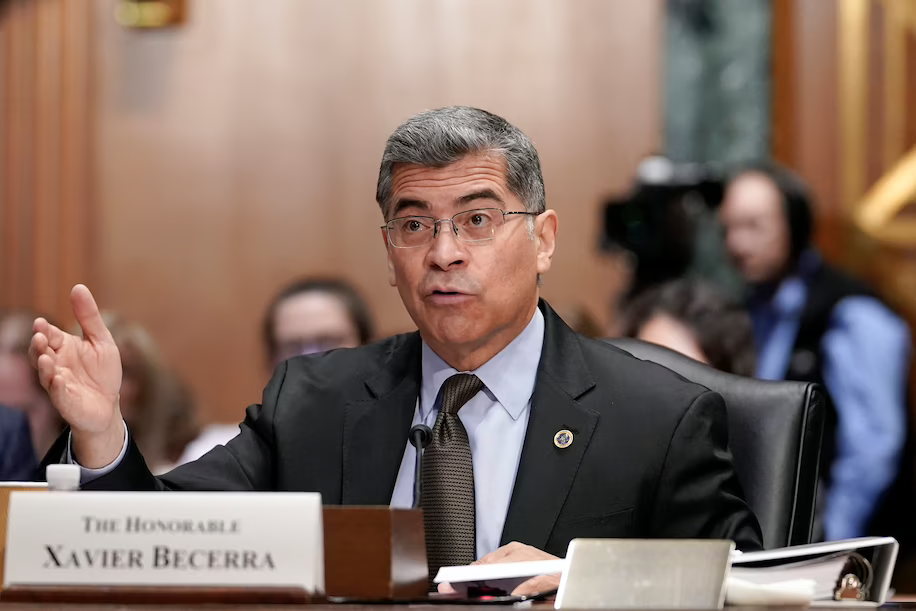
On tap today: Health and Human Services SecretarXavier Becerra will defend President Biden’s fiscal 2024 budget before the Republican-controlled House Ways and Means Committee this afternoon. Becerra will also appear before a House Appropriations subcommittee at 10 a.m.

What to expect: There are three main proposals in the president’s budget request that panel Chair Jason Smith (R-Mo.) and other Republicans on the panel plan to grill Becerra on during the hearing, according to people familiar with the matter. Those include:

While Becerra was summoned to Capitol Hill to discuss the president’s budget, lawmakers could use the opportunity to quiz him on a variety of health policies. He’s likely to face criticism and tough questions from Republicans on the federal health department’s final rule addressing the Affordable Care Act’s “family glitch,” its implementation of surprise billing protections and its strategy to combat illicit fentanyl trafficking, people familiar with the matter said.

What we’re watching tomorrow: Becerra will testify in front of the House Energy and Commerce health subcommittee at 10 a.m. Wednesday.

Biden Administration Releases Final Surprise Billing Rules

 The Biden Administration has released final surprise billing rules implementing the No Surprises Act, a federal law enacted in January 2021 that protects patients from out-of-network medical bills when they seek care at in-network facilities.

The new surprise billing rules detail the process for payers and providers to settle on payment for those out-of-network services. Previously, payers and providers would submit payment rates to an independent arbiter, selected by the government. The arbiter would choose the rate closest to the area’s median in-network payment for the services, otherwise known as the qualifying payment amount (QPA), while considering other factors, such as provider training and experience, the provider’s market share, and how difficult it was to provide the service, after the fact.

Provider groups have criticized the use of the QPA as the primary factor in an arbiter’s decision, arguing that the added weight to the QPA amount favors payers over providers.

Notably, the Texas Medical Association challenged the surprise billing arbitration process over the QPA issue and won. A district court vacated the requirement that arbiters select payment offers closest to the QPA unless the additional information warrants a closer review.

The American Hospital Association (AHA) and the American Medical Association (AMA) have also filed a lawsuit challenging the interim final rule implementing the dispute process, arguing that lawmakers did not intend for rules implementing the No Surprises Act to place that much emphasis on the QPA. The lawsuit is ongoing.

In light of the district court’s decision, the latest final surprise billing rules roll back the “rebuttable presumption” that favors the QPA. The rules state that arbiters are to consider the QPA “and then must consider all additional information submitted by a party to determine which offer best reflects the appropriate out-of-network rate.”

The final rules specify that arbiters “should select the offer that best represents the value of the item or service under dispute after considering the QPA and all permissible information submitted by the parties.”

The final rules also cover situations where payers have “downcoded” a claim. According to previous rulemaking, downcoding occurs when payers change service codes or change, add, or remove a modifier, which can lower the QPA for the service code or modifier billed by a provider.

The rules will create new requirements related to what information payers must share with providers when downcoding occurs. The information includes a statement that the service code or modifier was downcoded, an explanation of why the claim was downcoded, and the amount that would have been the QPA had the service code or modifier not been downcoded.

The Biden Administration—through the Departments of Labor, Health and Human Services, and Treasury, which officially released the final surprise billing rules—said that the rules “will help providers, facilities and air ambulance providers engage in more meaningful open negotiations with plans and issuers and will help inform the offers they submit to certified independent entities to resolve claim disputes.”

But whether the updated language is enough to tip the balance for providers remains to be seen. AHA said in a news release late last week that it is closely reviewing the final surprise billing rules.

New York judge dismisses surgeon’s lawsuit challenging surprise billing law

A New York federal judge on Wednesday dismissed a surgeon’s legal challenge that sought to roll back key pieces of a federal law that protects patients from surprise out-of-network bills.

Judge Ann Donnelly ruled against the surgeon, finding that the law is constitutional, and dismissed the case for lack of standing and dismissed the surgeon’s request for a preliminary injunction.

Katie Keith, a lawyer and health policy expert at Georgetown University who tracks surprise billing litigation, called the ruling good news for consumers.

The lawsuit threatened to once again expose millions of patients to surprise out-of-network bills, Keith previously said in a Health Affairs report on the litigation.

Daniel Haller, a surgeon, and his private practice filed suit in December against federal regulators alleging that the ban on surprise billing was unconstitutional along with the independent dispute resolution process, the way in which providers and payers are supposed to resolve payment disagreements.

Haller said the law deprives physicians the right to be paid a reasonable value for their services, according to the complaint.

Under the law, physicians and insurers can enter into an independent dispute resolution process to come to an agreement on the payment for services. The process was intended to keep patients out of the middle of these payment disputes.

Haller argued the process favored insurers — not providers.

However, a key part of that process was struck down by a Texas judge, who ruled in favor of providers in February.

Donnelly said Haller and his team did not show that they even went through the arbitration, or IDR, process, “much less that the IDR process resulted in a payment amount below the reasonable value,” according to Wednesday’s opinion.

“At the time of oral argument — almost six months after the Act went into effect — the plaintiffs could not say whether they had participated in the IDR process. They do not allege that the IDR process has caused any concrete harm, so their claims of constitutional injury are speculative,” Donnelly said.

Haller’s practice, Long Island Surgical, and its team of six physicians perform procedures on patients who are admitted after an emergency department visit.

Almost 80% of Long Island Surgical’s patients have an insurance plan that does not have a contractual relationship with the surgical group. In other words, Haller and his colleagues are almost always out-of-network, potentially putting patients at risk of a surprise medical bill.

The No Surprises Act tried to solve this problem, and it bans surprise billing in most cases.

The law aimed to tackle one of the most frustrating issues in healthcare, which could ensnare even savvy patients. Patients could be unknowingly treated by out-of-network providers, and then get bills their insurers refused to pay in full or part, leaving them stuck to pay the remaining balance.

Surprise billing ban leads to cuts at PE-backed staffing firms

https://mailchi.mp/31b9e4f5100d/the-weekly-gist-june-03-2022?e=d1e747d2d8

 When Congress passed the “No Surprises Act” in 2021, credit rating agencies like Moody’s warned that the bill would hurt physician staffing firms, especially those that provide emergency department (ED) services, which result in a surprise bill in roughly one in five visits. A piece from investigative outlet The Lever highlights how one private equity-backed physician staffing firm, Nashville-based American Physician Partners, is responding to the resultant cash flow challenges by cutting ED physician pay, after already reducing staffing levels. As the article describes, this is possible in an otherwise tight labor market because, unlike many other specialties, there’s an oversupply of ED physicians, due to the rapid growth in emergency medicine residency programs over the last decade.  

The Gist: With two-thirds of hospitals outsourcing at least some ED physician labor, the potential insolvency of large physician staffing firms could bring a crisis in access and coverage. 

In addition to revenue cuts tied to the surprise billing ban, rising interest rates also mean that PE firms may soon find it more difficult to fund their aggressive growth strategies. 

Health systems should proactively evaluate their partnerships with PE-backed physician staffing groups, with an eye toward anticipating potential staffing problems and service quality shortfalls.