


Cartoon – Prescription for Boredom


The U.S. added 431,000 jobs and the unemployment rate dropped to 3.6 percent in March, according to data released Friday by the Labor Department.
Job growth fell slightly short of expectations, as consensus estimates from economists projected a gain of roughly 490,000 jobs in March and a decline in the jobless rate to 3.7 percent.
But resilient consumer spending and historically strong demand for workers helped power the U.S. economy to another study job gain.
The Labor Department also revised the January and February job gains up by a combined 95,000, bringing the total of jobs added by the U.S. economy in 2022 up to 1,685,000 million.
More Americans who left the workforce during the pandemic appeared to be returning to the job hunt in March, a promising sign as businesses struggle to fill a record number of openings. The labor force participation rate ticked higher to 62.4 percent and the employment-population ratio—the proportion of working-age adults in the labor force—rose to 60.1 percent.
Wage growth also accelerated in March with average hourly earnings rising 5.6 percent over the past 12 months, up from 5.1 percent in February.
The wage growth comes as inflation batters the Biden administration and Democrats politically, contributing to the president’s approval ratings being stuck in the low 40s. This has contributed to the anxiety in his party in a midterm election year, as Democrats are worried they could lose both the House and Senate majorities in this fall’s elections.
Gas prices have risen further with the Russian war in Ukraine and the international sanctions on Moscow. President Biden on Thursday announced he would be released 1 million barrels of oil a day from the nation’s strategic reserves to try to offer some help to lower gas prices.
The administration has touted the strength of the job market and the overall economy in the face of attacks from Republicans on inflation. And the March report offered more good news.
Overall, job-seekers continued to enjoy ample opportunities to find work at businesses across the economy even in the face of the highest annual inflation in 40 years. And businesses hit hardest by the pandemic-driven recession were among the top job-gainers in March.
The leisure and hospitality industry added 112,000 jobs in March, with restaurants and bars adding 61,000 jobs and accommodation businesses adding 25,000. Employment in the sector is still down 1.5 million from the onset of the pandemic.
Professional and business services companies gained 102,000 jobs in March and retailers added 49,000 employees, pushing both sectors well above their pre-pandemic employment levels.
The manufacturing, construction, and financial sectors also saw strong jobs gains last month.
The strong March job haul is the latest in a string of stellar employment reports. The U.S. has gained an average of 562,000 jobs each month in 2022—the same rate as in 2021, when the country added a record-breaking 6.8 million jobs
Even so, steady monthly job growth has done little to bolster Biden’s approval ratings and voters’ views about his handling of the economy. While job growth, consumer spending, the stock market and property values rebounded rapidly from the recession, a 7.9 percent annual increase in prices has wiped out the political benefit of a strong economy otherwise.

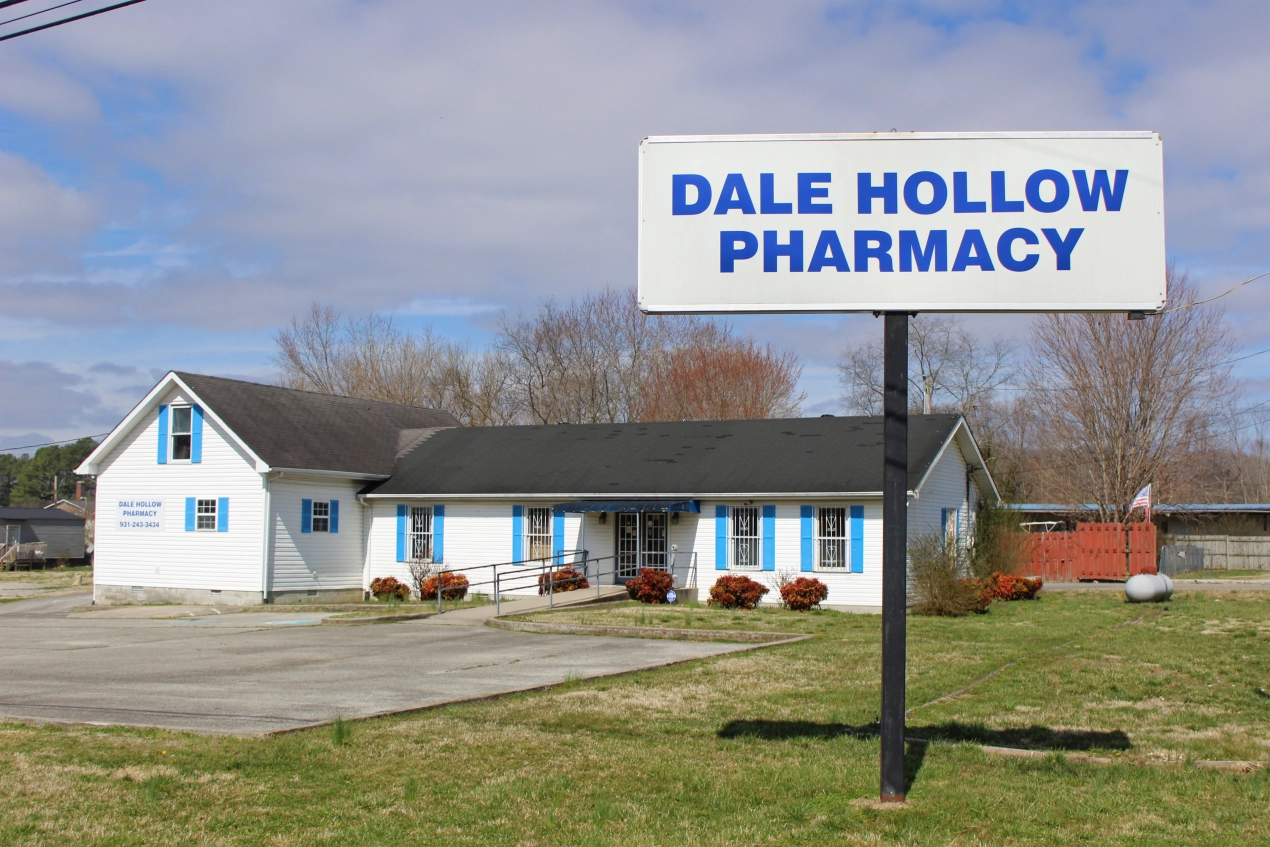
CELINA, Tenn. — It was about 1 a.m. on April 19, 2016, when a burglary alarm sounded at Dale Hollow Pharmacy in Celina, a tiny town in the rolling, wooded hills near the Kentucky border.
Two cops responded. As their flashlights bobbed in the darkness, shining through the pharmacy windows, they spotted a sign of a break-in: pill bottles scattered on the floor.
The cops called the co-owner, Thomas Weir, who arrived within minutes and let them in. But as quickly as their flashlights beamed behind the counter, Weir demanded the cops leave. He said he’d rather someone “steal everything” than let them finish their search, according to a police report and body camera footage from the scene.
“Get out of there right now!” Weir shouted, as if shooing off a mischievous dog. “Get out of there!”
The cops argued with Weir as he escorted them out. They left the pharmacy more suspicious than when they’d arrived, triggering a probe in a small town engulfed in one of the most outsize concentrations of opioids in a pill-ravaged nation.
Nearly six years later, federal prosecutors have unveiled a rare criminal case alleging that Celina pharmacy owners intentionally courted opioid seekers by filling dangerous prescriptions that would have been rejected elsewhere. The pharmacies are accused of giving cash handouts to keep customers coming back, and one allegedly distributed its own currency, “monkey bucks,” inspired by a pet monkey that was once a common sight behind the counter. Two pharmacists admitted in plea agreements they attracted large numbers of patients from “long distances” by ignoring red flags indicating pills were being misused or resold. In their wake, prosecutors say, these Celina pharmacies left a rash of addiction, overdoses, deaths, and millions in wasted tax dollars.
“I hate that this is what put us on the map,” said Tifinee Roach, 38, a lifelong Celina resident who works in a salon not far from the pharmacies and recounted years of unfamiliar cars and unfamiliar people filling the parking lots. “I hate that this is what we’re going to be known for.”
Celina, an old logging town of 1,900 people about two hours northeast of Nashville, was primed for this drug trade: In the shadow of a dying hospital, four pharmacies sat within 1,000 feet of each other, at the crux of two highways, dispensing millions of opioid pills. Before long, that intersection had single-handedly turned Tennessee’s Clay County into one of the nation’s pound-for-pound leaders of opioid distribution. In 2017, Celina pharmacies filled nearly two opioid prescriptions for every Clay County resident — more than three times the national rate — according to the Centers for Disease Control and Prevention.
Visitors once came to Celina to tour its historical courthouse or drop their lines for smallmouth bass in the famed fishing lake nearby. Now they came for pills.
Soon after Weir’s police encounter in 2016, the Drug Enforcement Administration set its sights on his two Celina pharmacies, three doors apart — Dale Hollow Pharmacy and Xpress Pharmacy. Separately, investigators examined the clinic of Dr. Gilbert Ghearing, which sat directly between Dale Hollow and Xpress and leased office space to a third pharmacy in the same building, Anderson Hometown Pharmacy. Its owners and operators have not been charged with any crime.
In December, a federal judge unsealed indictments against Weir and the other owners of Dale Hollow and Xpress pharmacies, Charles “Bobby” Oakley and Pamela Spivey, alleging they profited from attracting and filling dangerous and unjustifiable opioid prescriptions. Charges were also filed against William Donaldson, the former pharmacist and owner of Dale Hollow, previously convicted of drug dealing, who allegedly recruited most of the customers for the scheme.
The pharmacists at Dale Hollow and Xpress, John Polston and Michael Griffith, pleaded guilty to drug conspiracy and health care fraud charges and agreed to cooperate with law enforcement against the other suspects.
Ghearing was indicted on drug distribution charges for allegedly writing unjustifiable opioid prescriptions in a separate case in 2019. He pleaded not guilty, and his case is expected to go to trial in September.
‘An American Tragedy’
The Celina indictment comes as pharmacies enter an era of new accountability for the opioid crisis. In November, a federal jury in Cleveland ruled pharmacies at CVS, Walgreens, and Walmart could be held financially responsible for fueling the opioid crisis by recklessly distributing massive amounts of pain pills in two Ohio counties. The ruling — a first of its kind — is expected to reverberate through thousands of similar lawsuits filed nationwide.
Criminal prosecutions for such actions remain exceedingly rare. The Department of Justice in recent years increased prosecutions of doctors and pain clinic staffers who overprescribed opioids but files far fewer charges against pharmacists, and barely any against pharmacy owners, who are generally harder to hold directly responsible for prescriptions filled at their establishments.
In a review of about 1,000 news releases about legal enforcement actions taken by the Department of Health and Human Services since 2019, KHN identified fewer than 10 similar cases involving pharmacists or pharmacy owners being criminally charged for filling opioid prescriptions. Among those few similar cases, none involved allegations of so many opioids flowing readily through such a small place.
The Celina case is also the first time the Department of Justice sought a restraining order and preliminary injunction against pharmacies under the Controlled Substances Act, said David Boling, a spokesperson for the U.S. Attorney’s Office for the Middle District of Tennessee. DOJ used the civil filing to shut down Dale Hollow and Xpress pharmacies quickly in 2019, allowing prosecutors more time to build a criminal case against the pharmacy owners.
Former U.S. Attorney Don Cochran, who oversaw much of the investigation, said the crisis in Celina was so severe it warranted a swift and unique response.
Cochran said it once made sense for small pharmacies to be clustered in Celina, where a rural hospital served the surrounding area. But as the hospital shriveled toward closure, as have a dozen others in Tennessee, the competing pharmacies turned to opioids to sustain themselves and got hooked on the profits, he said.
“It’s an American tragedy, and I think the town was a victim in this,” Cochran said. “The salt-of-the-earth, blue-collar folks that lived there were victimized by these people in these pharmacies. I think they knew full well this was not a medical necessity. It was just a money-making cash machine for them.”
And much of that money came from taxpayers. In its court filings, DOJ argues the pharmacies sought out customers with Medicaid or Medicare coverage — or signed them up if they didn’t have it. To keep these customers coming back, the pharmacies covered their copays or paid cash kickbacks whenever they filled a prescription, prosecutors allege. The pharmacies collected more than $2.4 million from Medicare for opioids and other controlled substances from 2012 to 2018, according to the court filings.
Prosecutors say the pharmacies also paid kickbacks to retain profitable customers with non-opioid prescriptions. In one case, Dale Hollow gave $100 “payouts” to a patient whenever they filled his prescription for mysoline, an anti-seizure drug, then used those prescriptions to collect more than $237,000 from Medicare, according to Polston’s plea agreement.
Attorneys for Weir, Oakley, Donaldson, Spivey, Polston, and Griffith either declined to comment for this article or did not respond to requests for comment.
Ronald Chapman, an attorney for Ghearing, defended the doctor’s prescriptions, saying he’d done “the best he [could] with what was available” in a rural setting with no resources or expertise in pain management.
Chapman added that, while he does not represent the other Celina suspects, he had a theory as to why they drew the attention of federal law enforcement. As large corporate pharmacies made agreements with the federal government to be more stringent about opioid prescriptions, they filled fewer of them. Customers then turned to smaller pharmacies in rural areas to get their drugs, he said.
“I’m not sure if that’s what happened in this case, but I’ve seen it happen in many small towns in America. The only CVS down the street, or the only Rite Aid down the street, is cutting off every provider who prescribes opioids, leaving it to smaller pharmacies to do the work,” Chapman said.
Donaldson, reached briefly at his home in Celina on March 9, insisted the allegations levied against Dale Hollow and Xpress could apply to many pharmacies in the region.
“It wasn’t just them,” Donaldson said.
The Monkey and the Monkey Bucks
Long before it was called Dale Hollow Pharmacy, the blue-and-white building that moved millions of pills through Celina was Donaldson Pharmacy, and Donaldson was behind the counter doling out pills.
Donaldson owned and operated the pharmacy for decades as the eccentric son of one of the most prominent families in Celina, where a street, a park, and many businesses bear his surname. Even now, despite Donaldson’s prior conviction for opioid crimes and his new indictment, an advertisement for “Donaldson Pharmacy” hangs at the entrance of a nearby high school.
“Bill has always had a heart of gold, and he would help anyone he could. I just think he let that, well …” said Pam Goad, a neighbor, trailing off. “He’s always had a heart of gold.”
According to interviews with about 20 Celina residents, including Clay County Sheriff Brandon Boone, Donaldson is also known to keep a menagerie of exotic animals, at one point including at least two giraffes, and a monkey companion, “Carlos,” whom he dressed in clothing.
The monkey — a mainstay at Donaldson Pharmacy for years — both attracted and deterred customers. Linda Nelson, who owns a nearby business, said Carlos once escaped the pharmacy and, during a scrap with a neighbor’s dogs, tore down her mailbox by snapping its wooden post in half.
But the monkey wasn’t the only reason Donaldson Pharmacy stood out.
According to a DEA opioid database published by The Washington Post, Donaldson Pharmacy distributed nearly 3 million oxycodone and hydrocodone pills from 2006 to 2014, making it the nation’s 20th-highest per capita distributor during that period. It retained its ranking even though the pharmacy closed in 2011, when Donaldson was indicted for dispensing hydrocodone without a valid prescription.
Donaldson confessed to drug distribution and was sentenced to 15 months in prison. The pharmacy’s name was changed to Dale Hollow and ended up with Donaldson’s brother-in-law, Oakley. In 2014, Oakley sold 51% of the business to Weir, who also bought a majority stake of Xpress Pharmacy, three doors away, according to the DOJ’s civil complaint.
Under Weir’s leadership, these two pharmacies became an opioid hub with few equals, prosecutors say. From 2015 to 2018, Dale Hollow and Xpress pharmacies were the fourth-and 11th-highest per capita opioid purchasers in the nation, according to the DOJ, citing internal DEA data.
Many of these prescriptions were for Subutex, an opioid that can be used to treat addiction but is itself prone to abuse. Unless the patient is pregnant or nursing or has a documented allergy, Tennessee law requires doctors instead to prescribe Suboxone, an alternative that is much harder to abuse.
But at the Celina pharmacies, prescriptions for Subutex outnumbered those for Suboxone by at least 4-to-1, prosecutors say. In their plea agreements, pharmacists from Dale Hollow and Xpress described stores that thrived on the trade in Subutex, and said Weir set “mandates” for how many Subutex prescriptions to fill and instructed them to “never run out.”
Griffith, the head pharmacist at Xpress, said the pharmacy in 2015 created flyers specifically advertising Subutex, then delivered them on trays of cookies to practices throughout Tennessee, including some hours away. In the following two years, the amount of Subutex dispensed by Xpress increased by about eightyfold, according to his plea agreement.
Dale Hollow didn’t need flyers or cookies. It had Donaldson.
After getting out of prison in 2014, Donaldson was hired by the pharmacy he once owned, where he “recruited and controlled” about 50% to 90% of customers, according to the indictment filed against him. The pharmacy also enticed customers by distributing a Monopoly-like currency called “monkey bucks” — an apparent callback to Carlos — that could be spent at the pharmacy like cash, the indictment states.
Prosecutors also allege that, from a desk inside Dale Hollow, Donaldson would sign customers up for Medicare or Medicaid, then use a vehicle provided by the pharmacy to drive them to a doctor’s office to get opioid prescriptions, then back to Dale Hollow where he’d offer to cover their copays himself if they kept their business at the pharmacy. Sometimes, he would text the Dale Hollow pharmacist with instructions to fill specific prescriptions, or just to fill more of them, according to federal court records.
“Y’all have got to get your numbers up. Fill fill,” Donaldson texted Polston in 2018, according to his plea agreement.
By then, however, all those prescriptions had drawn unwanted attention.
In August 2018, Dale Hollow and Xpress pharmacies were raided by DEA agents, who brought with them Fox News’ Geraldo Rivera and a television crew. Six months later, DOJ filed its civil complaint, persuading a federal judge to immediately close both pharmacies.
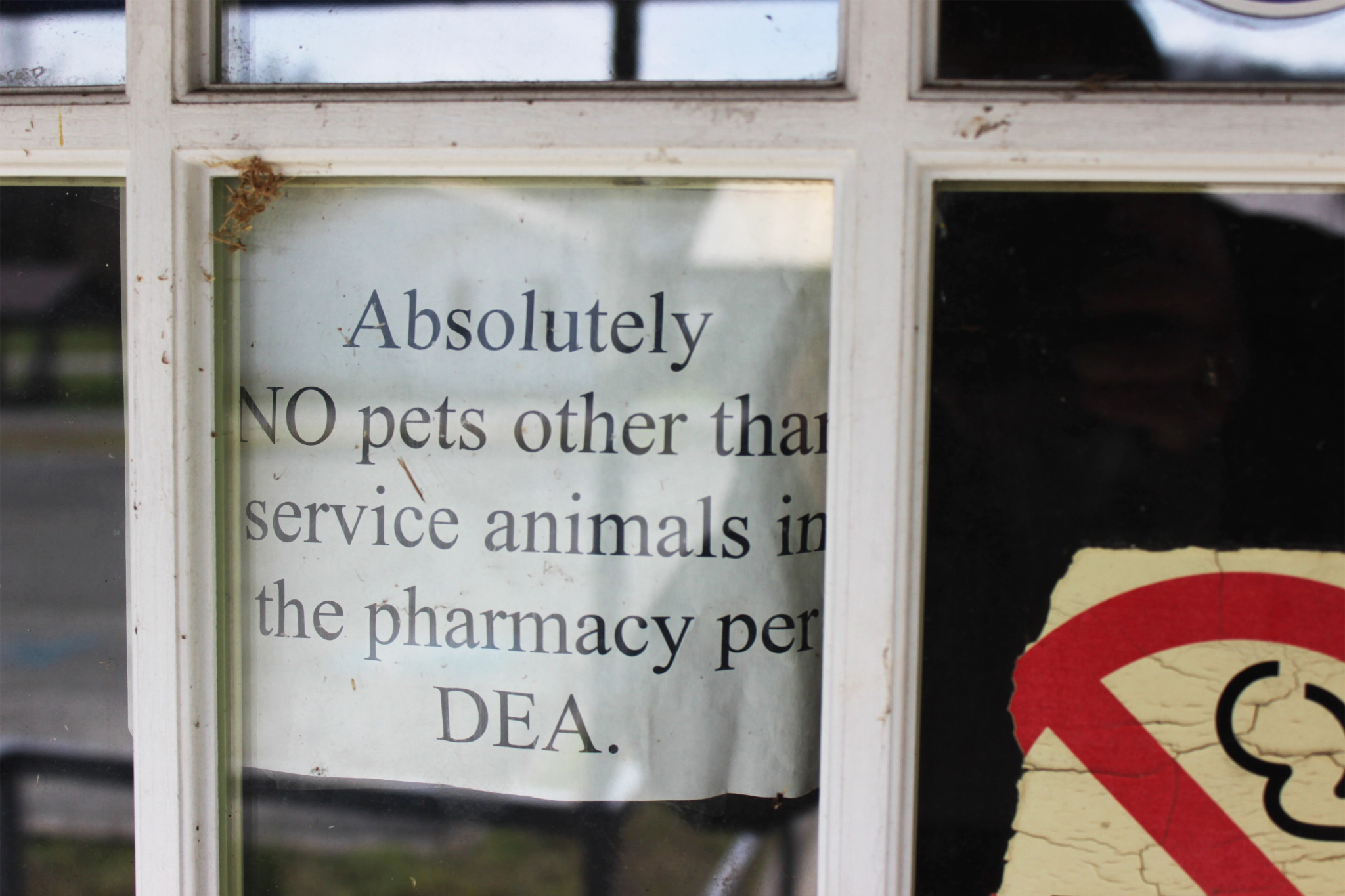
Today, Dale Hollow Pharmacy sits shuttered, as it has been for the past three years, and a paper sign taped to the door says animals are not allowed inside by order of the DEA. The building that was once Xpress Pharmacy reopened this year as an unrelated pharmacy with a fresh coat of paint. Ghearing’s clinic and Anderson Hometown Pharmacy are closed.
Most of Celina’s opioid prescriptions are gone, too. According to the latest available CDC data, Clay County reported about 32 opioid prescriptions per 100 residents in 2020 — one-sixth the rate of 2017’s.
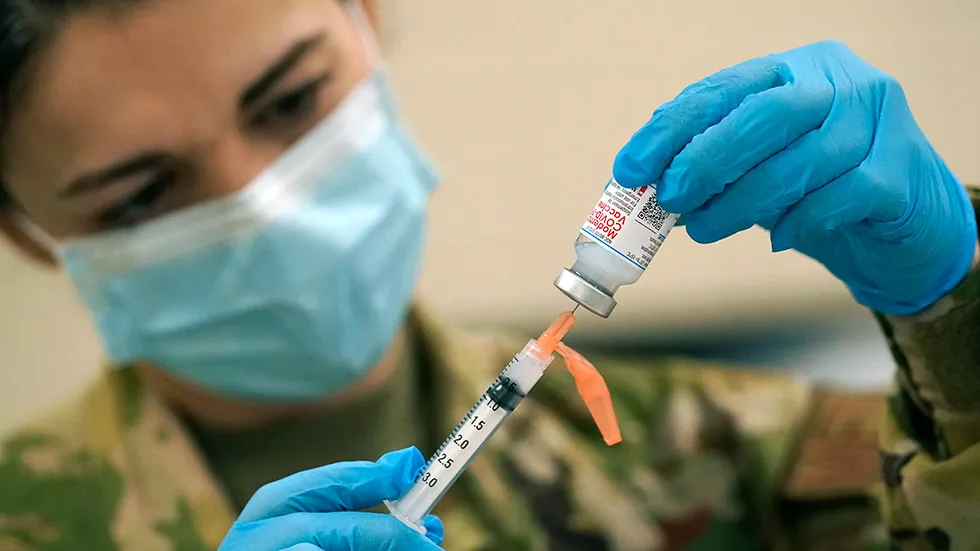
A subvariant of omicron known as BA.2 is now the dominant strain in the United States, according to new data from the Centers for Disease Control and Prevention (CDC).
The variant has been steadily rising in proportion because of its increased transmissibility compared to the original omicron strain, and it represented 54.9 percent of new cases for the week ending March 26, according to CDC data. That is up from about 27 percent two weeks earlier.
The BA.2 subvariant is thought to be about 30 percent more transmissible than the original BA.1 omicron strain, which itself was already more contagious than earlier versions of the virus.
Importantly, though, experts say there is no evidence that BA.2 causes more severe disease than the original omicron strain or that it evades the protection from vaccines to a greater degree.
The subvariant may cause some increase in cases after weeks of steady declines that have led to a relative lull in the virus. But it is unclear how sharp the increase will be, and people who are vaccinated and boosted are still well-protected against severe disease.
The Food and Drug Administration on Tuesday authorized a fourth COVID-19 vaccine shot for people 50 and older, which could further help protect the most vulnerable from the subvariant.
“CDC says the BA.2 subvariant of Omicron is now dominant in the US,” tweeted Leana Wen, a public health professor at George Washington University. “Reminder that while this appears to be even more contagious than the original Omicron, it is not more virulent than previous strains, and existing vaccines still protect well against severe disease.”
CDC Director Rochelle Walensky said last week that her agency was monitoring the subvariant, particularly in the Northeast, where it has been concentrated so far.
“Over the past week, we have seen a small increase in reported COVID-19 cases in New York state and New York City, and some increases in people in the hospital with COVID-19 in New England, specifically where the BA.2 variant has been reaching levels above 50 percent,” she said.
“This small increase in cases in the Northeast is something that we are closely watching as we look for any indication of an increase in severe disease from COVID-19 and track whether it represents any strain on our hospitals. We have not yet seen this so far.”
 HENRY KOTULA