Florida, Missouri and Texas now account for 40% of new coronavirus cases in U.S.

https://www.yahoo.com/news/florida-missouri-and-texas-now-account-for-40-percent-of-new-us-coronavirus-cases-172032337.html

NEW COVID-19 HOT SPOTS EMERGE AS DELTA VARIANT CIRCULATES

Just three states are now driving the pandemic in the United States, as the divide between vaccinated and unvaccinated regions of the country becomes ever more stark, as the more transmissible Delta variant of the coronavirus spreads.

Forty percent of all new cases this week have been recorded in Florida, Texas and Missouri, White House pandemic response coordinator Jeff Zients revealed at a press briefing Thursday.

Florida alone accounts for 20 percent of all new cases nationally, Zients pointed out, a trend that has stretched into its second week.

Zients added that “virtually all” hospitalizations and deaths — a full 97 percent — are among unvaccinated people. “The threat is now predominantly only to the unvaccinated,” he said. A few vaccinated people do experience so-called breakthrough infections, but they tend to experience only mild COVID-19 illness, or no illness at all.

Encouragingly, Zients said the five states that have experienced the most significant rise in infections — Arkansas, Louisiana, Florida, Nevada and Missouri — all also saw vaccination rates beat the national average for a second week in a row. But because immunity takes two weeks to develop, and the Delta variant spreads so rapidly, the benefits of the increased uptake of vaccinations may not be evident right away.

Singling out the three states where infections are now spiking could have the effect of putting pressure on elected officials there to do more to encourage vaccinations.

Florida’s governor, Ron DeSantis, is a Donald Trump loyalist who is widely expected to seek the presidency in 2024. His handling of the pandemic is coming under new scrutiny with the recent rise in cases.

Gov. Greg Abbott of Texas, also a GOP presidential aspirant, has recently said he will not impose new mask mandates. Both he and DeSantis have also signed measures striking down requirements that people produce proof of vaccination.

As the pandemic has surged back in parts of the country, other Republicans have deviated from that approach. The governor of Arkansas, Asa Hutchinson — a Republican who, like DeSantis and Abbott, is rumored to have presidential ambitions of his own — has recently pushed for more vaccinations in his state.

Rep. Steve Scalise, a member of Republican leadership in the House of Representatives and a close Trump ally, rolled up his sleeve last Sunday and was vaccinated. Scalise represents a district in Louisiana, another state with a low rate of vaccination that is experiencing a surge in new cases.

There were 46,318 new cases of the coronavirus reported nationwide on Tuesday, Centers for Disease Control and Prevention Director Rochelle Walensky said at Thursday’s briefing. That is a marked increase from the lows of late May and early June. Hospitalizations and deaths are also rising, after plummeting earlier this summer.

“If you are not vaccinated,” Walensky said, “please take the Delta variant seriously.”

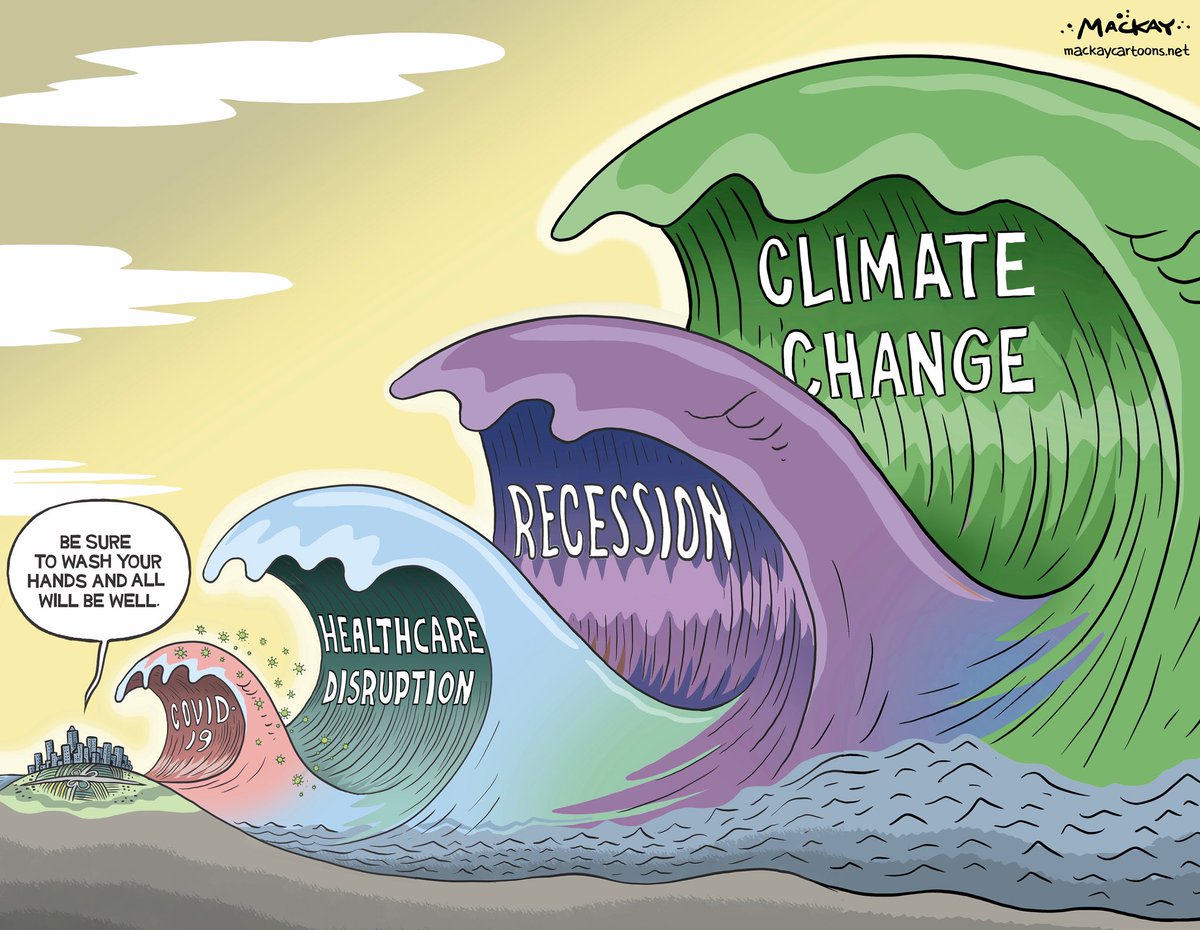
Cartoon – Catch a Wave

Dre Joanne Liu on Twitter: "Acid cartoon humor on the next Waves to come  2020-0311-NATrevised-healthcare.jpg 7 740 × 6 000 pixels… "

Healthcare and the Proposed Infrastructure Legislation

Senate Democrats Agree on $3.5 Trillion Infrastructure Bill | Barron's

One of the most important initiatives for President Biden since
taking office in 2021 has been to pass a sweeping infrastructure
bill to improve roads, bridges, water systems, and to make
affordable housing more available to Americans in need
, to name a few key
components. While a bill has not yet been passed, initial estimates range from $2.5 –
3.5 Trillion in total spending across all sectors. How will the proposed infrastructure bill
affect healthcare for Americans?
Healthcare remains the largest component of
household spending in the U.S. In 2019, Americans spent approximately $3.8 Trillion on
healthcare, or about 18% of the Gross Domestic Product. More importantly, we learned
from the pandemic that healthcare service providers are a critical infrastructure support
network to our nation. What does the infrastructure bill provide to assist with this going
forward?

The largest healthcare components in the infrastructure bill are estimated to be:

  • $400 Billion for Home and Community Based care for the disabled and elderly.
    According to census, an estimated 20% of the U.S. population will be over 65 by
  1. Caring for elderly relatives or living independently will become a top concern
    for most Americans. Home care is projected to grow by 22.6% in the next decade.
  • Lowering the Medicare eligibility age from 65 to 60. If it passes, this will increase the
    participants in the Medicare program by an estimated 20 million.
  • $18 Billion for needed upgrades to VA hospitals. The average age of a VA hospital is
    58 years. The private-sector hospitals median age is 11 years old. There are 1,700
    VA hospitals and clinics with 69% are more than 50 years old. Additionally, nearly
    100 VA sites, mostly in the western part of the country, need seismic correction.
    Other President Biden Healthcare Priorities
    There are several other healthcare topics that President Biden has added to his Agenda.
    Expand coverage to Medicaid at the state level to provide access to almost 5
    million additional individuals
    Lowering drug costs for consumers by requiring drug companies to negotiate
    with Medicare, limiting drug price increases and import drugs to save costs
    • Ending surprise billing
  • Expand funding for mental health care through the ACA and bring parity between mental health and other healthcare services
  • Tax credits for eligible families who enroll in coverage through the Marketplace
  • Unfortunately, while these estimates may continue to change between now and when a final bill is passed, healthcare is not a meaningful part of the infrastructure bill. Given our recent experience during the pandemic with hospital capacity being overloaded, one would have thought that the infrastructure bill would have addressed this critical shortfall.