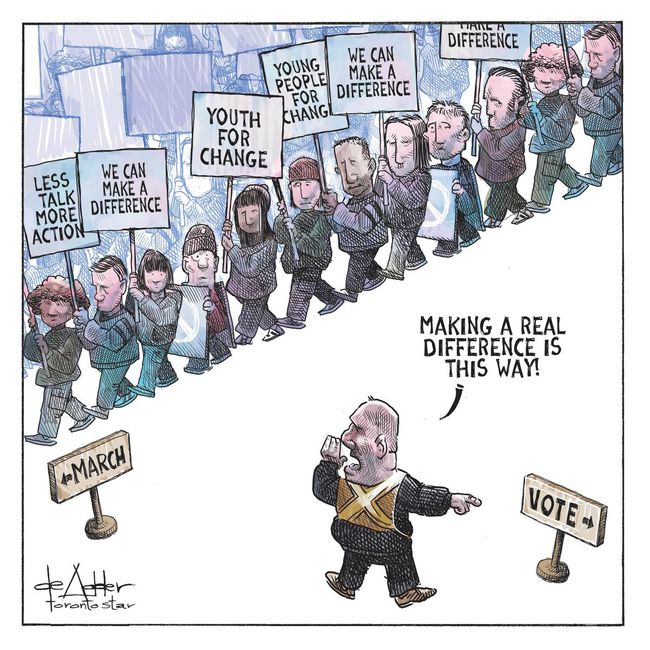
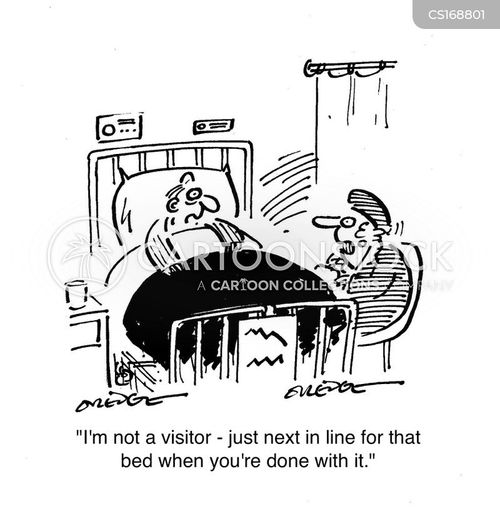
Cartoon – How Vivid is your False Memory?


Texas has the highest uninsured rate in the U.S., and Massachusetts has the lowest, according to an analysis by WalletHub, a personal finance website.
To measure the rates of uninsured by state, analysts compared the overall insurance rates of each state in 2019 using U.S. Census Bureau data. Analysts also examined the state rates based on age, race and income. Access more information about the methodology here.
Massachusetts has the lowest uninsured rate for adults and children, at 3.39 percent and 1.52 percent, respectively. In Texas, which ranked last, the children’s uninsured rate is 12.75 percent and the adults’ uninsured rate is 20.47 percent.
Here is each state ranked from lowest to highest uninsured rate, according to the analysis:
1. Massachusetts
2. Rhode Island
3. Hawaii
4. Vermont
5. Minnesota
6. Iowa
7. New York
8. Wisconsin
9. Pennsylvania
10. Michigan
11. Connecticut
12. Maryland
13. New Hampshire
14. Kentucky
15. Delaware
16. Ohio
17. Washington
18. West Virginia
19. North Dakota
20. Oregon
21. Illinois
22. California
23. New Jersey
24. Virginia
25. Colorado
26. Maine
27. Montana
28. Nebraska
29. Indiana
30. Louisiana
31. Arkansas
32. Kansas
33. Utah
34. Alabama
35. New Mexico
36. Missouri
37. Tennessee
38. South Dakota
39. Idaho
40. South Carolina
41. North Carolina
42. Arizona
43. Nevada
44. Alaska
45. Wyoming
46. Mississippi
47. Florida
48. Georgia
49. Oklahoma
50. Texas

The undercurrent of the VP debate is the age and health of the two men vying for the presidency.
The two remaining presidential debates, scheduled for October 15 and 22, are in question due to President Trump’s positive COVID-19 and quarantine status, making the vice presidential debate this Wednesday at 9 p.m. even more important than VP debates of past elections.
The undercurrent in the debate consists of the ages of challenger Biden, who is 77 and turning 78 before the end of the year, and Trump, 74, who has been hospitalized for COVID-19 and was released from Walter Reed Army Medical Center on Monday afternoon. Trump has said he plans to debate Biden on October 15.
This VP debate is big, said Paul Keckley, a healthcare policy analyst and managing editor of the Keckley Report.
“The reason is not so much the two are debating,” Keckley said. “We have a 77- year-old challenger and a 74-year-old incumbent. Voters are expecting the odds are one will become disabled and the vice president is going to step in. That’s the undercurrent of this debate.”
Healthcare is an obvious dominant theme Wednesday night beyond the health of the two men seeking the presidency.
It is expected that Biden’s running mate, Kamala Harris will challenge Vice President Mike Pence on his role heading the coronavirus task force when close to 7.5 million people in this country have been infected with COVID-19 and more than 200,000 have died.
Pence will likely challenge Harris on her support for Medicare for All before she backtracked to support Biden’s public-private option for healthcare coverage.
Pence and Harris are expected to lay out the healthcare plans of their respective Republican and Democratic nominees less than four weeks before the election, in a way the lead candidates failed to get across during the first presidential debate that presented more chaos than clarity.
TRUMP AND BIDEN PLANS
Trump and Biden differ fundamentally on whether the federal government should be involved in the business of providing healthcare coverage.
Trump’s guiding principles rest on the pillar of state autonomy as opposed to a federalized healthcare system and Biden’s maxim that healthcare is a right, not a privilege.
Trump believes that private solutions are better than government solutions, according to Keckley. He is much less restrained on private equity and the Federal Trade Commission’s scrutiny of vertical integration. States become the gateway to the market as private solutions are sold to states as innovation.
Trump’s other concept is that the door to engaging consumers in healthcare is price transparency. His view is that price transparency will spawn consumer engagement.
Centers for Medicare and Medicaid Services Administrator Seema Verma, who was appointed by Trump in 2016 based largely on the recommendation of Pence, is instituting a rule, starting January 1, 2021, requiring hospitals to have price transparency for 300 shoppable services. Hospitals are being required to make their contract terms with payer accessible.
This is separate from CMS’s interoperability rule aimed at payers that also goes into effect on January 1.
Trump believes healthcare is a personal responsibility, not a public obligation. To Trump, healthcare is a marketplace where there are winners and losers, according to Keckley.
Biden has a more developed policy platform on making healthcare a universal right, starting with strengthening the Affordable Care Act that was passed while Biden was vice president during President Barack Obama’s terms.
Biden wants to increase the eligibility for tax subsidies in the ACA up to 400% of the federal poverty level, which would expand access to subsidized health insurance.
He also wants to reduce the affordability threshold for employer insurance. Currently, if employees pay more than 9.7% of their adjusted income for their workplace coverage, they can seek a plan in the ACA marketplace. Biden would lower that eligibility for ACA coverage to 8.5%, opening the door for many more consumers to be insured through the ACA, at a lower cost.
Biden would also lower the age of eligibility for Medicare from 65 to 60.
For companies such as manufacturing and transportation, in which individuals can retire after 30 years of service, this lets them into the Medicare system earlier to fill that gap between retirement and Medicare eligibility.
Biden’s public option would create insurance plans that would compete with private plans.
The other factor to watch on the Biden side, Keckley said, is his clear focus on equity and diversity in healthcare.
AFFORDABLE CARE ACT
Biden wants to strengthen Obamacare while Trump is actively pursuing a repeal of the law through the Supreme Court.
President Trump’s debate prep and the White House Rose Garden event announcing the nomination of Judge Amy Coney Barrett to replace the late Supreme Court Justice Ruth Bader Ginsburg, border on the definition of super spreader events.
The Justices, perhaps with the addition of Trump’s pick, Amy Coney Barrett, if there are enough Republican senators well enough and in attendance to vote for confirmation, are scheduled to hear oral arguments in the case brought by 18 GOP-led states on November 10, the week after the election.
Senators must be present to vote, and Republicans, who have a majority of 53 to 47 seats, need a four-vote majority. Two Republican senators – Susan Collins of Maine and Lisa Murkowski of Alaska – have said they wouldn’t vote on a nominee prior to the election. Vice President Mike Pence could cast the deciding vote in a tie.
Three Republican senators have tested positive for the coronavirus. Sens. Mike Lee of Utah and Thom Tillis of North Carolina, who sit on the Judiciary Committee, tested positive for COVID-19 days after attending the White House Rose Garden event on September 26. Republican Sen. Ron Johnson of Wisconsin is now the third to test positive, though he did not attend that event.
There was a lack of social distancing and mask wearing at both the Rose Garden nomination and at a meeting between Trump and staff for debate prep. Twelve people in Trump’s inner circle, including his wife Melania, former New Jersey governor Chris Christie and White House Press Secretary Kayleigh McEnany, have tested positive since attending.
Senate Majority Leader Mitch McConnell wrote in an email to GOP senators obtained by CNN that he needs all Republican senators back in Washington by October 19.
COVID-19
Trump announced in a tweet Monday that he would be leaving Walter Reed later in the afternoon, saying he felt “really good!” and adding, “Don’t be afraid of Covid. Don’t let it dominate your life. We have developed, under the Trump Administration, some really great drugs & knowledge. I feel better than I did 20 years ago!”
Trump has been criticized for leaving the hospital on Monday to take a drive-by ride to wave to supporters. Attending physician Dr. James Phillips called the action “insanity” and “political theater” that put the lives of Secret Service agents in the car with him at risk.
Trump has downplayed the virus in an effort to reopen the country and the economy, and has put the blame on China, where the coronavirus originated.
Trump told Biden during the debate, “We got the gowns; we got the masks; we made the ventilators. You wouldn’t have made ventilators – and now we’re weeks away from a vaccine.”
Biden puts the blame squarely on Trump for delaying action to stop the spread.
Biden said during the debate: “Look, 200,000 dead. You said over seven million infected in the United States. We in fact have 5% or 4% of the world’s population – 20% of the deaths. Forty thousand people a day are contracting COVID. In addition to that, about between 750 and 1,000 people, they’re dying. When [Trump] was presented with that number he said ‘It is what it is’ – what it is what it is – because you are who you are. That’s why it is. The president has no plan. He hasn’t laid out anything.”
Biden said that back in July he laid out a plan for providing protective gear and providing money the House passed to get people the help they need to keep their businesses open and open schools.
Under Trump’s Administration, Congress passed $175 billion in provider relief funds for hospitals, small businesses, individuals and others – $100 billion from the CARES Act and $75 billion from the Paycheck Protection Program and Healthcare Enhancement Act.
MEDICAID EXPANSION
CMS Administrator Seema Verma was healthcare advisor to Pence while he was governor of Indiana. Her consulting firm, SVC, Inc., worked closely with Pence to design Indiana’s Medicaid expansion under the Affordable Care Act. They developed a unique Medicaid expansion program called Health Indiana Plan 2.0, which mandated low income adults above the poverty level pay monthly premiums for their healthcare.
Members who did not pay faced being disenrolled for six months.
As administrator, Verma has initiated similar work requirements for Medicaid coverage nationwide.
While as governor Pence implemented Medicaid expansion, as vice president he has supported torpedoing the ACA, and has pushed the Graham-Cassidy plan for healthcare reform that would have replaced the ACA.
DRUG PRICES
Neither Trump nor Biden has taken on the pharmaceutical industry in a meaningful way, though both have voiced a strong belief that drug manufacturers are egregious to the system, according to Keckley.
“Both camps are saying, we’re really going to take them on,” he said.
During the debate, Trump said he was cutting drug prices by allowing American consumers to buy drugs from Canada and other countries under a favored nation status.
“Drug prices will be coming down, 80 or 90 percent,” Trump said during the debate, telling Biden he hadn’t done anything similar during his 47 years in government.
If Trump gets a second term, there will likely be more industry folks in his circle, following up on his first term of stacking his cabinet with business people.
Biden would be more likely to lean toward a blend of public health officials and industry executives. There would be more of a spotlight on wealth creation in healthcare and executive pay.
In the $1.1 trillion world of prescription drugs, the United States makes up 40% of the market.
“We’re the hub of the prescription drug industry,” Keckley said.

The last time margins sank so deeply into the red was after the Balanced Budget Act of 1997, though today’s margins are faring worse.
COVID-19 continues to have deep and lingering financial impacts on hospitals in New Jersey. A midyear analysis of financial data shows nearly 60% of the state’s hospitals in the red and an average statewide operating margin of negative 4%.
The effects have been profound, and serve as a potential microcosm of the continuing impact of the coronavirus on hospital operating margins nationwide.
The decline in the state is the result of a dual blow of declining revenues and rising expenses, according to the report from the Center for Health Analytics, Research and Transformation at the New Jersey Hospital Association. Officials said the state’s hospitals haven’t experienced this level of fiscal distress in more than 20 years.
In fact, the last time margins sunk so deeply into the red was in the late 1990s. At that time, the Balanced Budget Act of 1997 resulted in significant payment cuts to the state’s hospitals, with margins falling to -1.7% and -2.3% in 1998 and 1999, respectively. And those numbers are not as distressing as the ones being experienced during the public health crisis.
WHAT’S THE IMPACT?
The report, “At Mid-Year, COVID-19’s Financial Wounds Continue for N.J. Hospitals,” shows the impact of continued loss of revenue from the suspension of elective procedures at COVID-19’s peak in the spring, and the slow rebound of patients returning to the hospital.
CHART’s data, comparing June 30, 2019, with June 30, 2020, shows that total patient revenues declined 6.6%. Emergency department cases plummeted 23%, while hospital admissions fell by 8% and outpatient visits dropped by 22%.
An additional aggravating factor is a 12% increase in total operating expenses, because COVID-19 required hospitals to redirect resources to increase staffing; boost supplies of personal protective equipment, pharmaceuticals and ventilators; and modify operations and facilities to expand capacity.
CHART’s analysis takes a closer look at the disruption of elective procedures in New Jersey hospitals and its lingering impact. Governor Phil Murphy’s Executive Order 109, in effect March 27 through May 26, required hospitals to suspend elective procedures during the state’s COVID-19 surge. CHART used claims data for some of the highest-volume elective procedures performed in New Jersey hospitals – bariatric surgery, pacemaker insertion, spinal fusion, knee replacement and hernia repair – to gauge the impact.
In April and May 2019, the state’s hospitals performed these procedures 4,336 times. That number plummeted to just 400 statewide in April and May 2020. The state’s executive order suspending procedures during this time allowed exemptions for cases in which a delay would result in “undue risk to the current or future health of the patient.”
The year-over-year decline persisted even when the suspension was lifted. In June and July of 2019, 4,194 procedures from the list of high-volume procedures were performed, compared with 3,191 in June and July of 2020.
But the greatest decline in volume by percentage was seen in hospital emergency departments, where cases nosedived 23.4% between June 30, 2019, and June 30, 2020. That has healthcare leaders concerned.
NJHA officials said a hospital turnaround is critical for the statewide recovery from the coronavirus.
“The state’s hospitals pump $25 billion annually into the New Jersey economy and employ 154,000 people,” said NJHA’s Roger Sarao, vice president of economic and financial information and lead author of the CHART report. “They are an essential part of the road to recovery from this public health and economic crisis.”
THE LARGER TREND
The effects of the pandemic on the nation’s hospitals will be long-lasting, especially among nonprofits. A recent Fitch Ratings analysis showed that the full effects have yet to be felt.
The agency predicted that capital spending will be greatly reduced in the initial years post-pandemic, though some of it will ultimately accelerate due to anticipated merger and acquisition activity.
Fitch expects hospitals to take on added expenses to perform the same level of service, and predicts revenue declines from a shift in payer mix.

Physician groups and other healthcare providers continued expressing their dissatisfaction with the 2021 Medicare physician fee schedule proposed rule from the Centers for Medicare & Medicaid Services (CMS).
“While we support the CPT coding revisions and revaluations of office and outpatient evaluation and management (E/M) services recommended by the AMA/Specialty Society RVS Update Committee [RUC], we strongly oppose the proposed budget neutrality reduction proffered by CMS for these and other physician fee schedule changes proposed for 2021,” said a letter sent Monday to CMS Administrator Seema Verma from 47 medical and health specialty groups including the American College of Surgeons, the American College of Radiology, and the American Academy of Ophthalmology. The groups represent 1.4 million providers, including physicians, social workers, and speech-language pathologists.
If adopted as proposed, the fee schedule would “reduce Medicare payment for services provided in patients’ homes, physician offices, non-physician practices, therapy clinics, skilled nursing facilities, hospitals and rehabilitation agencies — at a time when the spread of COVID‐19 remains unchecked,” the letter said.
The proposed fee schedule, which was announced in early August, includes “simplified coding and billing requirements for E/M visits [that] will go into effect January 1, 2021, saving clinicians 2.3 million hours per year in burden reduction,” CMS said. “As a result of this change, clinicians will be able to make better use of their time and restore the doctor-patient relationship by spending less time on documenting visits and more time on treating their patients.”
However, the proposed rule also lists (on p. 50375) the estimated impacts of the rule’s payment changes for each specialty, which includes losers as well as winners.
Three specialties fare the best: endocrinology, with a 17% increase; rheumatology, with a 16% increase; and hematology/oncology, with a 14% increase. At the bottom are nurse anesthetists and radiologists, both with an 11% decrease; chiropractors, with a 10% decrease; and interventional radiology, pathology, physical and occupational therapy, and cardiac surgery, all with a 9% decrease. Surgical specialties in general took some of the biggest hits, with cuts in every category ranging from 5% to 9%.
The proposed rule also lists the fee schedule’s final conversion factor — the amount that Medicare’s relative value units (RVUs) are multiplied by to arrive at a reimbursement for a particular service or procedure under Medicare’s fee-for-service system. Due to budget neutrality changes required by law, the proposed 2021 conversion factor is $32.26, a decrease of $3.83 from the 2020 conversion factor of $36.09, CMS said. Comments on the proposed rule were due by 5 p.m. on Monday.
American Medical Group Association (AMGA), which represents group practices, also weighed in on the proposed rule. “AMGA is concerned that the CMS proposed 2021 Physician Fee Schedule rule would inadvertently exacerbate the financial situation facing our membership that is a result of the ongoing novel coronavirus 2019 (COVID-19) pandemic,” the association said in a statement. “While appreciative of the effort to increase support for primary care services, the Physician Fee Schedule’s budget neutrality requirements effectively shift funds from one specialty to another, potentially undermining the team-based approach to care that is the hallmark of the group practice model.“https://tpc.googlesyndication.com/safeframe/1-0-37/html/container.html
In its comments on the rule, the American Association of Neurological Surgeons (AANS) took particular issue with the fact that the changes to the E/M codes were not included in global payments for some surgical procedures that include an E/M visit. “The AANS … strongly urges CMS to apply the RUC-recommended changes to the E/M component of the 10- and 90-day global surgery codes to maintain the relativity of the fee schedule and to comply with the Medicare law’s prohibition on specialty payment differentials,” the AANS wrote in its comments.
The AANS also wasn’t happy with a proposed add-on code known as GPC1X, which CMS said could be used for “visit complexity inherent to E/M associated with medical care services that serve as the continuing focal point for all needed health care services and/or with medical care services that are part of ongoing care related to a patient’s single, serious, or complex condition.”
The code is nothing more than a “holdover” from an earlier bundled payment scheme that has since been replaced, the AANS said. “Instead of correcting a system that would have resulted in unfair payment reductions, the agency is creating a new coding scheme that inappropriately discriminates among physician specialties — over-inflating payments to individual specialties and causing steep cuts to others.” The association urged CMS to get rid of the add-on code, noting that “more than $3.3 billion will be redistributed between specialties if this code is implemented, and it is a significant contributor to the steep reduction in the conversion factor.”
The American Association of Orthopaedic Surgeons objected to a decrease in the work RVUs for knee and hip arthroplasties. “The overall physician work for these procedures has not changed since they were last evaluated in 2013,” the group said in a statement. “If anything, orthopaedic surgeons and their staff are spending more time on the preoperative work that is essential to the clinical success and cost savings of Medicare alternative payment models.”https://tpc.googlesyndication.com/safeframe/1-0-37/html/container.html
“If these Medicare cuts are finalized, it sends a strong signal: when providers in the vanguard of value-based care begin to achieve some efficiencies in the delivery of care, CMS will use those positive developments as a justification to cut Medicare fee-for-service reimbursement regardless of the extra work that goes into achieving these outcomes,” C. Lowry Barnes, MD, president of the American Association of Hip and Knee Surgeons, said in a statement.
Congress has also gotten involved in the proposed rule. Last Friday, representatives Michael Burgess, MD (R-Texas) and Bobby Rush (D-Ill.) introduced H.R. 8505, which would temporarily waive the legislation’s budget neutrality provision and avoid the payment cuts.
https://news.yahoo.com/much-trumps-coronavirus-treatment-cost-130318676.html
President Donald Trump spent three days in the hospital. He arrived and left by helicopter. And he received multiple coronavirus tests, oxygen, steroids and an experimental antibody treatment.
For someone who isn’t president, that would cost more than $100,000 in the American health system. Patients could face significant surprise bills and medical debt even after health insurance paid its share.
The biggest financial risks would come not from the hospital stay but from the services provided elsewhere, including helicopter transit and repeated coronavirus testing.
Trump has praised the high quality of care he received at Walter Reed National Military Medical Center, and has played down the risk of the virus. “Don’t be afraid of Covid,” Trump tweeted on Monday, before returning to the White House. “Don’t let it dominate your life.”
Across the country, patients have struggled with both the long-term health and financial effects of contracting coronavirus. Nearly half a million have been hospitalized. Routine tests can result in thousands of dollars in uncovered charges; hospitalized patients have received bills upward of $400,000.
Trump did not have to worry about the costs of his care, which are covered by the federal government. Most Americans, including many who carry health coverage, do worry about receiving medical care they cannot afford.
For some Americans, the bills could start mounting with frequent tests. Insurers are generally required to pay for those tests when physicians order them, but not when employers do.
The Trump administration made that clear in June, when it issued guidance stating that insurers do not have to pay for “testing conducted to screen for general workplace health and safety.” Instead, patients need to pay for that type of testing themselves. Some might be able to get free tests at public sites, and some employers may voluntarily cover the costs. Others could face significant medical debt from tests delivered at hospitals or urgent care centers.
COVID tests can be expensive. Although they typically cost $100, one emergency room in Texas has charged as much as $6,408 for a drive-through test. About 2.4% of coronavirus tests billed to insurers leave the patient responsible for some portion of payment, according to the health data firm Castlight. With 108 million tests performed in the United States, that could amount to millions of tests that leave patients responsible for some share of the cost.
Marta Bartan, who works as a hair colorist in New York City, needed a coronavirus test to return to her job this summer. She received a $1,394 bill from the hospital running the drive-through site where she was tested.
“I was so confused,” said Bartan, who is contesting the bill. “You go in to get a COVID test expecting it to be free. What could they have possibly charged me $1,400 for?”
The bills for the typical American would continue at the hospital, with the routine monitoring that any patient would receive and the drugs provided in the course of care.
Remdesivir, a new coronavirus treatment created by Gilead, costs $3,120 when purchased by private insurers and $2,340 with public programs like Medicare and Medicaid.
Trump also received an experimental antibody treatment from Regeneron. It’s currently available to clinical trial participants or to those granted a “compassionate use” exemption. In either situation, the drug would typically be provided to the patient at no charge. This will most likely change, however, when the treatment finishes trials and hits the commercial market. These types of drugs are hard to manufacture, and other monoclonal antibodies cost thousands of dollars.
Health economists are only starting to understand the full costs of coronavirus treatment, just as scientists are mapping out how the disease works and spreads. They do have some early estimates: The median charge for a coronavirus hospitalization for a patient over 60 is $61,912, according to a claims database, FAIR Health
That figure includes any medical care during the hospital stay, such as an emergency room visit that led to admission or drugs provided by the hospital.
For insured patients, that price would typically be negotiated lower by their health plan. FAIR Health estimates that the median amount paid is $31,575. That amount, like most things in American health care, varies significantly from one patient to another.
In the FAIR Health data on coronavirus patients over 60, one-quarter face charges less than $26,821 for their hospital stay. Another quarter face charges higher than $193,149, in part because of longer stays.
Many, but not all, health insurers have said they will not apply copayments or deductibles to patients’ coronavirus hospital stays, which could help shield patients from large bills.
Uninsured patients, however, could be stuck with the entire hospital charges and not receive any discounts. While the Trump administration did set up a fund to cover coronavirus testing and treatment costs for the uninsured, The New York Times has reported that some Americans without health insurance have received large bills for their hospital stays.
The biggest billing risk for a patient receiving treatment similar to Trump’s would probably come from helicopter rides to the hospital.
Air ambulances are expensive and often not in major health insurance plans’ networks. The median charge for an air ambulance is $38,770, according to a study in the journal Health Affairs published this year. When the helicopter trip is out of network — as about three-quarters of them are — patients are left with a median charge of $21,698 after the insurance payout.
Taking two helicopter rides, as Trump did, could plausibly result in more than $40,000 in medical debt for patients without access to their own aircraft (though of course most people do not leave the hospital by helicopter).
The financial consequences of a coronavirus hospitalization could be long-lasting, if a new Supreme Court challenge to the Affordable Care Act is successful. That case argues that all of Obamacare is unconstitutional, including the health law’s protections for preexisting conditions. The administration filed a brief in June supporting the challenge.
The Supreme Court hears that case on Nov. 10. If the challenge succeeds, COVID-19 could join a long list of preexisting conditions that would leave patients facing higher premiums or denials of coverage. In that case, coronavirus survivors could face a future in which their hospital stays increase their health costs for years to come.
This article originally appeared in The New York Times.