CommonSpirit came up with a new plan to restart elective procedures. Here’s what it says

https://www.fiercehealthcare.com/hospitals-health-systems/commonspirit-gives-tookit-to-hospitals-how-to-restart-elective-surgical?mkt_tok=eyJpIjoiWldSbVlqVTFPV0l4T1dGaSIsInQiOiIwSWp6WDBDRk9GK2U5T1hkYnpsRzRleSsyQlhFb1NrR1BpbHBwZFVHSlBNOVc4cjhuQVRBZUIzRnZVQVA1UFV0ekVoUWJnZDVLeDNoQitqSmJ2c0ZpbXBcL3lLbVQ0RGlKRXlzVzNSbkthaUpUV0twQ2Z4emFGaTViemFcL1N6WTZrIn0%3D&mrkid=959610

CommonSpirit came up with a new plan to restart elective ...

Like a lot of major health systems, CommonSpirit Health is making strides to reopen elective procedures canceled due to COVID-19.

Some facilities have already resumed some surgical procedures, and others are going to start scheduling such procedures as soon as Monday.

To get started, officials say, the health system giant recently created a toolkit that they sent to its 137 hospitals that stretch across more than 20 states outlining testing, screening and supply protocols. CommonSpirit’s toolkit builds on a framework put out in recent weeks by the American Hospital Association, the American College of Surgeons and other provider groups.

A key message: Hospitals must also make sure to keep one eye on the virus and its ongoing spread in the community on a daily basis and be ready to respond accordingly. CommonSpirit says that facilities need to coordinate with local and state authorities.

“The virus isn’t going away because we reopened,” Barbara Pelletreau, senior vice president for patient safety at CommonSpirit, told FierceHealthcare.

Here’s a look at what else the health system’s new toolkit advises:

1. Assess: The toolkit offers five phases of surgical care, Pelletreau said. In the first phase, a facility must look at how to reassess the health status of patients since the cancellation of their procedure, she said.

Hospitals must adhere to the Centers for Medicare & Medicaid Services’ requirement that there is a physical examination and history of a patient within 30 days of any procedure. “This will verify if there has been no significant interim change in patient’s health status,” the toolkit said.

Hospitals can rely on telehealth for part of this evaluation.

Testing is also a critical part of the restart. Facilities should test patients before surgical procedures and tell patients to remain at home before the results come in to limit any new potential exposure.

A hospital must also create a process to determine next steps if patient testing is not available or results haven’t come back in time for the surgery.

2. Designate leadership and coordinate: As they prepare to get going again, facilities should establish a prioritization policy committee that has members from surgery, anesthesia and nursing.

The committee should examine which types of procedures should get priority to resume.

3. Ensure they have enough PPE: They also need to make sure they have enough personal protective equipment (PPE) to handle not just any new procedures but also another wave of COVID-19 cases.

For instance, one part of the toolkit recommends a facility to have a minimum of four days of PPE on hand and projection of new inventory arriving for the next two weeks.

As facilities ramp up, they must ensure they have enough primary and adjunct personnel. A hospital must also put out guidelines for who is present during intubation and extubation of the patient and how to use PPE.

Communication

However, a key element is harder to address: confidence among patients.

“In the end, you can have all the clinical facts. But it is, ‘How do you feel about your safety?’” Pelletreau said. “How do you feel about going to the grocery store or a hospital that delivers amazing medical care?”

Pelletreau said that CommonSpirit is now also working on messaging to its own employees and to the community to assure patients it is safe to return to the hospital for needed medical care. That includes several communication resources to show examples of the work it is doing, from ramped-up testing to more stringent cleaning protocols, to ensure surgical procedures can be performed safely.

“Consider a proactive approach to communicating with staff, patients, physicians and the community,” the toolkit said. “Recognize the significant interest and questions from our key audiences.”


Kaiser Permanente reports $1.1B loss in Q1

https://www.fiercehealthcare.com/hospitals-health-systems/kaiser-permanente-earnings?mkt_tok=eyJpIjoiWldSbVlqVTFPV0l4T1dGaSIsInQiOiIwSWp6WDBDRk9GK2U5T1hkYnpsRzRleSsyQlhFb1NrR1BpbHBwZFVHSlBNOVc4cjhuQVRBZUIzRnZVQVA1UFV0ekVoUWJnZDVLeDNoQitqSmJ2c0ZpbXBcL3lLbVQ0RGlKRXlzVzNSbkthaUpUV0twQ2Z4emFGaTViemFcL1N6WTZrIn0%3D&mrkid=959610

Kaiser Permanente building infrastructure to 'connect the dots ...

Kaiser Permanente reported a $1.1 billion loss in the first quarter—a drop from $3.2 billion in income in the first quarter a year earlier, blamed largely on investment losses. 

Kaiser Foundation Health Plan and Hospitals saw operating revenues of $22.6 billion and total operating expenses of $21.4 billion. That was up compared to total operating revenues of $21.3 billion and total operating expenses of $19.8 billion in the same period of the prior year.

Operating income was $1.3 billion or 5.5% of total operating revenues in the first quarter of this year, compared to $1.5 billion or 7.2% in the first quarter of 2019.

Typically, the healthcare group sees its strongest operating margin in the first quarter due to the timing of open enrollment. Instead, that margin sustained a major blow with $2.4 billion in investment losses in the first quarter of 2020 compared to a first-quarter gain of $1.6 billion in 2019.

Kaiser said its first-quarter results also reflect costs incurred from surge planning, equipment and preparations in response to the COVID-19 pandemic in the tail end of the first quarter. The full cost of that planning, as well as economic and membership impacts of the pandemic, aren’t yet known, they said. The full cost of surge planning, as well as the overall economic and membership impacts of the COVID-19 pandemic are not yet known. Kaiser Permanente established mobile hospitals and triage units, recommissioned retired units, increased inpatient capacity and acquired additional equipment to prepare for the potential surge, officials said.

“Even with all this rapidly escalating preparation and direct care delivery, only a small portion of the financial effects of the pandemic, in terms of lost revenue and increased costs, was experienced in the first quarter,” said Executive Vice President and Chief Financial Officer Kathy Lancaster in a statement.

Kaiser Permanente is one of the largest nonprofit healthcare plans in the U.S., with over 12 million members. It operates 39 hospitals and more than 700 medical offices. 

Kaiser Permanente is among many health systems giants that have reported major financial hits in the first quarter including publicly traded health systems Tenet Health, Community Health Systems, Universal Health Systems and HCA Healthcare. However, most major payers have indicated they were largely able to weather the financial storm caused by COVID-19 in the first quarter.


Cartoon – Learning Online

Coronavirus socialism: Political Cartoons – Redlands Daily Facts

Cartoon – Current State of the Union

This Week's Cartoons: Coronavirus, Social Media, and Social ...

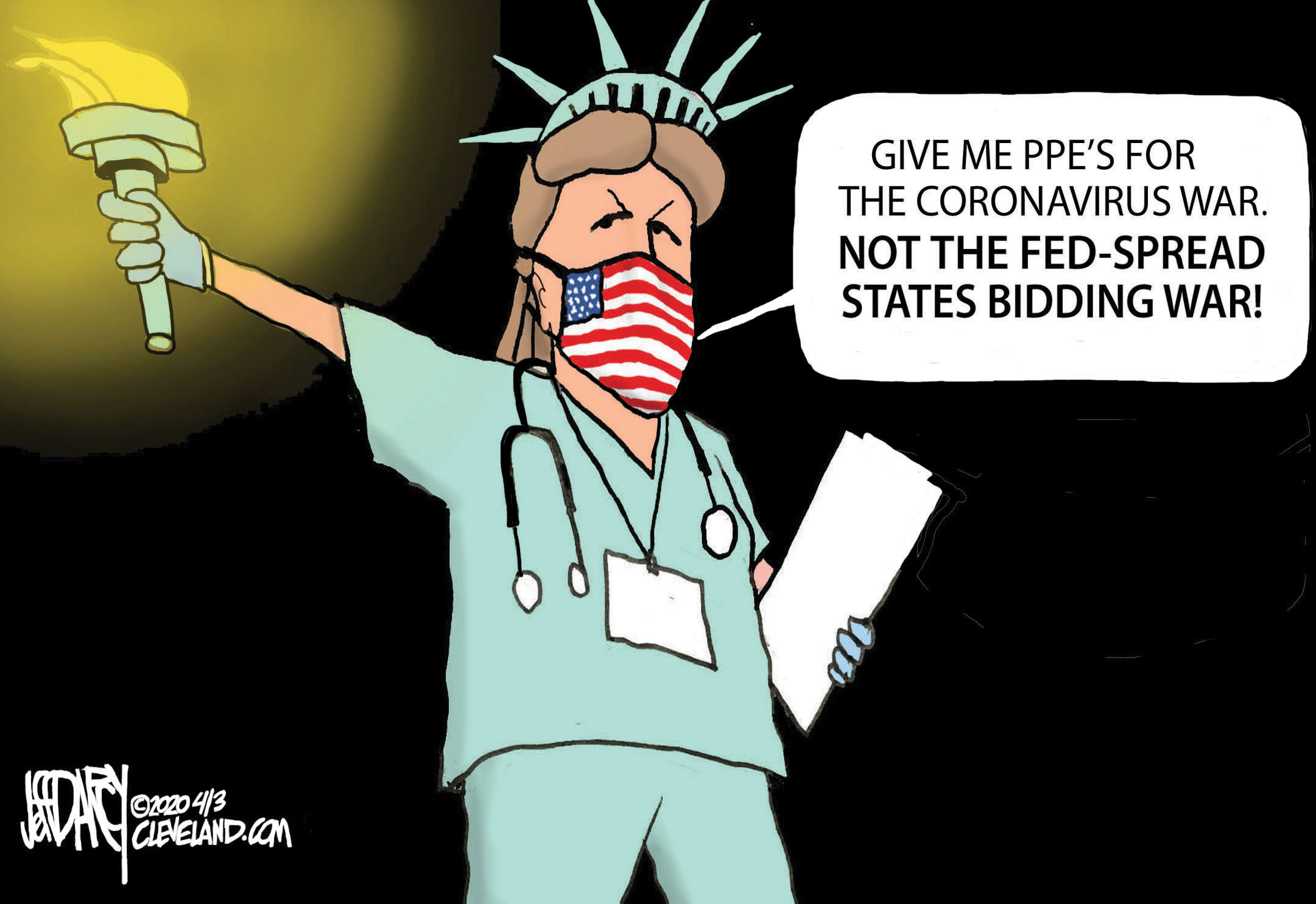
Cartoon – The Coronavirus War

Coronavirus first responders now the frontline in two wars: Darcy ...

Cartoon – Sign of Coronavirus Times

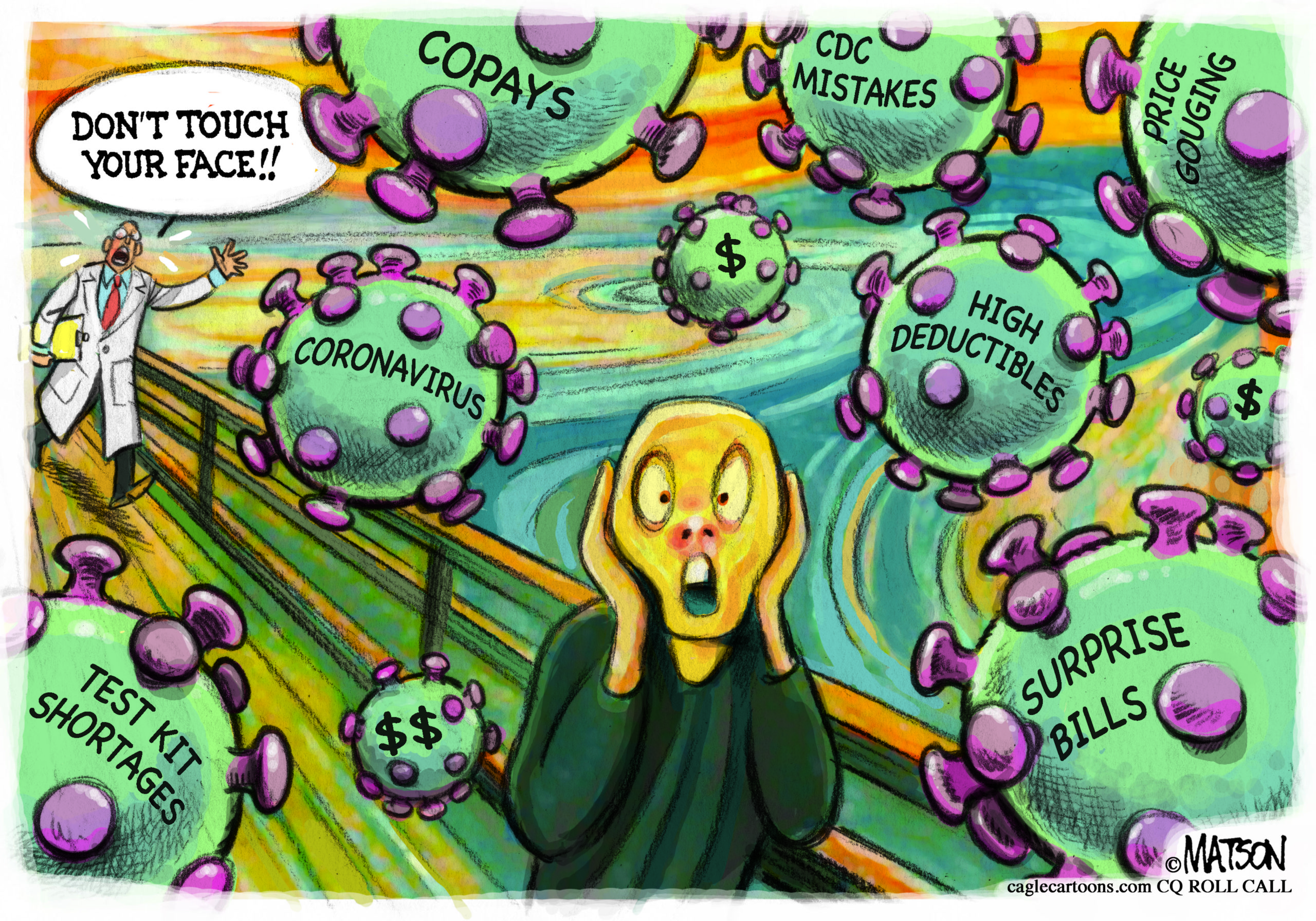
The Coronavirus Scream - Truthdig: Expert Reporting, Current News ...

Minneapolis Fed president: ‘The worst is yet to come on the job front’

https://thehill.com/homenews/sunday-talk-shows/497006-minneapolis-fed-president-the-worst-is-yet-to-come-on-the-job?rnd=1589121753

Minneapolis Fed president: 'The worst is yet to come on the job ...

The president of the Federal Reserve Bank of Minneapolis said Sunday that the “worst is yet to come” after a record of 20 million people lost their jobs amid furloughs and layoffs sparked by the coronavirus pandemic in April. 

“I mean the worst is yet to come on the job front, unfortunately,” Neel Kashkari said on ABC’s “This Week.”

“We may be in an environment of gradual relaxing and then having to clamp back down again around the country as the virus continues to spread,” he added. “To solve the economy, we must solve the virus. Let’s never lose sight of that fact.”

Kashkari also contradicted White House economic adviser Larry Kudlow’s prediction for a financially strong half of 2020 and full 2021 when ABC’s George Stephanopoulos asked if that was realistic.

“You know, I wish it were,” he responded. “What I’ve learned in the last few months, unfortunately, this is more likely to be a slow, more gradual recovery.”

The Minneapolis Fed president said a “robust economy” would require a breakthrough in vaccines, testing and therapies. 

“I don’t know when we’re going to have that confidence,” he said, adding, “and ultimately, the American people are going to decide how long the shutdown is.”

The Department of Labor reported last week that the unemployment rate had reached 14.7 percent, which is the highest since the U.S. began tracking in 1948. More than 33 million people have applied for unemployment claims since mid-March. 

Speaking earlier Sunday on “This Week,” Kudlow acknowledged that “very difficult” unemployment numbers could likely be reported in May. But he added that there is a “glimmer of hope” within the unemployment data, with 80 percent of the claims involving those who were furloughed or going through temporary layoffs. 


Infectious disease expert: ‘We are going to see a growth in cases’ in coming weeks

https://thehill.com/homenews/sunday-talk-shows/497011-infectious-disease-expert-we-are-going-to-see-a-growth-in-cases-in?rnd=1589123649

Infectious disease expert: 'We are going to see a growth in cases ...

Columbia University infectious diseases expert Jeffrey Shaman predicted Sunday that the U.S. will see a growth in coronavirus cases in coming weeks as some states loosen restrictions.

Shaman said on NBC’s “Meet the Press” that Trump administration officials have not taken full advantage of the past eight weeks of near-total lockdowns, saying that the period would have “benefitted enormously from consistent messaging” from the White House.

“We do need to start picking ourselves up where we are” he said, pointing to countries that appear to have successfully contained the spread of the virus, such as South Korea, Germany and New Zealand.

“They did this because they tested so aggressively and they used contact tracing and they were able to quarantine people who were becoming infectious,” he said.  “Once you’ve done that, then you’re in this position of strength where reopening the economy is not going to lead necessarily to the rebound in cases that I’m expecting, given this patchwork response that we have right now and the reopenings taking place in some states.”

“What I think we’re probably going to see over coming weeks, probably towards the end of the month, is we’re just going to start to see a growth in cases,” he added. “It’s not going to happen over the next week or two, it’s going to come in with a lag. That built-in delay means any changes we do to social distancing because of reopening, we’re not going to realize for a couple of weeks that we’re already into some period of growth.”

Multiple states have moved to reopen portions of their economy shuttered by state-at-home orders imposed to prevent the spread of coronavirus.

The Labor Department reported last week that a record 20 million Americans lost their jobs in April amid the pandemic.


White House adviser says unemployment may climb to 20 percent

https://thehill.com/homenews/administration/497003-white-house-advisor-says-unemployment-may-climb-to-20-percent?rnd=1589120557

White House economic adviser expects unemployment rate to climb ...

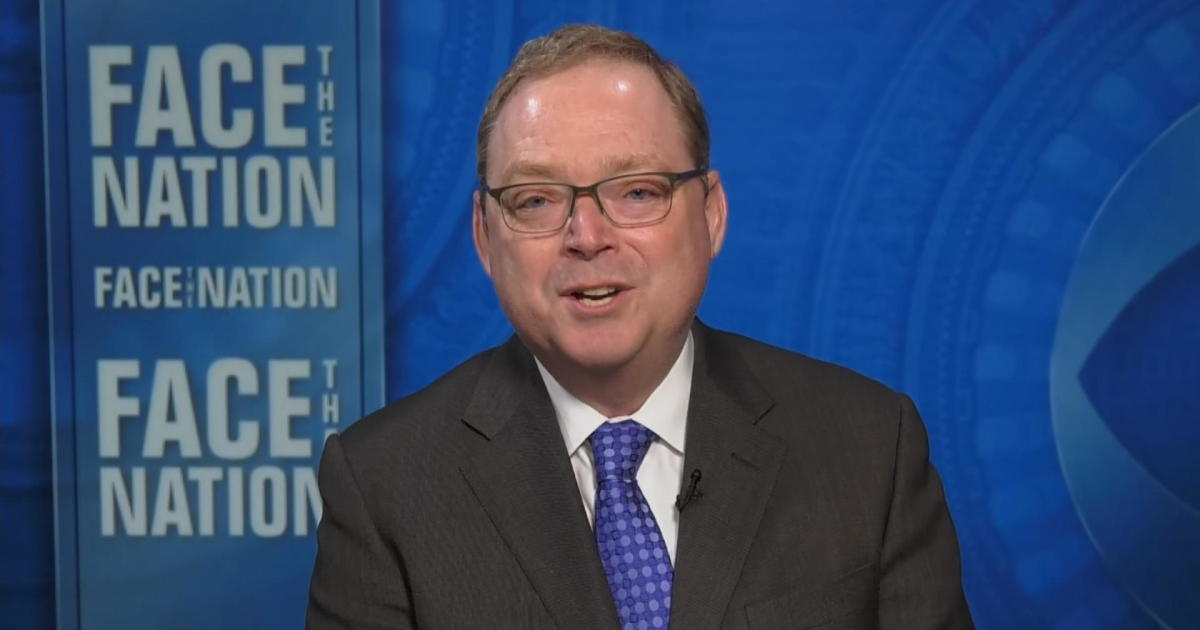
White House adviser Kevin Hassett said Sunday the U.S. unemployment rate could reach 20 percent in May. 

“I think just looking at the flow of initial claims, it looks like we’re probably going to get close to 20 percent in the next report,” Hassett said on CNN’s “State of the Union.”

He made similar comments on CBS’s “Face the Nation,” saying the low point could reach 20 percent around May or June.

Hassett said on CNN the unemployment rates depend on whether the virus “has really abated” and if economies are “really going again.” 

“I would guess middle of summer is when we’re going to start to go into the transition phase,” he said, adding that he hopes there will be “very strong” growth in the third and fourth quarters.

The unemployment in April rate rose to 14.7 percent from 4.4 percent in March, according to the latest jobs report released by the Bureau of Labor Statistics on Friday. 

The U.S. lost 20.5 million jobs in April amid the coronavirus pandemic, breaking the record for the largest one-month increase in the unemployment rate.