5 trends and issues to watch in the insurance industry in 2020

https://www.fiercehealthcare.com/payer/top-5-trends-and-issues-to-watch-insurance-industry-2020

Image result for 5 trends and issues to watch in the insurance industry in 2020

The insurance industry appears likely to have another big year in 2020, as growth in government and commercial markets is expected to continue.

But a presidential election and new transparency initiatives could throw some major curveballs to payers.

Here are the top five issues and trends to watch out for in the next year:

Medicare Advantage diversifies

Enrollment growth in Medicare Advantage is likely to continue next year, as more than 22 million Medicare beneficiaries already have a plan. But what will be different is diversification into new populations, especially as insurers pursue dually eligible beneficiaries on both Medicare and Medicaid.

“This is being made possible because of strong support from government,” said Dan Mendelson, founder of consulting firm Avalere Health.

Support for Medicare Advantage “transcends partisanship and that has been true under Trump and Obama,” he added.

New benefit designs, such as paying for food or transportation to address social determinants of health, are also going to increase in popularity. The Centers for Medicare & Medicaid Services (CMS) has made it easier for plans to offer such supplemental benefits.

Get ready for transparency, whether you like it or not

This past year saw CMS release a major rule on transparency that forces hospitals to post payer-negotiated rates starting in 2021 for more than 300 “shoppable” hospital services.

The rule, which is being contested in court, could fundamentally change how insurers negotiate with hospitals on how to cover those services. The rule brings up questions about revealing “private information for the sake of transparency,” said Monica Hon, vice president for consulting firm Advis.

But it remains unclear how the court battle over the rule, which has garnered opposition from not just hospitals but also insurers, will play out. Hospital groups behind the lawsuit challenging the rule have had success getting favorable rulings that struck down payment cuts.

“I think there is going to be a lot of back and forth,” Hon said. “Whatever the result is that will impact how payers and providers negotiate rates with this transparency rule.”

Don’t expect major rules in 2020

2020 is a presidential and congressional election year, and traditionally few major initiatives get going in Congress. But experts say the same goes for regulations as administrations tend not to issue major regulations in the run-up to the vote in November, said Ben Isgur, leader of PwC’s Health Research Institute.

“What we will end up with is much more change on regulations on the state side,” Isgur said.

But new regulations on proposals that have been floated could be released. Chief among them could be a final rule to halt information blocking at hospitals and a new regulation on tying Medicare Part B prices for certain drugs to the prices paid in certain countries.

Congressional lawmakers are still hoping to reach a compromise on surprise billing, but they don’t have much time before campaigning for reelection in November.

A lot of the healthcare direction will be set after the presidential election in November. If a Democrat defeats President Donald Trump, then waivers for items like Medicaid work requirements and block grants will likely go by the wayside.

“Depending on who takes the White House and Congress, are we going to further repeal the Affordable Care Act and replace it or will we have Medicare for All,” Isgur said.

Insurers continue to go vertical in dealmaking

Insurers certainly weren’t shy about engaging in mergers and acquisitions in 2019, and that trend doesn’t appear likely to dissipate next year.

But the types of mergers might be different. Insurers and providers are increasingly looking at deals that would offer a vertical integration, such as acquiring more pharmacy services or a technology company to enhance the patient experience. Plenty of big-ticket vertical deals, such as CVS’ acquisition of Aetna and Cigna’s purchase of Express Scripts, have changed the industry landscape significantly.

“Deals in 2020 are going to be much more around the identity,” Isgur said. “Five years ago we had a lot of horizontal deals where health systems got bigger and regional payers got bigger.”

Payers continue to push patients away from hospitals

Insurers are going to try to find new ways to push patients toward outpatient services to avoid higher costs from going to a hospital.

For instance, “we are seeing a lot of payers not going to honor hospital imaging,” said Hon. “A lot of payers are saying we want you to go outside the hospital and that is a lot cheaper for us,” she said.

Instead, payers will try to steer patients toward imaging centers or physicians’ offices.

“We are seeing that with imaging and free-standing surgical centers now being able to do a lot more,” she added.

Insurers are also starting to use primary care more proactively to “ensure that they understand the needs of the patient, their needs are being addressed,” Mendelson said.



Sutter Health to pay $575M to settle antitrust case

https://www.beckershospitalreview.com/legal-regulatory-issues/sutter-health-to-pay-575m-to-settle-antitrust-case.html?origin=CFOE&utm_source=CFOE&utm_medium=email

Image result for Sutter Health to pay $575M to settle antitrust case

Sutter Health, a 24-hospital system based in Sacramento, Calif., has agreed to pay $575 million to settle an antitrust case brought by employers and California Attorney General Xavier Becerra.

The settlement resolves allegations that Sutter Health violated California’s antitrust laws by using its market power to overcharge patients and employer-funded health plans. The class members alleged Sutter Health’s inflated prices led to $756 million in overcharges, according to Bloomberg Law.

Under the terms of the settlement, Sutter will pay $575 million to employers, unions and others covered under the class action. The health system will also be required to make several other changes, including limiting what it charges patients for out-of-network services, halting measurers that deny patients access to lower-cost health plans, and improving access to pricing, quality and cost information, according to a Dec. 20 release from Mr. Becerra.

To ensure Sutter is complying with the terms of the settlement, the health system will be required to cooperate with a court-approved compliance monitor for at least 10 years.

Mr. Becerra said the settlement, which he called “a game changer for restoring competition,” is a warning to other organizations.

This first-in-the-nation comprehensive settlement should send a clear message to the markets: if you’re looking to consolidate for any reason other than efficiency that delivers better quality for a lower price, think again. The California Department of Justice is prepared to protect consumers and competition, especially when it comes to healthcare,” he said.

A Sutter spokesperson told The New York Times that the settlement did not acknowledge wrongdoing. “We were able to resolve this matter in a way that enables Sutter Health to maintain our integrated network and ability to provide patients with access to affordable, high-quality care,” said Flo Di Benedetto, Sutter’s senior vice president and general counsel, in a statement to The Times.

The settlement must be approved by the court. A hearing on the settlement is scheduled for Feb. 25, 2020.


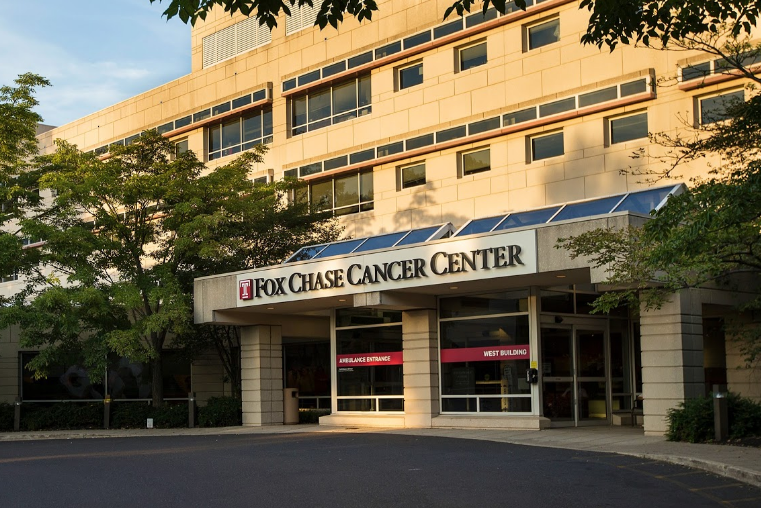
Temple will sell Fox Chase Cancer Center

https://www.beckershospitalreview.com/hospital-transactions-and-valuation/temple-will-sell-fox-chase-cancer-center.html?origin=CFOE&utm_source=CFOE&utm_medium=email

Image result for Temple will sell Fox Chase Cancer Center

Philadelphia-based Temple University has signed a binding definitive agreement to sell the Fox Chase Cancer Center and its bone marrow transplant program to Thomas Jefferson University in Philadelphia.

The announcement comes after nearly a year of negotiations. Temple expects to complete the sale of the cancer center and bone marrow transplant program in the spring of 2020.

Temple also entered into an agreement to sell its membership interest in Health Partners Plan, a Philadelphia-based managed care program, to Jefferson. A closing date for the transaction has not yet been determined.

With the agreements in place, Temple and Jefferson are looking for other ways to collaborate. The two organizations are exploring a broad affiliation that would help them address social determinants of health, enhance education for students at both universities, collaborate on healthcare innovation, and implement a long-term oncology agreement that would expand access to resources for Temple residents, fellows and students.

“Healthcare is on the cusp of a revolution and it will require creative partnerships to have Philadelphia be a center of that transformation,” Stephen Klasko, MD, president of Thomas Jefferson University and CEO of Jefferson Health, said in a news release. “For Jefferson, our relationship with Temple will accelerate our mission of improving lives and reimagining health care and education to create unparalleled value.”


10 Health Care Trends To Watch In 2020

https://blog.providence.org/news/10-health-care-trends-to-watch-in-2020?_ga=2.242868994.1447754200.1576610293-1113187070.1573499391

Image result for 10 Health Care Trends To Watch In 2020

With 2020 shaping up to be another big year for health care, executives at Providence, one of the largest health systems in the country, today released their annual New Year’s predictions.

External forces will continue to bear down on health care, Providence leaders said. Politics, technology, social issues, labor shortages and heightened consumer expectations will all play a role. As a result, providers will feel more intense pressure to accelerate the transformation of health care.

“The question is whether providers can pivot fast enough,” said Rod Hochman, M.D., president and CEO of Providence. “In 2020, health systems that can get ahead of the major trends will be best positioned to meet the future needs of their communities.”

What can you expect next year? Here are Providence’s top 10 predictions.

  1. The value of health system consolidation will come to fruition in the form of large scale improvements in clinical quality and outcomes.

One of the most important reasons health systems have consolidated in recent years is to improve clinical quality and spread best practice across scale. Because clinical integration takes time, this will be the year that significant results begin coming to fruition. For example, Providence has leveraged its seven-state system to reverse the alarming national rise in U.S. mothers dying in childbirth. Thanks to collaboration among its clinical teams, Providence is one of the safest places for moms to give birth, having nearly eliminated preventable maternal deaths over the last three years. At the same time, Providence has reduced the cost of caring for moms covered by Medicaid, as well as the cost of NICU care. Expect more examples of improved outcomes and costs to emerge in 2020 as proven practices in other clinical areas begin bearing fruit on a large scale.

  1. Corporate social responsibility will take on a bigger role in tackling homelessness, suicide, the opioid crisis and other social issues that affect health.  

More companies will partner with health systems, government agencies, social services and other nonprofits to take action on the social determinants of health. Be Well OC is one example of the type of coalition that will make a significant impact in 2020. The public-private partnership in Orange County, Calif., brings diverse organizations together to meet the urgent need for mental health and addiction services in the community. Meanwhile, in cities like Seattle, Wash., health systems like Providence are partnering with the business community and other not-for-profits to address the growing homelessness epidemic.

  1. Personalized medicine and population health, two seemingly opposite approaches to health care, will begin working hand in hand to improve outcomes in the U.S.

The path to a healthier nation will be accelerated by treating both the unique needs of the individual down to the DNA level, as well as common issues shared by people in similar demographics. Health systems like Providence, for example, are using genomics to pinpoint a person’s biologic age, as well as tailor medical interventions to the individual. At the same time, Providence is coordinating care and resources across broad segments of people through steps such as cancer screenings and improving access to housing and nutrition. Combining the power of these two disciplines will help catapult the health of the nation.

  1. Health systems will prioritize digital access to care, convenience and personalization to compete with disruptors and collaborate with big tech.

Delivering same-day access to care – how, when and where people want it – will be a burning priority for health systems in 2020. New entrants will continue to disrupt the space and raise consumer expectations. Leading health systems like Providence will stay ahead of the curve with digital platforms that integrate telehealth, its in-store clinics at Walgreens and its vast network of specialty, primary care and urgent care clinics across the Western U.S. To help patients navigate these care options, Providence will also continue to develop its artificial intelligence capability, making its AI bot, “Grace,” more pervasive, helpful and capable. Providence will also continue to engage patients between episodes of care by providing personalized content and services to keep them healthy while developing a long-term, digitally engaged relationship with patients.

  1. As more health systems partner with tech companies to bring health care into the digital age, patients will count on providers to serve as the guardians of their personal health information. 

Machine learning and artificial intelligence will raise the potential for new breakthroughs in medicine and care delivery, and data will be key to this level of innovation. But whether tech companies are prioritizing the best interest of patients will remain a lingering question for the American public. Patients will look to providers to be their voice and advocates when it comes to protecting their health information. Expect providers to stand up for data privacy and security and take the lead in ensuring data is used responsibly for the common good.

  1. The race to bring voice-activated technology to health care will heat up and will be a central feature in the hospital and clinic of the future.

Just as Alexa and Siri are transforming the way we live our personal lives, voice and natural language processing are the future of health care. Expect innovation to accelerate around smart clinics and hospitals that make it easier for clinicians to treat and care for patients.  Voice commands that process and analyze information will support clinical decision making at the bedside and the exam room. As part of a new partnership between Providence and Microsoft to build the “care site of the future,” clinical communications and voice-activated technology will be a central feature.

  1. Simplifying the electronic medical record will become a rallying cry for clinicians.

With burnout on the rise among physicians, nurses and other caregivers, reducing the time it takes to chart in the electronic medical record will be key to improving the work environment for clinicians. Shifting the national conversation from EMR “interoperability” to “usability” will take on greater urgency. A simplified, more intuitive EMR means clinicians can spend less time on the computer and more time focused directly on patients, creating a better experience for clinicians and the patients they serve.

  1. The health care workforce will continue to evolve and adopt new skill sets. At the same time, talent shortages will become more pronounced.

As the sector changes at a rapid pace, the health care workforce will need to add new skill sets to keep up with innovations in medicine and care delivery. Clinicians will also need to become more proficient in managing the social determinants of health and caring for the whole person, not just physically, but also mentally and emotionally. Health systems will seek to stay competitive in a tough labor market by offering attractive pay and benefit packages. A commitment to investing in education and career development, as well as creating engaging work environments, will also be a key focus for retaining and recruiting top talent.

  1. Price transparency will remain a hot issue. But the focus needs to shift to giving patients the information they want most: what their out-of-pocket costs will be.   

Patients deserve to know what their health care costs will be up front, so they can make informed decisions as they shop for care. Rather than inundating them with a deluge of prices and negotiated rates for hundreds of services that may or may not be relevant to their personal situation, more emphasis needs to be placed on helping them understand what their specific out-of-pocket costs will be. The amount individuals pay is typically based on their insurance coverage. That’s why health systems like Providence are actively developing price estimator tools and self-service portals, based on blockchain and AI technology, to help patients more quickly and easily access this information.

  1. New alternatives to “Medicare for All” will emerge in the presidential debates. One viable option that should be taken seriously: free primary care for every American.

In the 2020 elections, concerns will be raised over whether Americans will lose their private commercial or employer-sponsored insurance under a Medicare for All plan. A new campaign platform — free primary care for all — should be considered as a more effective, affordable alternative. By guaranteeing access to primary care, the nation can focus on prevention, chronic disease management and helping Americans live their healthiest life possible. Providence is participating in the current administration’s innovative primary care pilots, which are showing positive results in terms of better outcomes and reduced costs.


The consolidation of health insurance and drug benefits is back

https://www.axios.com/health-insurers-pharmacy-benefits-big-five-consolidation-03f39e42-3a9f-4bc6-beea-3b14f1187572.html

Image result for The consolidation of health insurance and drug benefits is back

Starting this spring, five corporate giants — Anthem, Cigna, CVS Health, Humana and UnitedHealth Group — will control health insurance and pharmacy benefits for more than 125 million Americans.

Why it matters: Most of this happened through rapid consolidation, and now the pressure is on these companies to prove they can better control both medical and drug spending with everything under the same roof.

Driving the news: Anthem has been working for over a year to create its own pharmacy benefit manager, called IngenioRx, so it could sever ties with Express Scripts.

  • Anthem’s new prescription drug negotiator is now ready to go live by March, 10 months ahead of schedule, the company said Wednesday.

This is the new landscape. These 5 companies will handle both drug and medical bills for millions of people across Medicare, Medicaid and employer-based insurance.

  • UnitedHealth Group is the largest entity combining health insurance and pharmacy benefits, with UnitedHealthcare and OptumRx (a PBM that got significantly bigger after it absorbed Catamaran in 2015).
  • CVS acquired Aetna to pair with its existing PBM, Caremark.
  • Cigna now owns Express Scripts.
  • Anthem will be moving millions of people onto IngenioRx this year.
  • Humana also has its own PBM, and it’s the fourth-largest by prescription volume.

It’s worth noting that several Blue Cross Blue Shield companies also own a PBM, Prime Therapeutics.

What they’re saying: PBMs “don’t need to be independent entities with their own profit margins … that adds costs,” former Aetna CEO Mark Bertolini said in 2017.

  • Some research says combining health care services and prescriptions under one benefit (not necessarily one common owner) could save money, if the insurer helps people manage their diseases.
  • But insurers and PBMs have lived under the same roof before, and these companies have been doing the same work while U.S. health care spending has continued to rise.

Reality check: These companies would not have pursued merging medical and drug plan offerings if they didn’t think there was a lot of money to retain.

  • Anthem’s ahead-of-schedule PBM raised the company’s projected 2019 adjusted earnings per share to $19 — significantly above every Wall Street estimate. Of the $4 billion in savings Anthem expects from the PBM, 20% will immediately be booked as profit.


Health insurance is as big as Big Tech

https://www.axios.com/health-insurers-pbms-revenue-big-tech-9bc7b8fd-5577-4ebe-a818-42f4f7fd2d36.html?utm_source=newsletter&utm_medium=email&utm_campaign=newsletter_axiosvitals&stream=top

Image result for Health insurance is as big as Big Tech

The 5 largest conglomerates combining health insurance and pharmacy benefits are on track this year to be bigger than the 5 preeminent tech companies.

The big picture: Anthem, Cigna, CVS Health, Humana and UnitedHealth Group cumulatively expect to collect almost $787 billion in 2019, compared with $783 billion of projected revenue for Facebook, Amazon, Apple, Netflix and Google.

Yes, but: The tech companies cumulatively were 5 times more profitable than the health care companies in 2018 and are projected to be 3.5 times more profitable this year.

  • There’s more money to be made selling smartphones and online ads than acting as a health care middleman.
  • Health insurers and pharmacy benefit managers pay out a vast majority of their revenues to hospitals, doctors and drug companies.
  • But insurers and PBMs are still turning large overall profits. And a delay in an Affordable Care Act tax is expected to create a big windfall for the insurance industry this year. Companies are working behind the scenes to get that tax delayed again for 2020 or permanently repealed.

It’s also worth remembering that health insurance giants today do a lot more than just pay out claims for medical care and prescriptions.

  • UnitedHealth owns surgery centers, doctors’ offices, consulting shops and data-analyzing services.
  • CVS, which just bought Aetna, brings in a lot of money through its retail pharmacies and in-store clinics.


4 Chicago hospitals in talks to combine

https://www.chicagobusiness.com/health-care/big-hospital-combo-works

South Shore Hospital

Crain’s has learned that at least four hospitals—Advocate Trinity Hospital, Mercy Hospital & Medical Center, South Shore Hospital and St. Bernard Hospital—are in talks with the state to create a single system.

Plans are afoot to consolidate financially struggling hospitals that serve Chicago’s poorest residents on the South Side.

Crain’s has learned that at least four hospitals—Advocate Trinity Hospital, Mercy Hospital & Medical Center, South Shore Hospital and St. Bernard Hospital—are in talks with the state to create a single system with one leadership team that includes some combination of inpatient, outpatient and emergency care, as well as skilled nursing. Separately, a private health care consultancy has agreed to buy recently shuttered MetroSouth Medical Center as the first step in a hoped-for combination with other so-called safety-net hospitals.

Both proposals aim to bolster the precarious finances of hospitals that treat large numbers of uninsured and low-income patients on Medicaid. Consolidation could enable the institutions to generate economies of scale, improve bargaining power with insurers, eliminate redundant expenses and cut back duplicative or underutilized capabilities. Bringing the hospitals together also could lead to the centralization of certain services, forcing some patients to seek care farther from home.

Talks are at an early stage and may not lead to a transaction. But all the hospitals are under pressure to transform as inpatient volumes fall and expenses rise. A combination could help the hospitals adapt. Some might become ambulatory centers, professional buildings or skilled nursing facilities. Services like orthopedics and obstetrics could be centralized at certain locations to improve care and save money on surgical equipment, space and staff. It’s unclear whether some facilities would close in the process.

“While we are always talking with our health care colleagues about how we can best work together to address challenges and meet the evolving needs of our patients and neighbors, we haven’t made any decisions,” a representative for Advocate Aurora Health said in an emailed statement. “Our commitment to caring for our communities and transforming health and wellness for our patients remains strong. Our decisions have always, and will always, be guided by what’s in the best interest of our patients and the communities we are so privileged to serve.”

“As a Catholic health ministry supporting the underserved in Chicago, Mercy Hospital & Medical Center is always working with community partners to find cost-effective ways to provide vital services to our patients, but we have nothing to announce at this time,” a hospital representative for Mercy—which is owned by Catholic giant Trinity Health—said in an emailed statement.

South Shore and St. Bernard did not respond to requests for comment.

All four hospitals are operating in the red, with 2018 net losses ranging from $1.3 million at South Shore to $68.3 million at Mercy, according to data compiled by Modern Healthcare Metrics. The hospitals treat a large number of patients on Medicaid, which pays less than Medicare and commercial insurance. Meanwhile, they’re getting less money from various federal and state programs intended to offset the cost of treating patients who can’t pay for care.

St. Bernard CEO Charles Holland Jr. told Crain’s in July that without additional government funding, “we’re going to have to make some difficult decisions. . . .We just cannot continue to go on the way we are.”

Joining forces would enable the hospitals to pool the money they get from various state and federal programs to fund costly transformative initiatives.

The state-led initiative is being driven by the Illinois Department of Healthcare & Family Services, which oversees Medicaid.

“HFS has been and is routinely approached by numerous providers with a variety of ideas seeking to transform to better meet the needs of their communities,” the department said in an emailed statement. “Our department is currently in talks with multiple groups and would provide guidance to any group of providers that came to us with ideas for health care transformation to meet the needs of the community. HFS will also be monitoring closely and engaging directly with community leaders and members to ensure any changes result in expanded care that meets the needs of the communities these hospitals serve.”

Driving a separate, private initiative is Third Horizon Strategies, which has agreed to buy MetroSouth in Blue Island from Brentwood, Tenn.-based Quorum Health for a dollar.

Third Horizon CEO David Smith said he filed articles of incorporation Monday to create an entity called South Side Health, funded by private investors, and—he hopes—government dollars intended for hospital transformation.

“As we build out South Side Health, if other hospitals are successful (in coming together), it will be important to integrate into one system,” Smith said. “At the end of the day, there needs to be one integrated system on the South Side that acts as a financially self-sustaining utility whose sole function is to improve the health that community.”


Provider of the Year: Providence St. Joseph Health

https://www.healthcaredive.com/news/provider-providence-st-joseph-health-dive-awards/566477/

The 51-hospital system, which traces its roots back to the 1850s,​ has maintained a stable ratings outlook amid industry headwinds and pursued tech partnerships this year to bolster its portfolio.

Providence St. Joseph Health, the fourth-largest U.S. nonprofit health system by number of hospitals, marked a busy 2019 with multiple efforts to dive into the tech sector and seek out partnerships to tackle the industry’s biggest challenges.

The Catholic system now operates 51 hospitals in eight states as the result of a July 2016 merger of Providence Health and Services and St. Joseph Health. While the organization is the dominant inpatient provider in all its markets, no single area accounts for more than 30% of its net operating revenue, showing good portfolio diversification, ratings agency have noted.

The system, which can trace its roots back to the 1850s when the Sisters of Providence set up hospitals, schools and orphanages throughout the Northwest, posted $24 billion in operating revenue last year. That metric has shown year-over-year increases since the $18 billion posted in 2014.

Providence CEO Rod Hochman told Healthcare Dive the health system hasn’t shied away from seeking partnerships as the industry swings toward value based care and other systemic changes.

“I think the message is: ‘You can’t do it alone,'” he said. “You can’t go out there and just do it yourself — you don’t have the scale to do it.”

In that vein, the system (which is formally rebranding to Providence over the next few years) was one of the founding members of generic drug company Civica Rx, which opened its headquarters and made its first delivery this year. That’s a coalition of hospitals working to make their own drugs, starting with antibiotics.

It’s also grouping up with One Medical to increase access to primary care and teaming with Cedars-Sinai to build a patient tower in southern California. And in February, the organization launched the population health management company Ayin Health Solutions to provide benefits management as well as risk evaluation and care coordination tools.

Providence has maintained a stable outlook from the three main ratings agencies even as other nonprofits struggled to stay above water. Kevin Holloran, senior director at Fitch Ratings, said the system has managed to think about margins the way a public company must while still adhering to the mission-driven thought process nonprofit organizations trumpet.

“Blending those two thoughts together sounds easy, but it’s not,” Holloran told Healthcare Dive. “It’s hard to do.”

Moody’s Investors Service issued a credit opinion recently on Providence, finding the system’s integrated structure that includes a health plan and 7,600 employed physicians creates “further cashflow diversification, and strengthens the organization’s competitive position.”

The analysts wrote they expect operating margins to continue to improve going into next year as it implements dozens of initiatives updating operating practices, cost structures and revenue systems. They note, however, the organization faces a challenge in transitioning disparate EHRs and its numerous joint ventures “may also entail a certain amount of execution and integration risk.”

Holloran pointed to two relatively recent hires as leading the way for Providence — both poaches from Microsoft. CFO Venkat Bhamidipati joined the organization two years ago and CIO B.J. Moore came on in January.

They migrated from the tech world to the traditionally loathe-to-change healthcare landscape, and have made a difference for Providence.

It puts the company in a strategic place for growth, Holloran said. “Now they’re sort of adding that missing piece, which is optimizing what they’ve got,” he said. “And a big piece of that is the technology, and they’re doing it in a unique and interesting way.”

This year, Providence acquired Lumedic, which uses blockchain tools for revenue cycle management, and Bluetree, an Epic consultancy. The health system also allows patients to schedule appointments through Amazon’s smart speaker Alexa.

In July, the health system announced an agreement with Microsoft to use the tech giant’s cloud and artificial intelligence tools in an effort to foster interoperability, improve outcomes and drive down costs.

The organization still has traditional struggles, however. Hochman, who is also the incoming chairman of the American Hospital Association, said the ongoing litigation surrounding the Affordable Care Act, coupled with payment changes and other CMS changes, creates a chaotic environment for providers.

“Every day they come up with something new, and it’s been the lack of predictability that’s been the biggest problem for us,” he said.


Health insurers stable, M&A seen diminishing in 2020: Fitch

https://www.healthcaredive.com/news/health-insurers-stable-ma-seen-diminishing-in-2020-fitch/568859/

Dive Brief:

  • The outlook for the health insurance sector remains stable heading into 2020, Fitch Ratings reports.
  • The ratings agency maintains a stable outlook on the “vast majority” of the companies it rates within the U.S. health insurance industry, which includes UnitedHealth Group and Aetna.
  • The insurance sector continues to benefit from “low unemployment, manageable medical cost trend and solid growth in government-funded business,” Brad Ellis, senior director for Fitch, said in the report.

Dive Insight:

Even anticipating an increase in the growth of U.S. health expenditures, Fitch expects insurers to deliver solid operating results, including improved medical loss ratios, for 2020.

There is even a chance for insurers to garner positive ratings outlooks as many look to continue to execute on merger integration and deleveraging, according to Fitch.

Thanks in part to the return of the health insurance fee, Fitch expects medical loss ratios to drop to 82.5% in 2020. A decrease from the expected 83.9% for the full year of 2019 for the nation’s eight largest publicly traded insurers, which cover about 165 million people, according to Fitch.

MLR is an important measure, showing the amount an insurer spends on medical claims as a percentage of premiums. Lower MLRs leave more room for covering administration costs and garnering profit.

Even an upcoming election year and a slate of Democratic presidential hopefuls touting support to expand Medicare, the agency does not expect seismic changes to the system.

“Healthcare will certainly continue to be one of the most prevalent discussion topics among candidates for the U.S. presidency in 2020, but Fitch does not anticipate significant change in the structure of the U.S. healthcare system over the next couple of years,” the report said.

The agency also said it expects major mergers to slow significantly in 2020. The insurance sector has experienced significant M&A activity over the last few years, including CVS Health’s buy of Aetna and Cigna’s acquisition of Express ScriptsCentene is near closing on its purchase of rival WellCare.

Fitch expects consolidation activity next year to focus more on “modest build-out of care delivery opportunities in various regions or care management and technology initiatives.”


Health care spending grows — again — in 2018

https://www.axios.com/newsletters/axios-vitals-7acf29e4-cb5c-437f-975e-7dd04f588cab.html?utm_source=newsletter&utm_medium=email&utm_campaign=newsletter_axiosvitals&stream=top

Image result for annual health care spending in us

Americans spent $3.65 trillion on health care in 2018 — 4.6% more than the year before. That growth also was higher than the 4.2% rate from 2017, according to revised figures from independent federal actuaries, Axios’ Bob Herman reports.

Between the lines: U.S. health care spending climbed again not because people went to the doctor or hospital more frequently, but because the industry charged higher prices. And private health insurers didn’t do a particularly good job negotiating lower rates.

The intrigue: The number of people with private health plans — which mostly consists of the coverage people get through their jobs — dipped in 2018, yet the amount spent per person soared 6.7%.

  • That is the highest per-enrollee spending growth rate among people with private health insurance since 2004, actuaries wrote.
  • Part of that increase was due to higher premiums that insurance companies passed on from the Affordable Care Act’s health insurance tax.
  • More importantly: Hospitals, doctors and drugmakers continued to wring out much higher rates from private insurers thanks to provider mergers and perverse negotiating incentives.

Medicare and Medicaid had much lower per-enrollee spending growth rates in 2018 than private insurance, but those figures were the highest they’ve been since 2015 — again due to higher costs for the private insurers that are increasingly running those government programs.