

The Front Line: Visualizing the Occupations with the Highest COVID-19 Risk


Healthcare workers who treat patients infected with the COVID-19 coronavirus are at risk of contracting the disease themselves due to frequent exposure and proximity to such patients.
New figures from the U.S. Centers for Disease Control and Prevention detail the extent to which this is true, finding that 9,282 healthcare workers across the country are confirmed to have been infected.
Of those confirmed cases, 27 have died, according to numbers culled from February 12 to April 9. About 55% of all healthcare personnel who were infected only had contact with COVID-19 patients within the healthcare setting.
The vast majority of confirmed positive healthcare workers – 90% – were not hospitalized. Up to 5% of those who were hospitalized ended up in intensive care, while 10 of the 27 deaths were among those workers 65 years old or older.
The CDC warned that the data may not reflect the true scope of the problem, as uneven reporting of confirmed cases across the country has resulted in figures that likely underestimate the number of healthcare workers infected.
WHAT’S THE IMPACT?
The number of coronavirus cases among healthcare workers is expected to rise. While this is due in part to more communities experiencing widespread transmission, the nature of working in the healthcare field understandably contributes to the risk: About 45% of workers who tested positive lived in households or communities in which the virus was present, meaning they risk exposure on two fronts, both inside a healthcare setting and outside of it.
Compounding the problem is that transmission can come from unrecognized sources, including those who are asymptomatic or presymptomatic. Because of that, contact tracing after occupational exposures will likely fail to identify many healthcare workers who are at risk for developing COVID-19.
As with the general population, the higher a healthcare workers’ age, the more likely they were to experience a severe outcome, although severe outcomes – including death – are possible at any age.
Preventative measures meant to staunch the spread among healthcare personnel include screening all workers for fever and respiratory symptoms at the beginning of their shifts, prioritizing such workers for testing, and discouraging working while sick by offering flexible and non-punitive medical leave policies.
The CDC said older healthcare personnel, or those with underlying health conditions, should consult with their healthcare provider and employee health program to better understand their risks. On hospitals’ part, they should consider the enhanced likelihood of severe outcomes among older personnel when mobilizing retired workers to increase surge capacity, especially in light of a shortage of personal protective equipment. One consideration would be preferential assignment of retired workers to lower-risk settings such as telehealth, administrative assignments or clinics for non-COVID-19 patients.
THE LARGER TREND
PPE shortages, insufficient tests, slow results and a dearth of ventilators are all factors that contribute to risk of infection among healthcare workers, and these challenges play off each other in a toxic cycle, an Office of the Inspector General report found last week.
Hospitals said their most significant challenges centered on testing and caring for patients with COVID-19 and keeping staff safe. Severe shortages of testing supplies and extended waits for test results limited hospitals’ ability to monitor the health of patients and staff, and widespread shortages of PPE are putting both groups at risk. Hospitals also said they were not always able to maintain adequate staffing levels or to offer staff adequate support.

It feels like some big, terrible switch got flipped when the coronavirus upended our lives — so it’s natural to want to simply flip it back. But that is not how the return to normalcy will go.
The big picture: Even as the number of illnesses and deaths in the U.S. start to fall, and we start to think about leaving the house again, the way forward will likely be slow and uneven. This may feel like it all happened suddenly, but it won’t end that way.
What’s next: Nationally, the number of coronavirus deaths in the U.S. is projected to hit its peak within the next few days. But many big cities will see their own peaks significantly later — for them, the worst is yet to come.
The future will come in waves — waves of recovery, waves of more bad news, and waves of returning to some semblance of normal life.
What the post-lockdown world will look like:
And there will be more waves of infection, even in areas that have passed their peaks.
This is all but inevitable in the U.S., too, especially as travel begins to pick back up. Some places may need to shut down again, or at least tighten back up, if these new flare-ups are bad enough.
What we’re watching: We’ll still need a lot more diagnostic testing to make this process work. Public health officials need to be able to identify people who might be spreading the virus before they begin to feel sick, and then identify the people they may have infected.
The real turning point won’t come until there’s a proven, widely available treatment or, even better, a widely available vaccine.
The bottom line: “I’m not going back to Disneyland, I’m not going to take a cruise again, until we have a very aggressive testing system or we have very effective therapeutics or a vaccine,” Gottlieb said.
https://www.kevinmd.com/blog/2020/04/truth-dies-in-silence-sadly-so-do-people.html
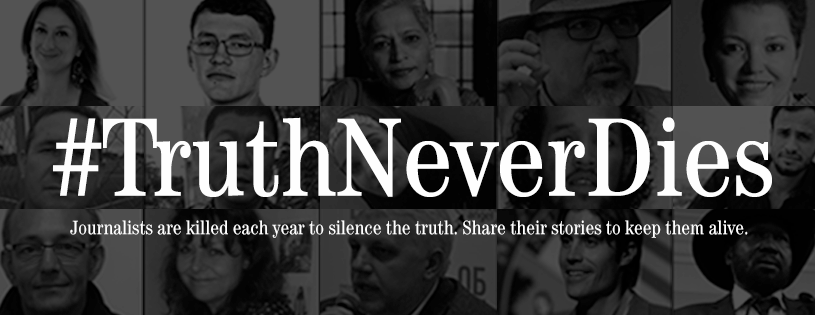
I have been writing columns for physicians for twenty years. And year after year, I have had physicians say this: “I’m glad you said what you did. If I said it, I’d be fired.” There are variations on the theme, but they’re much the same. Twenty years, and far more than 20 years, during which the alleged health care leaders in America have been routinely muzzled because they aren’t supposed to speak the truth. Open discussions shut down because they might embarrass someone or upset an administrator. Because it might, heaven forbid, shine a light on a genuine problem.
Some years ago, as the mental health crisis was gathering steam across the emergency departments of the land, I was contacted by a news show in France. The producers wanted to come to South Carolina and follow me on some shifts in my ED. They wanted to see how mental health was working out here. “We have socialized care, but mental health is also a huge problem in our country,” the producer said.
I dutifully, and appropriately, went to administration. “No, we can’t do that,” I was informed. I was given this explanation when everyone knew the mental health system was at the breaking point: “What if they uncover a problem?” Here was a chance for publicity, for potential grant money or to demonstrate that a political solution was in order. How dare we let in fresh air? How dare we suggest that things were not perfect?
The same thing is happening in the midst of the pandemic. Physicians, nurses, and other assorted health care professionals are being threatened for wearing masks. Administrators say, “They make the patients nervous.” Also likely, administrators have realized they don’t have adequate equipment. Facilities and systems with enormous budgets caught unprepared in a pandemic.
I see the stories of these professionals as I follow online forums. Physicians, nurses, and others, threatened with firing because they dared to speak out on the issue of PPE (personal protective equipment).
Like police officers without ballistic vests, these physicians don’t want to go into the rooms of COVID-19 patients without the masks and respirators, gloves, gowns, and face shields that will keep them safe. The equipment that will allow them to return home to their loved ones and prevent them from infecting their families. This isn’t a good look. A hospital that refuses to acknowledge the concerns and safety of its professionals is a hospital that ultimately doesn’t deserve them.
The same veil of silence pervades dialogue on the treatment of coronavirus. When I follow discussions, I see a lot of shaming. “There just isn’t enough evidence to try hydroxychloroquine, Zithromax, convalescent plasma, an untried vaccine, HIV drugs, etc.” Those who suggest we might try are considered reckless or ignorant. As the battle rages and lives are lost, innovation and risk are viewed with disdain. And our medical establishment is locked into the paradigm of double-blinded, placebo-controlled studies involving tens of thousands of people and lasting years. Here’s a view of the same from the U.K. Unfortunately, to suggest that we may need to react faster is only met with ridicule, and often tied to political views instead of expediency. Worse, it ignores the deep, fundamental need to offer hope, any hope, to hundreds of millions of professionals and citizens who are living in fear.
There is a tragic irony here; a painful coincidence. Physicians silenced. Let’s see. Where did we see that sort of thing resulting in a worldwide pandemic? Does China come to mind? The Chinese Communist Party threatened (and who knows what else) physicians who dared to speak out about coronavirus, even when they knew its danger. Even when they knew how easily and widely it spread.
They continued to soft-peddle numbers about total cases and case fatality. The party continued to allow travel to and from China long after the problem was known. They even suggested that Italians have a “hug a Chinese person” campaign to combat alleged racism; a charge delightfully accepted and repeated by gullible Western journalists in pursuit of a narrative.
Truth dies in silence. Sadly, so do people. And certainly when we tell dedicated health care professionals to keep their mouths shut when they have identified problems, offered solutions and simply asked for help. Whether it’s a private business, a totalitarian government, or anything in between, we should insist that the truth be spoken; freely and without fear of punishment.
Because, for the foreseeable future, lives will depend on it.
https://www.yahoo.com/huffpost/osha-labor-department-coronavirus-cases-at-work-155001164.html

The Trump administration announced Friday afternoon that employers outside of the health care industry generally won’t be required to record coronavirus cases among their workers, a decision that left some workplace safety advocates incredulous.
COVID-19, the disease caused by the coronavirus, is classified as a recordable illness, meaning employers would have to notify the Occupational Safety and Health Administration when an employee gets sick from an exposure at work. But the nation’s top workplace safety agency now says the majority of U.S. employers won’t have to try to determine whether employees’ infections happened in the workplace unless it’s obvious.
“OSHA is kidding, right?” tweeted David Michaels, who helmed OSHA throughout the presidency of Barack Obama.
It is not a joke. OSHA, which is part of the Labor Department, released an enforcement memo Friday spelling out the recording rules.
Employers in health care, emergency response and corrections would have to inform the agency when they become aware of a COVID-19 case that probably resulted from work. But other entities would not have to do so unless there was “objective evidence” that the transmission was work-related, or there was evidence “reasonably available to the employer” ― for example, if a whole slew of people who work right next to each other got sick.
The rationale: Those employers outside of health care “may have difficulty making determinations about whether workers who contracted COVID-19 did so due to exposures at work,” the memo stated.
But if employers don’t have to try to figure out whether a transmission happened in the workplace, it could leave both them and the government in the dark about emerging hotspots in places like retail stores or meatpacking plants.
“So all you infected bus drivers, grocery store clerks, poultry processors ― you didn’t get it at work,” tweeted Jordan Barab, a former OSHA official now with the House Committee on Education and Labor.
The announcement is part of an ongoing fight between the Trump administration and occupational safety experts who say OSHA is failing to fulfill its obligations under the president. Employer record keeping has been a key issue in that spat. Early in his presidency, Donald Trump loosened the recording requirements employers must follow, a move critics said would make it easier for companies to fudge their data and hide their injuries.
Safety advocates say recording injuries and illnesses like COVID-19 helps officials discover growing hazards and shape sound public policy to address them. The Labor Department, under Trump and Labor Secretary Eugene Scalia, has portrayed those kinds of employer obligations as burdensome red tape.
In its memo on COVID-19 recording, OSHA said that by not enforcing the requirement on most employers, the agency would “help employers focus their response efforts on implementing good hygiene practices in their workplaces, and otherwise mitigating COVID-19’s effects, rather than on making difficult [work-related] decisions in circumstances where there is community transmission.”
The Labor Department and OSHA in particular have drawn a lot of heat for their response to the coronavirus pandemic. Labor unions have been asking Scalia to issue an emergency standard for infectious disease, which would would give health care facilities clear, enforceable standards to protect their workers during the pandemic.
Scalia hasn’t done that. Instead, OSHA has created a new poster for employers with tips on preventing infections, and tweaked the rules around respirators to help employers deal with a shortage.
A Labor Department spokesperson defended the agency’s work responding to the outbreak, saying in an email to HuffPost Friday that it had taken “swift and direct action to protect America’s workers.”

In recent days, Labor Secretary Eugene Scalia, who has expressed concerns about unemployment insurance being too generous, has used his department’s authority over new laws enacted by Congress to limit who qualifies for joblessness assistance and to make it easier for small businesses not to pay family leave benefits. The new rules make it more difficult for gig workers such as Uber and Lyft drivers to get benefits, while making it easier for some companies to avoid paying their workers coronavirus-related sick and family leave.
“The Labor Department chose the narrowest possible definition of who qualifies for pandemic unemployment assistance,” said Andrew Stettner, a senior fellow at the Century Foundation who has spent two decades working on unemployment programs.
At the same time, frustrations have built among career staff at the Labor Department that the agency hasn’t ordered employers to follow safeguards, including the wearing of masks, recommended by the Centers for Disease Control and Prevention to protect workers. Two draft guidance documents written by officials at the Occupational Safety and Health Administration, part of the Labor Department, to strengthen protections for health-care workers have also not been advanced, according to two people with knowledge of the regulations granted anonymity to discuss the internal deliberations.
Scalia, a longtime corporate lawyer who is the son of the late Supreme Court justice Antonin Scalia, has emerged as a critical player in the government’s economic response to the pandemic. Nearly 17 million Americans have applied for unemployment insurance since President Trump declared a national emergency on March 13, and states are struggling to get their systems working to deliver $260 billion in new aid approved by Congress.
Democrats and some Republicans argue that the Labor Department needs to be more aggressive about disbursing money and technical assistance to states to shore up the unemployment insurance system. The department has released only half of $1 billion in administrative support for states that Congress approved almost a month ago.
Sen. Lindsay O. Graham (R-S.C.) said Thursday in an interview that he has talked to Scalia about the need to speed things up.
“You could have massive civil unrest if these systems cannot get checks out the door. We’re talking about 20 percent unemployment, maybe even more,” Graham said. “The application process is a nightmare. The state systems are failing.”
Graham said that Scalia has been responsive, but, “I don’t see any action being taken.”
Labor Department officials said Scalia is moving rapidly to help U.S. workers in an unprecedented time. They pointed to a poster and guidebook that OSHA released with steps companies “can take” to reduce worker risk of coronavirus exposure.
“Under Secretary Scalia’s leadership, in the last two weeks, the department has quickly released new rules and guidance for states, businesses, and individual Americans to help those in need of relief,” said Patrick Pizzella, deputy labor secretary. “The department has already distributed nearly $500 million in additional administrative funding to 39 states.”
Still, Scalia has made clear he is wary of taking an excessively lax approach to disbursing aid, an argument that he used to help win GOP support for recent legislation. Writing on Fox Business Network’s website on Monday, he warned that he does not want unemployed people to become addicted to government aid.
“We want workers to work, not to become dependent on the unemployment system,” Scalia wrote with Small Business Administration chief Jovita Carranza. “Unemployment is not the preferred outcome when government stay-at-home orders force temporary business shutdowns.”
On the day the $2 trillion package passed the Senate, Scalia spoke with Sens. Rob Portman (R-Ohio), Ben Sasse (R-Neb.) and Tim Scott (R-S.C.), who had raised concerns the law’s new unemployment benefits were too large and would deter workers from returning to jobs.
Scalia told conservative senators that once enacted, his agency would ensure the provisions his agency oversees would not hurt U.S. companies, according to three congressional officials aware of the conversations and granted anonymity to discuss the call.
Narrowing rules
Two recent laws passed by Congress expanded paid and sick leave policies as well as the size and scope of unemployment benefits for Americans. But worker advocates argue that as Scalia begins to implement these measures, his department is being much less generous toward workers than toward companies.
New Labor Department guidance says unemployment benefits apply to gig workers only if they are “forced to suspend operations,” which could dramatically limit options for those workers if their apps are still operating. Other workers also face a high hurdle to qualify for benefits.
The guidance says a worker “may be able to return to his or her place of employment within two weeks” of quarantining, and parents forced to stop work to care for kids after schools closed are not eligible for unemployment after the school year is over. Workers who stay home because they are older or in another high-risk group are also ineligible unless they can prove a medical professional advised them to stop working.
Some states are also having a difficult time figuring out how to verify how much money self-employed workers typically earn. It might require looking at tax documents, which unemployment offices don’t usually have access to.
“Some of the requirements, the standards that we’re being held to, are going to be incredibly difficult to adhere to,” Maine Labor Commissioner Laura Fortman said.
A Labor Department spokesperson said the agency is “providing as much technical assistance and IT support as possible” to states, some of which are using computer systems that are several decades old.
Scalia’s agency is also in charge of overseeing the new paid sick and family leave regulations, which apply to companies with fewer than 500 employees during the pandemic. The law gave the Labor Department authority to exempt businesses with under 50 employees from providing 12 weeks of paid family leave to care for a child out of school if the leave policy threatens to bankrupt the company.
Businesses that deny workers paid leave don’t have to send the government any paperwork justifying why. The Labor Department’s guidance asks companies to “retain such records for its own files,” a contrast with the heavy documentation required from gig workers who must prove they were affected by the coronavirus outbreak to get aid.
A Labor Department spokesperson said its rules on paid sick and family leave follow Congress’ direction.
“The department’s new rule balances allowing workers to take paid leave to care for their children with keeping small businesses open — as instructed by Congress,” a spokesperson said.
Tension at OSHA
Some Labor Department staffers and outside critics have also faulted Scalia for his handling of OSHA, which falls under his jurisdiction.
The CDC has issued recommendations for the public and businesses to follow practices such as social distancing and sanitizing workstations. OSHA could make those guidelines mandatory for all employers or for all essential employees but has not done so.
“Some of the OSHA staff is frustrated they can’t do more to protect workers. They want an emergency standard that would require employers to follow CDC guidelines,” said David Michaels, a George Washington University School of Public Health professor who served as assistant secretary of labor for occupational safety and health in the Obama administration.
Under Scalia, OSHA has also decided against issuing safety requirements to protect hospital and health-care workers, including rules that would mandate nurses and other providers be given masks and protective gear recommended by the CDC when at risk of exposure.
The union National Nurses United petitioned Scalia to increase the requirements during the pandemic, but a union spokeswoman said the Labor Department has not even acknowledged receipt of the letter.
Hospitals have resisted these rules for years. Tom Nickels, the chief lobbyist for the American Hospital Association, said that he hadn’t spoken to Scalia but that his group has opposed these actions in conversations with OSHA staff because widening the use of N95 respirator masks would be impractical. “The equipment is in short supply,” he said. “We can’t get it.”
OSHA also has not taken significant action to protect workers from retaliation when they speak out about dangerous conditions that expose them to coronavirus, Michaels said.
When workers at a manufacturing plant in northern Illinois tried alerting government officials about their concerns about working shoulder to shoulder, the regional OSHA official responded that “all OSHA can do is contact an employer and send an advisory letter outlining the recommended protective measures,” according to an email reviewed by The Washington Post. “This isn’t very helpful for you or your labor group, but it is the best I have to offer,” the email said.
On Wednesday, OSHA sent out a news release reminding companies that it is “illegal to retaliate against workers because they report unsafe and unhealthful working conditions during the coronavirus pandemic.”
“OSHA has completely abandoned their responsibility to protect workers on the job,” said Debbie Berkowitz, who worked at OSHA in the Obama administration and is now director of the worker safety and health program at the National Employment Law Project. “I have never felt this way, that every worker is at the mercy at their boss of whether they get protected. People are going to get sick and die, and they don’t have to.”
This week, Scalia said OSHA would take all worker safety concerns seriously.
“We are fielding calls from workers worried about their health and from workers who believe they have been illegally disciplined by their employer for expressing health concerns,” he said. “We will not tolerate retaliation.”

She could not, however, wear her mask in the hallways, or the cafeteria or any of the hospital’s common areas, because her supervisors told her it would scare patients. “I was told if I wanted to wear a mask, I would not be working there,” she said. “So I said I’m not willing to put my life at risk, and my contract was terminated.”
Since the viral pandemic started ravaging the country in recent weeks, workers, unions and attorneys are seeing a dramatic rise in cases they say illustrate a wave of bad employer behavior, forcing workers into conditions they fear are unsafe, withholding protective equipment, and retaliating against those who speak up or walk out.
Moreno’s case was one of many that her attorney, Rachel Bussett, and her colleagues at the National Employment Lawyers Association have been inundated with as workers grow increasingly fearful of retribution from, as Bussett said, “employers who value the economy over people.”
A handful of workers at a McDonald’s outside San Francisco walked off the job to protest the lack of safety measures. So did about 50 workers at a Perdue chicken plant in Georgia, as well as workers at Instacart and Amazon, while the companies said they were taking steps to ensure their employees’ safety and well-being. (Amazon’s chief executive, Jeff Bezos, owns The Washington Post.)
Meanwhile, employees at several major retailers have circulated petitions urging the companies to close their stores and protect workers. And some workers have said they were fired outright for speaking their minds and pushing companies to look after them.
The complaints come as the virus’s toll mounts and health officials warned that extreme measures, such as lockdowns, would continue. On Sunday, health officials said social distancing guidelines would remain in place through April, and President Trump said the nation “will be well on its way to recovery” by June 1, not Easter, as he had said previously.
“This is a situation we’ve never had to deal with before,” said Heidi Burakiewicz, a D.C. attorney and a member of the employment lawyers association. “We’re doing everything we can to help these employees — not just about protecting jobs. But people’s lives are at stake, and people should never have to be faced with questions about whether they need to risk exposing themselves and their families or losing their jobs.”
The designations for “essential” businesses can vary by state but generally include supermarkets, pharmacies, hardware stores, auto repair shops and the defense industry.
Workers at a number of large retailers — such as craft stores, video-gaming shops and office supply chains — have questioned their employers’ decision to stay open despite stay-at-home orders across the country.
“It is unnecessary and unsafe to be open during a PANDEMIC,” Staples employees wrote in a petition. “We are not an essential store and corporate is fighting and begging to stay open, claiming Staples is essential and putting employees and their families at risk. Staples should temporarily close stores and pay their employees for the time being.”
Staples spokeswoman Meghan McCarrick said the company is “an essential provider of business and educational materials and products, household goods and cleaning supplies.” She said that an intensive care unit at a Baltimore hospital recently purchased ink and toner for a printer at Staples, while a hospital in Virginia bought webcams to set up remote telemedicine offices.
Last week, the Federal Bureau of Prisons turned away employees who said they had taken pain medications such as Advil, Tylenol or Motrin within four hours of reporting for work. That meant guards with balky hips or bad backs were forced to take sick leave, even if they had no fever or other symptoms of the virus, union officials said.
“You have unqualified people asking questions that are medically related,” said Sandy Parr, a union official. “They’re sending people home just because they took Motrin, which is decreasing the staff available to work — and that increases the danger.”
After guard workers complained and The Post inquired about the measure, the Bureau of Prisons said last week that it was discontinuing the practice.
Across the country, some health-care facilities are hoarding masks, goggles and gloves — forcing some workers to bring in their own, use the same equipment again and again, or go without.
“It’s in cabinets locked away, collecting dust while people need it now,” said Rebecca Reindel, the safety and health director of the AFL-CIO, who said the union has raised the issue “in every avenue we can.”
Moreno’s concern wasn’t the availability of the equipment — only her ability to use it. A contract nurse at Select Specialty Hospital, she felt she needed to wear a mask at all times, especially given that the patients she was treating were particularly susceptible to the worst effects of the virus. The hospital’s website says it provides “specialized care for patients with acute or chronic respiratory disorders. Our primary focus is to wean medically complex patients from mechanical ventilation and restore independent breathing.”
The state is under a “safer at home” order, which directs people over 65 and those with underlying medical conditions to stay home and limits gatherings to no more than 10 people, among other restrictions.
On Wednesday, however, Moreno was told her contract was being terminated because the hospital did not want her wearing a mask in common areas of the hospital, she said. But by the next afternoon, after The Post had contacted the hospital, she said hospital officials “had completely changed their tune” and decided to allow nurses to wear masks throughout the hospital and not just in patient rooms.
On Friday, she went back to work. In an email, a hospital spokeswoman said, “The nurse is still engaged with us and her upcoming scheduled shifts have been confirmed.”
The policy change “feels wonderful,” Moreno said, “because I know I will be protected and my friends and co-workers will be protected.”
Kevin Readel, another nurse in Oklahoma City, said he was fired for a similar reason — but in his case it was for insisting on wearing a mask while with patients.
He said he was told “point blank that I can’t wear a mask” because it “could cause fear and anxiety amongst the other nurses and the patients.”
He filed a suit against the Oklahoma Heart Hospital South for wrongful termination, claiming that “the hospital was more concerned about the perception of due diligence than actually performing due diligence.”
A spokesman for the hospital said he could not comment on pending litigation but said the hospital’s “entire focus is on making sure we protect the safety of our patients and health care professionals in preparation for an expected surge in COVID-19 patients. As part of our preparation, we are strictly complying with the guidelines on the personal protective equipment set forth by the World Health Organization and the Centers for Disease Control.”
Lauri Mazurkiewicz, a nurse who lives outside Chicago, grew nervous when she was repeatedly exposed to patients diagnosed with covid-19, the disease caused by the coronavirus. “This is so contagious. It’s spreading so fast. I need an N95 mask,” she said, referring to a specialty mask worn by many health-care workers.
She happened to have an N95 and began wearing it during her rounds at Northwestern Memorial Hospital, she said, but was told the hospital was prohibiting the use of N95 masks and using regular surgical masks instead.
She sent an email warning her colleagues that those masks were less effective. She was fired shortly afterward — the result, she alleged in a lawsuit against the hospital, of her attempts to “disclose public corruption and/or wrongdoing.”
A spokesman for the hospital declined to comment on the specifics of her complaint in the lawsuit, but said it is “committed to the safety of our employees who are on the frontlines of this global health care crisis.” He added that it follows “CDC guidance regarding the use of personal protective equipment for our health care providers.”
In a statement Monday, the American College of Emergency Physicians said it was “shocked and outraged by the growing reports of employers retaliating against frontline health workers who are trying to ensure they and their colleagues are protected while caring for patients in this pandemic. … Not only does this type of retribution remove healthy physicians from the frontlines, it encourages others to work in unsafe conditions, increasing their likelihood of getting sick.”
In the retail sector, employees at Michaels crafts stores said they were told the company’s shops would remain open because they serve “people who are bored at home” and double as UPS drop-off sites, according to an employee at a Phoenix store who is awaiting results for a coronavirus test.
The worker, who spoke on the condition of anonymity, has been home with a low-grade fever, cough and chest pain but says store managers have not been supportive.
“Every time I call in sick, there’s just an incredibly disappointed sound on the other end,” she said. “This is not an essential business — nobody in the history of mankind has ever dropped dead from boredom. They need to close their doors.”
Anjanette Coplin, a spokeswoman for Michaels, said its stores provide necessary products and services for parents and small-business owners. “We want to support and remain a lifeline for the teachers, parents and small businesses who rely on Michaels and our products to enable creative learning,” she said. Michaels is offering curbside pickup and has temporarily closed locations in certain states, including California, New York and Pennsylvania.
JoAnn craft stores, GameStop, Office Depot and Guitar Center have also come under fire for keeping stores open. A spokesman for Office Depot said the company is not requiring retail employees to come to work if they are not comfortable. Guitar Center, which furloughed 9,000 workers on Monday, said it is following state and local rules regarding store closures. JoAnn and GameStop did not respond to requests for comment.
In Plain City, Ohio, workers at a TenPoint Complete call center who administer automotive surveys by phone have been instructed to report to work even after the state issued a stay-at-home order, according to one employee who spoke on the condition of anonymity because she feared reprisal.
Her work, she said, consists of calling customers to ask about their experience at the body shop.
“This is not an essential job,” she said.
TenPoint Complete did not respond to a request for comment.
Even as other department stores, such as Nordstrom and Kohl’s, have temporarily shut their doors and kept paying their workers, Dillard’s has kept locations operating where government authorities allow it, making it one of the few remaining mall-based stores to remain open despite the pandemic, employees say.
That has sparked concern from employees, social media outrage by community members and a petition drive urging it to close that alleges, “Unlike other retailers who care about the safety and well-being of their employees and the guests they serve everyday, Dillard’s is choosing to run a blind eye in order to keep money funneling into their greedy pockets.”
Some employees who work for the company expressed fear about the stores remaining open, saying that they have been offered no assurances of pay if their stores close and that they had to pay more for their health insurance as their hours were cut.
One full-time Dillard’s employee based in Colorado, who requested anonymity to preserve her job, said that before her store closed in the middle of last week, she tried to use the vacation time she has accumulated to take off two weeks, but was told she couldn’t because the store was short-staffed. Her store has since closed because of local restrictions for nonessential businesses, and she said they were not being paid during the closure, other than for earned vacation leave. They have received little clear information about whether they would get their jobs back when the stores reopened, she said.
An employee in her 60s based in southwest Florida said she has not yet accumulated any paid time off, so if she were to get sick, she would have no paid leave. “They say you’re more than welcome to stay home, but that’s, of course, without pay,” at least for her.
She said the company has done little to directly encourage social distancing from customers making purchases. “They’re just telling us to relay to customers — politely — to stand back,” she said, but not putting up signage or tape to mark where customers should stand. “They are providing us at each register with a little small bottle of hand sanitizer. Mine has about a quarter of it left.”
In an email, Julie Johnson Guymon, a company spokeswoman, said “direct communication” with associates began Monday. In an earlier statement, she said Dillard’s is “fully cooperating with any government directives in our markets and promptly closing under those guidelines. Importantly, we are strictly following CDC guidelines for the safety of our associates and the customers who choose to visit us where open. No associate who is uncomfortable working is required to do so. We believe continuing to operate using current safety standards is the best thing we can do long term for our associates and for the economy.”
https://www.yahoo.com/huffpost/amazon-fires-worker-chris-smalls-033240313.html
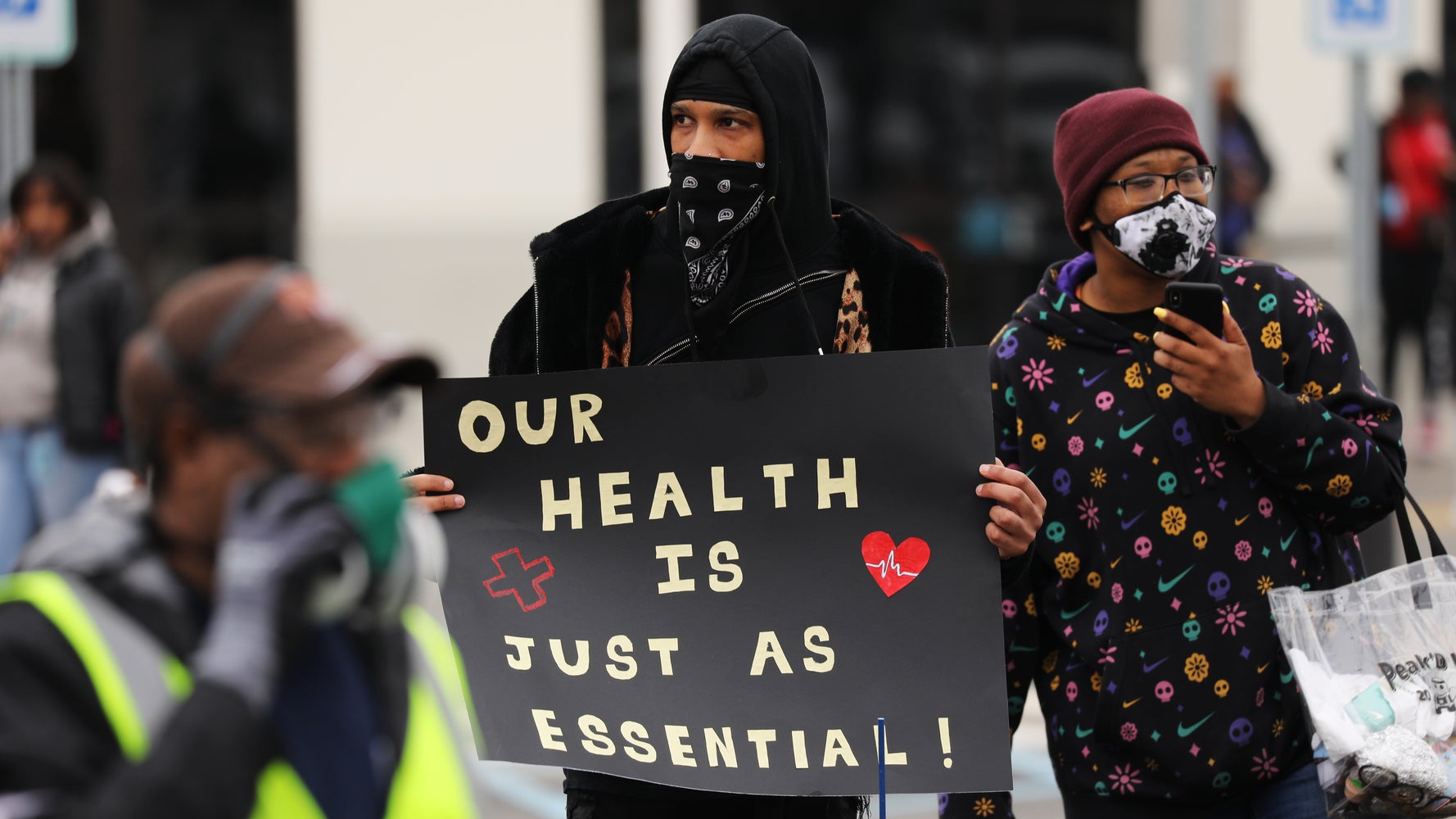
Amazon fired an employee who helped organize a walkout at one of its fulfillment centers over the company’s response to the ongoing coronavirus pandemic on Monday.
Chris Smalls, the employee who helped organize the demonstration, said he felt Amazon had failed to enact adequate measures to protect workers at the facility as many Americans turn to online shopping as stay-at-home mandates expand around the country. Smalls was one of a small group who walked out at a fulfillment center on Staten Island, demanding the company close the site and sanitize it before reopening. He said Amazon had notified employees at the warehouse of one confirmed case of the virus but claimed there were several others that hadn’t yet been reported.
Shortly after the strike, Smalls was terminated after working at Amazon for five years.
“Amazon would rather fire workers than face up to its total failure to do what it should to keep us, our families, and our communities safe,” Smalls said in a statement obtained by HuffPost. “I am outraged and disappointed, but I’m not shocked. As usual, Amazon would rather sweep a problem under the rug than act to keep workers and working communities safe.”
Amazon disputed Smalls’ account in a statement on Monday, saying he had been warned several times for “violating social distancing guidelines” and had been fired after failing to stay home. The company said Smalls’ claims were “simply unfounded.”
“He was also found to have had close contact with a diagnosed associate with a confirmed case of COVID-19 and was asked to remain home with pay for 14 days, which is a measure we’re taking at sites around the world,” a company spokesperson told HuffPost. “Despite that instruction to stay home with pay, he came onsite today, March 30, further putting the teams at risk. This is unacceptable and we have terminated his employment as a result of these multiple safety issues.”
The company also said just 15 employees out of 5,000 at its Staten Island location had participated in the demonstration.
“Our employees are heroes fighting for their communities and helping people get critical items they need in this crisis,” the spokesperson said. “Like all businesses grappling with the ongoing coronavirus pandemic, we are working hard to keep employees safe while serving communities and the most vulnerable.”
The Washington Post notes workers in at least 21 Amazon warehouses and shipping facilities in the U.S. have tested positive for the virus.
Employees at several other major companies staged walkouts on Monday. Workers at Instacart, the grocery delivery company, went on strike nationwide to demand better protections, including hazard pay and expanded paid sick leave. And employees at Whole Foods, owned by Amazon, said they planned to hold a nationwide “sick out” on Tuesday.
Workers at the Staten Island warehouse were first told last week that an employee had tested positive for the novel coronavirus, but they told HuffPost’s Emily Peck that business was “normal” and “running just as it had been” after the declaration. Others said they were afraid of getting sick at work, saying there wasn’t enough protection equipment on site, such as hand sanitizer or masks.
Amazon said it has extended a range of benefits to help protect workers during the pandemic, including extended paid leave options for some employees and increased health and safety measures. Employees diagnosed with COVID-19 are entitled to up to two weeks of paid leave, and Amazon says it notifies workers at sites with infected individuals.
The ongoing efforts by warehouse workers throughout the coronavirus pandemic have garnered support from several lawmakers. Rep. Alexandria Ocasio-Cortez (D-N.Y.) wrote Monday that the employees were simply “demanding dignity.”
“When people work an hourly job, it’s suggested in many ways that you‘re unimportant or expendable,” she wrote on Twitter. “Except you aren’t. Everyone deserves safe work, paid leave, & a living wage.”

Amazon warehouse workers in Staten Island, N.Y., and Instacart’s grocery delivery workers nationwide plan to walk off their jobs on Monday. They are demanding stepped-up protection and pay as they continue to work while much of the country is asked to isolate as a safeguard against the coronavirus.
The strikes come as both Amazon and Instacart have said they plan to hire tens of thousands of new workers. Online shopping and grocery home delivery are skyrocketing as much of the nation hunkers down and people stay at home, following orders and recommendations from the federal and local governments.
This has put a spotlight on workers who shop, pack and deliver these high-demand supplies. Companies refer to the workers as “heroes,” but workers say their employers aren’t doing enough to keep them safe.
The workers are asking for a variety of changes:
Workers at Amazon’s Staten Island facility have said that multiple people at the warehouse have been diagnosed with COVID-19. Some of them plan to walk off the job on Monday to pressure the company to close the warehouse for an extended deep cleaning.
At Amazon, which employs some 800,000 people, workers have diagnosed positively for COVID-19 in at least 11 warehouses, forcing a prolonged closure of at least one warehouse in Kentucky. The company says it has “taken extreme measures to keep people safe,” including allowing unlimited unpaid leave time for employees who feel uncomfortable working.
Amazon says its decision on whether to close a warehouse for cleaning or for how long depends on where the sick workers were in the building, for how long, how long ago and other assessments. The company has also temporarily raised its pay by $2 an hour through April.
Instacart’s army of grocery delivery workers are not employees, but independent contractors. They say the company has not provided them with proper protective items like disinfectants, hazard pay of an extra $5 per order and a higher default tip in the settings of the app.
Instacart on Sunday said it would distribute supplies, including hand sanitizer, to more workers and that it would change some tipping settings, but did not address paid sick leave for its contractors.
“Actions speak louder than words,” Instacart worker Sarah Polito told NPR. “You can tell us that we’re these household heroes and that you appreciate us. But you’re not actually, they’re not showing it. They’re not taking these steps to give us the precautions. They’re not giving us hazard pay.”
 HENRY KOTULA