Orange County Hospital Seeks Divorce From Large Catholic Health System

In early 2013, Hoag Memorial Hospital Presbyterian in Orange County, California, joined with St. Joseph Health, a local Catholic hospital chain, amid enthusiastic promises that their affiliation would broaden access to care and improve the health of residents across the community.

Eight years later, Hoag says this vision of achieving “population health” is dead, and it wants out. It is embroiled in a legal battle for independence from Providence, a Catholic health system with 51 hospitals across seven states, which absorbed St. Joseph in 2016, bringing Hoag along with it.

In a lawsuit filed in Orange County Superior Court last May, Hoag argues that remaining a “captive affiliate” of the nation’s 10th-largest health system, headquartered nearly 1,200 miles away in Washington state, constrains its ability to meet the needs of the local population.

Hoag doctors say that Providence’s drive to standardize treatment decisions across its chain — largely through a shared Epic electronic records system — often conflicts with their own judgment of best medical practices. And they recoil against restrictions on reproductive care they say Providence illegally imposes on them through its adherence to the Catholic health directives established by the United States Conference of Catholic Bishops.

“Their large widespread system is very different than the laser focus Hoag has on taking care of its community,” said Hoag CEO Robert Braithwaite. “When Hoag needed speed and agility, we got inadequate responses or policies that were just wrong for us. We found ourselves frustrated with a big health system that had a generic approach to health care.”

Providence insists it wants to stay with Hoag, a financial powerhouse — even as the two sides engage in secret settlement talks that could end the marriage.

“We believe we are better together,” said Erik Wexler, president of Providence South, which includes the group’s operations in California, Texas and New Mexico. “The best way to do that is to collaborate.” He cited joint investments in Hoag Orthopedic Institute and in Be Well OC, a kind of mental health collaborative, as fruits of the affiliation.

“If we are separate,” Wexler added, “there is a chance we may begin to cannibalize each other and drive the cost of care up.”

Research over the past several years, however, has shown that it is the consolidation of hospitals into fewer and larger groups, with greater bargaining clout, that tends to raise medical prices — often with little improvement in the quality of care.

“Mergers are a self-centered pursuit of stability by hospitals and hospital systems that hope to get so big that they can survive the anarchy of U.S. health care,” said Alan Sager, a professor at Boston University’s School of Public Health.

Wexler argued that price increases linked to consolidation are less of a worry in Orange County, geographically small but densely populated with 3.2 million residents and 28 acute care hospitals. Given the proximity of so many hospitals, Wexler said, counterproductive duplication of medical services is more of a concern.

Unlike many local community hospitals that seek larger partners to survive, Hoag, one of Orange County’s premier medical institutions, is financially robust and perfectly able to stand on its own. It has the advantage of operating in one of Orange County’s most affluent areas, with two acute care hospitals and an orthopedic specialty hospital in Newport Beach and Irvine. It is the beneficiary of numerous wealthy donors, including bond market billionaire Bill Gross and thriller novelist Dean Koontz.

In 2020, Hoag’s net assets, essentially its net worth, stood at about $3.3 billion — nearly 20% of the total for all Providence-affiliated facilities, even though Hoag has only three of the group’s 51 hospitals. Hoag generated operating income of $38 million last year, while Providence posted a $306 million operating loss.

But Providence is hardly a financial weakling. It is sitting on a mountain of unrestricted cash and investments worth $15.3 billion as of Dec. 31. And despite its hefty reserves, it received $1.1 billion in coronavirus relief grants last year under the federal CARES Act, and millions more from the Federal Emergency Management Agency.

Providence does not own Hoag, since no money changed hands and their assets were not commingled. But Providence is able to keep Hoag from walking away because it has a majority on the governing body that was set up to oversee the original affiliation with St. Joseph.

Hoag executives also express frustration at what they describe as efforts by Providence to interfere with their financial, labor and supply decisions.

Providence, in turn, worries that “if Hoag disaffiliates with Providence, it has the potential to impact our credit rating,” Wexler said.

Despite its insistence on the value of the affiliation, Providence officials are said to be willing to end the affiliation in exchange for payment of an undisclosed amount that Hoag considers unwarranted. Wexler and Hoag executives declined to comment on their discussions. A trial start date has not been set, but on April 26 the court will hear a motion from Hoag to expedite it.

While its financial fortitude distinguishes it from many other community hospitals tied to larger partners, Hoag’s experience with Providence is hardly uncommon amid widespread consolidation in the hospital industry and the growing influence of Catholic health care in the U.S.

“The bigger your parent organization becomes, the smaller your voice is within the system, and that’s part of what Hoag has been complaining about,” said Lois Uttley, director of the women’s health program at Community Catalyst, a Boston-based patient advocacy group that monitors hospital mergers.

“Compounding the problem is the fact that the system in this case is Catholic-run, because then, in addition to having an out-of-town system headquarters calling the shots, you also have to contend with governance from Catholic bishops,” Uttley said. “So you have two bosses, in a sense.”

Hoag is not the only hospital seeking to flee this dynamic. Last year, for example, Virginia Mason Memorial hospital in Yakima, Washington, said it would separate from its parent, Seattle-based Virginia Mason Health System, to avoid a pending merger with CHI Franciscan, part of the Catholic hospital giant CommonSpirit Health.

Mergers and acquisitions have led to the increasing dominance of mega hospital chains in U.S. health care over the past several years. From 2013 to 2018, the revenue of the 10 largest health systems grew 82%, compared with 45% for all other hospital groups, according to a recent study by Deloitte, the consulting and auditing firm.

Researchers expect the trend to accelerate as large health systems swallow smaller facilities economically weakened by the pandemic, and a growing trend toward outpatient care reduces demand for hospital beds.

Four of the 10 largest U.S. hospital systems are Catholic, including Chicago-based CommonSpirit Health, St. Louis-based Ascension, Livonia, Michigan-based Trinity Health and Providence. study by Community Catalyst found that 1 in 6 acute care hospital beds are in Catholic facilities, and that 52 hospitals operating under Catholic restrictions were the sole acute care facilities in their regions last year, up from 30 in 2013.

“We need to make this a national conversation,” said Dr. Jeffrey Illeck, a Hoag OB-GYN.

He was among a group of Hoag OB-GYNs who signed a letter to then-California Attorney General Xavier Becerra in October, alleging that Providence frequently declined to authorize contraceptive treatments, such as intrauterine devices and tubal ligations — in breach of the conditions imposed by Becerra’s predecessor, Kamala Harris, when she approved the original affiliation with St. Joseph in 2013.

In March, two weeks before he was confirmed as secretary of the U.S. Department of Health and Human Services, Becerra launched an investigation into those concerns.

Wexler said he is confident the attorney general’s probe will provide “clarity that Providence has done nothing wrong.”

A particularly bitter disagreement between the two sides concerns a rupture last year within St. Joseph Heritage Healthcare, a physician group belonging to Providence that included both St. Joseph and Hoag doctors. In November, the group notified thousands of patients that their Hoag specialists were no longer part of the network and that they needed to choose new doctors.

Wexler said that was the inevitable result of a decision by the Hoag physicians to negotiate separate HMO contracts, an assertion Braithwaite contested. The move disrupted patient care just as the winter covid surge was gaining momentum, he said.

Perhaps the biggest frustration for most Hoag administrators and physicians is Providence’s desire to standardize care across all 51 hospitals through their shared Epic electronic records system.

Hoag doctors say Providence controls the contents of the Epic system and that the care protocols in it, often driven by cost considerations, frequently collide with their own clinical decisions. Any changes must be debated among all the hospitals in the system and adopted by consensus — a laborious undertaking.

Dr. Richard Haskell, a cardiologist at Hoag, recalled a dispute over intravenous Tylenol, which Hoag’s orthopedists prefer because they say it works well and furthered a concerted effort to reduce opioid addiction. Providence took IV Tylenol off its list of accepted drugs, and the Hoag orthopedists “were very upset,” Haskell said.

They eventually got it back on that list, but with the condition that they could order it only one dose at a time. That meant nurses had to call the doctor every four hours for a new order. “Doctors probably felt, ‘Screw it, I don’t want to get woken up every four hours,’ so they probably just gave them narcotics,’” Haskell said.

He said that before agreeing to adopt Providence’s Epic system, Hoag had received written assurances it could make changes that included its preferred treatment choices for various conditions. But it quickly became clear that was not going to happen, he said.

“We couldn’t make any changes at all, so we were stuck with their system,” Haskell said. “I don’t want to be in a system bogged down by bureaucracy that requires 51 hospitals to vote on it.”

Wexler said Hoag understood exactly what it had signed up for. “They knew full well that there would be a collaborative approach across all of Providence, including Hoag, to make decisions on what standardizations would happen across the entire system,” he said. “It is not easy if one hospital wants to create its own specific pathway.”

Despite Hoag’s concerns about lesser standards of care, Braithwaite could not cite an example of an adverse outcome that had resulted from it. And Hoag’s strong reputation seems untarnished, as reflected in the high rankings and awards it continues to garner — and tout on its website.

Still, the affiliation’s days seem numbered. Hoag is no longer on the Providence website or in its marketing materials, and in many cases — such as the St. Joseph Heritage schism — the two groups are already going their separate ways.

“They are certainly acting like we are competitors, and I assume that means they know the disaffiliation is imminent,” Braithwaite said.

Wexler, while reiterating that Providence wants to maintain the current arrangement, was nonetheless able to imagine a different outcome: “What we would do post-affiliation,” he said, “is to continue to look for opportunities to collaborate.”


Study: Higher Death Rates and Taxpayer Costs at Nursing Homes Owned by Private Equity

About 1 in 10 nursing homes in California and nationwide are owned by private equity (PE) investors, and new research suggests that death rates for residents of those facilities are substantially higher than at institutions with different forms of ownership.

Essential Coverage

Researchers from New York University, the University of Chicago, and the University of Pennsylvania found that the combination of subsidies from Medicare and Medicaid alongside incentives for PE owners to increase the value of their investments “could lead high-powered for-profit incentives to be misaligned with the social goal of affordable, quality care [PDF].” The researchers — Atul Gupta, Constantine Yannelis, Sabrina Howell, and Abhinav Gupta — reported that nursing homes owned by private equity entities were associated with a 10% increase in the short-term death rate of Medicare patients over a 12-year period. That means more than 20,000 people likely died prematurely in homes run by PE companies, according to their study, which was published in February by the National Bureau of Economic Research (NBER).

In addition to the higher short-term death rates, these homes were found to have sharper declines in measures of patient well-being, including lower mobility, increased pain intensity, and increased likelihood of taking antipsychotic medications, which the study said are discouraged in the elderly because the drugs increase mortality in this age group. Meanwhile, the study found that taxpayer spending per patient episode was 11% higher in PE-owned nursing homes.

Double-Checked, Triple-Checked, Quadruple-Checked

The researchers were stunned by the data. “You don’t expect to find these types of mortality effects. And so, you know, we double-checked it, triple-checked it, quadruple-checked it,” Atul Gupta, a coauthor of the NBER study, told NPR reporter Gabrielle Emanuel.

There’s nothing new about for-profit nursing homes, but private equity firms are a unique subset that in recent years has made significant investments in the industry, Dylan Scott reported in Vox. PE firms typically buy companies in pursuit of higher profits for shareholders than could be obtained by investing in the shares of publicly traded stocks. They then sell their investments at a profit, often within seven years of purchase. They often take on debt to buy a company and then put that debt on the newly acquired company’s balance sheet.

They also have purchased a mix of large chains and independent facilities — “making it easier to isolate the specific effect of private equity acquisitions, rather than just a profit motive, on patient welfare.” About 11% of for-profit nursing homes are owned by PE, according to David Grabowski, professor of health care policy at Harvard Medical School. The NBER study covered 1,674 nursing homes acquired in 128 unique transactions.

While the owners of many nursing homes may not be planning to sell them, they also have strong incentives to keep costs low, which may not be good for patients. A study funded by CHCF, for instance, found that “early in the pandemic, for-profit nursing homes had COVID-19 case rates five to six times higher than those of nonprofit and government-run nursing homes. This was true of both independent nursing homes and those that are part of a corporate chain.”

Nationallyabout 70% of nursing homes are operated by for-profit corporations, 24% of nursing homes are nonprofit, and 7% are government-owned. Corporate chains own 58%. In California, 84% of nursing homes are for-profit, 12% are nonprofit, and 3% are government-owned, according to the CHCF report.

Growing PE Investment in Health Care

Given the dramatic increase in PE ownership of nursing facilities coming out of the COVID-19 pandemic, the higher death rates are troubling. The year-over-year growth between 2019 and 2020 is especially striking. Before the pandemic, 2019 saw 33 private equity acquisitions of nursing homes valued at just over $483 million. In 2020, there were 43 deals valued at more than $1.5 billion, according to Bloomberg Law reporter Tony Pugh.

And PE interest in health care is not restricted to nursing homes, explained Gretchen Morgenson and Emmanuelle Saliba at NBC News. “Private equity’s purchases have included rural hospitals, physicians’ practices, nursing homes and hospice centers, air ambulance companies and health care billing management and debt collection systems.” Overall, PE investments in health care have increased more than 1,900% over the past two decades. In 2000, PE invested less than $5 billion. By 2017, investment had jumped to $100 billion.

Industry advocates argue that the investments are in nursing homes that would fail without an influx of PE capital. The American Investment Council said private equity firms invest in “nursing homes to help rescue, build, or grow businesses, often providing much-needed capital to strengthen struggling companies and employ Americans,” according to Bloomberg Law.

The Debate Over Staffing

A bare-bones nursing staff is implicated in poorer quality at PE-owned nursing homes, both before and during the COVID-19 pandemic. Staff is generally the greatest expense in nursing homes and a key place to save money. “Labor is the main cost of any health care facility — accounting for nearly half of its operating costs — so cutting it to a minimum is the fastest profit-making measure owners can take, along with paying lower salaries,” journalist Annalisa Merelli explained in Quartz.

Staffing shrinks by 1.4% after a PE purchase, the NBER study found.

The federal government does not set specific patient-to-nurse ratios. California and other states have set minimum standards, but they are generally “well below the levels recommended by researchers and experts to consistently meet the needs of each resident,” according to the journal Policy, Politics, & Nursing Practice.

According to nursing assistant Adelina Ramos, “understaffing was so significant [during the pandemic] that she and her colleagues . . . often had to choose which dying or severely ill patient to attend first, leaving the others alone.”

Ramos worked at the for-profit Genesis Healthcare, the nation’s largest chain of nursing homes, which accepted $180 million in state and federal funds during the COVID-19 crisis but remained severely understaffed. She testified before the US Senate Finance Committee in March as a part of a week long look into how the pandemic affected nursing homes.Before the pandemic, we had this problem,” she said of staffing shortages. “And with the pandemic, it made things worse.”

$12.46 an Hour

In addition, low pay at nursing homes compounds staffing shortages by leading to extremely high rates of turnover. Ramos and her colleagues were paid as little as $12.46 an hour.

“The average nursing home in the US has their entire nursing home staff change over the course of the calendar year. This is a horrible way to provide good, quality nursing home care,” Grabowski told NPR, speaking of his March 2021 study in Health Affairs.

Loss of front-line staff leads to reductions in therapies for healthier patients, which leads to higher death rates, according to the NBER study. The effect of these cuts is that front-line nurses spend fewer hours per day providing basic services to patients. “Those services, such as bed turning or infection prevention, aren’t medically intensive, but they can be critical to health outcomes,” wrote Scott at Vox.

Healthier patients tend to suffer the most from this lack of basic nursing. “Sicker patients have more regimented treatment that will be adhered to no matter who owns the facility,” the researchers said, “whereas healthier people may be more susceptible to the changes made under private equity ownership.”

Growing Interest on Capitol Hill

In addition to the Senate Finance Committee hearings, the House Ways and Means Committee held a hearing at the end of last month about the excess deaths in nursing homes owned by PE. “Private equity’s business model involves buying companies, saddling them with mountains of debt, and then squeezing them like oranges for every dollar,” said Representative Bill Pascrell (D-New Jersey), who chairs the House Ways and Means Committee’s oversight subcommittee.

The office of Senator Elizabeth Warren (D-Massachusetts) will investigate the effects of nursing-home ownership on residents, she announced on March 17.

The hope is that the pandemic’s effect on older people will bring more attention to the issues that lead to substandard nursing home care. “Much more is needed to protect nursing home residents,” Denise Bottcher, the state director of AARP’s Louisiana office, told the Senate panel. “The consequence of not acting is that someone’s mother or father dies.”

Pennsylvania cancer hospital to lay off 365 workers

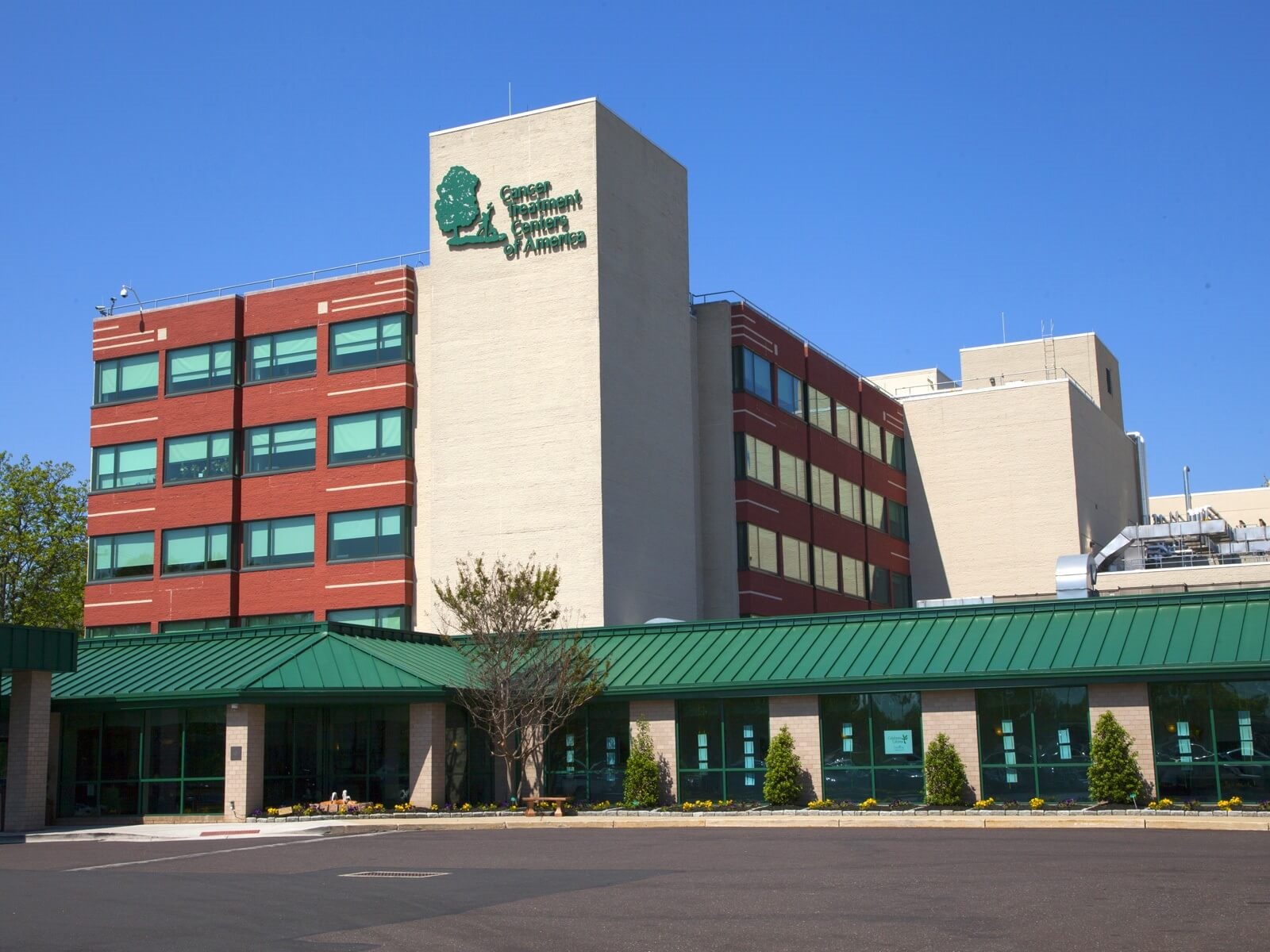
Cancer Treatment Centers of America®, Philadelphia PA | CTCA

Cancer Treatment Centers of America is selling its hospital in Philadelphia and will lay off the facility’s 365 employees, according to a closure notice filed with the state.

Boca Raton, Fla.-based Cancer Treatment Centers of America signed an agreement in March to sell the hospital to Philadelphia-based Temple University Hospital. The deal requires approval from the Pennsylvania Department of Health. 

In the notice filed with the state, Cancer Treatment Centers of America said some displaced Philadelphia workers may be offered jobs at affiliated entities outside of Pennsylvania, according to the Philadelphia Business Journal. The company’s other hospitals are in Chicago, Atlanta, Phoenix and Tulsa, Okla. In March, the company announced it will close its hospital in Tulsa June 1. 

Cancer Treatment Centers of America said it anticipates the layoffs in Philadelphia will begin after May 30, according to the Philadelphia Business Journal

Temple Health CEO Michael Young told the Philadelphia Business Journal that the system wants to hire as many CTCA workers as possible if the deal is finalized. 

The folly of fighting over board seats

https://mailchi.mp/3e9af44fcab8/the-weekly-gist-march-26-2021?e=d1e747d2d8

The Importance Of Board Seats During Fundraising

In our work over the years advising health systems on M&A, we’ve been struck by how often “social issues” cause deals that are otherwise strategically sound to go off the rails.

Of course, it’s an old chestnut that “culture eats strategy for breakfast”, but what’s been notable, especially recently, is how early in the process hot-button governance and leadership issues enter the discussions.

Where is the headquarters going to be? Who’s going to be the CEO of the combined entity? And most vexingly, how many board seats is each organization going to get? That last issue is particularly troublesome, as it’s often where negotiations get bogged down. But as one health system board member recently pointed out to us, getting hung up on whether board seats are split 7-6 or 8-5 is just silly—in her words, “If you’re in a position where board decisions turn on that close of a margin, you’ve got much bigger strategic problems.” 

It’s an excellent point. While boards shouldn’t just rubber stamp decisions made by management, it’s incumbent on the CEO and senior leaders to enfranchise and collaborate with the board in setting strategy, and critical decisions should rarely, if ever, come down to razor-thin vote tallies.

If a merger makes sense on its merits, and the strategic vision for the combined organization is clear, quibbling over how many seats each legacy system “gets” seems foolishNo board should go into a merger anticipating a future in which small majorities determine the outcome of big decisions.

Doctor on Demand, Grand Rounds merge to create multibillion-dollar digital health company

Dive Brief:

  • Virtual care company Doctor on Demand and clinical navigator Grand Rounds have announced plans to merge, creating a multibillion-dollar digital health firm.
  • The goal of combining the two venture-backed companies, which will continue to operate under their existing brands for the time being, is to integrate medical and behavioral healthcare with patient navigation and advocacy to try to better coordinate care in the fragmented U.S. medical system.
  • Financial terms of the deal, which is expected to close in the first half of this year, were not disclosed, but it is an all-stock deal with no capital from outside investors, company spokespeople told Healthcare Dive.

Dive Insight:

The digital health boom stemming from the coronavirus pandemic resulted in a flurry of high-profile deals last year, including the biggest U.S. digital health acquisition of all time: Teladoc Health’s $18.5 billion buy of chronic care management company Livongo. Such tie-ups in the virtual care space come as a slew of growing companies race to build out end-to-end offerings, making them more attractive to potential payer and employer clients and helping them snap up valuable market share.

Ten-year-old Grand Rounds peddles a clinical navigation platform and patient advocacy tools to businesses to help their workers navigate the complex and disjointed healthcare system, while nine-year-old Doctor on Demand is one of the major virtual care providers in the U.S.

Merging is meant to ameliorate the problem of uncoordinated care while accelerating telehealth utilization in previously niche areas like primary care, specialty care, behavioral health and chronic condition management, the two companies said in a Tuesday release.

Grand Rounds and Doctor on Demand first started discussing a potential deal in the early days of the coronavirus pandemic, as both companies saw surging demand for their offerings. COVID-19 completely overhauled how healthcare is delivered as consumers sought safe digital access to doctors, resulting in massive tailwinds for digital health companies and unprecedented investor interest in the sector.

Equity funding in digital health globally hit an all-time high of $26.5 billion in 2020, according to CB Insights, with mental and women’s health services seeing particularly fast growth in investor interest.

Both companies reported strong funding rounds in the middle of last year, catapulting Grand Rounds and Doctor on Demand to enterprise valuations of $1.34 billion and $821 million respectively, according to private equity marketplace SharesPost. Doctor on Demand says its current valuation is $875 million.

The combined entity will operate in an increasingly competitive space against such market giants as Teladoc, which currently sits at a market cap of $31.3 billion, and Amwell, which went public in September last year and has a market cap of $5.1 billion.

​Grand Rounds CEO Owen Tripp will serve as CEO of the combined business, while Doctor on Demand’s current CEO Hill Ferguson will continue to lead the Doctor on Demand business as the two companies integrate and will join the combined company’s board.

Back to “a deal for every doc”?

https://mailchi.mp/b0535f4b12b6/the-weekly-gist-march-12-2021?e=d1e747d2d8

Hospital Physician Partners and Lock Haven Hospital Announce New Emergency  Department Partnership

Many physician practices weathered 2020 better than they would have predicted last spring. We had anticipated many doctors would look to health systems or payers for support, but the Paycheck Protection Program (PPP) loans kept practices going until patient volume returned. But as they now see an end to the pandemic, many doctors are experiencing a new round of uncertainty about the future. Post-pandemic fatigue, coupled with a long-anticipated wave of retiring Baby Boomer partners, is leading many more independent practices to consider their options. And layered on top of this, private equity investors are injecting a ton of money into the physician market, extending offers that leave some doctors feeling, according to one doctor we spoke with, that “you’d have to be an idiot to say no to a deal this good”.
 
2021 is already shaping up to be a record year for physician practice deals. But some of our recent conversations made us wonder if we had time-traveled back to the early 2000s, when hospital-physician partnerships were dominated by bespoke financial arrangements aimed at securing call coverage and referrals. Some health system leaders are flustered by specialist practices wanting a quick response to an investor proposal. Hospitals worry the joint ventures or co-management agreements that seemed to work well for years may not be enough, and wonder if they should begin recruiting new doctors or courting competitors, “just in case” current partners might jump ship for a better deal. 

In contrast to other areas of strategy, where a ten-year vision can guide today’s decisions, it has always been hard for health systems to take the long view with physician partnerships.

When most “strategies” are really just responses to the fires of the day, health systems run the risk of relationships devolving to mere economic terms. Health systems may find themselves once again with a messy patchwork of doctors aligned by contractual relationships, rather than a tight network of physician partners who can work together to move care forward.

Jefferson Health and Einstein Healthcare merger moves forward after FTC withdraws challenge

https://www.healthcarefinancenews.com/news/jefferson-health-and-einstein-healthcare-network-merger-moves-forward-after-ftc-withdraws-0

Jefferson Health and Einstein Healthcare Network merger clear final hurdle after  FTC will no longer challenge - 6abc Philadelphia

Jefferson’s hospital network will grow to 18 locations with Einstein’s three general acute care hospitals and an inpatient rehabilitation hospital.

The merger between Pennsylvania-based Jefferson Health and Einstein Healthcare Network can now close after the Federal Trade Commission voted to withdraw its opposition to the deal, Jefferson Health announced this week.

The deal is now expected to be finalized within the next six months.

Earlier this year, the FTC voted 4-0 to voluntarily dismiss its appeal to the Third Circuit of the district court, according to the commission’s case summary.

Once the deal is complete, Jefferson’s network of hospitals will grow to 18 with the addition of Einstein’s three general acute care hospitals and an inpatient rehabilitation hospital.

WHY IT MATTERS

Merger plans were first announced in 2018 in a deal estimated to be worth $599 million.

The FTC initially blocked the merger because it believed it would reduce competition in the Philadelphia and Montgomery counties.

It alleged the deal would give the two health systems control of at least 60% of the inpatient general acute care hospital services market in North Philadelphia, at least 45% of that market in Montgomery County, and at least 70% of the inpatient acute rehabilitation services market in the Philadelphia area.

But late last year, a federal judge blocked the FTC’s attempt to stop the merger. Judge Gerald Pappert of the U.S. District Court for the Eastern District of Pennsylvania wrote that the FTC failed to demonstrate that there’s a credible threat of harm to competition. He pointed to other competitors in the region, such as Penn Medicine, Temple Health and Trinity Health Mid-Atlantic.

The FTC and the Commonwealth of Pennsylvania attempted to appeal the court’s decision, but after Jefferson and Einstein filed a motion to withdraw the case, the commission unanimously voted to drop its appeal.

THE LARGER TREND

The FTC is taking a closer look at healthcare mergers and acquisitions to better understand how physician practice and healthcare facility mergers affect competition. Earlier this year, it sent orders to Aetna, Anthem, Florida Blue, Cigna, Health Care Service Corporation and United Healthcare to share patient-level claims data for inpatient, outpatient and physician services across 15 states from 2015 through 2020.

Although M&A activity was down in 2020 due to the COVID-19 pandemic, Kaufman Hall called the 79 transactions that did take place “remarkable” for falling within the range of the 92 deals from the year before.

The analysts expect activity to ramp up moving forward, however. They predict that as health systems evaluate their business strategies post-pandemic, those in strong positions will take advantage of other systems’ divestitures to grow their capabilities and expand into new markets.

ON THE RECORD

“We are excited to have Einstein and Jefferson come together, as our shared vision will enable us to improve the lives of patients, the health of our communities and enhance our health education and research capabilities,” said Ken Levitan, the interim president and CEO of Einstein Healthcare Network.

“By bringing our resources together, we can offer those we care for – particularly the historically underserved populations in Philadelphia and Montgomery County – even greater access to high-quality care.”

Georgia health systems discard merger plans, averting FTC challenge

Federal Trade Commission (FTC) Definition

Dive Brief:

  • The Federal Trade Commission has closed its investigation of the merger between Atrium Health Navicent and Houston Healthcare System following news the two have abandoned their plans for a deal.
  • FTC staff had recommended commissioners challenge the merger on grounds that it would have led to “significant harm” for area residents and businesses in the form of higher healthcare costs, the FTC alleged. 
  • The tie-up between two of the largest systems in central Georgia would also hamper investment in facilities, technologies and expanded access to services, according to a statement released Wednesday.

Dive Insight:

FTC Acting Chairwoman Rebecca Kelly Slaughter said in the statement, “This is great news for patients in central Georgia.”

When the deal was originally announced, Atrium Health Navicent promised to spend $150 million on Houston over a decade, earmarking the money for routine capital expenditures and strategic growth initiatives, according to a previous review of the transaction by the state attorney general’s office.

After engaging with consultants at Kaufman Hall in 2017, leaders at Houston, an independent system, decided they needed to find a strategic partner to weather long-term challenges and ultimately picked Navicent.

Navicent recently merged with North Carolina-based Atrium Health, formerly known as Carolinas HealthCare System. At the time, the deal gave Atrium a foothold in the state of Georgia.

Healthcare consolidation has continued at a steady clip despite the pandemic, and the FTC will be closely investigating any deal involving close competitors. The agency is seeking to expand its arsenal to block future mergers by researching new theories of harm.

The FTC attempted to block a hospital deal in Philadelphia last year but has since abandoned its challenge after a series of setbacks in court. The judge was not swayed that the consolidation of providers would lead to an increase in prices given the plethora of healthcare options in the area.

Chicago’s Mercy Hospital has a potential buyer

Mercy Hospital, denied approval to close in Bronzeville, files for  bankruptcy. Mayor Lightfoot calls it 'devastating for that community.' -  Chicago Tribune

Mercy Hospital & Medical Center in Chicago has secured a nonbinding purchase agreement with Insight Chicago just months before it is slated to close its doors, according to the Chicago Tribune.

Under terms of the deal, still being negotiated, Insight Chicago would operate Mercy Hospital as a full-service, acute care facility. Insight Chicago is a nonprofit affiliated with a Flint, Mich.-based biomedical technology company.

The deal is subject to regulatory approval, but if it goes through, it would keep the 170-year-old safety-net hospital open. 

Securing a potential buyer is the latest in a series of events related to the Chicago hospital.

On Feb. 10, Mercy filed for bankruptcy protection, citing mounting financial losses and losses of staff that challenged its ability to provide safe patient care. 

The bankruptcy filing came just a few weeks after the Illinois Health Facilities and Services Review Board rejected a plan from Mercy’s owner, Trinity Health, to build an outpatient center in the neighborhood where it planned to close Mercy. The same board unanimously rejected Livonia, Mich.-based Trinity’s plan to close the hospital in December.

The December vote from the review board came after months of protests from physicians, healthcare advocates and community organizers, who said that closing the hospital would create a healthcare desert on Chicago’s South Side. 

Mercy said that until the pending deal with Insight Chicago is signed and approved by regulators, it still plans to close the facility. If the agreement is reached before the May 31 closure, Mercy will help transition services to Insight Chicago, according to the Chicago Sun-Times. 

Insight Chicago told local NPR affiliate WBEZ that it has a difficult task ahead to build community trust and address the financial issues that have plagued the Chicago hospital.

“I think the big main point we want to understand between now and then is the community needs to build trust with the community, and I think to build trust we have to tell the truth and be sincere,” Atif Bawahab, chief strategy officer at Insight, told WBEZ. “And there’s a reality of the situation as to why [the hospital] is going bankrupt and why several safety net hospitals are struggling.”

In its bankruptcy filing, Mercy said its losses have averaged about $5 million per month and reached $30.2 million for the first six months of fiscal year 2021. The hospital also said it has accumulated debt of more than $303.2 million over the last seven years, and the hospital needs more than $100 million in upgrades and modernizations.

Troubled Pennsylvania health system looks for a buyer

Reading Hospital | Tower Health

West Reading, Pa.-based Tower Health is looking for a partner to buy the entire system, which comprises six hospitals, according to the Reading Eagle.

“We are compelled to pursue every possible avenue available to protect and preserve the future of care at all of our hospitals and facilities,” Tower said in a statement to The Philadelphia Inquirer on Feb. 26. “As part of this process, we will examine potential partnerships for the entire Tower Health system with like-minded health systems that share our same values and passion for clinical excellence.” 

The health system had previously said it was looking for buyers for its hospitals, with the exception of its flagship facility, Reading Hospital in West Reading, according to the Inquirer. 

On March 1, Tower Health was hit with a three-notch credit downgrade by Fitch Ratings. The credit rating agency said its long-term “B+” rating and negative outlook for the system reflect significant ongoing financial losses from the COVID-19 pandemic and operational challenges following the 2017 acquisition of five hospitals. 

S&P lowered its rating on Tower Health by two notches, to “BB-” from “BB+,” on March 2. 

Tower Health had operating losses of more than $415 million in fiscal year 2020, and it expects an operating loss of about $160 million in fiscal 2021, according to Fitch.