Cartoon – Thoughtful Gift

https://mailchi.mp/45f15de483b9/the-weekly-gist-october-9-2020?e=d1e747d2d8
One of the most perplexing elements of the novel coronavirus is its variability. It’s common knowledge that while many infected people will experience mild symptoms, those who are older, male and have underlying chronic disease are at much higher risk of severe disease and death.
Two recent papers published in Science provide some of the most compelling evidence behind the impaired immune response seen in severely affected patients—and a potential link to the gender disparities in outcomes.
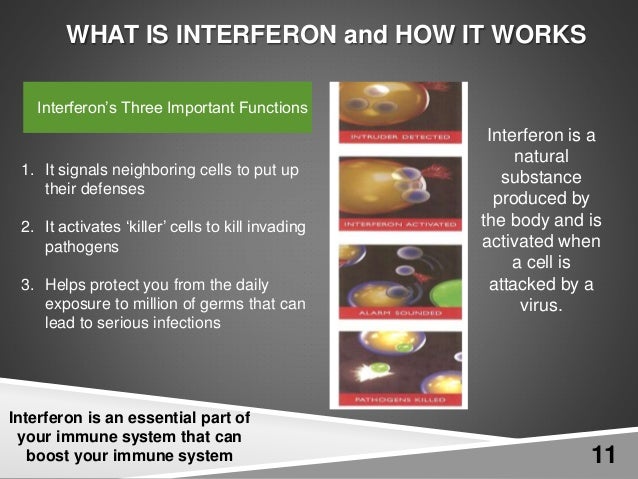
Both papers are centered on the role of Type I interferon, an immune protein that provides a first line of defense in viral illness.
The first study analyzed the DNA of over 650 patients with severe COVID to assess mutations in the genes that code for interferon-1. Some 3.5 percent of patients with life-threatening COVID carried mutations, but these were found in none of the control patients who only had mild disease.
The second paper evaluated the presence of antibodies to the patient’s own interferon, finding that 14 percent of patients with severe disease had these “auto-antibodies”, which are extremely rare in the general population. Interestingly, 12.5 percent of severely ill men had the antibodies, compared to just 2.6 percent of women with severe disease. Previous work linked poor interferon response to the X chromosome, highlighting the potential increased risk for men.
Taken together, these studies indicate that impaired Type I interferon could contribute to 1 in 7 severe COVID cases. Scientists are hopeful this work could lead to new diagnostics that estimate a patient’s risk of poor outcomes. This growing body of work, with new insights published every week in Science and other journals, underscores the rapid advances being made in understanding and treating this novel and complex disease.
https://mailchi.mp/45f15de483b9/the-weekly-gist-october-9-2020?e=d1e747d2d8

While it sometimes seems like the coronavirus has been with us forever, it’s worth remembering that there are still parts of the country that are only now experiencing their first big spike in cases—that’s the nature of a “patchwork” pandemic working its way across a vast country.
One of our health system members in the Midwest, with whom we recently spent time, is in just this situation: they’re seeing their highest inpatient COVID census to date, just this month. As they shared with us, there are advantages and drawbacks to being a “late follower” on the epidemic curve. The good news is that they’re ready.
Back in March, like most systems, they stood up an “incident command center”, and began preparing for a wave of COVID patients, designating a floor of the hospital as a “hot zone”, creating negative pressure rooms, cross-training staff, developing treatment protocols, stockpiling protective equipment, and securing a pipeline of critical therapeutics and testing supplies. There was a moderate but manageable number of cases across the late spring and summer, but never to an extent that stressed the system.
Eventually, recognizing that they couldn’t ask their doctors, nurses, and administrators to stay on high alert indefinitely, they “stood down” to a more normal operational tempo, only to watch with dismay as the surrounding community seemingly forgot about the virus, and lessened precautions (masking, distancing, and so forth), wanting life to return to “normal”. And now, the post-Labor Day, post-return-to-school spike has arrived.
The challenge now is getting everyone, inside and outside the system, to stop talking about COVID in the past tense, as though they’ve already “gotten through it.” The preparations they’ve made are paying off now. Hospital operations continue to run smoothly even with a high COVID census, but the workforce is exhausted, and citizens aren’t stepping outside to bang gratefully on pots every night anymore.
Asking the team to return to war footing is no easy task, given the fatigue of the past seven months. A question looms: what is the trigger to restart “incident command”? As cases begin to increase again in some of the original COVID hot spots—New York, New England, the Pacific Northwest—healthcare leaders there will need to learn from the experiences of their colleagues in the newly-hit Midwest, about how to take an already virus-weary clinical workforce back onto the battlefield.
https://mailchi.mp/45f15de483b9/the-weekly-gist-october-9-2020?e=d1e747d2d8

While telemedicine visits have decreased sharply since their early pandemic peak, we’re hearing from providers across the country that patient demand for email communication has persisted.
Many patients have missed meaningful in-person interactions with their doctors. But once they sign up for the portal and realize they can email, they don’t want to go back to spending time on hold or scheduling a visit to get a prescription refill or the answer to a simple question.
Email and messaging saves patients a lot of time, but the sheer amount has quickly become unmanageable for many doctors. “Last year I got half a dozen emails per week from patients,” one primary care physician told us. “Now I’m spending two hours a day answering MyChart messages, and I’m still not keeping up.”
And as many are quick to point out, there is little to no compensation for time spent emailing. Health systems and physician practices can’t “roll back” this service—removing this satisfier would expose them to losing patients altogether.
In the near term, systems must invest in the staff and infrastructure to create a centralized process to triage messages. And longer-term, they must align physician compensation and payment models away from visit-based economics and toward comprehensive patient communication and management.

Charlotte, N.C.-based Atrium Health and Winston-Salem, N.C.-based Wake Forest Baptist Health have completed their merger, creating a 42-hospital system with more than 70,000 employees.
With the transaction complete, Wake Forest Baptist Health and Wake Forest School of Medicine will become the “academic core” of Atrium Health. The health system said it plans to build a second campus of the school of medicine in Charlotte.
“As the healthcare field goes through the most transformative period in our lifetime, in addition to a new medical school, our vision is to build a ‘Silicon Valley’ for healthcare innovation spanning from Winston-Salem to Charlotte,” Atrium President and CEO Eugene A. Woods said in a news release. “We are creating a nationally-leading environment for clinicians, scientists, investors and visionaries to collaborate on breakthrough technologies and cures. Everything we do will be focused on life changing care, for all, in urban and rural communities alike. And we will create jobs that provide inclusive opportunities to enhance the economic vitality of our entire region.”
Atrium cited an independent economic analysis that showed the direct and indirect annual employment impact of the combined system exceeds 180,000 jobs.
“The impact of the strategic combination will be far-reaching, elevating North Carolina as a clear destination of choice to receive medical care for people all across the nation,” said Julie Ann Freischlag, MD, CEO of Wake Forest Baptist Health and dean of Wake Forest School of Medicine. “Through our combined, nationally recognized clinical centers of excellence in multiple specialties, we will be able to expand our research in signature areas, such as cancer, cardiovascular, regenerative medicine and aging, and target bringing research breakthroughs to the community in less than half the time of the national average.”
Mr. Woods will serve as president and CEO of the combined system, and Dr. Freischlag was appointed chief academic officer for Atrium Health in addition to her current positions.
A 16-member board of directors appointed by the Charlotte Mecklenburg Hospital Authority and Wake Forest University Baptist Medical Center will govern the new nonprofit enterprise.

Trinity Health saw revenue decline in fiscal year 2020, and the Livonia, Mich.-based health system ended the period with a loss, according to recently released financial documents.
Trinity Health saw revenue decline 2.4 percent year over year to $18.8 billion in the 12 months ended June 30. The health system attributed the drop in revenue to the COVID-19 pandemic and the divestiture of Camden, N.J.-based Lourdes Health System in June 2019.
The 92-hospital system’s expenses were down 1.4 percent year over year in fiscal 2020. Trinity Health took several steps to reduce operating and capital spending in response to the pandemic, including implementing furloughs and reducing salaries for executives.
Trinity Health reported an operating loss of $344.7 million for fiscal 2020, compared to operating income of $106.8 million a year earlier.
After factoring in investments and other nonoperating items, Trinity Health posted a net loss of $75.5 million in fiscal 2020, down from net income of $786 million in fiscal 2019. Lower nonoperating gains in the most recent fiscal year were primarily driven by the pandemic’s effect on global investment market conditions, the health system said.
https://mailchi.mp/45f15de483b9/the-weekly-gist-october-9-2020?e=d1e747d2d8

Eight months into COVID-19, national healthcare volumes are still lagging pre-pandemic levels. The graphic above shows highlights from Strata Decision Technology’s recent analysis of volume data from 275 hospitals nationwide between March and August, and reveals that inpatient, and especially emergency department, volumes are still well below 2019 levels.
This isn’t surprising. Consumer confidence in healthcare facilities hasn’t changed much since April, with many still reporting feeling unsafe in emergency care and hospital settings. Even some outpatient providers are still seeing lags compared to last year.
While outpatient volume as a whole has rebounded, critical outpatient diagnostics, including mammographies and colonoscopies, are still down significantly, leading to reduced downstream oncology and surgical volume as well, at least in the short-term.
COVID-19 is also accelerating the outmigration of high-margin surgical procedures like total knee replacements. Comparing a two-week period in August to the same period last year reveals that inpatient knee procedures are down by nearly 40 percent, while similar outpatient procedures are up over 80 percent.
As Strata Executive Director Steve Lefar said in a recent conversation with Gist Healthcare Daily’s Alex Olgin, these data expose “an elasticity of demand the healthcare industry never even knew existed” and that “the demand curve for healthcare services may be permanently adjusted because people are just changing their behaviors.”
While we expect volumes will ebb and flow over coming months in step with the local severity of COVID-19, health systems should plan for a longer-term “new normal” with volume below pre-pandemic levels.
https://mailchi.mp/45f15de483b9/the-weekly-gist-october-9-2020?e=d1e747d2d8

Along with the many political and public health questions raised by President Trump’s recent and very public bout with COVID-19 is the issue of when the public might have access to the same monoclonal antibody therapy that he received from doctors last week.
Having seen the President tout the benefits of Regeneron’s experimental antibody cocktail, COVID patients have reportedly been asking physicians about participating in clinical trials of the therapy, which is only available on a “compassionate use” basis outside of ongoing studies.
On Wednesday, Regeneron announced it had submitted a request to the US Food and Drug Administration (FDA) for an Emergency Use Authorization (EUA) for the treatment, claiming that early data from ongoing trials showed promise in moderating coronavirus symptoms.
Eli Lilly, which is developing a similar antibody therapy, also announced plans to apply for an EUA, saying its drug has shown the ability to reduce hospitalizations among those infected with the virus.
The US government has already paid Regeneron $450M to access up to 300,000 doses of the therapy, and on Friday a spokesman for the Department of Health and Human Services (HHS) said the government would acquire up to a million doses from Regeneron and Eli Lilly by the end of the year, which it will allocate to hospitals in a similar approach to the way it has distributed Gilead Science’s antiviral drug remdesivir, which the President was also given last week.
News on the availability of potentially effective therapies to mitigate the impact of COVID-19 is welcome, particularly as the timeline for COVID vaccines appears to be lengthening.
In guidance released this week, the FDA said it would require pharmaceutical companies to submit two months’ worth of data on vaccine safety and efficacy after patients received their final dose, as part of the EUA application process. The data requirement effectively means that, despite repeated promises from the White House, none of the vaccine candidates being developed will be available before the November 3rd Presidential election.
The head of the government’s vaccine program said separately this week that he expects data on vaccines being developed by Pfizer and Moderna to be available by December. As many have predicted, it will take months beyond that for a safe and effective vaccine to be distributed and administered to a majority of Americans.
Challenges will abound: ensuring sufficient manufacturing capacity, managing a complex supply chain, setting up specialized distribution and vaccination centers, and tracking those vaccinated (especially if two shots will be required). A massive public education campaign will also be needed to overcome vaccine hesitancy and ensure widespread immunization. And all of that will take time, and money.
President Trump’s recent and unfortunate illness underscores the importance of paying equal attention to the development of therapies and treatments—which are essentially a holding maneuver to get us through the coming winter and spring, and eventually to the promise of immunity that lies beyond.