


Many U.S. hospitals and health systems have suspended elective procedures to save capacity, supplies and staff to treat COVID-19 patients.
As a result of suspending these nonemergent procedures, several systems have lost or expect to lose a large chunk of their annual revenue, forcing them to make cost reduction a top priority.
Below is a breakdown of the hospitals that have furloughed staff in an effort to remain financially stable amid the COVID-19 pandemic.
April 22
1. Detroit-based Henry Ford Health System plans to furlough 2,800 staffers not directly involved in patient care due to financial damage from the COVID-19 pandemic. The six-hospital system recorded a $43 million loss in operating income in March due to the cancellation of elective procedures, temporary clinic closures and the additional expenses of acquiring personal protective gear. The health system expects bigger losses in April and May.
2. Citing a financial hit from the COVID-19 pandemic, Providence, R.I.-based Lifespan has furloughed about 1,100 employees, according to The Providence Journal. A hospital spokesperson said most of the furloughs were taken voluntarily, and some employees have been able to take vacation or sick leave to maintain pay. Affected employees can retain their benefits, such as health insurance.
3. Woodbury, N.J.-based Inspira Health has furloughed 219 employees due to the COVID-19 pandemic, according to the Philadelphia Business Journal. The list of furloughed employees will be reviewed every two weeks, the health system said. Inspira has about 6,000 employees.
4. Macomb, Ill.-based McDonough District Hospital plans to furlough 60 workers amid declining revenue from the COVID-19 pandemic, according to local radio station WGIL. The health system experienced a $1.2 million loss in net revenue in March, and expects April to have a much larger loss.
5. To address the financial impact and patient volume dip caused by the COVID-19 pandemic, Greenville, N.C.-based Vidant Health will furlough a portion of its workforce, according to ABC 12. The health system will start the furloughs April 26. The number of affected employees was not disclosed.
6. Olean, N.Y.-based Upper Allegheny Health System plans to start a voluntary furlough program in an effort to help offset some of the losses from the COVID-19 pandemic, according to Tap Into Greater Olean. The system projects it will incur a $25 million loss related to COVID-19 in 2020.
7. Due to the suspension of elective procedures and subsequent revenue drop, Grand Forks, N.D.-based Altru Health System plans to reduce the number staffing hours by 10 percent to 15 percent through furloughs and a system-required absence program, according to The Grand Forks Herald. The hospital system said it is facing a potential loss of $65 million this year due to the COVID-19 pandemic.
8. Cleveland-based University Hospital plans to cut the hours and pay of 4,100 employees not involved in patient care, according to Cleveland.com. Salaried nonclinical staffers are required to take a one-week unpaid furlough every five weeks. Hourly nonclinical workers will have their hours cut by 20 percent each week. Affected employees can use paid time off and sick time during those unpaid weeks. Hospital staff will still receive benefits, like health insurance.
9. Citing the financial hit from COVID-19, Wausau, Wis.-based Aspirus Health plans to furlough a portion of its staff beginning May 1, according to a system press release. The furloughs will primarily affect employees who do not work directly in patient care.
“This is the most difficult decision our leadership team has ever made,” said Aspirus President and CEO Matthew Heywood. “These drastic actions are ones we hoped to avoid but must take to ensure we can continue to serve our communities throughout this pandemic and for generations after.”
10. To help protect the long-term financial health of the organization, Buffalo, N.Y.-based Kaleida Health is offering a temporary voluntary furlough program for its staff, the health system announced April 22 in a news release. The furlough program is a joint agreement with two unions that represent 8,000 Kaleida Health employees. Affected employees would be able to retain benefits, like health insurance.
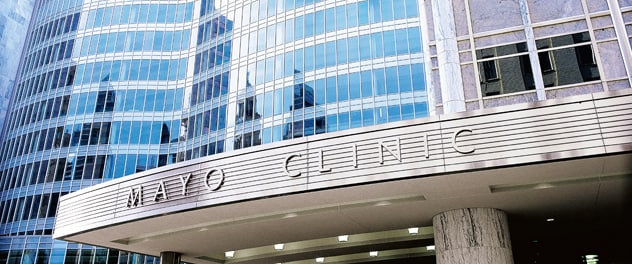
Note: Rochester, Minn.-based Mayo Clinic said April 22 that 30,000 staff members will be affected by furloughs or cut hours. More information about the furloughs are listed under April 13, or you can click here.
April 22
1. Southfield, Mich.-based Beaumont Health will permanently lay off 450 staff members, cut executive pay and furlough 2,475 workers due to the financial hit from the COVID-19 pandemic. Most of the 450 layoffs affect corporate staff or administrative employees. The furloughs affect staff not directly caring for patients and hospital administrative staff.
2. Philadelphia-based Tower Health has furloughed at least 1,000 employees due to the financial hit from the COVID-19 pandemic. The furloughs affect roughly 7 percent of the system’s 14,000-person workforce.The seven-hospital system said it has lost about 50 percent of its revenue due to the suspension of elective procedures and drop in outpatient volume.
3. Citing the suspension of elective procedures and a 50 percent reduction in revenue, Kalamazoo, Mich.-based Bronson Healthcare has furloughed hundreds, according to WWMT. Furloughed employees will not be paid for at least four months, and they can not use paid time off. The number of furloughed employees was not disclosed.
4. Utica, N.Y.-based Mohawk Valley Health System will furlough about 20 percent of its workforce of 4,000 for up to four months, according to the Utica Observer-Dispatch. The health system said it is part of a cost-cutting plan to recover from lost revenue caused by the COVID-19 pandemic.
5. About 200 employees at Ithaca, N.Y.-based Cayuga Medical Center have volunteered to take a furlough, according to Ithaca.com. The hospital, which employs 1,500, has seen a 50 percent drop in patient volume. Employees that opt into the furlough program can retain health insurance, apply for unemployment benefits and will receive a stipend upon returning to work.
6. Hudson, N.Y.-based Columbia Memorial Hospital will furlough 125 workers due to a drop in patient volume and revenue caused by the COVID-19 pandemic, according to News 10, an ABC affiliate. Furloughed workers can keep their health insurance and apply for unemployment benefits.
7. St. Mary’s Health System in Lewiston, Maine, will furlough about 5 percent of its workforce to help offset losses attributed to the COVID-19 pandemic, according to the Sun Journal. The furloughs, which affect 77 staffers, will begin April 27 and last for 30 days.
8. Seventy-one employees from Bay Area Hospital in Coos Bay, Ore., opted to take voluntarily furloughs, according to KCBY. The employees will be furloughed for 45 days.
9. Rosemont, Ill.-based Pipeline Health, which operates Weiss Memorial Hospital in Chicago and West Suburban Medical Center in Oak Park, Ill., has furloughed an undisclosed number of its staff due to the COVID-19 pandemic, according to the Chicago Tribune. Those employees will keep their health insurance and can apply for unemployment.
10. Citing a revenue decline of 50 percent due to the COVID-19 pandemic, Dansville, N.Y.-based Noyes Health has furloughed a portion of its staff for one to two week on a rolling basis, according to The Livingston County News. Furloughed staff will retain health insurance benefits.
11. Madison, Wis.-based UW Health plans to furlough some staff due to the COVID-19 pandemic, according to the Wisconsin State Journal. UW Health CEO Alan Kaplan, MD, said UW Health saw a 62 percent decline in surgeries and patient volume, and as a result is expecting losses of $350 to $400 million between March 15 and June 30.
12. West Des Moines, Iowa-based UnityPoint Health said it will implement furloughs starting April 26, according to 25 News, an NBC affiliate. Furloughs will affect employees in areas of the system that are not operating at capacity or experiencing closures.
13. Gottlieb Memorial Hospital in Melrose Park, Ill., has furloughed some staff in response to the COVID-19 pandemic, according to the Chicago Tribune.
14. MacNeal Hospital in Berwyn, Ill., has furloughed some staff in response to the COVID-19 pandemic, according to the Chicago Tribune.
April 21
1. Phoenix-based Banner Health plans to furlough 5 percent to 7 percent of its workforce in response to the COVID-19 pandemic. Some affected employees may be furloughed for just a few weeks. Affected employees will still have benefits, like health insurance.
2. Citing the suspension of elective procedures, Ogdensburg, N.Y.-based Claxton-Hepburn Medical Center has furloughed or cut pay for 170 workers, according to WWNY TV. The furloughed employees will not be paid.
3. Rochester, Minn.-based Olmsted Medical Center, which employs 1,300 people, plans to furlough a portion of its staff to offset the financial hit caused by the COVID-19 pandemic, according to ABC 6 News. The medical center is projecting a loss of nearly $25 million for April through June due to the suspension of elective procedures.
4. Myrtue Medical Center, a Harlan, Iowa-based hospital with 422 employees, has furloughed a portion of its workforce due to a revenue drop from the COVID-19 pandemic, according to HarlanOnline.com. The hospital said that the pandemic has caused a nearly 50 percent drop in procedures, visits and overall patient volumes.
5. Hutchinson (Kan.) Regional Healthcare System, experiencing financial strain from the COVID-19 pandemic, plans to furlough staff, according to The Hutchinson News. The system said the furloughs will affect employees at each of its facilities, but declined to discuss the number of employees that will be furloughed.
6. Poteau-based Eastern Oklahoma Medical Center, a 25-bed critical access hospital, has furloughed 52 employees, according to Erie News Now. The hospital said that suspending non-emergent procedures has caused a dip in patient volume and revenue.
7. Citing a revenue loss from the COVID-19 pandemic and suspension of elective procedures, Framingham, Mass.-based MetroWest Medical Center has furloughed an undisclosed number of nurses, according to The Milford Daily News.
April 20
1. Citing the financial burden caused by the COVID-19 pandemic, Carthage (N.Y.) Area Hospital has furloughed 20 percent of its staff, according to local news station WWNY TV. About 83 staff members are affected. Furloughed employees with health insurance can still receive those benefits.
2. Sioux Falls, Idaho-based Avera Health will furlough 650 workers due to the suspension of elective procedures and resulting revenue loss, according to The Grand Forks Herald. Avera will also cut pay for 1,500 employees. The health system has 19,000 employees across a five-state region.
3. St. Lawrence Health System, a three-hospital system in Potsdam, N.Y., plans to furlough at least 400 workers to help offset the revenue loss caused by the COVID-19 pandemic, according to North Country Now. Due to a drop in patient volume due to the suspension of elective procedures, the system is projecting a cash flow decrease of $10 million in the next 30 days. The health system’s website says it has more than 2,025 employees.
4. Rapid City, S.D.-based Monument Health will place 200 employees on furlough, according to KOTA TV. The health system said that it implemented furloughs to help preserve protective gear and save costs after suspending elective surgeries. The furloughs, which are effective April 25, affect 4 percent of Monument Health’s workforce.
5. In an effort to offset a revenue loss due to the COVID-19 pandemic, Niagara Falls (N.Y.) Memorial Hospital has furloughed 52 workers, according to WKBW.
6. Elizabethtown (N.Y.) Community Hospital has furloughed 25 staff members after experiencing a revenue cut of 50 percent due to the suspension of elective procedures during the COVID-19 pandemic, according to the Adirondack Daily Enterprise.
7. Manatee Memorial Hospital, a safety-net facility in Bradenton, Fla., has furloughed a portion of its staff due to the COVID-19 pandemic, according to Bradenton.com. Affected employees will be able to retain health and life insurance. It is unclear how many staff members are affected or how long the furlough will last.
8. Tucson (Ariz.) Medical Center has furloughed some of its staff to help offset a revenue loss caused by the COVID-19 pandemic, according to Tucson.com. The health system said it is estimating a revenue loss of $20 million in April alone.
9. Tucson, Ariz.-based Carondelet Health Network has implemented furloughs across the system due to the COVID-19 pandemic, according to Tucson.com.
10. Gillette, Wyo.-based Campbell County Health has furloughed an undisclosed number of employees, according to The Gillette News Record. Affected employees are eligible to retain their health insurance and are expected to return to work within six to 12 weeks, according to the report.
April 17
1. Citing declines in revenue and patient volume due to the COVID-19 pandemic, Murray (Ky.) Calloway County Hospital plans to implement furloughs in all departments, according to local news station WPSD. The hospital said the reductions will affect about 15 percent to 30 percent of staff in each department, according to the report.
2. Lockport, N.Y.-based Eastern Niagara Hospital will furlough 60 employees in response to the suspension of elective procedures due to the pandemic, according to Buffalo, N.Y., ABC affiliate WKBW. The furloughs affect union and nonunion employees.
3. Lowville, N.Y.-based Lewis County Health System is temporarily placing 14 percent of its workforce on unpaid leave due to the COVID-19 pandemic, according to WWYN. The health system will ask for volunteers before furloughs will be mandated based on seniority. Furloughs are expected to last eight weeks.
4. Citing a financial hit from the suspension of elective procedures, Traverse City, Mich.-based Munson Healthcare is furloughing a portion of its staff, according to 9&10 News. Ed Ness, president and CEO of Munson Healthcare, told the CBS affiliate that the health system is projected to lose $7 million to $10 million a month.
5. Ann & Robert H. Lurie Children’s Hospital, based in Chicago, has furloughed about 20 percent of its staff through the end of April, according to the Chicago Tribune. Those staff members are still receiving pay and healthcare benefits. The hospital said it is losing about $10 million a week because it suspended elective surgeries and outpatient visits and is seeing a drop in inpatient visits.
6. Due to the COVID-19 pandemic, Maywood, Ill.-based Loyola Medicine has furloughed primarily nonclinical staff and reduced hours for other employees, according to the Chicago Tribune. Furloughed workers are still receiving healthcare benefits.
“We hope to bring back as many furloughed employees as we can, when possible,” Loyola told the newspaper.
7. Citing a revenue drop from the COVID-19 pandemic, Somerset, Ky.-based Lake Cumberland Regional Hospital has 17 percent of its workforce on furlough, according to the Commonwealth Journal. Affected employees will continue to receive health insurance and 25 percent of their wages.
8. Aiken (S.C.) Regional Medical Centers will furlough 54 employees in an effort to offset revenue losses due to the COVID-19 pandemic, according to WJBF. Affected employees will be eligible for unemployment.
9. Due to the impact of the COVID-19 pandemic on its business operations, Boston-based Fenway Health will furlough a portion of its staff this week, according to The Rainbow Times.
“This is not something we are doing lightly. But Fenway Health is not immune to the economic forces affecting every health care system in the state in the midst of the COVID-19 crisis,” Fenway Health CEO Ellen LaPointe, told the publication. “These measures are temporary.”
10. El Paso, Texas-based Hospitals of Providence will furlough a portion of its staff to help offset a drop in patient volume, according to El Paso Times. Hospitals of Providence said that less than 3 percent of staff would be affected.
11. Jacksboro, Texas-based Faith Community Health System has furloughed, cut hours or reassigned about 75 percent of its staff due to the suspension of elective procedures, according to The Dallas Morning News.
“Where larger hospitals might have the ability to sustain that loss of revenue, rural hospitals just don’t. It has hit us faster and harder,” Faith Community CEO Frank Beaman told the publication.
April 16
1. Samaritan Medical Center in Watertown, N.Y., will furlough 10 percent of its 2,400 employee workforce due to a revenue loss stemming from the COVID-19 pandemic, according to NNY360. The medical center expects the furloughs to last about three months.
2. In an effort to ensure the long-term financial stability of the organization, DuBois, Pa.-based Penn Highlands Healthcare has furloughed or laid off 600 employees, according to The Progress News. About 60 percent of the 600 affected staff were furloughed. The health system has seen its revenue dip about 40 percent due to the suspension of elective procedures.
3. New Bedford, N.H.-based SolutionHealth, which includes Manchester, N.H.-based Elliot Hospital System and Nashua-based Southern New Hampshire Health, plans to furlough 650 staff members to offset a revenue hit from the COVID-19 pandemic, according to The Union Leader.
4. Titus Regional Medical Center, a 108-bed facility in Mount Pleasant, Texas, has furloughed about 10 percent of its staff due to the COVID-19 pandemic, according to The Texas Tribune. It has about 800 employees. Titus said it expects the virus to cause a financial hit of $3.3 million, or about 14 days of cash.
5. Citing a financial hit from the COVID-19 pandemic, Chillicothe, Ohio-based Adena Health System has furloughed 500 staff members, according to WBNS, a CBS affiliate. The health system is projecting that it will have a deficit of more than $50 million through 2020 due to the suspension of elective procedures.
6. Akron, Ohio-based Summa Health is furloughing 360 employees in an effort to cut costs during the COVID-19 pandemic, according to The Beacon Journal. Summa Health has about 7,200 employees. The furloughs started this week. It is unclear when they will end.
7. Jupiter (Fla.) Medical Center has furloughed 50 workers in administrative and support positions due to the COVID-19 pandemic, according to The Palm Beach Post. The furloughs affect 2.7 percent of the hospital’s 1,883 employees and are expected to last through the peak of the pandemic.
8. Citing a patient volume and revenue loss from the COVID-19 pandemic, Paragould-based Arkansas Methodist Medical Center plans to furlough a portion of its staff starting April 20, according to local news station KAIT8.
9. Dunn, N.C.-based Harnett Health has furloughed 80 staff members due to theCOVID-19 pandemic, according to My Daily Record.
“We want to reassure our community that we are still here and able to provide care whenever they may need us,” Harnett Health President Cory Hess told the publication. “The restructuring is a direct result of having to temporarily shut down some of our services to reduce the spread of COVID-19.”
10. Citing a revenue dip due to the COVID-19 pandemic, Pocatello, Idaho-based Portneuf Medical Center will furlough and lay off a portion of its staff, according to the Idaho State Journal. It is unclear how many staff members were furloughed and laid off. The furloughs are expected to last 90 days, but some employees may be called back earlier.
“To balance the resources needed to care for our sickest patients against the economic impact of postponed visits and the decline in surgeries, we have made some difficult workforce decisions,” a spokesperson for Portneuf Medical Center told the publication.
11. San Francisco-based Dignity Health has furloughed a portion of its nonclinical staff, Laurie Harting, Dignity’s CEO for the Greater Sacramento region, told the Sacramento Business Journal. The number of affected employees was not disclosed.
12. While Sacramento-based Sutter Health has created a labor pool to redeploy and reassign employees, some who are unable to be reassigned have been furloughed, according to the Sacramento Business Journal. Sutter has offered these affected employees 80 hours of “disaster pay” to account for hours lost and is creating a relief fund for employees. It is unclear how many employees are receiving the disaster pay. The health system has not laid off employees.
April 15
1. Citing a decline in elective surgeries and other nonemergent procedures due to the COVID-19 pandemic, Dallas-based Tenet Healthcare has furloughed about 10 percent of its workforce of more than 113,000. Affected employees include those in administrative support roles, corporate office jobs and elective care. Earlier in April, Tenet said it planned to furlough 500 employees, but the health system said it had to raise the number of furloughs after the costly government-mandated suspension of elective procedures.
2. Citing the suspension of elective procedures, Detroit Medical Center is furloughing 480 employees who are not involved in treating COVID-19 patients or other critical patient care, according to Fox Detroit.
3. Lovelace Health System, based in Albuquerque, N.M., plans to furlough or cut hours of about 630 people, according to The Albuquerque Journal. The temporary workforce reduction affects about 15 percent of the health system’s 4,239 employees.
4. Citing a revenue drop of 60 percent due to the COVID-19 pandemic, Rutland City, Vt.-based Rutland Regional Health System has furloughed 150 employees, according to WCAX. The hospital has about 1,200 employees total.
5. Philadelphia-based Einstein Healthcare Network plans to move forward with furloughs due to a significant decline in physician practice and outpatient volume, according to WHYY. Health system officials said they project a $50 million to $60 million hit in 2020. Internal documents revealed that 70 percent of the health system’s expenses are staff related. Einstein Healthcare department heads were instructed to choose which employees to furlough this week.
6. Abbeville (S.C.) Area Medical Center has furloughed or cut hours of 75 employees for at least two months, according to the Index-Journal. Both clinical and nonclinical staff are affected.
“Like many hospital systems across the state and nation, the COVID-19 pandemic has created financial challenges for Abbeville Area Medical Center,” Dean Turner, Abbeville Area Medical Center’s CEO, told the publication. “This was a difficult decision but one that was necessary not only to ensure that our hospital can continue to serve patients, but also to ensure that our employees have jobs to come back to in the next six to eight weeks, if not sooner.”
7. Citing a financial toll from the COVID-19 pandemic, Roanoke, Va.-based Carilion Clinic plans to furlough a portion of its staff, CEO Nancy Agee announced in a video to employees. The number of affected employees has yet to be determined.
8. Jonesboro, Ark.-based St. Bernards Healthcare has furloughed 50 employees due to a significant decline in patient volume and revenue, according to Arkansas Business. The health system said that it is working to help furloughed staff “receive every benefit possible.”
9. In an effort to conserve cash and ensure the future financial stability of the organization, Sedalia, Mo.-based Bothwell Regional Health Center has furloughed 50 staff members, according to KSIS Radio. The COVID-19 pandemic has resulted in a 43 percent reduction in revenue, the hospital said.
10. Queensbury, N.Y.-based Hudson Headwaters Health Network has furloughed 50 employees due to the revenue hit from the COVID-19 pandemic, according to North Country Public Radio.
11. Decatur, Ill.-based HSHS St. Mary’s Hospital is asking employees to take voluntary furloughs due to a decline in patient volume from the COVID-19 pandemic, according to WCIA.
12. Fayetteville, Ark.-based Washington Regional Medical Center is furloughing a portion of its staff to help offset revenue losses due to the COVID-19 pandemic, according to KNWA, a Fox affiliate. The number of furloughs has yet to be determined.
13. In an effort to offset some of the financial losses from the COVID-19 pandemic, Mount Clemens, Mich.-based McLaren Macomb Hospital plans to furlough up to 20 nurses, according to Detroit News.
April 14
1. Kalispell (Mont.) Regional Healthcare will furlough 600 employees in an effort to help offset the financial hit from the COVID-19 pandemic, according to NBC Montana. The health system expects to incur a revenue loss of $16 million per month due to the suspension of elective procedures.
“The compounding effect of the loss of patient volumes, cancellation of elective surgeries, and the closure of entire service lines has had a tremendous financial impact on KRH,” Craig Lambrecht, MD, Kalispell Regional president and CEO, told the publication. “Cost cutting efforts have been underway but unfortunately those efforts alone cannot remedy the significance of these losses.”
2. UT Health East Texas in Tyler has furloughed or reduced hours of about 10 percent of its staff due to a decline in patient volume stemming from the COVID-19 pandemic, according to KLTV. The furloughs will last about 90 days, but some employees may be called back earlier. Employees will still have access to health insurance and paid time off benefits.
3. Manchester, N.H.-based Catholic Medical Center has furloughed 700 employees after canceling elective procedures to save staff and supplies for COVID-19 patients, according to The Union Leader. The hospital said it is losing about half of its typical monthly revenue. Furloughed workers can use paid time off.
4. Citing a revenue loss tied to the COVID-19 pandemic, Glens Falls (N.Y.) Hospital furloughed 337 workers, according to The Glens Falls Post-Star. Affected employees work in nonclinical roles.
5. Weymouth, Mass.-based South Shore Health has placed 219 employees on furlough in an effort to counter some of the financial strain caused by COVID-19, according to The Patriot Ledger. The health system has more than 5,600 employees. The health system said it is looking to reassign some of the workers to new roles.
6. Las Cruces, N.M.-based Memorial Medical Center has furloughed 125 employees, according to The Las Cruces Sun News. The furloughs affected nearly all departments and will last 60 days. The employees will earn partial pay and will still retain health benefits.
7. Minneapolis-based Allina Health said that employees in nonclinical and indirect patient care roles must take at least one mandatory furlough in a 30-day period, according to SW News Media. The mandatory unpaid furlough will be one week in duration. Employees can use paid time off to cover the mandatory furlough.
“Not unlike other health care systems in Minnesota and across the nation, these changes have created significant financial pressures for Allina Health,” the health system said in a news release.
8. Irving, Texas-based Christus Health implemented furloughs for a portion of its staff, according to KLTV. The health system said employees will retain their healthcare benefits and are allowed to take paid time off. The system didn’t disclose how many employees will be affected.
9. In an effort to help offset an expected revenue loss of $6 million per month, Derby, Conn.-based Griffin Hospital is furloughing 99 employees, according to The New Haven Register. The furloughed employees work in nonclinical roles.
10. Las Cruces, N.M.-based MountainView Regional Medical Center has placed 67 employees on furlough, according to The Las Cruces Sun News. The medical center has furloughed employees from departments where services have been suspended during the pandemic.
11. Nacogdoches (Texas) Memorial Hospital has furloughed a portion of its staff due to the COVID-19 pandemic, according to The Lufkin Daily News. The hospital said it has been stockpiling supplies for an anticipated surge in COVID-19 patients, which has “resulted in extraordinary expenses piling up at exactly the same time that we’ve intentionally driven volumes down by more than 50 percent.”
April 13
1. Citing a revenue drop due to the COVID-19 pandemic, Decatur (Ala.) Morgan Hospital is furloughing about 10 percent of its staff, 100 workers, according to The Decatur Daily.
2. Springfield, Mo.-based CoxHealth has furloughed 283 employees due to the suspension of elective procedures, according to The Springfield News-Leader. The hospital said it is working to get some of the furloughed employees redeployed to other positions in the health system.
3. Canton, Ohio-based Aultman Health will furlough about 400 employees, according to The Canton Rep. The majority of furloughed employees work in nonclinical roles, low-volume service areas or can’t be redeployed to care settings.
4. Evangelical Community Hospital, based in Lewisburg, Pa., has placed 400 workers on a furlough, according to The Williamsport Sun-Gazette. The hospital employs about 1,900 workers.
“Furloughs were across the board,” Deanna Hollenbach, a Evangelical Community Hospital spokesperson, told The Sun-Gazette.
5. Danville, Ky.-based Ephraim McDowell Health plans to furlough 20 percent of its 1,700-employee workforce, according to The Advocate Messenger. The hospital system said that it needed to “take immediate steps to ensure that we can sustain our operations after the COVID-19 crisis ends,” according to a statement obtained by the publication.
6. Starting April 13, Farmington, N.M.-based San Juan Regional Medical Center is furloughing a portion of its staff, according to The Farmington Daily Times. The furloughs will affect employees in elective care and in nonclinical roles.
7. Citing a revenue loss of 50 percent, Elmeria, N.Y.-based Arnot Health plans to furlough a portion of its staff to shore up finances, according to MyTwinTiers.com. Affected employees will be notified by April 17.
“The subsequent reductions in patient revenue have made it impossible for Arnot Health to afford the cost of current staffing levels in all but the most essential areas at this time,” the hospital said in a news release.
8. Although Mayo Clinic previously said it would protect full pay and benefits through April 28, after that date the system now says it will furlough some staff and implement pay cuts to address significant reductions in revenues. The Rochester, Minn.-based system said it projects a $900 million shortfall, even with the furloughs and pay cuts. On April 22, Mayo Clinic said the furloughs and reduced hours will impact about 30,000 staff members. The system also said it expects to incur $3 billion in losses due to the COVID-19 pandemic. The furloughs or reduced hours affect about 42 percent of Mayo Clinic’s 70,000 employees across its campuses in Arizona, Florida and Minnesota.
9. Anderson, S.C.-based AnMed Health will begin implementing furloughs April 19, according to WWYF. The furloughs are expected to last about three months. There was no specific number of furloughs announced, but officials said both clinical and nonclinical employees will be affected.
10. Spartanburg (S.C.) Regional Healthcare System has furloughed some of its staff, according to WWYF. The health system has set up a COVID-19 fund to support affected staff.
11. La Crosse, Wis.-based Gundersen Health System has furloughed some of its staff, according to The La Crosse Tribune. Gundersen officials said that its locations have experienced a 40 percent to 80 percent decrease in business operations in the last few weeks due to the suspension of nonemergent procedures and clinic visits.
“These are temporary actions,” Gundersen CEO Scott Rathgaber, MD, told the publication. “We plan to bring staff back to fully serve the needs of our patients and communities when our procedures and appointments can safely return to normal operations.”
12. Grays Harbor Community Hospital, based in Aberdeen, Wash., has implemented furloughs after the system saw a 45 percent drop in outpatient procedures due to the COVID-19 pandemic, according to KXRO. The hospital said it was also incurring more costs to procure equipment for staff. The furloughs will begin April 13 and last 90 days.
13. Citing millions of dollars in lost revenue due to the COVID-19 pandemic, Bennington-based Southwestern Vermont Health Care is furloughing a portion of its workforce, according to The Bennington Banner. The health system expects to furlough about 100 of its 1,400 workers and said it will reassess the furloughs every two weeks.
14. Putnam, Conn.-based Day Kimball Healthcare has furloughed workers due to a drop in patient volume and revenue, according to NBC Connecticut.
April 10
1. Allentown, Pa.-based Lehigh Valley Health Network has furloughed about 900 employees who work at its physician practices, according to The Morning Call. The email obtained by the publication stated that furloughed workers can return to work after in-person patient visits return to normal levels.
2. Halifax Health, based in Daytona Beach, Fla, has placed 300 staff members on a mandatory four-month furlough, according to The Daytona Beach News Journal. The news comes just nine days after the system asked for volunteers to take furloughs. The health system is also mandating that nonclinical staff not included in the furlough take one day off per week.
3. Citing financial pressure from the COVID-19 pandemic, Escondido, Calif.-based Palomar Health has issued temporary layoffs for 221 employees, according to NBC San Diego. The furloughs will last 21 days and may be extended. Palomar Health said it is facing a significant revenue decline and incurred more costs to procure equipment.
4. Citing a 60 percent reduction in revenue in the last two weeks due to the pandemic, Marshall, Mich.-based Oaklawn Hospital has temporarily laid off 200 employees, according to local news station WWMT. The temporary layoffs affect about 17 percent of its 1,150 employees.
5. More than half of the employees at Gold Beach, Ore.-based Curry Health Network will be furloughed, laid off or have hours cut, according to Oregon Live. The hospital network said that 192 employees will be affected. At the beginning of March the network employed 340. The system said the state’s ban on elective procedures to free up capacity and supplies for COVID-19 patients cut into its revenue stream, according to the report.
6. Baptist Health, an eight-hospital system based in Louisville, Ky., has implemented temporary unpaid furloughs for employees in jobs that do not support caregivers or are not critical to treating COVID-19 patients. The health system did not disclose the number of furloughed employees.
“Our intent is to return to normal operations as soon as possible, and begin calling back employees. This is just a temporary measure,” said Baptist Health CEO Gerard Colman.
7. Lexington, Ky.-based UK HealthCare said it plans to place some employees on unpaid leave after April 25 if the pandemic continues to affect operations, according to WKYT. Direct care providers will not be affected by the furloughs.
8. Batesville, Ark.-based White River Health System has furloughed some employees for 30 days due to a decrease in patient volume, according to local news station KARK. It is unclear how many employees were placed on furlough, but they are expected to be temporary.
9. Citing volume declines of more than 50 percent due to the COVID-19 pandemic, Georgetown, S.C.-based Tidelands Health has furloughed an undisclosed number of staff, according to WPDE, an ABC affiliate.
10. Gardener, Mass.-based Heywood Healthcare has furloughed an undisclosed number of staff in units and facilities that were closed in preparation for a surge of coronavirus patients, according to The Gardener News. The first furlough will last four weeks and will mainly affect staff that work in outpatient settings.
“We are actually seeing a $5 million drop in overall revenue for our organization, so we are going to really work on staffing, and we are going to implement a variety of things today, including furloughs — both full furloughs for staff and partial furloughs — continuing to use low activity days, some very limited layoffs, reducing scheduled hours, changing our on-call arrangements, restructuring job positions, reducing the contracted services we have, as we try to tackle and lower our expenses,” Win Brown, president and CEO of Heywood Healthcare, told the publication.
11. Brewer, Maine -based Northern Light Health is asking its staff to volunteer to take furloughs, according to CentralMaine.com. The health system said it has no plans to conduct involuntary furloughs.
April 9
1. Citing severe patient volume disruptions caused by the COVID-19 pandemic, Johnson City, Tenn.-based Ballad Health plans to furlough at least 1,300 workers, cut pay for some senior leaders and suspend retirement contributions. Ballad is projecting a cash flow drop of $150 million in the next 90 days due to the suspension of elective procedures.
2. Lewiston-based Central Maine Healthcare will furlough 330 employees to help offset the revenue loss caused by the COVID-19 pandemic, according to Bangor Daily News. The furloughs affect about 10 percent of its workforce.
“Furloughs like this are one way that we can adjust and manage the balance sheet appropriately. It also allows us to do that without having to sacrifice jobs permanently, without having to end the provision of care,” Kate Carlisle, director of public relations and community affairs for Central Maine Healthcare, told the publication.
3. Oswego (N.Y.) Health will furlough 25 percent of its workforce next week, according to Syracuse.com. Health system officials said that it has been losing about $180,000 per day since the beginning of March due to the coronavirus pandemic. Oswego Health said the furloughs should last about 10 to 12 weeks.
4. Citing a revenue and patient volume dip caused by the COVID-19 pandemic, Hopkinsville, Ky.-based Jenny Stuart Health has furloughed 248 staff members, according to Kentucky New Era. The health system has about 1,000 employees.
“This is an incredibly difficult time for our health system, and this is not a decision we made lightly. I regret the immediate personal impact on these employees and their families,” Jennie Stuart Health CEO Eric Lee told the publication.
5. Marshfield (Wis.) Clinic will furlough employees who are not involved in preparing for the anticipated surge in COVID-19 patients, according to local news station WEAU. The furloughs are expected to be temporary, and staff can be recalled at any point in time to help manage the surge, according to the report.
6. Due to the suspension of elective procedures, Ashtabula (Ohio) County Medical Center is furloughing a portion of its workforce, according to the Star Beacon. To reduce the number of employees affected by the furlough, the hospital is training some employees to support different clinical departments in anticipation of a surge of COVID-19 patients.
7. University of Kansas Health System St. Francis Campus in Topeka is laying off 29 employees and furloughing 235, according to The Topeka Capital Journal. The furloughs and layoffs are an effort to offset the financial impact of the COVID-19 pandemic. The furloughs affect about 17 percent of the hospital’s staff.
8. Holyoke, Colo.-based Melissa Memorial Hospital is placing 19 employees on furlough for about three months, according to The Holyoke Enterprise. Furloughed employees are expected to return to work on July 26. The hospital said the decision was made because revenue was down due to the suspension of elective procedures.
9. Mad River Community Hospital, a 78-bed hospital in Arcata, Calif., is placing some employees on a full or partial furlough, according to Lost Coast Outpost. Hospital officials said the move is “essential” to ensure its doors remain open after the pandemic.
10. Citing challenges due to the COVID-19 pandemic, Oklahoma City-based Integris Health plans to furlough employees not involved in direct patient care, according to News 9. The furloughs are expected to be temporary. Affected employees will still receive health insurance benefits.
11. Abilene (Texas) Regional Medical Center has placed a small number of employees on furlough, according to KTXS, an ABC affiliate. Affected employees work in areas where services have been curtailed or suspended due to the COVID-19 pandemic.
April 8
1. MUSC Health, an eight-hospital system based in Charleston, S.C., said it would temporarily lay off 900 employees, or 5 percent of its workforce, to offset the financial hit caused by the COVID-19 pandemic. The temporary layoffs, which do not affect nonclinical workers, were effective April 7.
2. Nonclinical employees at Peoria, Ill.-based OSF HealthCare will be subject to mandatory paid time off or will be furloughed, the health system said April 7. The health system said the furloughs are necessary to help offset a revenue loss caused by the COVID-19 pandemic.
“It is important for the communities OSF has been called to serve for more than 142 years that we stabilize our financial position and protect our culture so we can continue to serve those communities, and our Mission Partners and their families in Illinois and Michigan,” said Mike Allen, CFO of OSF HealthCare. “Our priority remains equipping our frontlines with the resources they need to ensure the continuation of essential care, while protecting those providing that care.”
3. Citing a revenue and patient volume reduction caused by the COVID-19 pandemic, Holyoke, Mass.-based Valley Health System has furloughed 225 employees, according to Western Mass News. The furloughs affect about 11 percent of its workforce.
4. Odessa (Texas) Regional Medical Center has furloughed 60 employees to help offset a revenue loss due to the COVID-19 pandemic, CBS 7 reports. Affected employees will still receive insurance and are expected to be called back to work.
5. Medical Center Hospital in Odessa, Texas, has furloughed 30 staff members after the facility was ordered to suspend the lucrative elective procedures to save resources and staff to treat COVID-19 patients, according to CBS 7. The hospital has reassigned hospital workers to different areas, but Medical Center Hospital CEO Russell Tippin told the publication that it has been difficult.
“We’re in such a regulated industry that it’s hard,” Mr. Tippin told CBS 7. “You can’t take a pharmacist and put them in radiology. And you can’t take a radiologist and put them in pharmacy.”
6. Citing financial difficulties caused by the COVID-19 pandemic, Chillicothe, Ohio-based Adena Health System plans to furlough nonclinical workers in the coming weeks, according to a video from Adena CEO Jeff Graham.
7. In an effort to ease the financial damage caused by the COVID-19 pandemic, Amarillo, Texas-based BSA Hospital plans to furlough some of its employees for up to 90 days, according to ABC 7 Amarillo.
8. Magnolia (Ark.) Regional Medical Center has furloughed an undisclosed number of nonclinical staff, including administrative and clerical workers, according to The Magnolia Banner News. The furloughs are expected to last at least two months. Affected staff will remain on the MRMC roster and maintain insurance, according to the report.
9. Caribou, Maine-based Cary Medical Center has furloughed a number of employees due to a drop in patient volume and revenue as a result of preparing for a COVID-19 patient surge, according to The Bangor Daily News. A majority of the furloughs affect support staff for physicians, according to the report.
10. In response to the COVID-19 pandemic, Hartford, Conn.-based Trinity Health of New England plans to furlough an undisclosed number of employees, according to The Hartford Courant. The majority of the furloughs will affect nonclinical workers.
“This will enable us to focus our resources on the functions directly related to essential COVID-19 patient care needs that we anticipate, while protecting people and helping prevent the spread of the disease,” Trinity Health of New England said in a statement to The Hartford Courant.
April 7
1. Tulsa, Okla.-based HillCrest HealthCare System will furlough 600 employees for up to 90 days, according to local news station KRMG. The furloughs affect about 9 percent of staff and are a result of a decline in routine and elective procedures due to the COVID-19 pandemic.
2. Thomas Health System in South Charleston, W.Va., plans to furlough “less than 500” employees starting this week, according to the West Virginia Gazette Mail. In announcing the furloughs, the health system cited the suspension of nonemergent procedures due to the COVID-19 pandemic.
3. Citing a decrease in patient volume and revenue due to the pandemic, Cookeville (Tenn.) Regional Medical Center has furloughed 400 employees, according to Fox 17 News.
“The pandemic created by COVID-19 has had a devastating impact not only in our community and state but across our entire country and the world that has required each of us to make sacrifices,” the hospital said in a statement to Fox 17 News.
4. Cape Fear Valley Health, based in Fayetteville, N.C., plans to furlough an additional 350 employees, according to The Fayetteville Observer. The health system had already furloughed about 300 employees on March 27. The health system said since the first round of furloughs, its inpatient occupancy has dropped to 60 percent.
5. Citing a revenue and patient volume drop from the COVID-19 pandemic, Washington Court House, Ohio-based Fayette County Memorial Hospital has furloughed 71 of its 352 employees, according to radio station WKKJ. The furloughs are expected to last for 30 days.
6. M Health Fairview, a 10-hospital system in Minneapolis, is asking physicians, nurse practitioners and physician assistants in some clinics to volunteer to take a week of unpaid leave as a furlough, according to The Star Tribune.The system is taking volunteers for one-week physician furloughs through May 3. Those who volunteer will still receive benefits.
7. Mountain Home, Ark.-based Baxter Regional Medical Center plans to furlough an undisclosed number of employees to ease the financial hit from a decrease in volume and increased costs to prepare for the COVID-19 pandemic, according to local news station KTLO. The furloughs are expected to be temporary. The hospital will reevaluate if additional measures are needed or if employees can return after four weeks.
8. Joplin, Mo.-based Freeman Health System plans to furlough an undisclosed number of employees after suspending elective procedures to prepare for the anticipated surge in COVID-19 patients, according to FourStatesHomepage.com
9. Lawrence (La.) General Hospital has placed 160 staff members on a four-week furlough, according to The Eagle Tribune. Most of the furloughs, which are expected to be temporary, affect nonclinical workers. Lawrence General has about 2,000 employees.
10. Froedtert Health has furloughed some workers, according to local news station Fox 6, which spoke to furloughed nurses from the Wauwatosa, Wis.-based system on the condition of anonymity.
April 6
1. Huntington, W.Va.-based Mountain Health Network furloughed 550 employees and cut the hours of 450, according to local news station WSAZ. The furloughs are a result of the financial and resource strain prompted by the COVID-19 pandemic.
2. LRGHealthcare, based in Laconia, N.H., plans to furlough 600 employees for up to four months to cope with the financial effects of the COVID-19 pandemic, according to the Laconia Daily Sun. Affected employees will keep their medical insurance and can receive unemployment compensation.
3. Citing a 35 percent reduction in revenue due to the COVID-19 pandemic, Columbia, Tenn.-based Maury Regional Health will furlough 340 employees this week, according to The Columbia Daily Herald. Maury Regional Health employs more than 3,000.
“We are experiencing unprecedented events as the COVID-19 pandemic evolves. After much deliberation, we were forced to make the difficult decision to furlough employees in the face of declining volumes and revenue. We plan to begin calling back employees as patient volumes normalize,” Maury Regional CEO Alan Watson told the Daily Herald.
4. Franklin, Tenn.-based Williamson Medical Center will furlough 200 employees due to a loss in revenue attributed to the COVID-19 pandemic and government mandates to postpone elective procedures, according to The Tenneseean. The furloughs, which began taking place April 1, are expected to be temporary.
5. Coos Bay, Ore.-based North Bend Medical Center has furloughed 130 employees to prepare for the novel coronavirus pandemic, according to TheWorldLink.com. The medical center is still providing insurance to the furloughed workers.
6. Citing a $16 million revenue loss in March due to the postponement of elective procedures, Sarasota (Fla.) Memorial Hospital will furlough an undisclosed number of employees, according to local news station WUSF. The hospital, which has 6,400 employees, expects to lose even more revenue in April and May due to the COVID-19 pandemic.
7. Dayton, Ohio-based Premier Health will furlough an undisclosed number of employees due to an anticipated financial hit from Ohio’s interim ban on nonessential surgeries, according to The Dayton Business Journal. The furloughs will affect employees that are not providing patient care.
8. Due to a loss in revenue and patient volume, Conway (S.C.) Medical Center plans to furlough about 100 employees who are not frontline care providers, according to WMBF. The hospital said the mandate on suspending elective procedures caused the revenue and volume drop.
April 3
1. Burlington, Mass.-based Wellforce, which includes four community hospitals, one academic medical center and a children’s hospital, has furloughed 719 workers, according to the Boston Business Journal. The affected employees will be furloughed for at least 90 days to help the system deal with the drastic volume decrease from suspending elective procedures. In addition, 1,236 employees will have their hours and pay reduced, according to the report.
2. Southbridge, Mass.-based Harrington Healthcare has furloughed 131 employees across its network this week, according to MassLive. About 20 of the 131 affected employees were “partially furloughed,” meaning their hours were significantly reduced, according to the report. Chris Canniff, the company’s vice president of administration and human resources, said the provider has seen a 50 percent decline in patient volume amid the COVID-19 pandemic. Furloughed employees will not be paid for four weeks.
3. Seattle-based Virginia Mason Medical Center said it has seen a 30 percent decline in revenue since the COVID-19 pandemic started and Gov. Jay Inslee ordered hospitals to suspend elective procedures. As a result, the system is furloughing an undisclosed number of employees, according to local station K5 News. Most of the affected employees are in nonclinical roles.
“We rely substantially on outpatient revenue to ensure our financial viability,” wrote medical center executives in an internal memo to Virginia Mason leaders obtained by K5 News. “This is an unprecedented time and it calls for drastic measures.”
4. Citing drastic revenue decreases and increased expenses, Columbus, Ohio-based Mount Carmel Health System will furlough nonclinical staff, according to ABC 6. The health system said fewer than 500 employees will be affected. The system employs more than 10,000. In addition to the furloughs, the health system is implementing pay cuts for executives and physicians, according to the report.
5. Atlantic City, N.J.-based AtlantiCare has furloughed some of its workers due to the COVID-19 pandemic, according to NJ.com. In addition, the system has asked staff members, including nurses and physicians, to voluntarily take a furlough or a reduction in their hours, according to Press of Atlantic City. The staffing changes began taking place March 30. The changes are considered temporary, and affected employees will keep their benefits.
6. Citing a drop in patient revenue due to government mandates to help the COVID-19 pandemic, Dayton, Ohio-based Kettering Health Network is placing some of its employees on furlough, according to the Dayton Business Journal.
7. New Bedford, Mass.-based Southcoast Health will furlough some staff not actively involved in patient care efforts because the health system is absorbing a deep revenue hit, according to Southcoast Today. The health system will pay a portion of furloughed employees’ insurance premiums through June 30.
April 2
1. Livonia, Mich.-based Trinity Health plans to furlough 2,500 employees. The system made the decision to help offset the financial hit from COVID-19. Most of the affected employees are in nonclinical roles.
2. Boston Medical Center is furloughing 700 staff members, or 10 percent of its workforce, due to financial losses from the COVID-19 pandemic. Kate Walsh, CEO of Boston Medical Center, told The Globe that the hospital has lost about $5 million in revenue per week, and that the furloughs will help save the system about $1 million per week.
3. Citing a revenue hit from the COVID-19 pandemic, Cincinnati-based Bon Secours Mercy Health will furlough 700 employees and freeze wages of all nonclinical personnel. The furloughs are expected to begin next week and last 30 to 90 days, depending on how long the pandemic lasts, according to Bon Secours Mercy Health CEO John Starcher. Bon Secours Mercy Health estimates it will see an operating loss of at least $100 million per month while the pandemic lasts.
4. Citing a severe disruption in services due to the COVID-19 pandemic, Duluth, Minn.-based Essentia Health has placed about 500 nonclinical staff on administrative leave.
5. Hartford-based Connecticut Children’s Medical Center is furloughing 400 employees across its system due to the expected financial hit from COVID-19, according to The Hartford Courant. The system said its patient volume has been cut in half due to halting elective procedures. Furloughed employees are mainly nonclinical workers, and are expected to return to work in early June, or when elective procedures can resume.
6. Clay County Medical Center, a 25-bed hospital in Clay Center, Kan., has furloughed 25 percent of its staff in response to the COVID-19 pandemic, according to The Clay Center Dispatch. It has about 300 employees, according to its website.
7. Williamson Medical Center in Franklin, Tenn., will temporarily furlough 200 employees to sustain its financial resources during the COVID-19 pandemic.
8. Dallas-based Steward Health Care is informing employees to expect furloughs at its facilities across the U.S. as the system works to overcome the “seismic shock” of the COVID-19 pandemic. The health system said it has started a temporary furlough program for some employees of its hospitals in nine states. Most affected staff work in nonclinical jobs.
9. Huntsville (Ala.) Hospital System, faced with expenses and a loss of revenue due to the novel coronavirus, has implemented a cost reduction plan that includes furloughs, according to AL.com. Huntsville Hospital said April 9 that it had to furlough or cut hours for 2,000 employees.
10. Syracuse, N.Y.-based St. Joseph Health plans to furlough an undisclosed number of workers as it prepares to deal with an “unprecedented fiscal fallout” from the COVID-19 pandemic, Syracuse.com reports. St. Joseph Health will also cut pay for senior management.
11. Baptist Health in Little Rock, Ark., has started furloughing an undisclosed number of employees this week to address an expected revenue loss from the pandemic.
12. Little Rock-based Arkansas Heart Hospital has furloughed workers due to the interruption of normal hospital operations.
March 27 to April 1
1. Citing the financial hit from the COVID-19 pandemic, Greenville, S.C.-based Prisma Health said it will furlough an undisclosed number of clinical, corporate and administrative workers. On April 9, Prisma Health executives told legislators that it was forced to furlough or cut hours for 3,900 of its 30,000 person workforce, according to The State.
2. Chattanooga, Tenn.-based Erlanger Health System said it is implementing a cost-reduction plan that includes furloughs and pay reductions for leadership. The moves were prompted by the COVID-19 pandemic. Administrative employees also are affected by the furlough.
3. Appalachian Regional Healthcare, a 13-hospital system in Lexington, Ky., will furlough about 500 employees due to a sharp reduction in business and revenue. In addition to the financial aspect, Appalachian Regional said its decision was to protect employees not involved in direct patient care from contracting the novel virus and ensure that the health system has enough supplies to treat the anticipated surge of COVID-19 patients.
4. Cleveland-based St. Vincent Charity Medical Center has furloughed about 70 employees amid the COVID-19 pandemic. Affected employees include nurses, surgical assistants, clerical and other support staff.
5. Morehead, Ky.-based St. Claire HealthCare announced it will furlough 300 employees who are not involved in direct patient care to ensure it can sustain clinical operations during and after the COVID-19 pandemic.
6. Astoria, Ore.-based Columbia Memorial Hospital has furloughed 90 of its 740 employees after the facility scaled back nonemergent procedures to concentrate on the coronavirus.
7. Citing the spreading and unforgiving demands of the COVID-19 pandemic, Canton, Ohio-based Mercy Medical Center has furloughed workers. The move came shortly after the state ordered hospitals to suspend elective surgeries and procedures to free up capacity and supplies to treat COVID-19 patients.The number of staff affected was not disclosed.
8. Meadville (Pa.) Medical Center has furloughed more than 225 employees to ensure the hospital’s financial stability. The hospital said the furlough is expected to last through April 5, but warned an extension is possible if the pandemic continues to affect business operations and revenue.
9. To help the system survive the economic challenges linked to the COVID-19 pandemic, Rockford, Ill.-based Mercyhealth has furloughed an undisclosed number of employees who are not providing direct patient care.
10. In response to the COVID-19 pandemic, Lewisburg, Pa.-based Evangelical Community Hospital has furloughed a “significant” number of employees who are not involved in direct patient care.

%2Farc-anglerfish-washpost-prod-washpost%2FCKHPZTEE3EI6VANDS2IMTCARCE.jpg&w=908)
%2Farc-anglerfish-washpost-prod-washpost%2FOHHEEKEE2UI6VANDS2IMTCARCE.jpg&w=908)
%2Farc-anglerfish-washpost-prod-washpost%2FYJLSDFUDMQI6VANDS2IMTCARCE.jpg&w=908)




 HENRY KOTULA