A D.C. protest without people: Activists demand PPE for health care workers on front line of coronavirus pandemic

https://www.washingtonpost.com/local/a-dc-protest-without-people-activists-demand-ppe-for-health-care-workers-on-front-line-of-coronavirus-pandemic/2020/04/17/e4a915b4-80d6-11ea-a3ee-13e1ae0a3571_story.html?fbclid=IwAR25nXMi24JerZwm0uFL47exQtEkyWEPh5-tFp1eFO2O4zfzUmdltOfpd3A&utm_campaign=wp_main&utm_medium=social&utm_source=facebook


Activists in D.C. demand PPE for healthcare workers on frontline ...

Spaced six feet apart on the West Lawn of the Capitol, the faces of front-line health-care workers looked out over the nation’s capital. Some wore masks. Others held signs imploring lawmakers for more personal protective equipment.

But these workers were not there in the flesh. Friday’s protest was peopleless.

With mandatory social distancing guidelines and stay-at-home orders in effect throughout the region, and given the grueling demands of their jobs as the deadly coronavirus continues to spread, it would have been nearly impossible to assemble 1,000 health-care workers outside Congress this week.

Instead, volunteers put up 1,000 signs to stand on the lawn in their absence.

Activists who are used to relying on people power to amplify messages and picket lawmakers have been forced to use alternative protest tactics amid the pandemic.

Half a dozen volunteers with liberal activist group MoveOn pressed lawn signs into the grass outside the Capitol as the sun peaked over the Statue of Freedom.

On each sign was a message.

Some, bearing the blue Star of Life seen on the uniforms of doctors, first responders and emergency medical technicians, reiterated a hashtag that has made the rounds on social media for weeks, accompanying posts from desperate front-line workers who say they are running out of necessary protective equipment: #GetUsPPE.

Others showed photos of medical workers in scrubs and hair nets and baseball caps. Some wore face shields and plastic visors. Others donned gloves.

One barefaced doctor in a white lab coat held up a hand-drawn sign. “Trump,” it said. “Where’s my mask?”

Health-care providers in hospitals, clinics, nursing homes, assisted-living facilities and rehabilitation centers have for weeks begged for more PPE to protect themselves and their vulnerable patients.

States and hospitals have been running out of supplies and struggling to find more. The national stockpile is nearly out of N95 respirator masks, face shields, gowns and other critical equipment, the Department of Health and Human Services announced last week.

“Health-care workers are on the front lines of this crisis, and they’re risking their lives to save ours every day, and our government, from the very top of this administration on down, has not used the full force of what they have with the Defense Production Act to ensure [workers] have the PPE they need and deserve,” said Rahna Epting, the executive director of MoveOn. “We wanted to show that these are real people who are demanding that this government protect them.”

Unlike protests that have erupted from Michigan to Ohio to Virginia demanding that states flout social distancing practices and reopen the economy immediately, organizers with MoveOn said they wanted to adhere to health guidelines that instruct people not to gather in large groups.

“Normally, we’d want everyone down here,” said MoveOn volunteer Robby Diesu, 32, as he looked out over the rows of signs. “We wanted to find a way to show the breadth of this problem without putting anyone in harm’s way.”

A large white sign propped at the back of the display announced in bold letters: “Social distancing in effect. Please do not congregate.”

The volunteers who put up the signs live in the same house and have been quarantining under the same roof for weeks. Still, as they worked, several wore masks over their face to protect passersby — even though there were few.

A handful of joggers stopped to take pictures as the sun rose.

One man, who spoke on the condition of anonymity because he is a government employee, said he supported the idea.

“I’m so used to seeing protests out here by the Capitol that it really is bizarre to see how empty it is,” he said. “But this is really impressive to me.”

By sharing images and video on social media of front-line workers telling their stories, MoveOn organizers said they hope to galvanize people in the same way as a traditional rally with a lineup of speakers.

Activists planned to deliver a petition to Sen. Chris Murphy (D-Conn.) with more than 2 million signatures urging Congress to require the delivery of more PPE to front-line workers. Murphy has been a vocal critic of the Trump administration’s coronavirus task force and its reliance on private companies to deliver an adequate amount of critical gear, such as N95 respirator masks, medical gowns, gloves and face shields, to health-care workers.

“In this critical hour, FEMA should make organized, data-informed decisions about where, when, and in what quantities supplies should be delivered to states — not defer to the private sector to allow them to profit off this pandemic,” the senator wrote last week in a letter to Vice President Pence, co-signed by 44 Democratic and two independent senators.

Organizers said the signs would remain on the Capitol lawn all day, but that the demonstration was only the beginning of a spate of atypical ones the group expects to launch this month.

Epting described activists’ energy as “more intense” than usual as the pandemic drags on.

“The energy is very high, the intensity is very high,” she said. “That’s forcing us to be creative and ingenuitive in order to figure out how to protest in a social distancing posture and keep one another safe at the same time.”



Whole Foods staff protest against conditions as coronavirus cases rise

https://www.theguardian.com/business/2020/apr/15/whole-food-protests-coronavirus-working-conditions-sickout

Coronavirus workplace conditions spur protests at Whole Foods, Amazon

Workers say too little is being done to enforce social distancing in stores, and some are not given masks or training on cleaning.

Whole Foods workers across the US are planning to hold another sickout protest on 1 May, as the number of confirmed cases of coronavirus infections at the supermarket chain continues to rise and workers charge the Amazon-owned company is doing too little to help them.

Workers complain too little is being done to enforce social distancing in stores; it is difficult, and sometimes impossible, to qualify for sick pay; and some are not given masks or training on cleaning. In the meantime, Whole Foods is reportedly recording record sales.

Dan Steinbrook, an employee at Whole Foods in Boston, said: “The bottom line is we don’t think Whole Foods or Amazon is doing nearly enough as they could be to protect both employees and customers at the store in terms of personal safety and public health.”

Steinbrook, who also participated in a sickout protest on 31 March organized by Whole Worker, a worker activism group said: “Grocery stores are one of the only places open to the public so they’ve become a significant public health concern in terms of stopping the spread of this disease. Any transmission we can stop at the grocery stores is extremely important for saving a lot of lives.”

Whole Foods workers have become increasingly concerned over the confirmed cases of coronavirus at Whole Foods stores. Employees have tested positive for coronavirus at Whole Foods locations across the country including West Orange, New JerseySudbury, MassachusettsBrookline, MassachusettsArlington, MassachusettsHingham, MassachusettsCambridge, MassachusettsSan Francisco, CaliforniaNew York City, New YorkFort Lauderdale, FloridaNew Orleans, Louisiana; and Allentown, Pennsylvania.

The Guardian spoke to several Whole Foods workers across the US about working conditions and the company’s policies. The workers requested to remain anonymous for fear of retaliation.

“I haven’t felt safe going into work because Whole Foods hasn’t really done anything to combat the amount of Amazon shoppers in the stores,” said a Whole Foods employee at Bowery Place in New York City, the center of the coronavirus pandemic in the US. “The store has been closing earlier, but they still want us to stay until 11pm to clean, and we aren’t trained to clean or given masks or anything.”

Whole Foods workers have noted some stores where a worker has tested positive for coronavirus have yet to be publicly reported in the media.

“Team members are being told there was a deep clean overnight and not to worry,” said a Whole Foods worker in West Bloomfield, Michigan. “I’m scared to work. I have three immune sensitive people living in my house and I don’t want to get them sick, but I can’t lose my only income.”

A worker at Whole Foods in Chapel Hill, North Carolina, said there have been two positive cases at their store. “It has been almost impossible to maintain basic social distancing practices. We’ve seen huge sales ever since the outbreak and it’s been all hands on deck. As of 1 April, there were no limits on the number of customers allowed in at a given time,” said the employee.

In Minnesota, a Whole Foods employee is currently on unpaid leave after experiencing coronavirus symptoms when their roommate was advised by their doctor to self-quarantine.

“When I talked to my HR department they told me I would need to take a two week leave as well, but unless I test positive for Covid-19, I do not qualify for the ‘guaranteed two weeks paid time off’ corporate is saying they are offering,” said the worker. “Everyone knows tests are limited and unavailable to most people unless they are showing severe symptoms, and as retail workers, many of us cannot afford to go to the doctor unless we’re in desperate need of medical attention.”

A Whole Foods employee in Massachusetts is also currently taking unpaid leave after experiencing coronavirus symptoms.

“I’m in a situation where I can’t get tested or afford a doctor. At first I was told I wouldn’t be eligible for sick pay without a positive test. Later I was told that I might qualify, that pay was being disbursed on a case by case basis. My case has been pending for over a week with no response and I ran out of paid time off,” said the worker.

“My parents lent me money, so I’ll be able to finish quarantine and still afford groceries. Money was tight before bills were due, and those fears kept me from reaching out to a doctor. My symptoms were mild, but I don’t know what I would have done if they got serious.”

A Whole Foods spokesperson told the Guardian: “The safety of our team members and customers is our top priority and we are diligently following all guidance from local health and food safety authorities. We’ve been working closely with our store Team Members, and are supporting the diagnosed Team Members, who are in quarantine.

“Out of an abundance of caution, each of these stores performed an additional deep cleaning and disinfection, on top of our current enhanced sanitation measures. As we prioritize the health and safety of our customers and Team Members, we will continue to do the following to help contain the spread of Covid-19.”


The Front Line: Visualizing the Occupations with the Highest COVID-19 Risk

The Front Line: Visualizing the Occupations with the Highest COVID-19 Risk

Visualizing the Occupations with the Highest COVID-19 Risk


More than 9,000 healthcare workers have contracted COVID-19 as of last week, CDC says

https://www.healthcarefinancenews.com/node/139992?mkt_tok=eyJpIjoiTWprMk5XVmlOVFV5T0RNMyIsInQiOiJ6dFdBNXNaYUVKdER0RXQzckFKMVpmanhyRjRBMjVSdHFrajR0UnBJSlkyWG50SzNtalp5a3FXXC9HUFl2ZndYcEZ2TVdyd1VvdGxLRWUrZkRCTXB6U3AxRTQzTXRtWTJoUDN3QytSbVwvV1IzZXg5QnpYdWp0SDhXV2tjQ25UTDNiIn0%3D

Healthcare Finance News

CDC warns the data may not reflect the true scope of the problem, as uneven reporting of confirmed cases likely underestimates the impact.

Healthcare workers who treat patients infected with the COVID-19 coronavirus are at risk of contracting the disease themselves due to frequent exposure and proximity to such patients.

New figures from the U.S. Centers for Disease Control and Prevention detail the extent to which this is true, finding that 9,282 healthcare workers across the country are confirmed to have been infected.

Of those confirmed cases, 27 have died, according to numbers culled from February 12 to April 9. About 55% of all healthcare personnel who were infected only had contact with COVID-19 patients within the healthcare setting.

The vast majority of confirmed positive healthcare workers – 90% – were not hospitalized. Up to 5% of those who were hospitalized ended up in intensive care, while 10 of the 27 deaths were among those workers 65 years old or older.

The CDC warned that the data may not reflect the true scope of the problem, as uneven reporting of confirmed cases across the country has resulted in figures that likely underestimate the number of healthcare workers infected.

WHAT’S THE IMPACT?

The number of coronavirus cases among healthcare workers is expected to rise. While this is due in part to more communities experiencing widespread transmission, the nature of working in the healthcare field understandably contributes to the risk: About 45% of workers who tested positive lived in households or communities in which the virus was present, meaning they risk exposure on two fronts, both inside a healthcare setting and outside of it.

Compounding the problem is that transmission can come from unrecognized sources, including those who are asymptomatic or presymptomatic. Because of that, contact tracing after occupational exposures will likely fail to identify many healthcare workers who are at risk for developing COVID-19.

As with the general population, the higher a healthcare workers’ age, the more likely they were to experience a severe outcome, although severe outcomes – including death – are possible at any age.

Preventative measures meant to staunch the spread among healthcare personnel include screening all workers for fever and respiratory symptoms at the beginning of their shifts, prioritizing such workers for testing, and discouraging working while sick by offering flexible and non-punitive medical leave policies.

The CDC said older healthcare personnel, or those with underlying health conditions, should consult with their healthcare provider and employee health program to better understand their risks. On hospitals’ part, they should consider the enhanced likelihood of severe outcomes among older personnel when mobilizing retired workers to increase surge capacity, especially in light of a shortage of personal protective equipment. One consideration would be preferential assignment of retired workers to lower-risk settings such as telehealth, administrative assignments or clinics for non-COVID-19 patients.

THE LARGER TREND

PPE shortages, insufficient tests, slow results and a dearth of ventilators are all factors that contribute to risk of infection among healthcare workers, and these challenges play off each other in a toxic cycle, an Office of the Inspector General report found last week.

Hospitals said their most significant challenges centered on testing and caring for patients with COVID-19 and keeping staff safe. Severe shortages of testing supplies and extended waits for test results limited hospitals’ ability to monitor the health of patients and staff, and widespread shortages of PPE are putting both groups at risk. Hospitals also said they were not always able to maintain adequate staffing levels or to offer staff adequate support.


Another 5.2 million jobless claims filed last week amid coronavirus crisis

https://www.axios.com/coronavirus-unemployment-filings-caded026-fce4-43cc-8dc0-5f0037747b69.html?stream=top&utm_source=alert&utm_medium=email&utm_campaign=alerts_all

Arrow

Another 5.2 million Americans filed for unemployment last week, the Labor Department announced Thursday.

Why it matters: With the more than 16 million jobless claims filed over the past three weeks, more jobs have now been lost in the last month than were gained since the Great Recession.

The big picture: The weekly unemployment filings report has become a must-watch for Wall Street and economists. It offers the timeliest glimpse into how efforts to contain the coronavirus outbreak are ravaging the job market.

  • And economists say that as bad as these weekly numbers look on the surface, they’re likely even higher. There are widespread complaints that state labor departments are having trouble processing the never-before-seen wave of jobless filings.

The bottom line: In just one month, the coronavirus economic shutdown has caused a staggering 22 million Americans to lose their jobs.


We can’t just flip the switch on the coronavirus

https://www.axios.com/coronavirus-slow-recovery-econony-deaths-27e8d258-754e-4883-bebe-a2e95564e3b6.html

The end of the coronavirus lockdown won't be like flipping a ...

It feels like some big, terrible switch got flipped when the coronavirus upended our lives — so it’s natural to want to simply flip it back. But that is not how the return to normalcy will go.

The big picture: Even as the number of illnesses and deaths in the U.S. start to fall, and we start to think about leaving the house again, the way forward will likely be slow and uneven. This may feel like it all happened suddenly, but it won’t end that way.

What’s next: Nationally, the number of coronavirus deaths in the U.S. is projected to hit its peak within the next few days. But many big cities will see their own peaks significantly later — for them, the worst is yet to come.

  • The White House is eyeing May 1 as the time to begin gradually reopening the economy. But that also will not be a single nationwide undertaking, and it will be a halting process even in the places where it can start to happen soon.
  • “In principle it sounds very nice, and everyone wants to return to normalcy. I think in reality it has to be incredibly carefully managed,” said Claire Standley, an infectious-disease expert at Georgetown University.

The future will come in waves — waves of recovery, waves of more bad news, and waves of returning to some semblance of normal life.

  • “It’s going to be a gradual evolution back to something that approximates our normal lives,” former Food and Drug Administration Commissioner Scott Gottlieb said.

What the post-lockdown world will look like:

  • Some types of businesses will likely be able to open before others, and only at partial capacity.
  • Stores may continue to only allow a certain number of customers through the door at once, or restaurants may be able to reopen but with far fewer tables available at once.
  • Some workplaces will likely bring employees back into the office only a few days a week and will stagger shifts to segregate groups of workers from each other, so that one new infection won’t get the whole company sick.
  • Large gatherings may need to stay on ice.

And there will be more waves of infection, even in areas that have passed their peaks.

  • “Everything doesn’t just go down to zero” once a city or region gets through its initial crush of cases, said Janet Baseman, a professor of epidemiology at the University of Washington.
  • This is happening now in Singapore, which controlled its initial outbreak more effectively than almost any other country in the world but is now seeing the daily number of new cases climb back up.

This is all but inevitable in the U.S., too, especially as travel begins to pick back up. Some places may need to shut down again, or at least tighten back up, if these new flare-ups are bad enough.

  • Part of the reason to lock down schools, businesses and workplaces is to prevent an outbreak from overwhelming the local health care system. If new cases start to pile up too quickly, leaders may need to pump the brakes.
  • “If you go back to normal too fast, then cases start to go up quickly, and then we end up back where we started,” Baseman said.
  • The good news, though, is that hospitals should have far more supplies by the fall, thanks to the coming surge in manufacturing for items like masks and ventilators.

What we’re watching: We’ll still need a lot more diagnostic testing to make this process work. Public health officials need to be able to identify people who might be spreading the virus before they begin to feel sick, and then identify the people they may have infected.

  • Most of the U.S. does not seem prepared for that undertaking, at least on any significant scale.
  • Another kind of test — serology tests, which identify people who have already had the virus and may be immune to it — will also help. We can’t test everyone, but identifying potential immunity could be important in knowing who can safely return to work in high-risk fields like health care.

The real turning point won’t come until there’s a proven, widely available treatment or, even better, a widely available vaccine.

  • A vaccine is still about a year away, even at a breakneck pace and if everything goes right. A treatment isn’t likely to be available until the fall, at the earliest.
  • In the meantime, all we can do is try to manage a slow recovery, using a less aggressive version of the same tools that are in place today.

The bottom line: “I’m not going back to Disneyland, I’m not going to take a cruise again, until we have a very aggressive testing system or we have very effective therapeutics or a vaccine,” Gottlieb said.


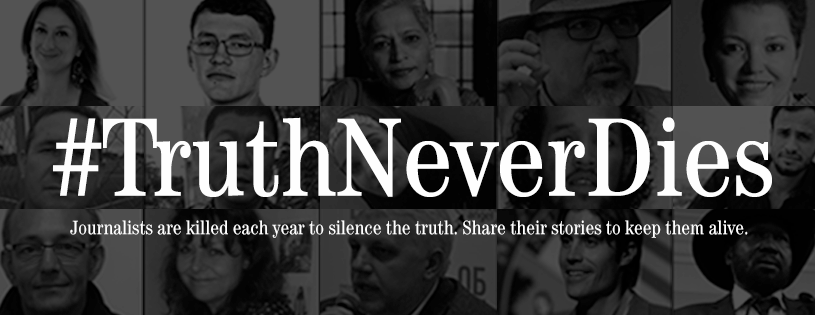
Truth dies in silence. Sadly, so do people.

https://www.kevinmd.com/blog/2020/04/truth-dies-in-silence-sadly-so-do-people.html

UNESCO launches “Truth Never Dies” campaign to tackle crimes ...

I have been writing columns for physicians for twenty years.  And year after year, I have had physicians say this: “I’m glad you said what you did. If I said it, I’d be fired.” There are variations on the theme, but they’re much the same.  Twenty years, and far more than 20 years, during which the alleged health care leaders in America have been routinely muzzled because they aren’t supposed to speak the truth.  Open discussions shut down because they might embarrass someone or upset an administrator. Because it might, heaven forbid, shine a light on a genuine problem.

Some years ago, as the mental health crisis was gathering steam across the emergency departments of the land, I was contacted by a news show in France.  The producers wanted to come to South Carolina and follow me on some shifts in my ED. They wanted to see how mental health was working out here. “We have socialized care, but mental health is also a huge problem in our country,” the producer said.

I dutifully, and appropriately, went to administration. “No, we can’t do that,” I was informed. I was given this explanation when everyone knew the mental health system was at the breaking point: “What if they uncover a problem?” Here was a chance for publicity, for potential grant money or to demonstrate that a political solution was in order.  How dare we let in fresh air? How dare we suggest that things were not perfect?

The same thing is happening in the midst of the pandemic.  Physicians, nurses, and other assorted health care professionals are being threatened for wearing masks.  Administrators say, “They make the patients nervous.” Also likely, administrators have realized they don’t have adequate equipment.  Facilities and systems with enormous budgets caught unprepared in a pandemic.

I see the stories of these professionals as I follow online forums.  Physicians, nurses, and others, threatened with firing because they dared to speak out on the issue of PPE (personal protective equipment).

Like police officers without ballistic vests, these physicians don’t want to go into the rooms of COVID-19 patients without the masks and respirators, gloves, gowns, and face shields that will keep them safe. The equipment that will allow them to return home to their loved ones and prevent them from infecting their families.  This isn’t a good look.  A hospital that refuses to acknowledge the concerns and safety of its professionals is a hospital that ultimately doesn’t deserve them.

The same veil of silence pervades dialogue on the treatment of coronavirus.  When I follow discussions, I see a lot of shaming. “There just isn’t enough evidence to try hydroxychloroquine, Zithromax, convalescent plasma, an untried vaccine, HIV drugs, etc.” Those who suggest we might try are considered reckless or ignorant.  As the battle rages and lives are lost, innovation and risk are viewed with disdain.  And our medical establishment is locked into the paradigm of double-blinded, placebo-controlled studies involving tens of thousands of people and lasting years. Here’s a view of the same from the U.K. Unfortunately, to suggest that we may need to react faster is only met with ridicule, and often tied to political views instead of expediency. Worse,  it ignores the deep, fundamental need to offer hope, any hope, to hundreds of millions of professionals and citizens who are living in fear.

There is a tragic irony here; a painful coincidence.  Physicians silenced. Let’s see.  Where did we see that sort of thing resulting in a worldwide pandemic?  Does China come to mind? The Chinese Communist Party threatened (and who knows what else) physicians who dared to speak out about coronavirus, even when they knew its danger.  Even when they knew how easily and widely it spread.

They continued to soft-peddle numbers about total cases and case fatality.  The party continued to allow travel to and from China long after the problem was known. They even suggested that Italians have a “hug a Chinese person” campaign to combat alleged racism; a charge delightfully accepted and repeated by gullible Western journalists in pursuit of a narrative.

Truth dies in silence.  Sadly, so do people.  And certainly when we tell dedicated health care professionals to keep their mouths shut when they have identified problems, offered solutions and simply asked for help.  Whether it’s a private business, a totalitarian government, or anything in between, we should insist that the truth be spoken; freely and without fear of punishment.

Because, for the foreseeable future, lives will depend on it.


Cartoon – Society Going Cashless

Today's cartoons: Getting used to a cashless society – Orange ...

Trump Administration Tells Employers Not To Worry About Recording COVID-19 Cases

https://www.yahoo.com/huffpost/osha-labor-department-coronavirus-cases-at-work-155001164.html

Know your rights: Michigan workers have new website for ...

The Trump administration announced Friday afternoon that employers outside of the health care industry generally won’t be required to record coronavirus cases among their workers, a decision that left some workplace safety advocates incredulous.

COVID-19, the disease caused by the coronavirus, is classified as a recordable illness, meaning employers would have to notify the Occupational Safety and Health Administration when an employee gets sick from an exposure at work. But the nation’s top workplace safety agency now says the majority of U.S. employers won’t have to try to determine whether employees’ infections happened in the workplace unless it’s obvious.

“OSHA is kidding, right?” tweeted David Michaels, who helmed OSHA throughout the presidency of Barack Obama.

It is not a joke. OSHA, which is part of the Labor Department, released an enforcement memo Friday spelling out the recording rules.

Employers in health care, emergency response and corrections would have to inform the agency when they become aware of a COVID-19 case that probably resulted from work. But other entities would not have to do so unless there was “objective evidence” that the transmission was work-related, or there was evidence “reasonably available to the employer” ― for example, if a whole slew of people who work right next to each other got sick.

The rationale: Those employers outside of health care “may have difficulty making determinations about whether workers who contracted COVID-19 did so due to exposures at work,” the memo stated.

But if employers don’t have to try to figure out whether a transmission happened in the workplace, it could leave both them and the government in the dark about emerging hotspots in places like retail stores or meatpacking plants.

“So all you infected bus drivers, grocery store clerks, poultry processors ― you didn’t get it at work,” tweeted Jordan Barab, a former OSHA official now with the House Committee on Education and Labor.

The announcement is part of an ongoing fight between the Trump administration and occupational safety experts who say OSHA is failing to fulfill its obligations under the president. Employer record keeping has been a key issue in that spat. Early in his presidency, Donald Trump loosened the recording requirements employers must follow, a move critics said would make it easier for companies to fudge their data and hide their injuries.

Safety advocates say recording injuries and illnesses like COVID-19 helps officials discover growing hazards and shape sound public policy to address them. The Labor Department, under Trump and Labor Secretary Eugene Scalia, has portrayed those kinds of employer obligations as burdensome red tape.

In its memo on COVID-19 recording, OSHA said that by not enforcing the requirement on most employers, the agency would “help employers focus their response efforts on implementing good hygiene practices in their workplaces, and otherwise mitigating COVID-19’s effects, rather than on making difficult [work-related] decisions in circumstances where there is community transmission.”

The Labor Department and OSHA in particular have drawn a lot of heat for their response to the coronavirus pandemic. Labor unions have been asking Scalia to issue an emergency standard for infectious disease, which would would give health care facilities clear, enforceable standards to protect their workers during the pandemic. 

Scalia hasn’t done that. Instead, OSHA has created a new poster for employers with tips on preventing infections, and tweaked the rules around respirators to help employers deal with a shortage.

A Labor Department spokesperson defended the agency’s work responding to the outbreak, saying in an email to HuffPost Friday that it had taken “swift and direct action to protect America’s workers.”