Hospitals’ ‘dire’ financial situation, in 4 charts

According to a new report from the  American Hospital Association (AHA), hospitals and health systems are facing significant financial pressures from rising expenses, including for labor, drugs, medical supplies and more. And without increased government support, the organization warns that patients’ access to care could be at risk.

Hospitals continue to see expenses grow, negative margins

In the report, AHA writes that several factors, including historic inflation and critical workforce shortages leading to a reliance on contract labor, led to “2022 being the most financially challenging year for hospitals since the pandemic began.”

According to data from  Syntellis Performance Solutions, overall hospital expenses increased by 17.5% between 2019 and 2022 — more than double the increases in Medicare reimbursements during the same time. Between 2019 and 2022, Medicare reimbursement only grew by 7.5%.

https://e.infogram.com/45b88e2f-36be-4acf-b83e-3f8441322ab5?parent_url=https%3A%2F%2Fwww.advisory.com%2Fdaily-briefing%2F2023%2F04%2F26%2Fhospital-challenges%3Futm_source%3Dmember_db%26utm_medium%3Demail%26utm_campaign%3D2023apr26%26utm_content%3Dmember_headline_final_x_infogram_x_x%26elq_cid%3D4778863%26x_id%3D&src=embed#async_embed

With expenses significantly outpacing reimbursement, hospital margins have been consistently negative over the last year. In fact, AHA noted that “over half of hospitals ended 2022 operating at a financial loss — an unsustainable situation for any organization in any sector, let alone hospitals.”

So far, this trend has continued into 2023, with hospitals reporting negative median operating margins in both January and February.

A recent analysis also found that the first quarter of 2023 had the largest number of bond defaults among hospitals in over 10 years. 

https://e.infogram.com/0e03ba0d-cad4-49b4-80da-201819ae9fab?parent_url=https%3A%2F%2Fwww.advisory.com%2Fdaily-briefing%2F2023%2F04%2F26%2Fhospital-challenges%3Futm_source%3Dmember_db%26utm_medium%3Demail%26utm_campaign%3D2023apr26%26utm_content%3Dmember_headline_final_x_infogram_x_x%26elq_cid%3D4778863%26x_id%3D&src=embed#async_embed

Where are hospital expenses increasing?

Between 2019, and 2022 hospital labor expenses increased by 20.8%, a rise that was largely driven by a growing reliance on contract labor to fill in workforce gaps during the pandemic. Even after accounting for an increase in patient acuity, labor expenses per patient increased by 24.7%.

Compared to pre-pandemic levels, hospitals saw a 56.8% increase in the rates they were charged for contract employees in 2022. Overall, hospitals’ contract labor expenses increased by a “staggering” 257.9% in 2022 compared to 2019 levels.

A sharp rise in inflation in recent months has also led to a significant increase in hospitals’ non-labor expenses, particularly for drugs and medical expenses. According to a report by  Kaufman Hall, just non-labor expenses would lead to a $49 billion one-year expense increase for hospitals and health systems.

Since 2019, non-labor expenses have grown 16.6% per patient. Hospitals’ expenses for drugs and medical supplies/equipment have seen similar increases per patient at 19.7% and 18.5%, respectively. Costs of laboratory services (27.1%), emergency services (31.9%), and purchased services, including IT and food and nutrition services, (18%) have also increased significantly per patient. 

https://e.infogram.com/8ea80e49-1f60-47cd-9429-dbd4a0869c60?parent_url=https%3A%2F%2Fwww.advisory.com%2Fdaily-briefing%2F2023%2F04%2F26%2Fhospital-challenges%3Futm_source%3Dmember_db%26utm_medium%3Demail%26utm_campaign%3D2023apr26%26utm_content%3Dmember_headline_final_x_infogram_x_x%26elq_cid%3D4778863%26x_id%3D&src=embed#async_embed

Outside of labor and non-labor expenses, AHA writes that policies from health insurers have also contributed to significant burden among hospital staff and increased administrative costs. Currently, administrative costs account for up to 31% of total healthcare spending — of which, billing and insurance makes up 82%.

https://e.infogram.com/27e64c96-bd58-4e5b-8efb-8748e4a3cc28?parent_url=https%3A%2F%2Fwww.advisory.com%2Fdaily-briefing%2F2023%2F04%2F26%2Fhospital-challenges%3Futm_source%3Dmember_db%26utm_medium%3Demail%26utm_campaign%3D2023apr26%26utm_content%3Dmember_headline_final_x_infogram_x_x%26elq_cid%3D4778863%26x_id%3D&src=embed#async_embed

What Congress can do to support hospitals

With the COVID-19 public health emergency ending on May 11, several important hospital waivers and flexibilities will soon end, and “[t]he downstream effects of this will be wide-ranging as hospitals will be faced with a set of additional challenges,” AHA writes.

“Rising costs for drugs, supplies, and labor coupled with sicker patients, longer hospital stays, and government reimbursement rates that do not come close to covering the costs of caring for patients have created a dire situation for hospitals and health systems,” said AHA president and CEO Rick Pollack.

“This is not just a financial problem; it is an access problem.

When healthcare providers cannot afford the tools and teams they need to care for patients, they will be forced to make hard choices and the people who will be impacted the most are patients. We can’t let that happen. Congress and others must act to preserve the care our nation needs and depend on.”

To address these financial challenges and ensure that hospitals are able to continue caring for patients, AHA has suggested several actions Congress could take to support hospitals going forward, including:

  • Enacting policies to support efforts to boost the healthcare workforce and ensure of future pipeline of professionals to combat longstanding labor shortages
  • Rejecting attempts to cut Medicare or Medicaid payments to hospitals, which could further reduce patients’ access to care
  • Encouraging CMS to use its “special exceptions and adjustments” to make retrospective adjustments to account for differences between what was implemented for fiscal year 2022 and what is currently projected
  • Creating a special statutory designation and providing additional support to hospitals that serve historically marginalized communities

“As the hospital field maintains its commitment to care in the face of significant challenges, policymakers must step up and help protect the health and well-being of our nation by ensuring America has strong hospitals and health systems,” AHA writes.


A new normal for hospital margins?

https://mailchi.mp/5e9ec8ef967c/the-weekly-gist-april-14-2023?e=d1e747d2d8

Using data from Kaufman Hall’s National Hospital Flash Report, as well as publicly available investor reports for some of the nation’s largest nonprofit health systems, the graphic above takes stock of the current state of health system margins. 

The median US hospital has now maintained a negative operating margin for a full year. Some good news may be on the horizon, as the picture is slightly less gloomy than a year ago, with year-over-year revenues increasing seven points more than total expenses. 

However, the external conditions suppressing operating margins aren’t expected to abate, and many large health systems are still struggling.

Among large national non-profits Ascension, CommonSpirit Health, Providence, and Trinity Health, operating income in FY 2022 decreased 180 percent on average, and investment returns fell by 150 percent on average, compared to the year prior.

While health systems’ drop in investment returns mirrors the overall stock market downturn, and is largely comprised of unrealized returns, systems may not be able to rely on investment income to make up for ongoing operating losses.  

10 health systems and their debt levels

A number of healthcare and hospital systems detailed their levels of debt when reporting recent financial results. Here is a summary of some of those systems’ reports, including debt totals calculated by ratings agencies:

  1. Augusta, Ga.-based AU Health, which comprises a 478-bed adult hospital and 154-bed children’s hospital and serves as the academic medical center for the Medical College of Georgia, had approximately $327 million of debt in fiscal 2022. The system, which  became affiliated with Atlanta-based Wellstar Health System on March 31, was  downgraded to “B2” from “Ba3” with a negative outlook, Moody’s said March 23.
  2. Salt Lake City-based Intermountain Health had long-term debt of $3.6 billion as of Dec. 31. Overall income for the 33-hospital system in 2022 totaled $2.6 billion, boosted by the affiliation effective April 1 of SCL Health, which contributed $4 billion.
  3. Credit rating agency Moody’s is revising Springfield Ill.-based Memorial Health System‘s outlook from stable to negative as the health system ended fiscal year 2022 with $343 million in outstanding debt. Moody’s expects Memorial to stabilize in 2023 but not reach historical levels until 2025, according to the March 24 report.
  4. New York City-based NYU Langone Hospitals, which has total debt outstanding of approximately $3.1 billion, had its outlook revised to positive from stable amid a “very good operating performance” that has helped lead to improved days of cash on hand, Moody’s said. NYU Langone consists of five inpatient locations in New York City and on Long Island as well as numerous ambulatory facilities in the five boroughs, Long Island, New Jersey and Florida.
  5. Bellevue, Wash.-based Overlake Hospital Medical Center was downgraded on a series of bonds as the 310-bed hospital faces ongoing labor and inflationary challenges and the possibility of not meeting its debt coverage requirements, Moody’s said March 9. The hospital, which also operates several outpatient clinics and physician offices in its service area, has $295 million of outstanding debt.
  6. Renton, Wash.-based Providence, has about $7.4 billion worth of debt. The 51-hospital system, which reported a fiscal 2022 operating loss of $1.7 billion, was downgraded as it continues to deal with ongoing operational challenges, Fitch Ratings said March 17, the first of three downgrades Providence suffered in the space of weeks. The Fitch downgrade to “A” from “A+” applies both to the system’s default rating and on the $7.4 billion in debt.
  7. Lansing, Mich.-based Sparrow Health had long-term debt of $353.5 million as of Dec. 31, S&P Global said. Sparrow Health has had a series of bonds it holds placed on credit watch amid concern over the eventual outcome of a planned merger with Ann Arbor-based University of Michigan Health, S&P Global said Feb. 16. The $7 billion merger was eventually approved April 3.
  8. St. Louis-based SSM Health, which had approximately $2.6 billion of total debt outstanding at the end of fiscal 2022, reported an operating loss of $248.9 million after its expenses increased 7.6 percent over the previous year. SSM Health had an “AA-” rating affirmed on a series of bonds it holds as the 23-hospital system dipped in operating income in fiscal 2022 after “several years of consistently solid performance,” according to a March 24 report from Fitch Ratings.
  9. Philadelphia-based Temple University Health had $395.6 million long-term debt as of Dec. 31. The system’s outlook was revised to stable from positive following recent results S&P Global described as “very challenged” and “deeply negative.” The referenced results are interim fiscal 2023 figures that contrast significantly with expectations, S&P said March 15. Temple Health is in danger of not meeting debt coverage requirements as a result.
  10. Dallas-based Tenet Healthcare reported $14.9 billion of long-term debt when it revealed net income of $410 million for the year Feb. 9. Tenet had its default rating affirmed at “B+” as the 61-hospital system’s operating income remains resilient in the face of industry pressures and debt levels stay manageable, Fitch Ratings said March 27.

Mississippi hospitals are dying without Medicaid expansion

https://mailchi.mp/c6914989575d/the-weekly-gist-march-31-2023?e=d1e747d2d8

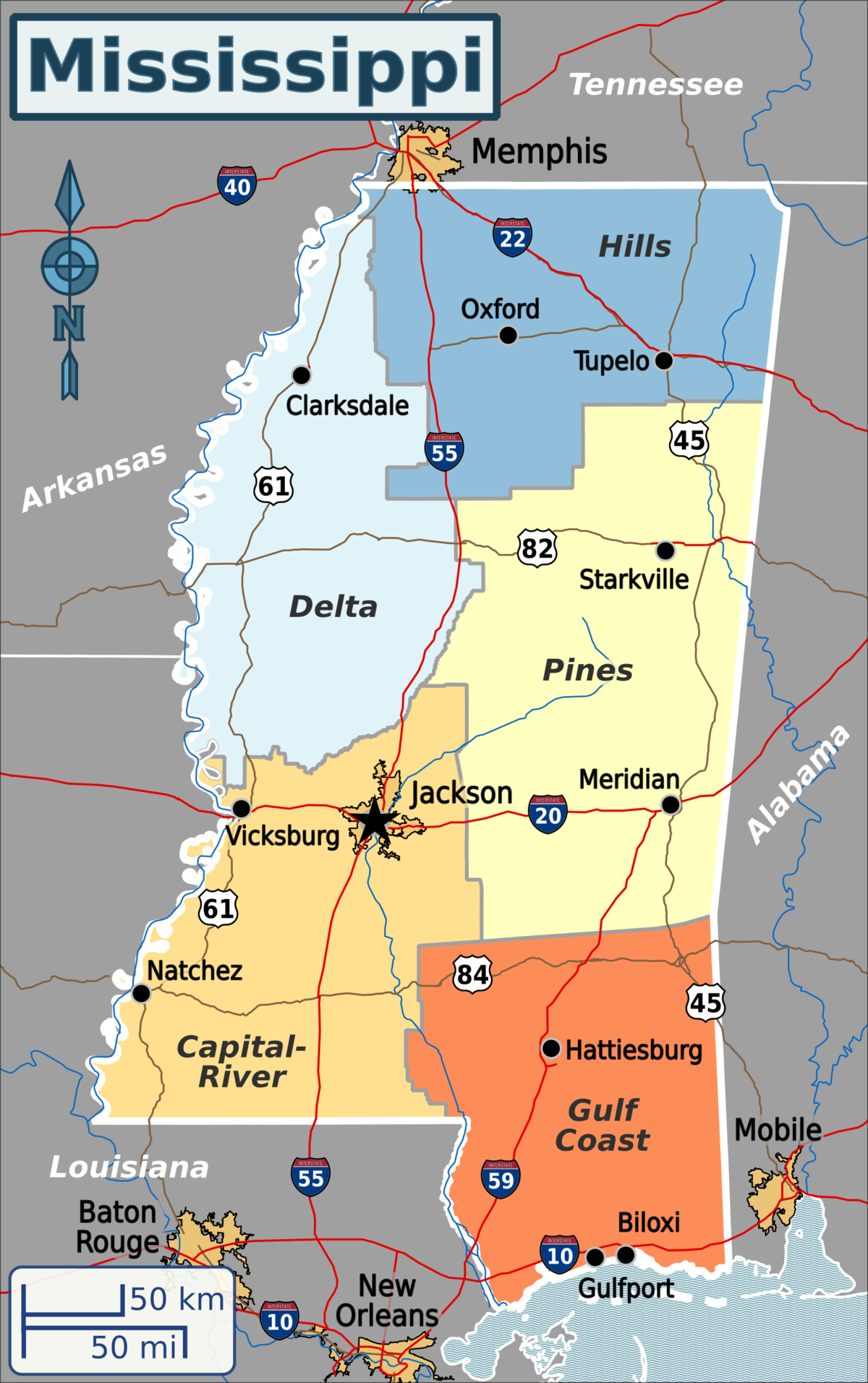
Published this week in the New York Times, this article describes the decaying state of Greenwood Leflore Hospital, a 117 year-old facility in the Mississippi Delta that may be within months of closure. While rural hospitals across the country are struggling, Mississippi’s firm opposition to Medicaid expansion has exacerbated the problem in that state, by depriving providers of an additional $1.4B per year in federal funds. Instead, only a few of the state’s 100-plus hospitals actually turn an annual profit, and uncompensated care costs are almost 10 percent of the average hospital’s operating costs.

Despite a dozen or more hospitals at imminent risk of closure, Mississippi officials would rather use the state’s $3.9B budget surplus to lower or eliminate the state income tax.  

The Gist: Expanding Medicaid doesn’t just reduce rates of uncompensated care provided by hospitals, it changes the volume and type of care they provide.

Further, Medicaid expansion has been found to result in significant reductions in all-cause mortality.

Ensuring that low-income residents in Mississippi and other non-expansion states have access to Medicaid would allow providers to administer more preventive care and manage chronic diseases more effectively, before costly exacerbations require hospitalization.

14 health systems with strong finances

Here are 14 health systems with strong operational metrics and solid financial positions, according to reports from credit rating agencies Fitch Ratings, Moody’s Investors Service and S&P Global.

1. Ascension has an “AA+” rating and stable outlook with Fitch. The St. Louis-based system’s rating is driven by multiple factors, including a strong financial profile assessment, national size and scale with a significant market presence in several key markets, which produce unique credit features not typically seen in the sector, Fitch said. 

2. Berkshire Health has an “AA-” rating and stable outlook with Fitch. The Pittsfield, Mass.-based system has a strong financial profile, solid liquidity and modest leverage, according to Fitch. 

3. ChristianaCare has an “Aa2” rating and stable outlook with Moody’s. The Newark, Del.-based system has a unique position with the state’s largest teaching hospital and extensive clinical depth that affords strong regional and statewide market capture, and it is expected to return to near pre-pandemic level margins over the medium term, Moody’s said.

4. Cone Health has an “AA” rating and stable outlook with Fitch. The rating reflects the expectation that the Greensboro, N.C.-based system will gradually return to stronger results in the medium term, the rating agency said. 

5. Harris Health System has an “AA” rating and stable outlook with Fitch. The Houston-based system has a “very strong” revenue defensibility, primarily based on the district’s significant taxing margin that provides support for operations and debt service, Fitch said. 

6. Johns Hopkins Medicine has an “AA-” rating and stable outlook with Fitch. The Baltimore-based system has a strong financial role as a major provider in the Central Maryland and Washington, D.C., market, supported by its excellent clinical reputation with a regional, national and international reach, Fitch said. 

7. Orlando (Fla.) Health has an “AA-” and stable outlook with Fitch. The system’s upgrade from “A+” reflects the continued strength of the health system’s operating performance, growth in unrestricted liquidity and excellent market position in a demographically favorable market, Fitch said.  

8. Rady Children’s Hospital has an “AA” rating and stable outlook with Fitch. The San Diego-based hospital has a very strong balance sheet position and operating performance and is also a leading provider of pediatric services in the growing city and tri-county service area, Fitch said. 

9. Rush System for Health has an “AA-” and stable outlook with Fitch. The Chicago-based system has a strong financial profile despite ongoing labor issues and inflationary pressures, Fitch said. 

10. Salem (Ore.) Health has an “AA-” rating and stable outlook with Fitch. The system has a “very strong” financial profile and a leading market share position, Fitch said. 

11. TriHealth has an “AA-” rating and stable outlook with Fitch. The rating reflects the Cincinnati-based system’s strong financial and operating profiles, as well as its broad reach, high-acuity services and stable market position in a highly fragmented and competitive market, Fitch said. 

12. UCHealth has an “AA” rating and stable outlook with Fitch. The Aurora, Colo.-based system’s margins are expected to remain robust, and the operating risk assessment remains strong, Fitch said.   

13. University of Kansas Health System has an “AA-” rating and stable outlook with S&P Global. The Kansas City-based system has a solid market presence, good financial profile and solid management team, though some balance sheet figures remain relatively weak to peers, the rating agency said. 

14. Willis-Knighton Health System has an “AA-” rating and stable outlook with Fitch. The Shreveport, La.-based system has a “dominant inpatient market position” and is well positioned to manage operating pressures, Fitch said. 

The 6 challenges facing health care in 2023—and how to handle them

With input from stakeholders across the industry, Modern Healthcare outlines six challenges health care is likely to face in 2023—and what leaders can do about them.

1. Financial difficulties

In 2023, health systems will likely continue to face financial difficulties due to ongoing staffing problems, reduced patient volumes, and rising inflation.

According to Tina Wheeler, U.S. health care leader at Deloitte, hospitals can expect wage growth to continue to increase even as they try to contain labor costs. They can also expect expenses, including for supplies and pharmaceuticals, to remain elevated.

Health systems are also no longer able to rely on federal Covid-19 relief funding to offset some of these rising costs. Cuts to Medicare reimbursement rates could also negatively impact revenue.

“You’re going to have all these forces that are counterproductive that you’re going to have to navigate,” Wheeler said.

In addition, Erik Swanson, SVP of data and analytics at Kaufman Hall, said the continued shift to outpatient care will likely affect hospitals’ profit margins.

“The reality is … those sites of care in many cases tend to be lower-cost ways of delivering care, so ultimately it could be beneficial to health systems as a whole, but only for those systems that are able to offer those services and have that footprint,” he said.

2. Health system mergers

Although hospital transactions have slowed in the last few years, market watchers say mergers are expected to rebound as health systems aim to spread their growing expenses over larger organizations and increase their bargaining leverage with insurers.

“There is going to be some organizational soul-searching for some health systems that might force them to affiliate, even though they prefer not to,” said Patrick Cross, a partner at Faegre Drinker Biddle & Reath. “Health systems are soliciting partners, not because they are on the verge of bankruptcy, but because they are looking at their crystal ball and not seeing an easy road ahead.”

Financial challenges may also lead more physician practices to join health systems, private-equity groups, larger practices, or insurance companies.

“Many independent physicians are really struggling with their ability to maintain their independence,” said Joshua Kaye, chair of U.S. health care practice at DLA Piper. “There will be a fair amount of deal activity. The question will be more about the size and specialty of the practices that will be part of the next consolidation wave.”

3. Recruiting and retaining staff

According to data from Fitch Ratings, health care job openings reached an all-time high of 9.2% in September 2022—more than double the average rate of 4.2% between 2010 and 2019. With this trend likely to continue, organizations will need to find effective ways to recruit and retain workers.

Currently, some organizations are upgrading their processes and technology to hire people more quickly. They are also creating service-level agreements between recruiting and hiring teams to ensure interviews are scheduled within 48 hours or decisions are made within 24 hours.

Eric Burch, executive principal of operations and workforce services at Vizient, also predicted that there will be a continued need for contract labors, so health systems will need to consider travel nurses in their staffing plans.

“It’s really important to approach contract labor vendors as a strategic partner,” Burch said. “So when you need the staff, it’s a partnership and they’re able to help you get to your goals, versus suddenly reaching out to them and they don’t know your needs when you’re in crisis.”

When it comes to retention, Tochi Iroku-Malize, president of the American Academy of Family Physicians (AAFP), said health systems are adequately compensated for their work and have enough staff to alleviate potential burnout.

AAFP also supports legislation to streamline prior authorization in the Medicare Advantage program and avoid additional cuts to Medicare payments, which will help physicians provide care to patients with less stress.

4. Payer-provider contract disputes

A potential recession, along with the ensuing job cuts that typically follow, would limit insurers’ commercial business, which is their most profitable product line. Instead, many people who lose their jobs will likely sign up for Medicaid plans, which is much less profitable.

Because of increased labor, supply, and infrastructure costs, Brad Ellis, senior director at Fitch Ratings, said providers could pressure insurers into increasing the amount they pay for services. This will lead insurers to passing these increased costs onto members’ premiums.

Currently, Ellis said insurers are keeping an eye on how legislators finalize rules to implement the No Surprise Act’s independent resolution process. Regulators will also begin issuing fines for payers who are not in compliance with the law’s price transparency requirement.

5. Investment in digital health

Much like 2022, investment in digital health is likely to remain strong but subdued in 2023.

“You’ll continue to see layoffs, and startup funding is going to be hard to come by,” said Russell Glass, CEO of Headspace Health.

However, investors and health care leaders say they expect a strong market for digital health technology, such as tools for revenue cycle management and hospital-at-home programs.

According to Julian Pham, founding and managing partner at Third Culture Capital, he expects corporations such as CVS Health to continue to invest in health tech companies and for there to be more digital health mergers and acquisitions overall.

In addition, he predicted that investors, pharmaceutical companies, and insurers will show more interest in digital therapeutics, which are software applications prescribed by clinicians.

“As a physician, I’ve always dreamed of a future where I could prescribe an app,” Pham said. “Is it the right time? Time will tell. A lot needs to happen in digital therapeutics and it’s going to be hard.”

6. Health equity efforts

This year, CMS will continue rolling out new health equity initiatives and quality measurements for providers and insurers who serve marketplace, Medicare, and Medicaid beneficiaries. Some new quality measures include maternal health, opioid related adverse events, and social need/risk factor screenings.

CMS, the Joint Commission, and the National Committee for Quality Assurance are also partnering together to establish standards for health equity and data collection.

In addition, HHS is slated to restore a rule under the Affordable Care Act that prohibits discrimination based on a person’s gender identity or sexual orientation. According to experts, this rule may conflict with recently passed state laws that ban gender-affirming care for minors.

“It’s something that’s going to bear out in the courts and will likely lack clarity. We’ll see differences in what different courts decide,” said Lindsey Dawson, associate director of HIV policy and director of LGBTQ health policy at the Kaiser Family Foundation. “The Supreme Court acknowledged that there was this tension. So it’s an important place to watch and understand better moving forward.”

Ketul J. Patel, Division President, Pacific Northwest; Chief Executive Officer, CommonSpirit Health; Virginia Mason Franciscan Health

There is no shortage of challenges to confront in healthcare today, from workforce shortages and burnout to innovation and health equity (and so much more). We’re committed to giving industry leaders a platform for sharing best practices and exchanging ideas that can improve care, operations and patient outcomes.


Check out this podcast interview with Ketul J. Patel, CEO at Virginia Mason Franciscan Health and division president, Pacific Northwest at CommonSpirit Health, for his insights on where healthcare is headed in the future.

In this episode, we are joined by Ketul J. Patel, Division President, Pacific Northwest; Chief Executive Officer, CommonSpirit Health; Virginia Mason Franciscan Health, to discuss his background & what led him to executive healthcare leadership, challenges surrounding workforce shortages, the importance of having a strong workplace culture, and more.

‘Hospital purgatory’: Confidence in healthcare plunges as criticism grows louder and larger

Payers, pharmacy benefit managers and drug manufacturers are no strangers to heavy criticism from the public and providers alike. Now another sector of the healthcare system has found itself increasingly caught in the crosshairs of constituents looking to point a finger for the rising cost of care: hospitals.

As sharp words against the industry bubble up more often and encompass a wider variety of issues, it marks an important turn in the ethos of American healthcare. Most policymakers have historically wanted hospitals on their side, and health systems are often the largest employer within their communities and in many states.

“In my career, I’ve never seen things more aligned to the detriment of hospitals than it is now,” Paul Keckley, PhD, said. Dr. Keckley is a widely known industry analyst and editor of The Keckley Report, a weekly newsletter discussing healthcare policy and current trends. 

Confidence in the medical system as a whole fell from 51 percent in 2020 to a record low of 38 percent in 2022. Though the healthcare system is among all major U.S. institutions facing record-low public confidence, are hospitals ready for an era of widespread distrust? 

We’re going into hospital purgatory. It’s a period in which old rules may not work in the future,” Dr. Keckley said. “The only thing we know for sure is that it’s not going to get easier.”

State-versus-hospital fights have popped up throughout the U.S. over the past year. Most recently, in Colorado, a back and forth unfolded between Gov. Jared Polis and the state’s hospital association over who is ultimately responsible for high care costs. In a speech Jan. 17, the Democratic governor accused Colorado’s hospitals of overcharging patients and sitting on significant cash reserves.

“It’s time that we hold them accountable,” he said.

The Colorado Hospital Association says the data supporting those claims does not reflect the several ongoing industry challenges, among them labor shortages, regulatory burdens and inflationary pressures.

“Unfortunately, we continue to hear rhetoric against the hospitals and health systems that have worked diligently on healthcare quality, access and affordability,” CHA said in a statement to Becker’s. “Colorado’s hospitals and health systems have been working with the administration on many of these programs, including reinsurance, hospital discounted care, price transparency, out-of-network patient protections, and more.”

Some 1,500 miles eastward, another incident of hospital-community conflict grew. In January, Pennsylvania lawmakers promoted a nonpartisan report that accuses UPMC of building a monopoly in the state through consolidation over the last decade — the Pittsburgh-based system refuted the claims, saying they were based on “flawed data.”

To the south, North Carolina officials accused the state’s seven largest health systems in June of using pandemic aid to enrich themselves. Hospitals said the accusations were based on “cherry-picked data” spun in a way that does not reflect their ongoing challenges.

As state- and market-level fights against hospitals intensify and grab national attention, hospitals and health systems may find themselves less familiar in steadying public perception than their payer and pharmaceutical counterparts, who are no strangers to vocal opponents.  

“With public opinion shifting a bit amid COVID, and with some anecdotal evidence that hospitals are doing some bad things, state policymakers feel that they are enjoying the political will to make these gestures,” Ge Bai, PhD, said. “It’s also a key issue for voters. Even if they don’t do anything in reality, the gesture will probably get political capital.”

Dr. Bai is a professor of accounting and health policy at Baltimore-based Johns Hopkins University. She believes a key underlying factor driving hospital critiques as of late is the reduced public confidence in medicine by way of the pandemic. 

“The hospital industry has moved away from its traditional charitable mission and toward a business orientation that is undeniable,” she said. “With the [pandemic] dust settling, I think a lot of people realize the clinicians are the heroes, but hospitals are maybe not as altruistic as they once thought.”

In 2021, over 70 percent of Americans said they trusted physicians and nurses, but only 22 percent said the same about hospital executives, according to a study from the University of Chicago and The Associated Press-NORC Center for Public Affairs Research. 

“It’s a tough job and a complicated business to run, and everybody in the community has an opinion about it based on anecdotal evidence,” Dr. Keckley said. “I think much of the blame too for hospitals taking a lot of hits has been boards that are not prepared to govern.”

For both Drs. Keckley and Bai, there are other major issues they each point to as contributing factors to the growing wariness around hospital operations: 

  • A lack of compliance with CMS price transparency rules. Some of the most recent studies estimate hospital compliance rates could range from 16 percent to 55 percent, while hospitals say the issue has been mischaracterized. CMS has penalized very few hospitals for noncompliance since the rule took effect in 2021.
  • The decades-long trend of consolidation hitting a tipping point. With consolidation, hospitals have long argued the trend would lead to more efficiency, care access, quality of care and lower costs. One of the most comprehensive consolidation studies to date was released Jan. 24 in JAMA and concluded that merged health systems have led to “marginally better care at significantly higher costs.”

    “Hospitals are doing exactly what they’re supposed to do — make money to survive and expand,” Dr. Bai said. “Instead of blaming individual players, we have to raise the bar and think about who created the system in the first place that makes competition so difficult — the government.”
  • State retirement benefits plans struggling financially. Though not a new trend, unfunded healthcare benefits promised to retired public employees and their dependents continues to grow around the country, incentivizing state lawmakers to look in new directions to save on costs. Unfunded retiree healthcare liabilities across all states surpassed $1 trillion in 2019, according to the American Legislative Exchange Council.
  • Competition from other healthcare sectors. Competition for patients has arrived from other healthcare sectors, especially from payers. In 2023, UnitedHealth Group’s Optum owns or is affiliated with the most physicians in the country at 60,000, though it’s likely higher after several large acquisitions last year.

“The center of gravity in healthcare has shifted from hospitals that muscled their way into scaling,” Dr. Keckley said. “The reality is that providing hospital services in non-hospital settings that are safe, effective and less costly is where the market, and insurers, are going.”

Despite the uptick in states and Americans that have gone into fault-finding mode against hospitals and those running them, operating a financially successful hospital or health system in 2023 is a monumental task, perhaps even close to impossible for many. Last year, approximately half of U.S. hospitals finished the year with a negative margin, making it “the worst financial year” for the industry since the start of the pandemic, according to Kaufman Hall’s latest “National Flash Hospital Report.”

“Hospitals aren’t going into this with a huge amount of goodwill at their backs, and I think that’s what they need to be prepared for,” Dr. Keckley said. “You can’t just go in and tell the story of ‘look at what we do for the community’ or ‘look at all the people we employ’ — that is not going to work anymore.”

30 health systems with strong finances in 2022

Here are 30 health systems with strong operational metrics and solid financial positions in 2022, according to reports from Fitch Ratings and Moody’s Investors Service.

1. Advocate Aurora Health has an “AA” rating and a stable outlook with Fitch. The health system, dually headquartered in Milwaukee and Downers Grove, Ill., has a strong financial profile and a leading market position over a broad service area in Illinois and Wisconsin, Fitch said. The health system’s fundamental operating platform is strong, the credit rating agency said.

2. Atlantic Health System has an “Aa3” rating and stable outlook with Moody’s. The Morristown, N.J.-based health system has strong operating performance and liquidity metrics, Moody’s said. The credit rating agency expects Atlantic Health System to sustain strong performance to support capital spending. 

3. Banner Health has an “AA-” rating and stable outlook with Fitch. The Phoenix-based health system’s core hospital delivery system and growth of its insurance division combine to make it a successful, highly integrated delivery system, Fitch said. The credit rating agency said it expects Banner to maintain operating EBITDA margins of about 8 percent on an annual basis, reflecting the growing revenues from the system’s insurance division and large employed physician base.

4. BayCare has an “AA” rating and stable outlook with Fitch. The 14-hospital system based in Clearwater, Fla., has excellent liquidity and operating metrics, which are supported by its leading market position in a four-county area, Fitch said. The credit rating agency expects strong revenue growth and cost management to sustain BayCare’s operating performance. 

5. Bon Secours Mercy Health has an “AA-” rating and stable outlook with Fitch. The Cincinnati-based health system has a broad geographic footprint as one of the five largest Catholic health systems in the U.S., a good payer mix and a leading or near-leading market share in eight of its 11 markets in the U.S., Fitch said.

6. Bryan Health has an “AA-” rating and stable outlook with Fitch. The Lincoln, Neb.-based health system has a leading and growing market position, very strong cash flow and a strong financial position, Fitch said. The credit rating agency said Bryan Health has been resilient through the COVID-19 pandemic and is well-positioned to accommodate additional strategic investments. 

7. CaroMont Health has an “AA-” rating and stable outlook with Fitch. The Gastonia, N.C.-based system has a leading market position in a growing services area and a track record of good cash flow, Fitch said.  

8. Christiana Care Health System has an “Aa2” rating and stable outlook with Moody’s. The Newark, Del.-based system has a unique position as the state’s largest teaching hospital and extensive clinical depth that affords strong regional and statewide market capture, and it is expected to return to near pre-pandemic level margins over the medium-term, Moody’s said.

9. Cone Health has an “AA” rating and stable outlook with Fitch. The Greensboro, N.C.-based health system has a leading market share and a favorable payer mix, Fitch said. The health system’s broad operating platform and strategic capital investments should enable it to return to stronger operating results, the credit rating agency said.

10. Deaconess Health System has an “AA” rating and stable outlook with Fitch. The Evansville, Ind.-based system has a leading market position in its primary service area and a favorable payer mix, Fitch said. The ratings agency said it expects Deaconess’ operating EBITDA margins to improve and stabilize around 10 percent by 2023, reflecting strong volumes and focus on operating efficiencies. 

11. El Camino Health has an “AA-” rating and stable outlook with Fitch. El Camino Health, which includes hospital campuses in Los Gatos, Calif., and Mountain View, Calif., has a solid market share in a competitive market and a stable payer mix, Fitch said. The credit rating agency said El Camino Health’s balance sheet provides moderate financial flexibility.

12. Gundersen Health System has an “AA-” rating and stable outlook with Fitch. The La Crosse, Wis.-based health system has strong balance sheet metrics, a leading market position and an expanding operating platform in its service area, Fitch said. The credit rating agency expects the health system to return to strong operating performance as it emerges from disruption related to the COVID-19 pandemic. 

13. Hackensack Meridian Health has an “AA-” rating and stable outlook with Fitch. The Edison, N.J.-based health system has shown consistent year-over-year increases in market share and has a solid liquidity position, Fitch said. 

14. Inova Health System has an “Aa2” rating and stable outlook with Moody’s. The Falls Church, Va.-based health system has a consistently strong operating cash flow margin and ample balance sheet resources, Moody’s said. Inova’s financial excellence will remain undergirded by its favorable regulatory and economic environment, the credit rating agency said. 

15. Intermountain Healthcare has an “Aa1” rating and stable outlook with Moody’s. The Salt Lake City-based health system has exceptional credit quality, which will continue to benefit from its leading market position in Utah, Moody’s said. The credit rating agency said the health system’s merger with Broomfield, Colo.-based SCL Health will also give Intermountain greater geographic reach.

16. Mass General Brigham has an “Aa3” rating and stable outlook with Moody’s. The Boston-based health system has an excellent clinical reputation, good financial performance and strong balance sheet metrics, Moody’s said. The credit rating agency said it expects Mass General Brigham to maintain a strong market position and stable financial performance. 

17. Mayo Clinic has an “Aa2” rating and stable outlook with Moody’s. The credit rating agency said Mayo Clinic’s strong market position and patient demand will drive favorable financial results. The Rochester, Minn.-based health system “will continue to leverage its excellent reputation and patient demand to continue generating favorable operating performance while maintaining strong balance sheet ratios,” Moody’s said. 

18. MemorialCare has an “AA-” rating and stable outlook with Fitch. The Fountain Valley, Calif.-based health system has excellent leverage metrics and a strong financial profile, Fitch said. The credit rating agency said it expects the system’s leverage metrics to remain strong over the next several years. 

19. Methodist Health System has an “Aa3” rating and stable outlook with Moody’s. The Dallas-based system has strong operating performance, and investments in facilities have allowed it to continue to capture more market share in the fast-growing Dallas-Fort Worth, Texas, area, Moody’s said. The credit rating agency said it expects Methodist Health System’s strong operating performance and favorable liquidity to continue.

20. OhioHealth has an “AA+” rating and stable outlook with Fitch. The Columbus, Ohio-based system has an exceptionally strong credit profile, broad regional operating platform and leading market position in both its competitive two-county primary service area and broader 47-county total service area, Fitch said. 

21. Parkview Health has an “Aa3” rating and stable outlook with Moody’s. The Fort Wayne, Ind.-based system has a leading market position with expansive tertiary and quaternary clinical services in Northeastern Indiana and Northwestern Ohio, Moody’s said. 

22. Presbyterian Healthcare Services has an “Aa3” rating and stable outlook with Moody’s and an “AA” rating and stable outlook with Fitch. The Albuquerque, N.M.-based system is the largest in the state, and it has strong revenue growth and a healthy balance sheet, Moody’s said. The credit rating agency said it expects the health system’s balance sheet and debt metrics to remain strong. 

23. Rady Children’s Hospital has an “AA” rating and stable outlook with Fitch. The San Diego-based hospital has a very strong balance sheet position and operating performance, and it is also a leading provider of pediatric services in the growing city and tri-county service area, Fitch said. 

24. Rush Health has an “AA-” rating and stable outlook with Fitch. The Chicago-based health system has a strong financial profile and a broad reach for high-acuity services as a leading academic medical center, Fitch said. The credit rating agency expects Rush’s services to remain profitable over time. 

25. Stanford (Calif.) Health Care has an “AA” rating and stable outlook with Fitch. The health system has extensive clinical reach in a competitive market and its financial profile is improving, Fitch said. The health system’s EBITDA margins rebounded in fiscal year 2021 and are expected to remain strong going forward, the crediting rating agency said. 

26. ThedaCare has an “AA-” rating and stable outlook with Fitch. The Neenah, Wis.-based system has a focused strategy, strong financial profile and robust market share, Fitch said. 

27. Trinity Health has an “AA-” rating and stable outlook with Fitch. The Livonia, Mich.-based system’s large size and market presence in multiple states disperses risk and the long-term ratings incorporate the expectation that Trinity will return to sustained stronger operating EBITDA margins. 

28. UnityPoint Health has an “AA-” rating and stable outlook with Fitch. The Des Moines, Iowa-based health system has strong leverage metrics and cash position, Fitch said. The credit rating agency expects the health system’s balance sheet and debt service coverage metrics to remain robust.

29. University of Chicago Medical Center has an “AA-” rating and stable outlook with Fitch. The credit rating agency said it expects University of Chicago Medical Center’s capital-related ratios to remain strong, in part because of its broad reach of high-acuity services. 

30. Yale New Haven (Conn.) Health has an “AA-” rating and stable outlook with Fitch. The health system’s turnaround efforts, brand recognition and market presence will help it return to strong operating results, Fitch said. 

2022 Was Hospitals’ Worst Financial Year in Decades, But 2023 Won’t Be Much Better

https://medcitynews.com/2023/01/2022

Financial analysts have said that 2022 may have been the worst year for hospital finances in decades. This year looks like it will be yet another year of financial underperformance, with rural providers in especially dire circumstances. 

What’s driving this bleak financial reality? It’s “primarily an expense story,” said Erik Swanson, a senior vice president at Kaufman Hall‘s data analytics practice.

“Growth in expenses has vastly outpaced growth in revenues — since pre-pandemic levels since last year, and even the year prior — such that margins are ultimately being pushed downward. And hospitals’ median operating margin is still below zero on a cumulative basis,” he declared, referring to 2021 and 2020. 

Here’s some context about how dismal this situation is: Even in 2020, a year in which hospitals saw extraordinary losses during the first few months of the pandemic, they still reported operating margins of 2%.

What’s even more disconcerting is that hospitals are underperforming financially pretty much across the board, Swanson said.

For example, the financial reports for the country’s three largest nonprofit health systems — AscensionCommonSpirit Health and Trinity Health — revealed they are all struggling. Ascension reported a $118.6 million loss in the third quarter of 2022, CommonSpirit posted a $227 million loss, and Trinity posted a $550.9 million loss.

Even Kaiser Permanente, one of the country’s largest health systems with an integrated delivery model, reported a $1.5 billion loss for the third quarter of 2022.

Rural hospitals are in even worse shape, but more on that below.

Other hospitals have been forced to shutter service lines to offset these financial losses. Some are also turning to integration and consolidation.

For example, Hermann Area District Hospital in Missouri said last month that it is seeking a “deeper affiliation” with Mercy Health or another provider. This announcement came after the hospital eliminated its home health agency as a cost-cutting measure. In December, the hospital projected a loss of $2 million for 2022.

We can also look at the mega-merger between Atrium Health and Advocate Aurora Health, which was completed last month. The deal, which is designed for cost synergy, creates the fifth-largest nonprofit integrated health system in the U.S. 

The merger was finalized one day after North Carolina Attorney General Josh Stein expressed concern about how the deal could impact rural communities. He said that while he didn’t have a legal basis within his office’s limited statutory authority to block the deal, he was worried that it could further restrict access to healthcare in rural and underserved communities.

Stein brings up an extremely valid concern. Rural hospitals’ dismal financial circumstances are becoming more and more worrisome — in fact, about 30% of all rural hospitals are at risk of closing in the near future, according to a recent report from the Center for Healthcare Quality and Payment Reform (CHQPR).

A crucial reason for this is that it is more expensive to deliver healthcare in rural areas — usually because of smaller patient volumes and higher costs for attracting staff. Another factor is that payments rural hospitals receive from commercial health plans isn’t enough to cover the cost of delivering care to patients in rural areas, said Harold Miller, CEO of CHQPR. 

“Many people assume that private commercial insurance plans pay more than Medicare and Medicaid. But for small rural hospitals, the exact opposite is true,” he said. “In many cases, Medicare is their best payer. And private health plans actually pay them well below their costs — well below what they pay their larger hospitals. One of the biggest drivers of rural hospital losses is the payments they receive from private health plans.”

In Miller’s view, rural hospitals perform two main functions: taking care of sick people in the hospital and being there for people in case they need to go to the hospital. 

To fulfill the latter job, rural hospitals must operate 24/7 emergency rooms. These hospitals get paid when there’s an emergency, but not when there isn’t — even though the hospital is incurring costs by operating and staffing these units.

“Rural hospitals have a physician on duty 24/7 to be available for emergencies. But they don’t get paid for that by most payers. Medicare does pay them for that, but other payers don’t. If the hospital is doing two different things, we should be paying them for both of those things. Hospitals should be paid for what I refer to as ‘standby capacity,’” Miller said.

He bolstered his argument by pointing to these analogies: Do we only pay firefighters when there’s a fire? Do we only pay police officers when there’s a crime?

It’s also important to remember that rural hospitals are in the midst of transitioning to a post-pandemic environment, now without the pandemic-era financial assistance they received from the government, said Brock Slabach, chief operations officer at the National Rural Health Association

“Rural providers are looking to move into the future without the benefit of those extra payments. And they’re in an environment of really high inflation. It’s over 8%, and for some goods and services in the healthcare sector, that’s going to be over 20% in terms of increased prices. Wages and salaries have also gone up significantly. But patient volumes have maintained below average or average. That all presents a huge challenge,” Slabach said.

Rural providers across the country are dealing with the stressors Slabach described and clamoring for more government help. For example, the Michigan Health & Hospital Association sought more money from the state last month after having to take 1,700 beds offline.

Many rural hospitals can’t escape their fate. From 2010 to 2021, there were 136 rural hospital closures. There were only two closures in 2021, and Slabach said 2022 produced a similarly low number. But these low totals are due to government relief, he explained. Slabach said he’s expecting an increase in rural hospital closures in 2023.

When a rural hospital closes, it means community members have to travel far distances for emergency or inpatient care. Miller pointed out another problem: in many rural communities, the hospital is the only place people can go to get laboratory or imaging work done. The hospital might also be the only source of primary care for the community. Shuttering these hospitals would be a massive blow to rural Americans’ healthcare access.

In the face of these potentially devastating blows to patient access, financial analysts’ outlook is bleak. 

Higher inflation and costly labor expenses will continue to have negative effects on hospitals — both rural and urban — in 2023, according to an analysis from Moody’s. Expenses will also continue to increase due to supply chain bottlenecks, the need for more robust cybersecurity investments and longer hospital stays due to higher levels of patient acuity.

All of this doom and gloom begs the question — are any hospitals doing well financially?

The answer is yes, a select few. Let’s look at the three largest for-profit health systems in the nation — Community Health SystemsHCA Healthcare and Tenet Healthcare. As of 2020, these three public health systems accounted for about 8% of hospital beds in the U.S. 

These three systems all had positive operating margins for the majority of the pandemic, including most recently in the third quarter of 2022.

Large public health systems have shareholders to report to and stock prices to worry about. Does this mean they’re more likely to deny care to patients who can’t afford it while other hospitals pick up the slack?

Slabach said it’s tough to say.

“Obviously, hospitals try to mitigate their exposure to risk when it comes to taking care of patients. Most hospitals do a really good job of providing services and care to people who don’t have insurance or don’t have the means to pay. But that gets stressed in this current financial environment. So indeed, there may be instances where what you suggested might happen, but it’s not because they want to deny services or deny care. It’s because they have a bigger picture they have to maintain,” Slabach said.

And the big picture involving dollar signs for hospitals looks pretty bleak in 2023.