How Many More Will Die From Fear of the Coronavirus?

Fear of contracting the coronavirus has resulted in many people missing necessary screenings for serious illnesses, like cancer and heart disease.

Seriously ill people avoided hospitals and doctors’ offices. Patients need to return. It’s safe now.

More than 100,000 Americans have died from Covid-19. Beyond those deaths are other casualties of the pandemic — Americans seriously ill with other ailments who avoided care because they feared contracting the coronavirus at hospitals and clinics.

The toll from their deaths may be close to the toll from Covid-19. The trends are clear and concerning. Government orders to shelter in place and health care leaders’ decisions to defer nonessential care successfully prevented the spread of the virus. But these policies — complicated by the loss of employer-provided health insurance as people lost their jobs — have had the unintended effect of delaying care for some of our sickest patients.

To prevent further harm, people with serious, complex and acute illnesses must now return to the doctor for care.

Across the country, we have seen sizable decreases in new cancer diagnoses (45 percent) and reports of heart attacks (38 percent) and strokes (30 percent). Visits to hospital emergency departments are down by as much as 40 percent, but measures of how sick emergency department patients are have risen by 20 percent, according to a Mayo Clinic study, suggesting how harmful the delay can be. Meanwhile, non-Covid-19 out-of-hospital deaths have increased, while in-hospital mortality has declined.

These statistics demonstrate that people with cancer are missing necessary screenings, and those with heart attack or stroke symptoms are staying home during the precious window of time when the damage is reversible. In fact, a recent poll by the American College of Emergency Physicians and Morning Consult found that 80 percent of Americans say they are concerned about contracting the coronavirus from visiting the emergency room.

Unfortunately, we’ve witnessed grievous outcomes as a result of these delays. Recently, a middle-aged patient with abdominal pain waited five days to come to a Mayo Clinic emergency department for help, before dying of a bowel obstruction. Similarly, a young woman delayed care for weeks out of a fear of Covid-19 before she was transferred to a Cleveland Clinic intensive care unit with undiagnosed leukemia. She died within weeks of her symptoms appearing. Both deaths were preventable.

The true cost of this epidemic will not be measured in dollars; it will be measured in human lives and human suffering. In the case of cancer alone, our calculations show we can expect a quarter of a million additional preventable deaths annually if normal care does not resume. Outcomes will be similar for those who forgo treatment for heart attacks and strokes.

Over the past 12 weeks, hospitals deferred nonessential care to prevent viral spread, conserve much-needed personal protective equipment and create capacity for an expected surge of Covid-19 patients. During that time, we also have adopted methods to care for all patients safely, including standard daily screenings for the staff and masking protocols for patients and the staff in the hospital and clinic. At this point, we are gradually returning to normal activities while also mitigating risk for both patients and staff members.

The Covid-19 crisis has changed the practice of medicine in fundamental ways in just a matter of months. Telemedicine, for instance, allowed us to pivot quickly from in-person care to virtual care. We have continued to provide necessary care to our patients while promoting social distancing, reducing the risk of viral spread and recognizing patients’ fears.

Both Cleveland Clinic and Mayo Clinic have gone from providing thousands of virtual visits per month before the pandemic to hundreds of thousands now across a broad range of demographics and conditions. At Cleveland Clinic, 94 percent of diabetes patients were cared for virtually in April.

While virtual visits are here to stay, there are obvious limitations. There is no substitute for in-person care for those who are severely ill or require early interventions for life-threatening conditions. Those are the ones who — even in the midst of this pandemic — must seek the care they need.

Patients who need care at a clinic or hospital or doctor’s office should know they have reduced the risk of Covid-19 through proven infection-control precautions under guidelines from the Centers for Disease Control and Prevention. We’re taking unprecedented actions, such as restricting visiting hours, screening patient and caregiver temperatures at entrances, encouraging employees to work from home whenever possible, providing spaces that allow for social distancing, and requiring proper hand hygiene, cough etiquette and masking.

All of these strategies are intended to significantly reduce risk while allowing for vital, high-quality care for our patients.

The novel coronavirus will not go away soon, but its systemic side effects of fear and deferred care must.

We will continue to give vigilant attention to Covid-19 while urgently addressing the other deadly diseases that haven’t taken a pause during the pandemic. For patients with medical conditions that require in-person care, please allow us to safely care for you — do not delay. Lives depend on it.
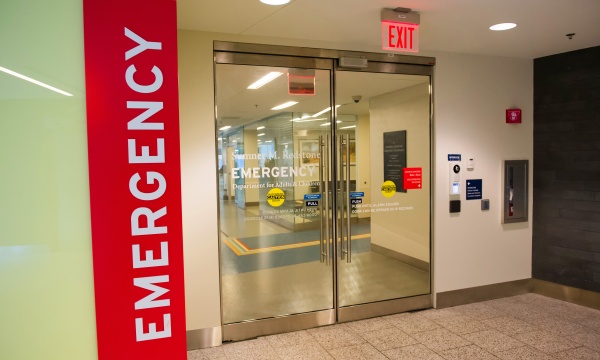


The patients stayed away—will they come back?

https://mailchi.mp/9f24c0f1da9a/the-weekly-gist-june-5-2020?e=d1e747d2d8

Emergency Department Patient Resources

new analysis from the CDC this week confirmed what we have been hearing anecdotally from health systems for several weeks—as the coronavirus lockdown took hold, there was a precipitous drop in visits to hospital emergency departments. According to the study, visits were down by 42 percent in the month of April compared to the previous year, and despite a rebound in May, were still 26 percent lower than a year ago. Visits in the Northeast dropped the most, as did those among women, and children under 14.

Although visits for minor ailments and symptoms declined the most, even more disconcerting was the drop in visits for chest pain, echoing the concern we’ve heard in many parts of the country that many patients may have suffered minor heart attacks without being treated, or may have waited to be seen until significant damage had been done.

As non-emergent visits have begun to return to many facilities, we continue to hear that emergency department and urgent care volume remains relatively low.

Survey data indicate that patients are fearful of becoming infected with coronavirus if they visit healthcare facilities—especially, it seems, ones where they’ll be forced to wait.

While many providers are investing in messaging campaigns to assure patients it’s safe to return, this nightmarish first-person account by one healthcare insider provides a useful cautionary tale.

Visiting a surgeon for a pre-op consult, she found the experience of visiting a COVID-era hospital downright dystopian. Simply touting safety precautions by itself won’t make patients more comfortable—they’ll need to see and feel that measures are in place to make time spent in a care setting as efficient and reassuring as possible. Otherwise, like the insider in question, they’ll take their business elsewhere. There’s work to be done.


Hospitals Emptied Out by Pandemic Push for Patients to Return

https://www.bloomberg.com/news/articles/2020-06-04/dear-patient-we-want-you-back-for-that-knee-replacement

Empty Emergency Rooms Worry Doctors as Heart Attack, Stroke ...

After months of lock down, hospitals are eager to get patients back for routine care and elective procedures.

An executive at a Palm Beach hospital stands between a box of surgical masks and a Purell dispenser.

“We understand you haven’t been inside our hospitals for some time,” she says to the camera. The executive is delivering her line for a promotional video intended to get people back to hospitals after almost three months of avoiding the place at all costs. 

Moments later, the film crew records her chatting with a vascular surgeon in an idled operating room, who soothingly reassures that  a hospital is the cleanest place to be outside your home. “The hospital is safer than the grocery store,” the doctor says.

The video published on YouTube in mid-May is part of a marketing campaign by Tenet Healthcare, which operates 65 hospitals and about 250 ambulatory surgery centers. It’s one attempt to solve a problem the entire health-care industry faces: Most patients vanished when Covid-19 swept the country.

Billions in Losses

Much of routine health care came to a halt in March as hospitals cleared space for an expected wave of Covid-19 patients and authorities ordered a halt to surgeries and other procedures that could be postponed. The decline in volume has clobbered hospital finances, with the industry estimating it is losing $50 billion a month.

Emergency visits dropped by 42% in four weeks in April compared to the same period last year, the Centers for Disease Control reported June 3. The number of U.S. patients getting hospital care dropped by more than half in late March and early April compared to 2019, according to data from Strata Decision Technology, which provides software to hospitals.

Some of that rebounded modestly in May as distancing rules eased, but hospital volume is nowhere near pre-Covid levels. With the pandemic ongoing and many states still confirming hundreds of new cases daily, patients are hesitating to rush back to hospitals.

“The main thing that really is a gating factor at this point is patient comfort,” Tenet President and Chief Operating Officer Saumya Sutaria said at a recent virtual conference with investors. Tenet declined interview requests.

Free Masks

To counter the public’s fears, hospitals publicize what they’re doing to keep patients safe. They’re handing out masks at the door and spacing out chairs in waiting rooms. They’re steering Covid-19 patients to dedicated sites and testing staff regularly.

Hospitals need to show patients that their facilities are safe. At Catholic hospital chain Trinity Health, that includes moving patients through “Covid-free” zones with separate doors, elevators and waiting areas.

“We can put all of the outreach and marketing in place, but it’s only as effective as the people who execute those strategies,” said Julie Spencer Washington, Trinity’s chief marketing and communications officer.

The question for the entire industry is how quickly patients come back. The answer will depend on a constellation of related variables, including how reluctant people are to resume care, and the course of the pandemic. Future surges could force hospitals to shut down regular care again — and spook patients further.

Hospitals and doctors are going to have to do as much as they can as fast as they can until they can’t anymore,” said Lisa Bielamowicz, co-founder of consultancy Gist Healthcare.

Many patients, on the other hand, are in no rush. “They’re waiting and watching rather than pulling the trigger and going to see the doctor like they would have in the past,” Bielamowicz said.

The calculation for the health-care industry is different than for many other service businesses resuming operations. A hospital procedure or even a check-up is more intimate than a meal out.

For procedures that require in-patient rehab stints for recovery, the havoc Covid-19 has brought to nursing homes adds another layer of concern. “Those places seem like deathtraps now, so it’s much harder to bring back those patients because you need to find an alternative way for them to rehab,” Bielamowicz said.

And the biggest consumers of health care are the elderly and the chronically ill, the very people Covid-19 most threatens. “From personal discussions with my patients, the older and more co-morbidities that any individual has, the more nervous they are about returning,” said Shauna Gulley, chief clinical officer at Centura Health, which has hospitals in Colorado and Kansas.

Patients with serious ongoing needs like cancer treatment or emergencies like heart attacks and strokes have continued to get care. And many medical problems resolve on their own. The decline in those visits – for a migraine headache, for example – reduces providers’ revenue but may not harm patients in the long-term.

While people often go to the emergency room for needs better treated in other settings, now the concern is the opposite: That true medical emergencies will be neglected.

Ascension, the nation’s largest Catholic hospital chain, has purchased billboards that say “Don’t delay ER care.” On hospital websites and social media posts, Tenet facilities reminded patients that “Emergencies Can’t wait. We’re Open & Safe.”

Deferred Care

Doctors fear that some patients will defer needed care too long, allowing progressive conditions to deteriorate. Clinicians at Maimonides Medical Center in Brooklyn, New York, have seen patients arrive sicker because they didn’t come earlier, said Ken Gibbs, the hospital’s CEO.

“There are unmet needs, I think that’s clear,” he said. “And I think the data on that will emerge, but it will take time.”

Maimonides treated 471 Covid patients at the peak on April 9, Gibbs said, and still had about 100 in late May. The hospital has applied for a waiver from New York State to resume elective surgeries, which are still on hold in New York City.

Some hospitals are preparing for a lasting dent in their revenue. For years, health economists have pointed to waste in the health-care system, with the estimated cost of unnecessary treatments in the hundreds of billions of dollars. Covid-19 may demonstrate that patients are willing to forego some of that care or opt for more conservative treatment.

People who had delayed back surgeries, for example, may now decide that doing physical therapy at home is good enough, said Marvin O’Quinn, president and chief operating officer at CommonSpirit Health, a large Catholic hospital system.

“We’ve all talked about too much intervention in health care in the past,” he said. “I think we’ll see a new normal in terms of what patients want to do and what doctors want to do, and we will have to adjust to that.”


UPMC latest hospital system to report Q1 loss due to COVID-19

https://www.healthcaredive.com/news/upmc-latest-hospital-system-to-report-q1-loss-due-to-covid-19/578907/

Complaint: UPMC uses nonprofit dollars to build for-profit ...

Dive Brief:

  • UPMC reported a small operating loss but higher revenues for the quarter ending March 31. The Pittsburgh-based regional healthcare system attributed the red ink to the COVID-19 pandemic and suggested the next quarter could be even tougher.
  • The healthcare services division “experienced significant reductions in patient volumes during the last two weeks” of the quarter, representing about a $150 million loss in revenue for that time period, UPMC said in its unaudited financial statement posted Friday. The system said it is receiving about $255 million from the Coronavirus, Aid, Relief, and Economic Security Act.
  • UPMC’s health insurance plan also saw increased revenue due to a significant rise in its membership, but its operating income dropped by 56%.


Dive Insight:

UPMC, which operates 40 hospitals in Pennsylvania, New York and Ohio, has been growing steadily in recent years. However, its growth in the first quarter collided head-on with the COVID-19 pandemic.

The system posted a $41 million operating loss on revenues of $5.5 billion, according to the financial report. For the first quarter of 2019, it reported an operating profit of $44 million on revenue of $5.1 billion. The system did not disclose its net numbers.

Investment losses reached nearly $800,000, compared to a gain of more than $224,000 in the prior-year period.

While overall outpatient revenue increased 1% during the quarter, revenue from physician services was down 3% while hospital admissions and observations dropped by 4%.

UPMC is the latest nonprofit healthcare provider to report losses blamed on COVID-19, although its numbers are not as big as those reported by Kaiser Permanente and CommonSpirit Health, both of which reported quarterly losses exceeding $1 billion apiece.

UPMC did note in a statement that its business was moving back toward normal in recent weeks.

“During the COVID-19 crisis, UPMC’s leaders, scientists, clinicians and front-line workers throughout our … system were prepared to care for the potential surge of COVID-positive patients while also safely providing essential, life-saving care to our non-COVID patients,” Edward Karlovich, UPMC’s interim chief financial officer, said in a statement. “However, many patients who had scheduled surgeries and procedures before the crisis postponed their care. With assurances that all our facilities are safe for all patients and staff, we are seeing our patients returning for their essential care that had been postponed and our current volumes are beginning to approach near-normal levels.”

The system also noted that it was sitting on $7 billion in cash and liquid investments. It reported 99 days cash on hand.

UPMC’s insurance division remained in the black, but was under strain. Its operating income was $39 million — compared to $89 million for the first quarter of 2019. However, membership grew by 7% during the quarter to 3.8 million enrollees.


Sluggish patient volume could jeopardize hospitals repaying advanced Medicare funds, report suggests

https://www.healthcaredive.com/news/outpatient-visits-rebounding-transunion-report/578894/

CMS Suspends Advance Payment Program to Clinicians for COVID-19

Dive Brief:

  • Though hospital volumes are expected to remain below pre-pandemic levels for quite some time, rebounding outpatient visits seem to be outpacing those for inpatient care or emergency department visits, according to a Transunion Healthcare survey of more than 500 hospitals.
  • During the week of May 10-16, outpatient visits were down 31% and emergency visits were down 40% compared to pre-COVID-19 levels. Inpatient volumes were down 20% and continue to trend upward, though at a slower rate than outpatient or ER visit volumes. Outpatient visits plunged between April 5 and 11, hitting a bottom of 64% down from typical volume.​
  • Baby boomers (born between 1944 and 1964) and the what the report calls the silent generation (born before 1944) are returning to ERs faster than younger generations. Millennials (born between 1980 and 1994) and Generation Z (born between 1995 and 2002) patients, however, are driving positive trends in inpatient and outpatient rebounds.

Dive Insight:

The report echos several others suggesting patients are still cautious about returning to the hospital and other care settings. The Kaiser Family Foundation found that the pandemic has forced nearly half of patients to postpone medical care. About 32% of those who have postponed care said they would get the service in the next three months and 10% said they will do so in four months to a year.

The overall sluggish outlook led Transunion to suggest patient volumes may not be restored to pre-pandemic levels soon enough to both sustain operational and clinical functions and repay advanced Medicare payments that many systems large and small have taken advantage of from CMS.

Because of the demographic trends, systems may have greater success scheduling appointments by checking in first with younger generations, the report suggests.

“We think as providers are beginning to really drive their patient engagement strategies that it’s best if they start reaching out to them, because it’s likely they’ll be willing to re-enter the care setting,” John Yount, vice president for TransUnion Healthcare, told Healthcare Dive.

Providers are taking steps to ease patient fears upon returning to medical settings by implementing temperature checks, spacing out waiting rooms to allow for social distancing and taking other safety measures.

But a sluggish recovery is still likely as patients plan to continue delaying care, especially older adults who are at higher risk for COVID-19 and in some states have been told to continue following stay at home orders.

The slowest return to growth in emergency room visits raises concerns that patients who need emergency care may be avoiding hospital settings due to COVID-19 fears, according to the report.

Older patients are leading the pack in returning to ERs, and they also experienced the largest decline in inpatient volumes from March 1-7 and April 5-11.

Comparatively, younger generations had smaller declines in visit activity overall and are returning to care settings faster, Yount said.

“These deferrals will have implications for both patients and providers — high-acuity and chronically-ill patients risk waiting too long to seek care, and a continued reduction in visit volume will further amplify existing financial challenges for hospitals,” David Wojczynski, president of TransUnion Healthcare, said in a statement.


Fitch Q2 outlook for nonprofit hospitals: ‘worst on record’

https://www.healthcaredive.com/news/fitch-analysts-hospital-worries-FY-2020/577875/

7 Ways to Survive a Cash Flow Crunch | SCORE

UPDATE: May 15, 2020: This article has been updated to include information from a Moody’s Investors Service report.

From the Mayo Clinic to Kaiser Permanente, nonprofit hospitals are posting massive losses as the coronavirus pandemic upends their traditional way of doing business.

Fitch Ratings analysts predict a grimmer second quarter: “the worst on record for most,” Kevin Holloran, senior director for Fitch, said during a Tuesday webinar.​

Over the past month, Fitch has revised its nonprofit hospital sector outlook from stable to negative. It has yet to change its ratings outlook to negative, though the possibility wasn’t ruled out.

Some have already seen the effects. Mayo estimates up to $3 billion in revenue losses from the onset of the pandemic until late April — given the system is operating “well below” normal capacity. It also announced employee furloughs and pay cuts, as several other hospitals have done.

Data released Tuesday from health cost nonprofit FAIR Health show how steep declines have been for larger hospitals in particular. The report looked at process claims for private insurance plans submitted by more than 60 payers for both nonprofit and for-profit hospitals.

Facilities with more than 250 beds saw average per-facility revenues based on estimated in-network amounts decline from $4.5 million in the first quarter of 2019 to $4.2 million in the first quarter of 2020. The gap was less pronounced in hospitals with 101 to 250 beds and not evident at all in those with 100 beds or fewer.

Funding from federal relief packages has helped offset losses at those larger hospitals to some degree.

Analysts from the ratings agency said those grants could help fill in around 30% to 50% of lost revenues, but won’t solve the issue on their own.

They also warned another surge of COVID-19 cases could happen as hospitals attempt to recover from the steep losses they felt during the first half of the year.

Anthony Fauci, the nation’s top infectious disease expert, warned lawmakers this week that the U.S. doesn’t have the necessary testing and surveillance infrastructure in place to prep for a fall resurgence of the coronavirus, a second wave that’s “entirely conceivable and possible.”

“If some areas, cities, states or what have you, jump over these various checkpoints and prematurely open up … we will start to see little spikes that may turn into outbreaks,” he told a Senate panel.

That could again overwhelm the healthcare system and financially devastate some on the way to recovery.

“Another extended time period without elective procedures would be very difficult for the sector to absorb,” Holloran said, suggesting if another wave occurs, such procedures should be evaluated on a case-by-case basis, not a state-by-state basis.

Hospitals in certain states and markets are better positioned to return to somewhat normal volumes later this year, analysts said, such as those with high growth and other wealth or income indicators. College towns and state capitols will fare best, they said.

Early reports of patients rescheduling postponed elective procedures provide some hope for returning to normal volumes.

“Initial expectations in reopened states have been a bit more positive than expected due to pent up demand,” Holloran said. But he cautioned there’s still a “real, honest fear about returning to a hospital.”

Moody’s Investors Service said this week nonprofit hospitals should expect the see the financial effects of the pandemic into next year and assistance from the federal government is unlikely to fully compensate them.

How quickly facilities are able to ramp up elective procedures will depend on geography, access to rapid testing, supply chains and patient fears about returning to a hospital, among other factors, the ratings agency said.

“There is considerable uncertainty regarding the willingness of patients — especially older patients and those considered high risk — to return to the health system for elective services,” according to the report. “Testing could also play an important role in establishing trust that it is safe to seek medical care, especially for nonemergency and elective services, before a vaccine is widely available.”

Hospitals have avoided major cash flow difficulties thanks to financial aid from the federal government, but will begin to face those issues as they repay Medicare advances. And the overall U.S. economy will be a key factor for hospitals as well, as job losses weaken the payer mix and drive down patient volumes and increase bad debt, Moody’s said.

Like other businesses, hospitals will have to adapt new safety protocols that will further strain resources and slow productivity, according to the report.​

Another trend brought by the pandemic is a drop in ER volumes. Patients are still going to emergency rooms, FAIR Health data show, but most often for respiratory illnesses. Admissions for pelvic pain and head injuries, among others declined in March.

“Hospitals may also be losing revenue from a widespread decrease in the number of patients visiting emergency rooms for non-COVID-19 care,” according to the report. “Many patients who would have otherwise gone to the ER have stayed away, presumably out of fear of catching COVID-19.”


Administration’s Handling of Coronavirus Threatens a Long Unemployment Crisis

https://www.americanprogress.org/issues/economy/news/2020/05/07/484795/trump-administrations-handling-coronavirus-threatens-long-unemployment-crisis/

The Trump Administration's Handling of Coronavirus Threatens a ...

On Friday, the Bureau of Labor Statistics will release employment numbers for April that are expected to show a tragic and historic increase in unemployment. Consensus estimates anticipate more than 20 million jobs lost and an unemployment rate of 16 percent—a figure that may well be an underestimate given that millions of people may not be looking for jobs, effectively exiting the labor force and reducing the labor force participation rate. Moreover, state-level unemployment claims data show that this economic pain is being felt across the country, with sharp rises in joblessness in every state. And Thursday’s jobless claims release suggests that job losses have continued at high levels since the April unemployment survey was taken.

While the immediate cause of this spike in joblessness is, of course, the necessary stay-at-home orders and social distancing measures taken to respond to the crisis, the rise in unemployment—and how long it lasts—cannot be separated from choices made by the Trump administration. In understanding the state of the economy, as well as what comes next, the following three elements of this crisis must be understood:

  1. The economic crisis we are facing—and the economic pain we expect in the months ahead—is the result of a failed public health response. The Trump administration ignored early warnings, misled the public, and made the coronavirus crisis worse. The fact that the administration bungled the testing regime early on in the crisis meant that the United States could never contain the virus, as other countries such as South Korea, New Zealand, and Taiwan have done. As a consequence of that failure, the United States has had to engage in social distancing that has meant economic shock in order to avoid significantly greater levels of infections and deaths. The depth and scope of the economic pain being felt is a consequence of the administration’s delayed response and complete failure take leadership during this crisis.
  2. The administration’s inability to put in place appropriate public health measures going forward—combined with its insistence that efforts to contain the virus should be lifted in the absence of those measures—is likely to not only prolong the public health crisis but also extend the economic pain. Rather than provide workers, businesses, and families the confidence that they can return to activity safely, the administration is taking steps that try to ignore the risk of infection, such as absolving employers of responsibility for worker safety through a liability shield or forcing workers to return to work even when they have concerns about their health. In this environment, we are likely to see decreased demand for some time to come because people will have little confidence in individual state reopening strategies disconnected from science—as we are already seeing across the country.
  3. By rejecting efforts that would support families, workers, and communities during this crisis, the administration and its allies in Congress are putting us on a path for continued double-digit unemployment even after the pandemic finally ends. Indeed, the Congressional Budget Office (CBO) projects that the unemployment rate—absent additional action—will be near 10 percent at the end of 2021, several months after they project social distancing as a result of the health crisis abates. By opposing efforts to provide sufficient aid to states and localities; relief to families and unemployed workers; and assistance to those struggling the most, President Donald Trump, Majority Leader Mitch McConnell (R-KY), and their allies are insisting on making this extended period of double-digit unemployment a reality.

There is an alternative path, however: Taking the necessary steps to address the public health crisis and ensure that people can go back to work safely and doing what is needed to address the immediate economic pain and avoid prolonged unemployment. As Congress and the administration consider an additional stimulus package, they should put in place necessary public health protections while providing robust aid to families, workers, and communities for as long as the crisis lasts. This will allow us to avoid double-digit unemployment from being a devastating reality for American families for the next year and a half or more.

Public health failures has driven unemployment up

The rise in unemployment over the past two months is a direct consequence of the public health crisis—one that could have taken a far less severe toll under an administration that had been better prepared for it and that had approached it more wisely. The Trump administration has failed to develop an evidence-based plan to end the coronavirus crisis. Instead, its mismanagement has resulted in widespread fear and uncertainty as to when it might be appropriate to reopen parts of the economy. President Trump did not take the pandemic seriously when cases first emerged in the United States; his administration failed to use the month of April—when the nation was largely shut down—to ramp up the testing, contact tracing, and other pieces necessary for the public health response. And now, Trump is pushing states to reopen too soon. Before people feel comfortable enough to once again venture out of their homes and reengage in work and other economic activities, we need to ensure the country has developed the necessary health infrastructure to allow us to gradually reopen our economy without sparking a second wave of infections.

The economic crisis cannot end until public health crisis is solved

The Trump administration and its allies are arguing that the way to solve the economic crisis is to open up the country, ending stay-at-home orders and engaging in aggressive efforts to force business to return to normal. But in the absence of public health measures that actually allow activity to return safely, the administration’s strategy appears to be one of “ignore and press on,” with potentially devastating results for workers and communities. This strategy includes:

  • Pushing communities to lift stay-at-home orders and other public health measures before sufficient testing, tracing, isolation and ongoing surveillance is in place
  • Forcing workers back on the job, even without sufficient personal protective equipment or workplace safety protections—whether by removing unemployment insurance for those who are recalled to unsafe situations or through executive actions such as those taken for the meatpacking industry
  • Proposing to absolve employers of the responsibility to keep workers and communities safe through blanket immunity from liability—a measure that would do nothing to keep workers safe or build confidence in economic reopening

These steps reflect an acceptance of elevated risks of transmission, and ultimately, death. And despite the president’s rhetoric, it will make it less likely that the economy can return faster.

First, it is clear that the public isn’t going to feel safe to return to normal economic activity absent additional public health measures. A recent Washington Post-University of Maryland poll found that “67 percent say they would be uncomfortable shopping at a retail clothing store, and 78 percent would be uncomfortable eating at a sit-down restaurant.” These results were similar both in states that had loosened restrictions and those that had not and is consistent with other data. As long as people are anxious that returning to normal activities could put them at risk of contracting the virus, the economy will be unable to recover.

Second, a strategy that fails to put in place the necessary protections against spreading the virus will increase transmission among the public, and especially workers, in ways that may force additional shutdowns and prolong the period of public health crisis. In sum, prolonged public health crisis equals a prolonged state of economic distress—extending the number of months with a job market like April’s. The best approach—an approach adopted by other countries who are faring better both with their health outcomes and their economic impacts—is a national plan to fight the virus that is based on testing, tracing, and isolation.

After the pandemic ends, double-digit unemployment will persist under the current course

The CARES act provided large, necessary relief to most Americans, including assistance for workers, families, and small businesses. But this assistance will run out before the economic emergency is behind us, forcing the economy into unnecessarily prolonged hardship.

Indeed, the measures in the CARES Act both leave important gaps and will expire long before the economy is expected to return to normal. States and localities are facing extreme budget shortfalls. If action is not taken before state budget deadlines on July 1, states are likely to begin implementing layoffs of teachers and first responders and service cuts in the coming months that will cause additional job loss. Expanded unemployment insurance benefits expire at the end of July, removing an important lifeline for those out of work. While the direct payments in the CARES Act provided important assistance to families, the $1,200 per person payment will not be enough to sustain households through a prolonged crisis. The initial Paycheck Protection Program (PPP) support for small businesses has run out, and a second round of funding may soon run out too. And in important areas such as housingfood assistancechild care, and health coverage, among others, the CARES Act failed to do enough to address the hardship being felt today, let alone over a prolonged crisis—even as it provided generous aid to corporations.

As a result, under baseline projections—those that assume no further action on the part of the government—double-digit unemployment is expected to be a feature of the economy for at least the next year and a half. As noted above, the CBO estimates that the unemployment rate will remain near 10 percent at the end of 2021—many months after they predict that social distancing due to the pandemic itself ends.

Yet the Trump administration and congressional Republicans have indicated that they are prepared to accept this reality, or at best, offer solutions that do nothing to shift it. White House economic adviser Kevin Hassett said that another round of coronavirus relief legislation might not be necessary, and chief economic adviser Larry Kudlow said on Sunday that nothing has been decided yet and that “there’s kind of a pause period right now” and that “we will wait and see.” Senator McConnell has dismissed state and local aid as a “blue state bailout,” despite pain being felt in all states.

To the extent the administration or its allies have signaled a desire to act, they have focused on measures that would be woefully insufficient to address the economic challenges we face. Aside from the liability shield, Trump has signaled a push for poorly targeted corporate tax cuts or a payroll tax cut that would fail to benefit those who are out of work. An illustrative example of Trump’s approach is his call for removing limits on corporate deductions for meals and entertainment—effectively allowing companies to deduct expenses for sports tickets, golf trips, or visits to casinos—which would provide a benefit to corporations and their wealthiest executives but do little to help put money in the hands of those who need it.

A better path: a response that meets the public health and economic challenge

As it considers another package to address this crisis, Congress has the opportunity to take a path that rejects double-digit unemployment as a lasting feature of this crisis. The approach Congress should take would allow economic activity to restart safely and ensure that, as the economy restarts, we are actually getting people back to work rather than accepting a recession that keeps millions unemployed.

First, that requires a sufficient public health response. The purpose of stay-at-home orders in the first place was to suppress transmission to low levels and buy time to put in place extensive testing and contact tracing programs, but we have yet to meet those goals. Nationally, we still need to increase our testing capacity and reach at least 500,000 tests a day; scale up contact tracing—both manually and by apps that meet privacy standards—in order to isolate people who test positive as well as their contacts; and have in place a far more robust disease surveillance system.

And second, it requires an economic response that offers relief that both addresses immediate pain that families, small businesses, and communities are facing and is sufficient to build back to a stronger economy.

In particular, the package must be:

  1. At a scale necessary to address the crisis. We need to pursue a fiscal response that is proportional to both the public health and economic threat posed by COVID-19. The economic consequences of this crisis are staggering. Children are going hungry; households are piling massive debts; millions of homeowners are delaying their mortgage payments; small businesses in hard hit states received fewer loans than others; minority small business owners are struggling to stay open; and state and local governments are preparing for significant layoffs of teachers and first responders in the absence of federal aid. Action needs to be sufficiently large to both address the immediate hardship that families are facing and get the economy back to work. This big push for aid has to be coordinated at the national, state, and local levels. An important lesson form the Great Recession was that austerity at the level of states and localities was a key factor in delaying economic recovery for years, since states were in austerity mode from 2008 until 2012, contributing to lower GDP growth. And, in contrast to concerns raised by some congressional Republicans—concerns that were absent during the passage of nearly $2 trillion in tax cuts in 2017—we have the fiscal capacity to respond robustly, especially with interest rates near zero. Indeed, evidence suggests that increased fiscal stimulus may increase fiscal sustainability.
  2. Sustained for the duration of the crisis. Relief must be sustained, automatic, and available with certainty for as long as it is needed. We should learn from the Great Recession, when stimulus was insufficient and removed too soon. During that crisis, unemployment insurance expired for many workers long before the crisis had passed; fiscal aid ended long before state and fiscal budget cuts ceased being a drag on the recovery. Key measures to support the economy, such as unemployment insurance, state and local aid, and direct relief to families, should automatically extend for the duration of the economic crisis—ensuring that we are providing sufficient relief and necessary stimulus as long as is needed to support a robust recovery.
  3. Targeted to all the areas where Americans are feeling economic hardship. There is no silver bullet that will bring the economy back. We need a multilayered attack that addresses the root cause of the problem—the spread of the virus—and ameliorates its symptoms in the form of hardship for families, workers, small businesses, and communities. Building off the CARES Act, additional aid needs to make sure it is reaching those who have been excluded. That requires ensuring that aid is more completely available—for example, ensuring that immigrant families can access needed relief or closing loopholes that prevent workers from having access to paid leave. It also means providing much needed assistance in areas such as food assistance, child care, housing, and for people with disabilities—areas that would both address concentrated harm and support the economy going forward. Finally, the package should be designed so that—rather than exacerbating structural problems in our economy that benefited corporations over workers—it puts us on a path for a stronger economy once the crisis ends.

The administration and its allies appear content to accept a prolonged period of public health and economic harm that is a result of the mismanagement of the COVID-19 crisis to date—essentially condemning the nation to a greater toll from the virus itself and a much longer period of economic distress. It must be clear that the harsh reality of the April jobs report—and the much broader pain that has been felt over recent weeks—was the result of both failed policy decisions and mismanagement. By the same token, we have the choice going forward as to whether we accept further pain or take steps that would both keep people healthy and get Americans back to work.


“I’ll take my chances with breast cancer”

https://mailchi.mp/0d4b1a52108c/the-weekly-gist-april-24-2020?e=d1e747d2d8

Local Health Officials Prepared for Coronavirus - Social Security ...

It’s entirely understandable that consumers would be reticent to visit in-person care settings right now. Given that doctors’ offices and urgent care facilities are where sick people congregate, a patient might well assume their chances of contracting COVID-19 would be higher there than in almost any other public space. But a story we heard this week from a health system chief strategy officer (CSO) reveals just how frightened patients may be to return.

Last week the system began to reach out to patients who had positive screening mammograms in February, before elective procedures and tests were cancelled, and who now needed to return for more detailed diagnostic images. A full 75 percent of these patients were unwilling to schedule a diagnostic mammogram within the next month, with one patient even saying, “I’ll take my chances with breast cancer over COVID!”.

Women with a concerning mammogram finding are typically among the most motivated patients in seeking follow-up care. If a majority of them are unwilling to pursue in-person follow-up, the same will likely be true of scores of patients with other possible cancers, heart disease, and other serious conditions. As fear delays needed care, patients are likely to end up much sicker, with more advanced disease, when they do return. With rigorous attention to symptom and temperature screening, visiting a doctor’s office should be less risky than going to the grocery store—but providers will have to publicly communicate the steps they are taking to keep patients safe before many will be willing to come in the door.


Standing Up to a Tidal Wave of Ignorance, Fear and Abuse

Image may contain: one or more people, people standing, sky, tree and outdoor

Today I stood with some of my fellow nurses and faced a tidal wave of ignorance, fear, and abuse.

I was mocked. I was called more names than I can remember. I was told I was ignorant, unintelligent, and compassionless. I was accused of being a fake nurse, a paid protester, a fraud. I was told I was nothing. I had cigarette smoke blown in my face. I was sexually harassed. A few times, I was surrounded on all sides by multiple people yelling at me.

Desperation and fear bring out the worst in people. I will admit, I cried a bit. How could I not in the face of so much hate?

But I when I did, I was crying for my fellow healthcare workers on the front lines, who are working their asses off fighting this illness, who are being put at worse risk because of the lack of essential protective equipment in this country. I cried for those who have left their families behind to go help where the situation is most dire. I cried for those who have died and will continue to die, after working their hardest to help those who needed them.

I cried for every protester who doesn’t know how they are going to make ends meet, that are afraid for their businesses, their jobs, their homes, and their lives. I cried for every American who has received less than adequate help from the government, who felt like this is the only way for them to get the resources they need, and who have been failed by our president who has not implemented the measures required to help and protect our most vulnerable people.

I cried for every person at this protest that will inevitably get sick, and increase the spread in our state when we had been doing a pretty good job of flattening the curve and delaying the spread of covid-19 in Arizona. I cried for every person who will be infected by those that contracted the disease today.

But more important than the few tears I shed today, was that I stood strong for what is right.

I stood for using science, not feelings, to make important decisions in a pandemic. I stood for the healthcare workers who are going to keep working our hardest to help heal the sick, whether they appreciate it or not. I stood for those who couldn’t. I stood for the lives we have lost, many unnecessarily, to this virus. I stood strong and looked every protester fighting to open Arizona in the eye, so they would have to stare into the face of some of the individuals they are hurting with their ignorance. My hands cramped up from standing in this position so long, but I kept standing until everything died down.

And I will keep standing.


Whole Foods staff protest against conditions as coronavirus cases rise

https://www.theguardian.com/business/2020/apr/15/whole-food-protests-coronavirus-working-conditions-sickout

Coronavirus workplace conditions spur protests at Whole Foods, Amazon

Workers say too little is being done to enforce social distancing in stores, and some are not given masks or training on cleaning.

Whole Foods workers across the US are planning to hold another sickout protest on 1 May, as the number of confirmed cases of coronavirus infections at the supermarket chain continues to rise and workers charge the Amazon-owned company is doing too little to help them.

Workers complain too little is being done to enforce social distancing in stores; it is difficult, and sometimes impossible, to qualify for sick pay; and some are not given masks or training on cleaning. In the meantime, Whole Foods is reportedly recording record sales.

Dan Steinbrook, an employee at Whole Foods in Boston, said: “The bottom line is we don’t think Whole Foods or Amazon is doing nearly enough as they could be to protect both employees and customers at the store in terms of personal safety and public health.”

Steinbrook, who also participated in a sickout protest on 31 March organized by Whole Worker, a worker activism group said: “Grocery stores are one of the only places open to the public so they’ve become a significant public health concern in terms of stopping the spread of this disease. Any transmission we can stop at the grocery stores is extremely important for saving a lot of lives.”

Whole Foods workers have become increasingly concerned over the confirmed cases of coronavirus at Whole Foods stores. Employees have tested positive for coronavirus at Whole Foods locations across the country including West Orange, New JerseySudbury, MassachusettsBrookline, MassachusettsArlington, MassachusettsHingham, MassachusettsCambridge, MassachusettsSan Francisco, CaliforniaNew York City, New YorkFort Lauderdale, FloridaNew Orleans, Louisiana; and Allentown, Pennsylvania.

The Guardian spoke to several Whole Foods workers across the US about working conditions and the company’s policies. The workers requested to remain anonymous for fear of retaliation.

“I haven’t felt safe going into work because Whole Foods hasn’t really done anything to combat the amount of Amazon shoppers in the stores,” said a Whole Foods employee at Bowery Place in New York City, the center of the coronavirus pandemic in the US. “The store has been closing earlier, but they still want us to stay until 11pm to clean, and we aren’t trained to clean or given masks or anything.”

Whole Foods workers have noted some stores where a worker has tested positive for coronavirus have yet to be publicly reported in the media.

“Team members are being told there was a deep clean overnight and not to worry,” said a Whole Foods worker in West Bloomfield, Michigan. “I’m scared to work. I have three immune sensitive people living in my house and I don’t want to get them sick, but I can’t lose my only income.”

A worker at Whole Foods in Chapel Hill, North Carolina, said there have been two positive cases at their store. “It has been almost impossible to maintain basic social distancing practices. We’ve seen huge sales ever since the outbreak and it’s been all hands on deck. As of 1 April, there were no limits on the number of customers allowed in at a given time,” said the employee.

In Minnesota, a Whole Foods employee is currently on unpaid leave after experiencing coronavirus symptoms when their roommate was advised by their doctor to self-quarantine.

“When I talked to my HR department they told me I would need to take a two week leave as well, but unless I test positive for Covid-19, I do not qualify for the ‘guaranteed two weeks paid time off’ corporate is saying they are offering,” said the worker. “Everyone knows tests are limited and unavailable to most people unless they are showing severe symptoms, and as retail workers, many of us cannot afford to go to the doctor unless we’re in desperate need of medical attention.”

A Whole Foods employee in Massachusetts is also currently taking unpaid leave after experiencing coronavirus symptoms.

“I’m in a situation where I can’t get tested or afford a doctor. At first I was told I wouldn’t be eligible for sick pay without a positive test. Later I was told that I might qualify, that pay was being disbursed on a case by case basis. My case has been pending for over a week with no response and I ran out of paid time off,” said the worker.

“My parents lent me money, so I’ll be able to finish quarantine and still afford groceries. Money was tight before bills were due, and those fears kept me from reaching out to a doctor. My symptoms were mild, but I don’t know what I would have done if they got serious.”

A Whole Foods spokesperson told the Guardian: “The safety of our team members and customers is our top priority and we are diligently following all guidance from local health and food safety authorities. We’ve been working closely with our store Team Members, and are supporting the diagnosed Team Members, who are in quarantine.

“Out of an abundance of caution, each of these stores performed an additional deep cleaning and disinfection, on top of our current enhanced sanitation measures. As we prioritize the health and safety of our customers and Team Members, we will continue to do the following to help contain the spread of Covid-19.”