Large self-insured employers lack power in hospital price negotiations

Dive Brief:

  • As some employers look to contract directly with hospitals in an effort to lower healthcare costs, researchers found that large self-insured employers likely do not have enough market power to extract lower prices, according to a study published in The American Journal of Managed Care.
  • The study examined the relationship between employer market power and hospital prices every year between 2010 and 2016 in the nation’s 10 most concentrated labor markets.
  • The study found that hospital market power far outweighs employer market power, suggesting employers will not be successful in lowering prices alone, but may want to consider forging purchase alliances with local government employee groups, the research paper said.

Dive Insight:

In recent years, some larger employers have cut out the middlemen to strike deals directly with hospitals.

For example, General Motors entered into an arrangement with Detroit’s Henry Ford Health System in 2018, joining other major employers such as Walmart, Walt Disney and Boeing.

Perhaps most notably, J.P. Morgan, Amazon and Berkshire Hathaway joined forces to bend the cost of care in the U.S. Despite all the fanfare, the venture, named Haven, later fell apart, illustrating how difficult it is to change the nation’s healthcare system.

By circumventing traditional health insurers, companies are hoping they themselves can negotiate better deals.

But this latest study throws cold water on that strategy, at least in part. “Our study suggests that almost all employers, operating alone, simply do not have the market power to impose a threat of effective negotiation,” the paper found.

One of the paper’s main aims is to measure market power of hospitals and employers, and the results are striking. The average hospital market power far exceeds that of the employer in the 10 metropolitan areas researchers examined.

The average hospital market power was more than 80 times greater than that of the employer, putting into context just how askew the power dynamics are.

These employers are not wrong for wanting to strike out on their own, the researchers point out.

Many self-insured employers bear the insurance risk while entering into administrative services only arrangements with insurers which provide just that, administrative type services.

But insurers in these arrangements may not have any incentive to lower prices. The paper pointed to another working research paper that found ASO plans pay more for the same service, at the same hospital compared to those in fully insured arrangements.

“The empirical evidence suggests that insurers, because they lack the incentive, may not be negotiating lower prices for their ASO enrollees,” according to the study.

Even though employers may not have enough market power on their own, researchers offered up a solution: team up with state or local government employee groups to increase market power to obtain lower hospital prices.

El Camino Health cuts ties with Anthem, follows local trend

Hospitals clash with Anthem Blue Cross over health care prices, leaving  patients in a lurch | News | Palo Alto Online |

El Camino Health severed ties with Anthem after pricing disputes forced the provider to kill its contract, making it the most recent in a cast of Bay Area systems to have troubles with the insurer, according to the Mountain View Voice.

Over the past decade, four systems, including Mountain View, Calif.-based El Camino, have had contract struggles with Anthem related to claims that the insurer is penny-pinching. 

The result is a standoff, as Anthem has claimed in the past that regional healthcare costs are too high, explaining low service payment offers. 

While Anthem provided annual payment increases, the rate El Camino requested would raise premiums and copays for businesses and families, the insurer told the Mountain View Voice. El Camino said Anthem’s terms are “well below” that of other insurers. 

El Camino and Anthem are still negotiating, which could last up to between three and six months based on previous conflicts. Meanwhile, El Camino patients without critical healthcare needs are no longer in-network with Anthem.

New COVID-19 cases up 94 percent in two weeks: NYT

Overnight Health Care: New COVID-19 cases up 94 percent in two weeks |  Nurses union calls on CDC to bring back universal mask guidelines | Texas  sued over law that lets citizens

The average number of new daily COVID-19 cases has increased 94 percent over the past two weeks, according to data from The New York Times, as worries over outbreaks climb nationwide.

The U.S. recorded a seven-day average of more than 23,000 daily cases on Monday, almost doubling from the average two weeks ago, as less than half of the total population is fully vaccinated.

Monday’s count of 32,105 newly confirmed cases pushed the seven-day average up from its Sunday level of more than 19,000 new cases — a 60 percent increase from two weeks prior.

All but four states — West Virginia, Maine, South Dakota and Iowa — have seen increased daily averages in the past 14 days, and the average in 16 states at least doubled in that period.

This comes as the highly transmissible delta variant was declared the dominant strain in the U.S. last week.

At the same time, vaccinations have stalled, with the daily rate reaching its lowest point during President Biden’s tenure on Sunday at slightly more than 506,000. Monday saw a small uptick in the average rate to more than 527,000 per day, according to Our World in Data.

The rise in case counts comes as the Centers for Disease Control and Prevention says just 48 percent of the total population is fully vaccinated. Officials have said fully vaccinated people are protected from the virus, while unvaccinated people are at much higher risk for serious illness and death. 

This leaves a majority of Americans still vulnerable to the virus, particularly children under 12 years old, who are not authorized to get the vaccine. More than 56 percent of the eligible population aged 12 and older is fully vaccinated. 

The Biden administration has strived to boost vaccination numbers over the past few months and signaled a new strategy focused on grassroots campaigning to promote the vaccine last week. The country fell short of the president’s goal to get 70 percent of adults at least one dose by the Fourth of July.

Increases in COVID-19 cases have previously signaled during the pandemic an upcoming rise in hospitalizations and deaths. The Times data shows that average deaths are still decreasing, but average daily hospitalizations are climbing, with a 16 percent increase from two weeks ago.

Still, case counts are much lower than the devastating peak that hit the U.S. in January, and experts say the country will not reach that level of infection again, as vulnerable populations have gotten vaccinated. Seventy-nine percent of those aged 65 and older are considered fully vaccinated.

Are recent labor actions getting nursing unions what they want?

While nurses in Cook County, Illinois, struck a deal in recent days, those on a three-month-plus strike against a Tenet hospital in Massachusetts plan a protest at the chain’s Dallas headquarters.

Thousands of healthcare workers have waged strikes this summer to demand better staffing levels as the pandemic brought greater attention to what happens when a nurse must take care of more patients than they can reasonably handle.

In New York, a report from the attorney general that found nursing homes with low staffing ratings had higher fatality rates during the worst COVID-19 surges last spring helped spur legislators to pass a safe staffing law long-advocated for by the New York State Nurses Association.

While unions elsewhere face a steeper climb to win the success found in New York, through strikes and other actions, they’re attempting to get new staffing rules outlined in their employment contracts.

Most nursing strikes include demands for ratios, or limits on the number of patients a nurse can be required to care for, Rebecca Givan, associate professor in the School of Management and Labor Relations at Rutgers University, said.

“And employers are very anxious about that because it threatens their bottom line, so often when a compromise is found, it’s something that approaches a ratio but maybe has a bit more flexibility,” Givan said.

Some have been successful, like the 1,000 Chicago-area nurses at Stroger Hospital, Provident Hospital and Cook County Jail who waged a one-day strike on June 24 after negotiating with the county over a new contract for nearly eight months.

They reached a tentative agreement shortly after the strike, stipulating the hiring of 300 nurses, including 125 newly added positions throughout the system within the next 18 months.

The deal also includes wage increases to help retain staff, ranging from 12% to 31% over the contract’s four-year term, according to National Nurses United.

Meanwhile, 700 nurses at Tenet’s St. Vincent Hospital in Worcester, Massachusetts, have been on strike for over 100 days over staffing levels. Nurses represented by the Massachusetts Nurses Association have been trying to get an actual nurse-to-patient ratio outlined for specific units in their next contract.

The two sides haven’t come close to reaching a deal yet, and some nurses will travel to Tenet’s headquarters in Dallas on Wednesday in an attempt to appeal to corporate executives, according to MNA.

At the same time, federal lawmakers wrote to Tenet CEO Ron Rittenmeyer seeking details on the chain’s use of federal coronavirus relief funds amid the strike and alongside record profits it turned last year.

The hospital denied lawmakers’ claims in the letter that Tenet used federal funds to enrich executives and shareholders rather than meet patient and staff needs, saying in a statement it strongly objects to the “mischaracterization of the facts and false allegations of noncompliance with any federal program.”

The strike is currently the longest among nurses nationally in a decade, according to the union.

A number of other major hospital chains have contracts covering their nurses expiring this summer, including for-profit HCA Healthcare and nonprofit Sutter Health.

Unionized nurses at 10 HCA hospitals in Florida have reached a deal on a new collective bargaining agreement, though members still need to ratify it, according to National Nurses United. The details are still unclear.

And after joining NNU just last year, 2,000 nurses at HCA’s Mission Hospital in Asheville, North Carolina, ratified their first contract Saturday, which includes wage increases and the formation of a nurse-led staffing committee.

Newly-formed unions take an average of 409 days to win a first contract, according to an analysis from Bloomberg Law. In the healthcare industry, new unions take an average of 528 days to win a first contract, the longest among all sectors examined.

Across the country at Sutter’s California hospitals, disputes haven’t been so easily resolved. Healthcare workers at eight Sutter hospitals planned protests throughout July “to expose the threat to workers and patients caused by understaffing, long patient wait times and worker safety issues at Sutter facilities,” according to Service Employees International Union United Healthcare Workers West, which represents the workers.

Similar to the ongoing Tenet hospital strike, SEIU is highlighting Sutter’s profits so far this year and the federal relief funds it received.

Telehealth use falls nationally for third month in a row: Fair Health

Dive Brief:

  • Telehealth claim lines as a percentage of all medical claims dropped 13% in April, marking the third straight month of declines, according to new data from nonprofit Fair Health.
  • The dip was greater than the drop of 5.1% in March, but not as large as the decrease of almost 16% in February. However, overall utilization remains significantly higher than pre-COVID-19 levels.
  • The decline appears to be driven by a rebound in in-person services, researchers said. Mental health conditions bucked the trend, however, as the percentage of telehealth claim lines associated with mental conditions — the No. 1 telehealth diagnosis — continued to rise nationally and in every U.S. region.

Dive Insight:

The coronavirus spurred an unprecedented increase in telehealth utilization early last year. But early data from 2021 suggests demand is slowing as vaccinations ramp up and COVID-19 cases decrease across the U.S.

Fair Health has used its database of over 33 billion private claims records to analyze the monthly evolution of telehealth since May last year. Telehealth usage peaked among the privately insured population last April, before easing through September and re-accelerating starting in October, as the coronavirus found a renewed foothold in the U.S.

In January, virtual care claims made up 7% of all medical claim lines, but that fell to 5.9% in February, 5.6% in March and just 4.9% in April, suggesting a steady deceleration in telehealth demand.

The deceleration in April was seen in all U.S. regions, but was particularly pronounced in the South, Fair Health said, which saw a 12.2% decrease in virtual care claims.

The trend doesn’t bode well for the ballooning virtual care sector, which has enjoyed historic levels of funding during COVID-19. Just halfway through the year, 2021 has already blown past 2020’s  record for digital health funding, with a whopping $14.7 billion. This latest data suggests dampening utilization could throw cold water on the red-hot marketplace.

And policymakers are still mulling how many telehealth flexibilities should be allowed after the public health emergency expires, expected at the end of this year. Virtual care enjoys broad support on both sides of the aisle and the Biden administration’s top health policy regulators, including CMS administrator Chiquita Brooks-LaSure, have said they support permanently adopting virtual care coverage waivers, but returned restrictions on telehealth access could also stymie use.

Fair Health also found that nationally, mental health conditions increased from 57% from all telehealth claims in March to 59% in April. That month, psychotherapeutic/psychiatric codes jumped nationally as a percentage of telehealth procedure codes, while evaluation and management codes dropped, suggesting a continued need for virtual access to mental health services, which can be some of the rarest and most expensive medical services to find in one’s own geographic area.

Also in April, acute respiratory diseases and infections increased as a percentage of claim lines nationally, and in the Midwest and South, while general signs and symptoms joined the top five telehealth diagnoses in the West. Both trends suggest a return to non-COVID-19 respiratory conditions, like colds and bronchitis, and more ‘normal’ conditions like stomach viruses, researchers said.

Cleveland Clinic-owned hospital system pays $21M to settle False Claims allegations

Dive Brief:

  • A Cleveland Clinic-owned hospital system in Akron, Ohio, is paying the federal government $21.3 million to settle claims it illegally billed the Medicare program.
  • Akron General Health System allegedly overpaid physicians well above market value for referring physicians to the system, violating the Anti-Kickback Statute and Physician Self-Referral Law, and then billed Medicare for the improperly referred business, violating the False Claims Act, between August 2010 and March 2016.
  • Along with an AGHS whistleblower, the Cleveland Clinic Foundation, which acquired the system at the end of 2015, voluntarily disclosed to the federal government its concerns with the compensation arrangements, which were enacted by AGHS’ prior leadership, the Department of Justice said Friday.

Dive Insight:

The Anti-Kickback Statute forbids providers from paying for or otherwise soliciting other parties to get them to refer patients covered by federal programs like Medicare, while the Physician Self-Referral Law, otherwise known as the Stark Law, prohibits a hospital from billing for those services. Despite the laws and a bevy of other regulations resulting in a barrage of DOJ lawsuits and been a thorn in the side of providers for decades, fraud is still rampant in healthcare.

Of the more than $3 billion recovered by the government in 2019 from fraud and false claims, almost 90% involved the healthcare industry, according to DOJ data.

“Physicians must make referrals and other medical decisions based on what is best for patients, not to serve profit-boosting business arrangements,” HHS Office of Inspector General Special Agent in Charge Lamont Pugh said in a statement on the AGHS settlement.

Cleveland Clinic struck a deal with AGHS in 2014, agreeing to pay $100 million for minority ownership in the system. The agreement gave the clinic the option to fully acquire AGHS after a year, which it exercised as soon as that period expired in August 2015.

The settlement stems from a whistleblower suit brought by AGHS’s former Director of Internal Audit Beverly Brouse, who will receive a portion of the settlement, the DOJ said. The False Claims Act allows whistleblowers to share in the proceeds of a suit.

As fraud has increased in healthcare over the past decade — the DOJ reported 247 new matters for potential investigation in 2000, 427 in 2010 and 505 in 2019 — the federal government has renewed its efforts to crack down on illegal schemes. That’s resulted in the formation of groups like the Medicare Fraud Strike Force in 2007 and the Opioid Fraud and Abuse Detection Unit in 2017, which has in turn resulted in the DOJ recovering huge sums in stings, settlements and guilty verdicts.

Some of the biggest settlements reach into the hundreds of millions, and involve billions in false claims.

In 2018, DOJ charged more than 600 people for falsely billing federal programs more than $2 billion; last year federal agencies charged almost 350 people for submitting more than $6 billion in false claims. That last case led to creation of a rapid response strike force to investigate fraud involving major providers in multiple geographies.

Other large settlements include Walgreens’ $270 million fine in 2019 to settle lawsuits accusing the pharmacy giant of improperly billing Medicare and Medicaid for drug reimbursements; hospital operator UHS’ $122 million settlement last summer finalizing a fraudulent billing case with the DOJ after being accused of fraudulently billing Medicare and Medicaid for services at its behavioral healthcare facilities; and West Virginia’s oldest hospital, nonprofit Wheeling Hospital, agreeing in September to pay $50 million to settle allegations it systematically violated the laws against physician kickbacks, improper referrals and false billing.

EHR vendor eClinicalWorks paid $155 million to settle False Claims Act allegations around misrepresentation of software capabilities in 2017, while Florida-based EHR vendor Greenway Health was hit with a $57.3 million fine in 2019 to to settle allegations the vendor caused users to submit false claims to the EHR Incentives Program.

Temple completes purchase of Philadelphia hospital campus

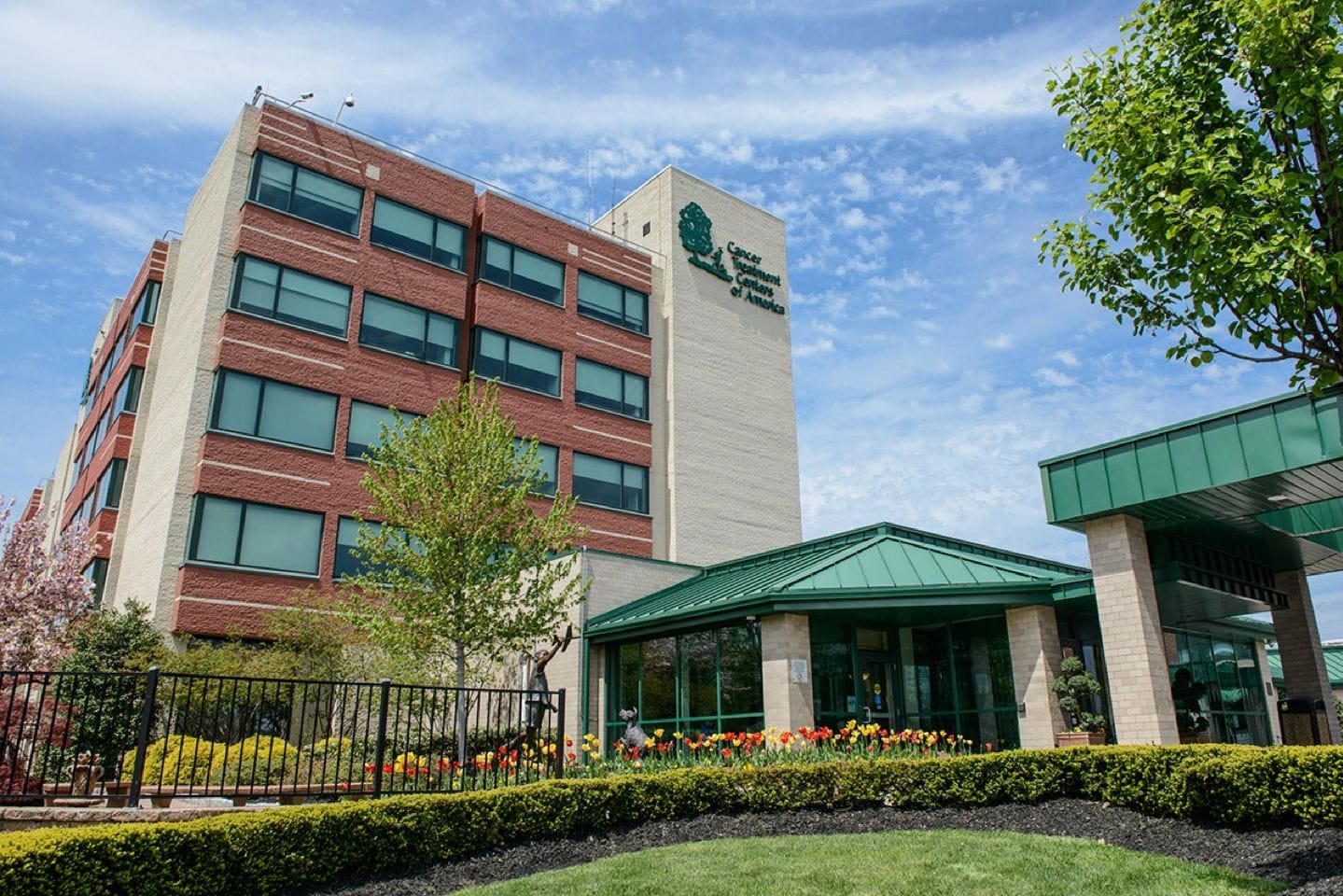
Philadelphia Cancer Treatment

Philadelphia-based Temple University Hospital has finalized the purchase of the former Cancer Treatment Center of America’s Philadelphia campus. 

The hospital paid $12 million for the buildings, equipment and supplies at the former campus, The Philadelphia Inquirer reported July 9. 

Boca Raton, Fla.-based Cancer Treatment Centers of America signed an agreement in March to sell the campus to Temple University Hospital. 

“This opens a significant and historic new chapter in our Health System’s history — one which speaks to our improving clinical outcomes, operational efficiency, positive financial performance, and long-term strength of our organization,” said Michael Young, president and CEO of Temple University Health System and Temple University Hospital. 

Temple Health said it is still working to determine the healthcare specialties the campus will house but said it will use the new location to replace the Temple Administrative Services Building as a first step.

340B Drug Payment Case Heads to Supreme Court

Supreme court to hear 340B drug payment case

The US Supreme Court recently announced that it will hear an ongoing debate over cuts to 340B drug payments to Medicare hospitals.

The case will be heard during the Supreme Court’s upcoming term, which starts in October. A decision is expected sometime next year.

The case was brought on by the American Hospital Association (AHA) and other national hospital groups seeking to overturn HHS’ decision to reduce Medicare reimbursement to hospitals in the 340B Drug Pricing Program by nearly 30 percent.

HHS had finalized the cuts in the 2018 Outpatient Prospective Payment System (OPPS) rule. The federal department said in a fact sheet that the cuts address the “recent trends of increasing drug prices, for which some of the cost burden falls to Medicare beneficiaries.”

Hospital groups led by the AHA challenged the cuts, arguing that reduced drug payments would harm access to care since the 340B Drug Pricing Program includes safety-net hospitals. An appeals court did not agree with their arguments in August 2020, ruling in favor of HHS.

We are pleased that the U.S. Supreme Court has agreed to hear the compelling arguments in our case on payments cuts to the 340B drug pricing program that are adversely impacting care to patients,” Melinda Hatton, the AHA’s general counsel, said publicly on Friday.

“We are hopeful that the Court will reject the appellate court decision deferring to the government’s interpretation of the law that clearly imperils the important services that the 340B program helps allow eligible hospitals and health systems to provide to vulnerable communities, many of which would otherwise be unavailable,” Hatton continued.

Other hospital groups also cheered the Supreme Court’s decision to hear the 340B drug payment case.

“We are pleased that the Supreme Court has agreed to review the appellate court decision, which we believe was legally flawed,”  Maureen Testoni, CEO of 340B Health, said on the group’s website.* “We are hopeful that the justices will reverse the lower court decision that upheld these damaging cuts to many 340B hospitals treating patients with low incomes. In the meantime, we continue to urge the Biden administration to change this harmful policy by abandoning the payment cuts for 2022 and beyond.”

The other plaintiff, Association of American Medical Colleges (AAMC), also said it is looking forward to the consideration of the case.

“The current reimbursement rates reduce the 340B drug discounts granted to safety-net providers, many of which are teaching hospitals,” explained David J. Skorton, MD, AAMC president and CEO. “These hospitals use the current savings to deliver critical health care services to low-income and vulnerable patients, which includes providing free or substantially discounted drugs to low-income patients, establishing neighborhood clinics, and improving access to specialized care previously unavailable in some areas. A reversal of the cuts will ensure that low-income, rural, and other underserved patients and communities are able to access the vital services they need.”

Neither HHS nor CMS provided a public statement regarding the Supreme Court’s decision to hear the 340B drug payment case.

Dangerously low blood supply in U.S. forces some hospitals to postpone surgeries

https://www.cbsnews.com/news/blood-donation-shortage-us-2021/

Dangerously low blood supply in U.S. forces some hospitals to postpone  surgeries - CBS News

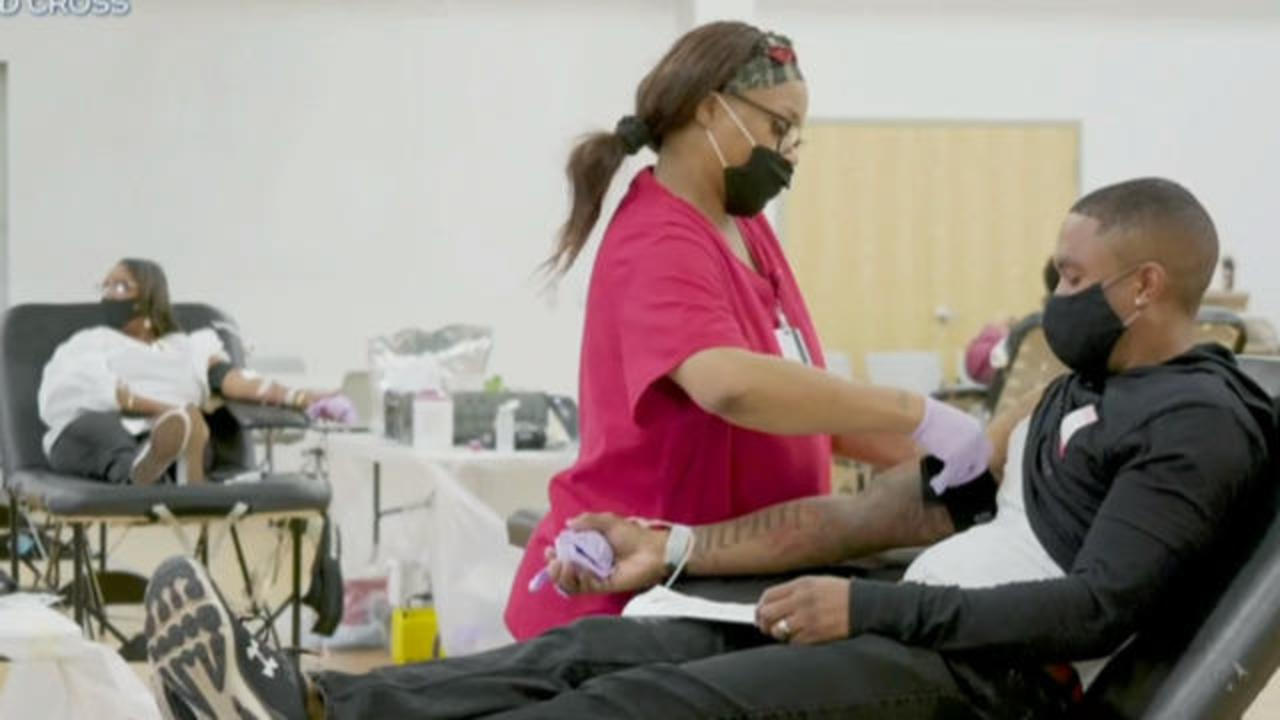
Blood centers in some U.S. cities are down to a one-day supply, forcing hospitals to postpone surgeries. The blood shortage is yet another fallout from the pandemic, experts say.

OneBlood, the Southeast’s largest blood center, is scrambling to manage the blood shortage crisis.

“It’s a 24/7 operation,” said OneBlood’s Susan Forbes. “The donors are not in the traditional locations anymore. We lost large corporations, religious organizations, movie theater drives, festivals that were taking place ended.”

Before COVID-19 shutdowns, schools accounted for 25% of collected blood. Now, demand for blood products is up 10% nationwide.

Some hospitals have had to delay scheduled surgeries. At NYU Langone Health in New York City, surgeon-in-chief Dr. Paresh Shah said they came close to doing the same.

“There’s this huge backlog of operations that really needed to get done,” Shah said. “We were down to such a low inventory of blood that if we had one major transfusion event, we would have been depleted completely.”

He said the lack of blood can mean life or death in trauma situations.

Eleven-year-old Iggy Friday was diagnosed with Leukemia this winter and has needed more than 30 transfusions during chemotherapy. His recent platelet transfusion was delayed because of the shortage — luckily for just a few hours.

“I did think about the people who needed it now and stuff. So that’s why I was fine with waiting,” he said. “It helps a lot of people and can save a lot of lives.”

A new divide is making the workforce crisis worse

https://mailchi.mp/bfba3731d0e6/the-weekly-gist-july-2-2021?e=d1e747d2d8

How the Hybrid Workforce will Drive the Future of Work

Health system executives continue to tell us that the top issue now keeping them up at night is workforce engagement.

Exhausted from the COVID experience, facing renewed cost pressures, and in the midst of a once-in-a-generation rethink of work-life balance among employees, health systems are having increasing difficulty filling vacant positions, and holding on to key staff—particularly clinical talent. One flashpoint that has emerged recently, according to leaders we work with, is the growing divide between those working a “hybrid” schedule—part at home, part in the office—and those who must show up in person for work because of their roles. Largely this split has administrative staff on one side and clinical workers on the other, leading doctors, nurses, and other clinicians to complain that they have to come into work (and have throughout the pandemic), while their administrative colleagues can continue to “Zoom in”. There’s growing resentment among those who don’t have the flexibility to take a kid to baseball practice at 3 o’clock, or let the cable guy in at noon without scheduling time off, making the sense of burnout and malaise even more intense. Add to that the resurgence in COVID admissions in some markets, and the “help wanted” situation in the broader economy, and the health system workforce crisis looks worse and worse. Beyond raising wages, which is likely inevitable for most organizations, there is a need to rethink job design and work patterns, to allow a tired, frustrated, and—thanks to the in-person/WFH divide—envious workforce the chance to recover from an incredibly difficult year.