Boeing laying off 6,770 employees, with more to come

https://www.politico.com/news/2020/05/27/boeing-layoffs-coronavirus-284453

Boeing (BA) Layoffs Start With 6,770 Jobs in U.S. This Week ...

The numbers publicized Wednesday “represent the largest segment of layoffs” that are expected, a Boeing spokesperson said.

Boeing said Wednesday that nearly 7,000 of its U.S. employees will be involuntarily laid off, a bloodletting that is part of a plan for the aerospace giant to shrink its overall workforce by 10 percent amid the new aviation landscape created by Covid-19.

In addition, about 5,500 U.S. workers are being laid off voluntarily.

In a message to employees sent Wednesday, Boeing CEO Dave Calhoun said the pandemic’s impact “means a deep cut in the number of commercial jets and services our customers will need over the next few years, which in turn means fewer jobs on our lines and in our offices.”

“We have done our very best to project the needs of our commercial airline customers over the next several years as they begin their path to recovery,” Calhoun said. “I wish there were some other way.”

The numbers publicized Wednesday “represent the largest segment of layoffs” that are expected, a Boeing spokesperson said. “The several thousand remaining layoffs will come in additional tranches over the next few months.”

The coronavirus pandemic has crushed demand for passenger airline travel, and the Boeing spokesperson said its biggest workforce cuts are to “areas that are most exposed to the condition of our commercial customers,” but that “our defense, space and related services businesses will help us limit overall impact.”

In his message to workers, Calhoun pointed to some initial indications of recovery for the industry, saying some airlines are “reporting that reservations are outpacing cancellations on their flights for the first time since the pandemic started,” and a number of “countries and U.S. states are starting cautiously to open their economies again.”

Still, it will take years for the industry to “return to what it was just two months ago,” Calhoun said.

He said Boeing will need to work with airlines to “assure the traveling public that it can fly safe from infection.”

“We also will have to adjust our business plans constantly until the global pandemic stops whipsawing our markets in ways that are still hard to predict,” he said.

Later Wednesday, Boeing said it had restarted production of its beleaguered 737 MAX in Renton, Wash., after a monthslong suspension. The MAX has been grounded around the world since March 2019, following two fatal crashes.


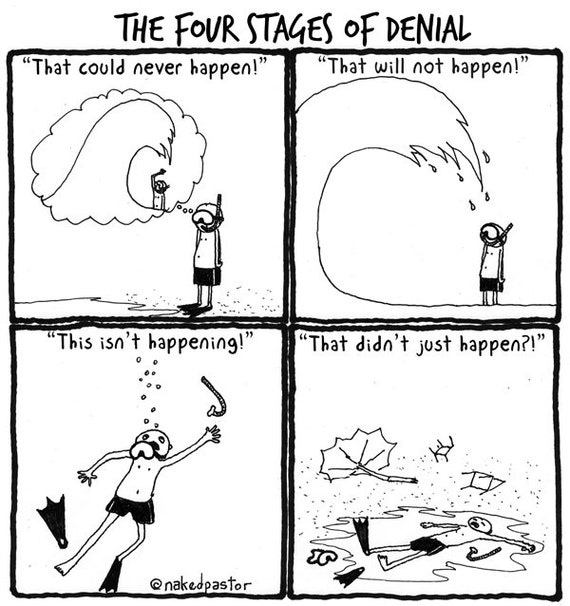
Cartoon – The Four Stages of Denial

The Four Stages of Denial CARTOON | Etsy

As the 1918 Flu Emerged, Cover-Up and Denial Helped It Spread

https://www.history.com/news/1918-pandemic-spanish-flu-censorship?cmpid=email-hist-inside-history-2020-0527-05272020&om_rid=5444b0eacc03f23065f305c9fea74958a7fc07af4357c4a980be55258fa8db43

As the 1918 Flu Emerged, Cover-Up and Denial Helped It Spread ...

Nations fighting in World War I were reluctant to report their flu outbreaks.

Spanish flu” has been used to describe the flu pandemic of 1918 and 1919 and the name suggests the outbreak started in Spain. But the term is actually a misnomer and points to a key fact: nations involved in World War I didn’t accurately report their flu outbreaks.

Spain remained neutral throughout World War I and its press freely reported its flu cases, including when the Spanish king Alfonso XIII contracted it in the spring of 1918. This led to the misperception that the flu had originated or was at its worst in Spain.

“Basically, it gets called the ‘Spanish flu’ because the Spanish media did their job,” says Lora Vogt, curator of education at the National WWI Museum and Memorial in Kansas City, Missouri. In Great Britain and the United States—which has a long history of blaming other countries for disease—the outbreak was also known as the “Spanish grip” or “Spanish Lady.”

Historians aren’t actually sure where the 1918 flu strain began, but the first recorded cases were at a U.S. Army camp in Kansas in March 1918. By the end of 1919, it had infected up to a third of the world’s population and killed some 50 million people. It was the worst flu pandemic in recorded history, and it was likely exacerbated by a combination of censorship, skepticism and denial among warring nations.

“The viruses don’t care where they come from, they just love taking advantage of wartime censorship,” says Carol R. Byerly, author of Fever of War: The Influenza Epidemic in the U.S. Army during World War I. “Censorship is very dangerous during a pandemic.”

The Flu in Europe

1918 Flu, U.S. Army Camp Hospital in France, WWI

Patients lie in an influenza ward at the U.S. Army Camp Hospital No. 45 in Aix-les-Baines, France, during World War I.

Corbis/Getty Images

When the flu broke out in 1918, wartime press censorship was more entrenched in European countries because Europe had been fighting since 1914, while the United States had only entered the war in 1917. It’s hard to know the scope of this censorship, since the most effective way to cover something up is to not leave publicly-accessible records of its suppression. Discovering the impact of censorship is also complicated by the fact that when governments pass censorship laws, people often censor themselves out of fear of breaking the law.

In Great Britain, which fought for the Allied Powers, “the Defense of the Realm Act was used to a certain extent to suppress…news stories that might be a threat to national morale,” says Catharine Arnold, author of Pandemic 1918: Eyewitness Accounts from the Greatest Medical Holocaust in Modern History. “The government can slam what’s called a D-Notice on [a news story]—‘D’ for Defense—and it means it can’t be published because it’s not in the national interest.”

Both newspapers and public officials claimed during the flu’s first wave in the spring and early summer of 1918 that it wasn’t a serious threat. The Illustrated London News wrote that the 1918 flu was “so mild as to show that the original virus is becoming attenuated by frequent transmission.” Sir Arthur Newsholme, chief medical officer of the British Local Government Board, suggested it was unpatriotic to be concerned with the flu rather than the war, Arnold says.

The flu’s second wave, which began in late summer and worsened that fall, was far deadlier. Even so, warring nations continued to try to hide it. In August, the interior minister of Italy—another Allied Power—denied reports of the flu’s spread. In September, British officials and newspaper barons suppressed news that the prime minister had caught the flu while on a morale-boosting trip to Manchester. Instead, the Manchester Guardian explained his extended stay in the city by claiming he’d caught a “severe chill” in a rainstorm.

Warring nations covered up the flu to protect morale among their own citizens and soldiers, but also because they didn’t want enemy nations to know they were suffering an outbreak. The flu devastated General Erich Ludendorff’s German troops so badly that he had to put off his last offensive. The general, whose empire fought for the Central Powers, was anxious to hide his troops’ flu outbreaks from the opposing Allied Powers.

“Ludendorff is famous for observing [flu outbreaks among soldiers] and saying, oh my god this is the end of the war,” Byerly says. “His soldiers are getting influenza and he doesn’t want anybody to know, because then the French could attack him.”

The Pandemic in the United States

Patients at U. S. Army Hospital No. 30 at a movie wear masks because of an influenza epidemic.

Patients at U. S. Army Hospital No. 30 at a movie wear masks because of an influenza epidemic.

The National Library of Medicine

The United States entered WWI as an Allied Power in April 1917. A little over a year later, it passed the 1918 Sedition Act, which made it a crime to say anything the government perceived as harming the country or the war effort. Again, it’s difficult to know the extent to which the government may have used this to silence reports of the flu, or the extent to which newspapers self-censored for fear of retribution. Whatever the motivation, some U.S. newspapers downplayed the risk of the flu or the extent of its spread.

In anticipation of Philadelphia’s “Liberty Loan March” in September, doctors tried to use the press to warn citizens that it was unsafe. Yet city newspaper editors refused to run articles or print doctors’ letters about their concerns. In addition to trying to warn the public through the press, doctors had also unsuccessfully tried to convince Philadelphia’s public health director to cancel the march.

The war bonds fundraiser drew several thousand people, creating the perfect place for the virus to spread. Over the next four weeks, the flu killed 12,191 people in Philadelphia.

Similarly, many U.S. military and government officials downplayed the flu or declined to implement health measures that would help slow its spread. Byerly says the Army’s medical department recognized the threat the flu posed to the troops and urged officials to stop troop transports, halt the draft and quarantine soldiers; but they faced resistance from the line command, the War Department and President Woodrow Wilson.

Wilson’s administration eventually responded to their pleas by suspending one draft and reducing the occupancy on troop ships by 15 percent, but other than that it didn’t take the extensive measures medical workers recommended. General Peyton March successfully convinced Wilson that the U.S. should not stop the transports, and as a result, soldiers continued to get sick. By the end of the year, about 45,000 U.S. Army soldiers had died from the flu.

The pandemic was so devastating among WWI nations that some historians have suggested the flu hastened the end of the war. The nations declared armistice on November 11 amid the pandemic’s worst wave. 

In April 1919, the flu even disrupted the Paris Peace Conference when President Wilson came down with a debilitating case. As when the British prime minister had contracted the flu back in September, Wilson’s administration hid the news from the public. His personal doctor instead told the press the president had caught a cold from the Paris rain.


100,000 Lives Lost to COVID-19. What Did They Teach Us?

https://www.propublica.org/article/100000-lives-lost-to-covid-19-what-did-they-teach-us?utm_source=pardot&utm_medium=email&utm_campaign=dailynewsletter&utm_content=feature

May 27 data: Four new Utah COVID-19 deaths as US count tops ...

Each person who has died of COVID-19 was somebody’s everything. Even as we mourn for those we knew, cry for those we loved and consider those who have died uncounted, the full tragedy of the pandemic hinges on one question: How do we stop the next 100,000?

The United States has now recorded 100,000 deaths due to the coronavirus.

It’s a moment to collectively grieve and reflect.

Even as we mourn for those we knew, cry for those we loved and consider also those who have died uncounted, I hope that we can also resolve to learn more, test better, hold our leaders accountable and better protect our citizens so we do not have to reach another grim milestone.

Through public records requests and other reporting, ProPublica has found example after example of delays, mistakes and missed opportunities. The CDC took weeks to fix its faulty test. In Seattle, 33,000 fans attended a soccer match, even after the top local health official said he wanted to end mass gatherings. Houston went ahead with a livestock show and rodeo that typically draws 2.5 million people, until evidence of community spread shut it down after eight days. Nebraska kept a meatpacking plant open that health officials wanted to shut down, and cases from the plant subsequently skyrocketed. And in New York, the epicenter of the pandemic, political infighting between Gov. Andrew Cuomo and Mayor Bill de Blasio hampered communication and slowed decision making at a time when speed was critical to stop the virus’ exponential spread.

COVID-19 has also laid bare many long-standing inequities and failings in America’s health care system. It is devastating, but not surprising, to learn that many of those who have been most harmed by the virus are also Americans who have long suffered from historical social injustices that left them particularly susceptible to the disease.

This massive loss of life wasn’t inevitable. It wasn’t simply unfortunate and regrettable. Even without a vaccine or cure, better mitigation measures could have prevented infections from happening in the first place; more testing capacity could have allowed patients to be identified and treated earlier.

The COVID-19 pandemic is not over, far from it.

At this moment, the questions we need to ask are: How do we prevent the next 100,000 deaths from happening? How do we better protect our most vulnerable in the coming months? Even while we mourn, how can we take action, so we do not repeat this horror all over again?

Here’s what we’ve learned so far.

Though we’ve long known about infection control problems in nursing homes, COVID-19 got in and ran roughshod.

From the first weeks of the coronavirus outbreak in the United States, when the virus tore through the Life Care Center in Kirkland, Washington, nursing homes and long-term care facilities have emerged as one of the deadliest settings. As of May 21, there have been around 35,000 deaths of staff and residents in nursing homes and long-term care facilities, according to the nonprofit Kaiser Family Foundation.

Yet the facilities have continued to struggle with basic infection control. Federal inspectors have found homes with insufficient staff and a lack of personal protective equipment. Others have failed to maintain social distancing among residents, according to inspection reports ProPublica reviewed. Desperate family members have had to become detectives and activists, one even going as far as staging a midnight rescue of her loved one as the virus spread through a Queens, New York, assisted living facility.

What now? The risk to the elderly will not decrease as time goes by — more than any other population, they will need the highest levels of protection until the pandemic is over. The CEO of the industry’s trade group told my colleague Charles Ornstein: “Just like hospitals, we have called for help. In our case, nobody has listened.” More can be done to protect our nursing home and long term care population. This means regular testing of both staff and residents, adequate protective gear and a realistic way to isolate residents who test positive.

Racial disparities in health care are pervasive in medicine, as they have been in COVID-19 deaths.

African Americans have contracted and died of the coronavirus at higher rates across the country. This is due to myriad factors, including more limited access to medical care as well as environmental, economic and political factors that put them at higher risk of chronic conditions. When ProPublica examined the first 100 recorded victims of the coronavirus in Chicago, we found that 70 were black. African Americans make up 30% of the city’s population.

What now? States should make sure that safety-net hospitals, which serve a large portion of low-income and uninsured patients regardless of their ability to pay, and hospitals in neighborhoods that serve predominantly black communities, are well-supplied and sufficiently staffed during the crisis. More can also be done to encourage African American patients to not delay seeking care, even when they have “innocent symptoms” like a cough or low-grade fever, especially when they suffer other health conditions like diabetes.

Racial disparities go beyond medicine, to other aspects of the pandemic. Data shows that black people are already being disproportionately arrested for social distancing violations, a measure that can undercut public health efforts and further raise the risk of infection, especially when enforcement includes time in a crowded jail.

Essential workers had little choice but to work during COVID-19, but adequate safeguards weren’t put in place to protect them.

We’ve known from the beginning there are some measures that help protect us from the virus, such as physical distancing. Yet millions of Americans haven’t been able to heed that advice, and have had no choice but to risk their health daily as they’ve gone to work shoulder-to-shoulder in meat-packing plants, rung up groceries while being forbidden to wear gloves, or delivered the mail. Those who are undocumented live with the additional fear of being caught by immigration authorities if they go to a hospital for testing or treatment.

What now? Research has shown that there’s a much higher risk of transmission in enclosed spaces than outdoors, so providing good ventilation, adequate physical distancing, and protective gear as appropriate for workers in indoor spaces is critical for safety. We also now know that patients are likely most infectious right before or at the time when symptoms start appearing, so if workplaces are generous about their sick leave policies, workers can err on the side of caution if they do feel unwell, and not have to choose between their livelihoods and their health. It’s also important to have adequate testing capacity, so infections can be caught before they turn into a large outbreak.

Frontline health care workers were not given adequate PPE and were sometimes fired for speaking up about it.

While health workers have not, thankfully, been dying at conspicuously higher rates, they continue to be susceptible to the virus due to their work. The national scramble for ventilators and personal protective equipment has exposed the just-in-time nature of hospitals’ inventories: Nurses across the country have had to work with expired N95 masks, or no masks at all. Health workers have been suspended, or put on unpaid leave, because they didn’t see eye to eye with their administrators on the amount of protective gear they needed to keep themselves safe while caring for patients.

First responders — EMTs, firefighters and paramedics — are often forgotten when it comes to funding, even though they are the first point of contact with sick patients. The lack of a coherent system nationwide meant that some first responders felt prepared, while others were begging for masks at local hospitals.

What now? As states reopen, it will be important to closely track hospital capacity, and if cases rise and threaten their medical systems’ ability to care for patients, governments will need to be ready to pause or even dial back reopening measures. It should go without saying that adequate protective gear is a must. I also hope that hospital administrators are thinking about mental health care for their staffs. Doctors and nurses have told us of the immense strain of caring for patients whom they don’t know how to save, while also worrying about getting sick themselves, or carrying the virus home to their loved ones. Even “heroes” need supplies and support.

What we still have to learn:

There continue to be questions on which data is lacking, such as the effects of the coronavirus on pregnant women. Without evidence-based research, pregnant women have been left to make decisions on their own, sometimes trying to limit their exposure against their employer’s wishes.

Similarly, there’s a paucity of data on children’s risk level and their role in transmission. While we can confidently say that it’s rare for children to get very ill if they do get infected, there’s not as much information on whether children are as infectious as adults. Answering that question would not just help parents make decisions (Can I let my kid go to day care when we live with Grandma?) but also help officials make evidence-based decisions on how and when to reopen schools.

There’s some research I don’t want to rush. Experts say the bar for evidence should be extremely high when it comes to a vaccine’s safety and benefit. It makes sense that we might be willing to use a therapeutic with less evidence on critically ill patients, knowing that without any intervention, they would soon die. A vaccine, however, is intended to be given to vast numbers of healthy people. So yes, we have to move urgently, but we must still take the time to gather robust data.

Our nation’s leaders have many choices to make in the coming weeks and months. I hope they will heed the advice of scientists, doctors and public health officials, and prioritize the protection of everyone from essential workers to people in prisons and homeless shelters who does not have the privilege of staying home for the duration of the pandemic.

The coronavirus is a wily adversary. We may ultimately defeat it with a vaccine or effective therapeutics. But what we’ve learned from the first 100,000 deaths is that we can save lives with the oldest mitigation tactics in the public health arsenal — and that being slow to act comes with a terrible cost.

I refuse to succumb to fatalism, to just accepting the ever higher death toll as inevitable. I want us to make it harder for this virus to take each precious life from us. And I believe we can.


Reducing COVID-19 Deaths In Nursing Homes: Call To Action

https://www.healthaffairs.org/do/10.1377/hblog20200522.474405/full/?utm_source=Newsletter&utm_medium=email&utm_content=COVID-19%3A+Reducing+Deaths+In+Nursing+Homes%2C+Effective+Multilateralism%3B+Surprise+Out-Of-Network+Bills+For+Ambulance+Transportation+And+Ambulatory+Surgery+Centers&utm_campaign=HAT+5-27-20

Reducing COVID-19 Deaths In Nursing Homes: Call To Action | Health ...

Nursing homes are a hidden and frequently forgotten part of our health care system. They are now under attack by the COVID-19 pandemic: residents are dying, families are disconnected from their loved ones, and staff are sick and overwhelmed by work and the grief of losing so many patients in such a short time. Our state, Massachusetts, is one of the hardest-hit by COVID-19, with over 3,600 deaths and counting in nursing homes, or almost 10 percent of the nursing home population. Over 60 percent of all COVID-19-related deaths in Massachusetts are in nursing homes, one of six states where nursing home residents comprise over 50 percent of COVID-19-related deaths.  The COVID-19 pandemic is exposing years of neglect and chronic underfunding of nursing homes.  

Over 85 percent of the almost 400 nursing homes in Massachusetts currently report two or more cases of COVID-19 among residents or staff.  Emerging data make it abundantly clear that the nursing home environment is highly conducive to the rapid spread of COVID-19, and nursing home residents are among the most susceptible to severe illness and death.  Urgent and decisive action is required to reduce mortality among frail and vulnerable seniors in nursing homes. 

The New England Geriatrics Network (NEGN) is a group of geriatricians, geriatric psychiatrists, nurse practitioners, and others interested in improving care of older adults, that recently convened a Nursing Home Work Group of members interested in improving nursing home care.  We write to share our collective experiences and to reflect on some innovative and promising initiatives adopted in our state.

Success in reducing COVID-19-related morbidity and mortality in the nursing home setting requires urgent action in three areas: 1) enhancing infection control with an individualized plan for each nursing home that incorporates both regulatory guidance and current literature and is feasible to implement; 2) ensuring necessary resources to implement infection control plans, especially adequate staff, training, personal protective equipment (PPE), COVID-19 testing, creation of units for COVID-19 positive patients, and access to onsite ancillary services (labs, imaging, intravenous (IV) management); 3) mirroring the federal Coronavirus Commission for Safety and Quality in Nursing Homes by establishing state-level task forces focused on improving communication and collaboration between nursing homes and families, health care providers (hospitals, health systems, home health agencies, physician organizations), and government agencies.

Although the federal government has offered guidance on infection control in nursing homes, most efforts to manage the pandemic are initiated and managed at the state level.  As a result, there is significant variability in the response. For example, until the federal government recently mandated it, fewer than half of the states reported infection rates and deaths in nursing homes.  Massachusetts implemented several key initiatives that may serve as a model for how to limit COVID-19 epidemic in nursing homes.

Recommendation #1: Operationalizing Effective Infection Control

The only way to reduce COVID-19 deaths is to universally implement effective infection control programs in every nursing home.  The Centers for Disease Control and Prevention (CDC), state agencies like the Massachusetts Department of Public Health, and medical specialty societies have issued checklists and guidance for managing COVID-19 infections in nursing homes. The core challenge is the diversity of the nursing homes, each varying structurally in layout and room design, financially in resources and reserves, and organizationally in staffing and medical leadership. Nationally, 39 percent of nursing homes had deficiencies related to infection control in 2017, including 30 percent of Massachusetts nursing homes.  Each nursing home must create and implement a COVID-19 control plan, review it regularly with public health officials, and allow site visits to validate performance.  A truly collaborative effort will empower and support nursing homes to make required changes, maintain transparency, uphold accountability, and save lives. 

Our colleagues working in Massachusetts nursing homes continue to directly observe ongoing issues with infection control, despite the state’s best efforts to address the pandemic.  In late April, a colleague rounding at a nursing home with known COVID-19 cases found COVID-19-positive, test pending, and COVID-19-free residents sitting together in a communal area. Nurses were wearing varying levels of PPE, some in gowns and masks, and only some with face shields.

Massachusetts recently enhanced its plan to manage COVID-19 in nursing homes by allocating up to $130 million in additional funding to support infection control, staffing, and PPE. Part of the plan is 28-point audit tool to evaluate the strength of each nursing home’s plan, which will be assessed through site visits by state inspectors to every nursing home in the state either every two or four weeks (depending on initial audit results) through the end of June.  Nursing homes can qualify for up to a 50 percent increase over their baseline Medicaid (MassHealth) reimbursement by demonstrating adherence to an effective infection control plan. Facilities failing to implement effective plans can face serious penalties starting with reduced bonus funding and extending to receivership, termination from the state Medicaid program and even forced closure.

In addition to a clear and transparent approach to audits, the state is providing access to infection control expertise to enhance the ability of nursing homes to execute effective infection control plans.  A statewide infection control command center is being led by the nursing home trade organization Massachusetts Senior Care Association (MSCA), along with a senior care and housing organization, Hebrew Senior Life, and others.

Comprehensive infection control plans may require dedicated units for COVID-19-infected patients, important for preventing spread of the infection within nursing homes and for treating COVID-19-positive patients needing inpatient nursing and rehabilitation.  Massachusetts made this a focus of the first phase of its approach to managing COVID-19 in nursing homes.  As of May 1, 2020, six nursing homes have been fully converted to COVID-only facilities, and more than 80 nursing homes have dedicated in-house COVID units.  The state accelerated the creation of these facilities with increased Medicaid payment rates for the care of patients with COVID-19. This has helped offset revenue loss related to decreased post-acute care admissions due to a decrease in elective procedures.

Recommendation #2: Nursing Homes Must Have Adequate Resources For Patient Care Including Staffing, PPE, Testing, And Onsite Ancillary Services

The lack of infection control resources reflects longstanding gaps in the nursing home setting which have been greatly exacerbated by the current pandemic. The state is providing additional Medicaid payments to nursing homes, as mentioned above. These resources are needed to improve care and infection control.

Staffing

In mid-April, as the surge in COVID-19 cases accelerated in Massachusetts, 40 percent of nursing home positions were vacant in the state  As the pandemic spread, many staff became unavailable due to infection, increased risk related to underlying comorbidities, or family responsibilities.  Many nursing home staff work on a per diem basis, and often lack paid sick leave. Until recently, transportation and paid housing solutions put in place for hospital staff had not been extended to them.

The staffing shortage threatens the health of all residents on short-staffed units and reveals how human contact is fundamental to good nursing home care.  A member of our group recently visited a nursing home where staffing on a 30-resident unit was reduced to one nurse and one nurse’s aide.  Isolation is a cornerstone of fighting COVID-19, but with family and volunteers not permitted in nursing homes, he reported seeing increased dehydration, falls, and poor hygiene as staff struggled to hand-feed residents and provide personal care.  In addition, family members may wait days to hear back about their loved one from overwhelmed nursing home staff.  This lack of communication is a huge barrier to high quality care, especially for patients needing frequent symptom management, such as those in hospice care. 

Massachusetts is taking several actions to alleviate staffing shortages.  The state offered a $1,000 bonus for new nursing home staff, and an online portal was created to match nursing homes with job seekers and volunteers.  The state is making available rapid response teams including nurses, emergency medical technicians (EMTs), and others that can be temporarily deployed for a few days to assist challenged nursing homes. National Guard units are available for non-clinical support, as well as staff from temporary staffing agencies contracted by the state.  Private sector efforts include a collaboration between Massachusetts Senior Care Association, the MIT COVID-19 Policy Alliance, and Monster.com to offer free staffing listings on Monster’s recruiting website.

Personal Protective Equipment

As with all other health care settings, PPE shortages are an ongoing challenge, and states must do more to help.  In Massachusetts, as of May 19, 2020, the state has distributed almost 350,000 N95 masks, over 780,000 masks, and 708,000 pairs of gloves to nursing homes.  However, this is not enough to provide for all of the needs of the nearly 400 nursing homes in the state, which must still rely on their own supply chains, including new purchasing collaboratives, to help facilities gain PPE access. Providing PPE to family members and volunteers could help mitigate some of the impact of extreme staffing shortages.

Testing For COVID-19

Access to routine testing can improve infection control and identify patients at risk of decline.  Testing should not be limited to only those with symptoms.  In early April, a nursing home in Wilmington, MA underwent facility-wide screening.  Over 50 percent of residents without symptoms tested positive for COVID-19, and within two weeks, 25 residents had died.  Universal testing of residents and staff should be performed as quickly as possible, and routine testing must be available to evaluate symptomatic nursing home residents.  The state of Massachusetts now requires every nursing home to test all residents and staff as a prerequisite to receiving any supplemental COVID-19 funding.  If the nursing home cannot arrange testing, the state will continue to supply National Guard mobile testing teams and dispense testing kits directly to nursing homes.  For nursing homes where testing may not be readily available, or if there are already significant numbers of COVID-19 infections, it should be presumed that all residents and staff are infected, and PPE and other universal infection control measures should be implemented.

Ancillary Services

One overlooked but essential resource is access to ancillary services.  Most nursing homes rely on external companies to provide onsite services, including laboratory tests (e.g. blood tests, urinalysis), to start IVs and provide portable imaging (X-Ray, ultrasound), and to stock medications.  Many of these companies also face challenges with staff and PPE and have decreased services from daily visits to once or twice a week.  As a result, families who want their loved one diagnosed and treated in the nursing home (e.g. chest x-ray, labs for possible pneumonia, followed by IV insertion for antibiotics), or who need urgent assessments, COVID-19 related or not, must decide whether to transfer their family member to the emergency department. One solution is redeploying EMTs, now freed up from transport for elective procedures, to draw labs and start IVs in nursing homes to keep patients where they feel safe and comfortable, and to avoid further stress on over-burdened emergency departments.

Recommendation #3: Establishing COVID-19 Control Task Forces

COVID-19 has forced our society into isolation, but communication and collaboration are essential for successfully fighting pandemics.  We strongly recommend each state create a task force for COVID-19 pandemic control in nursing homes for a minimum of two years, to bring together relevant governmental agencies (Public Health, Elder Affairs or Aging agency, Emergency Management, Medicaid, and others) and other key stakeholders, which include nursing home clinicians, the nursing home industry, ancillary services companies, hospitals, physician groups, and nursing home residents and family members. Local and regional task forces should collaborate to support links between nursing homes and local health care systems and ensure that nursing homes have effective communications with family members and clinicians providing care.  Collaboration with state governments and nursing home leadership in other states is also essential, as many staff, clinicians, and family members travel across state lines.

Task Forces must initially focus on ensuring effective infection control and making resources available to reduce the morbidity and mortality of COVID-19 on nursing home residents and those needing post-acute care. They also should anticipate and plan for the inevitable changes and continued need for nursing home care in the wake of the COVID-19 pandemic.

In Summary

Nursing homes should receive necessary support as an integral and most vulnerable part of the continuum of care. The population is aging, and the need for high quality long-term care, especially for those who lack family or financial resources, is growing rapidly.  Now is the time to ensure the safety and continued viability of this vital health care setting.

Authors’ Note: This call to action was written by the co-authors above on behalf of The New England Geriatrics Network (NEGN) Nursing Home Work Group.


Why We Should Be Reading Albert Camus During the Pandemic

https://www.governing.com/context/Why-We-Should-Be-Reading-Albert-Camus-During-the-Pandemic.html?utm_term=READ%20MORE&utm_campaign=Why%20We%20Should%20Be%20Reading%20Albert%20Camus%20During%20a%20Pandemic&utm_content=email&utm_source=Act-On+Software&utm_medium=email

Looking at Albert Camus's “The Plague” - The New York Times

The author’s masterpiece, The Plague, will make you think, ask all sorts of Socratic questions of yourself and form resolutions about how you intend to measure your life after getting through this global catastrophe.

It’s amazing how many pandemic books there are, and how thoroughly the idea of a global pandemic had crept into our popular culture well before the current situation. My daughter and I watched the Tom Hanks movie Inferno over the weekend, mostly because we wanted to gaze at the city of Florence. It’s not a great movie, but it is visually stunning in several ways. The plot is not something I gave much attention to when I first saw the film a couple of years ago: a rich Ted-talking eccentric decides to kill off most of the people of the world to save the Earth from over-population and the ravages 16 billion people would mean for other species and the health of the biosphere.

When I first saw the film in 2016, I regarded the plotline (will the vial of lethal germs be released or not?) as nothing but the usual “James Bond” setup for whatever else happened in the film. This time I watched it with greater alertness.

The fact is, of course, that COVID-19 is a serious global nuisance that has disrupted the lives of all Americans in a way that almost nobody could have predicted (well, there is Bill Gates, of course), but it is not the Black Plague, which swept away somewhere between one-fourth and one-half of all Europeans between 1348-1352, or the Yellow Fever epidemic in Philadelphia, which killed one in 10 inhabitants of America’s largest city in 1793, or the Spanish Flu, which killed somewhere between 57 and 100 million people worldwide in 1918.

If the coronavirus eventually kills 5 million people worldwide, and a couple of hundred thousand Americans before the vaccines gallop in to save the day a year or 18 months hence, it will have been a comparatively minor event in the history of global pandemics. The moment when it appeared that the hospital and medical infrastructure of New York might collapse has now passed. And though the death toll continues to climb towards perhaps 150,000 American dead by Aug. 1, 2020, the national dread that created a sustained will-we-survive and how-will-we-cope conversation in virtually every household in the United States is mostly over. The question now is when and how (and if) the country can return to what the late John McCain called regular order.

In the past two months I have read more than a dozen pandemic books, from Daniel Defoe’s A Journal of the Plague Year (1721), to Stephen King’s endless The Stand (1978). They are all interesting. If you outline the takeaway insights from these books, written over the span of many hundreds of years, they all make essentially the same points:

  1. Every government starts in denial, moves through some form of coverup, and eventually has to come to terms with the facts on the ground. 
  2. The rich flee to their country estates (or the Hamptons) and whine about all the inconvenience.
  3. The poor (as always) do most of the suffering, not merely because they are poor and have less access to the Maslovian necessities of life, but because they wind up putting themselves into harm’s way to help other people and even help the undeserving rich.
  4. The only sure methods of dealing with the epidemic (before the coming of vaccines) are social distancing, masks and the avoidance of direct body contact, and quarantining — and these do work.
  5. Economic activity grinds to a halt, but new forms of employment emerge, such as enforcing quarantines or monitoring the spread of the disease through contact tracing.
  6. People who have contracted the disease but who do not yet exhibit symptoms are the principal transmitters of the disease to others.
  7. Government has no choice but to subsidize the lives of people who have no savings and cannot work, because the alternative is food riots, looting, and perhaps revolution.
  8. Quacks, charlatans, and mountebanks abound, as always, to exploit exploitable people.
  9. Bad leaders and some portions of the population spend their time embracing and spreading conspiracy theories and searching for some group, some nation, some tribe to blame for the catastrophe.
  10. Social mores, including sexual codes, begin to break down as people slowly adopt an “eat, drink, and be merry, for tomorrow you shall certainly die” attitude.
  11. The natural sociability of humanity is such that we invariably rush back into the public square too soon, before the disease has been mastered, thus causing a second or a third wave of infection and death.


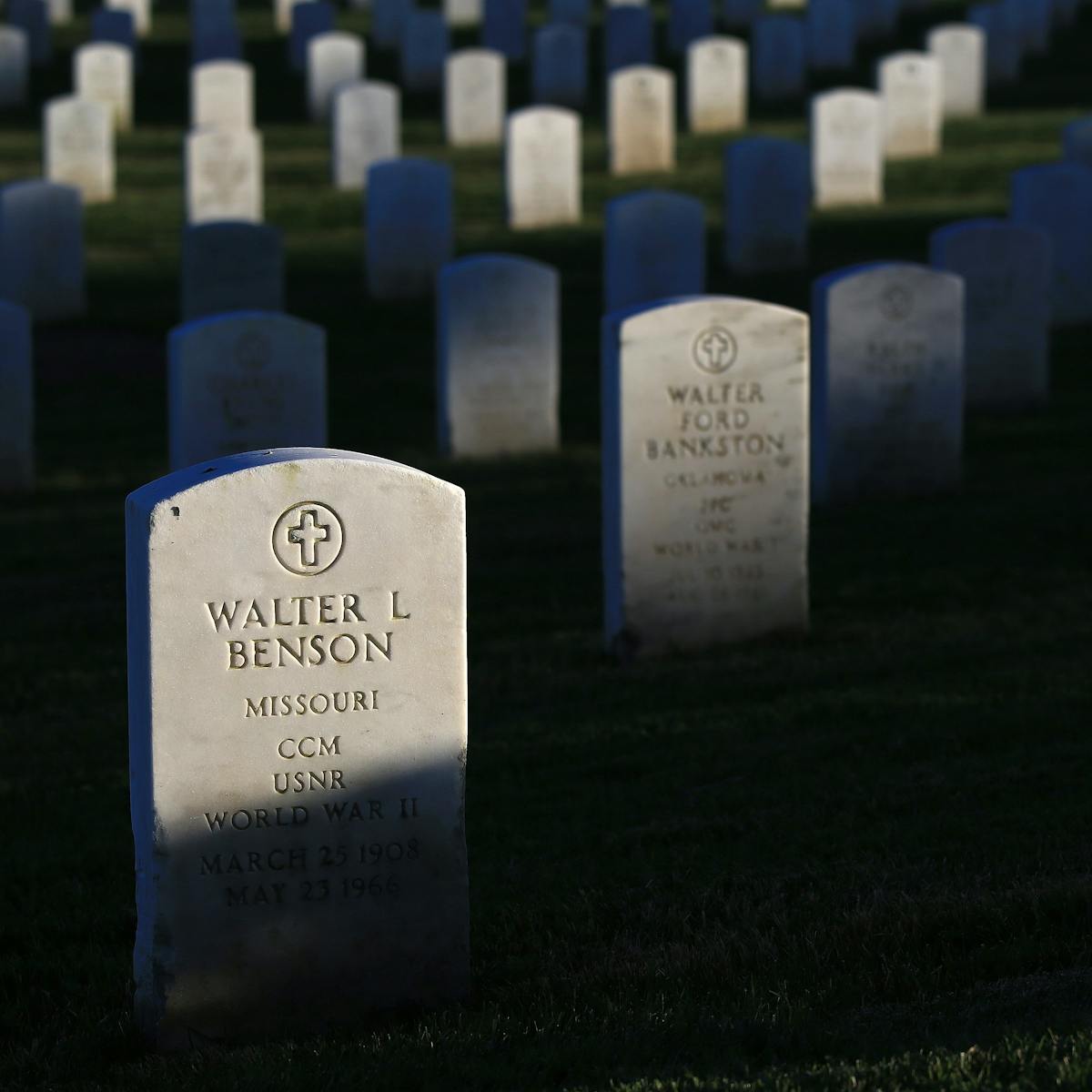
Memorial Day: Why veterans are particularly vulnerable to the coronavirus pandemic

https://theconversation.com/memorial-day-why-veterans-are-particularly-vulnerable-to-the-coronavirus-pandemic-139251?utm_medium=email&utm_campaign=Latest%20from%20The%20Conversation%20for%20May%2022%202020%20-%201630015658&utm_content=Latest%20from%20The%20Conversation%20for%20May%2022%202020%20-%201630015658+Version+A+CID_f23e0e73a678178a59d0287ef452fe33&utm_source=campaign_monitor_us&utm_term=Memorial%20Day%20Why%20veterans%20are%20particularly%20vulnerable%20to%20the%20coronavirus%20pandemic

Memorial Day: Why veterans are particularly vulnerable to the ...

As the nation takes a day to memorialize its military dead, those who are living are facing a deadly risk that has nothing to do with war or conflict: the coronavirus.

Different groups face different degrees of danger from the pandemic, from the elderly who are experiencing deadly outbreaks in nursing homes to communities of color with higher infection and death rates. Veterans are among the most hard-hit, with heightened health and economic threats from the pandemic. These veterans face homelessness, lack of health care, delays in receiving financial support and even death.

I have spent the past four years studying veterans with substance use and mental health disorders who are in the criminal justice system. This work revealed gaps in health care and financial support for veterans, even though they have the best publicly funded benefits in the country.

Here are eight ways the pandemic threatens veterans:

1. Age and other vulnerabilities

In 2017, veterans’ median age was 64, their average age was 58 and 91% were male. The largest group served in the Vietnam era, where 2.8 million veterans were exposed to Agent Orange, a chemical defoliant linked to cancer.

Younger veterans deployed to Iraq and Afghanistan were exposed to dust storms, oil fires and burn pits with numerous toxins, and perhaps as a consequence have high rates of asthma and other respiratory illnesses.

Age and respiratory illnesses are both risk factors for COVID-19 mortality. As of May 22, there have been 12,979 people under Veterans Administration care with COVID-19, of whom 1,100 have died.

2. Dangerous residential facilities

Veterans needing end-of-life care, those with cognitive disabilities or those needing substance use treatment often live in crowded VA or state-funded residential facilities.

State-funded “soldiers’ homes” are notoriously starved for money and staff. The horrific situation at the soldiers’ home in Holyoke, Massachusetts, where more than 79 veteran residents have died from a COVID-19 outbreak, illustrates the risk facing the veterans in residential homes.

3. Benefits unfairly denied

When a person transitions from active military service to become a veteran, they receive a Certificate of Discharge or Release. This certificate provides information about the circumstances of the discharge or release. It includes characterizations such as “honorable,” “other than honorable,” “bad conduct” or “dishonorable.” These are crucial distinctions, because that status determines whether the Veterans Administration will give them benefits.

Research shows that some veterans with discharges that limit their benefits have PTSD symptoms, military sexual trauma or other behaviors related to military stress. Veterans from Iraq and Afghanistan have disproportionately more of these negative discharges than veterans from other eras, for reasons still unclear.

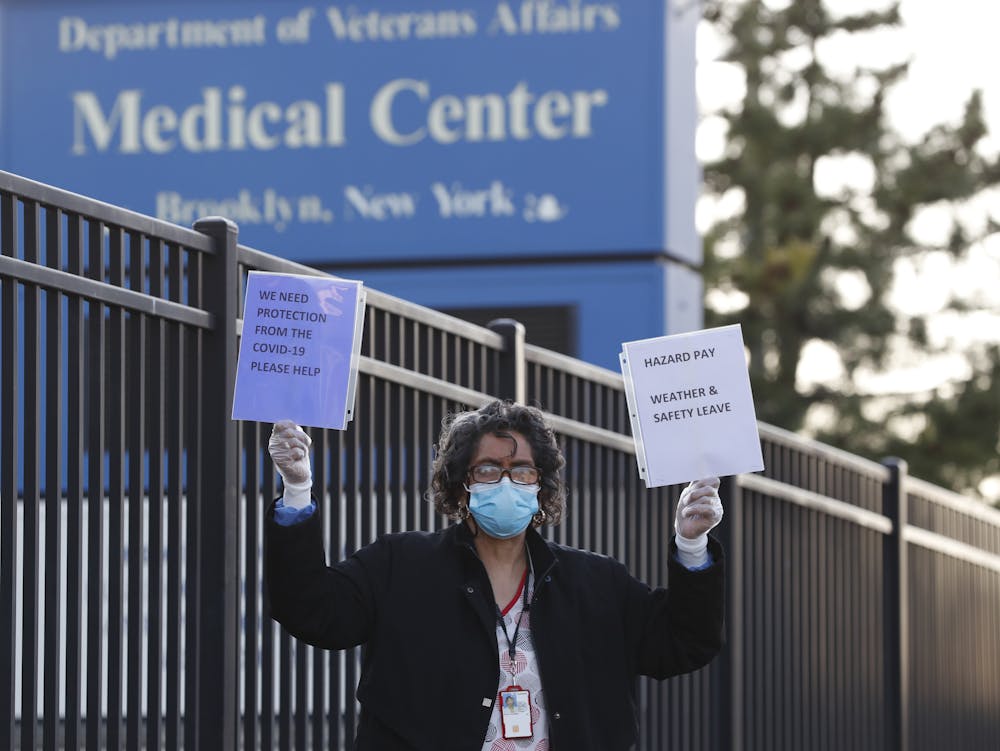
VA hospitals across the country are short-staffed and don’t have the resources they need to protect their workers. AP/Kathy Willens

The Veterans Administration frequently and perhaps unlawfully denies benefits to veterans with “other than honorable” discharges.

Many veterans have requested upgrades to their discharge status. There is a significant backlog of these upgrade requests, and the pandemic will add to it, further delaying access to health care and other benefits.

4. Diminished access to health care

Dental surgery, routine visits and elective surgeries at Veterans Administration medical centers have been postponed since mid-March. VA hospitals are understaffed – just before the pandemic, the VA reported 43,000 staff vacancies out of more than 400,000 health care staff positions. Access to health care will be even more difficult when those medical centers finally reopen because they may have far fewer workers than they need.

As of May 4, 2020, 2,250 VA health care workers have tested positive for COVID-19, and thousands of health care workers are under quarantine. The VA is asking doctors and nurses to come out of retirement to help already understaffed hospitals.

5. Mental health may get worse

An average of 20 veterans die by suicide every day. A national task force is currently addressing this scourge.

But many outpatient mental health programs are on hold or being held virtually. Some residential mental health facilities have closed.

Under these conditions, the suicide rate for veterans may grow. Suicide hotline calls by veterans were up by 12% on March 22, just a few weeks into the crisis.

6. Complications for homeless veterans and those in the justice system

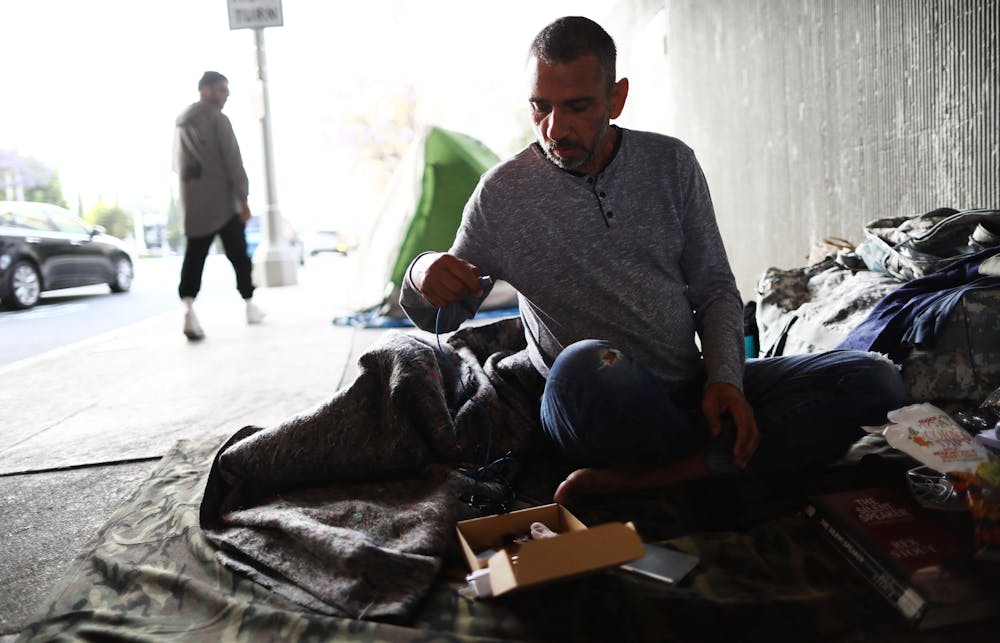
An estimated 45,000 veterans are homeless on any given night, and 181,500 veterans are in prison or jail. Thousands more are under court-supervised substance use and mental health treatment in veterans treatment courtsMore than half of veterans involved with the justice system have either mental health problems or substance use disorders.

As residential facilities close to new participants, many veterans eligible to leave prison or jail have nowhere to go. They may stay incarcerated or become homeless.

Courts have moved online or ceased formal operations altogether, meaning no veteran charged with a crime can be referred to a treatment court. It is unclear whether those who were already participating in a treatment program will face delays graduating from court-supervised treatments.

Further, some veterans treatment courts still require participants to take drug tests. With COVID-19 circulating, those participants must put their health at risk to travel to licensed testing facilities.

As veterans’ facilities close to new participants, many veterans eligible to leave prison or jail have nowhere to go and may become homeless, like this Navy veteran in Los Angeles. Getty/Mario Tama

7. Disability benefits delayed

In the pandemic’s epicenter in New York, tens of thousands of veterans should have access to VA benefits because of their low income – but don’t, so far.

The pandemic has exacerbated existing delays in finding veterans in need, filing their paperwork and waiting for decisions. Ryan Foley, an attorney in New York’s Legal Assistance Group, a nonprofit legal services organization, noted in a personal communication that these benefits are worth “tens of millions of dollars to veterans and their families” in the midst of a health and economic disaster.

All 56 regional Veterans Administration offices are closed to encourage social distancing. Compensation and disability evaluations, which determine how much money veterans can get, are usually done in person. Now, they must be done electronically, via telehealth services in which the veteran communicates with a health care provider via computer.

But getting telehealth up and running is taking time, adding to the longstanding VA backlog. Currently, more than 100,000 veterans wait more than 125 days for a decision. (That is what the VA defines as a backlog – anything less than 125 days is not considered a delay on benefit claims.)

8. Economic catastrophe

There are 1.2 million veteran employees in the five industries most severely affected by the economic fallout of the coronavirus.

A disproportionately high number of post-9/11 veterans live in some of the hardest-hit communities that depend on these industries. Veterans returning from overseas will face a dire economic landscape, with far fewer opportunities to integrate into civilian life with financial security.

In addition, severely disabled veterans living off of VA benefits were initially required to file a tax return to get stimulus checks. This initial filing requirement delayed benefits for severely disabled veterans by at least a month. The IRS finally changed the requirements after public outcry, given that many older and severely disabled veterans do not have access to computers or the technological skills to file electronically.

There are many social groups to pay attention to, all with their own problems to face during the pandemic. With veterans, many of the problems they face now existed long before the coronavirus arrived on U.S. shores.

But with the challenges posed by the situation today, veterans who were already lacking adequate benefits and resources are now in deeper trouble, and it will be harder to answer their needs.


Is it time for hospital at home?

https://mailchi.mp/f2774a4ad1ea/the-weekly-gist-may-22-2020?e=d1e747d2d8

JAMA - The John A. Hartford Foundation

We’ve long been intrigued by “hospital at home” care models, which deliver hospital-level care for acute conditions, supported by caregivers and technology, in a patient’s home. Stymied by the lack of payment, however, few health systems have pursued the approach. But as COVID-19 has made patients fearful of entering hospitals, we’ve had a flurry of health system leaders ask us whether they should consider launching a program now.

We think the answer is yes—with some caveats. A growing body of evidence supports its use. Cost of care is lower compared to a traditional inpatient stay. Patient satisfaction with care is high. And from a clinical perspective, hospital at home is well-established, capable of managing a number of mild- and moderate-acuity medical conditions, including exacerbations of chronic diseases like heart failure and diabetes, as well as infections like pneumonia and cellulitis, often better than a traditional hospital stay. Some programs are now using hospital at home for management of COVID-19 patients as well. Physician leaders we’ve spoken with are also interested in using the approach to manage post-operative recovery.

“Over half of our joint replacement patients spend time in skilled nursing or inpatient rehab,” one doctor told us. “People think those places are death traps now, and those cases aren’t coming back until we can find another way for them to recover.”

For patients averse to facility-based care, and systems wanting to offer an alternative, hospital at home sounds like a panacea. But experts recommend approaching it with a clear eye to the economics and ramp-up time, which can easily take 12 to 18 months. With emergency regulations released last month, Medicare will now provide payment for hospital care provided in an alternate setting, including the patient’s home—although it’s unclear whether that will continue once the COVID emergency ends. Commercial payer coverage usually requires a separate negotiation.

According to one leader, “Grass roots support of doctors is not enough. The CEO and CFO have to be on board with changing the care and payment model if it’s ever going to be more than a pilot.” But with patients and doctors becoming more comfortable with virtual care and open to new options, there is a a window of opportunity for expanding home-based care—and the longer the COVID-19 crisis lasts, the more hospital at home could provide a competitive advantage over being admitted to a busy, crowded inpatient hospital.


Employers seeking a “source of truth” for coronavirus guidance

https://mailchi.mp/f2774a4ad1ea/the-weekly-gist-may-22-2020?e=d1e747d2d8

What Is Truth? | Psychology Today

As states begin to reopen, employers need guidance to ensure safe, COVID-free operations, and are beginning to call local health systems for advice on how to manage this daunting task. Providing this support is uncharted territory for most systems, and they’re learning on the fly as they bring back shuttered outpatient services and surgery centers themselves. This week we convened leaders from across our Gist Healthcare membership to share ideas on how to assist employers in bringing businesses safely back online—and to discuss whether the pandemic might create broader opportunities for working with the employer community.

It’s no surprise some companies are hoping that providers can step in to test their full workforce, but as several systems shared, “Even if we thought that was the right plan, testing supplies and PPE are still too limited for us to deliver on it now.” Better to support businesses in creating comprehensive screening strategies (with some offering their own app-based solutions), coupled with a testing plan for symptomatic employees.

Health systems have been surprised by the hunger for information on COVID-19 among the business community. Hundreds of companies have registered for informational webinars, hosted by systems through their local chambers of commerce. They’re excited to receive distilled information on local COVID-19 impact and response. As one leader said, the system isn’t really creating new educational content, but rather summarizing and synthesizing CDC, state and local guidance.

Business leaders are looking for “a source of truth” from their local health system amid conflicting guidelines and media reports. Case in point: employers are asking about the need for antibody testing, having been approached by testing vendors and feeling pressure from employees. Guidance from system doctors provides a plain-spoken interpretation on testing utility (great for looking at a population, meaningless right now for an individual), and helps them make smarter decisions and educate their workforce.

Health systems are hopeful that helping employers through the coronavirus crisis will lay the foundation for longer-term partnerships with employers, allowing them to continue to provide benefits through lower cost, coordinated care and network options. 

Timing is critical, and it may be smaller businesses that have the ability to change more quickly. Large companies have mostly locked in their benefits for 2021, whereas many mid-market businesses are looking for alternative options now.

Worksite health, telemedicine, and direct primary care arrangements are all on the table. One system surveyed local brokers and employers and found that 20 percent of mid-market employers are open to narrow-network partnerships. “The number seems low,” they reported, “but it’s up from five percent last year, a huge jump.” For systems seeking direct partnerships with employers, there’s a window of opportunity right now to find those businesses committed to continuing to offer benefits, who are looking for a creative, local alternative—and to get that first Zoom meeting on the calendar.


Further confusion on the coronavirus testing front

https://mailchi.mp/f2774a4ad1ea/the-weekly-gist-may-22-2020?e=d1e747d2d8

Coronavirus test: confusion over availability and criteria is ...

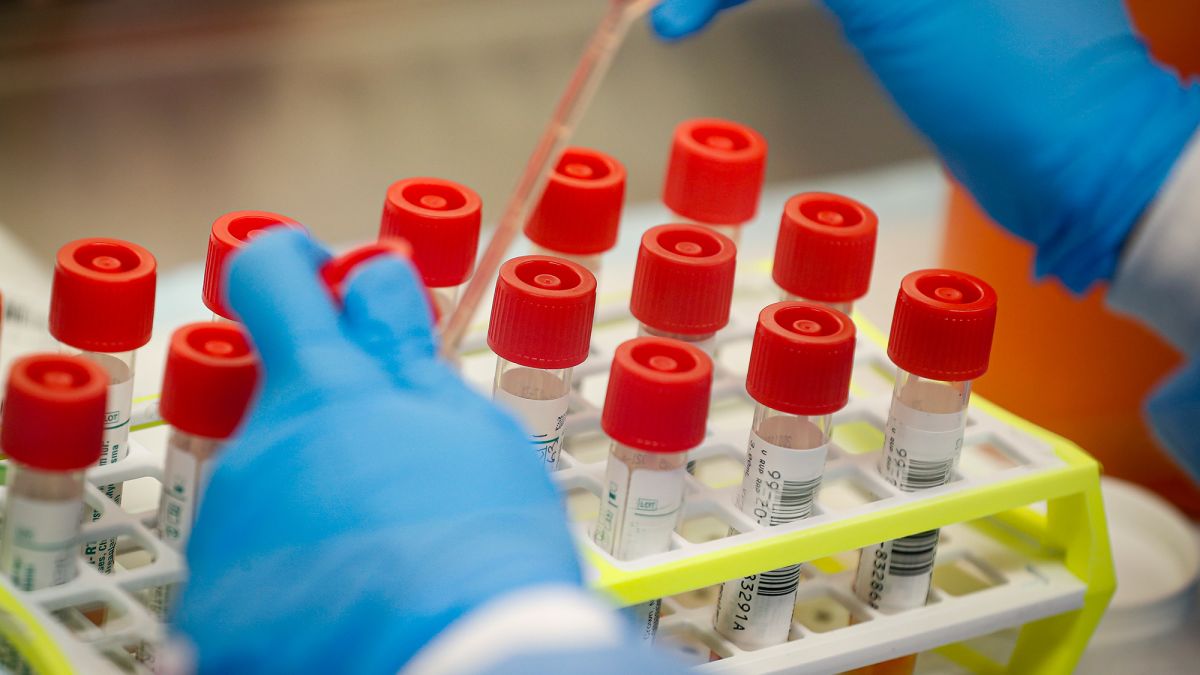
With all 50 states now in the process of reopening, data reported by public health agencies on coronavirus testing is under increased scrutiny. The issue is not how many tests are being conducted—that number has dramatically increased nationwide (although experts still caution that total testing should be about three times higher than the current 300,000 per day).

Rather, as reported this week, the issue is what kind of tests are being included in public reporting. It emerged this week that several states—including GeorgiaTexasPennsylvaniaVermont, and Virginia—have been combining statistics on polymerase chain reaction (PCR) tests, used to diagnose current infection, with antibody blood tests, used to detect past infection.

More troublingly, The Atlantic reported on Wednesday that the Centers for Disease Control and Prevention (CDC) has been doing the same thing, which artificially inflates the number of tests conducted, and makes the numbers difficult to interpret. Among other experts, Dr. Ashish Jha, director of Harvard’s Global Public Health Institute, was stunned: “You’ve got to be kidding me. How could the CDC make that mistake? This is a mess.”

Accurate testing data is critical to determine the pace and scope of reopening, and to monitor for resurgences of the virus that might necessitate future restrictions. It’s important to know who’s infected now for clinical reasons, and it’s essential to understand who’s already been sick for public health purposes. Combining the two datasets is positively unhelpful, and likely only serves a political purpose.

Testing problems have proven to be this country’s original sin in the way the coronavirus pandemic has evolved, but it’s not too late to make sure that we have ample, accurate, and well-reported testing to guide critical public health decisions.

US coronavirus update: 1.62M cases, 95K+ confirmed deaths, 12.9M tests conducted (of some type).