U.S. advisory group lays out detailed recommendations on how to prioritize Covid-19 vaccine

U.S. advisory group lays out detailed recommendations on how to prioritize Covid-19 vaccine

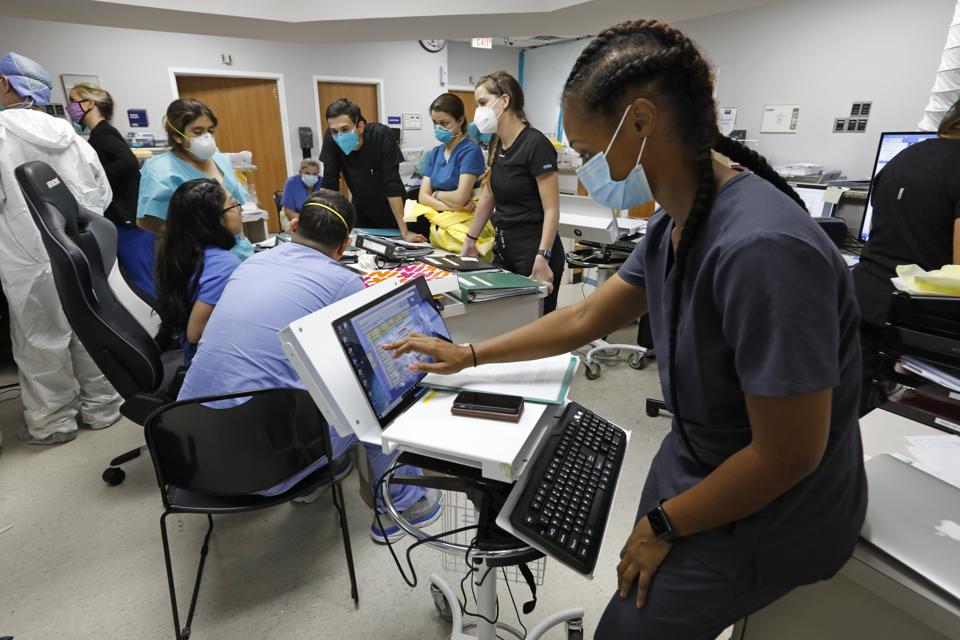
A new report that aims to prioritize groups to receive Covid-19 vaccine lays out detailed recommendations on who should be at the front of the line, starting with health care workers in high-risk settings, followed by adults of any age who have medical conditions that put them at significantly higher risk of having severe disease.

Also toward the front of the line would be older adults living in long-term care homes or other crowded settings.

The draft report, which runs 114 pages, was released Tuesday by the National Academies of Sciences, Engineering, and Medicine, which was tasked with the work by Francis Collins, director of the National Institutes of Health, and Robert Redfield, director of the Centers for Disease Control and Prevention.

A virtual public meeting on the recommendations will be held Wednesday afternoon, and the committee’s final report will be submitted later in September.

When Covid-19 vaccines are approved for use, initial supplies will be tight — potentially in the tens of millions of doses. Most of the vaccines under development will require two doses per person: a priming dose followed by a booster either three or four weeks later.

The report suggests that a second phase of vaccinations should involve critical risk workers — people in industries essential to the functioning of society — as well as teachers and school staff; people of all ages with an underlying health problem that increases the risk of severe Covid-19; all older adults not vaccinated in the first phase; people in homeless shelters and group homes, and prisons; and staff working in these facilities.

Young adults, children, and workers in essential industries not vaccinated previously would make up the third priority group. Remaining Americans who were not vaccinated in the first three groups would be offered vaccine during a fourth and final phase.

The report is meant to serve as a guide for more detailed prioritization plans on the order in which Americans will be offered vaccine. That more granular work is already being conducted by the Advisory Committee on Immunization Practices, an expert panel that crafts vaccination guidance for the CDC, and by state, local, and tribal health authorities, who must identify the actual people in their regions who fall into the priority groups.

There has been discussion of prioritizing people of color, who have been disproportionately badly hit in this pandemic. But the report does not recommend that Black, Hispanic, Latinx people, or American Indians or Alaskan natives be treated as a distinct priority group.

The committee suggested that there does not appear to be a biological reason for why these communities are more seriously affected by the pandemic. Instead, it argues, the high rates of infections and deaths in these communities are due to systemic racism that leads to higher levels of poor health and socioeconomic factors such as working in jobs that cannot be done from home or living in crowded settings.

The report therefore prioritized other factors — people with underlying medical problems, people living in crowded environments, for instance — rather than creating priority categories for racial or ethnic groups.

The ACIP’s recommendations will go to the CDC. It remains unclear, however, whether the CDC, Operation Warp Speed — the task force set up to fast-track development of Covid-19 vaccines, drugs and diagnostics — or the White House will make the final determinations on who will be vaccinated first.

The task of determining who should be at the front of the vaccines line is not an easy one, and must be made without key pieces of information. It’s not yet known how many vaccines will prove to be successful, when they will be approved for use and in what quantities. Critically, some vaccines may prove to be more effective in key groups — the elderly, for instance — than others. Knowing that in advance could influence the recommendations, but people working on the priority groups cannot wait for that information to become available.

Initial discussions suggest large numbers of Americans would qualify as members of priority groups, a reality that will likely require additional tough decisions to be made.

CDC estimates that there are between 17 million and 20 million health care workers in the country, and roughly 100 million people with medical conditions that put them at increased risk of severe illness if they contract Covid-19. There are roughly 53 million Americans aged 65 and older and 100 million people in jobs designated as essential services. There is some overlap among these groups — health workers, for instance, are also essential workers.

report released last month by the Johns Hopkins Center for Health Security recommended dividing priority groups into two tiers, with health workers and others essential to the Covid-19 response in the first tier and other health workers in the second.

In that report, people at greatest risk and their caregivers, and workers most essential to maintaining core societal functions would also be designated to be in the first tier.


2020 Health Care Legislative Guide

https://unitedstatesofcare.org/resources/2020-health-care-legislative-guide/

Pennsylvania 2020 Health Care Legislative Guide - United States of Care

ABOUT THE UNITES STATES OF CARE

United States of Care is a nonpartisan nonprofit working to ensure every person in America has access to
quality, affordable health care regardless of health status, social need or income. USofCare works with elected
officials and other state partners across the country by connecting with our extensive health care expert
network and other state leaders; providing technical policy assistance; and providing strategic communications
and political support. Contact USofCare at help@usofcare.org

Health care remains one of the most important problems facing America.

Voters are concerned about access to and the cost for health care and insurance.

Health Care During the COVID Pandemic
The COVID-19 pandemic has illuminated the need for effective solutions that address both the immediate
challenges and the long-term gaps in our health care systems to ensure people can access quality health care
they can afford. Americans are feeling a mix of emotions related to the pandemic, and those emotions are
overwhelmingly negative.*

In addition, the pandemic has illuminated deficiencies of our health care system.

People feel that the U.S. was caught unprepared to handle the pandemic and our losses have
been greater than those of other countries.

People blame government for the inadequate pandemic response, not health care systems.

Health Care During the COVID Pandemic

The COVID-19 pandemic has illuminated the need for effective solutions that address both the immediate challenges and the long-term gaps in our health care systems to ensure people can access quality health care they can afford. In the wake of COVID, policymakers have a critical opportunity to enact solutions to meet their constituents’ short- and long-term health care needs. The 2020 Health Care Legislative Candidate Guide provides candidates with public opinion data, state-specific health care information, key messages and ideas for your health care platform.

Key Messages for Candidates:

  • Acknowledge the moment: “Our country is at a pivotal moment. The pandemic, economic recession, and national discussion on race have created a renewed call for action. They have also magnified the critical problems that exist in our health care system.”
  • Take an active stance: “It is long past time to examine our systems and address gaps that have existed for decades. We must find solutions and common ground to build a health care system that serves everyone.”
  • Commit to prioritizing people’s needs: “I will put people’s health care needs first and I’m already formalizing the ways I gather input and work with community and business leaders to put effective solutions in place.”
  • Commit to addressing disparities and finding common ground: “The health care system, as it’s currently structured, isn’t working for far too many. I will work to address the lack of fairness and shared needs to build a health care system that works for all of us.”

Click to access USC_Generic_CandidateEducationGuide.pdf


Promising State Policies to Respond to People’s Health Care Needs

In the wake of COVID, policymakers have a critical opportunity to enact solutions to meet their constituents’
short- and long-term health care needs. Shared needs and expectations are emerging in response to the
pandemic, including the desire for solutions that:

Ensure individuals are able to provide for themselves and their loved ones, especially those worried about
the financial impact of the pandemic.

• Protect against high out-of-pocket costs.
• Expand access to telehealth services for people who prefer it to improve access to care.
• Extend Medicaid coverage for new moms to remove financial barriers to care to support healthier moms
and babies.

Ensure a reliable health care system that is fully resourced to support essential workers and available when
it is needed, both now and after the pandemic.

• Ensure safe workplaces for front-line health care workers and essential workers and increase the capacity to
maintain a quality health care workforce.
• Support hospitals and other health care providers, particularly those in rural or distressed areas.
• Expand mental health services and community workforce to meet increased need.

Ensure a health care system that cares for everyone, including people who are vulnerable and those who
were already struggling before the pandemic hit.

• Adopt an integrated approach to people’s overall health by coordinating people’s physical health, behavioral health
and social service needs.
• Establish coordinated data collection to quickly address needs and gaps in care, especially in vulnerable
communities.

Provide accurate information and clear recommendations on the virus and how to stay healthy and safe.
• Build and maintain capacity for detailed and effective testing and surveillance of the virus.
• Resource and implement contact tracing by utilizing existing programs in state health departments, pursuing
public-private partnerships, or app-based solutions while also ensuring strong privacy protections.


BY THE NUMBERS

The pandemic is showing different impacts for people across the country
that point to larger challenges individuals and families are grappling.

A disproportionate number of those infected by COVID-19 are Black, Indigenous, and people of color. According to recent CDC data, 31.4% of cases and 17% of deaths are among Latino residents and 19.9% of cases and 22.4% of deaths were among Black residents.ix They make up 18.5% and 13.4% of the total population, respectively.

Seniors are at greatest risk. According to a CDC estimate on August 1, 2020, 80% of COVID-19 deaths were among patients ages 65 and older. In 2018, only 16% of Americans were in this age range.

Access to health care in rural areas has only become more challenging during the pandemic and will likely have lasting impacts on rural communities.

The economic fallout of the pandemic has caused nearly 27 million Americans to lose their employer-based health insurance. An estimated 12.7 million would be eligible for Medicaid; 8.4 million could qualify for subsidies on exchanges; leaving 5.7 million who would need to cover the cost of health insurance policies (COBRA policies averaged $7,188 for a single person to $20,576 for a family of four) or remain uninsured.


Diabetes highlights two Americas: One where COVID is easily beaten, the other where it’s often devastating

https://www.usatoday.com/story/news/health/2020/07/27/diabetes-and-covid-two-americas-health-problems/5445836002/?utm_source=Sailthru&utm_medium=email&utm_campaign=Issue:%202020-07-27%20Healthcare%20Dive%20%5Bissue:28706%5D&utm_term=Healthcare%20Dive

What You Need to Know about Diabetes and the Coronavirus | diaTribe

Dr. Anne Peters splits her mostly virtual workweek between a diabetes clinic on the west side of Los Angeles and one on the east side of the sprawling city. 

Three days a week she treats people whose diabetes is well-controlled. They have insurance, so they can afford the newest medications and blood monitoring devices. They can exercise and eat well.  Those generally more affluent West L.A. patients who have gotten COVID-19 have developed mild to moderate symptoms – feeling miserable, she said – but treatable, with close follow-up at home.

“By all rights they should do much worse, and yet most don’t even go to the hospital,” said Peters, director of the USC Clinical Diabetes Programs.

On the other two days of her workweek, it’s a different story.

In East L.A., many patients didn’t have insurance even before the pandemic. Now, with widespread layoffs, even fewer do. They live in “food deserts,” lacking a car or gas money to reach a grocery store stocked with fresh fruits and vegetables. They can’t stay home, because they’re essential workers in grocery stores, health care facilities and delivery services. And they live in multi-generational homes, so even if older people stay put, they are likely to be infected by a younger relative who can’t.

They tend to get COVID-19 more often and do worse if they get sick, with more symptoms and a higher likelihood of ending up in the hospital or dying, said Peters, also a member of the leadership council of Beyond Type 1, a diabetes research and advocacy organization. 

“It doesn’t mean my East Side patients are all doomed,” she emphasized.

But it does suggest COVID-19 has an unequal impact, striking people who are poor and already in ill health far harder than healthier, better off people on the other side of town.

Tracey Brown has known that for years.

“What the COVID-19 pandemic has done is shined a very bright light on this existing and pervasive problem,” said Brown, CEO of the American Diabetes Association. Along with about 32 million others – roughly 1 in 10 Americans – Brown has diabetes herself.

“We’re in 2020, and every 5 minutes, someone is losing a limb” to diabetes, she said. “Every 10 minutes, somebody is having kidney failure.”

Americans with diabetes and related health conditions are 12 times more likely to die of COVID-19 than those without such conditions, she said. Roughly 90% of Americans who die of COVID-19 have diabetes or other underlying conditions. And people of color are over-represented among the very sick and the dead.

Diabetes and COVID: Coronavirus highlights America's health problems

Diabetes increases COVID risk

The data is clear: People with diabetes are at increased risk of having a bad case of COVID-19, and diabetics with poorly controlled blood sugar are at even higher risk, said Liam Smeeth, dean of the faculty of epidemiology and population health at the London School of Hygiene and Tropical Medicine. He and his colleagues combed data on 17 million people in the U.K. to come to their conclusions.

Diabetes often comes paired with other health problems – obesity and high blood pressure, for instance. Add smoking, Smeeth said, and “for someone with diabetes in particular, those can really mount up.”

People with diabetes are more vulnerable to many types infections, Peters said, because their white blood cells don’t work as well when blood sugar levels are high. 

“In a test tube, you can see the infection-fighting cells working less well if the sugars are higher,” she said.

Peters recently saw a patient whose diabetes was triggered by COVID-19, a finding supported by one recent study.

Going into the hospital with any viral illness can trigger a spike in blood sugar, whether someone has diabetes or not. Some medications used to treat serious cases of COVID-19 can “shoot your sugars up,” Peters said.

In patients who catch COVID-19 but aren’t hospitalized, Peters said, she often has to reduce their insulin to compensate for the fact that they aren’t eating as much.

Low income seems to be a risk factor for a bad case of COVID-19, even independent of age, weight, blood pressure and blood sugar levels, Smeeth said. “We see strong links with poverty.”

Some of that is driven by occupational risks, with poorer people unable to work from home or avoid high-risk jobs. Some is related to housing conditions and crowding into apartments to save money. And some, may be related to underlying health conditions.

But the connection, he said, is unmistakable.

Peters recently watched a longtime friend lose her husband. Age 60 and diabetic, he was laid off due to COVID, which cost him his health insurance. He developed a foot ulcer that he couldn’t afford to treat. He ignored it until he couldn’t stand anymore and then went to the hospital.

After surgery, he was released to a rehabilitation facility where he contracted COVID. He was transferred back to the hospital, where he died four days later.

“He died, not because of COVID and not because of diabetes, but because he didn’t have access to health care when he needed it to prevent that whole process from happening,” Peters said, adding that he couldn’t see his family in his final days and died alone. “It just breaks your heart.”

Taking action on diabetes– personally and nationally

Now is a great time to improve diabetes control, Peters added. With many restaurants and most bars closed, people can have more control over what they eat. No commuting leaves more time for exercise.

That’s what David Miller has managed to do. Miller, 65, of Austin, Texas, said he has stepped up his exercise routine, walking for 40 minutes four mornings a week at a nearby high school track. It’s cool enough at that hour, and the track’s not crowded, said Miller, an insurance agent, who has been able to work from home during the pandemic. “That’s more consistent exercise than I’ve ever done.”

His blood sugar is still not where he wants it to be, he said, but his new fitness routine has helped him lose a little weight and bring his blood sugar under better control. Eating less remains a challenge. “I’m one of those middle-aged guys who’s gotten into the habit of eating for two,” he said. “That can be a hard habit to shake.”

Miller said he isn’t too worried about getting COVID-19.

“I’ve tried to limit my exposure within reason,” he said, noting that he wears a mask when he can in public. “I honestly don’t feel particularly more vulnerable than anybody else.”

Smeeth, the British epidemiologist, said even though they’re at higher risk for bad outcomes, people with diabetes should know that they’re not helpless. 

“The traditional public health messages – don’t be overweight, give up smoking, keep active  – are still valid for COVID,” he said. Plus, people with diabetes should prioritize getting a flu vaccine this fall, he said, to avoid compounding their risk.

(For more practical recommendations for those living with diabetes during the pandemic, go to coronavirusdiabetes.org.)

In Los Angeles, Peters said, the county has made access to diabetes medication much easier for people with low incomes. They can now get three months of medication, instead of only one. “We refill everybody’s medicine that we can to make sure people have the tools,” she said, adding that diabetes advocates are also doing what they can to help people get health insurance.

Controlling blood sugar will help everyone, not just those with diabetes, Peters said. Someone hospitalized with uncontrolled blood sugar takes up a bed that could otherwise be used for a COVID-19 patient. 

Brown, of the American Diabetes Association, has been advocating for those measures on a national level, as well as ramping up testing in low-income communities. Right now, most testing centers are in wealthier neighborhoods, she said, and many are drive-thrus, assuming that everyone who needs testing has a car.

Her organization is also lobbying for continuity of health insurance coverage if someone with diabetes loses their job, as well as legislation to remove co-pays for diabetes medication.

“The last thing we want to have happen is that during this economically challenged time, people start rationing or skipping their doses of insulin or other prescription drugs,” Brown said. That leads to unmanaged diabetes and complications like ulcers and amputations. “Diabetes is one of those diseases where you can control it. You shouldn’t have to suffer and you shouldn’t have to die.”


‘The virus doesn’t care about excuses’: US faces terrifying autumn as Covid-19 surges

https://www.theguardian.com/world/2020/jul/18/us-coronavirus-fall-second-wave-autumn
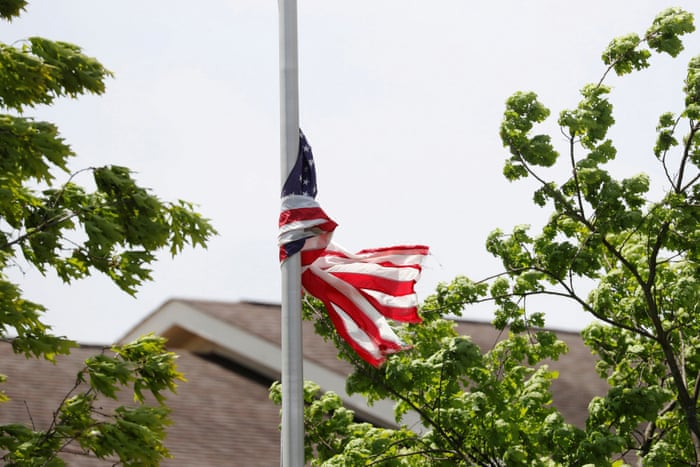
The breathing space afforded by lockdowns in the spring has been squandered, with new cases running at five times the rate of the whole of Europe. Things will only get worse, experts warn.

In early June, the United States awoke from a months-long nightmare.

Coronavirus had brutalized the north-east, with New York City alone recording more than 20,000 deaths, the bodies piling up in refrigerated trucks. Thousands sheltered at home. Rice, flour and toilet paper ran out. Millions of jobs disappeared.

But then the national curve flattened, governors declared success and patrons returned to restaurants, bars and beaches. “We are winning the fight against the invisible enemy,” vice-president Mike Pence wrote in a 16 June op-ed, titled, “There isn’t a coronavirus ‘second wave’.”

Except, in truth, the nightmare was not over – the country was not awake – and a new wave of cases was gathering with terrifying force.

As Pence was writing, the virus was spreading across the American south and interior, finding thousands of untouched communities and infecting millions of new bodies. Except for the precipitous drop in New York cases, the curve was not flat at all. It was surging, in line with epidemiological predictions.

Now, four months into the pandemic, with test results delayed, contact tracing scarce, protective equipment dwindling and emergency rooms once again filling, the United States finds itself in a fight for its life: swamped by partisanship, mistrustful of science, engulfed in mask wars and led by a president whose incompetence is rivaled only by his indifference to Americans’ suffering.

With flu season on the horizon and Donald Trump demanding that millions of students return to school in the fall – not to mention a presidential election quickly approaching – the country appears at risk of being torn apart.

“I feel like it’s March all over again,” said William Hanage, a professor of epidemiology at the Harvard TH Chan School of Public Health. “There is no way in which a large number of cases of disease, and indeed a large number of deaths, are going to be avoided.”

The problem facing the United States is plain. New cases nationally are up a remarkable 50% over the last two weeks and the daily death toll is up 42% over the same period. Cases are on the rise in 40 out of 50 states, Washington DC and Puerto Rico. Last week America recorded more than 75,000 new cases daily – five times the rate of all Europe.

“We are unfortunately seeing more higher daily case numbers than we’ve ever seen, even exceeding pre-lockdown times,” said Jennifer Nuzzo, an epidemiologist at the Johns Hopkins Center for Health Security. “The number of new cases that occur each day in the US are greater than we’ve yet experienced. So this is obviously a very worrisome direction that we’re headed in.”

The mayor of Houston, Texas, proposed a “two-week shutdown” last week after cases in the state climbed by tens of thousands. The governor of California reclosed restaurants, churches and bars, while the governors of Louisiana, Alabama and Montana made mask-wearing in public compulsory.

“Today I am sounding the alarm,” Governor Kate Brown said. “We are at risk of Covid-19 getting out of control in Oregon.”

As dire as the current position seems, the months ahead look even worse. The country anticipates hundred of thousands of hospitalizations, if the annual averages hold, during the upcoming flu season. Those hospitalizations will further strain the capacity of overstretched clinics.

But a flu outbreak could also hamper the country’s ability to fight coronavirus in other ways. Because the two viruses have similar symptoms – fever, chills, diarrhea, fatigue – mistaken diagnoses could delay care for some patients until it’s too late, and make outbreaks harder to catch, one of the country’s top health officials has warned.

“I am worried,” Dr Robert Redfield, the director of the Centers for Disease Control (CDC), said last week. “I do think the fall and the winter of 2020 and 2021 are probably going to be one of the most difficult times that we have experienced in American public health because of … the co-occurrence of Covid and influenza.”

Other factors will be in play. A precipitous reopening of schools in the fall, as demanded by Trump and the education secretary, Betsy DeVos, without safety measures recommended by the CDC, could create new superspreader events, with unknown consequences for children.

“We would expect that to be throwing fuel on the fire,” said Hanage of blanket school reopenings. “So it’s going to be bad over the next month or so. You can pretty much expect it to be getting worse in the fall.”

The list of aggravating circumstances goes on and on. A federal unemployment assistance program that gave each claimant an extra $600 a week is set to expire at the end of July. A new coronavirus relief package is being held up in Congress by Republicans’ accusations that states are wasting money, and their insistence that any new legislation include liability protections for businesses that reopen during the pandemic.
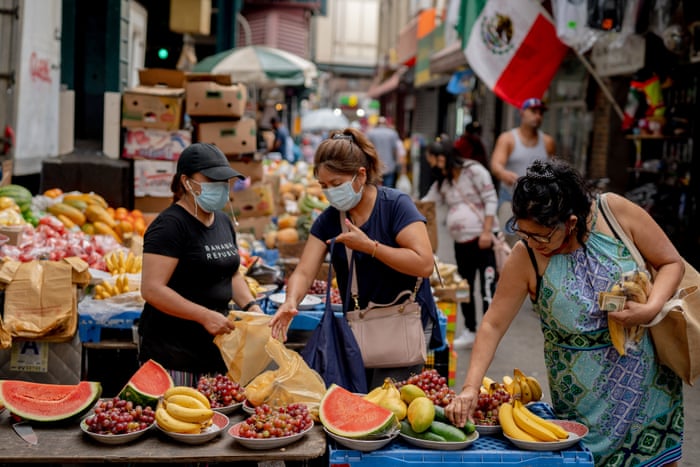
Cable broadcasts and social media have been filled, meanwhile, with video clips of furious confrontations on sidewalks, in stores and streets over wearing facial masks. In Michigan, a sheriff’s deputy shot dead a man who had stabbed another man for challenging him about not wearing a mask at a convenience store. In Georgia, the Republican governor sued the Democratic mayor of Atlanta for issuing a city-wide mask mandate.

The partisan divide on masks is slowly closing as the outbreaks intensify. The share of Republicans saying they wear masks whenever they leave home rose 10 points to 45% in the first two weeks of July, while 78% of Democrats reported doing so, according to an Axios-Ipsos poll.

Another divide has proven tragically resilient. As hotspots have shifted south, the virus continues to affect Black and Latinx communities disproportionately. Members of those communities are three times as likely to become infected and twice as likely to die from the virus as white people, according to data from early July.

The raging virus has prompted speculation in some corners that the only way out for the United States is through some kind of “herd immunity” achieved by simply giving up. But that grossly underestimates the human tragedy such a scenario would involve, epidemiologists say, in the form of tens of millions of new cases and unknown thousands of deaths.

“I think that every single serology study that’s been done to date suggests that the vast majority of Americans have not yet been exposed to this virus,” Nuzzo said. “So we’re still very much in the early stages.

“Which is good, that’s actually really good news. I don’t want to strive for herd immunity, because that means the vast majority of us will get sick and that will mean many, many more deaths. The point is to slow the spread as much as possible, protect ourselves as much as possible, until we have other tools.”

But the ability of the US to take that basic step – to slow the spread, as dozens of other countries have done – is in perilous doubt. After half a year, the Trump administration has made no effort to establish a national protocol for testing, contact tracing and supported isolation – the same proven three-pronged strategy by which other countries control their outbreaks.

Critics say that instead, Trump has dithered and denied as the national death toll climbed to almost 140,000. The Democratic presidential candidate, Joe Biden, who is hoping to unseat Trump in November, blasted the president for refusing until recently to wear a mask in public.

“He wasted four months that Americans have been making sacrifices by stoking divisions and actively discouraging people from taking a very basic step to protect each other,” Biden said in a statement last weekend.
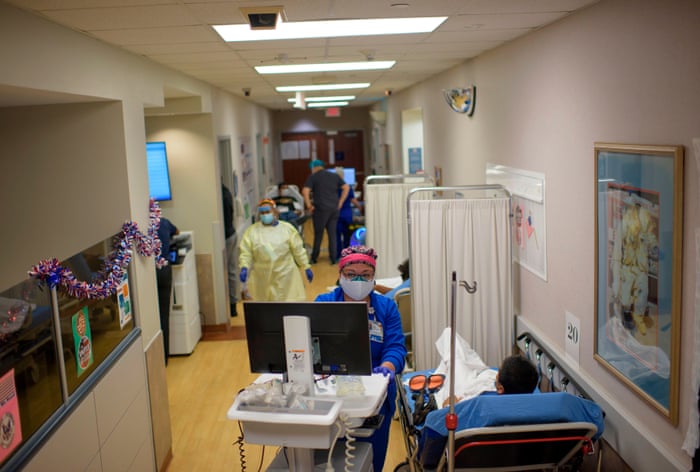
Meanwhile the White House has attacked Dr Anthony Fauci, the country’s foremost expert on infectious diseases whose refusal to lie to the public has enraged Trump, by publishing an op-ed signed by one of the president’s top aides titled “Anthony Fauci has been wrong about everything I have interacted with him on” and by releasing a file of opposition research to the Washington Post.

Trump claimed the number of cases was a function of unusually robust testing, though experts said that positivity rates of 20% in multiple states suggested that the United States is testing too little – and that in any case closing one’s eyes to the problem by testing less would not make it go away.

“We’ve done 45 million tests,” Trump said this week, padding the figure only slightly. “If we did half that number, you’d have half the cases, probably around that number. If we did another half of that, you’d have half the numbers. Everyone would be saying we’re doing well on cases.”

Such statements by Trump have encouraged unfavorable comparisons of the US pandemic response with those in countries such as Italy, which recorded just 169 new cases on Monday after a horrific spring, and South Korea, which has kept cases in the low double-digits since April.

But the United States could also look to many African countries for lessons in pandemic response, said Amanda McClelland, who runs a global epidemic prevention program at Resolve to Save Lives.

“We’ve seen some good success in countries like Ghana, who have really focused on contact tracing, and being able to follow up superspreading events,” said McClelland. “We see Ethiopia: they kept their borders open for a lot longer than other countries, but they have really aggressive testing and active case-finding to make sure that they’re not missing cases.

“I think what we’ve seen is that you need not just a strong health system but strong leadership and governance to be able to manage the outbreak, and we’ve seen countries that have all three do well.”
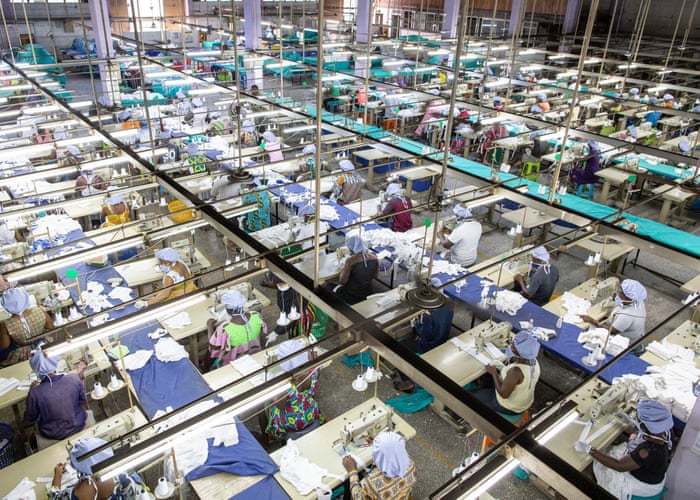
But in America, the large laboratories that process Covid-19 tests are unable to keep up with demand. Quest Diagnostics announced on Tuesday that the turnaround time for most non-emergency test results was at least seven days.

“We want patients and healthcare providers to know that we will not be in a position to reduce our turnaround times as long as cases of Covid-19 continue to increase dramatically,” the lab said.

“You can’t have unlimited lab capacity, and what we’ve done is allow, to some extent, cases to go beyond our capacity,” said McClelland. “We’re never going to be able to treat and track and trace uncontrolled transmission. This outbreak is just too infectious.”

Public health experts emphasize that the United States does not have to accept as its fate a cascade of tens of millions of new cases, and tens of thousands of deaths, in the months ahead. Focused leadership and individual resolve could yet help the country follow in the footsteps of other nations that have successfully faced serious outbreaks – and brought them under control.

But it is clear that the most vulnerable Americans, including the elderly and those with pre-existing conditions, face grave danger. Republicans have argued in recent weeks that while cases in the US have soared, death rates are not climbing so quickly, because the new cases are disproportionately affecting younger adults.

That is a false reassurance, health experts say, because deaths are a lagging indicator – cases necessarily rise before deaths do – and because large outbreaks among any demographic group speeds the virus’s ability to get inside nursing homes, care facilities and other places where residents are most vulnerable.

“If we don’t do anything to stop the virus, it’s going to be very difficult to prevent it from getting to people who will die,” said Nuzzo.

There is a question of whether the United States, for all its wealth and expertise – and its self-regard as an exceptional actor on the world stage – can summon the will to keep up the fight. People are tired of fighting the virus, and of fighting each other.

“I think unfortunately people are emotionally exhausted from having to think about and worry about this virus,” said Nuzzo. “They feel like they’ve already sacrificed a lot. So the worry that I have is, what willingness is there left, to do what it takes?”

It is as if the country is “treading water in the middle of the ocean”, Hanage said.

“People tend to be shuffling very quickly between denial and fatalism,” he said. “That’s really not helpful. There are a number of things that can be done.

“What I would hope is that this marks a point when the United States finally wakes up and realizes that this is a pandemic and starts taking it seriously.

“Folks tend to look at what has happened elsewhere and then they make up some kind of magical reason why it’s not going to happen to them.

“People keep making these excuses, and the virus doesn’t care about the excuses. The virus just keeps going. If you give it the opportunity, it will take it.”


Maps Of The USA That Made Us Say “Whoa”

https://www.ranker.com/list/maps-mash-v1/mel-judson?format=slideshow&slide=1

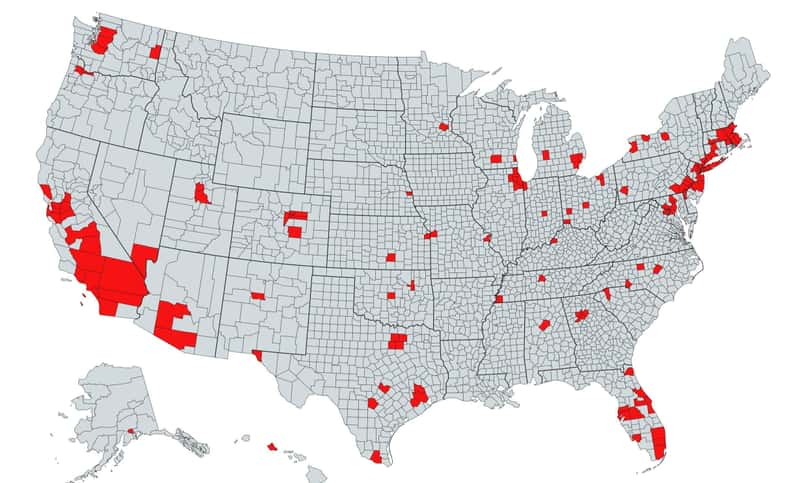
The Red Area Features A Total Population Greater Than The Grey

The state of the global race for a coronavirus vaccine

https://www.axios.com/race-for-coronavirus-vaccine-us-china-oxford-eace8d13-59b6-404f-9dd9-569d00e01f58.html

The state of the global race for a coronavirus vaccine - Axios

Vaccines from the U.K., U.S. and China are sprinting ahead in a global race that involves at least 197 vaccine candidates and is producing geopolitical clashes even as it promises a possible pandemic escape route.

Driving the news: The first two candidates to reach phase three trials — one from the University of Oxford and AstraZeneca, the other from China — both appear safe and produce immune responses, according to preliminary results published today in The Lancet.

  • A vaccine from Moderna, the U.S. biotech firm, is heading into phase three trials after similarly encouraging initial results.
  • There are at least 16 other vaccines currently in clinical trials in Australia, France, Germany, India, Russia, South Korea, the U.K., the U.S. and China, which is experimenting with a variety of vaccine types and has five candidates already in trials.

What they’re saying: Experts are increasingly confident that it’s no longer a question of if but when vaccines will be available.

  • “Absolutely, for sure, we will get more than one vaccine,” Barry Bloom, a professor of public health at Harvard, told reporters today.
  • He cautioned that it’s not yet clear which vaccines will win the race and that we won’t know how effective they are in protecting against COVID-19 — and for how long — until after phase three trials.

Pressed on when a vaccine could be approved, Bloom said that while it seemed “utterly crazy seven months ago,” January was looking increasingly realistic.

  • Richard Horton, The Lancet‘s editor-in-chief, is more cautious: “If we have a vaccine by the end of 2021, we will have done incredibly well.”
  • Zeke Emanuel, chair of the Department of Medical Ethics and Health Policy at the University of Pennsylvania, splits the difference: “Seven months after we got the genome, to have three vaccines in phase three is literally unprecedented. If in six to eight months we get a license, that will be, again, totally unprecedented in world history.”

But, but, but: “Getting something approved doesn’t protect you from COVID,” Emanuel warns.

  • The challenges of producing, distributing and delivering a vaccine (particularly in two doses, as the Oxford vaccine requires) around the entire world are hard to even fathom.
  • Even distributing a vaccine in one country will require an unprecedented buildup of facilities, materials (like glass vials), personnel and protocols, assuming enough people are even willing to take it.

Illustration of syringe in the earth

The global picture is even murkier. Several countries and pharmaceutical companies have committed to “fair and equitable” distribution.

  • In principle, that would suggest a vulnerable front-line worker in Uganda, say, should get the vaccine before a young, healthy person in the United States.
  • In practice, well … no one really knows.

The bottom line: “It’s very fragmented, and in some ways that’s understandable,” Horton says. “But the danger of that is that many countries will lose out and only the strongest country, the country with the most money, will win.”

  • If countries hoard supplies rather than prioritizing at-risk people elsewhere, Bloom says, “that should be a cause not just of global concern but of global shame.”

For now, governments are prioritizing their own populations.

  • The Trump administration is pouring at least $3.5 billion into the development and manufacture of three leading vaccine candidates, with the promise of hundreds of millions of doses should they prove safe and effective.
  • Even as the homegrown Oxford vaccine takes a global lead, the U.K. is hedging its bets by purchasing 90 million doses being developed by German and French companies.
  • The U.K. and U.S. have both also put in large pre-orders of the Oxford vaccine, though AstraZeneca says 1 billion doses will also be manufactured in India and distributed mainly to other low- and middle-income countries.
  • The WHO and EU are attempting to create a framework for distributing the vaccine globally, though the U.S. has declined to take part.

Illustration of syringes forming a health plus/cross

What to watch: Managing the largest vaccination project in history will clearly require global collaboration — but it’s also becoming a competition between rival powers.

  • Six months from now, we will be in a situation where a few countries will have vaccines, and we believe those countries will be the UK, Russia, China and the US,” Kirill Dmitriev, the head of Russia’s sovereign wealth fund, told the FT.

Between the lines: Others are less certain Russia will be in that group, though Dmitriev says a vaccine bankrolled by his fund and developed by the state-run Gamaleya Institute will move into phase three trials next month.

“Basically other countries will decide, you know, which vaccine to buy … and who do you trust?”

— Kirill Dmitriev

State of play: There’s a clear lack of trust among the competitors.

  • According to the U.S, U.K. and Canada, hackers linked to Russian military intelligence have attempted to steal vaccine research in order to aid their own efforts.
  • The U.S. has also accused China of pilfering American research.
  • House Republican leader Kevin McCarthy will introduce a bill on Tuesday that would sanction foreign hackers attempting to steal U.S. vaccine research, according to a copy of the bill obtained by Axios’ Alayna Treene.

Zoom out: It will be a victory for humanity when the first coronavirus vaccines are approved. But the competition to obtain one early goes beyond national pride.

  • Vaccines will save countless lives, drive economic recoveries, and could provide rare opportunities to generate goodwill and influence abroad.
  • “There’s a huge soft power advantage to the U.S. ensuring that other countries can get the vaccine and protect themselves,” Emanuel says. The same would, of course, be true for China.

The bottom line: The race is on, but it won’t end when the first vaccine is approved.


How the coronavirus pandemic became Florida’s perfect storm

https://theconversation.com/how-the-coronavirus-pandemic-became-floridas-perfect-storm-142333

How the coronavirus pandemic became Florida's perfect storm

If there’s one state in the U.S. where you don’t want a pandemic, it’s Florida. Florida is an international crossroads, a magnet for tourists and retirees, and its population is older, sicker and more likely to be exposed to COVID-19 on the job than the country as a whole.

When the coronavirus struck, the conditions there made it a perfect storm.

Florida set a single-day record for new COVID-19 cases in early July, passing 15,000 and rivaling New York’s worst day at the height of the pandemic there. The state has become an epicenter for the spread, with over 300,000 confirmed cases. Its hospital capacity is under stress, and the death toll has been rising.

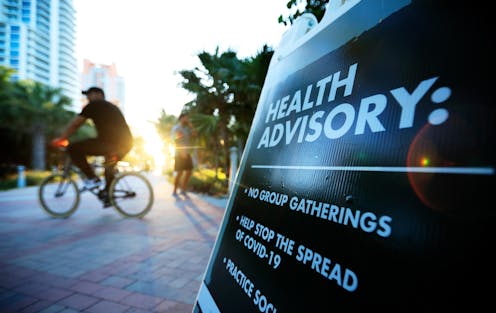
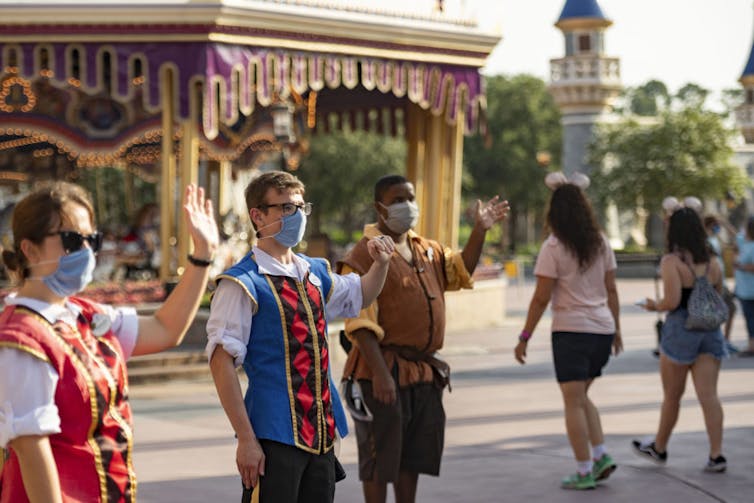
Despite these strains, Disney World reopened two theme parks on July 11, and Florida Gov. Ron DeSantis announced schools would reopen in August. The governor had shut down alcohol sales in bars in late June as case numbers skyrocketed, but he hasn’t made face masks mandatory or moved to shut down other businesses where the virus can easily spread.

As public health researchers, we have been studying how states respond to the pandemic. Florida stands out, both for its absence of statewide policies that could have stemmed the spread of COVID-19 and for some unique challenges that make those policies both more necessary and more difficult to implement than in many other states.

The challenges of economic pressures

Florida is one of nine states with no income tax on wages, so its tax base relies heavily on tourism and property in its high-density coastal areas. That puts more pressure on the government to keep businesses and social venues open longer and reopen them faster after shutdowns.

If you look closely at Florida’s economy, its vulnerabilities to the pandemic become evident.

The state depends on international trade, tourism and agriculture – sectors that rely heavily on lower-wage, often seasonal, workers. These workers can’t do their jobs from home, and they face financial barriers to getting tested, unless it’s provided through their employer or government testing sites. They also struggle with health care – Florida has a higher-than-average rate of people without health insurance, and it chose not to expand Medicaid.

In the tourism industry, even young, healthy employees typically at lower risk from COVID-19 can unknowingly spread the virus to visitors or vice versa. The tourism industry also encourages crowded bar and club scenes, where the governor has blamed young people for spreading the coronavirus.

The past few weeks have been emblematic of the economic battles facing a state that depends on tourism for both jobs and state revenues.

Even as the public health risks were quickly rising, businesses continued to open their doors. Major cruise lines planned to resume their itineraries in the fall. A note on the Universal Studios website read: “Exposure to COVID-19 is an inherent risk in any public location where people are present; we cannot guarantee you will not be exposed during your visit.”

Disney World reopened on July 11 with face mask requirements. Matt Stroshane via Disney

Reopening guidance has been largely ignored

The Governor’s Re-open Florida Taskforce issued guidelines in late April meant to lower the state’s coronavirus risk, but those guidelines have been largely ignored in practice.

No county in Florida has reduced cases or maintained the health care resources recommended by the task force. The data needed to fully assess progress are also questionable, given a recent scandal regarding the state data’s accuracy, availability and transparency.

Still, the coronavirus’s rapid surge in Florida is evident in the state-reported casesTesting lines are long, and almost 1 in 5 tests have been positive for COVID-19, suggesting the prevalence of infections is still increasing.

Florida’s patchwork of local rules also makes it hard to contain the virus’s spread.

With no statewide mask rules or plans to reverse reopeningother than for bars, communities and businesses have taken their own actions to implement public health precautions. The result is varying mask ordinances and restrictions on large gatherings in some cities but not those surrounding them. Though the Florida Department of Health has issued an advisory recommending face coverings, some local areas have voted down mask mandates.

More warning signs ahead

Late summer and fall will bring new challenges for Florida in terms of the virus’s spread and the state’s response to it.

That’s when Florida’s risk of hurricanes grows, and while Floridians are well-versed in hurricane preparedness, storm shelters aren’t designed for social distancing and will need careful plans for protecting nursing home residents. Storm cleanup could mean lots of people working in close proximity while protective gear is in short supply.

If Florida’s schools reopen fully, the risk of the virus rapidly spreading to teachers, parents and children who are more vulnerable is a real concern being weighed against the costs of keeping schools closed.

Colleges that reopen to classes and sporting events also raise the risk of spreading the virus in Florida communities. And the possible return of retirees who spend their winters in Florida would increase the high-risk population by late fall. One in five Florida residents is over age 65, giving the state one of the nation’s oldest populations – a risk factor, along with chronic illnesses, for severe symptoms with COVID-19.

Florida is also a battleground state for the upcoming presidential election, and that’s likely to mean campaign rallies and more close contact. The Republican National Convention was moved to Jacksonville after President Donald Trump complained that North Carolina might not let the GOP fill a Charlotte arena to capacity due to coronavirus restrictions. Florida organizers recently said they were considering holding parts of the convention outdoors.

The high number of cases being reported in Florida will lead to even more hospitalizations and fatalities in coming weeks and months. Without clear public health messages and precautions implemented and enforced across the state, the coronavirus forecast for the Sunshine State will remain stormy.


More young people are getting — and spreading — the coronavirus

https://www.axios.com/coronavirus-young-people-spread-5a0cd9e0-1b25-4c42-9ef9-da9d9ebce367.html

More young people are getting — and spreading — the coronavirus ...

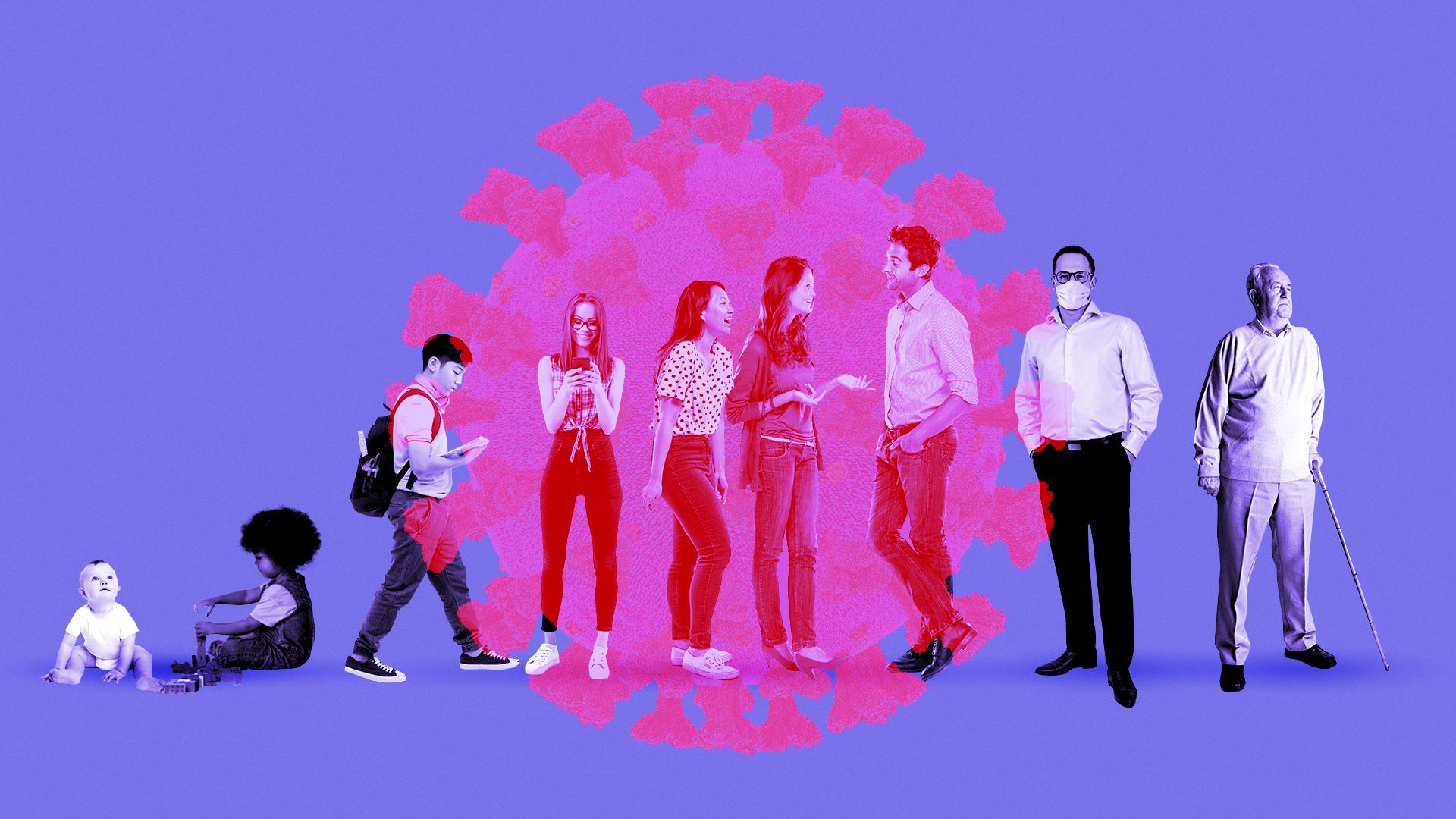
More young people are being infected with the coronavirus, and even though they’re less likely to die from it, experts warn the virus’ spread among young adults may further fuel outbreaks across the United States.

Why it matters: Some people in their 20s and 30s face serious health complications from COVID-19, and a surge in cases among young people gives the virus a bigger foothold, increasing the risk of infection for more vulnerable people.

  • We may see a pattern of younger people being affected initially, but then, in a number of weeks from now, we’re going to see a more deadly pandemic spreading to elderly people,” says Alison Galvani, an epidemiologist at Yale University.

People can transmit the virus without knowing they have it, and younger people, in particular, could be unknowingly spreading the disease.

  • A study in Italy, yet to be peer reviewed, found the probability of having symptoms increased with age and that among 20–39-year-olds only about 22% had a fever or respiratory symptoms (compared to about 35% of 60–79-year-olds).
  • About half of the clusters in a study in Japan were traced back to people ages 20–39 at karaoke bars, offices and restaurants — and 41% of them did not have symptoms at the time.
  • “Younger people are at lower risk for serious COVID outcomes but are disproportionately responsible for asymptomatic transmission,” says Galvani, who published a study earlier this week that found the majority of COVID-19 transmission is from silent carriers who are pre-symptomatic or asymptomatic.

By the numbers: From Arizona to Allegheny County, Pa., young people increasingly account for COVID-19 cases.

  • In the county of Los Angeles, nearly 50% of cases are now in people under 40 (compared to about 30% in April), per the LA Times.
  • In Harris County, Texas, home to Houston, 43% of the 40,000 cases are in people ages 20–39, as of yesterday.
  • In Florida, the median age of confirmed cases is hovering in the mid- to late-30s, compared to age 65 in March.

And the proportion of young people hospitalized for COVID-19 has also grown.

  • 40% of hospitalizations for COVID-19 at the end of June were for people 18–49-years-old, compared to 26% at the end of March, according to the COVID-NET database of hospitalizations in 14 states that represent about 10% of the U.S. population.

Between the lines: Yes, young people are going to bars and parties — but also to work.

  • 42% of people ages 18–39 said they had socialized without social distancing compared to 26% of people over 40, in a survey last month from the Democracy Fund + UCLA Nationscape.
  • 64% of frontline workers (grocery store clerks, health care workers, delivery drivers and other essential workers) are under 50.
  • There’s a need for better education so that young people choose to take steps to prevent infection, says Lauren Ancel Meyers, a mathematical epidemiologist at UT Austin.
  • “But it also might come down to policies or regulations that get employers to ensure they are providing a safe workplace or resources to protect 20, 30 and other age groups that are working for them.”

Where it stands: Young people are still much less likely to be hospitalized or die from the virus than people older than 60.

  • Yes, but: They can and do get very sick with the disease — from dangerous blood clots in their lungs to inflammation of the heart, lungs and even brain.
  • And the long-term consequences are unknown.
  • The risk is higher for young people of color: For example, the majority of coronavirus hospitalizations among Latino/Hispanic Americans are in people ages 18–49, my Axios colleague Caitlin Owens reported.

“The death rate among the young is not zero, and it is particularly not zero for people who have at least one co-morbid condition. This is not a completely benign disease of the young.”

— Joshua Schiffer, of the Fred Hutchinson Cancer Center

What to watch: “If hospitals are strained now dealing with younger cases, they are going to be all the more taxed when the age distribution of infections shifts to the elderly,” Galvani says.


Our new default coronavirus strategy: herd immunity

https://www.axios.com/newsletters/axios-vitals-8f089110-bdd3-440e-9f8a-d8e431e2e18e.html?utm_source=newsletter&utm_medium=email&utm_campaign=newsletter_axiosvitals&stream=top

The U.S.'s new default coronavirus strategy: herd immunity - Axios

By letting the coronavirus surge through the population with only minimal social distancing measures in place, the U.S. has accidentally become the world’s largest experiment in herd immunity.

Why it matters: Letting the virus spread while minimizing human loss is doable, in theory. But it requires very strict protections for vulnerable people, almost none of which the U.S. has established.

The big picture: Cases are skyrocketing, with hospitalizations and deaths following suit in hotspots. Not a single state has ordered another lockdown, even though per capita cases in Florida and Arizona have reached levels similar to New York and New Jersey’s in April.

  • Most states never built up the testing, contact tracing and isolation systems it would take to prevent the virus from spreading widely.
  • The Trump administration is generally ignoring or downplaying soaring caseloads across the South and West, and is pushing schools to fully reopen in the fall.
  • In Florida, where infections, hospitalizations and deaths are surging, Gov. Ron DeSantis “has repeatedly ruled out a sweeping mask mandate or taking the state back into a lockdown to stem the virus, although local governments have acted on their own,” per Bloomberg.

Between the lines: Separating older, sicker people from younger, healthier ones while the virus burns through the latter group could be a way to achieve herd immunity — assuming immunity exists — without hundreds of thousands of people dying.

  • But the U.S. hasn’t adopted such a strategy with any planning or foresight. Although younger people make up a larger portion of coronavirus cases now than they did earlier in the pandemic, vulnerable people still go to work or live with non-vulnerable people.

Yes, but: Some cities and states, particularly in the Northeast, are focused on containing the virus rather than living with it.


IHME Model Projects 208,255 U.S. Deaths By November, But Estimate Falls Sharply If Mask Use Increases

https://www.forbes.com/sites/mattperez/2020/07/07/imhe-model-projects-208255-us-deaths-by-november-but-estimate-falls-sharply-if-mask-use-increases/?utm_source=newsletter&utm_medium=email&utm_campaign=dailydozen&cdlcid=5d2c97df953109375e4d8b68#453db3d56f2e

IHME Model Projects 208,255 U.S. Deaths By November, But Estimate ...

TOPLINE

The University of Washington’s influential Covid-19 model, extended out to November 1 for the first time, estimates that 208,255 Americans will die from the virus by then, though, the death toll could be reduced by nearly 22% if mask use were to become widespread, researchers said.

KEY FACTS

The university’s Institute for Health Metrics and Evaluation (IHME) forecasts 162,808 deaths by November if at least 95% of people were to wear face coverings in public.

A Gallup poll released Monday found that 86% of adults wore masks in the past week.

Masks have become a political issue, with only 66% of Republicans reporting mask use in the poll, while President Trump continues to refuse to wear one in public and his campaign has declared them optional at recent public campaign events and rallies.

“Mask mandates delay the need for re-imposing closures of businesses and have huge economic benefits,” said IHME Director Dr. Christopher Murray.

The model anticipates a surge in deaths in September and October, with the IHME noting Tuesday that, “Current data show a strong statistical relationship between Covid-19 transmission and pneumonia seasonality, which is included as a covariate in the model.”

While many of the people infected during the current surge in cases worldwide have been on the younger side, and therefore at lower risk of death, the university warns its current projection could increase if the virus is spread to at-risk populations.

The U.S. is currently experiencing a surge in cases following the easing of social distancing policies, particularly in Southern and Western states, a situation that Dr. Anthony Fauci, the country’s top infectious disease official, characterized as “really not good” during an interview Monday.

CHIEF CRITIC

President Trump, who pushed back against Fauci’s comments on Tuesday. “Well, I think we are in a good place. I disagree with him,”Trump said, according to CNN. “Dr. Fauci said don’t wear masks and now he says wear them. And he said numerous things. Don’t close off China. Don’t ban China. I did it anyway. I didn’t listen to my experts and I banned China. We would have been in much worse shape.”

BIG NUMBER

57,718. That’s the new daily record for confirmed cases of Covid-19 in the U.S., reached on July 2, according to the CDC. The toll has been broken several times since June, the previous high coming in early April with 43,438. The U.S. leads the world in cases of the coronavirus with 2,981,602, as well as reported deaths with 131,248.

TANGENT

Both Fauci and Murry at the IHME agree that the U.S. is still deep into its first wave, as exemplified by Texas, which broke its records for cases, hospitalizations and deaths on Tuesday. Because of the situation, Houston Mayor Sylvester Turner urged Texas’ GOP on Monday to cancel its in-person convention set for next week.