Insurers, retailers, and other healthcare companies vastly exceed health system scale, dwarfing even the largest hospital systems. The graphic above illustrates how the largest “mega-systems” lag other healthcare industry giants, in terms of gross annual revenue.
Amazon and Walmart, retail behemoths that continue to elbow into the healthcare space, posted 2021 revenue that more than quintuples that of the largest health system, Kaiser Permanente. The largest health systems reported increased year-over-year revenue in 2021, largely driven by higher volumes, as elective procedures recovered from the previous year’s dip.
However, according to a recent Kaufman Hall report, while health systems, on average, grew topline revenue by 15 percent year-over-year, they face rising expenses, and have yet to return to pre-pandemic operating margins.
Meanwhile, the larger companies depicted above, including Walmart, Amazon, CVS Health, and UnitedHealth Group, are emerging from the pandemic in a position of financial strength, and continue to double down on vertical integration strategies, configuring an array of healthcare assets into platform businesses focused on delivering value directly to consumers.
Amazon Care, which contracts with employers, will now deliver its virtual care services nationwide. It also plans to expand its hybrid service offering—in which care is delivered by nurses dispatched to employees’ homes—to more than 20 new cities this year, including San Francisco, Miami, Chicago, and New York City. The company also announced it has secured new contracts with its subsidiary Whole Foods Market, as well as Hilton Hotels, semiconductor manufacturing company Silicon Labs, and staffing and recruiting firm TrueBlue.
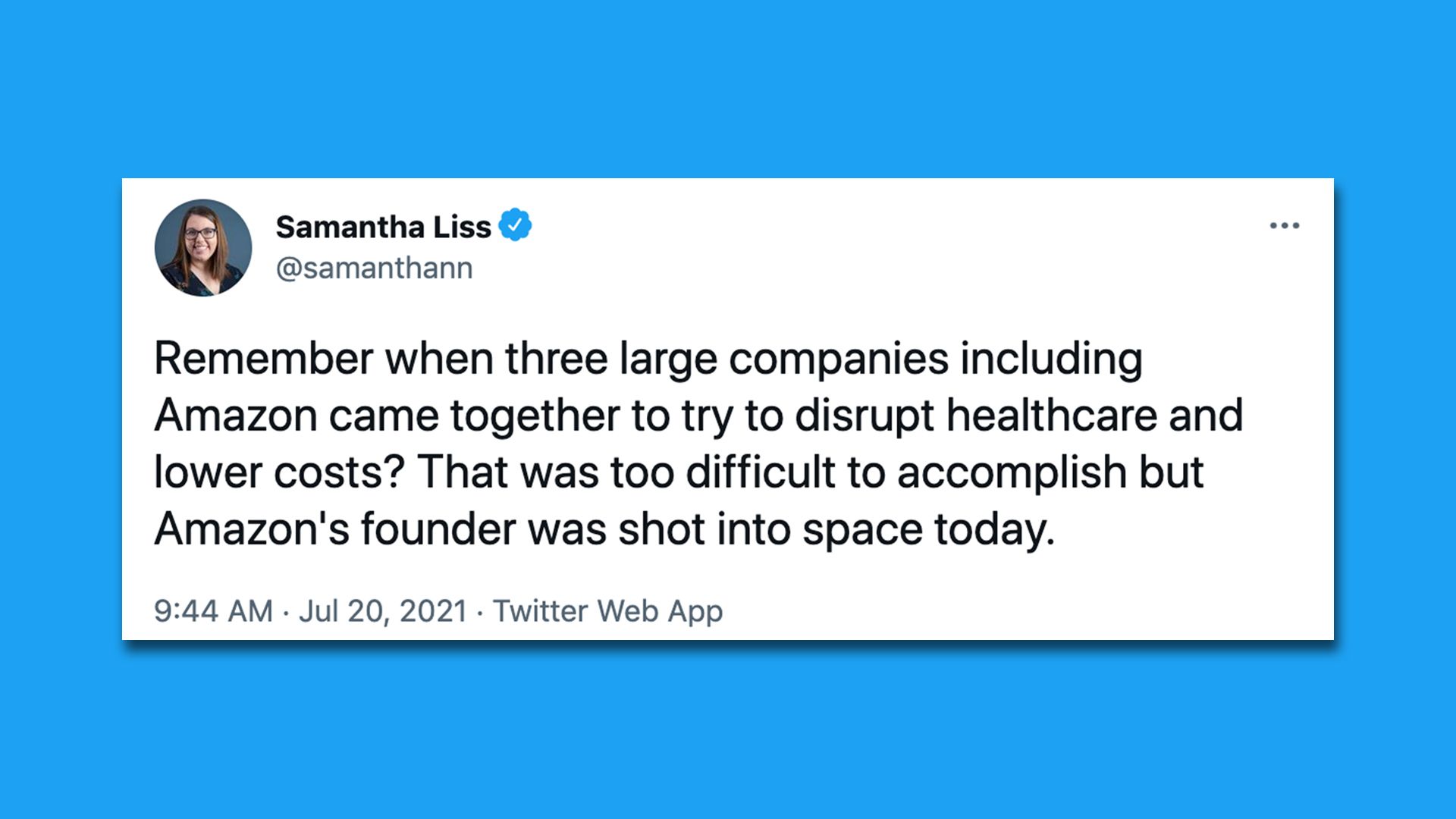
The Gist: Amazon Care is looking to differentiate itself with a virtual-first, asset-light, hybrid service offering. But given the slow-moving and complex nature of employee health benefit contracting, Amazon’s recent moves could displace employer-facing point solutions, but present less of a threat to incumbent providers, instead offering a partnership opportunity for downstream care.
Ultimately, Amazon could combine its care delivery offerings with its pharmacy and diagnostics businesses to launch a robust direct-to-consumer offering—should the company find healthcare a lucrative and manageable market.
CVS Health announced it has struck a deal with Medable, a decentralized clinical trial software company, incorporating its offerings into MinuteClinics to help reach more patients for late-stage clinical trials. With over 40 percent of Americans living near a CVS pharmacy, CVS says it can help gather data and manage patients at MinuteClinic locations, and through its home infusion service, Coram. CVS has already cut its teeth in the clinical research space by conducting COVID-19 vaccine and treatment trials and testing home dialysis machines, and said it plans to engage 10M patients and open up to 150 community research sites this year.
The Gist: With this deal, CVS Health joins companies like Verily, Alphabet’s life sciences subsidiary, in taking advantage of patient appetite for clinical trials without regularly traveling to a research center, which became difficult during the pandemic.
Clinical research is a $50B market that has largely revolved around academic medical centers in large urban areas, which could see their dominance of the research business challenged. CVS’s entry into this space could lower the barriers to entry for community health systems to expand into clinical research.
Ultimately, the decentralization of the clinical trials business is a win for patients, especially groups that have historically been under-represented in medical research, including rural and lower-income individuals. They may find participation through a local pharmacy—or even completely virtually from the comfort of their own home—much more accessible, affordable, and convenient.
Massachusetts-based health system Wellforce recently appointed its first ever chief consumer officer, tapping an executive from a well-known sneaker brand.
Christine Madigan joined the health system to lead marketing and consumer engagement, Wellforce announced in January. She comes from New Balance Athletics, where she led the global marketing and brand management organization. Madigan was attracted to what she termed the “challenger brand” because of its nimble innovation strategy and its mission to help people live healthier. “I can’t imagine a more purpose-driven culture than that,” she told Fierce Healthcare.
“As a marketing veteran from consumer products, Christine understands the importance of envisioning and building services around consumer needs. She will be a great asset in improving and modernizing the way consumers engage with the health care industry,” David Storto, Wellforce’s executive vice president and chief strategy and growth officer, said in the announcement.
The move comes amid a rising trend in healthcare: executives sourced from outside the industry, and in particular from consumer brands, to lead innovation strategies. Fierce Healthcare spoke to several, some of whom have been in their roles for years. They agree that while there are many transferrable skills, there is also an advantage to being an outsider.
To Madigan, the core challenge remains the same business to business—understanding who the consumer is and the different ways they engage with one’s brand.
Aaron Martin, chief digital officer at Providence St. Joseph Health, who joined the health system from Amazon in 2016, echoed Madigan. “Bringing the patient focus—what we called at Amazon ‘customer obsession’—to Providence was key,” he told Fierce Healthcare.
Society is bombarded by healthcare marketing messages, Madigan noted. She wants to “drive some simplicity into the process.” While the system is built to provide reactive, acute care, Madigan sees preventive care as just as important. And a crucial part of facilitating that is establishing not only awareness of but trust in a provider. “Every detail matters in what you communicate in an experience,” she said.
And for organizations that don’t innovate, “somebody else is going to disrupt us,” Martin said.
To drive innovation at scale, Martin sees a disciplined strategy as key. At Amazon, that looked like picking an area to impact and measuring the value of closing that gap. Applying that to Providence, Martin worked with the clinical team to discover patients in need of low-acuity care were going to other providers instead of to Providence. So Providence launched ExpressCare, offering virtual appointments to recapture those patients and establish continuity of care.
Like Madigan, Novant’s chief digital and transformation officer Angela Yochem, who has held chief information officer roles at Rent-A-Center and BDP International, believes passive care is not enough to eradicate health inequities. “We’ve optimized for fixing things,” she said of the healthcare system. “I’d like to see the healthcare industry become more engaged continually. We need to understand our patients beyond what their last condition is,” she added, referring to social determinants of health.
“In retail, we used to say that customers shouldn’t have to shop our merchandising organizational chart,” said Prat Vemana, Kaiser Permanente’s chief digital officer, who transitioned in 2019 from chief product and experience officer at The Home Depot. To streamline how patients navigate an already highly fragmented healthcare system, Kaiser starts with the patient and works backward when developing digital experiences.
A challenge in healthcare, Vemana acknowledged, is the lag in data around health outcomes. Whereas in retail, results are immediately visible, healthcare is less straightforward. “We have to develop workarounds to get directional information while waiting to see the results,” he said.
The transformation of the sector won’t happen without diversity of thought and experience, Yochem said. It’s less about hiring from a particular sector and more about hiring from all over. Those people will have seen the potential for consumer engagement and will be able to “apply what we know to be possible,” Yochem said. Without those outsider insights in the insular sector, “you create an echo chamber, because you respond to problems in the same way.”
Another challenging year defined by the continued COVID-19 fight and vaccination drives has created a unique healthcare landscape. Pandemic-induced telehealth booms, continued strain due to understaffing and pressure from big tech disruptors are just some of the issues that have presented themselves this year.
Here are five major trends that hospitals and health systems may see in 2022. While some present challenges, others present significant opportunities for healthcare facilities.
Workforce pressure
Record numbers of workers have quit their jobs in 2021, with some 4.4 million people quitting in September. That means that 1 in 4 people quit their jobs this year across all industries. Around 1 in 5 healthcare workers have left their positions, creating issues with understaffing and lack of resources in hospitals and health systems. Stress, burnout and lack of balance have all been cited as reasons for staff leaving their roles. An increase in violence toward medical professionals, continued COVID-19 surges and low pay and benefits have contributed to the exodus of healthcare workers. None of those problems seems poised to disappear come 2022, so the new year could bring continued workforce and staffing challenges.
Pressure from disruptors
Big tech and retail giants have continued their push into healthcare this year. Companies like Apple, Amazon and Google stepped up their game in the wearables market. Pharmacy and retail chains Walmart and CVS Health both detailed their intended expansions into primary care. The pandemic also encouraged big corporations outside the healthcare sector, like Pepsi and Delta Airlines, to consider hiring CMOs to make sense of public health regulations guide them on their policy. These moves all mean there is a tightening of competition for the top physicians and hospital executives. Going into 2022, health systems may be under pressure to hang onto top talent and keep patients from using other convenient health services offered by retail giants.
Health equity
The unequal toll of the pandemic on people of color both medically and economically helped shed a light on the rampant inequities in American healthcare and society at large. Indigineous, Black and Hispanic people were much more likely than white or Asian people to suffer severe illness or require hospitalization as a result of COVID-19. Increasing numbers of hospitals, health systems and organizations are starting initiatives to advance health equity and focus on the socioeconomic drivers of health. The American Medical Association launched a language guide to encourage greater awareness about the power of language. Z-code usage has also been encouraged by CMS to increase knowledge and data about the social determinants of health. Next year, the perspective of health as holistic instead of just a part of an individual’s life will continue, with special attention being paid to social drivers.
Telehealth expansion
The pandemic helped the telemedicine industry take off in a big way. Telehealth was often the only healthcare option for many patients during the height of the lockdown measures introduced during the pandemic. Despite a return to in-person visits, telehealth has retained its popularity with patients. Some advocates argue that telehealth can help increase access to healthcare and improve health equity. About 40 percent of patients said that telehealth makes them more engaged and interact more frequently with their providers. However, while Americans see telehealth as the future of healthcare, a majority still prefer in-person visits. Regardless of patient opinion, telehealth will remain a key part of health strategy. In late December, the FCC approved $42.7 million in funding for telehealth for 68 healthcare providers. This suggests that there are investments and subsidies available in the future for health systems to bolster their telehealth services.
Climate change
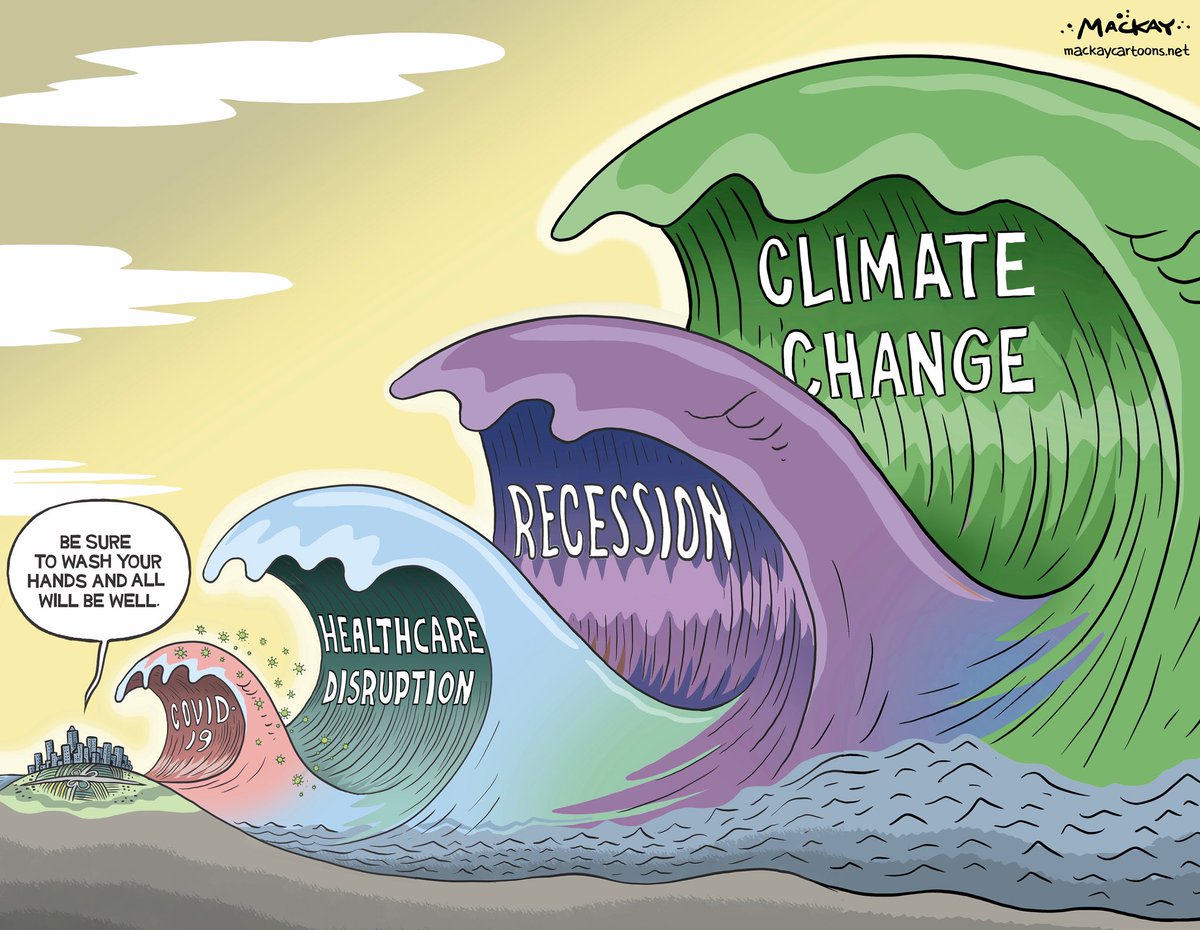
At the 2021 UN Climate Conference, Cop26, in Glasgow, Scotland, hospitals and health systems acknowledged the role they have to play in mitigating the effects of climate change. Hospitals and health systems shed light on the health-related effects of climate change, such as illness and disease from events like wildfires and extreme weather. Health systems are also becoming more aware of their own contributions to climate change, with the U.S. healthcare system emitting 27 percent of healthcare emissions worldwide. To that end, HHS created an office of climate change and health equity that will work alongside regulators to reduce carbon emissions from hospitals. More health systems too are taking charge and pledging net neutrality and zero carbon emissions goals, including Kaiser Permanente and UnitedHealth group. It’s expected that more systems will follow suit in the coming year and make more concrete plans to address emissions reduction.








 HENRY KOTULA