No COVID-19 vaccine, no normal life, UK minister suggests

https://www.reuters.com/article/uk-health-coronavirus-britain-vaccines/no-covid-19-vaccine-no-normal-life-uk-minister-suggests-idUSKBN28A24R?fbclid=IwAR2V5IfikBf64K7KvQwr3kr5CLwQv-4DJ-H2eXTNScN6VLhh3BPNbS-C0Tc

No COVID-19 Vaccine, No Normal Life, UK Minister Suggests | World News | US  News

People who refuse a vaccine for COVID-19 could find normal life curtailed as restaurants, bars, cinemas and sports venues could block entry to those who don’t have proof they are inoculated, Britain’s new vaccine minister said on Monday.

Several major COVID-19 vaccines have been announced in recent weeks, raising hopes that the world could soon return to some semblance of normality after the coronavirus killed 1.46 million people and wiped out a chunk of the global economy.

The British minister responsible for the vaccine rollout, Nadhim Zahawi, said getting vaccinated should be voluntary but that Google, Facebook and Twitter should do more to fact-check opposing views of vaccines.

Asked by the BBC if there would be an immunity passport, Zahawi said a person’s COVID-19 vaccine status might be included in a phone app that would inform local doctors of a person’s status.

“But also I think you’d probably find that restaurants and bars and cinemas and other venues, sports venues, will probably also use that system as they’ve done with the app,” Zahawi told the BBC.

“The sort of pressure will come both ways: from service providers – who will say ‘look, demonstrate to us that you have been vaccinated’ – but also we will make the technology as easy and accessible as possible.”

Health authorities in many countries have become increasingly concerned in recent years by the growth of anti-vaccine groups, which are especially active on social media.

Asked if it would become virtually impossible to do anything without the vaccine, Zahawi said: “I think people have to make a decision but I think you’ll probably find many service providers will want to engage in this in the way they did with the app.”

Zahawi declined to give any specific date on a vaccine rollout as none have yet been approved for public use.

The message, he said, should be that a vaccine is good for the community and the country.

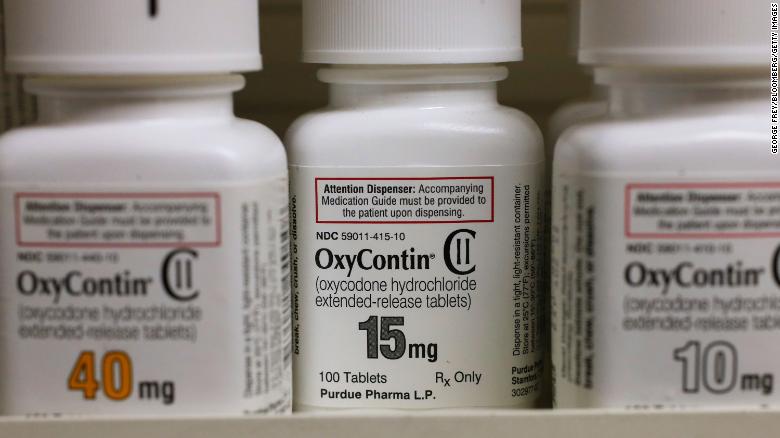
Purdue Pharma pleads guilty to federal criminal charges related to nation’s opioid crisis

https://www.cnn.com/2020/11/24/us/purdue-pharma-oxycontin-guilty-plea/index.html?fbclid=IwAR2DM1jxDtKxFaCW1o-HJ45Tuh1-HOVw5DjNx_ncuhfajyjdkvP9wnMHUMg

Purdue Pharma, the maker of OxyContin, pleaded guilty Tuesday to three federal criminal charges related to the company’s role in creating the nation’s opioid crisis. Purdue Pharma board chairman Steve Miller pleaded guilty on behalf of the company during a virtual federal court hearing in front of US District Judge Madeline Cox Arleo.

The counts include one of dual-object conspiracy to defraud the United States and to violate the Food, Drug, and Cosmetic Act, and two counts of conspiracy to violate the Federal Anti-Kickback Statute.

The plea deal announced in October includes the largest penalties ever levied against a pharmaceutical manufacturer, including a criminal fine of $3.544 billion and an additional $2 billion in criminal forfeiture, according to a Department of Justice press release.

The company, which declared bankruptcy last year, will be dissolved as a part of the plea agreement, and its assets will be used to create a new “public benefit company” controlled by a trust or similar entity designed for the benefit of the American public.

The Justice Department has said Purdue Pharma will function entirely in the public interest rather than to maximize profits. Its future earnings will go to paying the fines and penalties, which in turn will be used to combat the opioid crisis.

In pleading guilty to the criminal charges, the company is taking responsibility for past misconduct, Purdue Pharma said in a statement to CNN Tuesday.”Having our plea accepted in federal court, and taking responsibility for past misconduct, is an essential step to preserve billions of dollars of value for creditors and advance our goal of providing financial resources and lifesaving medicines to address the opioid crisis,” the statement said. “We continue to work tirelessly to build additional support for a proposed bankruptcy settlement, which would direct the overwhelming majority of the settlement funds to state, local and tribal governments for the purpose of abating the opioid crisis.”

According to the US Centers for Disease Control and Prevention, about 70,000 Americans died of drug overdoses in 2018, just one year of the opioid crisis, and about 70% of those deaths were caused by prescription or illicit opioids like OxyContin. In that year, an estimated 10.3 million Americans 12 and older misused opioids, including 9.9 million prescription pain reliever abusers and 808,000 heroin users, according to the US Department of Health and Human Services Substance Abuse and Mental Health Services Administration.

The Sackler family, and other current and former employees and owners of the company, still face the possibility that federal criminal charges will be filed against them. The court did not set a date for a sentencing hearing.

What do Pfizer’s and Moderna’s COVID-19 vaccine announcements mean for you?

https://www.politifact.com/article/2020/nov/12/what-does-pfizers-covid-19-announcement-mean-you/

COVID vaccine: What the second shot in the Moderna trial was like

IF YOUR TIME IS SHORT

  • If all goes according to plan, health care workers and individuals at high risk for severe illness from COVID-19 could be vaccinated as early as December.
  • Experts predict that the broader public could start being vaccinated in April.
  • The distribution of the vaccine could present some challenges for state and federal governments. That or any other unexpected events could delay the vaccine’s distribution.

When drugmaker Pfizer announced that its new vaccine was highly effective at preventing COVID-19, it raised hopes that the coronavirus pandemic could be nearing its end. 

In a Nov. 9 press release, the company and its partner BioNTech claimed that an early analysis of clinical trial data found that inoculated individuals experienced 90% fewer cases of symptomatic COVID-19 than those who had received a placebo. 

These results surpassed expectations. For months, experts have warned that a new vaccine might only be 60% effective. If Pfizer’s analysis is accurate — and it has yet to produce official scientific documentation —  the new vaccine would offer a level of protection equal to that of highly effective vaccines for diseases such as measles

Experts told us that Pfizer’s announcement is cause for optimism. However, the country, and the world, still have a way to go before coronavirus vaccines become available to ordinary Americans. 

Here’s what we know about when the vaccine might be distributed and what that process could look like. What’s next for Pfizer’s vaccine?

If the information in the press release is accurate, Pfizer will likely be the first company to come up with a vaccine that meets the Food and Drug Administration’s requirements for distribution. 

To get approval from the FDA, Pfizer has to gather two months of safety data on clinical trial participants to gauge whether the treatment has any negative side effects. The company will reach the two-month benchmark in the third week of November. Barring any unexpected developments, it will then submit its vaccine to the FDA for emergency use authorization, a special provision allowing the use of an unapproved product during a state of emergency.  

After Pfizer submits its data to the FDA, the agency will analyze it to see if it’s sufficient to begin distribution. After approval from the FDA, the vaccine would be assessed by the Centers for Disease Control and Prevention’s Advisory Committee on Immunization Practices. The Advisory Committee will then issue a recommendation to the CDC, which will make the final ruling about whether to distribute the vaccine.  

This might sound intricate, but James Blumenstock, the chief program officer for health security at the Association of State and Territorial Health Officials, said that the vaccine could probably be approved by the FDA and the CDC in a matter of days rather than weeks. 

“Both agencies are standing ready and will give these requests and this assessment the highest level of priority just for expediency’s sake,” he said. 

What this means is that high-priority Americans, such as health care workers, could be vaccinated as early as December. What a vaccine rollout might look like.

Pfizer predicts that it will be able to manufacture only 50 million doses for global consumption by the end of the year, enough to vaccinate 25 million people. (The world’s population is about 7.8 billion.)

With a limited number of doses available, the eventual rollout of a vaccine would likely consist of two phases. During the first phase, U.S. health care workers, emergency responders and individuals at higher risk of severe illness would be eligible for vaccination. If all goes according to plan, the first phase will commence sometime in December. 

During the second phase, the vaccine would become available to the broader public. Most experts told us that they expect the second phase to start sometime in April, although the date would vary depending on Pfizer’s vaccine production rates and whether other companies get their vaccines greenlit by the FDA and CDC. The state of other vaccines

As of early July, there were roughly 160 vaccine projects under way worldwide, according to the World Health Organization

Pfizer’s announcement bodes well for other vaccine candidates, said Matthew B. Laurens, an associate professor of pediatrics at the University of Maryland School of Medicine’s Center for Vaccine Development and Global Health. 

Pfizer’s vaccine uses genetic material, known as mRNA, that provides the instructions for a body to produce coronavirus proteins, known as antigens, in the hope that these could prime the human immune system to fight the virus. The biotechnology company Moderna is also manufacturing a vaccine that uses mRNA and is set to receive trial data by the end of November. 

Other companies in the United States and Europe producing a vaccine include Novavax, which plans to start clinical trials in the U.S. and Mexico by the end of November; Johnson & Johnson, which recently resumed testing its vaccine candidate after a brief pause; and AstraZeneca, which expects to have clinical trial data by the end of the year. 

The more companies there are that are able to produce a vaccine, the quicker the vaccine will become widely available, experts say.

Vaccine presents potential distribution hurdles

The CDC will be in charge of the distribution process, with involvement from the U.S. Defense Department, said Dr. Litjen Tan, chief strategy officer for the Immunization Action Coalition, which distributes information about vaccines to try to increase vaccination rates. 

Vaccines would be manufactured and then transported to states, which will then pass the vaccine on to providers, such as hospitals. The McKesson Corp., which has received a federal contract to distribute the treatment, will assist pharmaceutical companies and the government with the shipping process. 

Shipping the doses will present some challenges. Pfizer’s vaccine has complex and ultra-cold storage requirements that many hospitals, particularly those in hard-to-reach areas, won’t be able to meet. 

The cold chain requirement “is an issue for Pfizer, but manufacturing and distribution are issues for all vaccines,” said Robert Finberg, a physician and infectious disease specialist at the University of Massachusetts Medical Center.

To surmount this hurdle, Pfizer plans to transport the vaccine in thermal shippers that can keep the vaccine at the necessary temperature of minus 70 degrees Celsius for about two weeks. However, the shippers themselves present additional problems for distribution, Tan said. Each shipment consists of five trays containing 975 doses of vaccine, and reducing the size of the shipment could dramatically raise the cost of distribution. 

As a result, the states might initially prioritize shipping the vaccine to major hospitals rather than rural hospitals that service fewer patients in order to avoid waste. 

Blumenstock told us that state and federal governments are working hard to make sure that all regions of the U.S. receive proportionate amounts of vaccine. However, he acknowledged that hospitals in remote areas that don’t service many patients could initially take longer to get the vaccine than a well-trafficked hospital in a heavily populated area.

“Outskirt hospitals won’t be ignored or marginalized, even if it takes more time and effort to get them the vaccine,” he said. “One of the primary principles will be equitable distribution, even when that means you need to take extraordinary measures for logistics, transportation, and handling.” 

Overall, experts said that Pfizer’s announcement is a significant step forward. “I’m optimistic that we have a vaccine that’s safe and effective,” said Tan. “And I’m glad that what we’re dealing with now is the problem of how to get it to the public.”

Moderna’s coronavirus vaccine found to be nearly 95 percent effective in a preliminary analysis

Moderna says its COVID-19 vaccine is 94.5 percent effective | US & Canada |  Al Jazeera

Biotechnology firm Moderna announced Monday that a preliminary analysis shows its experimental coronavirus vaccine is nearly 95 percent effective at preventing illness, including severe cases — a striking initial result that leaves the United States with the prospect that two coronavirus vaccines could be available on a limited basis by the end of the year.

The news comes a week after pharmaceutical giant Pfizer and its German partner BioNTech lifted the stock market and people’s hopes with the news that their coronavirus vaccine was more than 90 percent effective. The announcement sent stocks up again, with the Dow Jones industrial average and S&P 500 up about 1 percent in midmorning trading. Moderna’s share price rose more than 6 percent.

At a briefing Monday, government officials predicted that if the two vaccines receive a regulatory greenlight, the first shots could be given in December, with enough to vaccinate 20 million people that month — and more becoming available into 2021 as production ramps up and other vaccine candidates may be successful.

“It’s extremely good news. If you look at the data, the numbers speak for themselves,” said Anthony S. Fauci, director of the National Institute of Allergy and Infectious Diseases, who was one of three people briefed on the data by an independent committee Sunday morning. “I describe myself as a realist, but I’m fundamentally a cautious optimist. I felt we’d likely get something less than this. … I said certainly a 90-plus-percent effective vaccine is possible, but I wasn’t counting on it.”

Moderna’s vaccine, co-developed with Fauci’s institute, is being tested in 30,000 people. Half received two doses of the vaccine, and half received a placebo. To test how well the vaccine works, physicians closely monitored cases of covid-19 to see whether they predominantly occurred in people who received the placebo.

Of the 95 cases of covid-19, the disease caused by the virus, 90 were in the group that received the placebo. There were 11 severe cases reported — all in people who received the placebo. With cases of covid-19 confined almost exclusively to trial participants receiving a placebo, that sends a strong signal that the vaccine is effective at thwarting the virus.

The data have not yet been published or peer reviewed, and the overall effectiveness of the vaccine may change as the study continues. But Fauci said the data on severe cases was “quite impressive” and effectively answers a question that has lingered: whether a vaccine measured by its success in preventing any case of covid-19 can prevent the most urgent cases, too.

An independent data committee, convened by the National Institutes of Health, analyzed the results Sunday morning. Stéphane Bancel, chief executive of Moderna, said in an interview that he spent the morning trying to distract himself from wondering about the results by working at his home in Boston, but instead he found himself constantly checking his phone and email. When he learned the results later in the morning, the evidence that the vaccine prevented severe disease stood out as most consequential.

“In this pandemic, what has been awful from a public health standpoint, an economic standpoint, is the worry people have to get so sick they have to go to the hospital — so sick they have to get to the ICU and have a high risk of dying,” Bancel said. “If a [vaccine] could prevent 95 percent of people to not get disease, but to not get severe disease, that would be a game-changer: the impact on hospitals, the impact on people’s psyche and the impact on deaths.”

Many questions about details remain. How long will the protection last? Will results be similar across all subgroups? Does the vaccine decrease the infectiousness of the virus in people without symptoms?

But the early successes show the power and speed of a new vaccine technology never before used in an approved medical product that delivers a strip of genetic material called messenger RNA to teach the body to defend against the virus. The messenger RNA carries the blueprint for the distinctive spike protein that dots the outside of the coronavirus, instructions that the body’s cells follow to build the spike protein.

“It is extremely encouraging,” said Stanley Plotkin, inventor of the rubella vaccine. “This and the earlier result shows that the platform really works, and this bodes very well for other diseases, where this platform could be used — and considering the speed with which the platform was put into operation. It’s an excellent result.”

Moderna has committed to completing its trial before applying for emergency-use authorization — which means waiting until there are 151 cases of covid-19 in the study. A previous projection showed that the trial might end sometime early next year, but it is instead expected to reach its endpoint in seven to 10 days, Bancel said, because of surging coronavirus cases in the United States. The explosion of virus cases translates into an expedited ability to ascertain whether a vaccine works.

The company will have enough safety data to support an application shortly before Thanksgiving. Bancel anticipates a vaccine might begin to become available to those at high risk in the second half of December.

Unlike Pfizer, which invested $2 billion of its own money in researching and developing a vaccine, Moderna is part of Operation Warp Speed, the government initiative designed to erase the financial risk of vaccine and therapeutics development by providing upfront funding to companies and helping coordinate the trials. Moderna received nearly $1 billion from the U.S. government to support research and development. The companies both have contracts to sell 100 million doses to the U.S. government.

Moderna projects it can produce 20 million doses by the end of the year — enough for 10 million people to get both shots. The company aims to produce at least 500 million doses next year, with the possibility of scaling up to 1 billion doses depending on the availability of raw materials.

The side effects of the two-dose vaccine were mostly mild or moderate, including pain at the injection site, fatigue, headache and muscle pain, according to the company’s news release.

Regulators at the Food and Drug Administration must review the evidence for the Moderna and Pfizer vaccines, but the robust early indication of success suggests both vaccines might become available to high-risk populations before the end of this year.

Fauci predicted that people such as health-care workers or people with conditions that raise their risk of developing severe disease could begin receiving doses before the end of the year. It could take about four months to vaccinate people in high-risk groups, and in April, the vaccine could expand to the rest of the population.

The two successes could have ripple effects that influence the ongoing trials and in future coronavirus vaccine trials. People currently in the Moderna and Pfizer trials do not know whether they received the real vaccine or placebo, and at some point, those who received a placebo may be crossed over to receive the real thing. But the decision to do that will mean a loss of follow-up and valuable data.

“Given these products will be given to potentially billions of people, you have to be careful to make sure they’re safe and effective, and there’s no easy way around that issue,” said Ira Longini, a biostatistics expert at the University of Florida, who said a year of follow-up on participants would be ideal.

The focus on vaccines will now shift to the daunting logistics of manufacturing and distribution.

The Pfizer vaccine requires ultracold storage conditions — minus 70 degrees Celsius — not widely available in typical vaccination settings. The company has been working to overcome that limitation.

Moderna announced Monday that its vaccine can be stable at refrigerator temperatures for a month and frozen for up to six months. It will not require dilution at the point of care, unlike the Pfizer vaccine.

What You Need To Know About Pfizer’s Covid-19 Vaccine

Pfizer's Covid-19 Vaccine Is 90% Effective, But Has Storage & Shipping  Issues | Boomers Daily

On Monday, Pfizer announced preliminary results from the phase 3 trial of the vaccine that it has developed with German company BioNTech, suggesting that it may be up to 90% effective at preventing Covid-19 with no serious safety concerns. The vaccine, which represents a new way to make a vaccine, might be ready for an Emergency Use Authorization from the FDA by the end of the year. 

BioNTech’s vaccine is an mRNA (as in “messenger RNA,” which might ring a faint bell from high school biology class) vaccine, similar to one being developed by Boston-based Moderna as well as Translate Bio, which is partnered with pharmaceutical giant Sanofi. This type of vaccine has been in the works for other diseases, including the flu, but none have been approved for use by any regulatory body yet. Success with this platform has the potential to accelerate the development of vaccines for new diseases, a process which can typically take close to a decade. 

Here’s what you need to know.  

Pfizer’s vaccine is based on a new kind of technology

Traditional vaccines are made from dead or weakened versions of an infectious virus. This new type of vaccine is different. To develop it, the genes of the SARS-CoV-2 virus, which causes Covid-19, were first analyzed to locate the part that codes its “spike” protein, which is what enables the virus to infect people. The codes for that protein are then isolated and copied as mRNA fragments, which is what cells use as instructions for making proteins. Those fragments are packaged up into special molecules, then injected into the patient’s cells.

Within the cells, the mRNA comes into the body’s protein factories, called ribosomes. The ribosomes “read” the mRNA, and follow its instructions to make copies of the spike protein. Those copies of the spike protein can’t, by themselves, cause harm. But they’ll trigger the body to make antibodies against the virus. Those antibodies, in turn, will protect patients from a Covid-19 infection. At least, that’s the idea. 

The vaccine still needs to be approved by the Food and Drug Administration

Before the vaccine can be distributed, it has to first be approved by appropriate regulatory bodies. In the United States, that’s the FDA. Pfizer has said that it intends to seek an Emergency Use Authorization from the FDA to enable distribution and administration of the vaccine in late November, at which point the company will have an average of two months’ worth of safety data for each patient. That’s because most bad reactions to vaccines happen shortly after infection. Additionally, Pfizer will continue to monitor the patients in its study for two years after the vaccine administration. 

Distributing this vaccine is more complicated than for a typical vaccine

Although one advantage of mRNA vaccines is that they’re potentially faster to develop than traditional vaccines, their administration and distribution is scads more complicated. For example, the Pfizer vaccine is currently being tested on a two-dose schedule, 21 days apart, unlike the single dose of a typical vaccine for diseases like the flu. The 21-day separation has raised some concerns about the patient compliance needed for vaccines to work.

For long-term storage, the vaccine has to be kept at very cold temperatures—around –70° Celsius (–94° Fahrenheit), which requires a specialized freezer. (Flu vaccines, by contrast, can usually be stored in a refrigerator.) The company has developed a specialty thermal shipping container, which can be kept cold with dry ice and be used to store the vaccine doses for up to 15 days. If long-term storage isn’t required, Pfizer’s vaccine can be stored in a refrigerator, but only for up to five days. 

Pfizer footed the bill for its own part of vaccine development

Several companies, such as Moderna, have received federal funding and support for the development of their vaccines and treatments through the research and development process. Pfizer opted out of that, choosing instead to spend $1 billion of its own money to move the vaccine forward. “A billion dollars is not going to break us,” CEO Albert Bourla told Forbes earlier this year. 

That said, BioNTech did receive a $442 million grant from the German government to help develop the vaccine. And in July, the two companies signed an agreement to sell at least 100 million doses to the U.S. Department of Health and Human Services (HHS) for $1.95 billion. The country of Spain has initially secured 20 million doses of the vaccine as well. 

America’s most prestigious medical journal makes a political statement

https://mailchi.mp/45f15de483b9/the-weekly-gist-october-9-2020?e=d1e747d2d8

In Rare Step, Esteemed Medical Journal Urges Voters To Oust Trump | KPCW

For its first 208 years, the New England Journal of Medicine has never endorsed a political candidate. But this week the journal published an editorial outlining its political position in the upcoming Presidential election, signed unanimously by all editors who are US citizens.

The editors did not explicitly endorse former Vice President Biden, but rather offered a scathing condemnation of the current administration’s performance during the COVID pandemic: “Reasonable people will certainly disagree about the many political positions taken by candidates.

But truth is neither liberal nor conservative. When it comes to the response to the largest public health crisis of our time, our current political leaders have demonstrated that they are dangerously incompetent. We should not abet them and enable the deaths of thousands more Americans by allowing them to keep their jobs.” (Formally endorsing Biden last month, Scientific American also made the first political endorsement in its 175-year history.)
 
Much of the media coverage of the NEJM statement has centered on the question of whether medicine should involve itself in politics, or “live above it”

Medicine has been drawn into political disputes before, but now the nature of the involvement has changed. In the past, debates largely centered around regulation, payment or policy—but now the science itself has become a fundamentally political issue. 

The very nature of the coronavirus has become a matter of political belief, not just an indisputable scientific fact.

Public trust in both scientific institutions and the government, and their ability to work together, has been damaged. We fear this will lead to poorer health outcomes regardless of who wins the upcoming election.

Medical ethics in pandemic times

https://www.axios.com/medical-ethics-clinical-trials-pandemic-eb77f819-76f1-45b0-af8a-cf181bc1607b.html

The Importance of Medical Ethics | Medical Ethics – theMSAG

The COVID-19 pandemic is rife with scientific and medical uncertainty, including debates about the ethics of using experimental treatments.

The big picture: As the global pandemic continues, the tension between providing the best available care for patients and performing trials to determine whether that care is effective risks complicating the medical response.

The big question: Is it unethical to withhold a possible treatment from someone who instead receives a placebo, or to continue to administer that treatment without having collected data on whether it works?

Driving the news: President Trump received an experimental monoclonal antibody cocktail via expanded access or “compassionate use,” which allows someone to access a treatment outside of a clinical trial before it is approved, provided their doctor, the drug company and the FDA agree.

  • Experts say his subsequent claims of the treatment being a cure risks reducing enrollment in clinical trials, flooding companies with requests for access to a limited number of doses and creating false hope for patients.
  • And the president’s treatment raised questions about fairness — would other COVID-19 patients have similar access?
  • “It’s important that we not say the president got access to a beneficial experimental intervention because we don’t know if it is beneficial or if there are adverse events associated with it, says Alex John London, director of the Center for Ethics and Policy at Carnegie Mellon University. 

He and other ethicists say the president’s treatment highlights a broader question about the ethical obligation doctors have to the science needed to determine if those treatments are effective.

Between the lines: Offering patients experimental COVID-19 drugs via emergency use authorizations, expanded access programs and compassionate use can slow needed clinical trials.

  • Researchers have struggled to enroll people in clinical trials in which they may receive a placebo if patients can access a drug directly.
  • One example: “There’s been some hiccups with the expanded access use for convalescent plasma, because it was something that precluded people from enrolling in a randomized control trial, so it took longer, and we still don’t quite know how well convalescent plasma works,” says Amesh Adalja, an infectious disease physician and senior scholar at the Johns Hopkins Center for Health Security.

More than 100,000 COVID-19 patients at almost 2,800 U.S. hospitals received convalescent plasma from people who survived the virus and developed antibodies to it.

  • “It’s easy for people to say you enrolled 100,000 people, there should have been a trial. But a small number of those 2,800 hospitals would have been capable of doing those trials,” says the Mayo Clinic’s Michael Joyner, who leads the program.
  • There are now smaller trials taking place to answer questions about the effectiveness of plasma in treating the disease in different stages.
  • But if this happens again, Joyner says programs at academic medical centers should be peeled off earlier to form clinical trials run in parallel.

The gold standard for determining whether a treatment works is through randomized controlled trials in which people are randomly assigned to receive a treatment or to be in a control group.

  • In the uncertainty and urgency of a pandemic, some physicians argue randomizing people to receive a placebo goes against physicians’ ethics and that it is better to do something to help patients than do nothing.
  • “That’s a false dichotomy because the question is, what should we do?” says London.

From a doctor’s perspectiveit’s important to weigh the collective value of theearly drug data and the individual needs of the patient, Adalja says.

  • “I do think you have to be extra careful when you’re thinking about drugs that you don’t have strong randomized control trial data for, or the data is incomplete or inconclusive,” he adds.
  • “What people have to ask themselves is what constitutes evidence or proof and where do you want to make the bets in a pandemic?” says Joyner.
  • “There is a moral, legal and public health obligation to do those trials before people use those products,” says Alison Bateman-House, a professor of medical ethics at NYU’s Grossman School of Medicine who co-chairs an international working group on pre-approval access to treatments.
  • She says she understands the emotional pull on doctors to help patients whose health is quickly deteriorating, “but it is not evidence-based medicine.”

“There is no ethical obligation to give anyone an unproven substance.”

Alison Bateman-House, NYU Grossman School of Medicine

In a forthcoming paper, London argues that when medical professionals don’t have the knowledge they need to treat patients, it is their responsibility “to band together and run studies to get evidence to discharge [their] very ancient medical obligation.”

  • Medical ethics should be updated to include a responsibility to learn in the face of uncertainty, says London, who was part of a committee that called for research to be incorporated into the response to the Ebola outbreak in West Africa in 2014.
  • The U.K.’s large randomized RECOVERY trial is based in part on the Ebola experience, says London. “Because of it, we know dexamethasone is effective and hydroxychloroquine is not.”

What to watch: How the FDA’s handling of treatments during the pandemic influences other drugs and diseases once the pandemic ends.

The bottom line: “Medicine doesn’t have a good handle on uncertainty, and that is a problem,” says London.

Election 2020: Trump and Biden’s starkly diverging views on healthcare

https://www.healthcaredive.com/news/presidential-election-2020-trump-biden-different-healthcare-policies-ACA-coronavirus/585184/?utm_source=Sailthru&utm_medium=email&utm_campaign=Issue:%202020-10-01%20Healthcare%20Dive%20%5Bissue:29992%5D&utm_term=Healthcare%20Dive

Spoiler: the 2 nominees differ on almost everything.

President Donald Trump and Democrat nominee Joe Biden’s starkly contrasting views on healthcare were laid bare during this week’s chaotic debate. But some major industry executives noted at a recent conference they’ve done relatively well under Trump and could likely weather a Biden presidency, given his moderate stance and rejection of liberal dreams of “Medicare for All.”

The former vice president stresses incremental measures to shore up President Barack Obama’s landmark Affordable Care Act. Trump’s campaign website has no list of healthcare priorities, making his record even more relevant to attempts to forecast his future policies.

“I think a lot of the president’s second term agenda will be extensions of things he’s done in his first term,” Lanhee Chen, domestic policy director at Stanford University’s Public Policy program, said at AHIP in September.

Either way, the impact of whoever lands in the White House next year still matters for the industry’s future.

And 33 seats in the Senate are also up for grabs in November, complicating the outlook. Two scenarios would likely lead to health policy gridlock, according to analysts and DC experts: Trump wins regardless of Senate outcome, or Biden wins and Republicans maintain control of the Senate. A third scenario, where Biden wins and Democrats retake the Senate, would be the most negative for healthcare stocks, Jefferies analysts say, while the other two outcomes would be a net positive or mostly neutral.

Here’s a look at where the candidates stand on the biggest healthcare issues: the coronavirus pandemic, the Affordable Care Act, changes to Medicare and Medicaid and lowering skyrocketing healthcare costs.

COVID-19 response

Trump

Of all wealthy nations, the U.S. has been particularly unsuccessful in mitigating the pandemic. The U.S. makes up 4% of the global population, but accounted for 23% of all COVID-19 cases and 21% of all deaths as of early September.

Public health experts assign the majority of the blame to an uncoordinated federal response, with the president electing to take a largely hands-off approach to the virus that’s killed nearly 207,000 people in the U.S. to date. That backseat stance is unlikely to change if Trump is elected to a second term.

In March, Trump said a final COVID-19 death toll in the range of 100,000 to 200,000 Americans would mean he’s “done a very good job.”

Critics blame shortages of supplies like test materials, personal protective equipment and ventilators, especially in the crucial early days of the pandemic, on Trump’s approach. States and healthcare companies have also reported challenges with shifting federal guidelines on topics from risk of infection to hospital requirements for reporting COVID-19 caseloads.

Trump has also pushed unproven treatments for COVID-19, giving rise to concerns about political influence on traditionally nonpartisan agencies like the Food and Drug Administration and the Centers for Disease Control and Prevention.

These concerns have colored Operation Warp Speed, the administration’s public-private partnership to fast-track viable vaccines. The operation received $10 billion in funds from Congress, but administration officials have also pulled $700 million from the CDC, even as top health officials face accusations of trying to manipulate CDC scientific research publications.

Fears that political motivations, not clinical rigor, are driving the historically speedy timeline could lower public trust in a vaccine once it’s eventually approved.

Trump has also repeatedly refused to endorse basic protections like widespread mask wearing, often eschewing the face covering himself in public appearances. He’s consistently downplayed the severity of the pandemic, saying it’ll go away on its own while suggesting falsely that rising COVID-19 cases were solely due to increased testing.

While Trump’s list of priorities for his second term include “eradicating COVID-19,” the plan is short on details. His most aggressive promise has been approval of a vaccine by the end of this year and creating all “critical medicines and supplies for healthcare workers” for a planned return to normal in 2021, along with refilling stockpiles to prepare for future pandemics.

Biden

Biden, for his part, would likely work to enact COVID-19 legislation and dramatically change the role of the federal government in pandemic response first thing if elected.

The Democratic candidate says he would re-assume primary responsibility for the pandemic. He plans to “dramatically scale up testing” and “giving states and local governments the resources they need to open schools and businesses safely,” per an August speech in Wilmington, Delaware.

Biden says he’d take a backseat to scientists and allow FDA to unilaterally make decisions on emergency authorizations and approvals.

The candidate supports reopening an ACA enrollment period for the uninsured, eliminating out-of-pocket costs for COVID-19 treatment, enacting additional pay and protective equipment for essential workers, increasing the federal match rate for Medicaid by at least 10%, covering COBRA with 100% premium subsidies during the emergency, expanding unemployment insurance and sick leave, reimbursing employers for sick leave and giving them tax credits for COVID-19 healthcare costs.

Trump opposes most of these measures, though he did sign COVID-19 relief legislation that upped the Medicaid match rate by 6.2% and extended the COBRA election period, though without subsidies.

Biden has said he’d be willing to use executive power for a national mask mandate, though ensuring compliance would be difficult. He’d also rejoin the World Health Organization, which Trump pulled the U.S. out of in May.

Affordable Care Act

Trump

On his first day in office, Trump issued an executive order saying: “It is the policy of my Administration to seek the prompt repeal of the Patient Protection and Affordable Care Act.” But after the Republican repeal-and-replace effort floundered in 2017, the administration began steadily chipping away at key tenets of the decade-old law through regulatory avenues.

Trump has maintained he’ll protect the 150 million people with preexisting conditions in the U.S. But despite publicly promising a comprehensive replacement plan on the 2015 campaign trail (and at least five times this year alone), Trump has yet to make one public. The president did in September sign a largely symbolic executive order that it’s the stance of his administration to protect patients with preexisting conditions.

The president doesn’t mention the ACA in his list of second term priorities. The omission could have been intentional, as Trump is backing a Republican state-led lawsuit seeking to overturn the sweeping law, now pending in front of the U.S. Supreme Court and scheduled for oral arguments one week after the election.

The death of liberal justice Ruth Bader Ginsburg puts the law in an even more precarious position.

And Trump’s health agencies have enacted myriad policies keeping the law from functioning as designed.

The president signed legislation zeroing out the individual mandate penalty requiring people to be insured in 2017. The same year, he ended cost-sharing reduction payments to insurers, suggesting that would cause the ACA to become “dead.” But the marketplace generally stabilized.

The administration has also increased access to skimpier but cheaper coverage that doesn’t have to comply with the 10 essential health benefits under the ACA. The short-term insurance plans widely discriminate against people with pre-existing health conditions, even as a growing number of Americans, facing rising healthcare costs, enrolled, according to a probe conducted by House Democrats this year.

Trump has also encouraged state waivers that promote non-ACA plans, cut funding for consumer enrollment assistance and outreach, shortened the open enrollment period and limited mid-year special enrollments.

​Despite his efforts, the ACA has grown in popularity among voters on both sides of the aisle, mostly due to provisions like shoring up pre-existing conditions and allowing young adults to stay on their parent’s insurance until age 26.

Biden

If elected, Biden would likely roll back Trump-era policies that allowed short-term insurance to proliferate, and restore funding for consumer outreach and assistance, political consultants say.

Building on the law is the linchpin of Biden’s healthcare plan. The nominee has pledged to increase marketplace subsidies to help more people afford ACA plans through a number of policy tweaks, including lowering the share of income subsidized households pay for their coverage; determining subsidies by setting the benchmark plan at the pricier “gold” level; and removing the current cap limiting subsidies to people making 400% of the federal poverty level or below.

Biden maintains as a result of these changes, no Americans would have to pay more than 8.5% of their annual income toward premiums. They could save millions of people hundreds of dollars a month, according to a Kaiser Family Foundation analysis. Commercial payers mostly support these efforts, hoping they’ll stabilize the exchanges.

But a second prong of Biden’s health strategy is deeply unpopular with private insurers: the public option. Biden’s called for a Medicare-like alternative to commercial coverage, available to anyone, including people who can’t afford private coverage or those living in a state that hasn’t expanded Medicaid.

The rationale of the public plan is that it can directly negotiate prices with hospitals and other providers, lowering costs across the board. However, market clout will depend on enrollment, which is still to-be-determined.

Critics see the plan, which by Biden’s estimate would cost $750 billion over 10 years, as a down payment on Medicare for All. And the private sector worries it could threaten the very profitable healthcare industry, which makes up about a fifth of the U.S. economy.

Medicare

Trump

Neither Trump nor Biden supports Medicare for All, dashing the hopes of supporters of the sweeping insurance scheme for at least another four years.

“It has a pulse — it’s not dead — I just don’t see it happening in any near term,” John Cipriani, vice president at public affairs firm Global Strategy Group, said at AHIP.

Trump has promised to protect Medicare if elected to a second term, and it’s unlikely he’d make any major changes to the program’s structure or eligibility requirements, experts say.

But Medicare is quickly running out of money, and neither Trump nor Biden has issued a complete plan to ensure it survives beyond 2024. Political consultants think it’ll teeter right up to the edge of insolvency before lawmakers feel compelled to act.

The president’s administration has allowed Medicare to pay for telehealth and expanding supplemental benefits in privately run Medicare Advantage programs, efforts that would likely bleed into his second term — or Biden’s first, given general bipartisan support on both, experts say.

Under Trump, HHS did pass a site-neutral payment policy, cutting Medicare payments for hospital outpatient visits in a bid to save money. But Democratic lawmakers have argued Trump’s calls to get rid of the federal payroll tax, which partially funds Medicare, could throw the future of the cash-strapped program in jeopardy.

The president has also signed legislation experts say accelerated insolvency, including the Tax Cuts and Jobs Act of 2017, the Bipartisan Budget Act of 2018 and the Further Consolidated Appropriations Act of 2020, which repealed the ACA’s Cadillac tax — a tax on job-based insurance premiums above a certain level.

Nixing that tax lowered payroll tax revenue, also dinging Medicare’s shrinking trust fund.

Trump’s proposed budget for the 2021 fiscal year floated culling about $450 billion in Medicare spending over a decade. And repealing the ACA would also nix provisions that closed the Medicare prescription drug “donut hole,” that added free coverage of preventive services and reduced spending to strengthen Medicare’s winnowing Hospital Insurance Trust Fund.

Biden

Biden has proposed lowering the Medicare age of eligibility to 60 years, with the option for people aged 60-64 to keep their coverage if they like it. The idea is popular politically, though providers oppose it, fearful of losing more lucrative commercial revenue.

It would make about 20 million more people eligible for the insurance, but could also add even more stress onto the program, experts say. Biden’s campaign says it would be financed separately from the current Medicare program, with dollars from regular tax revenues, and will reduce hospital costs.

Biden also says he’d add hearing, vision and dental benefits to Medicare.

Medicaid

Trump

Trump’s tenure has also been defined by repeated efforts to prune Medicaid. The president has consistently backed major cuts to the safety net insurance program, along with stricter rules for who can receive coverage. That’s likely to continue.

Republican lawmakers maintain the program costs too much and discourages low-income Americans from getting job-based coverage, and have enacted policies trying to privatize Medicaid. The Trump administration took a step toward a long-held conservative dream earlier this year, when CMS invited state waivers that would allow states to deviate from federal standards in program design and oversight, in exchange for capped funding.

So far, no states have enacted the block grants.

The administration also aggressively encouraged states to adopt work requirements, programs tying Medicaid coverage to work or volunteering hours. A handful of states followed suit, but all halted implementation or rolled back the idea following fierce public backlash and legal ramifications.

And repealing the ACA would ax Medicaid expansion, which saved some 20,000 lives between 2014 and 2017, according to the Center on Budget and Policy Priorities.

Biden

Biden, however, wants to preserve expansion, and would take a number of other steps to bolster the program, including increasing federal Medicaid funding for home- and community-based services. The roughly 4.8 million adults in states that elected not to expand Medicaid would be automatically enrolled into his public option, with no premium and full Medicaid benefits.

Additionally, states that have expanded Medicaid could elect to move their enrollees into the public option, with a maintenance-of-effort payment.

Lowering costs of drugs and services

Trump

Efforts to lower prescription drug costs have defined Trump’s healthcare agenda in his first term, and been a major talking point for the president. That’s more than likely to continue into a second term, experts say, despite a lack of results.

Trump did cap insulin costs for some Medicare enrollees, effective 2021. He also signed legislation in 2018 banning gag clauses preventing pharmacists from telling customers about cheaper options.

But despite fiery rhetoric and a litany of executive orders, Trump has made little if any concrete progress on actually lowering prices. One week into 2020, drugmakers had announced price hikes for almost 450 drugs, despite small price drops earlier in Trump’s tenure.

Trump has proposed several ideas either dropped later or challenged successfully by drugmakers in court, including allowing patients to import drugs from countries like Canada, banning rebates paid to pharmacy benefit manufacturers in Medicare and forcing drugmakers to disclose the list prices of drugs in TV ads.

The president has signed recent executive orders to lower costs largely viewed as pre-election gambits, including one tying drug prices in Medicare to other developed nations and another directing his agencies to end surprise billing. Implementation on both is months away. Trump has also promised to send Medicare beneficiaries $200 in drug discount cards before the election, an effort slammed as vote-buying that would cost Medicare at least $6.6 billion.

Both Trump and Biden support eliminating surprise bills but haven’t provided any details how. That “how” is important, as hospitals and payers support wildly different solutions.

Biden

Biden also has a long list​ of proposals to curb drug costs, including allowing the federal government to negotiate directly with drug manufacturers on behalf of Medicare and some other public and private purchasers, with prices capped at the level paid by other wealthy countries. Trump actually supported this proposal in his 2016 campaign, but quickly dropped it amid fierce opposition from drugmakers and free market Republican allies.

Biden would also cap out-of-pocket drug costs in Medicare Part D — but wouldn’t ban rebates, as of his current plan, allow consumers to import drugs (subject to safeguards) and eliminate tax breaks for drug advertising expenses.

He would also prohibit prices for all brand-name and some generic drugs from rising faster than inflation under Medicare and his novel public option. Biden would create a board to assess the value of new drugs and recommend a market-based price, in a model that’s shown some efficacy in other wealthy countries like Germany.

Both Biden and Trump say they support developing alternative payment models to lower costs. But they diverge on the role of competition versus transparency in making healthcare more affordable. In a rule currently being challenged in court, Trump’s HHS required hospitals to disclose private negotiated prices between hospitals and insurers, with the hope price transparency will allow consumers to shop between different care sites and shame companies into lowering their prices.

Biden, by comparison, says he would enforce antitrust laws to prevent anti-competitive healthcare consolidations, and other business practices that jack up spending. Trump has been mum on the role of M&A in driving healthcare costs, and inherited a complacent Federal Trade Commission that’s done little to reduce provider consolidation. Until a contentious hospital merger in February this year, the FTC hadn’t opposed a hospital merger since 2016.


Administration Sketches Healthcare Plan, Signs Executive Order

https://www.medpagetoday.com/washington-watch/electioncoverage/88810?xid=fb_o&trw=no&fbclid=IwAR1OTD2FHXYsDzbKZ_H3MdTUNnvlxhe7kqEMtaZMXjRBpkHFksvvY-lHVGc

New Executive Order Applies to Foreign Third-Party Code | The Media Trust

Critics question value of provision addressing preexisting condition coverage.

President Trump presented his “America First Healthcare Plan” during a speech to healthcare professionals in Charlotte, North Carolina, on Thursday — a plan that mentioned preexisting condition coverage protections and surprise billing but did not seem to include comprehensive changes to the healthcare system.

“Under the America First Healthcare Plan, we will ensure the highest standard of care anywhere in the world, cutting-edge treatments, state-of-the-art medicine, groundbreaking cures, and true health security for you and your loved ones,” Trump said. “And we will do it rapidly, and it’s in very good order, and some of it has already been implemented.”

Executive Order Provisions

The president signed an executive order outlining the plan, but the order contained initiatives in only a few areas, including:

  • Preexisting condition coverage. The order says simply: “It has been and will continue to be the policy of the United States to ensure that Americans with preexisting conditions can obtain the insurance of their choice at affordable rates.” The order does not direct any government agency to enact a regulation nor request Congress to pass legislation. In August 2018, the Trump administration allowed the sale of “short-term, limited duration” insurance plans that could last for up to 3 years; these often exclude coverage for preexisting conditions but also typically cost less than comprehensive coverage.
  • Surprise billing. “Recognizing that both chambers of the Congress have made substantial progress towards a solution to end surprise billing, the Secretary of Health and Human Services (HHS) shall work with the Congress to reach a legislative solution by December 31, 2020,” the order says. “In the event a legislative solution is not reached by December 31, 2020, the Secretary of Health and Human Services shall take administrative action to prevent a patient from receiving a bill for out-of-pocket expenses that the patient could not have reasonably foreseen.”
  • Price transparency. “Within 180 days of the date of this order, the Secretary of Health and Human Services shall update the Medicare.gov Hospital Compare website to inform beneficiaries of hospital billing quality, including whether the hospital is in compliance with the Hospital Price Transparency Final Rule whether, upon discharge, the hospital provides patients with a receipt that includes a list of itemized services received during a hospital stay; and how often the hospital pursues legal action against patients, including to garnish wages, to place a lien on a patient’s home, or to withdraw money from a patient’s income tax refund,” the order reads.

Trump also announced another initiative, this one aimed at seniors. “Under my plan, 33 million Medicare beneficiaries will soon receive a card in the mail containing $200 that they can use to help pay for prescription drugs … The cards will be mailed out in coming weeks,” Trump said. The $6.6 billion cost of the cards will be paid for under the auspices of a Medicare demonstration program. These funds are ostensibly available via savings generated through Trump’s “most favored nation” executive order allowing Medicare to pay no more for certain prescription drugs than the price paid by other developed countries, a White House official said. That executive order has not yet been implemented, however, and court challenges are expected.

Final Rule Issued on Drug Importation

Trump also noted that the FDA issued a final rule on Thursday implementing the president’s July executive order earlier this month to allow for importation of certain less expensive prescription drugs from Canada. “This means a state or whatever — can go to Canada and buy drugs for a fraction of the price that they’re charging right now,” he said.

He also highlighted individual actions his administration had taken that mostly affected particular groups, including lowering insulin prices for certain Medicare beneficiaries, investing in childhood cancer research, and expanding health reimbursement accounts that employers can use to reimburse employees for medical expenses. The COVID-19 pandemic received scant mention other than a reference to slashing red tape to accelerate development of treatments for the disease, and a sentence about how the pandemic had greatly increased the use of telehealth.

During a telephone briefing with reporters Thursday afternoon, HHS Secretary Alex Azar highlighted the surprise billing provision. “The President is saying that all the relevant players — hospitals, doctors, insurance companies — had better get their act together and get legislation passed through Congress that protects patients against surprise medical bills from anybody — hospitals or doctors, doesn’t matter,” he said.

“Those special interest groups need to sort it out and figure out how that would work,” he continued. “There have been legislative packages that have come quite close on the Hill that are bipartisan, but…. the president is saying the time is now. And if they do not get legislation passed by January 1st, he is instructing me to use the full regulatory power of the U.S. government to protect patients against surprise medical bills.”

Sen. Lamar Alexander (R-Tenn.), outgoing chairman of the Senate Health, Education, Labor, & Pensions (HELP) Committee, praised the surprise billing announcement. “The president is right to call on Congress to pass legislation this year to end surprise medical billing,” Alexander said in a statement, adding that a bill currently going through the House and Senate addresses the issue effectively. “Ending surprise medical bills is a problem that requires a permanent solution passed by Congress this year. The American people can’t afford to wait any longer.”

Preexisting Condition Provision Panned

The preexisting condition provision drew scorn from Democratic legislators. The provision “offers no protection not already available through the existing Affordable Care Act (ACA) and no protection for millions of Americans with preexisting conditions if Trump is successful in packing the Supreme Court to destroy the ACA,” Rep. Lloyd Doggett (D-Texas), chairman of the House Ways & Means Health Subcommittee, said in a statement.

But Azar said during the briefing that the ACA’s clause requiring insurers to cover preexisting conditions does no good if people aren’t able to afford insurance in the first place. “If you’re a couple, aged 55, living in Missouri, making $70,000 a year, Obamacare is going to cost you $30,000 in premiums and a $12,000 deductible,” he said.

Azar promised that the administration “will work with Congress or otherwise to ensure” that people with pre-existing conditions are protected, but he did not indicate how that would be made affordable to individuals without government subsidies of the sort Republicans have long opposed.

Bob Laszewski, president of Health Policy and Strategy Associates in Alexandria, Virginia, questioned how much good the executive order’s preexisting condition provision would do. “Trump and the Republicans couldn’t pass an alternative to Obamacare in 2017 when they controlled the White House and both houses of Congress,” he wrote in a blog post. “But, now he can just sign an executive order and everything is fixed? He has signed a number of healthcare-related executive orders and just about all of them are tied up in the byzantine federal regulatory process, or have faded away. This is just an election-year gimmick in an attempt to persuade voters that Trump has healthcare policy under control. There are a lot of governments in the world that operate by executive fiat. Ours is not one of them.”


Medicare won’t cover coronavirus vaccines approved under emergency use authorization

https://www.beckershospitalreview.com/pharmacy/medicare-won-t-cover-coronavirus-vaccines-approved-under-emergency-use-authorization.html?utm_medium=email

Medicare Wouldn't Cover Costs of Administering Coronavirus Vaccine Approved  Under Emergency-Use Authorization - WSJ

Medicare won’t cover the cost of a COVID-19 vaccine if it is approved under an emergency use authorization, according to The Wall Street Journal. 

The White House recently concluded that Medicare’s exclusion of emergency-use drug costs could mean 44 million Americans, or 15 percent of the U.S. population, may have to pay out-of-pocket for a vaccine if it is approved under an emergency use authorization, the Journal reported.

HHS is now exploring coverage options, and a spokesperson told the Journal any vaccine doses bought by the government will be provided free.

The administration of President Donald Trump has pushed for a COVID-19 vaccine to be approved and distributed before the presidential election, which would likely only come with an emergency use authorization, since FDA approvals take more time.

In March, lawmakers passed the Coronavirus Aid, Relief, and Economic Security Act, or CARES Act, which ensures no out-of-pocket costs for COVID-19 vaccines for people on Medicare.

HHS also said in August that government health insurance programs, including Medicare and Medicaid, would cover the costs of administering a COVID-19 vaccine.