Credit downgrades aren’t attributable to COVID-19 but cash flow will be a challenge

https://www.healthcarefinancenews.com/news/credit-downgrades-arent-attributable-covid-19-cash-flow-will-be-ongoing-challenge?mkt_tok=eyJpIjoiTUdSbVptVmhaR0ZpT0RJMyIsInQiOiJ2TVwvb3g5VWF4R05DeWFScVJ4U0lXeW9xWG1cL0pVMWo1RE1cL24rd21ySEErbk9kZWNIXC9hdmZYYmJBcGU1RDQ5MDVDNXVyZ2RZSWo2djRRSXhSOVFVQk1yNjFWOTVoVjlkTXVxXC95QXU1SU8yMEhJcEtHZXJ3ZDhDc2RMb2RcLzlMcSJ9

Just How Bad Is My Bad Credit Score? | Credit.com

The coronavirus is mainly affecting the credit outlook for the rest of the year and beyond as hospitals adapt to new financial realities.

While the COVID-19 coronavirus is likely to cause cash flow and liquidity issues for hospitals through the end of the year and into 2021, the credit outlook for the healthcare industry isn’t as dire as some had feared. While there have been some downgrades this year, most of those are attributable to healthcare financial performance at the end of 2019.

At a virtual session of the Healthcare Financial Management Association on Wednesday, Lisa Goldstein, associate managing director at Moody’s Investors Service, said the agency is taking a measured approach to issuing credit ratings and will “triage” these ratings based on factors such as liquidity and cash flow.

“Changes are happening daily, and sometimes hourly with funding coming from the federal government,” said Goldstein, “so we’re taking a very measured approach.”

Healthcare is among the most volatile industries being affected by the coronavirus due to the fact that it operates like a business, with a general lack of government support to pay off debt.

Credit downgrades are on the rise, but there’s historical precedent at play. Looking at data beginning with the 2008 financial crisis, there were consistently more downgrades than upgrades in the healthcare industry, owing to its inherent volatility. It was and has generally been subject to public policy and competitive forces. In any given year, downgrades exceed upgrades.

After passage of the Affordable Care Act, however, the number of uninsured Americans hit an all-time low. Hospitals grew in occupancy and revenues improved. The situation started to worsen once more when it became clear that there was a national nursing shortage, as well as top-line revenue pressure from government and commercial payers lowering their rates, but credit downgrades didn’t truly explode until this year. There have been 24 downgrades so far this year, already exceeding the 13 downgrades in all of 2019.

The rub is that it’s not the coronavirus’s fault.

“Most downgrades were in the first quarter of the year,” said Goldstein. “We did have a lot of downgrades in March, which is when the pandemic really started – when it became a pandemic – but even though there were 11 downgrades in March, it was based on what we’d seen through the end of 2019. There were problems that were appearing that had nothing to do with the pandemic.”

Basic fundamental operating challenges were becoming more pronounced during that time. A decline in inpatient cases, a rapid rise in observation stays, a decline in outpatient cases to competing clinics and health centers, and staffing and productivity challenges all contributed to material increases in debt.

COVID-19’s effects on hospital credit ratings are in the outlook for the rest of the year and beyond. Interestingly, in March, Moody’s changed its outlook from negative to stable.

“We haven’t seen anything like this,” said Goldstein. “The industry has been through shocks, but something this long in duration has been something we think will have an impact on financial performance going forward.”

Moody’s anticipates cash flow will remain low into 2021, mostly from the suspension of elective surgeries, rising staffing expenses and uncertainty around securing enough personal protective equipment. Liquidity is still a concern, but is more of a side issue due to Medicare funding providing a Band-Aid of sorts. The CARES act will help to fill some of that gap, but not all of it, said Goldstein.

She added that the $175 billion in stimulus funding is favorable, but modestly so, since it is estimated to cover only about two months’ worth of spending. The good news is that the opportunity to apply for grant money, which doesn’t have to be repaid, can help to fill some of the gap.

Some hospital leaders are concerned that if they violate covenants – also known as a technical default – their credit outlook will be downgraded. Goldstein sought to assuage those concerns.

“Debt service covenants are expected to rise, but an expected covenant breach or violation won’t have an impact on credit quality because it’s driven by an unusual event happening,” she said. “It doesn’t speak to your fundamental history as an operating entity.”


Houston ICUs at 97 Percent Capacity as Texas Coronavirus Cases Break Records

https://www.newsweek.com/houston-icus-90-percent-capacity-texas-coronavirus-cases-break-records-1513077

Coronavirus Briefing: What Happened Today - The New York Times

Almost all intensive care unit beds at Houston hospitals were occupied on Wednesday as Texas reported a record number of statewide patient admissions related to the novel coronavirus.

During a City Council meeting Wednesday morning, Houston Mayor Sylvester Turner said 97 percent of the city’s ICU beds were filled. A report from the Texas Medical Center (TMC) said 27 percent of those beds were occupied by COVID-19 patients.

According to data published earlier this week by the TMC, a network of health care and research institutions based in Houston, 90 percent of the city’s ICU beds were filled as of Monday. Virus patients accounted for more than one-quarter of those occupancies.

The TMC’s latest report incorporated ICU admission numbers from seven affiliate hospitals in the Houston area: CHI St. Luke’s Health, Harris Health System, Houston Methodist, MD Anderson Cancer Center, Memorial Hermann, Texas Children’s Hospital and University of Texas Medical Branch. The hospitals can collectively admit 1,330 ICU patients at regular capacity, when 70 to 80 percent of total beds are typically occupied, according to the TMC.

The TMC’s Monday report noted that an additional 373 beds could become available under its “sustainable surge” plan, a procedure that would indefinitely increase ICU capacities as needed during the pandemic. Another 504 beds could be added to Houston ICUs under an emergency “unsustainable surge” plan, which the TMC would implement to address a “significant, temporary” influx of patients, according to its report.

Houston’s heightened ICU admissions were reported as cases and hospitalizations related to the coronavirus are spiking throughout Texas. Ongoing data released by the Texas Department of State Health Services show that of all the state’s regions, the Houston area is one of the hardest hit in terms of virus incidence and hospital admissions. The latest DSHS data estimated that 179 ICU beds were available at medical facilities located in the Greater Houston area as of Tuesday afternoon.

The number of patients hospitalized with the virus peaked in Texas on Tuesday, as the DSHS confirmed more than 4,000 current admissions. The state has set new records for hospitalizations related to COVID-19 every day since June 12, when 2,166 patients were reported.

On Monday, the Houston Health Department said hospitalizations due to the virus had increased 177 percent throughout the surrounding county since May 31. It also noted a 64 percent increase in ICU patients who had tested positive for the virus.

Texas also saw its highest daily increase in virus cases on Wednesday, with 5,489 new diagnoses confirmed. The latest single-day record surpassed its previous high of 4,430 new cases reported last Saturday. Cumulative diagnosis data reflected in graphics published by the DSHS show a sharp upturn in cases reported statewide since the start of June, when about 64,800 total cases were confirmed. As of Tuesday afternoon, the number had risen to more than 120,300. The DSHS estimated that roughly 47,400 of those cases remain active.

Businesses in Texas started to reopen at the beginning of May. Although Texas Governor Greg Abbott has not required residents to wear face masks in the state’s public spaces during the reopening process, he did encourage people to do so earlier this week in response to increasing case counts and hospitalizations.

“Wearing a mask will help us to keep Texas open. Not taking action to slow the spread will cause COVID to spread even worse, risking people’s lives and ultimately leading to the closure of more businesses,” he said during a news conference on Monday.


Penn State Health to acquire hospital from Geisinger

https://www.beckershospitalreview.com/hospital-transactions-and-valuation/penn-state-health-to-acquire-hospital-from-geisinger.html?utm_medium=email

Penn State Health to acquire Geisinger Holy Spirit | ABC27

Penn State Health has signed a definitive agreement to acquire Holy Spirit Health System in Camp Hill, Pa., from Geisinger Health. 

Hershey, Pa.-based Penn State Health and Danville, Pa.-based Geisinger entered into the definitive agreement about eight months after signing a letter of intent.

Under the transaction, expected to be completed in October, Penn State Health will acquire Holy Spirit Hospital, its affiliated outpatient practices and urgent care centers, Ortenzio Heart Center, and West Shore EMS. After the transaction closes, Holy Spirit Hospital will be renamed Penn State Health Holy Spirit Medical Center.

“Holy Spirit’s hospital, employed medical group and strong community of independent practice physicians, working in collaboration with our Milton S. Hershey Medical Center, offers consumers a strong competitive alternative for healthcare services,” said Penn State Health CEO Steve Massini in a news release. “We’re pleased we could reach agreement with Geisinger to bring Holy Spirit into the Penn State Health family.”

The transaction requires regulatory approval by the Federal Trade Commission and the Pennsylvania attorney general. 


Coronavirus spike won’t end elective surgeries, Milwaukee hospital execs say

https://www.beckershospitalreview.com/hospital-management-administration/coronavirus-spike-won-t-end-elective-surgeries-milwaukee-hospital-execs-say.html?utm_medium=email

Medical Technology News - COVID-19 Risk in Elective Surgery Reboot

Healthcare executives in the Milwaukee area say they plan to continue offering elective care even if COVID-19 hospitalizations spike, according to the Milwaukee Business Journal

Many public health experts expect a second wave of COVID-19 infections to hit by the end of the year. But the healthcare executives said that hospitals won’t need to implement strict elective care cancellation procedures as they did in March and April because more is known about the virus.

“We know COVID now,” Jeff Bahr, MD, chief Aurora Medical Group officer for Advocate Aurora Health, told the Business Journal. “I accept that there might be another peak. The name of the game right now is to be able to continue to serve patients and continue despite another bump or spike.”

Dr. Bahr added that Advocate Aurora Health executives plan to continue “with minimal interruption” to elective surgical procedures. 

Spokespeople for ProHealth Care, Froedtert Health, the Medical College of Wisconsin and Children’s Wisconsin also told the Business Journal that their organizations plan to continue some or all elective surgeries even if there is a second surge in COVID-19 cases.

Medical College of Wisconsin President and CEO John Raymond Sr., MD, told the Business Journal that “Even with a second wave or surge of COVID-19 cases, I do not believe that we will need to return to the stringent restrictions that were imposed on elective procedures and routine clinical care in March and April of this year.”

ProHealth Care and Children’s Hospital of Wisconsin officials said that they plan to offer elective care amid  a spike, but the amount of that care will depend on several factors, including whether there’s enough protective gear for staff. 

Health systems across the U.S. canceled elective procedures in mid-March in an effort to prepare for a spike in COVID-19 cases. As a result of the cancellations of the more lucrative services, health systems saw steep revenue drops. Throughout the last month, hospitals have started to resume elective services.  


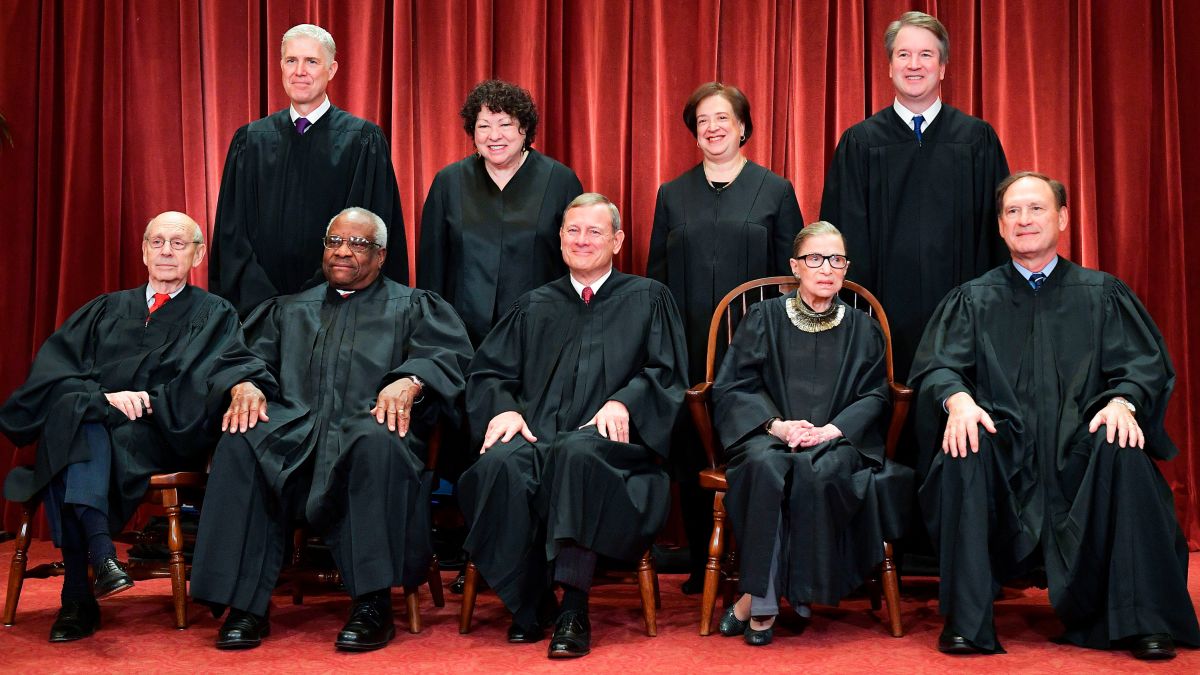
White House set to ask Supreme Court this week to overturn ACA: 4 things to know

https://www.beckershospitalreview.com/hospital-management-administration/white-house-to-ask-supreme-court-this-week-to-overturn-aca-4-things-to-know.html?utm_medium=email

New rules for Supreme Court justices as they plan their first-ever ...

The White House is expected to file legal briefs with the Supreme Court this week that will ask the justices to end the ACA, according to The New York Times

Four things to know:

1. The filings are in relation to Texas v. United States, the latest legal challenge to the ACA. Arguments around the case center on whether the ACA’s individual mandate was rendered unconstitutional when the penalty associated with it was erased by the 2017 tax law. Whether that decision invalidates the entire law or only certain parts of it is at question.

2. The White House is set to ask the Supreme Court June 25 to invalidate the law. The filings come at a time when the COVID-19 pandemic has caused millions of Americans to lose their jobs and their employer-based health coverage.

3. Republicans have said they want to “repeal and replace” the ACA, but there is no agreed upon alternative, according to The New York Times. Party strategists told the publication that Republicans will be in a tricky spot if they try to overturn the ACA ahead of the November elections and amid a pandemic. 

4. In addition to the filings, Democratic House speaker Nancy Pelosi is expected to reveal a bill this week that would boost the ACA. Proposals include more subsidies for healthcare premiums, expanding Medicaid coverage for uninsured pregnant women and offering states incentives to expand Medicaid.

Read the full report here


HCA nurses issue 10-day strike notice at California hospital

https://www.healthcaredive.com/news/hca-nurses-issue-10-day-strike-notice-at-california-hospital/580359/

UPDATE: June 23, 2020: Riverside Community Hospital on Tuesday told Healthcare Dive the motivation behind the union’s strike notice “has very little to do with the best interest of their members and everything to do with contract negotiations.” The system said it has plans to ensure appropriate staffing and continued services for any type of event, including a strike.

Dive Brief:

  • Nurses at HCA Healthcare’s Riverside Community Hospital in south-central California issued a 10-day strike notice last week, citing a breakdown in discussions over safety and staffing, the union representing them said Monday.
  • The nurses plan to strike from Friday, June 26 through July 6, prior to starting contract negotiations with HCA on July 7.  The union plans to push for better staffing and safety measures, particularly hospital preparedness during states of emergency.
  • Neither HCA nor Riverside were available for comment, but the hospital told Becker’s Hospital Review it had hoped the union “would not resort to these tactics” during the COVID-19 pandemic and said it had not laid off or furloughed any employees due to the crisis.

Dive Insight:

The strike notice follows a recent job posting from the nation’s biggest for-profit chain seeking qualified nurses in the Los Angeles area in the event of a job action or work stoppage.

Nurses at Riverside Community Hospital pushed for an improved staffing agreement last year and got it — but the hospital recently ended that agreement, resulting in fewer RNs taking care of more patients amid a pandemic, according to the union.

Insufficient personal protective equipment, inadequate safety measures and recycling of single-use PPE is also putting nurses at increased risk of COVID-19 infection, the union alleges.

Scores of RNs at the hospital have fallen ill with COVID-19, according to a release, including deaths of an environmental services worker and a lab technician, that “have not caused RCH to improve staffing or increase PPE.”

PPE shortages have been a problem at all of the 27 hospitals SEIU Local 121 RN represents, the union says. But a member survey found HCA hospitals were particularly unprepared for shortages. Only 27% of local 121 RN members at HCA hospitals reported having access to N95 respirators in their unit, significantly lower than other hospitals surveyed, according to the union.

Nashville-based HCA has received the most among for-profits in Coronavirus Aid, Relief, and Economic Security Act funding so far, about $1 billion. The amount is about 2% of HCA’s total 2019 revenue.

The 184-hospital system said it has not had to furlough employees like other systems have, though some employees have been redeployed or seen their hours and pay decrease. HCA implemented a program providing seven weeks paid time off at 70% of base pay that was scheduled to expire May 16, but has been extended through this week.

A spokesperson with the country’s largest nurses union, National Nurses United, told Healthcare Dive the program isn’t technically a furlough because some HCA nurses participating said they must remain on call or work rotating shifts.

NNU has also recently fought with HCA over other pandemic-related labor issues. Nurses at 15 HCA hospitals protested in late May over contractually bargained wage increases the hospital says it can’t deliver due to financial strains, asking nurses to give up the increases or face layoffs.

Another dispute involves a last-minute change mandating in-person voting for nurses deciding whether to form a union at HCA’s Mission Hospital in Asheville, North Carolina, according to an NNU release.

SEIU Local 121 RN said HCA can “easily weather this storm financially, continue to provide profits for their shareholders, while at the same time support and protect nurses as they fight this disease and fight to save their community.”


In blow to hospitals, judge rules for HHS in price transparency case

https://www.healthcaredive.com/news/in-blow-to-hospitals-judge-rules-for-hhs-in-price-transparency-case/580395/

UPDATE: June 24, 2020: The American Hospital Association said it will appeal Tuesday’s ruling  that upholds the Trump administration’s mandate to force hospitals to disclose negotiated rates with insurers. The hospital lobby said it was disappointed in the ruling and will seek expedited review. AHA said the mandate “imposes significant burdens on hospitals at a time when resources are stretched thin and need to be devoted to patient care.”

If AHA seeks to have the rule stayed pending an appellate ruling, the decision on such a request “is likely to be almost as significant as this ruling is, since absent a stay, the rule will likely go into effect before the appellate court rules,” James Burns, a law partner at Akerman, told Healthcare Dive.

Dive Brief:

  • A federal judge ruled against the American Hospital Association on Tuesday in its lawsuit attempting to block an HHS rule pushing for price transparency. The judge ruled in favor of the department, which requires hospitals to reveal private, negotiated rates with insurers beginning Jan. 1.
  • U.S. District Court Judge Carl Nichols, an appointee of President Donald Trump, was swayed neither by AHA’s argument that forcing hospitals to publicly disclose rates violates their First Amendment rights by forcing them to reveal proprietary information nor by the claim that it would chill negotiations between providers and payers. The judge characterized the First Amendment argument as “half-hearted.”
  • Nichols seem convinced that the requirement will empower patients, noting in Tuesday’s summary judgment in favor of the administration that “all of the information required to be published by the Final Rule can allow patients to make pricing comparisons between hospitals.”

Dive Insight:

The ruling is a blow for hospitals, which have been adamantly opposed to disclosing their privately negotiated rates since HHS first unveiled its proposal in July 2019. AHA did not immediately reply to a request for comment on whether it planned to appeal.

The legal debate hinges on the definition of “standard charges”, which is mentioned in the Affordable Care Act, though it was left largely undefined in the text. Trump issued an executive order last year that included negotiated rates as part of that definition.

Cynthia Fisher, founder of patienrightsadvocate.com, which filed an amicus brief in support of HHS, told Healthcare Dive on Tuesday the ruling could make shopping for health services more like buying groceries or retail.

“For the first time we will be able to know prices before we get care,” she said. “This court ruling rejects every claim to keep the secret hidden prices from consumers until after we get care.”


Hospitals tell court price transparency laws violate 1st Amendment

https://www.healthcaredive.com/news/AHA-HHS-price-transparency-oral-arguments/577613/

Dive Brief:

  • In the first round of oral arguments in their lawsuit against HHS over a rule requiring hospitals to reveal the secret rates they negotiate with insurers for services, hospital groups argued the requirement exceeds the government’s authority and violates the First Amendment by compelling hospitals to publicly post confidential and proprietary information​.
  • The American Hospital Association, along with other industry groups and health systems that brought the lawsuit, argued in the U.S. District Court for the District of Columbia on Thursday that medical bills aren’t considered commercial speech and don’t fall under the same regulations that traditional advertisements, flyers and other forms of commercial speech offering or promoting services do.
  • “There’s not another market that looks like the market for hospital services,” said U.S. Department of Justice Attorney Michael Baer, who was representing HHS. A majority of patients final bills’ include the negotiated rate, information that should be available to patients, acting as consumers, prior to receiving care, he said.

Dive Insight:

Thursday’s hearing was the first step in what’s likely to be a drawn out legal fight. Negotiated rates between hospitals and insurers have long been private, and hospitals want to keep it that way. 

When HHS passed the final price transparency rule last year, the hospital groups filed a lawsuit in December, warning that requiring disclosure of negotiated rates will confuse patients, overwhelm hospitals and thwart competition. The rule would go into effect Jan. 1, 2021.

According to the lawsuit, the rule creates undue burden on hospitals and health systems, which can have more than 100 contracts with insurers. There can even be multiple contracts with an individual carrier to account for the various product lines, including Medicare Advantage, HMO or PPO.

The rule would require various pricing information, including gross charges, payer-specific rates, minimum and maximum negotiated charges and the amount the hospital is willing to accept in cash from a patient.

Some payers and employer groups have also protested the new rule, calling it wrong-headed.

When the rule initially passed last year, HHS argued that patients already see this pricing data when they receive their explanation of benefits, pushing back against the idea that it’s proprietary business information. They said this information needs to come before a procedure, not after.​

HHS maintains that the rule is intended to give patients better access to payment information so they can make informed decisions as consumers. 

“Patients deserve to know how much it’s going to cost when they get hospital care,” Baer said. “They deserve to know before they open a medical bill or before they choose where they want to receive care.”


This Single Factor Could Force Another Coronavirus Shutdown, Goldman Sachs Says

https://www.forbes.com/sites/sarahhansen/2020/06/23/this-single-factor-could-force-another-coronavirus-shutdown-goldman-sachs-says/?utm_source=newsletter&utm_medium=email&utm_campaign=news&utm_campaign=news&cdlcid=#4a09f8fb3f92

This Single Factor Could Force Another Coronavirus Shutdown ...

TOPLINE

With new coronavirus cases rising in 26 states, according to data from Johns Hopkins, and the national conversation turning to whether those states rushed to reopen their economies too quickly, new analysis from Goldman Sachs suggests that in the coming weeks, hospital capacity (rather than case numbers) is the factor most likely to prompt another lockdown.

KEY FACTS

Goldman’s experts say hospital data is a more reliable picture of the spread of the virus nationwide than positive test results, which fluctuate with changes in testing trends. 

The analysts noted, however, that “there is probably a high hurdle for states to reinstate lockdowns.”

As new cases continue to rise across the country, Goldman’s analysts also tracked which states currently meet federal reopening criteria based on four factors: symptoms, cases, testing and hospitalizations and fatalities. 

Only Arizona and Alabama fail in all four categories, the analysts say; symptoms and cases are on the rise, positive test rates are high, and hospitals are nearing their maximum capacities. 

On the other hand, 19 states meet all four criteria for reopening, including several former hot spots like New York and New Jersey, and the vast majority of states meet at least three out of the four criteria.

KEY BACKGROUND

Along with Alabama and Arizona, California, Texas, and Florida have also seen sharp upticks in infections in recent days. Florida reported a record increase in new cases on four out of the six days between June 15 and 20, for instance. The number of confirmed cases since the pandemic started has now swelled to over 100,000, and Gov. Ron DeSantis said the uptick is “clearly” the result of a failure to follow social distancing guidelines. With cases on the rise, some places—like Arizona—are forging ahead with reopening plans while others—in MaineOregon, and Kansas, for instance—are tightening up restrictions again. 


5 health systems cutting physician salaries

https://www.beckershospitalreview.com/compensation-issues/5-health-systems-cutting-physician-salaries.html?utm_medium=email

Pay Cuts, Furloughs, Redeployment for Doctors and Hospital Staff ...

To help offset revenue losses attributed to the COVID-19 pandemic, many hospitals have implemented pay cuts for staff, including physicians.

Below are five hospitals or health systems that have announced pay cuts for clinicians, reported by Becker’s Hospital Review in the last month.

1. ThedaCare physicians, advanced practice clinicians take pay cuts
ThedaCare physicians and advanced practice clinicians will take a 10 percent pay cut to help reduce the Appleton, Wis.-based health system’s financial hit due to the COVID-19 pandemic.

2. Providence to cut salaries of 1,200 providers
Renton, Wash.-based Providence plans to reduce the salaries of 1,200 high-paid medical providers in its Oregon division to help offset losses from the COVID-19 pandemic. Providence told Becker’s Hospital Review that the decision to cut salaries was made by local leadership and is limited to Oregon-based providers.

3. Cleveland’s University Hospitals to cut all physician, clinical leader pay
University Hospitals, based in Cleveland, said it will temporarily cut pay for all physicians and clinical leaders in the organization to help offset losses driven by the pandemic.

4. Sentara executives, physicians take pay cuts
Senior leaders, executives and physicians at Norfolk, Va.-based Sentara Healthcare are taking pay cuts to help address an anticipated $778 million shortfall against projected revenue due to COVID-19, the organization confirmed to Becker’s Hospital Review.

5. Loyola Medicine CEO, physicians take pay cuts amid pandemic
Leadership and faculty physicians at Maywood, Ill.-based Loyola Medicine will take three-month pay cuts in response to the COVID-19 pandemic, CEO Shawn Vincent said in an interview with Becker’s Hospital Review.