Fauci Says ‘Real Normality’ Unlikely For A Year As U.S. Continues Pandemic Slog

https://www.forbes.com/sites/lisettevoytko/2020/06/14/fauci-says-real-normality-unlikely-for-a-year-as-us-continues-pandemic-slog/?utm_source=newsletter&utm_medium=email&utm_campaign=dailydozen&cdlcid=5d2c97df953109375e4d8b68#2511f59a1855

Fauci Says 'Real Normality' Unlikely For A Year As U.S. Continues ...

TOPLINE

Dr. Anthony Fauci told a British newspaper Sunday that something resembling normal life in the U.S. would likely return in “a year or so,” with the coronavirus pandemic expected to require social distancing and other mitigation efforts through the fall and winter, although political divisiveness, reopening efforts and the George Floyd protests could add more layers of difficulty to the country’s recovery.

KEY FACTS

“I would hope to get to some degree of real normality within a year or so. But I don’t think it’s this winter or fall,” Fauci, director of the National Institute of Allergy and Infectious Diseases, told The Telegraph Sunday.

Fauci also told the newspaper that the travel ban from the U.K., the European Union, China and Brazil will likely stay in place for “months,” based on “what’s going on with the infection rate.”

Within the U.S., Florida, California and Texas hit all-time daily highs in reported Covid-19 cases, while the Centers for Disease Control predicted six states (Arizona, Arkansas, Hawaii, North Carolina, Utah and Vermont) will see higher death tolls over the next month.

U.S., where states that aren’t making them mandatory, like California, are seeing cases spike while New York, where the protective gear is required, has the country’s lowest spread rate.

“We’re seeing several states, as they try to reopen and get back to normal, starting to see early indications [that] infections are higher than previously,” Fauci said.

BIG NUMBER

Over 2 million. That’s how many confirmed coronavirus cases are in the U.S., which leads the world both in the number of infections and casualties from the disease, according to data from Johns Hopkins University.

WHAT TO WATCH FOR

Despite Fauci’s immediate conservative outlook on when life can return to normal, he’s hopeful that multiple Covid-19 vaccines could be found by the end of 2020. “We have potential vaccines making significant progress. We have maybe four or five,” he told The Telegraph. Although “you can never guarantee success with a vaccine,” Fauci added, from “everything we have seen from early results, it’s conceivable we get two or three vaccines that are successful.”

SURPRISING FACT

The U.S. is not facing a second wave of coronavirus. “We really never quite finished the first wave,” according to Dr. Ashish Jha, a global health professor at Harvard. In an NPR interview, Jha said the first wave is unlikely to be finished “anytime soon.”

KEY BACKGROUND

The World Health Organization designated the coronavirus outbreak as a pandemic on March 11, 2020. As of Sunday, the pandemic is approaching its fifth month, and few countries have had success in beating back their outbreaks. New Zealand has essentially returned to normal life after eliminating coronavirus, while countries like the U.S., the U.K. and Brazil, among others, continue to see new cases and report deaths.

Within the U.S., efforts to reduce cases and deaths, like mask wearing, have become partisan political issues. Desires both from elected officials and some citizens to reopen economies have also impacted the pandemic, as states that reopened earlier, like Florida, are seeing numbers of cases spike. Concerns that recent protests sparked by George Floyd’s killing will also further spread the coronavirus are present, but have not yet been proven, as symptoms can take up to 14 days to develop.


Beijing goes into ‘wartime mode’ as virus emerges at market

https://www.washingtonpost.com/world/beijing-goes-into-wartime-mode-as-virus-emerges-at-market-in-chinese-capital/2020/06/13/65c5aac8-ad40-11ea-868b-93d63cd833b2_story.html?stream=top&utm_campaign=newsletter_axiosvitals&utm_medium=email&utm_source=newsletter

Beijing district in 'wartime emergency mode' after spike in local ...

A district in central Beijing has gone into “wartime mode” after discovering a cluster of coronavirus cases around the biggest meat and vegetable market in the city, raising the prospect of a second wave of infections in the sensitive capital, the seat of the Chinese Communist Party.

The discovery of dozens of infections, both symptomatic and asymptomatic, underscores the perniciousness of the virus and its propensity to spread despite tight social controls.

“We would like to warn everyone not to drop their guard even for a second in epidemic prevention control; we must be prepared for a prolonged fight with the virus,” Xu Hejian, a spokesman for the Beijing municipal government, said at a news conference Saturday.

“We have to stay alert to the risks of imported cases and to the fact that epidemic control in our city is complicated and serious and will be here for a long time,” he said.

Coronavirus surges across the U.S.

https://www.axios.com/newsletters/axios-vitals-64a706e3-e179-4531-82b1-f82e9bb422c3.html?utm_source=newsletter&utm_medium=email&utm_campaign=newsletter_axiosvitals&stream=top

As more Texas businesses open, health experts watch and wait

Coronavirus cases and hospitalizations are reaching alarming levels in some states.

What they’re saying: “Arizona is the new national hotspot for COVID-19 with more than 4,400 new cases in just the last 72 hours. Per capita, Arizona’s infection rate is now more than three times higher than New York state. It’s spreading like wildfire,” Rep. Greg Stanton tweeted last night.

The big picture: Several states have seen record numbers of new cases over the last few days, including Alabama, Alaska, Arizona, Arkansas, California, Florida, North Carolina, Oklahoma and South CarolinaReuters reports.

  • On Saturday, Texas reported 2,242 coronavirus hospitalizations — a record for the state, per the Houston Chronicle. Health officials are becoming concerned about hospital capacity.
  • Arkansas, North Carolina and Utah also had record numbers of patients enter the hospital on Saturday, per Reuters.
  • South Carolina recorded nearly 800 new coronavirus cases on Sunday, setting another single-day record and raising the state’s seven-day average for the 17th day straight,” the Post and Courier reports.

The bottom line: There’s never been any reason to think that states with mild outbreaks in April weren’t at risk of having a crisis in June, especially states that haven’t taken lockdowns or social distancing as seriously.

  • “This is not the second wave of the pandemic in states like Arizona, Texas, Utah, California, and Florida. Unlike in New York, the first wave never ended in these places,” the Kaiser Family Foundation’s Larry Levitt tweeted.


Surprise medical bills in the coronavirus era

https://www.axios.com/surprise-medical-bills-coronavirus-c61a5529-3272-4edd-b660-35dc61f751b4.html

Surprise medical bills in the coronavirus era - Axios

Rep. Katie Porter recently received an explanation of benefits from her insurer saying that, in addition to the $20 co-pay she paid when she got her coronavirus test, she may be on the hook for an additional $56.60.

The catch: The law requires insurers to cover coronavirus testing without cost-sharing. Porter knows that because she voted for it.

Why it matters: Containing the coronavirus depends on knowing who has it, and it’s going to be much harder to get people to get tested if they think they’ll have to pay for it. But it’s becoming increasingly clear that patients may be vulnerable to surprise coronavirus bills.

Between the lines: Porter, who received a coronavirus test on March 23, has insurance through UnitedHealthcare and shared her explanation of benefits with Axios. Congress has required both the test itself and the associated care to be covered without cost-sharing.

  • In a statement, UnitedHealth Group said it has waived member cost-sharing for coronavirus testing and treatment.
  • “Some members received bills early on when there were not yet specific COVID-19 billing codes and during a period in which code adoption was first taking place,” the company said, adding that it’s waiving those charges and evaluating claims from earlier this year to make sure they were handled correctly.
  • “We are not authorized to talk about [Porter’s] specific situation without permission, however, what likely occurred is that her provider used the wrong billing code for the visit. To confirm if that’s the case and have it corrected, we encourage Rep. Porter to contact us so we can clarify with her directly.”

Yes, but: There’s a huge question of who should have to pay for coronavirus testing as it becomes more prolific, and many insurers — United included — have said that they’ll only cover tests that are “medically necessary,” at least without cost-sharing. It’s unclear who will pay for tests that aren’t deemed medically necessary.

  • The federal government hasn’t said who should pay for testing when, whether it be insurers, employers or the government itself. Insurers are questioning whether they should be on the hook for the hundreds of thousands of tests of asymptomatic people that public health experts say will need to be conducted every day.
  • Even though Congress has tried to resolve payment disputes between insurers and out-of-network labs, there’s a loophole that would allow patients to receive balance bills from out-of-network labs in some circumstances.
  • If a patient sees an out-of-network doctor for a coronavirus test, they’re vulnerable to receiving a surprise medical bill from this provider — just as they are under normal, non-coronavirus conditions, said Loren Adler, associate director of the USC-Brookings Schaeffer Initiative for Health Policy.

What they’re saying: “We will not be able to truly reopen and rebuild if Americans rightly fear costly medical bills for visiting their health care providers for coronavirus tests,” Porter writes in a letter to top Health and Human Services officials being sent today, asking the administration to implement the law more forcefully.

  • She also asked for “formal, explicit guidance for insurers, providers, employers like nursing homes and assisted living facilities, and testing companies, as well as all 50 states…to ensure patients and workers are not asked to pay any costs.”


Infectious disease expert says coronavirus won’t slow down until ‘about 60% or 70%’ of American population is infected, points out US is at ‘about 5%’

https://www.insider.com/expert-us-is-in-an-unsure-moment-with-coronavirus-2020-6

Infectious disease expert says coronavirus won't slow down until ...

  • The director of the Center for Infectious Disease Research and Prevention said the US is in an “unsure moment” regarding the effects of states reopening and protests during the novel coronavirus pandemic.
  • Dr. Michael Osterholm told “Fox News Sunday” that it’s too early to tell if protests have been a source of widespread infections, but early data suggests the demonstrations aren’t responsible for rises in 22 states.
  • The Centers for Disease Control and Prevention predicted on June 12 that the US coronavirus death toll could increase to 130,000 by July 4.

Dr. Michael Osterholm, the director of the Center for Infectious Disease Research and Prevention, said Sunday that the US is in an “unsure moment” as states reopen and new cases emerge.

“We have to be humble and say we’re in an unsure moment,” Osterholm said on “Fox News Sunday,” adding that states across the country are in varied stages of the pandemic as 22 have recorded an increase in coronavirus cases, eight in plateaus, and 21 with decreasing cases.

Osterholm was speaking as states have been reopening businesses for weeks, Americans flocked to warm weather, and widespread protests drew people to the streets in cities across the country. The first few weeks of June have seen sharp rises in new cases and hospitalizations.

The US hit a grim milestone two weeks into June as it marked more than 2 million infected and 115,000 dead from the virus. Centers for Disease Control and Prevention predicted on June 12 that the US coronavirus death toll could increase to 130,000 by July 4.

“About 5% of the US population has been infected to date with the virus, this virus is not going to rest until it gets to about 60% or 70%,” Osterholm said. “When I say rest, I mean just slow down, so one way or another we’re going to see a lot of additional cases.”

The expert told host Chris Wallace that the increase cannot only be attributed to increasingly available testing, and it’s too early to tell if protests have been a source of widespread infections, but early data suggests not.

“These next weeks, the two weeks are going to be the telling time, we just don’t know,” he said. “We’re not driving this tiger, we’re riding it.”

“My biggest concern is if cases start to disappear across the country, suggesting we are in a trough” that would lead to a second wave of the virus, Osterholm said.

Dr. Anthony Fauci has recently downplayed concerns that the recent rise in cases of the novel coronavirus in the US doesn’t a “second spike” of infections, and a seasonal resurgence was “not inevitable.”

Though Fauci told CNN on June 12 that indicators like hospitalizations could still spell concern for officials, increased testing and CDC capabilities could counter a possible resurgence in cases.


Public Health Officials Face Wave Of Threats, Pressure Amid Coronavirus Response

Public Health Officials Face Wave Of Threats, Pressure Amid Coronavirus Response

Public health officials face wave of threats, pressure amid ...

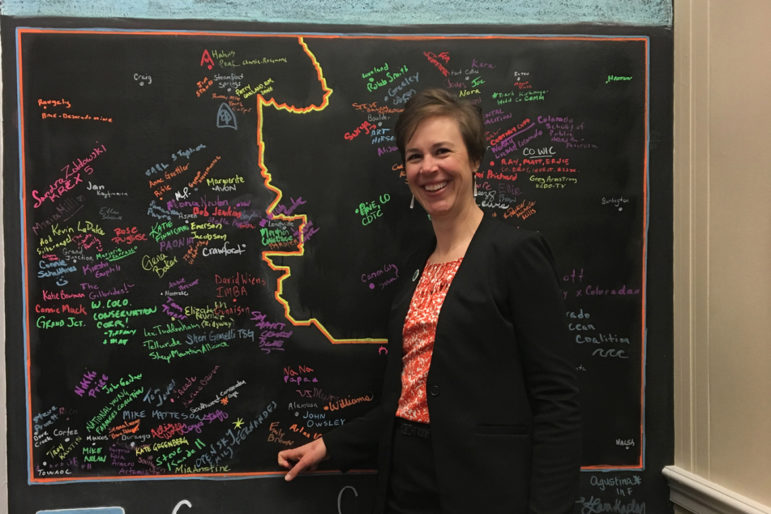
Emily Brown was director of the Rio Grande County Public Health Department in Colorado until May 22, when the county commissioners fired her after battling with her over coronavirus restrictions. “They finally were tired of me not going along the line they wanted me to go along,” she says.

Emily Brown was stretched thin.

As the director of the Rio Grande County Public Health Department in rural Colorado, she was working 12- and 14-hour days, struggling to respond to the pandemic with only five full-time employees for more than 11,000 residents. Case counts were rising.

She was already at odds with county commissioners, who were pushing to loosen public health restrictions in late May, against her advice. She had previously clashed with them over data releases and had haggled over a variance regarding reopening businesses.

But she reasoned that standing up for public health principles was worth it, even if she risked losing the job that allowed her to live close to her hometown and help her parents with their farm.

Then came the Facebook post: a photo of her and other health officials with comments about their weight and references to “armed citizens” and “bodies swinging from trees.”

The commissioners had asked her to meet with them the next day. She intended to ask them for more support. Instead, she was fired.

“They finally were tired of me not going along the line they wanted me to go along,” she said.

In the battle against COVID-19, public health workers spread across states, cities and small towns make up an invisible army on the front lines. But that army, which has suffered neglect for decades, is under assault when it’s needed most.

Officials who usually work behind the scenes managing everything from immunizations to water quality inspections have found themselves center stage. Elected officials and members of the public who are frustrated with the lockdowns and safety restrictions have at times turned public health workers into politicized punching bags, battering them with countless angry calls and even physical threats.

On Thursday, Ohio’s state health director, who had armed protesters come to her house, resigned. The health officer for Orange County, California, quit Monday after weeks of criticism and personal threats from residents and other public officials over an order requiring face coverings in public.

As the pressure and scrutiny rise, many more health officials have chosen to leave or been pushed out of their jobs. A review by KHN and The Associated Press finds at least 27 state and local health leaders have resigned, retired or been fired since April across 13 states.

In California, senior health officials from seven counties, including the Orange County officer, have resigned or retired since March 15. Dr. Charity Dean, the second in command at the state Department of Public Health, submitted her resignation June 4.

These officials have left their posts due to a mix of backlash and stressful, nonstop working conditions, all while dealing with chronic staffing and funding shortages.

Some health officials have not been up to the job during the biggest health crisis in a century. Others previously had plans to leave or cited their own health issues.

But Lori Tremmel Freeman, CEO of the National Association of County and City Health Officials, said the majority of what she calls an “alarming” exodus resulted from increasing pressure as states reopen. Three of those 27 were members of her board and well known in the public health community — Rio Grande County’s Brown; Detroit’s senior public health adviser, Dr. Kanzoni Asabigi; and the head of North Carolina’s Gaston County Department of Health and Human Services, Chris Dobbins.

Asabigi’s sudden retirement, considering his stature in the public health community, shocked Freeman. She also was upset to hear about the departure of Dobbins, who was chosen as health director of the year for North Carolina in 2017. Asabigi and Dobbins did not reply to requests for comment.

“They just don’t leave like that,” Freeman said.

Public health officials are “really getting tired of the ongoing pressures and the blame game,” Freeman said. She warned that more departures could be expected in the coming days and weeks as political pressure trickles down from the federal to the state to the local level.

From the beginning of the coronavirus pandemic, federal public health officials have complained of being sidelined or politicized. The Centers for Disease Control and Prevention has been marginalized; a government whistleblower said he faced retaliation because he opposed a White House directive to allow widespread access to the malaria drug hydroxychloroquine as a COVID-19 treatment.

In Hawaii, U.S. Rep. Tulsi Gabbard called on the governor to fire his top public health officials, saying she believed they were too slow on testing, contact tracing and travel restrictions. In Wisconsin, several Republican lawmakers have repeatedly demanded that the state’s health services secretary resign, and the state’s conservative Supreme Court ruled 4-3 that she had exceeded her authority by extending a stay-at-home order.

With the increased public scrutiny, security details — like those seen on a federal level for Dr. Anthony Fauci, the top infectious disease expert — have been assigned to state health leaders, including Georgia’s Dr. Kathleen Toomey after she was threatened. Ohio’s Dr. Amy Acton, who also had a security detail assigned after armed protesters showed up at her home, resigned Thursday.

In Orange County, in late May, nearly a hundred people attended a county supervisors meeting, waiting hours to speak against an order requiring face coverings. One person suggested that the order might make it necessary to invoke Second Amendment rights to bear arms, while another read aloud the home address of the order’s author — the county’s chief health officer, Dr. Nichole Quick — as well as the name of her boyfriend.

Quick, attending by phone, left the meeting. In a statement, the sheriff’s office later said Quick had expressed concern for her safety following “several threatening statements both in public comment and online.” She was given personal protection by the sheriff.

But Monday, after yet another public meeting that included criticism from members of the board of supervisors, Quick resigned. She could not be reached for comment. Earlier, the county’s deputy director of public health services, David Souleles, retired abruptly.

An official in another California county also has been given a security detail, said Kat DeBurgh, the executive director of the Health Officers Association of California, declining to name the county or official because the threats have not been made public.

DeBurgh is worried about the impact these events will have on recruiting people into public health leadership.

“It’s disheartening to see people who disagree with the order go from attacking the order to attacking the officer to questioning their motivation, expertise and patriotism,” said DeBurgh. “That’s not something that should ever happen.”

Many local health leaders, accustomed to relative anonymity as they work to protect the public’s health, have been shocked by the growing threats, said Theresa Anselmo, the executive director of the Colorado Association of Local Public Health Officials.

After polling local health directors across the state at a meeting last month, Anselmo found about 80% said they or their personal property had been threatened since the pandemic began. About 80% also said they’d encountered threats to pull funding from their department or other forms of political pressure.

To Anselmo, the ugly politics and threats are a result of the politicization of the pandemic from the start. So far in Colorado, six top local health officials have retired, resigned or been fired. A handful of state and local health department staff members have left as well, she said.

“It’s just appalling that in this country that spends as much as we do on health care that we’re facing these really difficult ethical dilemmas: Do I stay in my job and risk threats, or do I leave because it’s not worth it?” Anselmo asked.

Some of the online abuse has been going on for years, said Bill Snook, a spokesperson for the health department in Kansas City, Missouri. He has seen instances in which people took a health inspector’s name and made a meme out of it, or said a health worker should be strung up or killed. He said opponents of vaccinations, known as anti-vaxxers, have called staffers “baby killers.”

The pandemic, though, has brought such behavior to another level.

In Ohio, the Delaware General Health District has had two lockdowns since the pandemic began — one after an angry individual came to the health department. Fortunately, the doors were locked, said Dustin Kent, program manager for the department’s residential services unit.

Angry calls over contact tracing continue to pour in, Kent said.

In Colorado, the Tri-County Health Department, which serves Adams, Arapahoe and Douglas counties near Denver, has also been getting hundreds of calls and emails from frustrated citizens, deputy director Jennifer Ludwig said.

Some have been angry their businesses could not open and blamed the health department for depriving them of their livelihood. Others were furious with neighbors who were not wearing masks outside. It’s a constant wave of “confusion and angst and anxiety and anger,” she said.

Then in April and May, rocks were thrown at one of their office’s windows — three separate times. The office was tagged with obscene graffiti. The department also received an email calling members of the department “tyrants,” adding “you’re about to start a hot-shooting … civil war.”  Health department workers decamped to another office.

Although the police determined there was no imminent threat, Ludwig stressed how proud she was of her staff, who weathered the pressure while working round-the-clock.

“It does wear on you, but at the same time we know what we need to do to keep moving to keep our community safe,” she said. “Despite the complaints, the grievances, the threats, the vandalism — the staff have really excelled and stood up.”

The threats didn’t end there, however: Someone asked on the health department’s Facebook page how many people would like to know the home addresses of the Tri-County Health Department leadership. “You want to make this a war??? No problem,” the poster wrote.

Back in Colorado’s Rio Grande County, some members of the community have rallied in support of Brown with public comments and a letter to the editor of a local paper. Meanwhile, COVID-19 case counts have jumped from 14 to 49 as of Wednesday.

Brown is grappling with what she should do next: dive back into another strenuous public health job in a pandemic, or take a moment to recoup?

When she told her 6-year-old son she no longer had a job, he responded: “Good — now you can spend more time with us.”


A few superspreaders transmit the majority of coronavirus cases

https://theconversation.com/a-few-superspreaders-transmit-the-majority-of-coronavirus-cases-139950?utm_medium=email&utm_campaign=Latest%20from%20The%20Conversation%20for%20June%2012%202020%20-%201650015873&utm_content=Latest%20from%20The%20Conversation%20for%20June%2012%202020%20-%201650015873+Version+A+CID_db6d6c973ccfe2fa9f80ca414a282efe&utm_source=campaign_monitor_us&utm_term=A%20few%20superspreaders%20transmit%20the%20majority%20of%20coronavirus%20cases

Corona A few superspreaders transmit the majority of coronavirus ...

The coronavirus has traveled the globe, infecting one person at a time. Some sick people might not spread the virus much further, but some people infected with the SARS-CoV-2 are what epidemiologists call “superspreaders.”

Elizabeth McGraw, the director of the Center for Infectious Disease Dynamics at Pennsylvania State University, explains the evidence and why superspreaders can be crucial to a disease’s transmission.

What is a superspreader?

Early in the outbreak, researchers estimated that a person carrying SARS-CoV-2 would, on average, infect another two to three people. More recent studies have argued, however, that this number may actually be higher.

As early as January, though, there were reports out of Wuhan, China, of a single patient who infected 14 health care workers. That qualifies him as a super spreader: someone who is responsible for infecting an especially large number of other people.

Since then, epidemiologists have tracked a number of other instances of SARS-CoV-2 superspreading. In South Korea, around 40 people who attended a single church service were infected at the same time. At a choir practice of 61 people in Washington state, 32 attendees contracted confirmed COVID-19 and 20 more came down with probable cases. In Chicago, before social distancing was in place, one person that attended a dinner, a funeral and then a birthday party was responsible for 15 new infections.

During any disease outbreak, epidemiologists want to quickly figure out whether superspreaders are part of the picture. Their existence can accelerate the rate of new infections or substantially expand the geographic distribution of the disease.


What are the characteristics of a superspreader?

Whether someone is a superspreader or not will depend on some combination of the pathogen, the patient’s biology and their environment or behavior.

Some infected individuals might shed more virus into the environment than others if their immune system has trouble subduing the invader. Additionally, asymptomatic individuals – up to 50% of all those who get COVID-19 – will continue their normal activities, inadvertently infecting more people. Even people who ultimately do show symptoms are capable of transmitting the virus during a pre-symptomatic phase.

A person’s behaviors, travel patterns and degree of contact with others can also contribute to superspreading. An infected shopkeeper might come in contact with a large number of people and goods each day. An international business traveler may crisscross the globe in a short period of time. A sick health care worker might come in contact with large numbers of people who are especially susceptible, given the presence of other underlying illnesses.

Public protests – where it’s challenging to keep social distance and people might be raising their voices or coughing from tear gas – are conducive to superspreading.


How big a part of COVID-19 are superspreaders?

Several recent preprint studies, which haven’t yet been peer-reviewed, have shed light on the role of superspreading in COVID-19’s dispersion around the globe.

Researchers in Hong Kong examined a number of disease clusters by using contact tracing to track down everyone with whom individual COVID-19 patients had interacted. In the process, they identified multiple situations where a single person was responsible for as many as six or eight new infections.

The researchers estimated that only 20% of all those infected with SARS-CoV-2 were responsible for 80% of all local transmission. Importantly, they also showed that these transmission events were associated with people who had more social contacts – beyond just family members – highlighting the need to rapidly isolate people as soon as they test positive or show symptoms.

Another study by researchers in Israel took a different approach. They compared the genetic sequences of coronavirus samples from patients inside the country to those from other places. Based on how different the genomes were, they could identify each time SARS-CoV-2 entered Israel and then follow how it spread domestically.

These scientists estimated that 80% of community transmission events – one person spreading the coronavirus to another – could be tracked back to just 1-10% of sick individuals.

And when another research group modeled the variation in how many other SARS-CoV-2 infections a single infected person tends to cause, they also found there were occasionally individuals who were very infectious. These people accounted for over 80% of transmissions in a population.


When have superspreaders played a key role in an outbreak?

There are a number of historical examples of superspreaders. The most famous is Typhoid Mary, who in the early 20th century purportedly infected 51 people with typhoid through the food she prepared as a cook.

During the last two decades, superspreaders have started a number of measles outbreaks in the United States. Sick, unvaccinated individuals visited densely crowded places like schools, hospitals, airplanes and theme parks where they infected many others.

Superspreaders have also played a key role in the outbreaks of other coronaviruses, including SARS in 2003 and MERS in 2015. For both SARS and MERS, superspreading mainly occurred in hospitals, with scores of people being infected at a time.


Can superspreading occur in all infectious diseases?

Yes. Researchers have identified superspreaders in outbreaks of diseases caused by bacteria, such as tuberculosis, as well as those caused by viruses, including measles and Ebola. Just as appears to be the case with the coronavirus, some scientists estimate that in an outbreak of any given pathogen, 20% of the population is usually responsible for causing over 80% of all cases of the disease.

The good news is that the right control practices specific to how pathogens are transmitted – hand-washing, masks, quarantine, vaccination, reducing social contacts and so on – can slow the transmission rate and halt a pandemic.


Predicting COVID-19’s Long-Term Impact on the Home Health Care Market

Predicting COVID-19’s Long-Term Impact on the Home Health Care Market

Predicting COVID-19's Long-Term Impact on the Home Health Care ...

The Patient-Driven Groupings Model (PDGM) and its unintended ripple effects were supposed to be the dominant story this year for the nation’s 12,000 or so Medicare-certified home health care providers. But the coronavirus has rewritten the script for 2020, throwing most of the industry’s previous projections out the window.

While PDGM — implemented on Jan. 1 — will still shape home health care’s immediate future, several other long-term trends have emerged as a result of the coronavirus and its impact on the U.S. health care system.

These trends include unexpected consolidation drivers and the sudden embrace of telehealth technology, the latter of which is a development that will affect home health providers in ways both profoundly positive and negative. Unforeseen, long-term trends will also likely include drastic overhauls to the Medicare Home Health Benefit, a revival of SNF-to-home diversion and more.

Now that providers have had roughly three full months to adapt to the coronavirus and transition out of crisis mode, Home Health Care News is looking ahead to what the industry can expect for the rest of 2020 and beyond.

‘Historic’ consolidation will still happen, with some unexpected drivers

Although the precise extent was often up for debate, most industry insiders predicted some level of consolidation in 2020, driven by PDGM, the phasing out of Requests for Anticipated Payment (RAPs) and other factors.

That certainly appeared to be true early on in the year, with Amedisys Inc. (Nasdaq: AMED), LHC Group Inc. (Nasdaq: LHCG) and other home health giants reporting more inbound calls related to acquisition opportunities or takeovers of financially distressed agencies.

In fact, during a fourth-quarter earnings call, LHC Group CEO and Chairman Keith Myers suggested that 2020 would kick off a “historic” consolidation wave that would last several years.

“As a result of this transition in Q4 and the first few months of 2020, we have seen an increase in the number of inbound calls from smaller agencies looking to exit the business,” Myers said on the call. “Some of these opportunities could be good acquisition candidates, and others we can naturally roll into our organic growth through market-share gains.”

Most of those calls stopped with the coronavirus, however.

Although the vast majority of home health agencies have experienced a decline in overall revenues during the current public health emergency, many have been able to compensate for losses thanks to the federal government’s multi-faceted response.

For some, that has meant taking advantage of the approximately $1.7 billion the U.S. Centers for Medicare & Medicaid Services (CMS) has distributed through its advanced and accelerated payment programs. For others, it has meant accepting the somewhat murky financial relief sent their way under the Provider Relief Fund.

In addition to those two possible sources of financial assistance, all Medicare-certified home health agencies have benefitted from Congress’s move to suspend the 2% Medicare sequestration until Dec. 31.

Eventually, those coronavirus lifelines and others will be pulled back, kickstarting M&A activity once again.

“We believe that a lot of the support has stopped or postponed the shakeout that’s occurring in home health — or that we anticipated would be occurring around this time,” Amedisys CEO and President Paul Kusserow said in March. “We don’t believe it’s over, though.”

Not only will consolidation happen, but some of it will be fueled by unexpected players.

With the suspension of elective surgeries and procedures, hospitals and health systems have lost billions of dollars. Rick Pollack, president and CEO of the American Hospital Association (AHA), estimated that hospitals are losing as much as $50 billion a month during the coronavirus.

“I think it’s fair to say that hospitals are facing perhaps the greatest challenge that they have ever faced in their history,” Pollack, whose organization represents the interests of nearly 5,000 hospitals, told NPR.

To cut costs, some hospitals may look to get rid of their in-house home health divisions. It’s a trend that may already be happening, too.

The Home Health Benefit will look drastically different

With a mix of temporary and permanent regulatory changes, including a redefinition of the term “homebound,” the Medicare Home Health Benefit already looks very different now than it did three months ago. But the benefit will likely go through further retooling in the not-too-distant future.

Broadly, the Medicare Part A Trust Fund finances key services for beneficiaries.

While vital to the national health care infrastructure, the fund is going broke — and fast. In the most recent CMS Office of the Actuary report released in April, the Trust Fund was projected to be entirely depleted by 2026.

The COVID-19 virus has only accelerated the drain on the fund, with some predicting it to run out of money two years earlier than anticipated. A group of health care economics experts from Harvard and MIT wrote about the very topic on a joint Health Affairs op-ed published Wednesday.

“COVID-19 is causing the Medicare Part A program and the Hospital Insurance (HI) Trust Fund to contend with large reductions in revenues due to increased unemployment, reductions in salaries, shifts to part-time employment from full time and a reduction in labor force participation,” the group wrote. “In addition to revenue declines, there was a 20% increase in payments to hospitals for COVID-related care and elimination of cost sharing associated with treatment of COVID.”

Besides those and other cost pressures, Medicare is simultaneously expanding by about 10,000 new people every day. The worst-case scenario: the Medicare Part A Trust Fund goes broke closer to 2024.

There are numerous policy actions that can be taken to reduce the financial strain on the trust fund. In their op-ed, for example, the team of Harvard and MIT researchers suggested shifting all of home health care under Part B.

In 2018, Medicare spent about $17.9 billion on home health benefits, with roughly 66% of that falling under Part B, which typically includes community-based care that isn’t linked to hospital or nursing home discharge. Consolidating all of home health care into Part B would move billions of dollars away from Part A, in turn expanding the Trust Fund’s lifecycle.

“Such a policy change would move nearly $6 billion in spending away from the Part A HI Trust Fund but would put upward pressure on the Part B premium,” the researchers noted.

Of course, all post-acute care services may still undergo a transformation into a unified payment model one day. However, the coronavirus has devastated skilled nursing facility (SNF) operators, who were already dealing with the Patient-Driven Payment Model (PDPM), a payment overhaul of their own.

Regulators may shy away from introducing further disruption until SNFs have a chance to recover, a process likely to take years — if not decades.

Previously, the Trump administration had estimated that a unified payment system based on patients’ clinical needs rather than site of care would save a projected $101.5 billion from 2021 to 2030.

Telehealth will be a double-edged sword

The move toward telehealth was a long-term trend that home health providers were cognizant of before COVID-19, even if some clinicians were personally skeptical of virtual visits. But because the virus has demanded social distancing, telehealth has forced its way into health care in a manner that would have been almost unimaginable in 2019.

In late April, during a White House Coronavirus Task Force briefing, President Donald Trump indicated that the number of patients using telehealth had increased from about 11,000 per week to more than 650,000 people per week.

Meanwhile, MedStar Health went from delivering just 10 telehealth visits per week to nearly 4,000 per day.

Backed by policymakers, technology companies and consumers, telehealth is likely here to stay.

“I think the genie’s out of the bottle on this one,” CMS Administrator Seema Verma said in April. “I think it’s fair to say that the advent of telehealth has been just completely accelerated, that it’s taken this crisis to push us to a new frontier, but there’s absolutely no going back.”

The telehealth boom could mean improved patient outcomes and new lines of business for home health providers. But it could also mean more competition moving forward.

For telehealth to be a true game-changer for home health providers, Congress and CMS would need to pave the way for direct reimbursement. Currently, a home health provider cannot get paid for delivering virtual visits in fee-for-service (FFS) Medicare.

Sen. Susan Collins (R-Maine) has floated the idea of introducing legislation that would allow for direct telehealth reimbursement in the home health space, but, so far, no concrete steps have been taken — at least in public. With a hyper-polarized Congress and a long list of other national priorities taking up the spotlight, it’s impossible to guess whether home health telehealth reimbursement will actually happen.

While home health providers can’t directly bill for in-home telehealth visits, hospitals and certain health care practitioners can. That regulatory imbalance could lead to providers being used less frequently as “the eyes and ears in the home,” some believe.

A new SNF-to-home diversion wave will emerge

Over the past two decades, many home health providers have been able to expand their patient census by poaching patients from SNFs. Often referred to as SNF-to-home diversion, the approach didn’t just benefit home health providers, though. It helped cut national health care spending by shifting care into lower-cost settings.

At first, the stream of SNF residents being shifted into home health care was like water being shot from a firehose: In 2009, there were 1,808 SNF days per 1,000 FFS Medicare beneficiaries, a March 2018 analysis from consulting firm Avalere Health found. By 2016, that number plummeted to 1,539 days per 1,000 beneficiaries — a 15% drop.

In recent years, that steady stream has turned into a slow trickle, with more patients being sent to home health care right off the bat. In the first quarter of 2019, 23.3% of in-patient hospital discharges were coded for home health care, while 21.1% were coded for SNFs, according to data from analytics and metrics firm Trella Health.

Genesis HealthCare (NYSE: KEN) CEO George Hager suggested the initial SNF-to-home diversion wave was over in March 2019. Kennett Square, Pennsylvania-based Genesis is a holding company with subsidiaries that operate hundreds of skilled nursing centers across the country.

“To anyone [who] would want [to] or has toured a skilled nursing asset, I would challenge you to look at the patients in our building and find patients that could be cared for in a home-based or community-based setting,” Hager said during a presentation at the Barclays Global Healthcare Conference. “The acuity levels of an average patient in a skilled nursing center have increased dramatically.”

Yet that was all before the coronavirus.

Over the last three months, more than 40,600 long-term care residents and workers have died as a result of COVID-19, according to an analysis of state data gathered by USA Today. That’s about 40% of the U.S.’s overall death toll.

CMS statistics place that number closer to 26,000.

In light of those figures and infection-control issues in congregate settings, home health providers will see a new wave of SNF-to-home diversion as robust as the first. As the new diversion wave happens, providers will need to be prepared to care for patients with higher acuity levels and more co-morbidities.

“[That’s going to change] the psyche of the way people are going to view SNFs and long-term care facilities for the rest of our generation,” Bruce Greenstein, LHC Group’s chief strategy and innovation officer, said during a June presentation at the Jefferies Virtual Healthcare Conference. “You would never want to put your parent in a facility if you don’t have to. You want options now.”

One stat to back up this idea: Over 50% of family members are now more likely to choose in-home care for their loved ones than they were prior to the coronavirus, according to a survey from health care research and consulting firm Transcend Strategy Group.

Separate from SNF-to-home diversion, hospital-to-home models will also likely continue to gain momentum after the coronavirus.

There will be a land grab for palliative care

Over the past two years, home health providers have aggressively looked to expand into hospice care, partly due to the space’s relatively stable reimbursement landscape. Amedisys — now one of the largest hospice providers in the U.S. — is the prime example of that.

During the COVID-19 crisis, palliative care has gained greater awareness. Generally, palliative care is specialized care for people living with advanced, serious illnesses.

“Right now, we are seeing from our hospital partners and our community colleagues the importance of palliative care, including advanced care as well as appropriate pain and symptom management,” Capital Caring Chief Medical Officer Dr. Matthew Kestenbaum previously told HHCN. “The number of palliative care consults we’re being asked to perform in the hospitals and in the community has actually increased. The importance of palliative care is absolutely being shown during this pandemic.”

As community-based palliative care programs continue to prove their mettle amid the coronavirus, home health providers will increasingly consider expanding into the market to further diversify their services.

Currently, just 10% of community-based palliative care programs are operated by home health agencies.

Demand will reach an all-time high

The home health industry may ultimately shrink in terms of raw number of agencies, but the overall size of the market is very likely to expand at a faster-than-anticipated pace.

In years to come, home health providers will still ride the macro-level tailwinds of an aging U.S. population with a proven preference to age in place — that hasn’t changed. But because of SNF-to-home diversion and calls to decentralize the health care system with home- and community-based care, providers will see an increase in referrals from a variety of sources.

In turn, home health agencies will need to ramp up their recruitment and retention strategies.

There’s already early evidence of this happening.

Last week, in St. Louis, Missouri, four home-based care agencies announced that they were hiring a combined 1,000 new employees to meet the surge in demand, according to the St. Louis Dispatch.

Meanwhile, Brookdale Senior Living Inc. (NYSE: BKD) similarly announced plans to hire 4,500 health care workers, with 10% of those hires coming from the senior living operator’s health care services segment.

Bayada Home Health Care likewise announced plans to ramp up hiring.

“We are absolutely hiring more people now than ever,” Bayada CEO David Baiada previously told HHCN. “The need for services — both because of societal and demographic evolution, but also because of what we anticipate as a rebound and an increase in the demand for home- and community-based care delivery as a result of the pandemic — is requiring us to continue to accelerate our recruitment efforts.”

The bottom line: The coronavirus may have presented immediate obstacles for home health providers, but the long-term outlook is brighter than ever.


How The Rapid Shift To Telehealth Leaves Many Community Health Centers Behind During The COVID-19 Pandemic

https://www.healthaffairs.org/do/10.1377/hblog20200529.449762/full/

How to reduce the impact of coronavirus on our lives - The ...

The COVID-19 pandemic has transformed the landscape of ambulatory care with rapid shifts to telehealth. Well-resourced hospitals have quickly made the transition. Community health centers (CHCs), which serve more than 28 million low-income and disproportionately uninsured patients in rural and underserved urban areas of the United States, have not fared as well since ambulatory visits have disappearedresulting in furloughs, layoffs, and more than 1,900 temporary site closures throughout the country. Government officials have taken notice, and the Coronavirus Aid, Relief, and Economic Security (CARES) Act infused $1.32 billion toward COVID-19 response and maintaining CHC capacity.

Many states have directed insurers to temporarily cover COVID-19-related services via telehealth while mandating parity of reimbursement for telehealth visits with in-person visits for their Medicaid program.

Preparedness Of Community Health Centers For Telehealth

Despite the changes, many health centers may not be ready to implement high-quality telehealth. study using 2016 data showed that only 38 percent of CHCs used any telehealth. In our review of 2018 Uniform Data System data—the most recent available—from a 100 percent sample of US CHCs, we found that our nation’s health centers are largely unprepared for this transformation.

Across the US, 56 percent of 1,330 CHCs did not have any telehealth use in 2018 (exhibit 1). Of those without telehealth use, only about one in five were in the process of actively implementing or exploring telehealth. Meanwhile, 47 percent of the centers using telehealth were doing so only with specialists such as those at referral centers, rather than with patients. Of those using telehealth, the majority (68 percent) used it to provide mental health services; fewer used it for primary care (30 percent) or management of chronic conditions (21 percent), suggesting that most CHCs with telehealth capabilities prior to COVID-19 were not using it for the most frequent types of services provided at CHCs.

CHCs not using telehealth reported several barriers to implementation (exhibit 2). Thirty-six percent cited lack of reimbursement, 23 percent lacked funding for equipment, and 21 percent lacked training for providing telehealth. Although most barriers were similar in both urban and rural regions, a greater proportion of rural clinics compared to urban clinics (18 percent versus 7 percent) reported inadequate broadband services as an issue.

The COVID-19 pandemic has laid bare the enormous disparities in telehealth capacity. Without adequate telehealth capacity and support, many CHCs will be left without means of providing the continuous preventive and chronic disease care that can keep communities healthy and out of the hospital. During the crisis, the Health Resources and Services Administration estimates that CHCs have seen 57 percent of the number of weekly visits compared to pre-COVID-19 visit rates, 51 percent of which have been conducted virtually, suggesting that many CHC patients have forgone care that they would have otherwise received. Given CHCs serve a disproportionate share of low-income, racial/ethnic minority, and immigrant populations—populations hardest hit by the COVID-19 pandemic—any disruption to CHC capacity may exacerbate the racial disparities that have rapidly emerged.

While an important first step, policy makers cannot simply infuse more funding to CHCs and expect them to withstand the challenges of the COVID-19 era. We recommend three targeted strategies to help CHCs adapt and perhaps even thrive beyond COVID-19: legislate permanent parity in telehealth reimbursement for all insurers; allocate sufficient funding and guidance for telehealth equipment, personnel, training, and protocols; and implement telehealth systems tailored to vulnerable populations.

Permanent All-Payer Parity For Telehealth Reimbursement

Payment parity—where telehealth is reimbursed at the same level as an in-person visit—is a crucial issue that must be addressed and instituted beyond the current public health emergency. Without commensurate reimbursement for telehealth, CHCs cannot maintain patient volume or make the long-term investments necessary to remain financially viable. A “global budget” of paying CHCs a fixed payment per patient per month would give practices flexibility in how and where to treat the patient, although this may be politically and practically challenging. Meanwhile, payment parity has already been implemented and could simply be permanently codified into existing reimbursement schemes, giving providers the option to select the best mode of treatment without making financial trade-offs.

In reviewing state telehealth policies during COVID-19, all states have implemented temporary executive orders or released guidance on telehealth access—although with significant variations. At least 22 states have explicitly implemented telehealth parity for Medicaid. For Medicare, the Centers for Medicare and Medicaid Services (CMS) expanded access to telehealth beyond designated rural areas, loosened HIPAA requirements around telehealth platforms, and instituted parity in reimbursement with in-person visits.

To build on these significant steps, states should mandate telehealth parity across all payers and cover all services provided at CHCs, not just COVID-19-related care. At least 12 states have mandated all-payer parity for telehealth. Meanwhile, private insurers have individually adjusted telehealth policies on a state-by-state basis if there was no statewide mandate. Nevertheless, all payers should reimburse at parity given the patchwork quilt of insurance plans that exists at CHCs.

Furthermore, state legislatures and CMS should look to extend parity beyond the current COVID-19 emergency so that CHCs can make sustainable investments that continue to benefit patients. Even as states reopen, in-person visits are unlikely to return to their previous volume as the threat of infection continues to loom. Temporary measures should be made permanent so that CHCs can make sustainable investments that continue to benefit patients.

Funding And Guidance For Equipment, Personnel, Training, And Protocols

For telehealth to function smoothly and reduce errors, proper hardware and software are critical, including telephone service, computers, broadband internet access, and electronic health records. The Federal Communications Commission (FCC) released funding to procure telehealth services and devices and some CHCs have received private funding; similar targeted funding mechanisms from states and the federal government are necessary at scale to equip hundreds of CHCs with the necessary telehealth capabilities.

However, merely having technology is not sufficient. Proper personnel with appropriate training are key to a high-functioning telehealth system along with support from information technology specialists. Additionally, CHCs need ancillary systems in place to allow for the effective use of phone and video visits. Empanelment systems to attribute patients to providers can allow for longitudinal follow-up even with telehealth. Daily huddles and team-based care can enhance the inherent complexities of coordinating care remotely. Protocols should be tailored for different specialties and services such as nutrition management and social work. Meanwhile, a robust e-consult referral network should allow primary care providers at CHCs to easily connect patients to specialty care when necessary. Adding robust protocols and systems will allow for the successful implementation and scaling of telehealth.

For example, groups of CHCs called the Health Center Controlled Networks (HCCNs), which have traditionally collaborated to leverage health information technology, are positioned to harness their economies of scale and group purchasing power to widely adopt new infrastructure while standardizing protocols. They could be a means to accelerate the adoption of telehealth technologies, trainings, and care models to optimize the use of telehealth across CHCs.

Telehealth Support For Vulnerable Patients

The patient population seen by CHCs presents unique challenges that not all ambulatory practices, particularly those in affluent neighborhoods, may face. Health centers care for many immigrant patients with limited English proficiency. Thus, clinics need financial support to contract with telehealth interpreter and translation services to provide equitable access and care. Better yet, all telehealth platforms contracting with CHCs should be required to provide multilingual support to deliver equitable access to telehealth services.

Moreover, many low-income patients lack health and digital literacy. Virtual telehealth platforms should design applications such that interfaces are intuitive and easy to navigate. They should provide specialized support to guide patients who are not familiar with telehealth systems. Additionally, insurers can reimburse CHCs that provide patient navigators, care coordinators, and shared decision-making support that bridge the health literacy divide.

Many around the US also do not have access to high-speed internet, consistent telephone services, and phones or computers with video conferencing capabilities. First, to allow for flexible access to telehealth for all patients, insurers should permanently waive geographic and originating site restrictions that limit the type and location of facilities from which patients can use telehealth. Second, insurers should waive audio-video requirements and consistently reimburse for phone-only visits to accommodate patients without video conferencing. Third, the type of services covered by telehealth should be expanded—ranging from primary care to physical therapy to nutrition counseling to behavioral health.

To address disparities in ownership of digital devices, taking a page out of the book of educators in low-income neighborhoods, local governments could loan laptops and smartphones or supply internet hotspots and phone-charging stations for these communities to enable access. Additionally, insurers could reimburse for the FCC Lifeline program to provide affordable communication services and cellular data to low-income populations to maintain their outpatient care.

Conclusions

As the COVID-19 pandemic sweeps through the US, health care delivery will never be the same. Health centers are struggling as many have been largely unprepared for the abrupt swing toward telehealth. COVID-19 may pose long-lasting damaging effects on CHCs and the patient populations that they serve. Nonspecific federal and state funding will allow CHCs to survive; however, deliberate action is needed to enhance telehealth capacities and ensure long-term resilience.

Similar to the Association of American Medical Colleges’ recent letter to CMS to make various telehealth changes permanent, both CMS and state governments should take immediate action by making permanent parity in reimbursement for telehealth services by all payers. State and federal policy should direct payers to lift onerous restrictions on the types of services covered via telehealth, audio/video requirements, and geographic and originating sites of telehealth services. States and payers should also explore innovative solutions to expand access to cellular data services and digital devices that allow low-income patients to digitally “get to their appointment,” similar to non-emergency medical transportation. Local governments should invest in digital infrastructure that expands broadband coverage and provides internet or cellular access points for people to engage in telehealth. Additionally, CHCs should come together under HCCNs to harness their group purchasing power to rapidly implement telehealth infrastructure that provides multilingual support and other tools that bridge gaps in digital literacy. Finally, best practices, trainings, and protocols should be standardized and disseminated across CHC networks to optimize the quality of telehealth.  

By reorienting the goals for implementing telehealth, policy makers, payers, and providers can empower health centers to thrive into the future and meet the nation’s underserved patients where they are, even during the pandemic. In the long run, telehealth can increase access and equity—but only if the right investments are made now to fill the gaps laid bare by COVID-19.


INSIGHT: Health-Care M&A Post-Pandemic—Opportunities, Not Opportunism

https://news.bloomberglaw.com/health-law-and-business/insight-health-care-m-a-post-pandemic-opportunities-not-opportunism

INSIGHT: Health-Care M&A Post-Pandemic—Opportunities, Not Opportunism

The Covid-19 pandemic has devastated the health-care industry. In addition to the tragedies that the pandemic has brought, health systems have universally experienced severe and rapid deterioration of their bottom lines due to plummeting patient volumes, pausing of high margin elective surgical procedures, and increased expenses.

By some estimates, health system losses will be around $200 billion by the end of June and revenues have dropped by around 50 percent. As a result of the financial uncertainty caused by the pandemic, many hospital and health systems terminated or delayed potential transactions as they focused on managing the crisis and protecting their workforces and communities.

But this may just be the calm before a big M&A storm.

Rise in M&A Activity

Through our work as legal and communications counselors, we have seen preliminary M&A activity rise in recent weeks, with providers exploring and negotiating transactions, including several that have not yet been publicly announced.

Some systems are looking to capitalize on the time between the end of the first wave of Covid-19 and a potential resurgence in the fall to get letters of intent finalized and announced. This coming M&A activity presents legal and communications challenges when the national spotlight is firmly on health systems.

Providers are starting to resurrect deals that were paused during the initial period of the Covid-19 crisis, including Community Health System’s sale of Abilene Regional Medical Center and Brownwood Regional Medical Center to Hendrick Health System.

Some systems are seeking new strategic partners, such as Lake Health in Ohio, and New Hanover Regional Medical Center in North Carolina, which resumed its recent RFP response process after a pause.

Still others are looking for new opportunities consistent with pre-Covid growth strategies, as adjusted for pandemic-related developments and challenges.

More Consolidation

Larger and more financially robust health systems are expected to weather the crisis, whereas smaller systems and hospitals with less cash and tighter operating margins, including rural and critical access hospitals, may be facing insolvency, closure, and bankruptcy. This creates a scenario where one party is financially distressed as a result of the pandemic and needs to partner with or join another system to survive. These circumstances will likely fuel increased consolidation in the health-care industry.

For a struggling provider, joining a larger system can offer much-needed financial commitments, access to capital, disciplined management structure, economies of scale for purchasing and improved IT infrastructure, among many other strategic benefits. A well-positioned system, even if financially weakened due to pandemic challenges, will be able to negotiate favorable deal terms if it has significant strategic value to its prospective partner.

Communications Strategy is Important

As providers explore and execute partnerships, they must implement a stakeholder and communications strategy that focuses on benefits for each side given the new financial reality. Doing so will minimize criticism of opportunism by the acquiring system—and best position a definitive agreement and successful deal.

An effective communications strategy will emphasize how the proposed transaction will maintain or improve quality or affordability, ensure access to care for communities and address financial challenges faced by health systems as a result of the pandemic.

Health systems should articulate how their M&A activity will stabilize affected health systems, allow them to manage the Covid-19 crisis and future pandemics, and continue to meet the overall care needs of the community. It can also highlight how these partnerships will facilitate continued care in a market, which otherwise might lose a valuable health-care resource, as well as the positive economic benefits the transaction will bring for local communities.

Communications that support the vision, rationale and benefits of a deal will also need to be relevant to the regulatory bodies whose approval may be required.

Public perception and support of health-care providers have been extremely positive during the pandemic to date, as evidenced by homemade banners, balcony tributes, and praise on social media. Health systems and their staffs have borne personal risk and financial pain by focusing on patients and public health at the expense of all else. This goodwill can be valuable as health systems seek stakeholder and community support for their transactions.

That goodwill can also quickly be forgotten.

As health systems race to the altar to beat out competitors for M&A targets and other strategic relationships, it is critical that they are thoughtful in structuring their deals and justifying the activity.

For example, acquisitions and partnerships involving substantial outlays of capital and lucrative executive compensation or severance packages will be viewed negatively if undertaken by a system that instituted large compensation reductions across the system or even furloughed or laid off employees during the pandemic.

As the dust begins to settle from the first wave of Covid-19, it is clear that there will be drastic changes to how health systems do business. The pandemic will also create financial winners and losers. Hospitals and health systems must think proactively about a strategy for growth as opportunities with willing transaction partners arise.

But being proactive must be balanced against appearing to be opportunistic or taking advantage of the worst health crisis in our lifetimes. To maintain their goodwill and reputations, health systems should continue to do deals for the right reasons and for the benefit of their communities.