From Budget Battles to Consumer Backlash: Paul Keckley on the Future of U.S. Health Care

https://strategichcmarketing.com/from-budget-battles-to-consumer-backlash-paul-keckley-on-the-future-of-u-s-health-care/?access_code=667226

The U.S. health care industry is approaching a critical inflection point, according to veteran health care strategist Paul Keckley. In a candid and thought-provoking keynote at the 2025 Healthcare Marketing & Physician Strategies Summit (HMPS) in Orlando, Keckley outlined the challenges and potential opportunities health care leaders must navigate in an era of unprecedented economic uncertainty, regulatory disruption, and consumer discontent.

Drawing on decades of policy experience and his signature candid style, Keckley delivered a sobering yet actionable assessment of where the industry stands and what lies ahead.

Paul Keckley, PhD, health care research and policy expert and managing editor of The Keckley Report

Health care now accounts for a staggering 28 percent of the federal budget, with Medicaid expenditures alone ranging from the low 20s to 34 percent of individual state budgets. Despite its fiscal significance, Keckley points out that health care remains “not really a system, but a collection of independent sectors that cohabit the economy.”

In the article that follows, Keckley warns of a reckoning for those who remain entrenched in legacy assumptions. On the flip side, he notes, “The future is going to be built by those who understand the consumer, embrace transparency, and adapt to the realities of a post-institutional world.”

A Fractured System in a Fractured Economy

Fragmentation complicates any effort to meaningfully address rising costs or care quality. It also heightens the stakes in a political climate marked by what Keckley termed “MAGA, DOGE, and MAHA” factions, shorthand for various ideological forces shaping health care policy under the Trump 2.0 administration.

Meanwhile, macroeconomic conditions are only adding to the strain. At the time of Keckley’s address, the S&P 500 was down 8 percent, the Dow down 10 percent, and inflationary pressures were squeezing both provider margins and household budgets.

Economic uncertainty is not just about Wall Street,” Keckley warns. “It’s about kitchen-table economics — how households decide between paying for care or paying the cable bill.”

Traditional Forecasting Is Failing

One of Keckley’s key messages was that conventional methods of strategic planning in health care, based on lagging indicators like utilization rates and demographics, are no longer sufficient. Instead, leaders must increasingly look to external forces such as capital markets, regulatory volatility, and consumer behavior.

“Think outside-in,” he urges. “Forces outside health care are shaping its future more than forces within.”

He encourages health systems to go beyond isolated market studies and adopt holistic scenario planning that considers clinical innovation, workforce shifts, AI and tech disruption, and capital availability as interconnected variables.

Affordability and Accountability: The Hospital Reckoning

Keckley pulls no punches in addressing the mounting criticism of hospitals on Capitol Hill, particularly not-for-profit health systems. Public perception is faltering, with hospital pricing increasing faster than other categories in health care and only a third of providers in full compliance with price transparency rules.

“Economic uncertainty is not just about Wall Street. It’s about kitchen-table economics — how households decide between paying for care or paying the cable bill.”

“We have to get honest about trust, transparency, and affordability,” he says. “I’ve been in 11 system strategy sessions this year. Only one even mentioned affordability on their website, and none defined it.”

Keckley also predicts that popular regulatory targets like site-neutral payments, the 340B program, and nonprofit tax exemptions will face intensified scrutiny.

“Hospitals are no longer viewed as sacred institutions,” he says. “They’re being seen as part of the problem, especially by younger, more educated, and more skeptical Americans.”

The Consumer Awakens

Perhaps the most urgent shift Keckley outlines is the redefinition of the health care consumer. “We call them patients,” he says, “but they are consumers. And they are not happy.”

Keckley cites polling data showing that two out of three Americans believe the health care system needs to be rebuilt from the ground up. Roughly 40 percent of U.S. households have at least one unpaid medical bill, with many choosing intentionally not to pay. Among Gen Y and younger households, dissatisfaction is particularly acute.

“[Consumers] expect digital, personalized, seamless experiences — and they don’t understand why health care can’t deliver.”

These consumers aren’t just passive recipients of care; they’re voters, payers, and critics. With 14 percent of health care spending now coming directly from households, Keckley argues, health systems must engage consumers with the same sophistication that retail and tech companies use.

“They expect digital, personalized, seamless experiences — and they don’t understand why health care can’t deliver.”

Tech Disruption Is Real

Keckley underscores the transformative potential of AI and emerging clinical technologies, noting that in the next five years, more than 60 GLP-1-like therapeutic innovations could come to market. But the deeper disruption, he warns, is likely to come from outside the traditional industry.

Citing his own son’s work at Microsoft, Keckley envisions a future where a consumer’s smartphone, not a provider or insurer, is the true hub of health information. “Health care data will be consumer-controlled. That’s where this is headed.”

The takeaway for providers: Embrace data interoperability and consumer-centric technology now, or risk irrelevance. “The Amazons and Apples of the world are not waiting for CMS to set the rules,” Keckley says.

Capital, Consolidation, and Private Equity

Capital constraints and the shifting role of private equity also featured prominently in Keckley’s remarks. With declining non-operating revenue and shrinking federal dollars, some health systems increasingly rely on investor-backed funding.

But this comes with reputational and operational risks. While PE investments have been beneficial to shareholders, Keckley says, they’ve also produced “some pretty dire results for consumers” — particularly in post-acute care and physician practice consolidation.

“Policymakers are watching,” he says. “Expect legislation that will limit or redefine what private equity can do in health care.”

Politics and Optics: Navigating the Policy Minefield

In the regulatory arena, Keckley emphasizes that perception often matters more than substance. “Optics matter often more than the policy itself,” he says.

He cautions health leaders not to expect sweeping policy reform but to brace for “de jure chaos” as the current administration focuses on symbolic populist moves — cutting executive compensation, promoting price transparency, and attacking nonprofit tax exemptions.

With the 2026 midterm elections looming large, Keckley predicts a wave of executive orders and rhetorical grandstanding. But substantive policy change will be incremental and unpredictable.

“Don’t wait for a rescue from Washington. The future is going to be built by those who understand the consumer, embrace transparency, and adapt to the realities of a post-institutional world.”

The Workforce Crisis That Wasn’t Solved

Keckley also addresses the persistent shortage of health care workers and the failure of Title V of the ACA, which had promised to modernize the workforce through new team-based models. “Our guilds didn’t want it,” Keckley notes, bluntly. “So nothing happened.”

He argues that states, not the federal government, will drive the next chapter of workforce reform, expanding the scope of practice for pharmacists, nurse practitioners, and even lay caregivers, particularly in behavioral health and primary care.

What Should Leaders Do Now?

Keckley closed his keynote with a challenge for marketers and strategists: Get serious about defining affordability, understand capital markets, and stop defaulting to legacy assumptions.

“Don’t wait for a rescue from Washington,” he says. “The future is going to be built by those who understand the consumer, embrace transparency, and adapt to the realities of a post-institutional world.”

He encouraged leaders to monitor shifting federal org charts, track state-level policy moves, and scenario-plan for a future where trust, access, and consumer empowerment define success.

Conclusion: A Health Care Reckoning in the Making

Keckley’s keynote was more than a policy forecast; it was a wake-up call. In a landscape shaped by economic headwinds, political volatility, and consumer rebellion, health care leaders can no longer afford to stay in their lane. They must engage, adapt, and transform, or risk becoming casualties of a system under siege.

“Health care is not just one of 11 big industries,” Keckley says. “It’s the one that touches everyone. And right now, no one is giving us a standing ovation.”
Is the perception of safety in healthcare settings declining?

https://mailchi.mp/13ef4dd36d77/the-weekly-gist-august-27-2021?e=d1e747d2d8

Improving Patient Safety—Why Data Matters

When COVID volumes waned in the spring and early summer, most health systems “de-escalated” dedicated COVID testing and triage facilities. But with the Delta variant surging across the country, consumers are now once again looking for services like drive-through testing, which is perceived as more convenient and safer.

One physician leader told us patients in the ED are asking why the hospital got rid of the “COVID tent”, which provided a separate pathway for patients with respiratory and other COVID symptoms—and a highly visible signal that the rest of the department was as COVID-free as possible.

Another system is now fielding questions from the media about whether they’ll bring back their dedicated COVID hospital: “We spent a lot of time last year convincing the community that the dedicated hospital was key to safely managing care during the pandemic. Now we’ve got almost as many COVID admissions spread across our hospitals.” 

Over the past year, providers have learned how to safely manage COVID care and prevent spread in healthcare settings—but consumers may perceive the lack of dedicated facilities as a decline in safety. 

Unlike last year, hospitals are full of non-COVID patients, as those who delayed care reemerge. And with the current surge likely to continue into flu season, emergency rooms will only get more crowded, necessitating a new round of communication describing how hospitals are keeping patients safe, and reassuring patients that healthcare settings remain one of the safest places to visit in the community. 

Cartoon – Rebuilding Customer Trust

Cartoon – How can we Rebuild Trust | HENRY KOTULA

Private equity rolls up veterinary practices, with predictable results

https://mailchi.mp/da8db2c9bc41/the-weekly-gist-april-23-2021?e=d1e747d2d8

Amazon.com: The Private Equity Playbook: Management's Guide to Working with Private  Equity (9781544513263): Coffey, Adam: Books

Given regulatory barriers and structural differences in practice, private equity firms have been slow to acquire and roll up physician practices and other care assets in other countries in the same way they’ve done here in the US. But according a fascinating piece in the Financial Times, investors have targeted a different healthcare segment, one ripe for the “efficiencies” that roll-ups can bring—small veterinary practices in the UK and Ireland.

British investment firm IVC bought up hundreds of small vet practices across the UK, only to be acquired itself by Swedish firm Evidensia, which is now the largest owner of veterinary care sites, with more than 1,500 across Europe. Vets describe the deals as too good to refuse: one who sold his practice to IVC said “he ‘almost fell off his chair’ on hearing how much it was offering. The vet, who requested anonymity, says IVC mistook his shock for hesitation—and increased its offer.” (Physician executives in the US, take note.) IVC claims that its model provides more flexible options, especially for female veterinarians seeking more work-life balance than offered by the typical “cottage” veterinary practice. 

But consumers have complained of decreased access to care as some local clinics have been shuttered as a result of roll-ups. Meanwhile prices, particularly for pet medications like painkillers or feline insulin, have risen as much as 40 percent—and vets aren’t given leeway to offer the discounts they previously extended to low-income customers. And with IVC attaining significant market share in some communities (for instance, owning 17 of 32 vet practices in Birmingham), questions have arisen about diminished competition and even price fixing. 

The playbook for private equity is consistent across human and animal healthcare: increase leverage, raise prices for care, and slash practice costs, all with little obvious value for consumers. It remains to be seen whether and how consumers will push back—either on behalf of their beloved pets, or for the sake of their own health.  

One-third of US adults postponed care during pandemic: reports

Image result for One-third of US adults postponed care during pandemic: reports

Dive Brief:

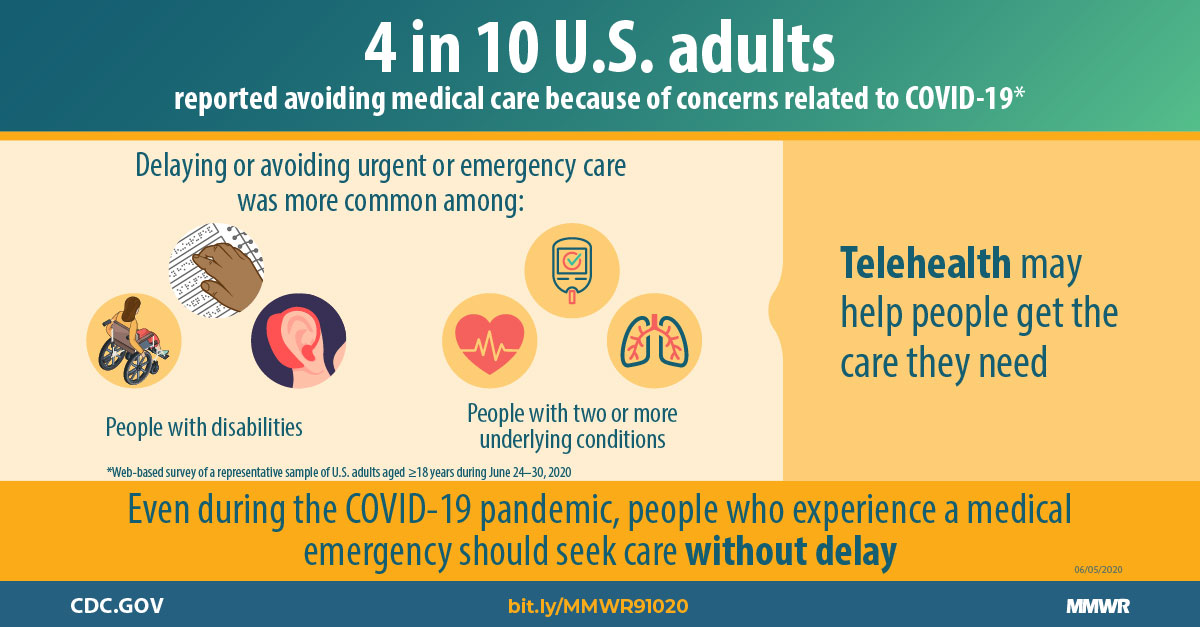
  • About 36% of nonelderly adults and 29% of children in the U.S. have delayed or foregone care because of concerns of being exposed to COVID-19 or providers limiting services due to the pandemic, according to new reports from the Urban Institute and Robert Wood Johnson Foundation.
  • Of those who put off care, more than three-quarters had one or more chronic health conditions and one in three said the result of not getting treatment was worsening health or limiting their ability to work and perform regular daily activities, the research based on polling in September showed.
  • However, the types of care being delayed are fairly routine. Among those surveyed, 25% put off dental care, while 21% put off checkups and 16% put off screenings or medical tests.

Dive Insight:

The early days of the pandemic saw widespread halts in non-emergency care, with big hits to provider finances. 

In recent months, health systems have emphasized the services can be provided in hospitals and doctors offices safely as long as certain protocols are followed, and at least some research has backed them up. Groups like the American Hospital Association have launched ad campaigns urging people to return for preventive and routine care as well as emergencies.

But patients are apparently still wary, according to the findings based on surveys of about 4,000 adults conducted in September.

The research shows another facet of the systemic inequities harshly spotlighted by the pandemic. People of color are more likely to put off care than other groups. While 34% of Whites said they put off care, that percentage rose to 40% among Blacks and 36% among Latinos.

Income also played a role, as 37% of those with household incomes at or below 250% of the poverty level put off care, compared to 25% of those with incomes above that threshold.

Putting off care has had an impact industrywide, as the normally robust healthcare sector lost 30,000 jobs in January. Molina Healthcare warned last week that utilization will remain depressed for the foreseeable future.

Younger Americans were also impacted, with nearly 30% of parents saying they delayed at least one type of care for their children, while 16% delayed multiple types of care. As with adults, dental care was the most common procedure that was put off, followed by checkups or other preventative healthcare screenings.

The researchers recommended improving communications among providers and patients.

“Patients must be reassured that providers’ safety precautions follow public health guidelines, and that these precautions effectively prevent transmission in offices, clinics, and hospitals,” they wrote. “More data showing healthcare settings are not common sources of transmission and better communication with the public to promote the importance of seeking needed and routine care are also needed.”

Optum expects to acquire 10,000 more doctors in 2021

https://mailchi.mp/128c649c0cb4/the-weekly-gist-january-22-2021?e=d1e747d2d8

Physician practice consolidation: It's only just begun - STAT

UnitedHealth Group, both the nation’s largest health insurer and largest employer of physicians, just announced plans to continue to rapidly grow the number of physicians in its Optum division.

This week CEO Dave Wichmann told investors in the company’s fourth quarter earnings call that Optum entered 2021 with over 50,000 employed or affiliated physicians, and expects to add at least 10,000 more across the year. (For context, HCA Healthcare, the largest for-profit US health system, employs or affiliates with roughly 46,000 physicians, and Kaiser Permanente employs about 23,300.) Optum is already making progress toward its ambitious goal with the announcement last week that the company is in talks to acquire Atrius Health, a 715-physician practice in the Boston area.
 
As was the case with other health plans, United’s health insurance business took an expected hit last quarter due to increased costs from COVID testing and treatment, combined with rebounding healthcare utilization. Optum, however, saw revenue up over 20 percent, which drove much of the company’s overall fourth quarter growth. 

Expect United, and other large insurers, flush with record profits from last year, to continue to expand their portfolio of care, digital and analytics assets (see also Optum’s recently announced plan to acquire Change Healthcare for $13B) as they looks to grow integrated insurance and care delivery offerings.

It’s part of what we expect to be a 2021 “land grab” for strategic advantage in healthcare, as providers, health plans, and disruptors look to create comprehensive platforms to secure long-term consumer loyalty.

Aliera ordered to pay $1 million for selling illegal health insurance

https://www.insurance.wa.gov/news/aliera-ordered-pay-1-million-selling-illegal-health-insurance

Aliera Ordered To Pay $1 Million for Selling Illegal Health Insurance -  Dailyfly.com Lewis-Clark Valley Community - colleent

Insurance Commissioner Mike Kreidler’s action against Aliera Healthcare, Inc. (Aliera) ordering the company to stop selling health insurance illegally was upheld on Nov. 13 after the company appealed.  Today, Aliera was ordered to pay a $1 million fine. It has 90 days to appeal. 

Kreidler took action against Aliera and its partner, Trinity Healthshare, Inc. (Trinity) in May 2019 after an investigation revealed that since August 2018, the companies sold 3,058 policies to Washington consumers and collected $3.8 million in premium. Trinity agreed to Kreidler’s order. 

“Aliera and Trinity promised to provide people with coverage when they needed it only to leave consumers with huge medical bills,” said Kreidler. “I’m taking action today to send a message to all scam artists – if you harm our consumers, you will pay heavily.

“Shopping for health insurance can be very stressful – especially if you have to worry about being ripped off. True insurance companies have to meet rigorous standards before they can sell coverage to consumers. These companies are hiding behind a federal and state exemption that exists for legitimate health care sharing ministries and using it to rake in profit across the country on the backs of vulnerable consumers.”

Aliera, an unlicensed insurance producer in Washington, administered and marketed health coverage on behalf of Trinity HealthShare. Trinity represents itself as a health care sharing ministry. Such ministries are exempt from state insurance regulation only if they meet statutory requirements.  If so, they do not have to meet the same consumer protections guaranteed under the Affordable Care Act. This includes providing coverage for anyone with a pre-existing medical condition.  

A legal health care sharing ministry is a nonprofit organization whose members share a common set of ethical or religious beliefs and share medical expenses consistent with those beliefs. 

Kreidler’s office has received more than 20 complaints from consumers. Some believed they were buying health insurance without knowing they had joined a health care sharing ministry. Many discovered this when the company denied their claims because their medical conditions were considered pre-existing under the plan.

“Real health care sharing ministries can offer a valuable service to their members,” Kreidler said. “Unfortunately, we’re seeing players out there trying to use the exemptions for legitimate ministries to skirt insurance regulation and mislead trusting consumers. I want these outfits to know we’re on to them and we will hold them accountable.”

Kreidler’s investigation found Aliera:

  • Sold insurance without a Washington insurance producer license. 
  • Represented an unauthorized insurer, Trinity.  
  • Operated an unlicensed discount plan organization. 

Kreidler’s investigation into Trinity found that it failed to meet key federal and state requirements:

Trinity was formed on June 27, 2018, without any members.  Federal and state laws require that health care sharing ministries be formed before Dec. 31, 1999, and their members to have been actively sharing medical costs. 

Cartoon – Importance of Consumerism

Eric-‐Jan Kaak

Losing the edge on telemedicine?

https://mailchi.mp/365734463200/the-weekly-gist-september-11-2020?e=d1e747d2d8

What8217s Missing in the Health Care Tech Revolution

At the beginning of the pandemic, physicians and health systems implemented telemedicine solutions with unprecedented speed. In doing so, they went from mostly lagging behind payers and disruptors in digital medicine, to becoming the anchors who kept patients and doctors connected during the greatest health crisis in a century.

But over the past few weeks, we’ve detected a marked shift in the tone and focus of conversations around telemedicine with doctors and executives. Universally, systems have seen a drop in virtual visits as in-person care has returned—and most agree that today’s levels of telemedicine visits are lower than ideal.

“We peaked at 45 percent of outpatient visits delivered virtually in early May. Now telemedicine accounts for just five percent,” one physician leader told us. “I don’t know what ‘percent virtual’ is ideal, but I’m pretty sure it’s more than five percent.” Another leader described a shift from “rally to reality”.

At the height of the crisis, the entire system was singularly focused on keeping patients connected to care, bolstered by a loosening of regulatory and payment restrictions.

As systems now plan for a long-term virtual care strategy, we’re sensing a shift in focus to pre-COVID challengesoperations (centralization is needed to create a sustainable model, but each doctor wants to do virtual visits his own way), payment (should we really invest before we’re sure health plans will continue to pay at parity?), and turf battles (reemerging political discussions of who “owns” virtual care strategy).

Health plans, retailers and disruptors recognize the power of virtual care to build relationships and loyalty with consumers—and will invest heavily behind it. Providers have the advantage today. But to keep it, they’ll have to get out of their own way and continue to build, scale and refine their virtual care platforms.