


Cartoon – I’ll have what you’re having
%2Farc-anglerfish-washpost-prod-washpost%2FEAJ46XUOLMI6VEZCUKPHL374SM.jpg&w=908)
Social distancing isn’t having the effects many had hoped for.
Despite encouraging signs on the nation’s East and West coasts, daily diagnosed cases of the novel coronavirus appear to still be on the rise in about 20 states. A number of rural counties have become unexpected hot spots in recent weeks, including in the Black Belt region of Mississippi and Alabama and in communities throughout Iowa and northern Texas around the Oklahoma panhandle. The country’s overall daily figures of diagnoses and deaths have plateaued, worrying health policymakers as many states move to reopen parts of their economy.
Hot spots are shifting geographically from New York City to areas around the country. For the past month, the figures have hovered around 30,000 diagnosed cases and around 2,000 deaths every day, former Food and Drug Administration commissioner Scott Gottlieb noted in a Wall Street Journal op-ed.
“Everyone thought we’d be in a better place after weeks of sheltering in place and bringing the economy to a near standstill,” he wrote. “Mitigation hasn’t failed; social distancing and other measures have slowed the spread. But the halt hasn’t brought the number of new cases and deaths down as much as expected or stopped the epidemic from expanding.”

President Trump, who last week suggested the novel coronavirus would disappear even without a vaccine, has now upgraded his prediction of fatalities to as many as 100,000 people. Nonetheless, he said in a New York Post interview yesterday that Americans are “starting to to feel good now. The country’s opening again. We saved millions of lives, I think.”
The report, which the Centers for Disease Control quickly disavowed as an unfinished projection, suggests new cases could surge to 200,000 per day and daily American deaths could number more than 3,000 by June 1. That’s far more than what other models predict, but the Johns Hopkins epidemiologist who prepared it told my colleagues William Wan, Lenny Bernstein, Laurie McGinley and Josh Dawsey that 100,000 new cases per day by the end of the month isn’t out of the realm of possibility.
Former FDA commissioner Scott Gottlieb:
University of Michigan professor Justin Wolfers:
That’s not the only model showing discouraging figures for the month of May. A model out of the University of Washington, relied upon heavily by the administration, yesterday upgraded its U.S. fatality predictions for the virus’s first wave from 72,433 deaths to 134,475 deaths by Aug. 4.
These aren’t the trends many policymakers had hoped to see, after most Americans spent seven weeks at home under an unprecedented lockdown that has torched the once-booming economy and thrust millions into economic uncertainty. Protests against extended lockdowns are starting to mount around the country, and many governors have assembled and even embarked upon gradual plans to reopen businesses, schools and other public areas.
Nonetheless, a new Washington Post-University of Maryland poll out this morning shows sizable majority of Americans oppose the reopening of restaurants, retail stores and businesses.
Executive producer of 7News WHDH in Boston:
Social distancing did accomplish some important objectives. It undoubtedly saved the health-care system from being crushed by an overwhelming caseload of sick patients all at once.
And the United States is still outranked by half a dozen European countries when it comes to deaths per capita. The U.S. death rate is about 206 deaths per million people. That figure is 538 in Spain, 372 in France, 481 in Italy, 432 in the United Kingdom and 207 in Switzerland, according to a tally by Mother Jones.

New cases and deaths across the whole U.S. are about where they were 20 days ago, my colleague Philip Bump reports. He created a graphic where you can view the three-day averages of cases, deaths and tests performed by state (check it out here).
“The back of the mountain doesn’t look the way the front did,” Philip writes. “We saw a steady, exponential rise in confirmed cases and deaths each day for several weeks. But particularly with daily case totals, the period after the peak nationally has looked more like a plateau than a downward slide.”
Daily cases appear to be rising significantly in Delaware, Illinois, Indiana, Minnesota and Virginia. They’re also trending upward in Arizona, Colorado, D.C., Iowa, Kansas, Maryland, Mississippi, Nebraska, New Hampshire, New Mexico, North Carolina, Tennessee, Texas, Utah and Wisconsin.
Andy Slavitt, former head of the Centers for Medicare and Medicaid Services:
“There are so many emerging areas still throughout the country that our group has been trying to wave our hands about,” Marynia Kolak, a health and spatial data science researcher at the University of Chicago, told me.
Kolak and her colleagues are tracking covid-19 cases and deaths at the county level. They’ve been increasingly spotting clusters of the disease in rural areas. Kaiser Family Foundation researchers have also found that rural areas are experiencing a faster growth in cases, even as their total numbers remain far below those seen in urban settings.
One example: Five counties in Minnesota with significant meat-processing plants. State officials said about a quarter of cases reported over the weekend came from those counties.
One is Nobles County, home to a JBS USA pork processing plant in Worthington, with a population of around 22,000. It is scheduled to partially reopen this week, under an order by Trump to keep meat plants open.
The outbreaks in counties with meat-processing plants “illustrates how powerfully situations can change at the community level,” said Jan Malcolm, commissioner of Minnesota’s Department of Health.
Malcolm stressed how hard it is to stem the spread of the virus in these types of facilities.
“These are particularly challenging investigations,” Malcolm said. “Many of the workers involved don’t have phones, don’t provide phone numbers, aren’t answering calls. It’s been a very labor-intensive, shoe-leather kind of an approach.”

A vaccine would be the ultimate weapon against the coronavirus and the best route back to normal life. Officials like Dr. Anthony S. Fauci, the top infectious disease expert on the Trump administration’s coronavirus task force, estimate a vaccine could arrive in at least 12 to 18 months.
The grim truth behind this rosy forecast is that a vaccine probably won’t arrive any time soon. Clinical trials almost never succeed. We’ve never released a coronavirus vaccine for humans before. Our record for developing an entirely new vaccine is at least four years — more time than the public or the economy can tolerate social-distancing orders.
But if there was any time to fast-track a vaccine, it is now. So Times Opinion asked vaccine experts how we could condense the timeline and get a vaccine in the next few months instead of years.
Here’s how we might achieve the impossible.
Normally, researchers need years to secure funding, get approvals and study results piece by piece. But these are not normal times.
There are already at least 254 therapies and 95 vaccines related to Covid-19 being explored.
“If you want to make that 18-month timeframe, one way to do that is put as many horses in the race as you can,” said Dr. Peter Hotez, dean of the National School of Tropical Medicine at Baylor College of Medicine.
Despite the unprecedented push for a vaccine, researchers caution that less than 10 percent of drugs that enter clinical trials are ever approved by the Food and Drug Administration.
The rest fail in one way or another: They are not effective, don’t perform better than existing drugs or have too many side effects.
Fortunately, we already have a head start on the first phase of vaccine development: research. The outbreaks of SARS and MERS, which are also caused by coronaviruses, spurred lots of research. SARS and SARS-CoV-2, the virus that causes Covid-19, are roughly 80 percent identical, and both use so-called spike proteins to grab onto a specific receptor found on cells in human lungs. This helps explain how scientists developed a test for Covid-19 so quickly.
There’s a cost to moving so quickly, however. The potential Covid-19 vaccines now in the pipeline might be more likely to fail because of the swift march through the research phase, said Robert van Exan, a cell biologist who has worked in the vaccine industry for decades. He predicts we won’t see a vaccine approved until at least 2021 or 2022, and even then, “this is very optimistic and of relatively low probability.”
And yet, he said, this kind of fast-tracking is “worth the try — maybe we will get lucky.”
The next step in the process is pre-clinical and preparation work, where a pilot factory is readied to produce enough vaccine for trials. Researchers relying on groundwork from the SARS and MERS outbreaks could theoretically move through planning steps swiftly.
Sanofi, a French biopharmaceutical company, expects to begin clinical trials late this year for a Covid-19 vaccine that it repurposed from work on a SARS vaccine. If successful, the vaccine could be ready by late 2021.
As a rule, researchers don’t begin jabbing people with experimental vaccines until after rigorous safety checks.
They test the vaccine first on small batches of people — a few dozen during Phase 1, then a few hundred in Phase 2, then thousands in Phase 3. Months normally pass between phases so that researchers can review the findings and get approvals for subsequent phases.
But “if we do it the conventional way, there’s no way we’re going to be reaching that timeline of 18 months,” said Akiko Iwasaki, a professor of immunobiology at Yale University School of Medicine and an investigator at the Howard Hughes Medical Institute.
There are ways to slash time off this process by combining several phases and testing vaccines on more people without as much waiting.
Last week the National Academy of Sciences showed an overlapping timeline, describing it as moving at “pandemic speed.”
It’s here that talk of fast-tracking the timeline meets the messiness of real life: What if a promising vaccine actually makes it easier to catch the virus, or makes the disease worse after someone’s infected?
That’s been the case for a few H.I.V. drugs and vaccines for dengue fever, because of a process called vaccine-induced enhancement, in which the body reacts unexpectedly and makes the disease more dangerous.
Researchers can’t easily infect vaccinated participants with the coronavirus to see how the body behaves. They normally wait until some volunteers contract the virus naturally. That means dosing people in regions hit hardest by the virus, like New York, or vaccinating family members of an infected person to see if they get the virus next. If the pandemic subsides, this step could be slowed.
“That’s why vaccines take such a long time,” said Dr. Iwasaki. “But we’re making everything very short. Hopefully we can evaluate these risks as they occur, as soon as possible.”
This is where the vaccine timelines start to diverge depending on who you are, and where some people might get left behind.
If a vaccine proves successful in early trials, regulators could issue an emergency-use provision so that doctors, nurses and other essential workers could get vaccinated right away — even before the end of the year. Researchers at Oxford announced this week that their coronavirus vaccine could be ready for emergency use by September if trials prove successful.
So researchers might produce a viable vaccine in just 12 to 18 months, but that doesn’t mean you’re going to get it. Millions of people could be in line before you. And that’s only if the United States finds a vaccine first. If another country, like China, beats us to it, we could wait even longer while it doses its citizens first.
You might be glad of that, though, if it turned out that the fast-tracked vaccine caused unexpected problems. Only after hundreds or thousands are vaccinated would researchers be able to see if a fast-tracked vaccine led to problems like vaccine-induced enhancement.
“It’s true that any new technology comes with a learning curve,” said Dr. Paul Offit, the director of the Vaccine Education Center at the Children’s Hospital of Philadelphia. “And sometimes that learning curve has a human price.”
Once we have a working vaccine in hand, companies will need to start producing millions — perhaps billions — of doses, in addition to the millions of vaccine doses that are already made each year for mumps, measles and other illnesses. It’s an undertaking almost unimaginable in scope.
Companies normally build new facilities perfectly tailored to any given vaccine because each vaccine requires different equipment. Some flu vaccines are produced using chicken eggs, using large facilities where a version of the virus is incubated and harvested. Other vaccines require vats in which a virus is cultured in a broth of animal cells and later inactivated and purified.
Those factories follow strict guidelines governing biological facilities and usually take around five years to build, costing at least three times more than conventional pharmaceutical factories. Manufacturers may be able to speed this up by creating or repurposing existing facilities in the middle of clinical trials, long before the vaccine in question receives F.D.A. approval.
“They just can’t wait,” said Dr. Iwasaki. “If it turns out to be a terrible vaccine, they won’t distribute it. But at least they’ll have the capability” to do so if the vaccine is successful.
The Bill and Melinda Gates Foundation says it will build factories for seven different vaccines. “Even though we’ll end up picking at most two of them, we’re going to fund factories for all seven, just so that we don’t waste time,” Bill Gates said during an appearance on “The Daily Show.”
In the end, the United States will have the capacity to mass-produce only two or three vaccines, said Vijay Samant, the former head of vaccine manufacturing at Merck.
“The manufacturing task is insurmountable,” Mr. Samant said. “I get sleepless nights thinking about it.”
Consider just one seemingly simple step: putting the vaccine into vials. Manufacturers need to procure billions of vials, and billions of stoppers to seal them. Sophisticated machines are needed to fill them precisely, and each vial is inspected on a high-speed line. Then vials are stored, shipped and released to the public using a chain of temperature-controlled facilities and trucks. At each of these stages, producers are already stretched to meet existing demands, Mr. Samant said.
It’s a bottleneck similar to the one that caused a dearth of ventilators, masks and other personal protective equipment just as Covid-19 surged across America.
If you talk about vaccines long enough, a new type of vaccine, called Messenger RNA (or mRNA for short), inevitably comes up. There are hopes it could be manufactured at a record clip. Mr. Gates even included it on his Time magazine list of six innovations that could change the world. Is it the miracle we’re waiting for?
Rather than injecting subjects with disease-specific antigens to stimulate antibody production, mRNA vaccines give the body instructions to create those antigens itself. Because mRNA vaccines don’t need to be cultured in large quantities and then purified, they are much faster to produce. They could change the course of the fight against Covid-19.
“On the other hand,” said Dr. van Exan, “no one has ever made an RNA vaccine for humans.”
Researchers conducting dozens of trials hope to change that, including one by the pharmaceutical company Moderna. Backed by investor capital and spurred by federal funding of up to $483 million to tackle Covid-19, Moderna has already fast-tracked an mRNA vaccine. It’s entering Phase 1 trials this year and the company says it could have a vaccine ready for front-line workers later this year.
“Could it work? Yeah, it could work,” said Dr. Fred Ledley, a professor of natural biology and applied sciences at Bentley University. “But in terms of the probability of success, what our data says is that there’s a lower chance of approval and the trials take longer.”
The technology is decades old, yet mRNA is not very stable and can break down inside the body.
“At this point, I’m hoping for anything to work,” said Dr. Iwasaki. “If it does work, wonderful, that’s great. We just don’t know.”
The fixation on mRNA shows the allure of new and untested treatments during a medical crisis. Faced with the unsatisfying reality that our standard arsenal takes years to progress, the mRNA vaccine offers an enticing story mixed with hope and a hint of mystery. But it’s riskier than other established approaches.
Imagine that the fateful day arrives. Scientists have created a successful vaccine. They’ve manufactured huge quantities of it. People are dying. The economy is crumbling. It’s time to start injecting people.
But first, the federal government wants to take a peek.
That might seem like a bureaucratic nightmare, a rubber stamp that could cost lives. There’s even a common gripe among researchers: For every scientist employed by the F.D.A., there are three lawyers. And all they care about is liability.
Yet F.D.A. approvals are no mere formality. Approvals typically take a full year, during which time scientists and advisory committees review the studies to make sure that the vaccine is as safe and effective as drug makers say it is.
While some steps in the vaccine timeline can be fast-tracked or skipped entirely, approvals aren’t one of them. There are horror stories from the past where vaccines were not properly tested. In the 1950s, for example, a poorly produced batch of a polio vaccine was approved in a few hours. It contained a version of the virus that wasn’t quite dead, so patients who got it actually contracted polio. Several children died.
The same scenario playing out today could be devastating for Covid-19, with the anti-vaccination movement and online conspiracy theorists eager to disrupt the public health response. So while the F.D.A. might do this as fast as possible, expect months to pass before any vaccine gets a green light for mass public use.
At this point you might be asking: Why are all these research teams announcing such optimistic forecasts when so many experts are skeptical about even an 18-month timeline? Perhaps because it’s not just the public listening — it’s investors, too.
“These biotechs are putting out all these press announcements,” said Dr. Hotez. “You just need to recognize they’re writing this for their shareholders, not for the purposes of public health.”
Covid-19 lives in the shadow of the most vexing virus we’ve ever faced: H.I.V. After nearly 40 years of work, here is what we have to show for our vaccine efforts: a few Phase 3 clinical trials, one of which actually made the disease worse, and another with a success rate of just 30 percent.
Researchers say they don’t expect a successful H.I.V. vaccine until 2030 or later, putting the timeline at around 50 years.
That’s unlikely to be the case for Covid-19, because, as opposed to H.I.V., it doesn’t appear to mutate significantly and exists within a family of familiar respiratory viruses. Even still, any delay will be difficult to bear.
But the history of H.I.V. offers a glimmer of hope for how life could continue even without a vaccine. Researchers developed a litany of antiviral drugs that lowered the death rate and improved health outcomes for people living with AIDS. Today’s drugs can lower the viral load in an H.I.V.-positive person so the virus can’t be transmitted through sex.
Therapeutic drugs, rather than vaccines, might likewise change the fight against Covid-19. The World Health Organization began a global search for drugs to treat Covid-19 patients in March. If successful, those drugs could lower the number of hospital admissions and help people recover faster from home while narrowing the infection window so fewer people catch the virus.
Combine that with rigorous testing and contact tracing — where infected patients are identified and their recent contacts notified and quarantined — and the future starts looking a little brighter. So far, the United States is conducting fewer than half the number of tests required and we need to recruit more than 300,000 contact-tracers. But other countries have started reopening following exactly these steps.
If all those things come together, life might return to normal long before a vaccine is ready to shoot into your arm.
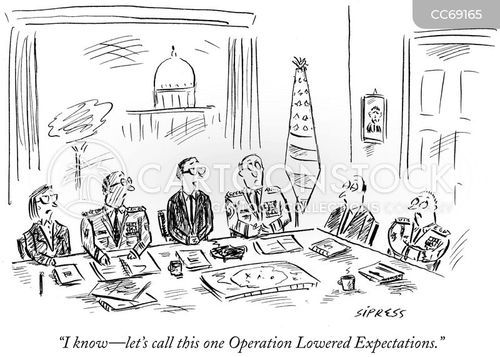

It feels like some big, terrible switch got flipped when the coronavirus upended our lives — so it’s natural to want to simply flip it back. But that is not how the return to normalcy will go.
The big picture: Even as the number of illnesses and deaths in the U.S. start to fall, and we start to think about leaving the house again, the way forward will likely be slow and uneven. This may feel like it all happened suddenly, but it won’t end that way.
What’s next: Nationally, the number of coronavirus deaths in the U.S. is projected to hit its peak within the next few days. But many big cities will see their own peaks significantly later — for them, the worst is yet to come.
The future will come in waves — waves of recovery, waves of more bad news, and waves of returning to some semblance of normal life.
What the post-lockdown world will look like:
And there will be more waves of infection, even in areas that have passed their peaks.
This is all but inevitable in the U.S., too, especially as travel begins to pick back up. Some places may need to shut down again, or at least tighten back up, if these new flare-ups are bad enough.
What we’re watching: We’ll still need a lot more diagnostic testing to make this process work. Public health officials need to be able to identify people who might be spreading the virus before they begin to feel sick, and then identify the people they may have infected.
The real turning point won’t come until there’s a proven, widely available treatment or, even better, a widely available vaccine.
The bottom line: “I’m not going back to Disneyland, I’m not going to take a cruise again, until we have a very aggressive testing system or we have very effective therapeutics or a vaccine,” Gottlieb said.
President Donald Trump’s administration stalled three key weeks in February that could have been spent enacting mitigatory measures against COVID-19 after Trump was angered by a public health official issuing a dire warning about the virus, The New York Times reported on Saturday.
On Saturday,The Times published a lengthy investigation of all the instances Trump brushed aside warnings of the severity of the coronavirus crisis, failed to act, and was delayed by significant infighting and mixed messages from the White House over what action to take and when.
The Times wrote: “These final days of February, perhaps more than any other moment during his tenure in the White House, illustrated Mr. Trump’s inability or unwillingness to absorb warnings coming at him.”
The Times conducted dozens of interviews with current and former officials and obtained 80 pages of emails from a number of public health experts both within and outside of the federal government who sounded the alarm about the severity of the crisis on an email chain they called “Red Dawn.”
One of the members of the email group, Health & Human Service disaster preparedness official Dr. Robert Kadlec, became particularly concerned about how rapidly the virus could spread when Dr. Eva Lee, a Georgia Tech researcher, shared a study with the group about a 20-year-old woman in China who spread the virus to five of her family members despite showing no symptoms.
“Eva is this true?! If so we have a huge [hole] on our screening and quarantine effort,” he replied on February 23.
At that point, researchers and top officials in the federal government determined that since it was way too late to try to keep the virus out of the United States, the best course of action was to introduce mitigatory, non-pharmaceutical interventions (NPIs) like social distancing and prohibiting large gatherings.
As officials sounded the alarm that they didn’t have any time to waste before enacting aggressive measures to contain the virus, top public health officials including Dr. Robert Kadlec concluded that it was time to present Trump with a plan to curb the virus called “Four Steps to Mitigation.”
The plan, according to The Times, included canceling large gatherings, concerts, and sporting events, closing down schools, and both governments and private businesses alike ordering employees to work from home and stay at home as much as possible, in addition to quarantine and isolating the sick.
But their entire plan was derailed by a series of events that ended up delaying the White House’s response by several weeks, wasting precious time in the process.
Trump was on a state visit to India when Dr. Kadlec and other experts wanted to present him with the plan, so they decided to wait until he came back.
But less than a day later, Dr. Nancy Messonnier, the director of the National Center for Immunization and Respiratory Diseases at the CDC, publicly sounded the alarm about the severity of the coronavirus outbreak in a February 26 press conference, warning that the outbreak would soon become a pandemic.
“It’s not so much a question of if this will happen anymore but rather more a question of exactly when this will happen and how many people in this country will have severe illness,” Messonnier said, bluntly warning that community transmission of the virus would be inevitable.
The Times reported that Trump spent the plane ride stewing in anger both over Messonnier’s comments and the resulting plummet of the stock market they caused, calling Secretary of Health & Human Services Alex Azar “raging that Dr. Messonnier had scared people unnecessarily,” The Times said.
The Times reported that the entire episode effectively killed off any efforts to persuade Trump to take aggressive, decisive action to mitigate the virus’ spread and led to Azar being sidelined, writing, ” With Mr. Pence and his staff in charge, the focus was clear: no more alarmist messages.”
In the end, Dr. Kadlec’s team never made their presentation. Trump did not issue nationwide social distancing and stay-at-home guidelines until March 16, three weeks after Messonnier warned that the US had limited time to mitigate community transmission of the virus, and several weeks after top experts started calling for US officials to implement such measures.
In those nearly three weeks between February 26 and March 16, the number of confirmed COVID-19 cases rose from just 15 to 4,226, The Times said. As of April 12, there are over half a million confirmed cases in the United States with over 21,000 deaths.
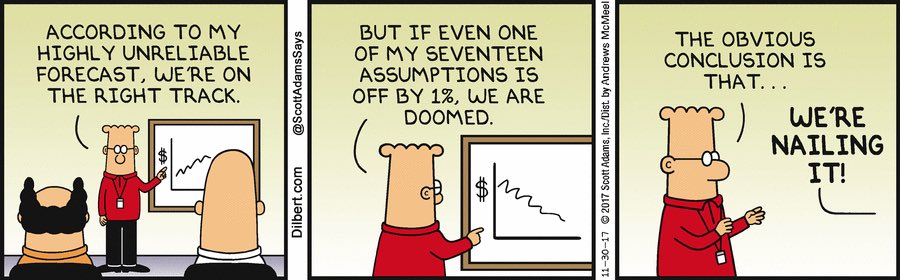
The decades-old drug that President Donald Trump has persistently promoted as a potential weapon against COVID-19 has within a matter of weeks become a standard of care in areas of the United States hit hard by the pandemic — though doctors prescribing it have no idea whether it works.
Doctors and pharmacists from more than half a dozen large healthcare systems in New York, Louisiana, Massachusetts, Ohio, Washington and California told Reuters they are routinely using hydroxychloroquine on patients hospitalized with COVID-19. At the same time, several said they have seen no evidence that the drug, used for years to treat malaria and autoimmune disorders, has any effect on the virus.
Use of hydroxychloroquine has soared as the United States has quickly become the epicenter of the pandemic. More than 355,000 people in the United States have tested positive for the novel coronavirus, and more than 10,000 have died. The federal government estimates that as many as 240,000 people in the country may die from the disease before the outbreak is over.
Facing those numbers, and in the absence of any known effective treatments, doctors on the frontlines said they began using hydroxychloroquine and the related chloroquine on patients who are deteriorating based on a few small studies suggesting a possible benefit. Some said they had come under pressure from patients to use the therapies widely touted by Trump and other supporters.
“I may take it,” Trump said on Saturday, referring to hydroxychloroquine, though he has twice tested negative for coronavirus, according to the White House. “We’re just hearing really positive stories, and we’re continuing to collect the data.”
Potential side effects of hydroxychloroquine include vision loss and heart problems. But doctors interviewed by Reuters say they are comfortable prescribing the drug for a short course of several days for coronavirus patients because the risks are relatively low and the therapies are inexpensive and generally available.
However, protocols directing how these drugs should be used vary from one hospital to another, including when to introduce them and whether to combine them with other drugs. In addition, some studies showing promise involve patients who took the therapies for mild or early-stage illness. Many of those people are likely to recover from the virus on their own.
Patients admitted to the hospital in the United States are generally much sicker than the mildly ill cases cited in such studies when they receive therapy. These factors, doctors said, have made it difficult for them to determine whether the drugs are making a difference. “I have seen hundreds of patients with severe COVID and most of these people are on hydroxychloroquine,” Dr Mangala Narasimhan, regional director of critical care at Northwell Health, a 23-hospital system in New York, said in an email. “In my opinion, although it is very early, I do not see a dramatic improvement from the hydroxychloroquine in these patients.” Dr Daniel McQuillen, an infectious disease specialist at Lahey Hospital & Medical Center in Burlington, Massachusetts, said he has prescribed a course of hydroxychloroquine for about 30 COVID-19 patients so far because the drug has shown “a little bit of antiviral activity.” But he has not seen “marked improvement for patients.”
“Anecdotally, it may have had limited effect in patients with milder disease,” McQuillen said. The therapy “has had no effect in limiting or slowing progression of our patients that have been at or near ICU level when they arrived.”
The experience of David Lat, a legal recruiter and commentator who founded the blog Above the Law, reflects the mixture of hope and uncertainty surrounding the drugs now being pursued as possible coronavirus treatments.
Since early March, the 44-year-old New Yorker has chronicled his near-fatal infection with coronavirus in social media posts followed by thousands of people. Lat’s case has resonated with a U.S. audience that has begun to recognize the risk that coronavirus poses not only to elderly patients with serious medical conditions, but also to generally healthy younger adults.
After more than a week of worsening symptoms, Lat was admitted to NYU Langone Medical Center on March 16 and later placed on a ventilator. On March 28, he shared on Facebook that his doctors had taken him off of the ventilator and had moved him out of intensive care after his condition improved dramatically.
In an exchange of text messages with Reuters, Lat said he was treated with hydroxychloroquine and the antibiotic azithromycin. He also received the experimental therapy clazakizumab, which aims to regulate an overreaction by the body’s immune system thought to trigger the respiratory distress seen in severe COVID-19. After the story was published, Lat clarified that he received a fourth therapy, the antiviral Kaletra, not Kevzara, as he had initially recalled.
“The doctors haven’t concluded what caused my recovery,” Lat said. “The state of coronavirus research is very much ‘throw stuff against a wall and see what sticks’ – but when something does stick, in terms of a good patient outcome, you’re not sure what stuck.” Lat’s doctors were not immediately available to comment on his treatment.
Some doctors have been vocal in advocating the drug. Dr Vladimir Zelenko, a general practitioner in upstate New York, has claimed that a three-drug cocktail of hydroxychloroquine, azithromycin and zinc sulfate has helped mitigate the infection in nearly 200 hundred of his patients before they became sick enough to require hospitalization. His recommendations have attracted the attention of Trump’s supporters. Zelenko wasn’t immediately available for comment.
Despite such encouraging reports, hard evidence that any of the therapies now under study will work is weeks and possibly months way.
Early, but mixed, data has emerged from COVID-19 trials of the malaria drugs in China. A research team in Marseilles, France, has published data showing that out of 80 mild COVID-19 patients treated with hydroxychloroquine and azithromycin, 93 percent had no detectable levels of the virus after eight days.
Doctors have questioned the value of the Marseille study and several papers from China as being too small or poorly designed to offer hard evidence of benefit. Most do not compare outcomes of patients who received the malaria therapies with people who did not, considered the most reliable measure of a drug’s effectiveness. Last week, doctors in Paris reported that they tried to replicate the results of the Marseille study and failed. Results from a trial conducted in Wuhan, China, were released that included a control group of patients who did not receive the anti-malarial therapy for comparison. But critics questioned why information on the trial’s main goal — detecting viral load — was not disclosed, and said data was missing for some patients. More rigorous U.S.-led trials are now underway. But most focus on whether the drugs can help prevent illness in people exposed to the coronavirus, such as healthcare workers or relatives of confirmed patients, and not people who are already sick. Randomized, controlled trials of the drugs are being conducted in other countries, including China, Brazil and Norway.
Until the evidence is in, “each institution is setting their own treatment guidelines,” said Dr Otto Yang, an infectious disease specialist at the University of California, Los Angeles Medical Center. “There is simply no data,” he said. “It is a matter of opinion, and opinions differ.”
GAME-CHANGER?
Trump is deeply invested in the idea that the malaria drugs will show a benefit, and personally pressured federal health officials to make them available, Reuters reported on Saturday. The president announced on Twitter last month that hydroxychloroquine, when combined with azithromycin, has the potential to become “one of the biggest game changers in the history of medicine.”

It took only 10 days for signs that the approach here — “elimination” rather than the “containment” goal of the United States and other Western countries — is working.
The number of new cases has fallen for two consecutive days, despite a huge increase in testing, with 54 confirmed or probable cases reported Tuesday. That means the number of people who have recovered, 65, exceeds the number of daily infections.
“The signs are promising,” Ashley Bloomfield, the director-general of health, said Tuesday.
The speedy results have led to calls to ease the lockdown conditions, even a little, for the four-day Easter holiday, especially as summer lingers on.
But Prime Minister Jacinda Ardern is adamant that New Zealand will complete four weeks of lockdown — two full 14-day incubation cycles — before letting up. She has, however, given the Easter Bunny special dispensation to work this weekend.
How has New Zealand, a country I still call home after 20 years abroad, controlled its outbreak so quickly?
When I arrived here a month ago, traveling from the epicenter of China via the hotspot of South Korea, I was shocked that officials did not take my temperature at the airport. I was told simply to self-isolate for 14 days (I did).
But with the coronavirus tearing through Italy and spreading in the United States, this heavily tourism-reliant country — it gets about four million international visitors a year, almost as many as its total population — did the previously unthinkable: it shut its borders to foreigners on March 19.
Two days later, Ardern delivered a televised address from her office — the first time since 1982 that an Oval Office-style speech had been given — announcing a coronavirus response alert plan involving four stages, with full lockdown being Level 4.
A group of influential leaders got on the phone with her the following day to urge moving to Level 4.
“We were hugely worried about what was happening in Italy and Spain,” said one of them, Stephen Tindall, founder of the Warehouse, New Zealand’s largest retailer.
“If we didn’t shut down quickly enough, the pain was going to go on for a very long time,” he said in a phone interview. “It’s inevitable that we will have to shut down anyway, so we would rather it be sharp and short.”
On the Monday, March 23, Ardern delivered another statement and gave the country 48 hours to prepare for a Level 4 lockdown. “We currently have 102 cases,” she said. “But so did Italy once.”
From that Wednesday night, everyone had to stay at home for four weeks unless they worked in an essential job such as health care, or were going to the supermarket or exercising near their home.
There have been critics and rebels. The police have been ordering surfers out of the waves. The health minister was caught — and publicly chastised by Ardern, who said she would have fired him if it weren’t disruptive to the crisis response — for mountain biking and taking his family to the beach.
But there has been a sense of collective purpose. The police phone line for nonemergencies has been overwhelmed with people calling to “dob in,” as we say here, others they think are breaching the rules.
The response has been notably apolitical. The center-right National Party has clearly made a decision not to criticize the government’s response, and in fact to help it.
These efforts appear to be paying off.
After peaking at 89 on April 2, the daily number of new cases ticked down to 67 on Monday and 54 on Tuesday. The vast majority of cases can be linked to international travel, making contact tracing relatively easy, and many are consolidated into identifiable clusters.
Because there is little evidence of community transmission, New Zealand does not have huge numbers of people overwhelming hospitals. Only one person, an elderly woman with existing health problems, has died.
The nascent slowdown reflected “a triumph of science and leadership,” said Michael Baker, a professor of public health at the University of Otago and one of the country’s top epidemiologists.
“Jacinda approached this decisively and unequivocally and faced the threat,” said Baker, who had been advocating for an “elimination” approach since reading a World Health Organization report from China in February.
“Other countries have had a gradual ramp-up, but our approach is exactly the opposite,” he said. While other Western countries have tried to slow the disease and “flatten the curve,” New Zealand has tried to stamp it out entirely.
Some American doctors have urged the Trump administration to pursue the elimination approach.
In New Zealand’s case, being a small island nation makes it easy to shut borders. It also helps that the country often feels like a village where everyone knows everyone else, so messages can travel quickly.
New Zealand’s next challenge: Once the virus is eliminated, how to keep it that way.
The country won’t be able to allow people free entry into New Zealand until the virus has stopped circulating globally or a vaccine has been developed, said Baker. But with strict border control, restrictions could be gradually relaxed and life inside New Zealand could return to almost normal.
Ardern has said her government is considering mandatory quarantine for New Zealanders returning to the country post-lockdown. “I really want a watertight system at our border,” she said this week, “and I think we can do better on that.”

The White House coronavirus task force had its biggest fight yet on Saturday, pitting economic adviser Peter Navarro against infectious disease expert Anthony Fauci. At issue: How enthusiastically should the White House tout the prospects of an antimalarial drug to fight COVID-19?
Behind the scenes: This drama erupted into an epic Situation Room showdown. Trump’s coronavirus task force gathered in the White House Situation Room on Saturday at about 1:30pm, according to four sources familiar with the conversation. Vice President Mike Pence sat at the head of the table.
Toward the end of the meeting, Hahn began a discussion of the malaria drug hydroxychloroquine, which Trump believes could be a “game-changer” against the coronavirus.
Navarro’s comments set off a heated exchange about how the Trump administration and the president ought to talk about the malaria drug, which Fauci and other public health officials stress is unproven to combat COVID-19.
Fauci’s mention of anecdotal evidence “just set Peter off,” said one of the sources. Navarro pointed to the pile of folders on the desk, which included printouts of studies on hydroxychloroquine from around the world.
Navarro started raising his voice, and at one point accused Fauci of objecting to Trump’s travel restrictions, saying, “You were the one who early on objected to the travel restrictions with China,” saying that travel restrictions don’t work. (Navarro was one of the earliest to push the China travel ban.)
Between the lines: “There has never been a confrontation in the task force meetings like the one yesterday,” said a source familiar with the argument. “People speak up and there’s robust debate, but there’s never been a confrontation. Yesterday was the first confrontation.”
The bottom line: The way to discuss the drug’s potential has become a fraught issue within the Trump administration.

 HENRY KOTULA