A large pay gap exists between independent and hospital-employed doctors

https://www.healthcarefinancenews.com/news/large-pay-gap-exists-between-independent-and-hospital-employed-doctors

Physician practices with more female doctors have smallest gender pay gaps  | Healthcare Finance News

The payment gap was $63,000 for primary care doctors, $178,000 for medical specialists and $150,000 for surgeons.

Doctors who work for hospital outpatient facilities get much higher payments for their services from Medicare than doctors who practice independently, according to a new study.

The research, based on Medicare claims data from 2010-2016, found that the program’s payments for doctors’ work were, on average, $114,000 higher per doctor per year when billed by a hospital than when billed by a doctor’s independent practice.

Published in Health Services Research, results found that the amount Medicare would pay for outpatient care at doctors’ offices would have been 80% higher if the services had been billed by a hospital outpatient facility. In 2010, the average set of Medicare services independent doctors performed annually for patients was worth $141,000, but charging for the same group of services would have grossed $240,000 if a hospital outpatient facility billed for them.

The payment difference varied by specialty. The payment gap was $63,000 for primary care doctors, $178,000 for medical specialists and $150,000 for surgeons.

Moreover, the study found the differential grew over time. From 2010-2016, the average difference between hospital outpatient and private practice payments grew from 80% higher to 99% higher.

WHAT’S THE IMPACT?

The main reason for these large payment differences: facility fees. For each service a doctor performs, Medicare pays hospital outpatient facilities both a fee for the doctor’s work and a fee for the facility, whereas private practices receive only doctor fees.

Although the doctor fees are a bit lower in hospital outpatient locations, the facility fees more than make up for the difference, and the total payments to hospitals are reflected in higher doctor salaries and bonuses.

The Centers for Medicare and Medicaid Services has been trying to correct this imbalance for years with policies that would pay both sites the same amount. In 2015, the Bipartisan Budget Act authorized CMS to impose site-neutral payments but grandfathered existing hospital outpatient facilities. Later, CMS expanded the equal payments to other hospital outpatient facilities, but the American Hospital Association sued to overturn this regulation.

In July 2020, the Appeals Court sided with HHS. The American Hospital Association and the Association of American Medical Colleges said they would seek to have the ruling overturned.

The groups filed for a petition for a rehearing, which was denied.

In February, the Supreme Court acknowledged the AHA’s request for judicial review. The government response was due by March 15, but on March 3, Norris Cochran, acting Secretary of Health and Human Service asked for an extension until April 14 to file the government’s response, according to court documents.

The significant difference between Medicare payments to hospital outpatient facilities and independent offices has encouraged hospitals and health systems to buy doctor practices, but the study noted that good research about this has been lacking up to now.

It found little evidence of a direct relationship linking the size of the pay gap between hospital outpatient facilities and independent offices, with hospitals buying doctor practices, in particular medical specialties. But it did find that doctors whose services had larger pay gaps were more likely to have a hospital buy their practice than doctors whose services had a smaller pay gap.

In an accompanying commentary, Dr. Michael Chernew of Harvard Medical School in Boston said the study had found that the ability of hospitals and employed doctors to earn more from Medicare had resulted in a greater amount of integration.

THE LARGER TREND

However, the authors pointed out that the Medicare payment difference is only one of many factors that have contributed to the huge increase in the share of doctors employed at hospitals over the past decade. For example, they found a higher probability of a doctor going to work for a hospital in highly concentrated hospital markets and rural areas.

Other studies, they said, have established that some health systems use integration with doctors’ offices as a bargaining chip with commercial health insurance plans. Also, some doctors may find that independent practice is less viable than it used to be for a variety of reasons.

It has also been suggested that many younger doctors prefer hospital employment to private practice because they crave economic security and work-life balance.

It’s been estimated that even the payments to hospitals vs. doctors could save CMS $11 billion over 10 years. But the paper illustrates that the payment disparities can also create broader market distortions because consolidation of hospitals and doctors’ offices has been shown to lead to higher prices overall.


Optum to acquire 715-physician group in Massachusetts

Optum To Provide More Than Half Of UnitedHealth's 2020 Profits

UnitedHealth subsidiary Optum signed a definitive agreement to acquire Atrius Health, a 715-physician group based in Newton, Mass., according to The Boston Globe

Optum said March 2 the agreement was signed the evening of March 1 after UnitedHealth’s board approved the transaction. Atrius’ board also unanimously approved the deal. 

The deal will need approval from Massachusetts’ Health Policy Commission, the Department of Public Health and the Federal Trade Commission.

If the deal is approved, it would expand Optum’s presence in Massachusetts. The organization had previously acquired Worcester, Mass.-based Reliant Medical Group in April 2018. 

Optum reportedly had been interested in purchasing Atrius, which has 30 locations in Massachusetts, for a few years and submitted a bid for it in 2019 when the medical group was looking for a partner. In 2019, Atrius decided to remain independent. However, Atrius said it decided to reignite potential partnership talks again due to the pressures of the pandemic. 

We looked at many alternatives and chose [Optum] because of cultural alignment, the benefit we could provide for patients, the stability it could provide for our practice, and the help we can provide to the commonwealth as it pertains to managing medical spend,” Atrius President and CEO Steven Strongwater, MD, told the Boston Business Journal. 

New York physician charged with manslaughter in patient death

Legal and Illegal Drug Overdose: Guide to Signs, Symptoms, and Help

A New York physician has been charged with manslaughter in the second degree and is facing other felonies related to the overdose death of a patient, New York Attorney General Letitia James announced Feb. 19. 

Sudipt Deshmukh, MD, allegedly prescribed a lethal mix of opioids and other controlled substances that resulted in the overdose death of a patient. The physician allegedly knew the patient struggled with addiction.

An indictment, unsealed Feb. 18, alleges that between 2006 and 2016, Dr. Deshmukh ignored his professional responsibilities by prescribing combinations of opioid painkillers and other controlled substances, including hydrocodone, methadone and morphine, without regard to the risk of death associated with the combinations of those drugs.  

Dr. Deshmukh is facing several felony charges, including healthcare fraud, for allegedly causing Medicare to pay for medically unnecessary prescriptions. 

The indictment comes after the attorney general’s office filed a felony complaint against Dr. Deshmukh in August. In 2019, the New York State Office of Professional Medical Conduct found that he committed several counts of misconduct. 

The Burdens Grow Heavier for COVID-19 Health Care Providers

Dr. Christine Choi, a second year medical resident at Harbor-UCLA Medical Center
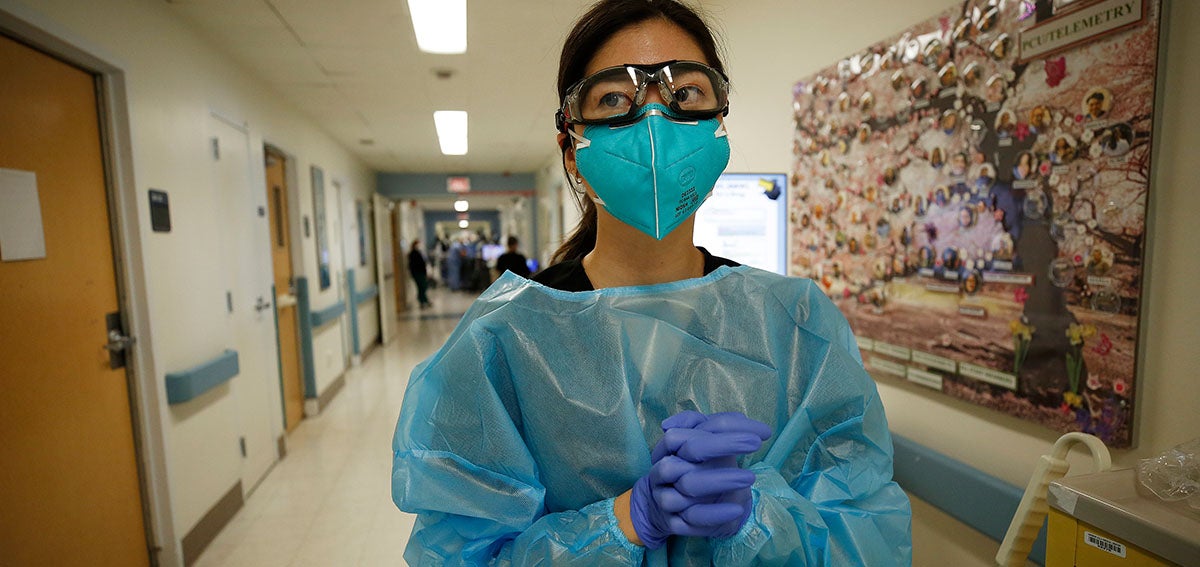
Dr. Christine Choi, 32, a medical resident at Harbor-UCLA Medical Center in Torrance, prepares to enter an isolation area for COVID-19 inpatients. Health care providers must face daily patient death and suffering.

Soon after the COVID-19 pandemic began last spring, Christine Choi, DO, a second-year medical resident at Harbor-UCLA Medical Center, volunteered to enter COVID-19 patient rooms. Since then, she has worked countless nights in the intensive care unit in full protective gear, often tasked with giving the sickest patients and their families the grim choice between intubation or near-certain death.

Essential Coverage

I’m offering this guy two terrible options, and that’s how I feel about work: I can’t fix this for you and it sucks, and I’m sorry that the choices I’m giving you are both terrible,” Choi told the Los Angeles Times’ Soumya Karlamangla about one patient encounter.

While Choi exhibits an “almost startlingly positive attitude” in her work, it’s no match for the psychological burdens placed on her shoulders by the global pandemic, Karlamangla wrote. When an older female COVID-19 patient died in the hospital recently, her husband — in the same hospital with the same diagnosis — soon began struggling to breathe. Sensing that he had little time left, Choi held a mobile phone at his bedside so that each of his children could come on screen to tell him they loved him. “I was just bawling in my [personal protective equipment],” Choi said. “The sound of the family members crying — I probably will never forget that,” she said.

It was not the first time the young doctor helped family members say goodbye to a loved one, and it would not be the last. Health care providers like Choi have had to work through unimaginable tragedies and unprecedented circumstances because of COVID-19, with little time to dedicate to their own mental health or well-being.

It has been nearly a year since the US reported what was believed at the time to be its first coronavirus death in Washington State. Since then, the pandemic death toll has mushroomed to nearly 500,000 nationwide, including 49,000 Californians. These numbers are shocking, and yet they do not capture the immeasurable emotional weight that falls on the health care providers with the most intimate view of COVID-19’s deadly progression. “The horror of the pandemic has unfolded largely outside public view and inside hospitals, piling a disproportionate share of the trauma on the people whose work takes them inside their walls,” Karlamangla wrote.

Experts are deeply concerned about the psychological and physical burdens that providers must bear, and the fact that there is still no end in sight. “At least with a natural disaster, it happens, people get scattered all over the place, property gets damaged or flooded, but then we begin to rebuild,” Lawrence Palinkas, PhD, MA, a medical anthropologist at USC, told Karlamangla. “We’re not there yet, and we don’t know when that will actually occur.”

Burned Out and Exhausted

A new CHCF survey of 1,202 California doctors, nurses, nurse practitioners, physician assistants, and behavioral health specialists confirms that levels of burnout and exhaustion are rising as the pandemic wears on. The survey, conducted January 4 to 14, 2021, is the second in a three-part series assessing COVID-19-related effects on health care providers.

Sixty-eight percent of providers said they feel emotionally drained from their work, 59% feel burned out, 57% feel overworked, and 50% feel frustrated. The poll asked providers who say they feel burned out what contributes most to that viewpoint. One doctor from the Central Valley wrote:

“Short staffed due to people out with COVID. I’m seeing three times as many patients, with no time to chart or catch up. Little appreciation or contact from my bosses. I have never had an N95 [mask]. The emotional toll this pandemic is taking. Being sick myself and spreading it to my wife and young kids. Still not fully recovered but needing to be at work due to physician shortages. Lack of professional growth, and a sense of lack of appreciation at work and feeling overworked. The sadness of the COVID-related deaths and the stories that go along with the disease. That’s a lot of stuff to unpack.”

Safety-net providers and health care workers with larger populations of patients of color are more likely to experience emotional hardships at work. As we know well by now, COVID-19 exacerbates the health disparities that have long burdened people of color and disproportionately harms communities with fewer health care and economic resources.

Women Bear the Brunt

The pandemic has been especially challenging for female health providers, who compose 77% of health care workers with direct patient contact. “The pandemic exacerbated gender inequities in formal and informal work, and in the distribution of home responsibilities, and increased the risk of unemployment and domestic violence,” an international group of experts wrote in the Lancet. “While trying to fulfill their professional responsibilities, women had to meet their families’ needs, including childcare, home schooling, care for older people, and home care.”

For one female doctor from the Bay Area who responded to the CHCF survey, the extra burdens of the pandemic have been unrelenting: “Having to work more, lack of safe, affordable, available childcare while I’m working. As a single mother, working 15 hours straight, then having to care for my daughter when I get home. Just exhausted with no days off. So many Zoom meetings all day long. Miss my family and friends.”

It is unclear how the pandemic will affect the health care workforce in the long term. For now, the damage “can be measured in part by a surge of early retirements and the desperation of community hospitals struggling to hire enough workers to keep their emergency rooms running,” Andrew Jacobs reported in the New York Times.

One of the early retirements Jacobs cited was Sheetal Khedkar Rao, MD, a 42-year-old internist in suburban Chicago. Last October, she decided to stop practicing medicine after “the emotional burden and moral injury became too much to bear,” she said. Two of the main factors driving her decision were a 30% pay cut to compensate for the decline in revenue from primary care visits and the need to spend more time at home after her two preteen children switched to remote learning.

“Everyone says doctors are heroes and they put us on a pedestal, but we also have kids and aging parents to worry about,” Rao said.

Working Through Unremitting Sickness and Death

In addition to the psychological burden, health care providers must cope with a harsh physical toll. People of color account for most COVID-19 cases and deaths among health care workers, according to a KFF issue brief. Some studies show that health care workers of color “are more likely to report reuse of or inadequate access to [personal protective equipment] and to work in clinical settings with greater exposure to patients with COVID-19.”

“Lost on the Frontline,” a collaboration of Kaiser Health News and the Guardian, has counted more than 3,400 deaths among US health care workers from COVID-19. Eighty-six percent of the workers who died were under age 60, and nurses accounted for roughly one-third of the deaths.

“Lost on the Frontline” provides the most comprehensive picture available of health care worker deaths, because the US still lacks a uniform system to collect COVID-19 morbidity and mortality data among health care workers. A year into the project, the federal government has decided to take action. Officials at the US Department of Health and Human Services cited the project when asking the National Academies of Sciences, Engineering, and Medicine for a rapid expert consultation to understand the causes of deaths among health care workers during the pandemic.

The National Academies’ report, published December 10, recommends the “adoption and use of a uniform national framework for collecting, recording, and reporting mortality and morbidity data” along with the development of national reporting standards for a core set of morbidity impacts, including mental well-being and psychological effects related to working through public health crises. Some health care experts said the data gathering could be modeled on the federal government’s World Trade Center Health Program, which provides no-cost medical monitoring and treatment for workers who responded to the 9/11 terrorist attacks 20 years ago.

“We have a great obligation to people who put their lives on the line for the nation,” Victor J. Dzau, MD, president of the National Academy of Medicine, told Jacobs.

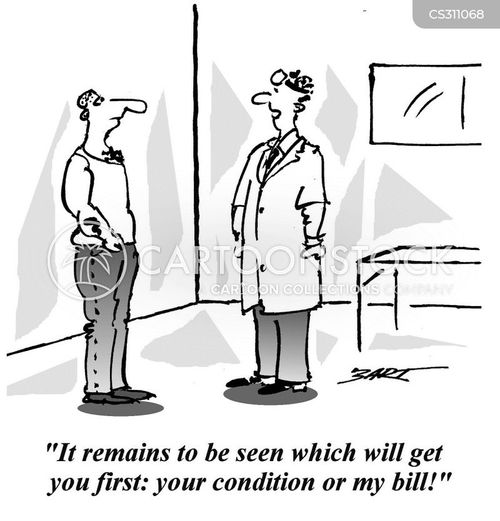
Cartoon – State of the Union (Underinsured)

Image result for cartoon underinsured health

Out-of-network payments in Medicare Advantage

Figure 1: MA HMO Out-of-Network Payments

The complexity of Medicare Advantage (MA) physician networks has been well-documented, but the payment regulations that underlie these plans remain opaque, even to experts. If an MA plan enrollee sees an out-of-network doctor, how much should she expect to pay?

The answer, like much of the American healthcare system, is complicated. We’ve consulted experts and scoured nearly inscrutable government documents to try to find it. In this post we try to explain what we’ve learned in a much more accessible way.

Medicare Advantage Basics

Medicare Advantage is the private insurance alternative to traditional Medicare (TM), comprised largely of HMO and PPO optionsOne-third of the 60+ million Americans covered by Medicare are enrolled in MA plans. These plans, subsidized by the government, are governed by Medicare rules, but, within certain limits, are able to set their own premiums, deductibles, and service payment schedules each year.

Critically, they also determine their own network extent, choosing which physicians are in- or out-of-network. Apart from cost sharing or deductibles, the cost of care from providers that are in-network is covered by the plan. However, if an enrollee seeks care from a provider who is outside of their plan’s network, what the cost is and who bears it is much more complex.

Provider Types

To understand the MA (and enrollee) payment-to-provider pipeline, we first need to understand the types of providers that exist within the Medicare system.

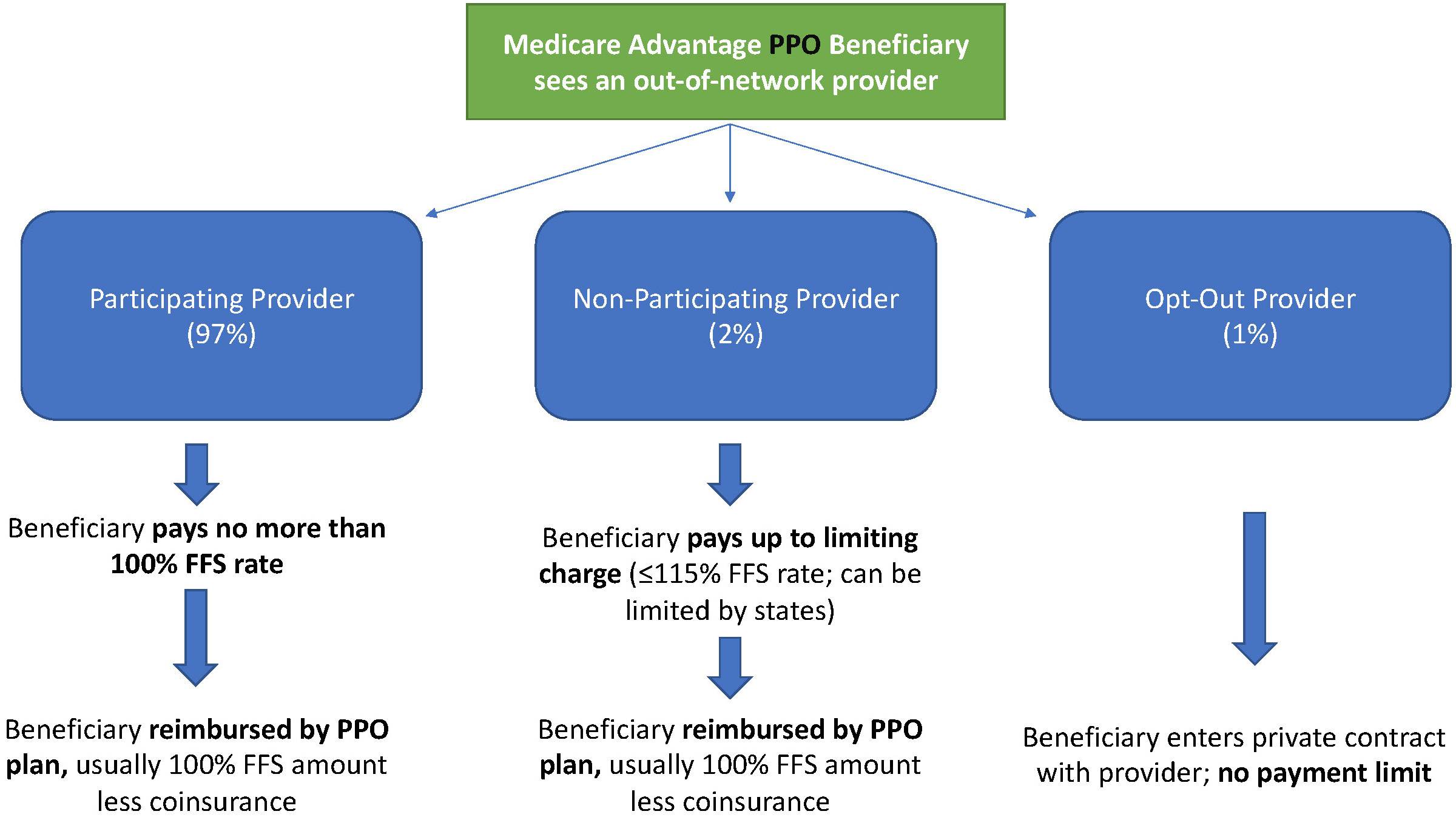
Participating providers, which constitute about 97% of all physicians in the U.S., accept Medicare Fee-For-Service (FFS) rates for full payment of their services. These are the rates paid by TM. These doctors are subject to the fee schedules and regulations established by Medicare and MA plans.

Non-participating providers (about 2% of practicing physicians) can accept FFS Medicare rates for full payment if they wish (a.k.a., “take assignment”), but they generally don’t do so. When they don’t take assignment on a particular case, these providers are not limited to charging FFS rates.

Opt-out providers don’t accept Medicare FFS payment under any circumstances. These providers, constituting only 1% of practicing physicians, can set their own charges for services and require payment directly from the patient. (Many psychiatrists fall into this category: they make up 42% of all opt-out providers. This is particularly concerning in light of studies suggesting increased rates of anxiety and depression among adults as a result of the COVID-19 pandemic).

How Out-of-Network Doctors are Paid

So, if an MA beneficiary goes to see an out-of-network doctor, by whom does the doctor get paid and how much? At the most basic level, when a Medicare Advantage HMO member willingly seeks care from an out-of-network provider, the member assumes full liability for payment. That is, neither the HMO plan nor TM will pay for services when an MA member goes out-of-network.

The price that the provider can charge for these services, though, varies, and must be disclosed to the patient before any services are administered. If the provider is participating with Medicare (in the sense defined above), they charge the patient no more than the standard Medicare FFS rate for their services. Non-participating providers that do not take assignment on the claim are limited to charging the beneficiary 115% of the Medicare FFS amount, the “limiting charge.” (Some states further restrict this. In New York State, for instance, the maximum is 105% of Medicare FFS payment.) In these cases, the provider charges the patient directly, and they are responsible for the entire amount (See Figure 1.)

Alternatively, if the provider has opted-out of Medicare, there are no limits to what they can charge for their services. The provider and patient enter into a private contract; the patient agrees to pay the full amount, out of pocket, for all services.

MA PPO plans operate slightly differently. By nature of the PPO plan, there are built-in benefits covering visits to out-of-network physicians (usually at the expense of higher annual deductibles and co-insurance compared to HMO plans). Like with HMO enrollees, an out-of-network Medicare-participating physician will charge the PPO enrollee no more than the standard FFS rate for their services. The PPO plan will then reimburse the enrollee 100% of this rate, less coinsurance. (See Figure 2.)

In contrast, a non-participating physician that does not take assignment is limited to charging a PPO enrollee 115% of the Medicare FFS amount, which can be further limited by state regulations. In this case, the PPO enrollee is also reimbursed by their plan up to 100% (less coinsurance) of the FFS amount for their visit. Again, opt-out physicians are exempt from these regulations and must enter private contracts with patients.

Figure 2: MA PPO Out-of-Network Payments

Some Caveats

There are two major caveats to these payment schemes (with many more nuanced and less-frequent exceptions detailed here). First, if a beneficiary seeks urgent or emergent care (as defined by Medicare) and the provider happens to be out-of-network for the MA plan (regardless of HMO/PPO status), the plan must cover the services at their established in-network emergency services rates.

The second caveat is in regard to the declared public health emergency due to COVID-19 (set to expire in April 2021, but likely to be extended). MA plans are currently required to cover all out-of-network services from providers that contract with Medicare (i.e., all but opt-out providers) and charge beneficiaries no more than the plan-established in-network rates for these services. This is being mandated by CMS to compensate for practice closures and other difficulties of finding in-network care as a result of the pandemic.

Conclusion

Outside of the pandemic and emergency situations, knowing how much you’ll need to pay for out-of-network services as a MA enrollee depends on a multitude of factors. Though the vast majority of American physicians contract with Medicare, the intersection of insurer-engineered physician networks and the complex MA payment system could lead to significant unexpected costs to the patient.

CEO gets 15 years in prison for $150M healthcare fraud

Image result for healthcare fraud and abuse

The CEO of a group of Texas-based hospice and home health companies was sentenced Feb. 3 to 15 years in prison for his role in a $150 million healthcare fraud and money laundering scheme, according to the Department of Justice

Henry McInnis was sentenced more than a year after he was convicted of conspiracy to commit healthcare fraud, conspiracy to commit money laundering, obstruction of justice and healthcare fraud. 

From 2009 to 2018, Mr. McInnis and others submitted more than $150 million in false and fraudulent claims for healthcare services. The claims were submitted through Merida Group, a hospice company with dozens of locations in Texas. 

Mr. McInnis was CEO of Merida. He had no medical training but acted as the director of nursing for the company. He also enforced a companywide practice of falsifying medical records to conceal the scheme and ordered employees to change medical records to make it appear patients were terminally ill. 

Mr. McInnis also paid bribes to physicians to certify unqualified patients for home health and hospice. 

Mr. McInnis was sentenced less than two months after the owner of Merida Group, Rodney Mesquias, was sentenced to 20 years in prison and ordered to pay $120 million in restitution. 

‘Really difficult nut to crack’: MedPAC torn over telehealth regs post-COVID-19

https://www.healthcaredive.com/news/really-difficult-nut-to-crack-medpac-torn-over-telehealth-regs-post-covi/593466/

Dive Brief:

  • Members of an influential congressional advisory committee on Medicare are torn on how best to regulate telehealth after the COVID-19 public health emergency, hinting at the difficulty Washington faces as it looks to impose guardrails on virtual care without restricting its use after the pandemic ends.
  • During a Thursday virtual meeting, the Medicare Payment Advisory Commission expressed its support of telehealth broadly, but many members noted snowballing use of the new modality could create more fraud and abuse in the system down the line.
  • Key questions of how much Medicare reimburses for telehealth visits and what type of visits are paid for won’t be easily answered, MedPAC commissioners noted. “This is a really, really difficult nut to crack,” Michael Chernew, MedPAC chairman and a healthcare policy professor at Harvard Medical School, said.

Dive Insight:

Virtual care has kept much of the industry running during the coronavirus pandemic, allowing patients to receive needed care at home. Much of this was possible due to the declaration of a public health emergency early 2020, allowing Medicare to reimburse for a greater swath of telehealth services and nixing other restrictions on virtual care.

However, much of that freedom is only in place for the duration of the public health emergency, leaving regulators and legislators scrambling to figure which new flexibilities they should codify, and which perhaps are best left in the past along with COVID-19.

It’s a tricky debate as Washington looks to strike a balance between keeping access open and costs low.

In a Thursday meeting, MedPAC debated a handful of policy proposals to try and navigate this tightrope. Analysts floated ideas like making some expansions permanent for all fee-for-service clinicians; covering certain telehealth services for all beneficiaries that can be received in their homes; and covering telehealth services if they meet CMS’ criteria for an allowable service.

But many MedPAC members were wary of making any concrete near-term policy changes, suggesting instead the industry should be allowed to test drive new telehealth regulations after COVID-19 without baking them in permanently. 

I don’t think what we’ve done with the pandemic can be considered pilot testing. I think a lot of this is likely to go forward no matter what we do because the gate has been opened, and it’s going to be really hard to close it,” Marjorie Ginsburg, founder of the Center for Healthcare Decisions, said. But “I see this just exploding into more fraud and abuse than we can even begin imagining.”

Paul Ginsburg, health policy chair at the Brookings Institution, suggested a two-year pilot of any changes after the public health emergency ends.

However, it would be “regressive” to roll back all the gains virtual care has made over the past year, according to Jonathan Perlin, CMO of health system HCA.

“These technologies are such a part of the environment that at this point, I fear [it] would be anachronistic not to accept that reality,” Perlin said.

Among other questions, commissioners were split on how much Medicare should pay for telehealth after the pandemic ends. 

That parity debate is perhaps the biggest question mark hanging over the future of the industry. Detractors argue virtual care services involve lower practice costs, as remote physicians not in an office don’t need to shell out for supplies and staff. Paying at parity could distort prices, and cause fee-for-service physicians to prioritize delivering telehealth services over in-person ones, some commissioners warned.

Other MedPAC members pointed out a lower payment rate could stifle technological innovation at a pivotal time for the healthcare industry.

MedPAC analysts suggested paying lower rates for virtual care services than in-person ones, and paying less for audio-only services than video.

Commissioners agreed audio-only services should be allowed, but that a lower rate was fair. Commissioner Dana Gelb Safran, SVP at Well Health, suggested CMS should consider outlining certain services where video must be used out of clinical necessity.

Previously, telehealth services needed a video component to be reimbursed. Proponents argue expanded access to audio-only services will improve care access, especially for low-income populations that might not have the broadband access or technology to facilitate a video visit.

Another major concern for commissioners is how permanently expanding telehealth access would affect direct-to-consumer telehealth giants like Teladoc and Amwell. If all telehealth services delivered at home are covered, that could allow the private companies to “really take over the industry,” Larry Casalino, health policy chief in the Weill Cornell Department of Healthcare Policy and Research, said.

Because of the lower back-end costs for virtual care than in-office services, paying vendors the same rate as in-office physicians could drive a lot of brick-and-mortar doctors out of business, commissioners warned.

Optum expects to acquire 10,000 more doctors in 2021

https://mailchi.mp/128c649c0cb4/the-weekly-gist-january-22-2021?e=d1e747d2d8

Physician practice consolidation: It's only just begun - STAT

UnitedHealth Group, both the nation’s largest health insurer and largest employer of physicians, just announced plans to continue to rapidly grow the number of physicians in its Optum division.

This week CEO Dave Wichmann told investors in the company’s fourth quarter earnings call that Optum entered 2021 with over 50,000 employed or affiliated physicians, and expects to add at least 10,000 more across the year. (For context, HCA Healthcare, the largest for-profit US health system, employs or affiliates with roughly 46,000 physicians, and Kaiser Permanente employs about 23,300.) Optum is already making progress toward its ambitious goal with the announcement last week that the company is in talks to acquire Atrius Health, a 715-physician practice in the Boston area.
 
As was the case with other health plans, United’s health insurance business took an expected hit last quarter due to increased costs from COVID testing and treatment, combined with rebounding healthcare utilization. Optum, however, saw revenue up over 20 percent, which drove much of the company’s overall fourth quarter growth. 

Expect United, and other large insurers, flush with record profits from last year, to continue to expand their portfolio of care, digital and analytics assets (see also Optum’s recently announced plan to acquire Change Healthcare for $13B) as they looks to grow integrated insurance and care delivery offerings.

It’s part of what we expect to be a 2021 “land grab” for strategic advantage in healthcare, as providers, health plans, and disruptors look to create comprehensive platforms to secure long-term consumer loyalty.