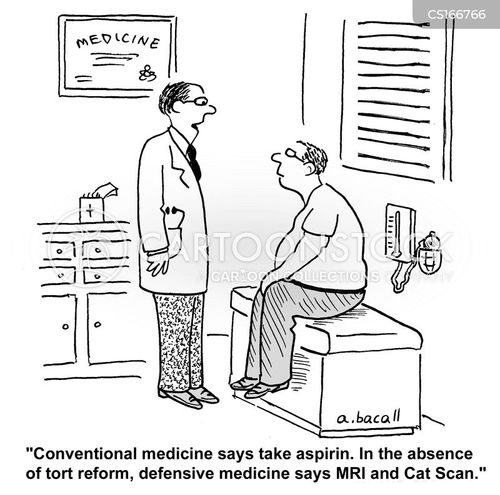
Cartoon – Modern Spin Cycle


Another 870,000 Americans filed for first-time unemployment benefits last week, unexpectedly rising slightly from the prior week to reaffirm a slowdown in the U.S. economic recovery.
The U.S. Department of Labor (DOL) released its weekly jobless claims report at 8:30 a.m. ET Thursday. Here were the main metrics from the report, compared to Bloomberg estimates:
At 870,000, Thursday’s figure represented the fourth consecutive week that new jobless claims came in below the psychologically important 1 million level, but was still high on a historical basis. Nevertheless, the labor market has made strides in recovering from the pandemic-era spike high of nearly 7 million weekly new claims seen in late March.
“While jobless claims under a million for four straight weeks could be considered a positive, we’re staring down a pretty stagnant labor market,” Mike Loewengart, managing director of investment strategy for E-Trade Financial Corporation, said in an email Thursday. “This has been a slow roll to recovery and with no signs of additional stimulus from Washington, jobless Americans will likely continue to exist in limbo. Further, a shaky labor market translates into a skittish consumer, and in the face of a pandemic that seemingly won’t go away without a vaccine, the outlook for the economy certainly comes into question.”
On an unadjusted basis, initial jobless claims rose by a greater margin, or about 28,500, from the previous week to about 824,500. The seasonally adjusted level of new claims rose by 4,000 week on week.
By state, unadjusted claims in California – where joblessness due to the pandemic has compounded with labor market stress due to wildfires – were again the highest in the country at more than 230,000, for an increase of about 4,400 week-over-week. Georgia, New York, New Jersey and Massachusetts also reported significant increases in new claims relative to the rest of the country. Most states reported at least increases in new claims last week.
Continuing claims have also trended lower after a peak of nearly 25 million in May, and fell for a second straight week in this week’s report. But these claims, which capture the total number of individuals still receiving unemployment insurance, have not broken below the 12 million mark since before the pandemic took hold of the labor market in mid-March.
Consistently high numbers of individuals have been filing for, and receiving, jobless benefits from regular state programs, and those newly created during the pandemic. The number of individuals claiming benefits in all programs for the week ended September 5 – the latest reported week – fell for the first time following three straight weeks of increases to 26.04 million, from the nearly 29.8 million reported during the prior week.
Of that total, more than 11.5 million comprised individuals receiving Pandemic Unemployment Assistance, which is aimed at self-employed and gig workers who don’t qualify for regular unemployment compensation but have still been impacted by the pandemic.
One of the major downside risks to further improvement in the labor market has been concern that Congress may not soon pass another round of fiscal stimulus aimed at keeping individuals on payrolls during the pandemic. Economists have already said that the end of the last round of augmented federal unemployment benefits in late July has weighed on improvements in joblessness.
“The current picture suggests that growth has slowed sharply in the past three months, and that the labor market is stalling again in the face of rising infections and the sudden ending of federal government support to unemployed people,” Ian Shepherdson, chief economist for Pantheon Macroeconomics, said in a note Wednesday.
The need for more fiscal stimulus to encourage the economy’s ongoing recovery has become a key talking point of policymakers including Federal Reserve Chair Jerome Powell and his colleagues at the central bank. In congressional testimony Tuesday and Wednesday, the Fed leader said further fiscal stimulus is “unequaled” by any other form of support that could be unleashed, with the central bank’s lending facilities having gone largely untouched by Main Street.
“The concept of the [congressionally authorized] Paycheck Protection Program was helpful because for many of those kinds of businesses – those businesses that don’t have cash reserves – the ability to get a forgivable loan if they stay open, if they keep people employed, was sound, and did give them the prospect of staying in business,” Joseph Minarik, The Conference Board chief policy economist and former Office of Management and Budget chief economist, told Yahoo Finance. “The notion that you have businesses that have been weak over the last few months and now have simply had to shut their doors, that’s a real problem, and it is not necessity going to be solved with a loan.”

We all agree healthcare providers should prioritize patient well-being and bill honestly. Most do. But, if not, my office, the Office of Inspector General for the HHS, and other government agencies, are watching.
We are especially monitoring an area of concern: abuse of risk adjustment in Medicare Advantage, the managed care program serving 23 million beneficiaries, 37% of the Medicare population, at a cost of about $264 billion annually. We have good reason to pay attention. Our recent report found that Medicare Advantage paid $2.6 billion a year for diagnoses unrelated to any clinical services.
Plans used a tool called “health risk assessments” to collect these diagnoses. Ideally, health risk assessments might be part of a Medicare beneficiary’s annual wellness visit and help care teams identify health issues. However, some Medicare Advantage plans use risk assessments without involving the patients’ regular care providers.
Some plans partner with businesses whose primary livelihood entails identifying diagnoses by conducting risk assessments. Some organizations send professional risk assessors, perhaps practitioners with some medical credentials but not physicians or other clinicians involved in the person’s care, to the beneficiaries’ homes. Our study found that 80% of that extra $2.6 billion payment resulted from in-home health risk assessments.
Medicare’s capitated payments vary by beneficiary for good reason. If Medicare paid the same for every beneficiary, plans might favor younger and healthier enrollees. It may not hold true every month, but, on average, it will cost a plan less to serve a healthy 65-year-old than an older person with diabetes or cancer.
Risk adjustment tailors the capitated rate to each beneficiary’s expected costs, so plans should enroll any interested beneficiary and not discriminate. But the risk adjustment is just a projection. Beneficiaries need not actually incur higher costs for the plan to receive higher payments. Some beneficiaries with a seemingly low risk will incur high costs in a given year and some beneficiaries with a high risk will incur low or even no costs.
In fact, one Medicare Advantage plan received about $7 million for beneficiaries who did not appear to receive any clinical care that year — other than the risk assessment, which was the only reason for the higher Medicare payment. Finding beneficiaries with high risk scores but low care utilization can prove a profitable business strategy.
Without gaming, on the aggregate, risk-based payments and utilization should even out over time. But what if plans do game the system? Perhaps making their beneficiaries look sicker? Or not providing care for beneficiaries’ health conditions?
We identified two main concerns:
The question of whether beneficiaries are experiencing quality and safety problems requires more study. For example, it is possible that beneficiaries are receiving care, but plans are not submitting this data as required. Regardless, plans that use risk assessments to gather diagnoses, but then take no further action, are clearly missing an opportunity for meaningful care coordination. We urge Medicare Advantage plans to:
This could include measures like educating patients about the identified diagnoses and sharing them with caregivers. These steps are consistent with the best practices identified by CMS and provided to Medicare Advantage Plans in 2015.
It is not necessarily bad that Medicare allows risk assessments to influence payment, trusting that plans use risk assessments to identify missed diagnoses and not to fabricate nonexistent diagnoses.
However, this practice only helps patients if there is some additional intervention to improve care. If risk assessments are performed by third parties, at minimum, the beneficiary and the beneficiary’s care team should learn the results. Risk assessments should trigger meaningful care coordination, patient engagement and help ensure the care team takes appropriate action. Risk assessments that generate diagnoses for payment purposes, but result in no follow-up care raise serious concerns.
Ensuring beneficiaries receive the care they need should be front of mind for executives as they design risk assessment programs with an eye to quality of care and better care coordination. Failing that, executives should know that government agencies will scrutinize risk adjustment for abuse.
In response to our report, CMS promised to provide additional oversight and target plans that reap the greatest payments from in-home health risk assessments and conditions generated solely by risk assessments for which the beneficiaries appeared to receive no other clinical services. My office has identified red flags in some industry patterns and recommends plans adopt best practices. Executives should champion best practices and make sure their plans are driving correct diagnoses and quality care.
Ensuring that beneficiaries are properly diagnosed is important, not just for the integrity of taxpayer-funded federal healthcare programs, but also for the welfare of the beneficiaries served. Coordinating care and providing appropriate follow up is critical.
My office and other government agencies are targeting oversight to make sure plans do not pad risk adjustments with unsupported diagnoses. When plans find new real diagnoses, the plans deserve the extra payment, but only if patients get appropriate care.

For-profit hospitals are expected to see a financial decline over the next 12 to 18 months as federal relief funds that shored up revenue losses due to COVID-19 start to wane, a recent analysis from Moody’s said.
The analysis, released Monday, finds that cost management is going to be challenging for hospital systems as more surgical procedures are expected to migrate away from the hospital and people lose higher-paying commercial plans and go to lower-paying government programs such as Medicaid.
“The number of surgical procedures done outside of the hospital setting will continue to increase, which will weaken hospital earnings, particularly for companies that lack sizeable outpatient service lines (including ambulatory surgery centers),” the analysis said.
A $175 billion provider relief fund passed by Congress as part of the CARES Act helped keep hospital systems afloat in March and April as volumes plummeted due to the cancellation of elective procedures and reticence among patients to go to the hospitals.
Some for-profit systems such as HCA and Tenet pointed to relief funding to help generate profits in the second quarter of the year. The benefits are likely to dwindle as Congress has stalled over talks on replenishing the fund.
“Hospitals will continue to recognize grant aid as earnings in Q3 2020, but this tailwind will significantly moderate after that,” Moody’s said.
Compounding problems for hospitals is how to handle major costs.
Some hospital systems cut some costs such as staff thanks to furloughs and other measures.
“Some hospitals have said that for every lost dollar of revenue, they were able to cut about 50 cents in costs,” the analysis said. “However, we believe that these levels of cost cuts are not sustainable.”
Hospitals can’t cut costs indefinitely, but the costs for handling the pandemic (more money for personal protective equipment and safety measures) are going to continue for some time, Moody’s added.
“As a result, hospitals will operate less efficiently in the wake of the pandemic, although their early experiences in treating COVID-19 patients will enable them to provide care more efficiently than in the early days of the pandemic,” the analysis found. “This will help hospitals free up bed capacity more rapidly and avoid the need for widespread shutdowns of elective surgeries.”
But will that capacity be put to use?
The number of surgical procedures done outside of the hospital is likely to increase and will further weaken earnings, Moody’s said.
“Outpatient procedures typically result in lower costs for both consumers and payers and will likely be preferred by more patients who are reluctant to check-in to a hospital due to COVID-19,” the analysis said.
The payer mix will also shift, and not in hospitals’ favor. Mounting job losses due to the pandemic will force more patients with commercial plans toward programs such as Medicaid.
“This will hinder hospitals’ earnings growth over the next 12-18 months,” Moody’s said. “Employer-provided health insurance pays significantly higher reimbursement rates than government-based programs.”
There are some bright spots for hospitals, including that not all of the $175 billion has been dispersed yet. The CARES Act continues to provide hospitals with a 20% add-on payment for treating Medicare patients that have COVID-19, and it suspends a 2% payment cut for Medicare payments that was installed as part of sequestration.
The Centers for Medicare & Medicaid Services also proposed increasing outpatient payment rates for the 2021 fiscal year by 2.6% and in-patient rates by 2.9%. The fiscal year is set to start next month.
Patient volumes could also return to normal in 2021. Moody’s expects that patient volumes will return to about 90% of pre-pandemic levels on average in the fourth quarter of the year.
“The remaining 10% is likely to come back more slowly in 2021, but faster if a vaccine becomes widely available,” the analysis found.

The House passed a short-term government funding bill that extends the deadline for providers to start repaying Medicare advance payment loans to the end of the COVID-19 public health emergency.
The bill that the House passed late Tuesday is a major win for provider groups who worried they could struggle to repay the Medicare loans starting in August. The bill still has to pass through the GOP-controlled Senate.
The continuing resolution, which funds the federal government through Dec. 11, also lowers the interest rate for payments made under the Medicare Accelerated and Advance Payment Program to 4%, down from 10.25%.
The Centers for Medicare & Medicaid Services (CMS) gave out more than $100 billion in advance payments in March to providers slammed by the pandemic. The payments are essentially loans which CMS recoups by garnishing Medicare payments to providers. That process starts 120 days after the first payment was received.
But the bill would give providers one year before Medicare can claim their payments.
It would also give providers 29 months since the first payment to fully repay the loan amount. Currently, CMS gives providers a year to fully repay.
In addition to the changes to the repayment terms, the bill also delays $4 billion in payment cuts to disproportionate share hospitals that were supposed to go into effect as part of the Affordable Care Act. The cuts will now be delayed until December.
The bill earned plaudits from the hospital industry, which has pressed Congress for help as providers are still struggling with the pandemic and could not afford to have Medicare payments become garnished.
“Our hospitals continue to suffer high costs and revenue losses associated with COVID-19, and they welcome the relief this continuing resolution would provide,” said Bruce Siegel, president and CEO of America’s Essential Hospitals, which represents safety net hospitals.
The Federation of American Hospitals said earlier this week before the House vote that the advance payment program is a “vital lifeline to hospitals and healthcare providers during the pandemic that has enabled hospitals and providers to maintain access to critical patient care. But the ongoing pressures of the current crisis required a revision of the repayment terms.”
The bill, which has approval from the White House, now heads to the Senate. The chamber must reach a decision on the legislation to avoid a government shutdown when funding runs out on Sept. 30.

https://www.pionline.com/courts/blue-cross-blue-shield-sues-allianzgi-over-investment-strategies

Blue Cross Blue Shield’s national employee benefits committee filed a lawsuit against Allianz Global Investors and its investment consultant Aon Investments USA, charging both with breaches of fiduciary responsibilities and breach of contract regarding more than $2 billion in losses in the insurer’s defined benefit plan trust.
The lawsuit, filed Wednesday in U.S. District Court in New York, alleges that AllianzGI took “reckless actions” in the management of three funds the manager had said offered downside protection against market declines and volatility, according to the court filing.
As of Jan. 31, the National Retirement Trust of the Blue Cross and Blue Shield Association had a total of $2.9 billion invested in the AllianzGI Structured Alpha Multi-Beta Series LLC I, AllianzGI Structured Alpha Emerging Markets Equity 350 LLC, and the AllianzGI Structured Alpha 1000 LLC, according to the filing.
After the funds experienced heavy losses in February and March, the investments were liquidated and redeemed, and the committee received about $540 million, according to the filing.
As of Dec. 31, 2018, the Blue Cross and Blue Shield Association National Retirement Trust had $4.6 billion in assets, according to its most recent Form 5500 filing.
The lawsuit, which includes claims breach of fiduciary duty and breach of contract against both AllianzGI and Aon, alleges that AllianzGI “caused the (benefits) committee to believe that structured alpha’s risk profile was consistent with Allianz’s stated investment strategy rather than the actual risk profile, either by making false or misleading representations about structured alpha or failing to disclose information necessary to correct prior representations that were inconsistent with how Allianz was actually managing the strategy.”
The suit alleges Aon breached its obligations by “failing to monitor and inform the committee of breakdowns in Allianz’s risk management protocols, learning only after the catastrophic events of March 2020 that Allianz had inadequate risk management in place.”
AllianzGI’s structured alpha strategies have historically been designed to be both long and short volatility, according to a September 2016 presentation: Taking range-bound spread positions, to sell options that were most likely to expire worthless (short volatility); hedged positions designed to protect against market crashes (long volatility); and directional spread positions designed to generate returns when equity indexes rise or fall more than usual during multiweek periods (long/short volatility).
The lawsuit alleges that “when equity markets declined, volatility spiked and the funds’ option positions were exposed to a heightened risk of loss in February and March 2020, those promised protections were absent.”
The lawsuit seeks relief including restoration of all losses, actual damages and accounting and disgorgement of fees and profits.
John Wallace, AllianzGI spokesman, said in an email: “While the losses sustained by the Structured Alpha portfolio during the market downturn in late February and March were disappointing, AllianzGI believes the allegations made by Blue Cross Blue Shield are legally and factually flawed. We will defend ourselves vigorously against these claims. Blue Cross Blue Shield was advised by a sophisticated investment consultant to evaluate the Structured Alpha strategy. These funds sought to deliver substantial returns of as much as 10% above, net of fees, the returns of the fund’s benchmark, an index like the S&P 500. As was fully disclosed to Blue Cross Blue Shield, the Structured Alpha strategy involved risks commensurate with those higher returns. Blue Cross Blue Shield and their consultant determined that the Structured Alpha Portfolio fit with their overall investment goals and risk tolerances.”
The $15.3 billion Arkansas Teacher Retirement System, Little Rock, filed its own lawsuit against Allianz Global Investors and subsidiaries in July, regarding its own losses in structured alpha strategies.
Robert Elfinger, Aon spokesman, said the company does not comment on pending litigation.
Sean W. Gallagher, Adam L. Hoeflich, Nicolas L. Martinez, Abby M. Mollen and Mark S. Ouweleen, partners at Bartlit Beck, attorney for the plaintiffs, could also not be immediately reached for comment.

Sam’s Club partnered with primary care telehealth provider 98point6 to offer members virtual visits.
Seven details:
1. Sam’s Club now offers members access to telehealth visits through a text-based app run by 98point6.
2. Members can purchase a $20 quarterly subscription for the first three months; the regular sign-up fee is $30 per person. After the first three months, members pay $33.50 every three months.
3. The subscription gives members unlimited telehealth visits for $1 per visit. The service has board-certified physicians available 24 hours per day, seven days a week.
4. Members can also subscribe for pediatric care.
5. Physicians can diagnose and treat 400 conditions including cold and flu-like symptoms as well as allergies. They can also monitor chronic conditions including diabetes, depression and anxiety.
6. Members can use the app to obtain prescriptions and lab orders as well.
7. Sam’s Club has around 600 stores in the U.S. and Puerto Rico and millions of members.
“Offering access to telemedicine was on our roadmap in the pre-COVID world, but the current environment expedited the need for this service to be easily accessible, readily available and most of all, affordable,” said John McDowell, vice president of pharmacy operations and divisional merchandise at Sam’s Club. “Through providing access to the 98point6 app in a pilot, we quickly realized that our members were eager to have mobile telehealth options and we wanted to provide this healthcare solution to all of our members as a standalone option.”

Nationwide, private insurers pay an average of 247 percent more than what Medicare pays for similar services, according to a RAND Corp. study published Sept. 18.
The study examined 750,000 claims for inpatient hospital stays and 40.2 million claims for outpatient services between 2016 and 2018. The sample included data from 3,112 hospitals across 49 states.
The Advisory Board mapped where private insurers pay hospitals the most and least relative to Medicare. Data for Hawaii, North Dakota, Maryland and South Dakota were unavailable.
Here are the 10 states where private insurers pay the most relative to Medicare:
1. West Virginia: 349.2 percent
2. South Carolina: 349.1 percent
3. Florida: 340 percent
4. Tennessee: 329.5 percent
5. Alaska: 327.5 percent
6. Indiana: 304.1 percent
7. Georgia: 299 percent
8. Minnesota: 295.7 percent
9. Wisconsin: 290.3 percent
10. Virginia: 288.3 percent
Here are the 10 states where private insurers pay the least relative to Medicare:
1. Arkansas: 186.1 percent
2. Michigan: 193.6 percent
3. Rhode Island: 195.9 percent
4. Nevada: 207.9 percent
5. Pennsylvania: 208.8 percent
6. Kentucky: 214.2 percent
7. Connecticut: 214.6 percent
8. Utah: 216.1 percent
9. Kansas: 225.9 percent
10. Massachusetts: 227.7 percent