


Cartoon – Office Visit Triage
https://mailchi.mp/31b9e4f5100d/the-weekly-gist-june-03-2022?e=d1e747d2d8

The digital platform is designed to provide consumers with a coordinated healthcare experience across care settings. It’s being sold to Aetna’s fully insured and self-insured plan sponsors, as well as CVS Caremark clients, and is due to go live next year. According to CVS Health, the new offering “enables consumers to choose care when and where they want,” whether that’s virtually, in a retail setting (including at a MinuteClinic or HealthHUB), or through at-home services.
Patients will have access to primary care, on-demand care, medication management, chronic condition management, and mental health services, as well as help in identifying other in-network care providers.
The Gist: CVS Health has been working to integrate its retail clinics, care delivery assets, and health insurance business. This new virtual-first care platform is aimed at coordinating care and experience across the portfolio, and streamlining how individuals access the range of services available to them.
CVS is not alone in focusing here: UnitedHealth Group, Cigna, and others have announced virtual-first health plans with a similar value proposition. Any payer or provider who aims to own the consumer relationship must field a similar digital care platform that streamlines and coordinates service offerings, lest they find themselves in a market where many patients turn first to CVS and other disruptors for their care needs.

Health systems that employed fewer primary care physicians, have higher bed counts or are investor owned were more likely to provide more unnecessary or low-value care, a study published Jan. 14 in JAMA found.
For the study, researchers from Baltimore-based Johns Hopkins University analyzed Medicare claims data at 3,745 hospitals for 17 low-value services. The low-value services were previously identified as unnecessary and included services such as pap smears for women older than 65, an abdominal CT scan with and without contrast and spinal fusions for back pain, according to the study.
The researchers then rated the hospitals using an overuse index, which was based on the Medicare claims for the low-value healthcare services. Health systems rated at least 1.5 standard deviations or more above the average in the overuse index were considered over-users of low-value services.
Below is a breakdown of the 20 hospitals that provided the most unnecessary care based on the overuse index.
1. St. Dominic Health Services (Jackson, Miss.)
2. USMD Health System (Irving, Texas)
3. Community Medical Centers (Clovis, Calif.)
4. Care New England Health System (Providence, R.I.)
5. East Alabama Medical Center (Opelika)
6. Pocono Health System (East Stroudsburg, Pa.)
7. University Health Care System (Augusta, Ga.)
8. Deaconess Health System (Evansville, Ind.)
9. Congregation of the Sisters of St Joseph of Peace (Englewood Cliffs, N.J.)
10. Iredell Health System (Statesville, N.C.)
11. Sacred Heart HealthCare System (Allentown, Pa.)
12. Southeast Health (Dothan, Ala.)
13. Chesapeake (Va.) Regional Medical Center
14. Butler (Pa.) Health System
15. CarolinaEast Health System (New Bern, N.C.)
16. Ohio Valley Health Services and Education Corp. (Wheeling, W.Va.)
17. Slidell (La.) Memorial Hospital
18. Lakeland (Fla.) Regional Health System
19. North Kansas City (Mo.) Hospital
20. Temple University Health System (Philadelphia)
Read more here.
The healthcare industry’s staffing shortage crisis has had clear consequences for care delivery and efficiency, forcing some health systems to pause nonemergency surgeries or temporarily close facilities. Less understood is how these shortages are affecting care quality and patient safety.
A mix of high COVID-19 patient volume and staff departures amid the pandemic has put hospitals at the heart of a national staffing shortage, but there is little national data available to quantify the shortages’ effects on patient care.
The first hint came last month from a CDC report that found healthcare-associated infections increased significantly in 2020 after years of steady decline. Researchers attributed the increase to challenges related to the pandemic, including staffing shortages and high patient volumes, which limited hospitals’ ability to follow standard infection control practices.
“That’s probably one of the first real pieces of data — from a large scale dataset — that we’ve seen that gives us some sense of direction of where we’ve been headed with the impact of patient outcomes as a result of the pandemic,” Patricia McGaffigan, RN, vice president of safety programs for the Institute for Healthcare Improvement, told Becker’s. “I think we’re still trying to absorb much of what’s really happening with the impact on patients and families.”
An opaque view into national safety trends
Because of lags in data reporting and analysis, the healthcare industry lacks clear insights into the pandemic’s effect on national safety trends.
National data on safety and quality — such as surveys of patient safety culture from the Agency for Healthcare Research and Quality — can often lag by several quarters to a year, according to Ms. McGaffigan.
“There [have been] some declines in some of those scores more recently, but it does take a little while to be able to capture those changes and be able to put those changes in perspective,” she said. “One number higher or lower doesn’t necessarily indicate a trend, but it is worth really evaluating really closely.”
For example, 569 sentinel events were reported to the Joint Commission in the first six months of 2021, compared to 437 for the first six months of 2020. However, meaningful conclusions about the events’ frequency and long-term trends cannot be drawn from the dataset, as fewer than 2 percent of all sentinel events are reported to the Joint Commission, the organization estimates.
“We may never have as much data as we want,” said Leah Binder, president and CEO of the Leapfrog Group. She said a main area of concern is CMS withholding certain data amid the pandemic. Previously, the agency has suppressed data for individual hospitals during local crises, but never on such a wide scale, according to Ms. Binder.
CMS collects and publishes quality data for more than 4,000 hospitals nationwide. The data is refreshed quarterly, with the next update scheduled for October. This update will include additional data for the fourth quarter of 2020.
“It is important to note that CMS provided a blanket extraordinary circumstances exception for Q1 and Q2 2020 data due to the COVID-19 pandemic where data was not required nor reported,” a CMS spokesperson told Becker’s. “In addition, some current hospital data will not be publicly available until about July 2022, while other data will not be available until January 2023 due to data exceptions, different measure reporting periods and the way in which CMS posts data.”
Hospitals that closely monitor their own datasets in more near-term windows may have a better grasp of patient safety trends at a local level. However, their ability to monitor, analyze and interpret that data largely depends on the resources available, Ms. McGaffigan said. The pandemic may have sidelined some of that work for hospitals, as clinical or safety leaders had to shift their priorities and day-to-day activities.
“There are many other things besides COVID-19 that can harm patients,” Ms. Binder told Becker’s. “Health systems know this well, but given the pandemic, have taken their attention off these issues. Infection control and quality issues are not attended to at the level of seriousness we need them to be.”
What health systems should keep an eye on
While the industry is still waiting for definitive answers on how staffing shortages have affected patient safety, Ms. Binder and Ms. McGaffigan highlighted a few areas of concern they are watching closely.
The first is the effect limited visitation policies have had on families — and more than just the emotional toll. Family members and caregivers are a critical player missing in healthcare safety, according to Ms. Binder.
When hospitals don’t allow visitors, loved ones aren’t able to contribute to care, such as ensuring proper medication administration or communication. Many nurses have said they previously relied a lot on family support and vigilance. The lack of extra monitoring may contribute to the increasing stress healthcare providers are facing and open the door for more medical errors.
Which leads Ms. Binder to her second concern — a culture that doesn’t always respect and prioritize nurses. The pandemic has underscored how vital nurses are, as they are present at every step of the care journey, she continued.
To promote optimal care, hospitals “need a vibrant, engaged and safe nurse workforce,” Ms. Binder said. “We don’t have that. We don’t have a culture that respects nurses.”
Diagnostic accuracy is another important area to watch, Ms. McGaffigan said. Diagnostic errors — such as missed or delayed diagnoses, or diagnoses that are not effectively communicated to the patient — were already one of the most sizable care quality challenges hospitals were facing prior to the pandemic.
“It’s a little bit hard to play out what that crystal ball is going to show, but it is in particular an area that I think would be very, very important to watch,” she said.
Another area to monitor closely is delayed care and its potential consequences for patient outcomes, according to Ms. McGaffigan. Many Americans haven’t kept up with preventive care or have had delays in accessing care. Such delays could not only worsen patients’ health conditions, but also disengage them and prevent them from seeking care when it is available.
Reinvigorating safety work: Where to start
Ms. McGaffigan suggests healthcare organizations looking to reinvigorate their safety work go back to the basics. Leaders should ensure they have a clear understanding of what their organization’s baseline safety metrics are and how their safety reports have been trending over the past year and a half.
“Look at the foundational aspects of what makes care safe and high-quality,” she said. “Those are very much linked to a lot of the systems, behaviors and practices that need to be prioritized by leaders and effectively translated within and across organizations and care teams.”
She recommended healthcare organizations take a total systems approach to their safety work, by focusing on the following four, interconnected pillars:
For example, evidence shows workforce safety is an integral part of patient safety, but it’s not an area that’s systematically measured or evaluated, according to Ms. McGaffigan. Leaders should be aware of this connection and consider whether their patient safety reporting systems address workforce safety concerns or, instead, add on extra work and stress for their staff.
Safety performance can slip when team members get busy or burdensome work is added to their plates, according to Ms. McGaffigan. She said leaders should be able to identify and prioritize the essential value-added work that must go on at an organization to ensure patients and families will have safe passage through the healthcare system and that care teams are able to operate in the safest and healthiest work environments.
In short, leaders should ask themselves: “What is the burdensome work people are being asked to absorb and what are the essential elements that are associated with safety that you want and need people to be able to stay on top of,” she said.
To improve both staffing shortages and quality of care, health systems must bring nurses higher up in leadership and into C-suite roles, Ms. Binder said. Giving nurses more authority in hospital decisions will make everything safer. Seattle-based Virginia Mason Hospital recently redesigned its operations around nurse priorities and subsequently saw its quality and safety scores go up, according to Ms. Binder.
“If it’s a good place for a nurse to go, it’s a good place for a patient to go,” Ms. Binder said, noting that the national nursing shortage isn’t just a numbers game; it requires a large culture shift.
Hospitals need to double down on quality improvement efforts, Ms. Binder said. “Many have done the opposite, for good reason, because they are so focused on COVID-19. Because of that, quality improvement efforts have been reduced.”
Ms. Binder urged hospitals not to cut quality improvement staff, noting that this is an extraordinarily dangerous time for patients, and hospitals need all the help they can get monitoring safety. Hospitals shouldn’t start to believe the notion that somehow withdrawing focus on quality will save money or effort.
“It’s important that the American public knows that we are fighting for healthcare quality and safety — and we have to fight for it, we all do,” Ms. Binder concluded. “We all have to be vigilant.”
Conclusion
The true consequences of healthcare’s labor shortage on patient safety and care quality will become clear once more national data is available. If the CDC’s report on rising HAI rates is any harbinger of what’s to come, it’s clear that health systems must place renewed focus and energy on safety work — even during something as unprecedented as a pandemic.
The irony isn’t lost on Ms. Binder: Amid a crisis driven by infectious disease, U.S. hospitals are seeing higher rates of other infections.
“A patient dies once,” she concluded. “They can die from COVID-19 or C. diff. It isn’t enough to prevent one.”
https://www.managedhealthcareexecutive.com/view/many-americans-remain-uninsured-following-layoffs
Job losses from the COVID-19 pandemic are the highest since the Great Depression. A year and a half later, most Americans who lost their health insurance along with their job remain uninsured.
Most Americans who lost their jobs and health insurance more than a year ago remain uninsured.
Over 1,200 Americans who are still unemployed due to COVID-19 were surveyed by AffordableHealthInsurance.com. At least four out of five in all participants don’t have insurance coverage.
To be exact, 56% of Americans who remain unemployed since being laid off due to the COVID-19 pandemic lost their health insurance along with their job. In addition, 23% of workers did not have employer-provided health insurance prior to losing their jobs.
Even before the pandemic, small businesses struggled to absorb the cost of providing health insurance to their employees, said health insurance advisor and nursing consultant Tammy Burns in the Affordable Health Insurance study.
“Companies have cut costs by going with high-deductible plans and sharing less of the cost towards the insurance,” Burns said. “This makes it cheaper for employees to get their own health insurance through the Affordable Care Act (ACA) marketplace. At larger companies, health care costs are growing faster than worker wages, so a large amount of an employee’s check goes to insurance. Therefore, many workers opt out because they can’t afford it.”
Majority of Those Who Lost Health Insurance Still Lack Coverage
Of the 56% of unemployed Americans who lost their health insurance along with their job, 81% are still uninsured.
This lack of coverage is impacting certain groups more than others. There are also several contributing factors to why the number of unemployed Americans without health insurance remains high.
These factors are:
When broken down by gender, men are more likely than women to have lost their health insurance when they lost their jobs at 66% and 44%, respectively. However, women are twice as likely as men to have not had health insurance in the first place at 31% and 16%, respectively.
Currently, men are slightly more likely to still be uninsured. Eighty-four percent of male survey respondents do not currently have health insurance, compared to 75% of women.
Our survey also found that certain age groups are more likely than others to still be uninsured after a pandemic-related job loss.
Eighty-six percent of individuals ages 35 to 44, and 84% of both 25 to 34 year-olds and 45 to 54 year-olds remain without health insurance after being laid off. Comparatively, 67% of unemployed individuals 18 to 24, and 58% of those older than 55 are still uninsured.
Americans ages 25 to 44 are also the age group most likely to have lost their health insurance when they were let go from their jobs (66%).
The high cost of individual insurance is the number one reason Americans still unemployed from the pandemic remain uninsured.
Sixty-seven percent of those uninsured can’t afford private health insurance. Eleven percent of people who still lack health insurance say they did not qualify for government-funded health insurance, despite the fact that a number of states expanded access to Medicaid during the pandemic.
A lack of understanding about how the ACA marketplace works may also play a role in why uninsured Americans are not pursuing all possible avenues to get health insurance.
“People are scared of the ACA because it involves a lot of personal information, like taxes,” Burns said. “I have found that many people are afraid it is ‘the government being in my business.’ There is a lack of knowledge about how helpful and affordable the ACA is now. There needs to be better education about this program.”
The survey also found 20% of unemployed Americans who are uninsured choose to forgo health insurance altogether.
This is particularly true for men, 22% of whom are choosing not to have health insurance, compared to 15% of women.
Younger adults are also more likely than older Americans to opt out of health insurance if they are unemployed. Twenty-five percent of 25 to 34 year-olds, and 20% of 25 to 34 year-olds choose not to have health insurance.
A lack of insurance has serious short- and long-term implications for individuals’ health and well-being. The biggest impact: 58% of uninsured individuals are no longer getting routine care, which could hinder their ability to identify more serious underlying issues.
Other impacts include no longer taking doctor-prescribed medication (56%); delaying planned medical procedures (46%); not seeking treatment for chronic issues (44%), and no longer receiving mental health treatment (41%).
Our survey also found that those at greater risk for medical issues, based on age, are the most likely to be skipping their routine check-ups. Three-fourths of uninsured individuals over the age of 55 (76%) say they are not going for regular doctor visits because of their lack of insurance, the highest percentage of any age group.
Meanwhile, 64% of individuals 35 to 44 are not taking doctor-prescribed medication, which can have both short- and long-term negative effects.
Given that so many individuals are already hard-pressed to afford health insurance, it’s not surprising that many of them will also be in a dangerous place financially if there is a medical emergency.
Fifty-nine percent of uninsured people are “very likely” to be financially devastated by a medical emergency, while another quarter are “somewhat likely” to face financial ruin in the event of a medical emergency.
https://mailchi.mp/96b1755ea466/the-weekly-gist-november-19-2021?e=d1e747d2d8

We recently caught up with a health system chief clinical officer, who brought up some recent news about CVS. “I was really disappointed to hear that they’re going to start employing doctors,” he shared, referring to the company’s announcement earlier this month that it would begin to hire physicians to staff primary care practices in some stores. He said that as his system considered partnerships with payers and retailers, CVS stood out as less threatening compared to UnitedHealth Group and Humana, who both directly employ thousands of doctors: “Since they didn’t employ doctors, we saw CVS HealthHUBs as complementary access points, rather than directly competing for our patients.”
As CVS has integrated with Aetna, the company is aiming to expand its use of retail care sites to manage cost of care for beneficiaries. CEO Karen Lynch recently described plans to build a more expansive “super-clinic” platform targeted toward seniors, that will offer expanded diagnostics, chronic disease management, mental health and wellness, and a smaller retail footprint. The company hopes that these community-based care sites will boost Aetna’s Medicare Advantage (MA) enrollment, and it sees primary care physicians as central to that strategy.
It’s not surprising that CVS has decided to get into the physician business, as its primary retail pharmacy competitors have already moved in that direction. Last month, Walgreens announced a $5.2B investment to take a majority stake in VillageMD, with an eye to opening of 1,000 “Village Medical at Walgreens” primary care practices over the next five years. And while Walmart’s rollout of its Walmart Health clinics has been slower than initially announced, its expanded clinics, led by primary care doctors and featuring an expanded service profile including mental health, vision and dental care, have been well received by consumers. In many ways employing doctors makes more sense for CVS, given that the company has looked to expand into more complex care management, including home dialysis, drug infusion and post-operative care. And unlike Walmart or Walgreens, CVS already bears risk for nearly 3M Aetna MA members—and can immediately capture the cost savings from care management and directing patients to lower-cost servicesin its stores.
But does this latest move make CVS a greater competitive threat to health systems and physician groups? In the war for talent, yes. Retailer and insurer expansion into primary care will surely amp up competition for primary care physicians, as it already has for nurse practitioners. Having its own primary care doctors may make CVS more effective in managing care costs, but the company’s ultimate strategy remains unchanged: use its retail primary care sites to keep MA beneficiaries out of the hospital and other high-cost care settings.
Partnerships with CVS and other retailers and insurers present an opportunity for health systems to increase access points and expand their risk portfolios. But it’s likely that these types of partnerships are time-limited. In a consumer-driven healthcare market, answering the question of “Whose patient is it?” will be increasingly difficult, as both parties look to build long-term loyalty with consumers.
https://mailchi.mp/a2cd96a48c9b/the-weekly-gist-october-1-2021?e=d1e747d2d8

This week, retail giant Walmart announced a partnership with Epic, the country’s most widely-used electronic health record (EHR) system, as the technology platform to support its health and wellness businesses. Epic will first be installed in four Walmart Health Center clinics slated to open in Florida early next year.
The company currently operates 20 health centers in Georgia, Arkansas and the Chicago area, offering an expanded range of services including comprehensive primary care, behavioral health, dental, hearing and vision care, as well as labs and other diagnostics. Skeptics have noted that Walmart has fallen behind in its ambitious plans to broadly roll out the expanded clinics, the first of which opened in an Atlanta exurb in 2019.
The partnership with Epic, which is used by more than 2,000 hospitals nationwide, signals that Walmart is serious about expanding its role as a healthcare provider—and sees opportunity in being able to share information and connect with health systems and doctors’ offices.
However, the vision of a “unified health record across care settings, geographies and multiple sources of health data” outlined by Walmart’s EVP of health and wellness may be more difficult to achieve than expected, if the experience of health systems, who have been stymied by upgrades and version mismatches in their quest for a unified EHR, is any indication.
Welcome, Walmart, to the wonderful world of EHRs—if you thought healthcare was complicated, just wait until you begin your first Epic install!

Clinician burnout, lay-offs, and other healthcare workforce challenges coming out of the COVID-19 pandemic are creating issues for primary care, according to a new survey.
About 40 percent of over 700 primary care clinicians recently surveyed by the Larry A. Green Center, Primary Care Collaborative (PCC), and 3rd Conversation worry that primary care won’t exist in five years’ time. Meanwhile, about a fifth say they expect to leave primary care within the next three years.
“Primary care is the front door to the healthcare system for most Americans, and the door is coming off its hinges,” Christine Bechtel, co-founder of 3rd Conversation, a community of patients and clinicians, said in a press release. “The fact that 40 [percent] of clinicians are worried about the future of primary care is of deep concern, and it’s time for new public policies that value primary care for the common good that it is.”
The threat to primary care comes as practices ramp up vaccination efforts. The survey found that more than half of respondents (52 percent) report receiving enough or more than enough vaccines for their patients, and 31 percent are partnering with local organizations or government to prioritize people for vaccination.
Stress levels at primary care practices are also decreasing compared to the height of the pandemic, according to survey results. However, over one in three, or 36 percent, of respondents say they are experiencing hardships, such as feeling constantly lethargic, having trouble finding joy in anything, and/or struggling to maintain clear thinking.
Clinician fatigue could spell trouble for the primary care workforce and the field itself, researchers indicated.
“The administration has now recognized the key role primary care is able to play in reaching vaccination goals,” Rebecca Etz, PhD, co-director of The Larry A. Green Center, said in the release. “While the pressure is now on primary care to convert the most vaccine-hesitant, little has been done to support primary care to date. Policymakers need to bear witness to the quiet heroism of primary care – a workforce that suffered five times more COVID-related deaths than any other medical discipline.”
Many primary care clinicians are hoping the federal government steps in to change policy and bolster primary care and the healthcare workforce. The government can start with how primary care is paid, respondents agreed.
About 46 percent of clinicians responding to the survey said policy should change how primary care is financed so that the field is not in direct competition with specialty care. The same percentage of clinicians also said policy to change how primary care is paid by shifting reimbursement from fee-for-service.
Over half of clinicians (56 percent) also agreed that policy should protect primary care as a common good and make it available to all regardless of ability to pay.
Alternative payment models helped providers during the COVID-19 pandemic, research from healthcare improvement company Premier, Inc. showed. Their study found that organizations in alternative payment models were more likely to leverage care management, remote patient monitoring, and population health data during the pandemic compared to organizations that relied on fee-for-service revenue.
“Many of the practices, especially in primary care, have been extremely cash strapped and have been struggling for many years,” Sanjay Doddamani, MD, told RevCycleIntelligence last year.
“This has been a big moment for us to act in accelerating our performance-based incentive payments to our primary care doctors. We moved up our schedule of payments so that they could at least have some continued flow of funds,” added the chief physician executive and COO at Southwestern Health Resources, a clinically integrated network based in Texas.
Value-based contracting could be the key to primary care’s existence in the future, that is, if practices get on board with alternative payment models. A majority of respondents to the latest Value-Based Care Assessment from Insights said over 75 percent of their organization’s revenue is from fee-for-service contracts. This was especially true for respondents working in physician practices, of which 64 percent relied almost entirely on fee-for-service payments.
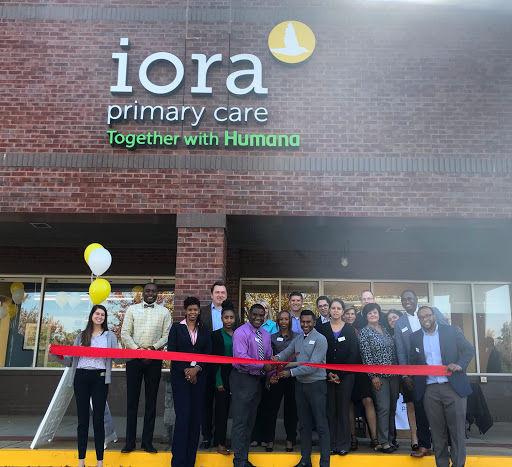
Health insurer Humana quietly funded 40 of Iora Health’s 47 primary care clinics, according to a Securities and Exchange Commission registration statement obtained by Business Insider.
The filing also showed the Humana-funded clinics exclusively served Humana members until July 2020.
Humana CEO Bruce Broussard told Business Insider earlier this year that the company had begun investing in other startup healthcare companies to see which would succeed. He also said the payer sees better outcomes and lower costs among members who go to clinics focused on providing care to older populations.
Iora Health serves 38,000 patients in eight states, according to the article.

Dollar General hired its first CMO and plans to become a destination for affordable healthcare offerings.
The retail giant will bring an increased assortment of medical, dental and health aids to its shelves as part of its first major jump into the healthcare industry, according to a July 7 news release.
Three things to know:
 HENRY KOTULA