Doctors have gotten better at treating coronavirus patients

https://www.axios.com/coronavirus-treatment-better-drugs-hospitals-6f92cf31-4fa1-4181-ba21-a5a8c778ec9e.html

Doctors and hospitals have gotten better at treating coronavirus ...

Doctors and hospitals have learned a lot about how best to treat people infected with the coronavirus in the months since the pandemic began.

Why it matters: Better treatment means fewer deaths and less pain for people who are infected, and research into pharmaceutical treatments is advancing at the same time as hospital care.

The big picture: Some of the simplest changes have been the most effective. For example, doctors have learned that flipping patients onto their stomachs instead of their backs can help increase airflow to the lungs.

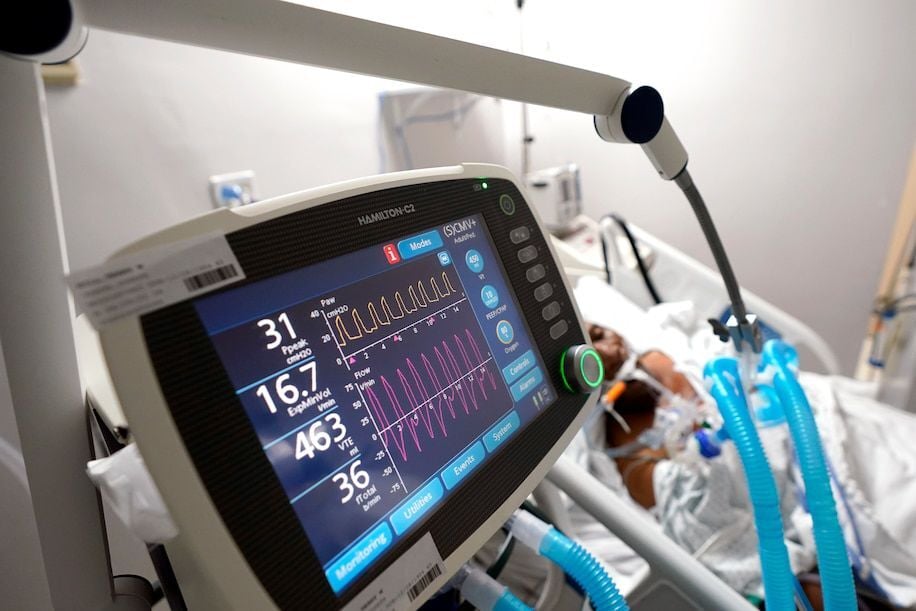
  • Providers also now prefer high-flow oxygen over ventilators, despite the early focus on ventilator supply.
  • “If you can avoid ventilation, it is preferred if someone is able to breathe on their own and you just help them out by giving them more oxygenated air to breathe,” said Janis Orlowski, chief health care officer of the Association of American Medical Colleges.

Researchers have also discovered new utility in old drugs.

  • Dexamethasone, a cheap steroid used to treat inflammation, has been found to reduce deaths by one-third among patients on ventilators and one-fifth among those on oxygen.
  • Preliminary data has shown that remdesivir, an antiviral, probably doesn’t save seriously ill patients’ lives, but can help others get out of the hospital a few days earlier. “Anyone who has evidence of lung injury or needing oxygen, we give it,” said Armond Esmaili, a hospitalist at the University of California San Francisco Medical Center.
  • Doctors have also learned to put all COVID patients on drugs to prevent blood clots, Esmaili said.

What they’re saying: There’s still a lot doctors and scientists don’t know about the virus, but they say they’ve come along way since February and March, when they were essentially flying blind.

  • “It was very scary, just to give you the subjective feeling, of caring for patients and talking with patients and their families and a lot of the time saying, ‘We don’t know a lot about this disease. We don’t know how you’re going to do,’” Esmaili said.

Between the lines: Hospitals are also able to provide better care when they’re not overwhelmed with patients.

  • New York’s hospitals were so overwhelmed in the spring that they brought in employees to work well outside of their specialties. In some hospitals’ emergency rooms, patient-to-nurse ratios rose to more than 20 to 1the NYT reports — five times the recommended ratio.
  • “Really attentive-level care is important,” Esmaili said.“It’s not that hard to imagine that when you have the resources and you’re not overburdened with a massive amount of patients that patients are going to get better care.”

What we’re watching: These advances in treatment protocols will only go so far, especially if hospitals in states like Florida, Arizona and Texas become too full to put them into practice.

  • In states with rising case counts, “I think you’re going to see mortality rates increase there because of that phenomenon of hospitals being unable to deliver optimal care, because they don’t have the staffing,” said James Lawler, an infectious disease specialist at the University of Nebraska Medical Center.
  • “You don’t want your ICU nurse to have to take care of five or six patients at the same time,” he said.


Disappearance of covid-19 data from CDC website spurs outcry

https://www.washingtonpost.com/health/2020/07/16/coronavirus-hospitalization-data-outcry/?utm_campaign=wp_main&utm_medium=social&utm_source=facebook&fbclid=IwAR2ONMOtMxy2LFUw0qKhDZwb1n5yFRv2oCTZlrr49_YpdO8WTzkSC90JjY0

Disappearance of covid-19 data from CDC website spurs outcry ...

Governors join calls for delay of administration plan to shift control from the CDC as Trump administration pledges to make data available to the public.

On the eve of a new coronavirus reporting system this week, data disappeared from a Centers for Disease Control and Prevention website as hospitals began filing information to a private contractor or their states instead. A day later, an outcry — including from other federal health officials — prompted the Trump administration to reinstate that dashboard and another daily CDC report on the pandemic.

And on Thursday, the nation’s governors joined the chorus of objections over the abruptness of the change to the reporting protocols for hospitals, asking the administration to delay the shift for 30 days. In a statement, the National Governors Association said hospitals need the time to learn a new system, as they continue to deal with this pandemic.

The governors also urged the administration to keep the information publicly available.

The disappearance of the real-time data from the CDC dashboard, which was taken down Tuesday night before resurfacing Thursday morning, was a ripple effect of the administration’s new hospital reporting protocol that took effect Wednesday, according to a federal health official who spoke on the condition of anonymity to discuss internal deliberations.

Without receiving the data firsthand, CDC officials were reluctant to maintain the dashboard — which shows the number of patients with covid-19, the disease caused by the virus, and hospital bed capacity — and took it down, the federal health official said. The CDC dashboard states that its information comes directly from hospitals and does not include data submitted to “other entities contracted by or within the federal government.” It also says the dashboard will not be updated after July 14.

The dashboard “was taken down in a fit of pique,” said Michael R. Caputo, the assistant secretary for public affairs at the Department of Health and Human Services. “The idea CDC scientists cannot rely upon their colleagues in the same department for data collection, or any other scientific work, is preposterous.”

This week, the CDC, the government’s premier public health agency whose medical epidemiologists analyze the hospital data, also stopped producing reports about trends in the pandemic that had gone twice a week to states, and six days a week to officials at multiple federal agencies. Adm. Brett Giroir, an assistant secretary in the HHS who oversees coronavirus testing, was unhappy that the CDC hospital report stopped Wednesday and Thursday mornings, according to the federal health official.

Caputo said that the administration’s goal is to maintain transparency, adding that conversations were still taking place between HHS officials and the CDC on a plan to keep producing the dashboard updates and the reports. “We expect a resolution,” he said.

Another HHS spokesperson said the CDC might create a new dashboard, based on a wider set of information.

During a conference call for journalists Thursday on coronavirus testing, Giroir did not acknowledge his displeasure with the reports’ discontinuation. But he said: “Those data are really critical to all of us. … I wake up in the morning and first thing I do, I look at the data. I look at midday. I look at it at night before I go to bed. … We drive the response based on that.”

The CDC site had been one of the few public sources of granular information about hospitalizations and ICU bed capacity. About 3,000 hospitals, or about 60 percent of U.S. hospitals, reported their data to the CDC’s system.

The president of the American Medical Association, Susan R. Bailey, spoke out Thursday on the uncertainties about access to data. “[W]e urge and expect that the scientists at the CDC will continue to have timely, comprehensive access to data critical to inform response efforts,” she said.

Governors, hospital officials and state health officers were given scant notice of the change in the reporting system. Two top administration health officials said in a letter to governors early this week that some hospitals were not complying with the previous protocols, suggesting that states might want to consider bringing in the National Guard to help gather the information. Hospital industry leaders vehemently protested that characterization, as well as the idea that they should be assisted by the National Guard in the midst of a pandemic.

HHS and CDC officials have said the protocol was changed to streamline reporting of data that is used, among other things, to determine the federal allocation of therapeutics, testing supplies and protective gear. Instead of reporting to the long-standing CDC system, hospitals must send data about covid-19 patients and other metrics to a recently hired federal contractor, called TeleTracking, or to their state health departments.

At least some state health departments that have been collecting data for their hospitals and sending it to Washington have already said the switch will make it impossible for them to continue, at least for now. The changed protocol includes a requirement that hospitals send several additional types of data that some state systems are not equipped to handle, state health officials said.

The Pennsylvania Department of Health sent a notice to hospitals Tuesday night saying that its platform was not ready to accommodate the new federal requirements, so that hospitals needed to report every day to both the state and to TeleTracking.

Charles L. Gischlar, spokesman for the Maryland Department of Health, said the reporting change “is a heavy lift for hospitals.”

The new system “exceeds the capacity of the current statewide system” to which hospitals had been reporting, he said, so the state no longer can send consolidated information to the federal government. As a result, he said in a statement, hospitals must provide data individually to the government.


What happens if Covid-19 symptoms don’t go away? Doctors are trying to figure it out.

https://www.vox.com/2020/7/14/21324201/covid-19-long-term-effects-symptoms-treatment

Covid-19 long-term effects: People with persistent symptoms ...

People with long-term Covid-19 complications are meanwhile struggling to get care.

In late March, when Covid-19 was first surging, Jake Suett, a doctor of anesthesiology and intensive care medicine with the National Health Service in Norfolk, England, had seen plenty of patients with the disease — and intubated a few of them.

Then one day, he started to feel unwell, tired, with a sore throat. He pushed through it, continuing to work for five days until he developed a dry cough and fever. “Eventually, I got to the point where I was gasping for air literally doing nothing, lying on my bed.”

At the hospital, his chest X-rays and oxygen levels were normal — except he was gasping for air. After he was sent home, he continued to experience trouble breathing and developed severe cardiac-type chest pain.

Because of a shortage of Covid-19 tests, Suett wasn’t immediately tested; when he was able to get a test, 24 days after he got sick, it came back negative. PCR tests, which are most commonly used, can only detect acute infections, and because of testing shortages, not everyone has been able to get a test when they need one.

It’s now been 14 weeks since Suett’s presumed infection and he still has symptoms, including trouble concentrating, known as brain fog. (One recent study in Spain found that a majority of 841 hospitalized Covid-19 patients had neurological symptoms, including headaches and seizures.) “I don’t know what my future holds anymore,” Suett says.

Some doctors have dismissed some of his ongoing symptoms. One doctor suggested his intense breathing difficulties might be related to anxiety. “I found that really surprising,” Suett says. “As a doctor, I wanted to tell people, ‘Maybe we’re missing something here.’” He’s concerned not just for himself, but that many Covid-19 survivors with long-term symptoms aren’t being acknowledged or treated.

Suett says that even if the proportion of people who don’t eventually fully recover is small, there’s still a significant population who will need long-term care — and they’re having trouble getting it. “It’s a huge, unreported problem, and it’s crazy no one is shouting this from rooftops.”

In the US, a number of specialized centers are popping up at hospitals to help treat — and study — ongoing Covid-19 symptoms. The most successful draw on existing post-ICU protocols and a wide range of experts, from pulmonologists to psychiatrists. Yet even as care improves, patients are also running into familiar challenges in finding treatment: accessing and being able to pay for it.

What’s causing these long-term symptoms?

Scientists are still learning about the many ways the virus that causes Covid-19 impacts the body — both during initial infection and as symptoms persist.

One of the researchers studying them is Michael Peluso, a clinical fellow in infectious diseases at the University of California San Francisco, who is currently enrolling Covid-19 patients in San Francisco in a two-year study to study the disease’s long-term effects. The goal is to better understand what symptoms people are developing, how long they last, and eventually, the mechanisms that cause them. This could help scientists answer questions like how antibodies and immune cells called T-cells respond to the virus, and how different individuals might have different immune responses, leading to longer or shorter recovery times.

At the beginning of the Covid-19 pandemic, “the assumption was that people would get better, and then it was over,” Peluso says. “But we know from lots of other viral infections that there is almost always a subset of people who experience longer-term consequences.” He explains these can be due to damage to the body during the initial illness, the result of lingering viral infection, or because of complex immunological responses that occur after the initial disease.

“People sick enough to be hospitalized are likely to experience prolonged recovery, but with Covid-19, we’re seeing tremendous variability,” he says. It’s not necessarily just the sickest patients who experience long-term symptoms, but often people who weren’t even initially hospitalized.

That’s why long-term studies of large numbers of Covid-19 patients are so important, Peluso says. Once researchers can find what might be causing long-term symptoms, they can start targeting treatments to help people feel better. “I hope that a few months from now, we’ll have a sense if there is a biological target for managing some of these long-term symptoms.”

Lekshmi Santhosh, a physician lead and founder of the new post-Covid OPTIMAL Clinic at UCSF, says many of her patients are reporting the same kinds of problems. “The majority of patients have either persistent shortness of breath and/or fatigue for weeks to months,” she says.

Additionally, Timothy Henrich, a virologist and viral immunologist at UCSF who is also a principal investigator in the study, says that getting better at managing the initial illness may also help. “More effective acute treatments may also help reduce severity and duration of post-infectious symptoms.”

In the meantime, doctors can already help patients by treating some of their lingering symptoms. But the first step, Peluso explains, is not dismissing them. “It is important that patients know — and that doctors send the message — that they can help manage these symptoms, even if they are incompletely understood,” he says. “It sounds like many people may not be being told that.”

Long-term symptoms, long-term consequences

Even though we have a lot to learn about the specific damage Covid-19 can cause, doctors already know quite a bit about recovery from other viruses: namely, how complex and challenging a task long-term recovery from any serious infection can be for many patients.

Generally, it’s common for patients who have been hospitalized, intubated, or ventilated — as is common with severe Covid-19 — to have a long recovery. Being bed-bound can cause muscle weakness, known as deconditioning, which can result in prolonged shortness of breath. After a severe illness, many people also experience anxiety, depression, and PTSD.

A stay in the ICU not uncommonly leads to delirium, a serious mental disorder sometimes resulting in confused thinking, hallucinations, and reduced awareness of surroundings. But Covid-19 has created a “delirium factory,” says Santhosh at UCSF. This is because the illness has meant long hospital stays, interactions only with staff in full PPE, and the absence of family or other visitors.

Theodore Iwashyna, an ICU physician-scientist at the University of Michigan and VA Ann Arbor, is involved with the CAIRO Network, a group of 40 post-intensive care clinics on four continents. In general, after patients are discharged from ICUs, he says, “about half of people have some substantial new disability, and half will never get back to work. Maybe a third of people will have some degree of cognitive impairment. And a third have emotional problems.” And it’s common for them to have difficulty getting care for their ongoing symptoms after being discharged.

In working with Covid-19 patients, says Santhosh, she tells patients, “We believe you … and we are going to work on the mind and body together.”

Yet it’s currently impossible to predict who will have long-lasting symptoms from Covid-19. “People who are older and frailer with more comorbidities are more likely to have longer physical recovery. However, I’ve seen a lot of young people be really, really sick,” Santhosh says. “They will have a long tail of recovery too.”

Who can access care?

At the new OPTIMAL Clinic at UCSF, doctors are seeing patients who were hospitalized for Covid-19 at the UCSF health system, as well as taking referrals of other patients with persistent pulmonary symptoms. For ongoing cough and chest tightness, the clinic is providing inhalers, as well as pulmonary rehabilitation, including gradual aerobic exercise with oxygen monitoring. They’re also connecting patients with mental health resources.

“Normalizing those symptoms, as well as plugging people into mental health care, is really critical,” says Santhosh, who is also the physician lead and founder of the clinic. “I want people to know this is real. It’s not ‘in their heads.’”

Neeta Thakur, a pulmonary specialist at Zuckerberg San Francisco General Hospital and Trauma Center who has been providing care for Covid-19 patients in the ICU, just opened a similar outpatient clinic for post-Covid care. Thakur has also arranged a multidisciplinary approach, including occupational and physical therapy, as well as expedited referrals to neurology colleagues for rehabilitation for the muscles and nerves that can often be compressed when patients are prone for long periods in the ICU. But she’s most concerned by the cognitive impairments she’s seeing, especially as she’s dealing with a lot of younger patients.

These California centers join new post-Covid-19 clinics in major cities across the country, including Mount Sinai in New York and National Jewish Health Hospital in Denver. As more and more hospitals begin to focus on post-Covid care, Iwashyna suggests patients try to seek treatment where they were hospitalized, if possible, because of the difficulty in transferring sufficient medical records.

Santosh recommends that patients with persistent symptoms call their closest hospital, or nearest academic medical center’s pulmonary division, and ask if they can participate in any clinical trials. Many of the new clinics are enrolling patients in studies to try to better understand the long-term consequences of the disease. Fortunately, treatment associated with research is often free, and sometimes also offers financial incentives to participants.

But otherwise, one of the biggest challenges in post-Covid-19 treatment is — like so much of American health care — being able to pay for it.

Outside of clinical trials, cost can be a barrier to treatment. It can be tricky to get insurance to cover long-term care, Iwashyna notes. After being discharged from an ICU, he says, “Recovery depends on [patients’] social support, and how broke they are afterward.” Many struggle to cover the costs of treatment. “Our patient population is all underinsured,” says Thakur, noting that her hospital works with patients to try to help cover costs.

Lasting health impacts can also affect a person’s ability to go back to work. In Iwashyna’s experience, many patients quickly run through their guaranteed 12 weeks of leave under the Family Medical and Leave Act, which isn’t required to be paid. Eve Leckie, a 39-year-old ICU nurse in New Hampshire, came down with Covid-19 on March 15. Since then, Leckie has experienced symptom relapses and still can’t even get a drink of water without help.

“I’m typing this to you from my bed, because I’m too short of breath today to get out,” they say. “This could disable me for the rest of my life, and I have no idea how much that would cost, or at what point I will lose my insurance, since it’s dependent on my employment, and I’m incapable of working.” Leckie was the sole wage earner for their five children, and was facing eviction when their partner “essentially rescued us,” allowing them to move in.

These long-term burdens are not being felt equally. At Thakur’s hospital in San Francisco, “The population [admitted] here is younger and Latinx, a disparity which reflects who gets exposed,” she says. She worries that during the pandemic, “social and structural determinants of health will just widen disparities across the board.” People of color have been disproportionately affected by the virus, in part because they are less likely to be able to work from home.

Black people are also more likely to be hospitalized if they get Covid-19, both because of higher rates of preexisting conditions — which are the result of structural inequality — and because of lack of access to health care.

“If you are more likely to be exposed because of your job, and likely to seek care later because of fear of cost, or needing to work, you’re more likely to have severe disease,” Thakur says. “As a result, you’re more likely to have long-term consequences. Depending on what that looks like, your ability to work and economic opportunities will be hindered. It’s a very striking example of how social determinants of health can really impact someone over their lifetime.”

If policies don’t support people with persistent symptoms in getting the care they need, ongoing Covid-19 challenges will deepen what’s already a clear crisis of inequality.

Iwashyna explains that a lot of extended treatment for Covid-19 patients is “going to be about interactions with health care systems that are not well-designed. The correctable problems often involve helping people navigate a horribly fragmented health care system.

“We can fix that, but we’re not going to fix that tomorrow. These patients need help now.”


White House tells hospitals to bypass CDC on COVID-19 data reporting

https://thehill.com/policy/healthcare/507321-white-house-tells-hospitals-to-bypass-cdc-on-covid-data-reporting?fbclid=IwAR2Q0n6LNYQa1p6rPQeRGUPi-54i8uTAyRxcmTcZXC6Q9mbVRZx3e1GH518

White House tells hospitals to bypass CDC on COVID-19 data ...

Hospitals will begin sending coronavirus-related information directly to the Department of Health and Human Services (HHS), not the Centers for Disease Control and Prevention (CDC), under new instructions from the Trump administration.

The move will take effect on Wednesday, according to a new guidance and FAQ document for hospitals and clinical labs quietly posted on the HHS website.

Previously, hospitals reported to the CDC’s National Healthcare Safety Network, which the agency describes as the nation’s most widely used health care-associated infection tracking system.

The CDC tracked information including how many beds are available, the number of ventilators available and how many COVID-19 patients the hospitals have.

Beginning Wednesday, hospitals will report the same data but will bypass the CDC and send it to HHS directly. 

According to HHS, the goal is to streamline data collection, which will be used to inform decisions at the federal level such as allocation of supplies, treatments and other resources.

But the move comes amid concerns that the White House has been sidelining the CDC and after Trump administration officials attacked Anthony Fauci, the nation’s top infectious disease expert and a member of the White House coronavirus task force.


8 health systems with strong finances

https://www.beckershospitalreview.com/finance/8-health-systems-with-strong-finances-0713.html?utm_medium=email

Here are eight health systems with strong operational metrics and solid financial positions, according to reports from Fitch Ratings, Moody’s Investors Service and S&P Global Ratings.

1. Baylor Scott & White Health has an “AA-” rating and stable outlook with S&P. The health system has an expansive and growing market position in Texas, healthy operating performance and robust cash flow, S&P said. The health system’s financial cushion positions it well for its COVID-19 response, according to the credit rating agency.

2. South Bend, Ind.-based Beacon Health System has an “AA-” rating and stable outlook with Fitch. Beacon is the acute care leader in its northern Indiana service area and has a track record of strong operating margins, Fitch said. The credit rating agency expects Beacon to return to strong operating margins and sustain strong liquidity, despite pressure from the COVID-19 pandemic.

3. Boston Children’s Hospital has an “Aa2” rating and stable outlook with Moody’s. The hospital has a preeminent reputation as the top children’s hospital in the U.S., robust cash reserves and strong fundraising capabilities, Moody’s said. The credit rating agency expects the hospital’s exceptional market position and robust liquidity to help it return to pre-COVID-19 levels to support proposed increases in leverage and capital investments.

4. Carle Foundation, a three-hospital system based in Urbana, Ill., has an “AA-” rating and stable outlook with Fitch. The health system has a very strong financial profile, and Fitch expects it to sustain profitable operating margins after managing through the pandemic.

5. Salt Lake City-based Intermountain Healthcare has an “AA+” rating and stable outlook with Fitch and an “Aa1” rating and stable outlook with Moody’s. The health system has a leading market position, low debt levels and strong absolute and relative cash levels, Moody’s said. The credit rating agency expects Intermountain will be able to substantially return to and sustain pre-COVID-19 volume levels and margins.

6. Oakland, Calif.-based Kaiser Permanente has an “AA-” rating and stable outlook with Fitch. The rating agency said Kaiser has a leading market share in California and other key markets, and its operational profile is arguably the most emulated model of healthcare delivery in the nation.

7. New York City-based Memorial Sloan Kettering Cancer Center has an “AA-” rating and stable outlook with S&P. The hospital has robust fundraising capabilities, an advantageous payer mix and has expanded its ambulatory footprint, providing additional revenue diversity, S&P said.

8. Tacoma, Wash.-based MultiCare Health System has an “Aa3” rating and stable outlook with Moody’s and an “AA-” rating and stable outlook with Fitch.. The 10-hospital system has an extensive footprint, a track record of successfully executing on multiple projects and strategic ventures concurrently and good financial management, Moody’s said. The credit rating agency expects MultiCare to return to stronger operating results after recovering from disruptions related to the COVID-19 pandemic.


Pandemic spurs national union activity among hospital workers

https://www.healthcaredive.com/news/coronavirus-spurs-healthcare-union-activity/581397/

Pandemic spurs national union activity among hospital workers ...

When COVID-19 cases swelled in New York and other northern states this spring, Erik Andrews, a rapid response nurse at Riverside Community Hospital in southern California, thought his hospital should have enough time to prepare for the worst.

Instead, he said his hospital faced staffing cuts and a lack of adequate personal protective equipment that led around 600 of its nurses to strike for 10 days starting in late June, just before negotiating a new contract with the hospital and its owner, Nashville-based HCA Healthcare.

“To feel like you were just put out there on the front lines with as minimal support necessary was incredibly disheartening,” Andrews said. Two employees at RCH have died from COVID-19, according to SEIU Local 121RN, the union representing them.

A spokesperson for HCA told Healthcare Dive the “strike has very little to do with the best interest of their members and everything to do with contract negotiations.”

Across the country, the pandemic is exacerbating labor tensions with nurses and other healthcare workers, leading to a string of disputes around what health systems are doing to keep front-line staff safe. The workers’ main concerns are adequate staffing and PPE. Ongoing or upcoming contract negotiations could boost their leverage.

But many of the systems that employ these workers are themselves stressed in a number of ways, above all financially, after months of delayed elective procedures and depleted volumes. Many have instituted furloughs and layoffs or other workforce reduction measures.

Striking a balance between doing union action at hospitals and continuing care for patients could be an ongoing challenge, Patricia Campos-Medina, co-director of New York State AFL-CIO/Cornell Union Leadership Institute.

“The nurses association has been very active since the beginning of the crisis, demanding PPE and doing internal activities in their hospitals demanding proper procedures,” Campos-Medina said. “They are front-line workers, so they have to be thoughtful in how they continue to provide care but also protect themselves and their patients.”

At Prime Healthcare’s Encino Hospital Medical Center, just outside Los Angeles, medical staff voted to unionize July 5, a week after the hospital laid off about half of its staff, including its entire clinical lab team, according to SEIU Local 121RN, which now represents those workers.

One of the first things the newly formed union will fight is “the unjust layoffs of their colleagues,” it said in a statement.

A Prime Healthcare spokesperson told Healthcare Dive 25 positions were cut. “These Encino positions were not part of front-line care and involved departments such as HR, food services, and lab services,” the system said.

Hospital service workers elsewhere who already have bargaining rights are also bringing attention to what they deem as staffing and safety issues.

In Chicago, workers at Loretto Hospital voted to authorize a strike Thursday. Those workers include patient care technicians, emergency room technicians, mental health staff and dietary and housekeeping staff, according to SEIU Healthcare Illinois, the union that represents them. They’ve been bargaining with hospital management for a new contract since December and plan to go on strike July 20.

Loretto Hospital is a safety-net facility, catering primarily to “Black and Brown West Side communities plagued with disproportionate numbers of COVID illnesses and deaths in recent months,” the union said.

The “Strike For Black Lives” is in response to “management’s failure to bargain in good faith on critical issues impacting the safety and well-being of both workers and patients — including poverty level wages and short staffing,” according to the union.

A Loretto spokesperson told Healthcare Dive the system is hopeful that continuing negotiations will bring an agreement, though it’s “planning as if a strike is eminent and considering the best options to continue to provide healthcare services to our community.”

Meanwhile in Joliet, Illinois, more than 700 nurses at Amita St. Joseph Medical Center went on strike July 4.

The Illinois Nurses Association which represents Amita nurses, cited ongoing concerns about staff and patient safety during the pandemic, namely adequate PPE, nurse-to-patient ratios and sick pay, they want addressed in the next contract. They are currently bargaining for a new one, and said negotiations stalled. The duration of the strike is still unclear.

However, a hospital spokesperson told Healthcare Dive, “Negotiations have been ongoing with proposals and counter proposals exchanged.”

The hospital’s most recent proposal “was not accepted, but negotiations will continue,” the system said.

INA is also upset with Amita’s recruitment of out-of-state nurses to replace striking ones during the COVID-19 pandemic.

It sent a letter to the Illinois Department of Financial and Professional Regulation, asserting the hospital used “emergency permits that are intended only for responding to the pandemic for purposes of aiding the hospital in a labor dispute.”


Consumer confidence declines as COVID surges

https://mailchi.mp/86e2f0f0290d/the-weekly-gist-july-10-2020?e=d1e747d2d8


Just as consumer confidence was approaching pre-COVID levels in early June, cases began surging in many parts of the country. The graphic below shares highlights from a recent Morning Consult poll, which found reduced consumer confidence in participating in a range of activities, like dining out or going to a mall.

The poll also showed a significant consumer divide based on political affiliation, with Republicans’ confidence levels for many activities being twice that of Democrats. It remains to be seen whether the current surge will result in consumers pulling back on healthcare utilization the way they are beginning to for other activities.

A coalition of healthcare organizations is urging consumers to continue social distancing but “stop medical distancing”—in hopes that the new surge will not lead patients to avoid needed medical care. While cell tower data at thousands of hospital facilities suggest volumes may be stalling again, we anxiously await the latest national data on outpatient visit and elective procedure volumes.

We’d predict the surge will exacerbate consumer discomfort with “waiting” in healthcare settings—urgent care clinics, emergency departments and the like—though we’d expect the reduction in utilization to be less severe and more regionally varied this time around. 

Let us know what you’re seeing!


Facing another round of elective surgery shutdowns

https://mailchi.mp/86e2f0f0290d/the-weekly-gist-july-10-2020?e=d1e747d2d8

COVID-19: Hospitals brace for elective surgery shut-downs | New ...

With elective surgery shutdowns hitting health systems in Florida and Texas, providers across the country are thinking through the odds of a second round coming to their markets. While shutting down nonemergent cases in areas truly overwhelmed by the virus may be a necessity, we have been struck by how much better prepared systems are to deal with a second surge.

According to one of our member COOs, the enormous amount that hospitals and doctors have learned about COVID across the past six months, and the operational changes they’ve made to ensure safety (which now feel routine) make systems much better equipped to manage elective cases even if COVID admissions begin to rise.

“We created designated non-COVID facilities, supported by rigorous safety procedures. And we now have a few months of evidence that these changes allow us to manage electives without putting patients or staff at risk,” he said. “Just like none of us are wiping down our groceries with bleach anymore, we’ve learned what is and isn’t essential to create a safe environment in a surgery center.”

But he cautioned that, in their market, supply shortages will likely threaten electives before a local surge of COVID cases. The system recently postponed some procedures when the turnaround time for COVID test results suddenly jumped, and they are once again worried about shortages of PPE.

As we look toward fall, when more surges are likely as kids return to school and the flu season sets in, hospitals must have the resources to manage COVID spikes without shutting down the rest of the system. Many patients with ongoing health needs put their care on hold for much of the spring. If much of healthcare is forced into a second months-long shutdown, the toll from untreated conditions could be enormous.


Sutter loses bid to delay $575M antitrust settlement approval

https://www.healthcaredive.com/news/sutter-loses-bid-to-delay-575m-antitrust-settlement-approval/581393/

Dive Brief:

  • A San Francisco Superior Court judge on Thursday denied Sutter Health’s request to delay preliminary approval of a $575 million antitrust settlement with California amid the uncertainty and financial upheaval of the COVID-19 pandemic.
  • The approval process and settlement agreement are flexible enough to continue as scheduled and the needs of the plaintiffs — a union that operates a trust for employee healthcare benefits and California Attorney General Xavier Becerra — to see the health system’s behavior change are pressing, Judge Anne-Christine Massullo wrote in her order.
  • In a statement Thursday, Becerra applauded the court’s decision. “Sutter’s practices harmed California’s healthcare market by charging higher prices unrelated to quality or cost of care,” he said. “They did that long before the COVID-19 pandemic. There is no period of time that medical providers, like Sutter, should be able to carry out such destructive market practices.”

Dive Insight:

Sutter, like health systems throughout the country, has taken a significant hit to its bottom line as the pandemic forced lucrative elective procedures to be put off for weeks earlier this year. The company posted a net loss of more than $1 billion in the first quarter of this year.

It said the financial losses from the COVID-19 crisis could force it to close or divest hospitals. In its June argument to delay the settlement approval, Sutter said the agreement’s cap or chargemaster prices could be too low “to cover the unprecedented and unforeseeable increases in expenditures to respond to COVID-19 particularly given declining revenue.”

But the judge did not agree, saying the court is “not persuaded that the proposed injunction will interfere with Sutter’s ability, or the broader healthcare system’s ability, to provide patient care during the COVID-19 pandemic.”

Massullo continued: “To the extent that a provision of the proposed injunction poses a threat to patient care or the public interest during the COVID-19 pandemic, or as a result of some other presently unforeseen circumstance, any party may seek a modification of the offending provision if and when such a modification becomes appropriate.”

The preliminary approval hearing is now set for Aug. 12 and Aug. 13, according to multiple news reports.

Sutter avoided a jury trial late last year by agreeing to the settlement, which in addition to the $575 million payout includes stipulations like ceasing contracts that require all of its facilities be in an insurer’s network or none of them. The system, however, did not admit guilt as part of the agreement.


Intermountain, Stanford Children’s CEOs say hospitals need to get comfortable being a ‘frenemy’

https://www.fiercehealthcare.com/hospitals/intermountain-stanford-children-s-ceos-say-hospitals-need-to-get-comfortable-being-a?mkt_tok=eyJpIjoiTlRZNFpUa3hZbU0zWlRGaSIsInQiOiJjR0Y5WWdaZ1lxc2w3aHY0dlpFQ0w2czhrY0h3NVwvTkVnaVwvdStPYld1NzlIWFI1aFlRQUVLRjNmb25ETGNxR3Rza3czYjV2VzlpYVwvRmRqSnQ5a29Wc2tjeDhxcnl2VHZOSzg4OWx3WUp4eGR4ano2dURRYlhzamJHU3ZHTEdcL2YifQ%3D%3D&mrkid=959610

Intermountain, Stanford Children's CEOs say hospitals need to get ...

Health systems have had to adjust to a lot of change in a short amount of time since the COVID-19 pandemic began.

Among the biggest changes they need to get comfortable with?

Collaborations with their rivals, said Intermountain President and CEO Marc Harrison, M.D., at Fortune’s Brainstorm Health virtual event Wednesday.

“I think that the opportunity is to get comfortable with the whole ‘frenemy’ relationship,” Harrison said. “Other industries recognize that an organization is both going to compete and collaborate with another organization, often simultaneously.”

Intermountain and the other system have co-branded drive-thru testing sites to eliminate redundancies, they share personal protective equipment numbers and they load level patients between systems. They have also “harmonized” clinical trials to ensure consistent criteria for all patients admitted to them, he said.

“I think that’s fantastic,” Harrison said, speaking during a virtual panel called Reinventing the Hospital. “We will compete in the future in certain areas but I’d love to continue to see this.”

The increasing level of collaborations amid the pandemic is also among the biggest changes Paul King, CEO of Stanford Children’s Health, has noticed since COVID-19 began its spread across the U.S.

“That is one of the silver linings of what we’ve seen with this crisis, particularly in the children’s hospital space. We’ve seen a level of collaboration, heretofore unseen, with the amount of sharing of best practices real-time,” King said. “The other outcome of this crisis is the idea of speed. We’ve been able to really stand up some capabilities that we would’ve said weren’t possible just 12 weeks ago. That level of collaboration is part of the genie we don’t want to go back in the bottle.”