Moody’s: Patient volume recovered a bit in May, but providers face long road to recovery

https://www.fiercehealthcare.com/hospitals/moody-s-patient-volume-recovering-may-but-providers-face-long-road-to-recovery?mkt_tok=eyJpIjoiWmpjeVlXVTRZV0l5T1RndyIsInQiOiJLWWxjamNKK2lkZmNjcXV4dm0rdjZNS2lOanZtYTFoenViQjMzWnF0RGNlY1pkcjVGcFwvZFY4VjFaUUlZaFRBT1NRMGE5eWhGK1ZmR01ZSWVZWGMxOHRzTkptZVZXZmc5UnNvM3pVM2VIWDh6VllldFc3OGNZTTMxTDJrXC8wbzN1In0%3D&mrkid=959610

Moody's: Patient volume recovered a bit in May, but providers face ...

Patient volumes at hospitals, doctors’ and dentists’ offices recovered slightly in May but lagged well behind pre-pandemic levels, according to a new analysis from Moody’s Investors Service.

In all, the ratings agency estimated total surgeries at rated for-profit hospitals declined by 55% to 70% in April compared with the same period in 2019. States required hospitals to cancel or delay elective procedures, which are vital to hospitals’ bottom lines.

“Patients that had been under the care of physicians before the pandemic will return first in order to address known health needs,” officials from the ratings agency said in a statement. “Physicians and surgeons will be motivated to extend office or surgical hours in order to accommodate these patients.”

Those declines narrowed to 20% to 40% in May when compared to 2019.

Emergency room and urgent care volumes were still down 35% to 50% in May.

“This could reflect the prevalence of working-from-home arrangements and people generally staying home, which is leading to a decrease in automobile and other accidents outside the home,” the analysis said. “Weak ER volumes also suggest that many people remain apprehensive to enter a hospital, particularly for lower acuity care.”

The good news:  The analysis estimated it is unlikely there will be a return to the nationwide decline of volume experienced in late March and April because healthcare facilities are more prepared for COVID-19.

For instance, hospitals have enough personal protective equipment for staff and have expanded testing, the analysis said.

For-profit hospitals also have “unusually strong liquidity to help them weather the effects of the revenue loss associated with canceled or postponed procedures,” Moody’s added. “That is largely due to the CARES Act and other government financial relief programs that have caused hospital cash balances to swell.”

However, the bill for one of those sources of relief is coming due soon.

Hospitals and other providers will have to start repaying Medicare for advance payments starting this summer. The Centers for Medicare & Medicaid Services doled out more than $100 billion in advance payments to providers before suspending the program in late April.

Hospital group Federation of American Hospitals asked Congress to change the repayment terms for such advance payments, including giving providers at least a year to start repaying the loans.

Another risk for providers is the change in payer mix as people lose jobs and commercial coverage, shifting them onto Medicaid or the Affordable Care Act’s (ACA’s) insurance exchanges.

“This will lead to rising bad debt expense and a higher percentage of revenue generated from Medicaid or [ACA] insurance exchange products, which typically pay considerably lower rates than commercial insurance,” Moody’s said.


Recovery of medical staffing firms will lag behind hospitals, analysts say

https://www.healthcaredive.com/news/recovery-of-medical-staffing-firms-will-lag-behind-hospitals-analysts-say/580171/

COVID-19 Triggers Cash Need, Lenders Tighten Reins | PYMNTS.com

Dive Brief:

  • Though U.S. hospital staffing companies are slowly beginning to recover from the COVID-19 shutdown and corresponding drop in revenues, that rebound will lag behind hospitals.
  • Recovery of giants like ER staffing firm Envision and AMN Healthcare, which has the largest network of qualified clinicians in the U.S., will be hindered as hospitals prefer to keep their own staff employed over external contractors amid a recession.
  • The “pace of recovery will not be linear,” and depends on the mix of service lines and geography, S&P Global analysts said in a Thursday note. Analysts also expect hospitals to aggressively renegotiate rates and terms with staffing companies later in the year, which could depress margins even more in the long-term.

Dive Insight:

The collapse in patient volume following stay-at-home guidelines implemented earlier this year has had a well-documented effect on provider finances. Hospitals and doctor’s offices prepared for an influx of COVID-19 patients as lucrative elective procedures declined and revenues imploded.

At the nadir in April, anesthesiology services were down 70%, radiology down 60% and ER visits down 40%, S&P said. Analysts expect tentative recovery in May and June, but no return to pre-pandemic volume until mid-2021.

The dramatic reduction slashed the revenues and cash flows of staffing companies, though the worst is likely over. At the beginning of the pandemic, staffing companies and hospitals alike took preventive measures like furloughing nonessential and back-office workers, extending vendor payment terms, aggressively collecting old receivables and onboarding doctors to telehealth. Many have kept up adequate frontline capacity too, despite uncertain demand.

The economy saw some small gains in May as furloughed employees began to trickle back to work. But the increase in health services employment that month came largely in dental health workers and physician offices. Hospitals shed another 27,000 jobs.

Hospitals will likely fill staffing needs internally, bringing back furloughed or laid off employees first as operations slowly improve, before turning once again to medical contractors.

“Given the extended disruption, a looming recession, and possible lasting changes to health care providers, credit metrics will be much weaker than what we had previously expected for nearly all staffing companies,” analysts wrote. “Some staffing companies, particularly those that are highly leveraged, may face very significant liquidity pressures for several months. It is possible not all will be able to withstand the sharp decline.”

S&P Global has taken a number of negative rating actions on staffing companies since late March.

Envision and anesthesiology firm ASP Napa, both rated ‘CCC’ with a negative outlook, have the greatest potential for a default. Envision, owned by private equity firm KKR and one of the largest U.S. physician staffing firms, is reportedly considering a bankruptcy filing as it struggles with $7 billion in debt.

Knoxville, Tenn.-based Team Health and clinical practice management firm SCP Health have enough liquidity to chug along for several more months of lower-than-normal volumes, while AMN and Utah-based CHG Healthcare Services are both in more solid positions to weather the pandemic, S&P said.

But professional outsourced staffing businesses, like anesthesiology and radiology, should recover more quickly, and many firms have gotten financial support from lenders and private equity backers. Team Health, for example, approved a senior secured term loan from its PE sponsor, Blackstone, which covers interest payments in April through mid-May.

Liquidity was also helped by the passage of the $2.2 trillion CARES relief legislation late March.

Several staffing companies have reportedly received grants from the $100 billion allocated by the legislation for providers, along with no-interest loans from accelerated Medicare payments, sparking questions over whether companies backed by cash-rich private equity firms need the funds.


Federal Reserve – Semiannual Monetary Policy Report to the Congress

https://www.federalreserve.gov/newsevents/testimony/powell20200616a.htm

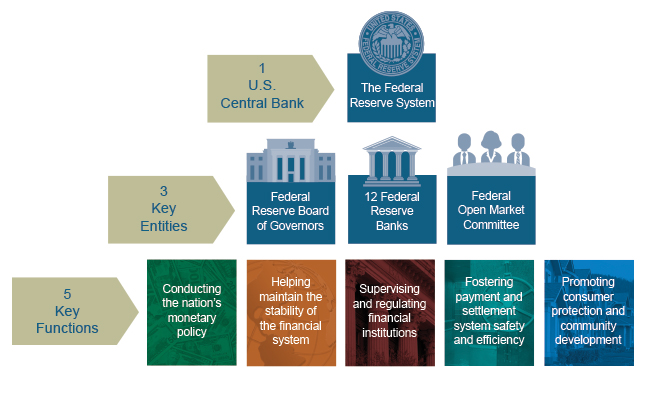
Federal Reserve Board - Structure of the Federal Reserve System

Chair Powell submitted identical remarks to the Committee on Financial Services, U.S. House of Representatives, Washington, D.C., on June 17, 2020.

Chairman Crapo, Ranking Member Brown, and other members of the Committee, thank you for the opportunity to present the Federal Reserve’s semiannual Monetary Policy Report.

Our country continues to face a difficult and challenging time, as the pandemic is causing tremendous hardship here in the United States and around the world. The coronavirus outbreak is, first and foremost, a public health crisis. The most important response has come from our health-care workers. On behalf of the Federal Reserve, I want to express our sincere gratitude to these dedicated individuals who put themselves at risk, day after day, in service to others and to our nation.

Current Economic Situation and Outlook
Beginning in mid-March, economic activity fell at an unprecedented speed in response to the outbreak of the virus and the measures taken to control its spread. Even after the unexpectedly positive May employment report, nearly 20 million jobs have been lost on net since February, and the reported unemployment rate has risen about 10 percentage points, to 13.3 percent. The decline in real gross domestic product (GDP) this quarter is likely to be the most severe on record. The burden of the downturn has not fallen equally on all Americans. Instead, those least able to withstand the downturn have been affected most. As discussed in the June Monetary Policy Report, low-income households have experienced, by far, the sharpest drop in employment, while job losses of African Americans, Hispanics, and women have been greater than that of other groups. If not contained and reversed, the downturn could further widen gaps in economic well-being that the long expansion had made some progress in closing.

Recently, some indicators have pointed to a stabilization, and in some areas a modest rebound, in economic activity. With an easing of restrictions on mobility and commerce and the extension of federal loans and grants, some businesses are opening up, while stimulus checks and unemployment benefits are supporting household incomes and spending. As a result, employment moved higher in May. That said, the levels of output and employment remain far below their pre-pandemic levels, and significant uncertainty remains about the timing and strength of the recovery. Much of that economic uncertainty comes from uncertainty about the path of the disease and the effects of measures to contain it. Until the public is confident that the disease is contained, a full recovery is unlikely.

Moreover, the longer the downturn lasts, the greater the potential for longer-term damage from permanent job loss and business closures. Long periods of unemployment can erode workers’ skills and hurt their future job prospects. Persistent unemployment can also negate the gains made by many disadvantaged Americans during the long expansion and described to us at our Fed Listens events. The pandemic is presenting acute risks to small businesses, as discussed in the Monetary Policy Report. If a small or medium-sized business becomes insolvent because the economy recovers too slowly, we lose more than just that business. These businesses are the heart of our economy and often embody the work of generations.

With weak demand and large price declines for some goods and services—such as apparel, gasoline, air travel, and hotels—consumer price inflation has dropped noticeably in recent months. But indicators of longer-term inflation expectations have been fairly steady. As output stabilizes and the recovery moves ahead, inflation should stabilize and then gradually move back up over time closer to our symmetric 2 percent objective. Inflation is nonetheless likely to remain below our objective for some time.

Monetary Policy and Federal Reserve Actions to Support the Flow of Credit
The Federal Reserve’s response to this extraordinary period is guided by our mandate to promote maximum employment and stable prices for the American people, along with our responsibilities to promote the stability of the financial system. We are committed to using our full range of tools to support the economy in this challenging time.

In March, we quickly lowered our policy interest rate to near zero, reflecting the effects of COVID-19 on economic activity, employment, and inflation, and the heightened risks to the outlook. We expect to maintain interest rates at this level until we are confident that the economy has weathered recent events and is on track to achieve our maximum-employment and price-stability goals.

We have also been taking broad and forceful actions to support the flow of credit in the economy. Since March, we have been purchasing sizable quantities of Treasury securities and agency mortgage-backed securities in order to support the smooth functioning of these markets, which are vital to the flow of credit in the economy. As described in the June Monetary Policy Report, these purchases have helped restore orderly market conditions and have fostered more accommodative financial conditions. As market functioning has improved since the strains experienced in March, we have gradually reduced the pace of these purchases. To sustain smooth market functioning and thereby foster the effective transmission of monetary policy to broader financial conditions, we will increase our holdings of Treasury securities and agency mortgage-backed securities over coming months at least at the current pace. We will closely monitor developments and are prepared to adjust our plans as appropriate to support our goals.

To provide stability to the financial system and support the flow of credit to households, businesses, and state and local governments, the Federal Reserve, with the approval of the Secretary of the Treasury, established 11 credit and liquidity facilities under section 13(3) of the Federal Reserve Act. The June Monetary Policy Report provides details on these facilities, which fall into two categories: stabilizing short-term funding markets and providing more-direct support for credit across the economy.

To help stabilize short-term funding markets, the Federal Reserve set up the Commercial Paper Funding Facility and the Money Market Liquidity Facility to stem rapid outflows from prime money market funds. The Fed also established the Primary Dealer Credit Facility, which provides loans against good collateral to primary dealers that are critical intermediaries in short-term funding markets.

To more directly support the flow of credit to households, businesses, and state and local governments, the Federal Reserve established a number of facilities. To support the small business sector, we established the Paycheck Protection Program Liquidity Facility to bolster the effectiveness of the Coronavirus Aid, Relief, and Economic Security Act’s (CARES Act) Paycheck Protection Program. Our Main Street Lending Program, which we are in the process of launching, supports lending to both small and midsized businesses. The Term Asset-Backed Securities Loan Facility supports lending to both businesses and consumers. To support the employment and spending of investment-grade businesses, we established two corporate credit facilities. And to help U.S. state and local governments manage cash flow pressures and serve their communities, we set up the Municipal Liquidity Facility.

The tools that the Federal Reserve is using under its 13(3) authority are appropriately reserved for times of emergency. When this crisis is behind us, we will put them away. The June Monetary Policy Report reviews the implications of these tools for the Federal Reserve’s balance sheet.

Many of these facilities have been supported by funding from the CARES Act. We will be disclosing, on a monthly basis, names and details of participants in each such facility; amounts borrowed and interest rate charged; and overall costs, revenues, and fees for each facility. We embrace our responsibility to the American people to be as transparent as possible, and we appreciate that the need for transparency is heightened when we are called upon to use our emergency powers.

We recognize that our actions are only part of a broader public-sector response. Congress’s passage of the CARES Act was critical in enabling the Federal Reserve and the Treasury Department to establish many of the lending programs. The CARES Act and other legislation provide direct help to people, businesses, and communities. This direct support can make a critical difference not just in helping families and businesses in a time of need, but also in limiting long-lasting damage to our economy.

I want to end by acknowledging the tragic events that have again put a spotlight on the pain of racial injustice in this country. The Federal Reserve serves the entire nation. We operate in, and are part of, many of the communities across the country where Americans are grappling with and expressing themselves on issues of racial equality. I speak for my colleagues throughout the Federal Reserve System when I say, there is no place at the Federal Reserve for racism and there should be no place for it in our society. Everyone deserves the opportunity to participate fully in our society and in our economy.

We understand that the work of the Federal Reserve touches communities, families, and businesses across the country. Everything we do is in service to our public mission. We are committed to using our full range of tools to support the economy and to help assure that the recovery from this difficult period will be as robust as possible.

Thank you. I am happy to take your questions.


Tower Health cutting 1,000 jobs as COVID-19 losses mount

https://www.inquirer.com/business/health/tower-health-hospital-layoffs-covid-19-20200616.html

Tower Health cutting 1,000 jobs as COVID-19 losses mount

Tower Health on Tuesday announced that it is cutting 1,000 jobs, or about 8 percent of its workforce, citing the loss of $212 million in revenue through May because of the coronavirus restrictions on nonurgent care.

Fast-growing Tower had already furloughed at least 1,000 employees in April. It’s not clear how much overlap there is between the furloughed employees, some of whom have returned to work, and the people who are now losing their jobs permanently. Tower employs 12,355, including part-timers.

“The government-mandated closure of many outpatient facilities and the suspension of elective procedures caused a 40 percent drop in system revenue,” Tower’s president and chief executive, Clint Matthews, wrote in an email to staff. “At the same time, our spending increased for personal protective equipment, staff support, and COVID-related equipment needs.”

Despite the receipt of $66 million in grants through the federal CARES Act, Tower reported an operating loss of $91.6 million in the three months ended March 31, according to its disclosure to bondholders.

Tower, which is anchored by Reading Hospital in Berks County, expanded most recently with the December acquisition of St. Christopher’s Hospital for Children in a partnership with Drexel University. Tower paid $50 million for the hospital’s business, but also signed a long-term lease with a company that paid another $65 million for the real estate.

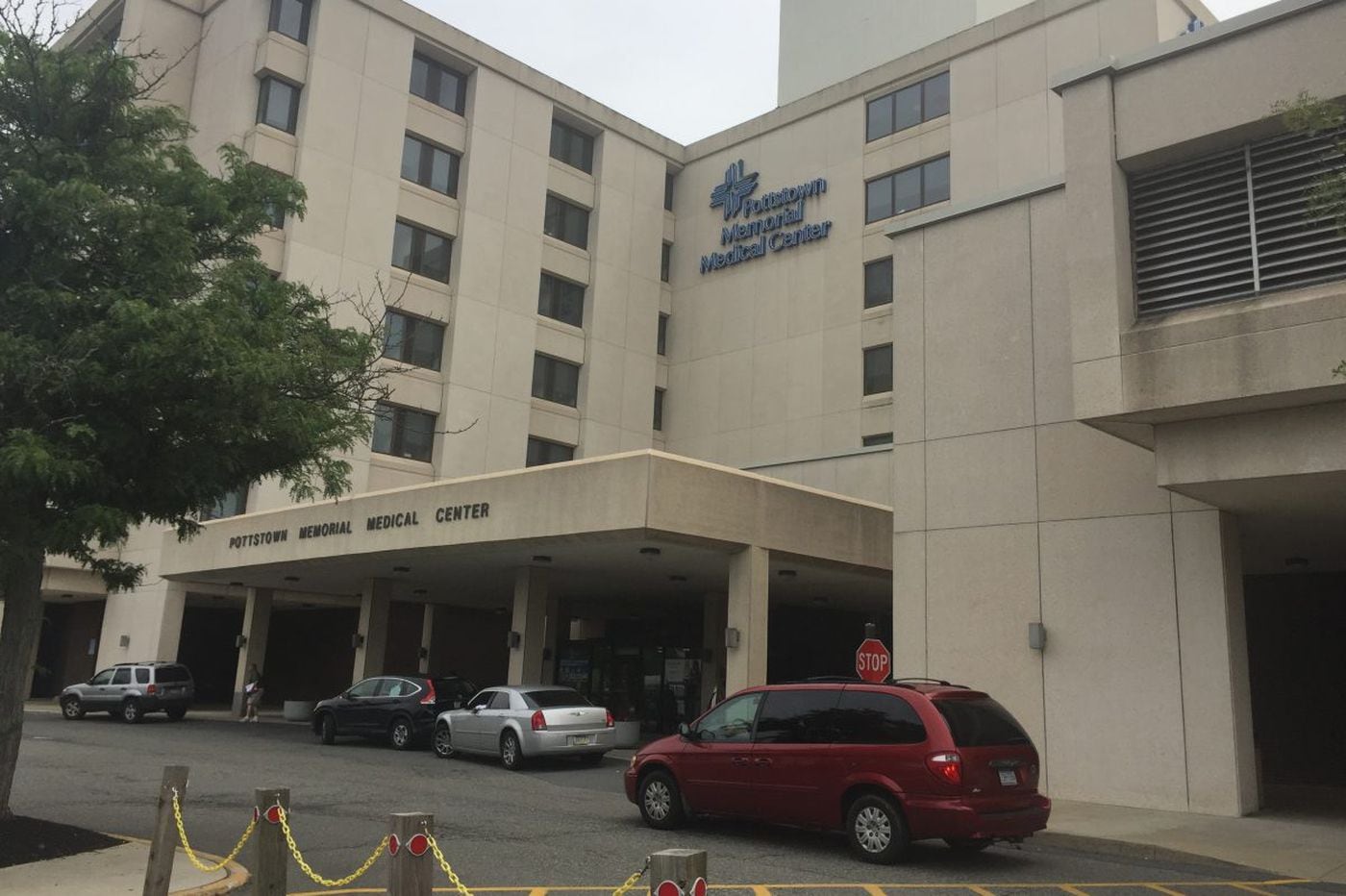
In 2017, Tower paid $418 million for five community hospitals in Southeastern Pennsylvania — Brandywine in Coatesville, Chestnut Hill in Philadelphia, Jennersville Regional in West Grove, Phoenixville in Phoenixville, and Pottstown Memorial Medical Center, now called Pottstown Hospital, in Pottstown.

Tower’s goal was to remain competitive as bigger systems — the University of Pennsylvania Health System and Jefferson Health from the Southeast, Lehigh Valley Health Network and St. Luke’s University Health Network from the east and northeast, and University of Pittsburgh Medical Center from the west — encroached on its Berk’s county base.

Tower had set itself a difficult task in the best of times, but COVID-19 has made it significantly harder for the nonprofit, which had an operating loss of $175 million on revenue of $1.75 billion in the year ended June 30, 2019.

Because health systems have high fixed costs for buildings and equipment needed no matter how many patients are coming through the door, it’s hard for them to limit the impact of the 30% to 50% collapse in demand caused by the coronavirus pandemic.

“Hospitals and all other health service providers were hit with this disruption with lightning speed, forcing the industry to learn in real time how to handle a situation for which there was no playbook,” Standard & Poor’s analysts David P. Peknay and Suzie R. Desai said in a research report last month.

Tower’s said positions will be eliminated in executive, management, clinical, and support areas.

The cuts include consolidations of clinical operations. Tower plans to close Pottstown Hospital’s maternity unit, which employs 32 nurses and where 359 babies were born in 2018, according to the most recent state data. Tower also has maternity units at Reading Hospital in West Reading and at Phoenixville Hospital.

Tower is aiming to trim expenses by $230 million over the next two years, Matthews told staff.

Like many other health systems, Tower has taken advantage of federal programs to ensure that it has ample cash in the bank to run its businesses. Tower has deferred payroll taxes, temporarily sparing $25 million. It received $166 million in advanced Medicare payments in April.

In the private sphere, Tower obtained a $40 million line of credit in April for St. Chris, which has lost $23.6 million on operations since Tower and Drexel bought it in December. Last month, Tower said it was in the final stages of negotiating a deal to sell and then lease back 24 medical office buildings. That was expected to generate $200 million in cash for Tower.


How The Rapid Shift To Telehealth Leaves Many Community Health Centers Behind During The COVID-19 Pandemic

https://www.healthaffairs.org/do/10.1377/hblog20200529.449762/full/

How to reduce the impact of coronavirus on our lives - The ...

The COVID-19 pandemic has transformed the landscape of ambulatory care with rapid shifts to telehealth. Well-resourced hospitals have quickly made the transition. Community health centers (CHCs), which serve more than 28 million low-income and disproportionately uninsured patients in rural and underserved urban areas of the United States, have not fared as well since ambulatory visits have disappearedresulting in furloughs, layoffs, and more than 1,900 temporary site closures throughout the country. Government officials have taken notice, and the Coronavirus Aid, Relief, and Economic Security (CARES) Act infused $1.32 billion toward COVID-19 response and maintaining CHC capacity.

Many states have directed insurers to temporarily cover COVID-19-related services via telehealth while mandating parity of reimbursement for telehealth visits with in-person visits for their Medicaid program.

Preparedness Of Community Health Centers For Telehealth

Despite the changes, many health centers may not be ready to implement high-quality telehealth. study using 2016 data showed that only 38 percent of CHCs used any telehealth. In our review of 2018 Uniform Data System data—the most recent available—from a 100 percent sample of US CHCs, we found that our nation’s health centers are largely unprepared for this transformation.

Across the US, 56 percent of 1,330 CHCs did not have any telehealth use in 2018 (exhibit 1). Of those without telehealth use, only about one in five were in the process of actively implementing or exploring telehealth. Meanwhile, 47 percent of the centers using telehealth were doing so only with specialists such as those at referral centers, rather than with patients. Of those using telehealth, the majority (68 percent) used it to provide mental health services; fewer used it for primary care (30 percent) or management of chronic conditions (21 percent), suggesting that most CHCs with telehealth capabilities prior to COVID-19 were not using it for the most frequent types of services provided at CHCs.

CHCs not using telehealth reported several barriers to implementation (exhibit 2). Thirty-six percent cited lack of reimbursement, 23 percent lacked funding for equipment, and 21 percent lacked training for providing telehealth. Although most barriers were similar in both urban and rural regions, a greater proportion of rural clinics compared to urban clinics (18 percent versus 7 percent) reported inadequate broadband services as an issue.

The COVID-19 pandemic has laid bare the enormous disparities in telehealth capacity. Without adequate telehealth capacity and support, many CHCs will be left without means of providing the continuous preventive and chronic disease care that can keep communities healthy and out of the hospital. During the crisis, the Health Resources and Services Administration estimates that CHCs have seen 57 percent of the number of weekly visits compared to pre-COVID-19 visit rates, 51 percent of which have been conducted virtually, suggesting that many CHC patients have forgone care that they would have otherwise received. Given CHCs serve a disproportionate share of low-income, racial/ethnic minority, and immigrant populations—populations hardest hit by the COVID-19 pandemic—any disruption to CHC capacity may exacerbate the racial disparities that have rapidly emerged.

While an important first step, policy makers cannot simply infuse more funding to CHCs and expect them to withstand the challenges of the COVID-19 era. We recommend three targeted strategies to help CHCs adapt and perhaps even thrive beyond COVID-19: legislate permanent parity in telehealth reimbursement for all insurers; allocate sufficient funding and guidance for telehealth equipment, personnel, training, and protocols; and implement telehealth systems tailored to vulnerable populations.

Permanent All-Payer Parity For Telehealth Reimbursement

Payment parity—where telehealth is reimbursed at the same level as an in-person visit—is a crucial issue that must be addressed and instituted beyond the current public health emergency. Without commensurate reimbursement for telehealth, CHCs cannot maintain patient volume or make the long-term investments necessary to remain financially viable. A “global budget” of paying CHCs a fixed payment per patient per month would give practices flexibility in how and where to treat the patient, although this may be politically and practically challenging. Meanwhile, payment parity has already been implemented and could simply be permanently codified into existing reimbursement schemes, giving providers the option to select the best mode of treatment without making financial trade-offs.

In reviewing state telehealth policies during COVID-19, all states have implemented temporary executive orders or released guidance on telehealth access—although with significant variations. At least 22 states have explicitly implemented telehealth parity for Medicaid. For Medicare, the Centers for Medicare and Medicaid Services (CMS) expanded access to telehealth beyond designated rural areas, loosened HIPAA requirements around telehealth platforms, and instituted parity in reimbursement with in-person visits.

To build on these significant steps, states should mandate telehealth parity across all payers and cover all services provided at CHCs, not just COVID-19-related care. At least 12 states have mandated all-payer parity for telehealth. Meanwhile, private insurers have individually adjusted telehealth policies on a state-by-state basis if there was no statewide mandate. Nevertheless, all payers should reimburse at parity given the patchwork quilt of insurance plans that exists at CHCs.

Furthermore, state legislatures and CMS should look to extend parity beyond the current COVID-19 emergency so that CHCs can make sustainable investments that continue to benefit patients. Even as states reopen, in-person visits are unlikely to return to their previous volume as the threat of infection continues to loom. Temporary measures should be made permanent so that CHCs can make sustainable investments that continue to benefit patients.

Funding And Guidance For Equipment, Personnel, Training, And Protocols

For telehealth to function smoothly and reduce errors, proper hardware and software are critical, including telephone service, computers, broadband internet access, and electronic health records. The Federal Communications Commission (FCC) released funding to procure telehealth services and devices and some CHCs have received private funding; similar targeted funding mechanisms from states and the federal government are necessary at scale to equip hundreds of CHCs with the necessary telehealth capabilities.

However, merely having technology is not sufficient. Proper personnel with appropriate training are key to a high-functioning telehealth system along with support from information technology specialists. Additionally, CHCs need ancillary systems in place to allow for the effective use of phone and video visits. Empanelment systems to attribute patients to providers can allow for longitudinal follow-up even with telehealth. Daily huddles and team-based care can enhance the inherent complexities of coordinating care remotely. Protocols should be tailored for different specialties and services such as nutrition management and social work. Meanwhile, a robust e-consult referral network should allow primary care providers at CHCs to easily connect patients to specialty care when necessary. Adding robust protocols and systems will allow for the successful implementation and scaling of telehealth.

For example, groups of CHCs called the Health Center Controlled Networks (HCCNs), which have traditionally collaborated to leverage health information technology, are positioned to harness their economies of scale and group purchasing power to widely adopt new infrastructure while standardizing protocols. They could be a means to accelerate the adoption of telehealth technologies, trainings, and care models to optimize the use of telehealth across CHCs.

Telehealth Support For Vulnerable Patients

The patient population seen by CHCs presents unique challenges that not all ambulatory practices, particularly those in affluent neighborhoods, may face. Health centers care for many immigrant patients with limited English proficiency. Thus, clinics need financial support to contract with telehealth interpreter and translation services to provide equitable access and care. Better yet, all telehealth platforms contracting with CHCs should be required to provide multilingual support to deliver equitable access to telehealth services.

Moreover, many low-income patients lack health and digital literacy. Virtual telehealth platforms should design applications such that interfaces are intuitive and easy to navigate. They should provide specialized support to guide patients who are not familiar with telehealth systems. Additionally, insurers can reimburse CHCs that provide patient navigators, care coordinators, and shared decision-making support that bridge the health literacy divide.

Many around the US also do not have access to high-speed internet, consistent telephone services, and phones or computers with video conferencing capabilities. First, to allow for flexible access to telehealth for all patients, insurers should permanently waive geographic and originating site restrictions that limit the type and location of facilities from which patients can use telehealth. Second, insurers should waive audio-video requirements and consistently reimburse for phone-only visits to accommodate patients without video conferencing. Third, the type of services covered by telehealth should be expanded—ranging from primary care to physical therapy to nutrition counseling to behavioral health.

To address disparities in ownership of digital devices, taking a page out of the book of educators in low-income neighborhoods, local governments could loan laptops and smartphones or supply internet hotspots and phone-charging stations for these communities to enable access. Additionally, insurers could reimburse for the FCC Lifeline program to provide affordable communication services and cellular data to low-income populations to maintain their outpatient care.

Conclusions

As the COVID-19 pandemic sweeps through the US, health care delivery will never be the same. Health centers are struggling as many have been largely unprepared for the abrupt swing toward telehealth. COVID-19 may pose long-lasting damaging effects on CHCs and the patient populations that they serve. Nonspecific federal and state funding will allow CHCs to survive; however, deliberate action is needed to enhance telehealth capacities and ensure long-term resilience.

Similar to the Association of American Medical Colleges’ recent letter to CMS to make various telehealth changes permanent, both CMS and state governments should take immediate action by making permanent parity in reimbursement for telehealth services by all payers. State and federal policy should direct payers to lift onerous restrictions on the types of services covered via telehealth, audio/video requirements, and geographic and originating sites of telehealth services. States and payers should also explore innovative solutions to expand access to cellular data services and digital devices that allow low-income patients to digitally “get to their appointment,” similar to non-emergency medical transportation. Local governments should invest in digital infrastructure that expands broadband coverage and provides internet or cellular access points for people to engage in telehealth. Additionally, CHCs should come together under HCCNs to harness their group purchasing power to rapidly implement telehealth infrastructure that provides multilingual support and other tools that bridge gaps in digital literacy. Finally, best practices, trainings, and protocols should be standardized and disseminated across CHC networks to optimize the quality of telehealth.  

By reorienting the goals for implementing telehealth, policy makers, payers, and providers can empower health centers to thrive into the future and meet the nation’s underserved patients where they are, even during the pandemic. In the long run, telehealth can increase access and equity—but only if the right investments are made now to fill the gaps laid bare by COVID-19.


Trinity Health gets $2.2B in bailout funds, advance Medicare payments

https://www.beckershospitalreview.com/finance/trinity-health-gets-2-2b-in-bailout-funds-advance-medicare-payments.html?utm_medium=email

New Relationships for Health Plans: Accountable Systems of Care ...

Trinity Health saw revenue decline in the first nine months of fiscal year 2020, and the Livonia, Mich.-based health system ended the period with an operating loss, according to unaudited financial documents

Trinity Health saw revenue decline less than 1 percent year over year to $14.2 billion in the first nine months of the fiscal year, which ended March 31. The health system attributed the drop in revenue to the COVID-19 pandemic and the divestiture of Camden, N.J.-based Lourdes Health System in June 2019.

The 92-hospital system’s expenses were also up 1.2 percent year over year. Trinity Health ended the first three quarters of fiscal 2020 with expenses of $14.3 billion. Same-hospital expense growth was driven by increases in labor and supply costs, purchased services and costs related to its conversion to the Epic EHR platform in the Michigan region. The health system said the pandemic added $14.1 million of costs in March.

Trinity Health has taken several steps to reduce operating and capital spending in response to the pandemic, including implementing furloughs and reducing salaries for executives. In early April, Trinity Health announced plans to furlough 2,500 employees, most of whom are in nonclinical roles. 

Trinity Health reported an operating loss of $103.5 million for the first nine months of the current fiscal year, compared to operating income of $115.2 million in the same period a year earlier.

After factoring in investments and other nonoperating items, Trinity Health posted a net loss of $883.5 million in the first three quarters of fiscal 2020, down from net income of $457.9 million a year earlier. Nonoperating losses in the first nine months of fiscal 2020 were primarily driven by the pandemic’s effect on global investment market conditions in March, the health system said.

To help offset financial damage, Trinity Health received funds from the $175 billion in relief aid Congress has allocated to hospitals and other healthcare providers to cover expenses and lost revenue tied to the pandemic. The health system said it received a total of $600 million in federal grants in April and May. 

Trinity Health also applied for and received $1.6 billion of Medicare advance payments, which must be repaid.

Though Trinity Health is unable to forecast the pandemic’s impact on its financial position, it said the ultimate effect of COVID-19 on its operating margins and financial results “is likely to be adverse and significant.” 


Rich vs. poor hospitals

https://www.axios.com/hospitals-coronavirus-inequality-segregation-f10c49eb-5ccc-4739-b2a9-254fd9a3d40e.html

Rich vs. poor hospitals | News Break

The inequalities in American health care extend right into the hospital: Cash-strapped safety-net hospitals treat more people of color, while wealthier facilities treat more white patients.

Why it matters: Safety-net hospitals lack the money, equipment and other resources of their more affluent counterparts, which makes providing critical care more difficult and exacerbates disparities in health outcomes.

The big picture: A majority of patients who go to safety-net hospitals are black or Hispanic; 40% are either on Medicaid or uninsured.

The other side: Wealthy hospitals, including many prominent academic medical centers, are “far less likely to serve or treat black and low-income patients even though those patients may live in their backyards,” said Arrianna Planey, an incoming health policy professor at the University of North Carolina.

  • An investigation by the Boston Globe in 2017 found black people in Boston “are less likely to get care at several of the city’s elite hospitals than if you are white.”
  • The Cleveland Clinic has expanded into a global icon for health care, but rarely cares for those in the black neighborhoods that surround its campus, Dan Diamond of Politico reported in 2017.

Between the lines: The way the federal government is bailing out hospitals for the revenues they’ve lost during coronavirus is exacerbating this inequality. More money is flowing to richer hospitals.

  • For example, the main hospital within University of Colorado Health has gotten $79.3 million from the government’s main “provider relief” fund — about the same amount as Cook County Health, Chicago’s public hospital system, which predominantly treats low-income black and Hispanic people. It has gotten $77.6 million from that pot.
  • The Colorado system, however, is sitting on billions of dollars in cash and investments that Chicago’s safety-net hospitals don’t have. Chicago has also seen a worse coronavirus outbreak.

The bottom line: Poor hospitals that treat minorities have had to rely on GoFundMe pages and beg for ventilators during the pandemic, while richer systems move ahead with new hospital construction plans.


After criticism, HHS directs $25B in CARES funding to Medicaid providers, safety net hospitals

https://www.healthcaredive.com/news/after-criticism-hhs-directs-25b-in-cares-funding-to-medicaid-providers-s/579496/

Dive Brief:

  • HHS announced Tuesday it will deliver $25 billion to providers and hospitals that serve the nation’s most vulnerable patients, or those with Medicaid and Children’s Health Insurance Program coverage. Of that, $15 billion will go to providers that primarily serve Medicaid and CHIP patients while the other $10 billion is reserved for safety net hospitals that usually operate on razor-thin margins. A total of 758 safety net hospitals will receive direct deposits, and the administration noted that many of these facilities are operating in the red with an average profit margin of -7%.
  • Not all Medicaid providers received Coronavirus Aid, Relief, and Economic Security funding from the initial general distribution. This targeted allocation is designed to make up for that by distributing money to the remaining 38% of Medicaid and CHIP providers who were left out of the first tranche.
  • These Medicaid providers will receive at least 2% of reported gross patient revenue, but could receive more depending on how many patients they serve. HHS will make a final determination once providers start submitting data to the relief portal.

Dive Insight:

The industry has been clamoring for HHS to target funding to Medicaid providers amid the COVID-19 pandemic and the downturn in business, noting these organizations are already on fragile ground.

Last week the American Hospital Association pleaded for the administration to release $50 billion more for all hospitals, with $10 billion reserved for providers with a heavy caseload of Medicaid patients.

HHS answered the hospital lobby’s call — in part. HHS will distribute funds to safety net providers — more than AHA asked for — but disclosed no plans Tuesday to broaden that funding to all hospitals. America’s Essential Hospitals, which represents safety net providers, had also called for the quick release of targeted funding.

“Our goal for all these distributions has been to get the money to the providers who need it most as soon as possible,” Eric Hargan, HHS deputy secretary, said Tuesday during a call with reporters.

However, some have been critical of how the administration decided to allocate the first few waves of funding.

Congress has earmarked a total of $175 billion in funding for providers through two pieces of legislation, including the CARES Act.

To get the money out the door quickly, the first tranche was sent to providers based on the Medicare fee-for-service business, and later on the net patient service revenue.

These formulas put certain providers at an advantage, which tend to be for-profit hospitals with higher-margins, or those who were already well off heading into the pandemic, according to a recent Kaiser Family Foundation analysis.

This targeted funding was not swift, one reason for the delay was the challenge in getting a list of Medicaid providers from the states to validate and authenticate those who came to the portal to apply for funds, according to a senior HHS official.​

Still, providers that have already received funds have noted that it comes with its own set of headaches. Some have decided to return the funds as navigating the legal and compliance issues may not be worth the hassle.

Though, that’s likely not the case for these safety net hospitals and providers.


8 nonprofit health systems got $1.7B bailout, furloughed more than 30,000 workers

https://www.beckershospitalreview.com/finance/8-nonprofit-health-systems-got-1-7b-bailout-furloughed-more-than-30-000-workers.html?utm_medium=email

Sixty of the largest hospital chains in the U.S., including publicly traded and nonprofit systems, have received more than $15 billion in emergency funds through the Coronavirus Aid, Relief and Economic Security Act, according to an analysis by The New York Times

Congress has allocated $175 billion in relief aid to hospitals and other healthcare providers to cover expenses or lost revenues tied to the COVID-19 pandemic. The first $50 billion in funding from the CARES Act was distributed in April. Of that pool, HHS allocated $30 billion based on Medicare fee-for-service revenue and another $20 billion based on hospitals’ share of net patient revenue. HHS also sent $12 billion to hospitals that provided inpatient care to large numbers of COVID-19 patients and $10 billion to hospitals and other providers in rural areas.

Though one of the goals of the CARES Act was to avoid job losses, at least 36 of the largest  hospital systems that received emergency aid have furloughed, laid off or reduced pay for workers, according to the report.

Approximately $1.7 billion in bailout funds went to eight large nonprofit health systems: Mayo Clinic in Rochester, Minn.; Trinity Health in Livonia, Mich.; Beaumont Health in Southfield, Mich.; Henry Ford Health System in Detroit; SSM Health in St. Louis; Mercy in St. Louis; Fairview Health in Minneapolis; and Prisma Health in Greenville, S.C. Mayo Clinic furloughed or cut hours of about 23,000 workers, and the other seven health systems furloughed or laid off a total of more than 30,000 employees in recent months, according to The New York Times.

The pandemic has taken a financial toll on hospitals across the U.S. They’re losing more than $50 billion per month, according to a report from the American Hospital Association. Of the eight nonprofit systems that collected $1.7 billion in relief aid, several have reported losses for the first quarter of this year, which ended March 31. For instance, Mayo Clinic posted a $623 million net loss, SSM Health’s loss totaled $471 million, and Beaumont and Henry Ford Health System reported losses of $278 million and $235 million, respectively.

Since CARES Act payments were automatically sent to hospitals, some health systems have decided to return the funds. Kaiser Permanente, a nonprofit system, is returning more than $500 million it received through the CARES Act. The Oakland, Calif.-based health system ended the first quarter with a $1.1 billion net loss.

Access the full article from The New York Times here


Hospitals Got Bailouts and Furloughed Thousands While Paying C.E.O.s Millions

Hospitals Got Bailouts and Furloughed Thousands While Paying ...

Dozens of top recipients of government aid have laid off, furloughed or cut the pay of tens of thousands of employees.

HCA Healthcare is one of the world’s wealthiest hospital chains. It earned more than $7 billion in profits over the past two years. It is worth $36 billion. It paid its chief executive $26 million in 2019.

But as the coronavirus swept the country, employees at HCA repeatedly complained that the company was not providing adequate protective gear to nurses, medical technicians and cleaning staff. Last month, HCA executives warned that they would lay off thousands of nurses if they didn’t agree to wage freezes and other concessions.

A few weeks earlier, HCA had received about $1 billion in bailout funds from the federal government, part of an effort to stabilize hospitals during the pandemic.

HCA is among a long list of deep-pocketed health care companies that have received billions of dollars in taxpayer funds but are laying off or cutting the pay of tens of thousands of doctors, nurses and lower-paid workers. Many have continued to pay their top executives millions, although some executives have taken modest pay cuts.

The New York Times analyzed tax and securities filings by 60 of the country’s largest hospital chains, which have received a total of more than $15 billion in emergency funds through the economic stimulus package in the federal CARES Act.

The hospitals — including publicly traded juggernauts like HCA and Tenet Healthcare, elite nonprofits like the Mayo Clinic, and regional chains with thousands of beds and billions in cash — are collectively sitting on tens of billions of dollars of cash reserves that are supposed to help them weather an unanticipated storm. And together, they awarded the five highest-paid officials at each chain about $874 million in the most recent year for which they have disclosed their finances.

At least 36 of those hospital chains have laid off, furloughed or reduced the pay of employees as they try to save money during the pandemic.

Industry officials argue that furloughs and pay reductions allow hospitals to keep providing essential services at a time when the pandemic has gutted their revenue.

But more than a dozen workers at the wealthy hospitals said in interviews that their employers had put the heaviest financial burdens on front-line staff, including low-paid cafeteria workers, janitors and nursing assistants. They said pay cuts and furloughs made it even harder for members of the medical staff to do their jobs, forcing them to treat more patients in less time.

Even before the coronavirus swept America, forcing hospitals to stop providing lucrative nonessential surgery and other services, many smaller hospitals were on the financial brink. In March, lawmakers sought to address that with a vast federal economic stimulus package that included $175 billion for the Department of Health and Human Services to hand out in grants to hospitals.

But the formulas to determine how much money hospitals receive were based largely on their revenue, not their financial needs. As a result, hospitals serving wealthier patients have received far more funding than those that treat low-income patients, according to a study by the Kaiser Family Foundation.

One of the bailout’s goals was to avoid job losses in health care, said Zack Cooper, an associate professor of health policy and economics at Yale University who is a critic of the formulas used to determine the payouts. “However, when you see hospitals laying off or furloughing staff, it’s pretty good evidence the way they designed the policy is not optimal,” he added.

The Mayo Clinic, with more than eight months of cash in reserve, received about $170 million in bailout funds, according to data compiled by Good Jobs First, which researches government subsidies of companies. The Mayo Clinic is furloughing or reducing the working hours of about 23,000 employees, according to a spokeswoman, who was among those who went on furlough. A second spokeswoman said that Mayo Clinic executives have had their pay cut.

Seven chains that together received more than $1.5 billion in bailout funds — Trinity Health, Beaumont Health and the Henry Ford Health System in Michigan; SSM Health and Mercy in St. Louis; Fairview Health in Minneapolis; and Prisma Health in South Carolina — have furloughed or laid off more than 30,000 workers, according to company officials and local news reports.

The bailout money, which hospitals received from the Health and Human Services Department without having to apply for it, came with few strings attached.

Katherine McKeogh, a department spokeswoman, said it “encourages providers to use these funds to maintain delivery capacity by paying and protecting doctors, nurses and other health care workers.” The legislation restricts hospitals’ ability to use the bailout funds to pay top executives, although it doesn’t stop recipients from continuing to award large bonuses.

The hospitals generally declined to comment on how much they are paying their top executives this year, although they have reported previous years’ compensation in public filings. But some hospitals furloughing front-line staff or cutting their salaries have trumpeted their top executives’ decisions to take voluntary pay cuts or to contribute portions of their salary to help their employees.

The for-profit hospital giant Tenet Healthcare, which has received $345 million in taxpayer assistance since April, has furloughed roughly 11,000 workers, citing the financial pressures from the pandemic. The company’s chief executive, Ron Rittenmeyer, told analysts in May that he would donate half of his salary for six months to a fund set up to assist those furloughed workers.

But Mr. Rittenmeyer’s salary last year was a small fraction of his $24 million pay package, which consists largely of stock options and bonuses, securities filings show. In total, he will wind up donating roughly $375,000 to the fund — equivalent to about 1.5 percent of his total pay last year.

A Tenet spokeswoman declined to comment on the precise figures.

The chief executive at HCA, Samuel Hazen, has donated two months of his salary to a fund to help HCA’s workers. Based on his pay last year, that donation would amount to about $237,000 — or less than 1 percent — of his $26 million compensation.

“The leadership cadre of these organizations are going to need to make sacrifices that are commensurate with the sacrifices of their work force, not token sacrifices,” said Jeff Goldsmith, the president of Health Futures, an industry consulting firm.

Many large nonprofit hospital chains also pay their senior executives well into the millions of dollars a year.

Dr. Rod Hochman, the chief executive of the Providence Health System, for instance, was paid more than $10 million in 2018, the most recent year for which records are available. Providence received at least $509 million in federal bailout funds.

A spokeswoman, Melissa Tizon, said Dr. Hochman would take a voluntary pay cut of 50 percent for the rest of 2020. But that applies only to his base salary, which in 2018 was less than 20 percent of his total compensation.

Some of Providence’s physicians and nurses have been told to prepare for pay cuts of at least 10 percent beginning in July. That includes employees treating coronavirus patients.

Stanford University’s health system collected more than $100 million in federal bailout grants, adding to its pile of $2.4 billion of cash that it can use for any purpose.

Stanford is temporarily cutting the hours of nursing staff, nursing assistants, janitorial workers and others at its two hospitals. Julie Greicius, a spokeswoman for Stanford, said the reduction in hours was intended “to keep everyone employed and our staff at full wages with benefits intact.”

Ms. Greicius said David Entwistle, the chief executive of Stanford’s health system, had the choice of reducing his pay by 20 percent or taking time off, and chose to reduce his working hours but “is maintaining his earning level by using paid time off.” In 2018, the latest year for which Stanford has disclosed his compensation, Mr. Entwistle earned about $2.8 million. Ms. Greicius said the majority of employees made the same choice as Mr. Entwistle.

HCA’s $1 billion in federal grants appears to make it the largest beneficiary of health care bailout funds. But its medical workers have a long list of complaints about what they see as penny-pinching practices.

Since the pandemic began, medical workers at 19 HCA hospitals have filed complaints with the Occupational Safety and Health Administration about the lack of respirator masks and being forced to reuse medical gowns, according to copies of the complaints reviewed by The Times.

Ed Fishbough, an HCA spokesman, said that despite a global shortage of masks and other protective gear, the company had “provided appropriate P.P.E., including a universal masking policy implemented in March requiring all staff in all areas to wear masks, including N95s, in line with C.D.C. guidance.”

Celia Yap-Banago, a nurse at an HCA hospital in Kansas City, Mo., died from the virus in April, a month after her colleagues complained to OSHA that she had to treat a patient without wearing protective gear. The next month, Rosa Luna, who cleaned patient rooms at HCA’s hospital in Riverside, Calif., also died of the virus; her colleagues had warned executives in emails that workers, especially those cleaning hospital rooms, weren’t provided proper masks.

Around the time of Ms. Luna’s death, HCA executives delivered a warning to officials at the Service Employees International Union and National Nurses United, which represent many HCA employees. The company would lay off up to 10 percent of their members, unless the unionized workers amended their contracts to incorporate wage freezes and the elimination of company contributions to workers’ retirement plans, among other concessions.

Nurses responded by staging protests in front of more than a dozen HCA hospitals.

“We don’t work in a jelly bean factory, where it’s OK if we make a blue jelly bean instead of a red one,” said Kathy Montanino, a nurse treating Covid-19 patients at HCA’s Riverside hospital. “We are dealing with people’s lives, and this company puts their profits over patients and their staff.”

Mr. Fishbough, the spokesman, said HCA “has not laid off or furloughed a single caregiver due to the pandemic.” He said the company had been paying medical workers 70 percent of their base pay, even if they were not working. Mr. Fishbough said that executives had taken pay cuts, but that the unions had refused to take similar steps.

“While we hope to continue to avoid layoffs, the unions’ decisions have made that more difficult for our facilities that are unionized,” he said. The dispute continues.

Apparently anticipating a strike, a unit of HCA recently created “a new line of business focused on staffing strike-related labor shortages,” according to an email that an HCA recruiter sent to nurses.

The email, reviewed by The Times, said nurses who joined the venture would earn more than they did in their current jobs: up to $980 per shift, plus a $150 “Show Up” bonus and a continental breakfast.