Beaumont physician survey reveals lack of confidence in leadership

https://www.beckershospitalreview.com/hospital-management-administration/beaumont-physician-survey-reveals-lack-of-confidence-in-leadership.html%20?utm_medium=email

Doctors' 'no confidence' petition drive targets Beaumont CEO ...

The results of a survey completed by 1,500 of Beaumont Health’s 5,000 physicians revealed a lack of confidence in the Southfield, Mich.-based system’s leadership and concern about its proposed merger with Advocate Aurora Health, according to Crain’s Detroit Business

Crain’s reported the results of the survey after the results were presented to Beaumont’s board. The system confirmed this week that it is postponing a vote on the planned merger with Advocate Aurora until physician grievances are addressed. 

The survey asked physicians to indicate whether they agreed or disagreed with several statements. Seventy-six percent of the physicians who answered the survey said they strongly or somewhat disagree with the statement “I have confidence in corporate leadership,” while 13 percent said they strongly or somewhat agree and 11 percent said they neither agree nor disagree, according to Crain’s. 

Physicians were also asked about the proposed merger with Advocate Aurora, which has dual headquarters in Milwaukee and Downers Grove, Ill. According to Crain’s, 70 percent of physicians said they strongly or somewhat disagree with the following statement: “The proposed merger with Advocate Aurora Health is likely to enhance our capacity to provide compassionate, extraordinary care.” Nine percent of physicians said they somewhat or strongly agree with the statement and 21 percent said they neither agree nor disagree, according to the report. 

In a statement to Becker’s Hospital Review, Beaumont said it is working to address the physicians’ concerns.

“Our physicians provided valuable input and feedback to us through the survey,” the health system said. “We take our physicians’ responses seriously and we have already started addressing many of their concerns. We know our talented and skilled physicians, nurses and staff have helped to make Beaumont the region’s leading health system and they are also key to our future. Our caregivers truly live our mission of providing compassionate, extraordinary care, every day. We recognize the importance of having an open dialogue. That’s why we continue to meet with numerous groups of physicians, nurses and staff to listen to them, address their concerns and work together with them to determine the best path forward for Beaumont.” 

Beaumont and Advocate Aurora signed a nonbinding letter of intent in June to create a health system spanning Michigan, Wisconsin and Illinois. The merger would create a $17 billion system with 36 hospitals. 


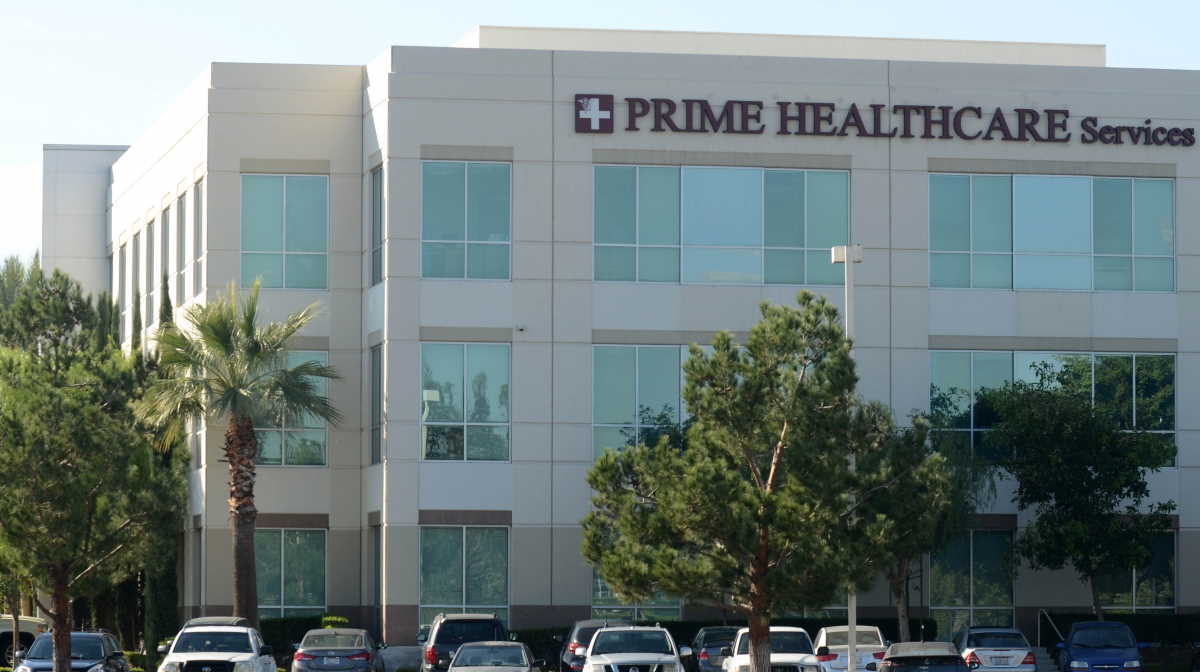
Prime adds 46th hospital

https://www.beckershospitalreview.com/hospital-transactions-and-valuation/prime-adds-46th-hospital-4-things-to-know-about-the-350m-deal.html?utm_medium=email

SEIU: Hospital Chain with Record of Bilking Taxpayers and Cutting ...

Ontario, Calif.-based Prime Healthcare announced Aug. 14 that it has completed the acquisition of St. Francis Medical Center, a 384-bed hospital in Lynwood, Calif. 

Here are four things to know about the deal: 

1. Prime purchased St. Francis Medical Center out of bankruptcy. The hospital entered bankruptcy in 2018 when its previous owner, El Segundo, Calif.-based Verity Health, filed for Chapter 11 protection.

2. Under the $350 million deal, which closed after a four-month review process, Prime committed to invest $47 million in capital improvements at the hospital. Those investments include installing Epic’s EHR and Omnicell systems for automated medication dispensing. Prime said it also plans to expand the hospital’s service lines.

3. A spokesperson told Becker’s Hospital Review that Prime extended offers to approximately 80 percent of the more than 2,000 employees at St. Francis Medical Center. “In the midst of this pandemic and economic challenges, Prime has remained deeply committed to St. Francis, the caregivers, patients and community, and we continue to evaluate staffing and will post additional positions based on future community needs,” the spokesperson said.

4. With the addition of St. Francis Medical Center, Prime owns and operates 46 hospitals in 14 states. The company has nearly 40,000 employees. 


Verity gets OK to sell 384-bed bankrupt hospital to Prime Healthcare, despite objections

https://www.beckershospitalreview.com/hospital-transactions-and-valuation/verity-gets-ok-to-sell-384-bed-bankrupt-hospital-to-prime-healthcare-despite-objections.html?utm_medium=email

St. Francis Medical Center | Verity Health

Despite objections for California attorney general and a last-minute attempt from an opposing bidder to block the sale, El Segundo, Calif.-based Verity Health System won bankruptcy court approval to sell a 384-bed hospital in Lynwood, Calif., to Prime Healthcare Services, according to The Wall Street Journal.  

California Attorney General Xavier Becerra conditionally approved the sale to Prime in July. Mr. Becerra set 21 conditions for the sale of St. Francis Medical Center to Prime Healthcare, a for-profit provider based in Ontario, Calif.

Verity challenged three of the conditions outlined by the attorney general, saying they were overly burdensome. The disputed conditions revolved around the amount of charity care and community-benefit services the hospital would need to provide.

As a result, the attorney general opposed authorizing the sale and approving Verity’s Chapter 11 liquidation plan, according to the Journal. 

U.S. Bankruptcy Judge Ernest Robles overruled the objections, which should allow the $350 million sale to finalize. The judge also said he would approve Verity’s Chapter 11 liquidation plan.

In addition, in late July, Los Angeles-based Prospect Medical Holdings made a last-minute attempt to block Prime from buying St. Francis Medical Center.

Prospect Medical, backed by a private equity firm, reportedly offered to pay $50 million more than Prime and offered to accept all of the attorney general’s conditions. 

However, the bankruptcy judge said Prospect lacked standing to oppose the Prime sale, and it didn’t submit its bid until after the deadline passed, according to the report.

Read the full article here


Regional chains Sentara, Cone to merge into 17-hospital, $11.5B system

https://www.healthcaredive.com/news/regional-chains-sentara-cone-to-merge-into-17-hospital-115b-system/583379/?utm_source=Sailthru&utm_medium=email&utm_campaign=Issue:%202020-08-12%20Healthcare%20Dive%20%5Bissue:29035%5D&utm_term=Healthcare%20Dive

Is Consolidation the Way to Survive in Today's Healthcare ...

Dive Brief:

  • Sentara Healthcare and Cone Health signed a letter of intent to merge the two regional, integrated health systems, according to an announcement Wednesday. Pending state and federal regulatory review, the deal is expected to close in the middle of next year, creating a 17-hospital, $11.5 billion system. 
  • Norfolk, Virginia-based Sentara is a nonprofit system with 12 hospitals in Virginia and North Carolina, employing more than 30,000 people. Its two health plans serve 858,000 members in Virginia, North Carolina and Ohio. Greensboro, North Carolina-based Cone Health has five hospitals in the state and around 15,000 employees. Its two health plans serve 15,000 members.
  • Corporate headquarters will remain in Norfolk, and Sentara’s current CEO, Howard Kern, will oversee the combined organization. Cone Health CEO Terry Akin will serve as president for the Cone Health Division, with regional headquarters in Greensboro.

Dive Insight

The providers contend the new system will focus on expanding value-based care models and increasing the companies’ health insurance options, according to a news release. Executives also hope to increase access points, including virtual ones, and make care more accessible in the surrounding communities.

After the deal closes, it’s expected to take up to two additional years for the two companies to fully integrate.

Sentara ended 2019 with $6.8 billion in revenue. Cone Health has about $2 billion in annual revenue.

Cone Health had planned to become the successor organization of Randolph Health when the 145-bed hospital in Asheboro, North Carolina, emerged from bankruptcy, but nixed the plan in March, citing uncertainty from the novel coronavirus.

It’s unclear how the COVID-19 pandemic has affected hospital M&A activity. Activity in the second quarter was not stalled as much as some analysts had expected, according to consultancy Kaufman Hall. Throughout the entire health services sector, however, M&A in the first half of the year was the lowest it’s been since 2015, PwC said recently.

Life Span and Care New England said in early June the coronavirus crisis reignited their merger talks. Heavyweight nonprofits Advocate Aurora Health and Beaumont Health announced they had signed a letter of intent to merge the same month, well into the pandemic.

Beaumont, however, cited COVID-19 as derailing its merger plans with Summa Health in May.

While the deal with Sentara and Cone Health are between two not-for-profit systems, a recent Health Affairs study found for-profits and church run health systems dominated M&A activity, at least from 2016 to 2018.


The Future of Hospitals in Post-COVID America (Part 1): The Market Response

Click to access CBC_72_08052020_Final.pdf


[Readers’ Note: This is the first of two articles on the Future of Hospitals in Post-COVID America. This article
examines how market forces are consolidating, rationalizing and redistributing acute care assets within the
broader industry movement to value-based care delivery. The second article, which will publish next month,
examines gaps in care delivery and the related public policy challenges of providing appropriate, accessible
and affordable healthcare services in medically-underserved communities.]

In her insightful 2016 book, The Gray Rhino: How to Recognize and Act on the Obvious Dangers We Ignore,
Michelle Wucker coins the term “Gray Rhinos” and contrasts them with “Black Swans.” That distinction is
highly relevant to the future of American hospitals.

Black Swans are high impact events that are highly improbable and difficult to predict. By contrast, Gray
Rhinos are foreseeable, high-impact events that we choose to ignore because they’re complex, inconvenient
and/or fortified by perverse incentives that encourage the status quo. Climate change is a powerful example
of a charging Gray Rhino.

In U.S. healthcare, we are now seeing what happens when a Gray Rhino and a Black Swan collide.
Arguably, the nation’s public health defenses should anticipate global pandemics and apply resources
systematically to limit disease spread. This did not happen with the coronavirus pandemic.

Instead, COVID-19 hit the public healthcare infrastructure suddenly and hard. This forced hospitals and health systems to dramatically reduce elective surgeries, lay off thousands and significantly change care delivery with the adoption of new practices and services like telemedicine.

In comparison, many see the current American hospital business model as a Gray Rhino that has been charging toward
unsustainability for years with ever-building momentum.

Even with massive and increasing revenue flows, hospitals have long struggled with razor-thin margins, stagnant payment rates and costly technology adoptions. Changing utilization patterns, new and disruptive competitors, pro-market regulatory rules and consumerism make their traditional business models increasingly vulnerable and, perhaps, unsustainable.

Despite this intensifying pressure, many hospitals and health systems maintain business-as-usual practices because transformation is so difficult and costly. COVID-19 has made the imperative of change harder to ignore or delay addressing.

For a decade, the transition to value-based care has dominated debate within U.S. healthcare and absorbed massive strategic,
operational and financial resources with little progress toward improved care outcomes, lower costs and better customer service. The hospital-based delivery system remains largely oriented around Fee-for-Service reimbursement.

Hospitals’ collective response to COVID-19, driven by practical necessity and financial survival, may accelerate the shift to value-based care delivery. Time will tell.

This series explores the repositioning of hospitals during the next five years as the industry rationalizes an excess supply of acute care capacity and adapts to greater societal demands for more appropriate, accessible and affordable healthcare services.

It starts by exploring the role of the marketplace in driving hospital consolidation and the compelling need to transition to value-based care delivery and payment models.

COVID’s DUAL SHOCKS TO PATIENT VOLUME

Many American hospitals faced severe financial and operational challenges before COVID-19. The sector has struggled to manage ballooning costs, declining margins and waves of policy changes. A record 18 rural hospitals closed in 2019. Overall, hospitals saw a 21% decline in operating margins in 2018-2019.

COVID intensified those challenges by administering two shocks to the system that decreased the volume of hospital-based activities and decimated operating margins.

The first shock was immediate. To prepare for potential surges in COVID care, hospitals emptied beds and cancelled most clinic visits, outpatient treatments and elective surgeries. Simultaneously, they incurred heavy costs for COVID-related equipment (e.g. ventilators,PPE) and staffing. Overall, the sector experienced over $200 billion in financial losses between March and June 20204.

The second, extended shock has been a decrease in needed but not necessary care. Initially, many patients delayed seeking necessary care because of perceived infection risk. For example, Emergency Department visits declined 42% during the early phase of the pandemic.

Increasingly, patients are also delaying care because of affordability concerns and/or the loss of health insurance. Already, 5.4 million people have lost their employer-sponsored health insurance. This will reduce incremental revenues associated with higher-paying commercial insurance claims across the industry. Additionally, avoided care reduces patient volumes and hospital revenues today even as it increases the risk and cost of future acute illness.

The infusion of emergency funding through the CARES Act helped offset some operating losses but it’s unclear when and even whether utilization patterns and revenues will return to normal pre-COVID levels. Shifts in consumer behavior, reductions in insurance coverage, and the emergence of new competitors ranging from Walmart to enhanced primary care providers will likely challenge the sector for years to come.

The disruption of COVID-19 will serve as a forcing function, driving meaningful changes to traditional hospital business models and the competitive landscape. Frankly, this is long past due. Since 1965, Fee-for-Service (FFS) payment has dominated U.S. healthcare and created pervasive economic incentives that can serve to discourage provider responsiveness in transitioning to value-based care delivery, even when aligned to market demand.

Telemedicine typifies this phenomenon. Before COVID, CMS and most health insurers paid very low rates for virtual care visits or did not cover them at all. This discouraged adoption of an efficient, high-value care modality until COVID.

Unable to conduct in-person clinical visits, providers embraced virtual care visits and accelerated its mass adoption. CMS and
commercial health insurers did their part by paying for virtual care visits at rates equivalent to in-person clinic visits. Accelerated innovation in care delivery resulted.


THE COMPLICATED TRANSITION TO VALUE

Broadly speaking, health systems and physician groups that rely almost exclusively on activity-based payment revenues have struggled the most during this pandemic. Vertically integrated providers that offer health insurance and those receiving capitated payments in risk-based contracts have better withstood volume losses.

Modern Healthcare notes that while provider data is not yet available, organizations such as Virginia Care Partners, an integrated network and commercial ACO; Optum Health (with two-thirds of its revenue risk-based); and MediSys Health Network, a New Yorkbased NFP system with 148,000 capitated and 15,000 shared risk patients, are among those navigating the turbulence successfully. As the article observes,

providers paid for value have had an easier time weathering the storm…. helped by a steady source of
income amid the chaos. Investments they made previously in care management, technology and social
determinants programs equipped them to pivot to new ways of providing care.

They were able to flip the switch on telehealth, use data and analytics to pinpoint patients at risk for
COVID-19 infection, and deploy care managers to meet the medical and nonclinical needs of patients even
when access to an office visit was limited.

Supporting this post-COVID push for value-based care delivery, six former leaders from CMS wrote to Congress in
June 2020 calling for providers, commercial insurers and states to expand their use of value-based payment models to
encourage stability and flexibility in care delivery.

If value-based payment models are the answer, however, adoption to date has been slow, limited and difficult. Ten
years after the Affordable Care Act, Fee-for-Service payment still dominates the payer landscape. The percentage of
overall provider revenue in risk-based capitated contracts has not exceeded 20%

Despite improvements in care quality and reductions in utilization rates, cost savings have been modest or negligible.
Accountable Care Organizations have only managed at best to save a “few percent of Medicare spending, [but] the
amount varies by program design.”

While most health systems accept some forms of risk-based payments, only 5% of providers expect to have a majority
(over 80%) of their patients in risk-based arrangements within 5 years.

The shift to value is challenging for numerous reasons. Commercial payers often have limited appetite or capacity for
risk-based contracting with providers. Concurrently, providers often have difficulty accessing the claims data they need
from payers to manage the care for targeted populations.

The current allocation of cost-savings between buyers (including government, employers and consumers), payers
(health insurance companies) and providers discourages the shift to value-based care delivery. Providers would
advance value-based models if they could capture a larger percentage of the savings generated from more effective
care management and delivery. Those financial benefits today flow disproportionately to buyers and payers.

This disconnection of payment from value creation slows industry transformation. Ultimately, U.S. healthcare will not
change the way it delivers care until it changes the way it pays for care. Fortunately, payment models are evolving to
incentivize value-based care delivery.

As payment reform unfolds, however, operational challenges pose significant challenges to hospitals and health
systems. They must adopt value-oriented new business models even as they continue to receive FFS payments. New
and old models of care delivery clash.

COVID makes this transition even more formidable as many health systems now lack the operating stamina and
balance sheet strength to make the financial, operational and cultural investments necessary to deliver better
outcomes, lower costs and enhanced customer service.


MARKET-DRIVEN CONSOLIDATION AND TRANSFORMATION

Full-risk payment models, such as bundled payments for episodic care and capitation for population health, are the
catalyst to value-based care delivery. Transition to value-based care occurs more easily in competitive markets with
many attributable lives, numerous provider options and the right mix of willing payers.

As increasing numbers of hospitals struggle financially, the larger and more profitable health systems are expanding
their networks, capabilities and service lines through acquisitions. This will increase their leverage with commercial
payers and give them more time to adapt to risk-based contracting and value-based care delivery.

COVID also will accelerate acquisition of physician practices. According to an April 2020 MGMA report, 97% of
physician practices have experienced a 55% decrease in revenue, forcing furloughs and layoffs15. It’s estimated the
sector could collectively lose as much as $15.1 billion in income by the end of September 2020.

Struggling health systems and physician groups that read the writing on the wall will pro-actively seek capital or
strategic partners that offer greater scale and operating stability. Aggregators can be selective in their acquisitions,
seeking providers that fuel growth, expand contiguous market positions and don’t dilute balance sheets.

Adding to the sector’s operating pressure, private equity, venture investors and payers are pouring record levels of
funding into asset-light and virtual delivery companies that are eager to take on risk, lower prices by routing procedures
and capture volume from traditional providers. With the right incentives, market-driven reforms will reallocate resources
to efficient companies that generate compelling value.

As this disruption continues to unfold, rural and marginal urban communities that lack robust market forces will
experience more facility and practice closures. Without government support to mitigate this trend, access and care gaps
that already riddle American healthcare will unfortunately increase.


WINNING AT VALUE

The average hospital generates around $11,000 per patient discharge. With ancillary services that can often add up to
more than $15,000 per average discharge. Success in a value-based system is predicated on reducing those
discharges and associated costs by managing acute care utilization more effectively for distinct populations (i.e.
attributed lives).

This changes the orientation of healthcare delivery toward appropriate and lower cost settings. It also places greater
emphasis on preventive, chronic and outpatient care as well as better patient engagement and care coordination.
Such a realignment of care delivery requires the following:

 A tight primary care network (either owned or affiliated) to feed referrals and reduce overall costs through
better preventive care.

 A gatekeeper or navigator function (increasingly technology-based) to manage / direct patients to the most
appropriate care settings and improve coordination, adherence and engagement.

 A carefully designed post-acute care network (including nursing homes, rehab centers, home care
services and behavioral health services, either owned or sufficiently controlled) to manage the 70% of
total episode-of-care costs that can occur outside the hospital setting.

 An IT infrastructure that can facilitate care coordination across all providers and settings.

Quality data and digital tools that enhance care, performance, payment and engagement.

Experience with managing risk-based contracts.

 A flexible approach to care delivery that includes digital and telemedicine platforms as well as nontraditional sites of care.

Aligned or incentivized physicians.

Payer partners willing to share data and offload risk through upside and downside risk contracts.

Engaged consumers who act on their preferences and best interests.


While none of these strategies is new or controversial, assembling them into cohesive and scalable business models is
something few health systems have accomplished. It requires appropriate market conditions, deep financial resources,
sophisticated business acumen, operational agility, broad stakeholder alignment, compelling vision, and robust
branding.

Providers that fail to embrace value-based care for their “attributed lives” risk losing market relevance. In their relentless pursuit of increasing treatment volumes and associated revenues, they will lose market share to organizations that
deliver consistent and high-value care outcomes.

CONCLUSION: THE CHARGING GRAY RHINO

America needs its hospitals to operate optimally in normal times, flex to manage surge capacity, sustain themselves
when demand falls, create adequate access and enhance overall quality while lowering total costs. That is a tall order
requiring realignment, evolution, and a balance between market and policy reform measures.

The status quo likely wasn’t sustainable before COVID. The nation has invested heavily for many decades in acute and
specialty care services while underinvesting, on a relative basis, in primary and chronic care services. It has excess
capacity in some markets, and insufficient access in others.

COVID has exposed deep flaws in the activity-based payment as well as the nation’s underinvestment in public health.
Disadvantaged communities have suffered disproportionately. Meanwhile, the costs for delivering healthcare services
consume an ever-larger share of national GDP.

Transformational change is hard for incumbent organizations. Every industry, from computer and auto manufacturing to
retailing and airline transportation, confronts gray rhino challenges. Many companies fail to adapt despite clear signals
that long-term viability is under threat. Often, new, nimble competitors emerge and thrive because they avoid the
inherent contradictions and service gaps embedded within legacy business models.

The healthcare industry has been actively engaged in value-driven care transformation for over ten years with little to
show for the reform effort. It is becoming clear that many hospitals and health systems lack the capacity to operate
profitably in competitive, risk-based market environments.

This dismal reality is driving hospital market valuations and closures. In contrast, customers and capital are flowing to
new, alternative care providers, such as OneMedical, Oak Street Health and Village MD. Each of these upstart
companies now have valuations in the $ billions. The market rewards innovation that delivers value.

Unfortunately, pure market-driven reforms often neglect a significant and growing portion of America’s people. This gap has been more apparent as COVID exacts a disproportionate toll on communities challenged by higher population
density, higher unemployment, and fewer medical care options (including inferior primary and preventive care infrastructure).

Absent fundamental change in our hospitals and health systems, and investment in more efficient care delivery and
payment models, the nation’s post-COVID healthcare infrastructure is likely to deteriorate in many American
communities, making them more vulnerable to chronic disease, pandemics and the vicissitudes of life.

Article 2 in our “Future of Hospitals” series will explore the public policy challenges of providing appropriate, affordable and accessible healthcare to all American communities.


Canceled elective procedures putting pressure on nation’s hospitals

https://www.healthcarefinancenews.com/news/canceled-elective-procedures-putting-pressure-nations-hospitals

U.S. Hospitals Brace for 'Tremendous Strain' from New Virus - JEMS

Even upticks in COVID-19 patients haven’t made up for the revenue losses, since reimbursement for those services is comparatively slim.

Elective procedures are in a strange place at the moment. When the COVID-19 pandemic started to ramp up in the U.S., many of the nation’s hospitals decided to temporarily cancel elective surgeries and procedures, instead dedicating the majority of their resources to treating coronavirus patients. Some hospitals have resumed these surgeries; others resumed them and re-cancelled them; and still others are wondering when they can resume them at all.

In a recent HIMSS20 digital presentation, Reenita Das, a senior vice president and partner at Frost and Sullivan, said that during the pandemic, plastic surgery activity declined by 100%, ENT surgeries declined by 79%, cardiovascular surgeries declined by 53% and neurosurgery surgeries declined by 57%.

It’s hard to overstate the financial impact this is likely to have on hospitals’ bottom lines. Just this week, American Hospital Association President and CEO Rick Pollack, pulling from Kaufman Hall data, said the cancellation of elective surgeries is among the factors contributing to a likely industry-wide loss of $120 billion from July to December alone. When including data from earlier in the pandemic, the losses are expected to be in the vicinity of $323 billion, and half of the nation’s hospitals are expected to be in the red by the end of the year.

Doug Wolfe, cofounder and managing partner of Miami-based law firm Wolfe Pincavage, said this has amounted to a “double-whammy” for hospitals, because on top of elective procedures being cancelled, the money healthcare facilities received from the federal Coronavirus Aid, Relief, and Economic Security Act was an advance on future Medicare payments – which is coming due. While hospitals perform fewer procedures, they will now have to start paying that money back.

All hospitals are hurting, but some are in a more precarious position than others.

“Some hospital systems have had more cash on hand and more liquidity to withstand some of the financial pressure some systems are facing,” said Wolfe. “Traditionally, the smaller hospital systems in the healthcare climate we face today have faced a lot more financial pressure. They’re not able to control costs the same way as a big system. The smaller hospitals and systems were hurting to begin with.”

LOWER REVENUE, HIGHER COSTS

Some hospitals, especially ones in hot spots, are seeing a surge in COVID-19 patients. While this has kept frontline healthcare workers scrambling to care for scores of sick Americans, COVID-19 treatments are not reimbursed at the same level as surgeries. Hospital capacity is being stretched with less lucrative services.

“Some hospitals may be filling up right now, but they’re filling up with lower-reimbursing volume,” said Wolfe. “Inpatient stuff is lower reimbursement. It’s really the perfect storm for hospitals.”

John Haupert, CEO of Grady Health in Atlanta, Georgia, said this week that COVID-19 has had about a $115 million negative impact on Grady’s bottom line. Some $70 million of that is related to the reduction in the number of elective surgeries performed, as well as dips in emergency department and ambulatory visits. 

During one week in March, Grady saw a 50% reduction in surgeries and a 38% reduction in ER visits. The system is almost back to even in terms of elective and essential surgeries, but due to a COVID-19 surge currently taking place in Georgia, it has had to suspend those services once again. ER visits have only come back about halfway from that initial 38% dip, and the system is currently operating at 105% occupancy.

“Part of what we’re seeing there is reluctance from patients to come to hospitals or seek services,” said Haupert. “Many have significantly exacerbated chronic disease conditions.”

Patient hesitation has been an ongoing problem, as has the associated cost of treating coronavirus patients, said Wolfe.

“When they were ramping up to resume the elective stuff, there was a problem getting patients comfortable,” he said. “And the other thing was that the cost of treating patients in this environment has gone up. They’ve put up plexiglass everywhere, they have more wiping-down procedures, and all of these things add cost and time. They need to add more time between procedures so they can clean everything … so they’re able to do less, and it costs more to do less. Even when elective procedures do resume, it’s not going back to the way it was.”

Most hospitals have adjusted their costs to mitigate some of the financial hit. Even some larger systems, such as 92-hospital nonprofit Trinity Health in Michigan, have taken to measures such as laying off and furloughing workers and scaling back working hours for some of its staff. At the top of the month, Trinity announced another round of layoffs and furloughs – in addition to the 2,500 furloughs it announced in April – citing a projected $2 billion in revenue losses in fiscal year 2021, which began on June 1.

Hospitals are at the mercy of the market at the moment, and Wolfe anticipates there could be an uptick in mergers and consolidation as organizations look to partner with less cash-strapped entities. 

“Whether reorganization will work remains to be seen, but there will definitely be a fallout from this,” he said.


California AG conditionally approves $350M sale of nonprofit to Prime Healthcare

https://www.healthcarefinancenews.com/news/california-ag-conditionally-approves-350m-sale-st-francis-medical-center-prime-healthcare

Prime Healthcare, CEO Prem Reddy settle false-claims suit for $65M

Prime will acquire St. Francis for a net of $350 million, with a $200 million base cash price and $60 million for accounts receivable.

California Attorney General Xavier Becerra has conditionally approved Verity Health’s application to transfer ownership of St. Francis Medical Center to Prime Healthcare. The Attorney General’s decision follows an earlier decision by the U.S. Bankruptcy Court of the Central District of California granting Verity’s request to reject the existing collective bargaining agreements which impose legacy cost structures that it said contributed to bankruptcy.

Becerra noted that his approval of the sale of St. Francis to Prime Healthcare “protect(s) access to care for the Los Angeles communities served” by St. Francis.

“The COVID-19 public health crisis has brought home the importance of having access to lifesaving hospital care nearby in our communities,” he said. “St. Francis Medical Center is not just an asset, it is an indispensable neighbor, it is the workers who serve the patients, and the doctors who save lives. We conditionally approve this sale to keep it that way.”

Prime Healthcare has built a reputation for saving financially distressed hospitals across the U.S., touting improved clinical quality. Healthgrades said Prime had hospitals named among the nation’s 100 best 53 times, and has been the recipient of several Patient Safety Excellence Awards.

The Attorney General’s office conducted an exhaustive review of the transaction for the past several months and carefully considered public input on the proposed transaction. The Attorney General’s approval includes conditions for the sale which Prime is currently reviewing. Pending a final ruling by the Bankruptcy Court, the transaction is expected to be completed this summer.

THE LARGER TREND

In early April, the U.S. Bankruptcy Court approved the Asset Purchase Agreement for the sale of St. Francis Medical Center to Prime. Under the agreement, Prime will acquire St. Francis for a net consideration of over $350 million, including a $200 million base cash price and $60 million for accounts receivable. In addition, Prime has committed to invest $47 million in capital improvements and extend offers of employment to nearly all staff.

The court also recently granted Verity’s request to reject the existing collective bargaining agreements with two unions that represent associates at St. Francis Medical Center, SEIU and UNAC. The court noted that Prime Healthcare was the only party to submit a qualifying bid for St. Francis and that without rejecting the existing CBAs, “St. Francis would not continue to operate as a going concern, and all of the UNAC (and SEIU) represented employees would lose their jobs.”

The court also noted that Prime and Verity had made multiple efforts to negotiate in good faith with the unions, and the parties devoted “hundreds of hours to negotiations,” but ultimately were unable to agree on new CBAs. Further, the court determined that one of the reasons for the hospital’s bankruptcy was the “legacy cost structure imposed by the existing CBAs.”

It then staid that the proposals were rejected “without good cause” by the unions. Prime said it negotiated in good faith and proposed increasingly generous offers to UNAC and SEIU with wages far above its existing agreements at its Los Angeles-area hospitals. Prime’s latest offer to SEIU maintained existing wages for roughly 90% of SEIU members, and increased wages for some of them. Prime said these wages would be substantially higher than those recently voted by SEIU members at three of Prime’s Los Angeles hospitals.

ON THE RECORD

“Receiving conditional approval is an important step in ensuring Prime is able to preserve the St. Francis mission for the benefit of associates, members of the medical staff and most importantly the patients and Southeast Los Angeles community that has relied on St. Francis for 75 years,” said Rich Adcock, CEO of Verity Health.

“We are honored to be selected to continue the St. Francis legacy and are working to review the conditions and finalize the sale as quickly as possible,” said Dr. Sunny Bhatia, CEO, Region I and chief medical officer of Prime Healthcare. “St. Francis’ mission is especially critical during this pandemic and we honor the service of all caregivers. Prime has already started investments at St. Francis that will enhance patient care as we commit to continue every service line, community benefit program, charity care and expand new services to the community.”


619-bed California hospital to join Cedars-Sinai

https://www.beckershospitalreview.com/hospital-transactions-and-valuation/619-bed-california-hospital-to-join-cedars-sinai.html?utm_medium=email

Cedars-Sinai Medical Center halts use of heart compressor device ...Contact Huntington Hospital | Huntington Hospital


Huntington Hospital in Pasadena, Calif., has entered into a definitive agreement to join Los Angeles-based Cedars-Sinai Health System, roughly four months after the organizations signed a letter of intent to explore an affiliation. 

The agreement calls for investments in 619-bed Huntington Hospital’s information technology, ambulatory services and physician development. Under the agreement, Huntington Hospital would be governed by a local board and its philanthropy and volunteer support would be locally controlled, the organizations said.

“On behalf of everyone at Huntington Hospital, we are all very pleased to have reached this important milestone,” said Jaynie Studenmund, chair of the Huntington Hospital board of directors, in a news release. “We pledge to work cooperatively with all the relevant parties and believe that this proposed affiliation is in the best interest of all of our stakeholders and the greater San Gabriel Valley community.”

The definitive agreement will now be submitted for regulatory review and approval. The review process is expected to take several months.


12-hospital CHI Franciscan-Virginia Mason system would be part of CommonSpirit under new deal

https://www.beckershospitalreview.com/hospital-transactions-and-valuation/12-hospital-chi-franciscan-virginia-mason-system-would-be-part-of-commonspirit-under-new-deal.html?utm_medium=email

CHI Franciscan and Virginia Mason moving toward merger | Tacoma ...

Washington health systems CHI Franciscan and Virginia Mason agreed to explore a combination through a joint operating company that would be part of CommonSpirit Health, the organizations said July 16. 

The proposed 12-hospital system would include more than 250 care sites and nearly 5,000 employed and affiliated providers. Combining the two systems would allow Tacoma-based CHI Franciscan and Seattle-based Virginia Mason to “shape healthcare nationally,” according to Virginia Mason CEO Gary Kaplan, MD. He told Becker’s Hospital Review in an interview that the organizations “envision creating a health system of the future.”

Ketul Patel, the CEO of CHI Franciscan and president of the Pacific Northwest division at parent system CommonSpirit Health, said in the same interview that, “Together, we’re going to not only be able to boast that we have the largest access point in the state, but we are going to be the largest and best-quality [system] in the state of Washington. We’re in a unique place to scaling and being a showcase for the entire country.” 

Dr. Kaplan and Mr. Patel would serve as co-CEOs of the organization, and the health system’s board would have equal representation from both organizations.

Quality and innovation are major focuses of the proposed deal. Virginia Mason is one of only 32 hospitals in the U.S. and the only hospital in Washington to receive an A grade in quality and patient safety from The Leapfrog Group every spring and fall since the organization started publishing grades. All but two of CHI Franciscan’s hospitals received A rankings from Leapfrog this spring, Dr. Kaplan said. Outside of that, Virginia Mason and CHI Franciscan draw patients nationally for cardiology and complex spine programs, Mr. Patel said.

Dr. Kaplan said details of the deal will be hammered out as the organizations move toward a final agreement, with hopes to finalize the process by the end of the year. The joint operating company would be in addition to the organizations’ prior relationships, which include partnerships in obstetrics and women’s health, as well as radiation oncology.

No financial information about the proposal was disclosed. Virginia Mason reported total revenues of $1.2 billion in fiscal year 2019, while Chicago-based CommonSpirit’s totaled nearly $21 billion.


FTC, Justice Department have new guidelines for vertical mergers

https://www.beckershospitalreview.com/hospital-transactions-and-valuation/ftc-justice-department-have-new-guidelines-for-vertical-mergers.html?utm_medium=email

Trump Administration Updates Vertical Merger Guidelines - Multichannel

Guidance on vertical mergers got its first major overhaul from the Federal Trade Commission and the U.S. Department of Justice in more than 35 years under new joint guidelines published June 30.

Vertical mergers are those that combine firms or assets at different stages of the same supply chain, such as healthcare company CVS Health’s acquisition of insurer Aetna. Previously proposed mergers like that of insurers Humana and Aetna would be considered horizontal.

FTC Chairman Joe Simon said in a news release that the new guidances “are an important step forward in maintaining vigorous antitrust enforcement, and reaffirm our commitment to challenge vertical mergers that are anticompetitive and would harm American consumers.”

Leaders said that the guidelines explain FTC and Justice Department investigative practices and will give the business community clarity about antitrust concerns, such as the type of evidence the FTC and Justice Department review and how they define markets.

To read the full guidelines, click here