

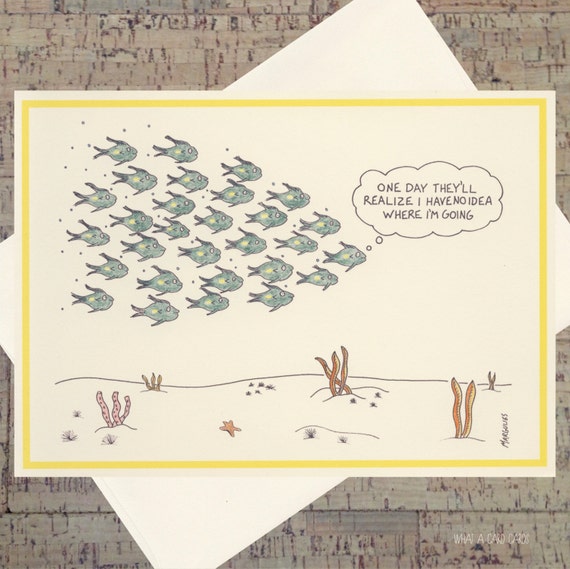
Cartoon – Leadership Concern
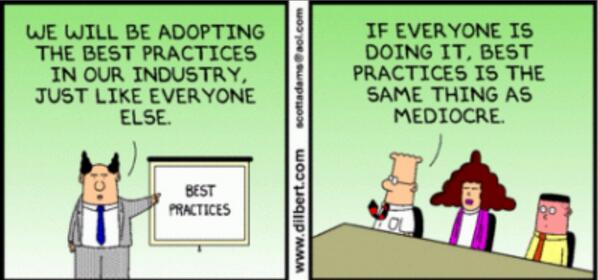

https://mailchi.mp/d594e7a0c816/the-weekly-gist-june-19-2020?e=d1e747d2d8

We’ve both received care from of Portland, OR-based Zoom+Care when traveling, and are big fans of its highly efficient, consumer-centric clinic design and urgent care model. We’ve heard reports from across the country that urgent care visits have been slow to rebound as in-person healthcare services have reopened (no surprise that people are reticent to return to a care setting where sitting in a waiting room next to a coughing patient is often part of the experience).
We wondered if Zoom+Care, with scheduled appointments and operations that largely eliminate the wait, had fared any better, and recently we caught up with Torben Nielsen, the company’s CEO, to hear about his experiences across the past three months. As COVID-19 hit in March, Zoom+Care quickly eliminated self-scheduled visits and took many of its 50 clinics offline, requiring all patients to be triaged virtually before any in-person care. The company had a robust chat visit function already in place, and like most health systems, quickly brought video and phone visits online in the first weeks of the pandemic.
They’ve now delivered more than 30,000 virtual visits. With 34 percent of virtual visits coming from patients in markets where Zoom+Care does not have clinics, telehealth has driven rapid expansion into new markets, presenting both opportunities (virtual demand highlights where to site new clinics) and challenges (the need to quickly develop referral relationships for the 10-20 percent of telemedicine patients who would benefit from in-person follow-up).
Telemedicine visits have continued to grow even as self-scheduling was turned back on and in-person volume returned. Nielsen thinks centralization will be a big part of their ongoing virtual care strategy. Over the years Zoom+Care learned that chat visits required a different provider skill set, necessitating a dedicated team—and the same is true of phone and video visits. They’re also exploring what specialty care can be managed virtually, and the best modes to deliver it.
Case in point: it’s no surprise that a visually-oriented specialty like dermatology is well-suited for virtual. But with the grainy images of videoconferencing software, telemedicine falls far short of chat-based care, where a patient can send a high-resolution image and text back and forth with the provider. Given that payment for chat visits falls fall short of video visits, Zoom+Care is now exploring new relationships and economic models to support a multimodal, multispecialty care model.
A fascinating conversation, and confirmation that creating the ideal access platform will require not just layering telemedicine on top of the existing “physical” clinic footprint, but redesigning the entire care journey to create a seamless and connected access experience.
https://www.lrvhealth.com/podcast/?single_podcast=2203


Healthcare is Hard: A Podcast for Insiders; June 11, 2020
Over the course of nearly 20 years as Chief Research Officer at The Advisory Board Company, Chas Roades became a trusted advisor for CEOs, leadership teams and boards of directors at health systems across the country. When The Advisory Board was acquired by Optum in 2017, Chas left the company with Chief Medical Officer, Lisa Bielamowicz. Together they founded Gist Healthcare, where they play a similar role, but take an even deeper and more focused look at the issues health systems are facing.
As Chas explains, Gist Healthcare has members from Allentown, Pennsylvania to Beverly Hills, California and everywhere in between. Most of the organizations Gist works with are regional health systems in the $2 to $5 billion range, where Chas and his colleagues become adjunct members of the executive team and board. In this role, Chas is typically hopscotching the country for in-person meetings and strategy sessions, but Covid-19 has brought many changes.
“Almost overnight, Chas went from in-depth sessions about long-term five-year strategy, to discussions about how health systems will make it through the next six weeks and after that, adapt to the new normal. He spoke to Keith Figlioli about many of the issues impacting these discussions including:

At first, people delayed medical care for fear of catching Covid. But as the pandemic caused staggering unemployment, medical care has become unaffordable for many.
At first, Kristina Hartman put off getting medical care out of concern about the coronavirus. But then she lost her job as an administrator at a truck manufacturer in McKinney, Texas.
While she still has health insurance, she worries about whether she will have coverage beyond July, when her unemployment is expected to run out.
“It started out as a total fear of going to the doctor,” she said.
“I definitely am avoiding appointments.”
Ms. Hartman, who is 58, skipped a regular visit with her kidney doctor, and has delayed going to the endocrinologist to follow up on some abnormal lab results.
While hospitals and doctors across the country say many patients are still shunning their services out of fear of contagion — especially with new cases spiking — Americans who lost their jobs or have a significant drop in income during the pandemic are now citing costs as the overriding reason they do not seek the health care they need.
“We are seeing the financial pressure hit,” said Dr. Bijoy Telivala, a cancer specialist in Jacksonville, Fla. “This is a real worry,” he added, explaining that people are weighing putting food on the table against their need for care. “You don’t want a 5-year-old going hungry.”
Among those delaying care, he said, was a patient with metastatic cancer who was laid off while undergoing chemotherapy. He plans to stop treatments while he sorts out what to do when his health insurance coverage ends in a month.
The twin risks in this crisis — potential infection and the cost of medical care — have become daunting realities for the millions of workers who were furloughed, laid off or caught in the economic downturn. It echoes the scenarios that played out after the 2008 recession, when millions of Americans were unemployed and unable to afford even routine visits to the doctor for themselves or their children.
Almon Castor’s hours were cut at the steel distribution warehouse in Houston where he works about a month ago. Worried that a dentist might not take all the precautions necessary, he had been avoiding a root canal.
But the expense has become more pressing. He also works as a musician. “It’s not feasible to be able to pay for procedures with the lack of hours,” he said.
Nearly half of all Americans say they or someone they live with has delayed care since the onslaught of coronavirus, according to a survey last month from the Kaiser Family Foundation. While most of those individuals expected to receive care within the next three months, about a third said they planned to wait longer or not seek it at all.
While the survey didn’t ask people why they were putting off care, there is ample evidence that medical bills can be a powerful deterrent. “We know historically we have always seen large shares of people who have put off care for cost reasons,” said Liz Hamel, the director of public opinion and survey research at Kaiser.
And, just as the Great Recession led people to seek less hospital care, the current downturn is likely to have a significant impact, said Sara Collins, an executive at the Commonwealth Fund, who studies access to care. “This is a major economic recession,” she said. “It’s going to have an effect on people’s demand for health care.”
The inability to afford care is “going to be a bigger and bigger issue moving forward,” said Chas Roades, the co-founder of Gist Healthcare, which advises hospitals and doctors. Hospital executives say their patient volumes will remain at about 20 percent lower than before the pandemic.
“It’s going to be a jerky start back,” said Dr. Gary LeRoy, a physician in Dayton, Ohio, who is the president of the American Academy of Family Physicians. While some of his patients have returned, others are staying away.
But the consequences of these delays can be troubling. In a recent analysis of the sharp decline in emergency room visits during the pandemic, officials from the Centers for Disease Control and Prevention said there were worrisome signs that people who had heart attacks waited until their conditions worsened before going to the hospital.
Without income, many people feel they have no choice. Thomas Chapman stopped getting paid in March and ultimately lost his job as a director of sales. Even though he has high blood pressure and diabetes, Mr. Chapman, 64, didn’t refill any prescriptions for two months. “I stopped taking everything when I just couldn’t pay anymore,” he said.
After his legs began to swell, and he felt “very, very lethargic,” he contacted his doctor at Catalyst Health Network, a Texas group of primary care doctors, to ask about less expensive alternatives. A pharmacist helped, but Mr. Chapman no longer has insurance, and is not sure what he will do until he is eligible for Medicare later this year.
“We’re all having those conversations on a daily basis,” said Dr. Christopher Crow, the president of Catalyst, who said it was particularly tough in states, like Texas, that did not expand Medicaid. While some of those who are unemployed qualify for coverage under the Affordable Care Act, they may fall in the coverage gap where they do not receive subsidies to help them afford coverage.
Even those who are not concerned about losing their insurance are fearful of large medical bills, given how aggressively hospitals and doctors pursue people through debt collections, said Elisabeth Benjamin, a vice president at Community Service Society of New York, which works with people to get care.
“Americans are really very aware that their health care coverage is not as comprehensive as it should be, and it’s gotten worse over the past decade,” Ms. Benjamin said. After the last recession, they learned to forgo care rather than incur bills they can’t pay.
Geralyn Cerveny, who runs a day care in Kansas City, Mo., said she had Covid-19 in early April and is recovering. But her income has dropped as some families withdrew their children. Although her daughter is urging her to get some follow-up testing because she has some lingering symptoms from the virus, she is holding off because she does not want to end up with more medical bills if her health plan will not cover all of the care she needs. She said she would dread “a fight with the insurance company if you don’t meet their guidelines.”
Others are weighing what illness or condition merits the expense of a doctor or tests and other services. Eli Fels, a swim instructor and personal trainer who is pregnant, has been careful to stay up-to-date with her prenatal appointments in Cambridge, Mass. She and her doctor have relied on telemedicine appointments to reduce the risk of infection.
But Ms. Fels, who also lost her jobs but remains insured, has chosen not to receive care for her injured wrist in spite of concern over lasting damage. “I’ve put off medical care that doesn’t involve the baby,” she said, noting that her out-of-pocket cost for an M.R.I. to find out what was wrong “is not insubstantial.”
At Maimonides Medical Center in Brooklyn, doctors have already seen the impact of delaying care. During the height of the pandemic, people who had heart attacks and serious fractures avoided the emergency room. “It was as if they disappeared, but they didn’t disappear,” said Dr. Jack Choueka, the chair of orthopedics. “People were dying in home; they just weren’t coming into the hospital.”
In recent weeks, people have begun to return, but with conditions worsened because of the time they had avoided care. A baby with a club foot will now need a more complicated treatment because it was not addressed immediately after birth.
Another child who did not have imaging promptly was found to have a tumor. “That tumor may have been growing for months unchecked,” Dr. Choueka said.
https://mailchi.mp/d594e7a0c816/the-weekly-gist-june-19-2020?e=d1e747d2d8

Needing a quick prescription refill, I logged on to my first post-COVID telemedicine visit with my primary care physician this week—and while I appreciated being able to meet with my doctor from my living room, the experience revealed the kinks in the way many practices are delivering virtual care. To schedule, I filled out a form on the website, which triggered a follow-up call from practice staff the next morning.
Straightforward, but far from an “Open Table” level of simplicity. The technology worked just fine: a single click on an emailed link launched Microsoft Teams (which happened to already be installed on my laptop), and I was met by a medical assistant dialing in from an exam room in the practice. She took my information, said the doctor would be joining shortly, and left.
So I waited. And waited. The camera was on, and I was left looking at the blood pressure cuff, otoscope and ophthalmoscope hanging on the wall—literally the same view I would’ve had sitting on the exam table (I just needed to don a paper gown and turn the thermostat down ten degrees to completely replicate the experience of being there in person). I waited some more—22 minutes to be precise, as the webinar screen had a count-up clock recording just how long I was looking at the wall.
My doctor is a great clinician, and surely was running behind because she was spending time with a patient who needed her attention. Once she came into the room, the visit was efficient—and we talked about the challenges of transitioning to virtual care. I was happy to cut the practice some slack since I know them, but it would have been really underwhelming if I were a new patient—honestly, I probably wouldn’t be a repeat user. And it fell far short of what is needed to create a differentiated virtual care offering.
Like everything else “digital” in our lives, we want telemedicine to be easy, integrated, efficient and on time—and our expectations for experience are set outside of healthcare. One thing was made painfully obvious: providers need to make sure not to replicate the frustrating parts of traditional office visits, as they look to create a lasting, sustainable virtual care platform.
https://mailchi.mp/d594e7a0c816/the-weekly-gist-june-19-2020?e=d1e747d2d8

Although the coronavirus is easily the most disruptive disease event of our lifetimes, pandemics have ravaged humanity over history, leaving devastating death tolls in their tracks. This graphic compares lives lost in some of the worst worldwide pandemics on record. While a staggering 450,000 people have died from COVID-19 worldwide, the current pandemic represents a mere 0.2 percent of the deadliest plague in recorded human history, the Black Death.
Caused by the bubonic plague, the Black Death took an estimated 200 million lives over just a five-year span during the Middle Ages, killing an estimated 30 to 50 percent of Europe’s population. Arguably, the entire course of history was altered by the Black Death—will the same be true for COVID-19?
The 1918 Spanish Flu, the deadliest pandemic in modern history, claimed 40-50 million lives worldwide across 15 months. Unlike COVID-19, the Spanish Flu—caused by the H1N1 virus—was notable for being atypically fatal in otherwise healthy people, including in children younger than five and especially in adults between the ages of 20 and 40.
The Spanish Flu ebbed and flowed over three very distinct waves across two years, killing 675,000 Americans in total. That’s more than five-and-a-half times the current US COVID-19 death toll, but today we’re less than six months into the coronavirus pandemic.
The vast majority of Spanish Flu deaths occurred in the illness’s second wave, beginning in the fall of 1918—if history repeats itself, the worst of our current pandemic could still be in front of us.
One stark difference between 1918 and today: the advancement of medical science in the last century has allowed a swift, global effort to create a COVID-19 vaccine—over 125 vaccines are currently in development and 18 have progressed to human trials.

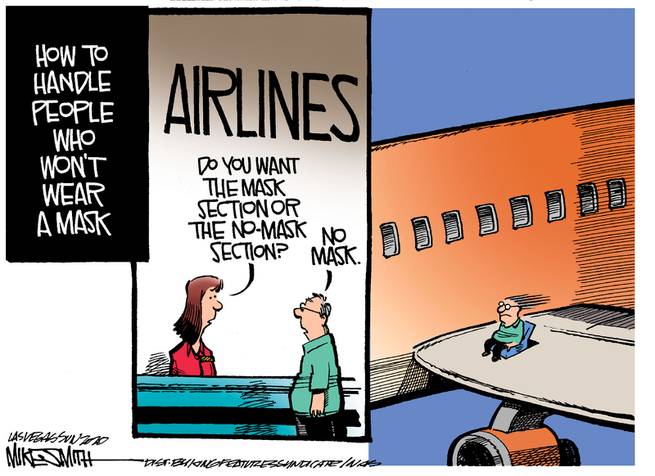
 HENRY KOTULA