


Cartoon – Company Takeover
https://www.lrvhealth.com/podcast/?single_podcast=2203


Healthcare is Hard: A Podcast for Insiders; June 11, 2020
Over the course of nearly 20 years as Chief Research Officer at The Advisory Board Company, Chas Roades became a trusted advisor for CEOs, leadership teams and boards of directors at health systems across the country. When The Advisory Board was acquired by Optum in 2017, Chas left the company with Chief Medical Officer, Lisa Bielamowicz. Together they founded Gist Healthcare, where they play a similar role, but take an even deeper and more focused look at the issues health systems are facing.
As Chas explains, Gist Healthcare has members from Allentown, Pennsylvania to Beverly Hills, California and everywhere in between. Most of the organizations Gist works with are regional health systems in the $2 to $5 billion range, where Chas and his colleagues become adjunct members of the executive team and board. In this role, Chas is typically hopscotching the country for in-person meetings and strategy sessions, but Covid-19 has brought many changes.
“Almost overnight, Chas went from in-depth sessions about long-term five-year strategy, to discussions about how health systems will make it through the next six weeks and after that, adapt to the new normal. He spoke to Keith Figlioli about many of the issues impacting these discussions including:

The collapse in patient volume following stay-at-home guidelines implemented earlier this year has had a well-documented effect on provider finances. Hospitals and doctor’s offices prepared for an influx of COVID-19 patients as lucrative elective procedures declined and revenues imploded.
At the nadir in April, anesthesiology services were down 70%, radiology down 60% and ER visits down 40%, S&P said. Analysts expect tentative recovery in May and June, but no return to pre-pandemic volume until mid-2021.
The dramatic reduction slashed the revenues and cash flows of staffing companies, though the worst is likely over. At the beginning of the pandemic, staffing companies and hospitals alike took preventive measures like furloughing nonessential and back-office workers, extending vendor payment terms, aggressively collecting old receivables and onboarding doctors to telehealth. Many have kept up adequate frontline capacity too, despite uncertain demand.
The economy saw some small gains in May as furloughed employees began to trickle back to work. But the increase in health services employment that month came largely in dental health workers and physician offices. Hospitals shed another 27,000 jobs.
Hospitals will likely fill staffing needs internally, bringing back furloughed or laid off employees first as operations slowly improve, before turning once again to medical contractors.
“Given the extended disruption, a looming recession, and possible lasting changes to health care providers, credit metrics will be much weaker than what we had previously expected for nearly all staffing companies,” analysts wrote. “Some staffing companies, particularly those that are highly leveraged, may face very significant liquidity pressures for several months. It is possible not all will be able to withstand the sharp decline.”
S&P Global has taken a number of negative rating actions on staffing companies since late March.
Envision and anesthesiology firm ASP Napa, both rated ‘CCC’ with a negative outlook, have the greatest potential for a default. Envision, owned by private equity firm KKR and one of the largest U.S. physician staffing firms, is reportedly considering a bankruptcy filing as it struggles with $7 billion in debt.
Knoxville, Tenn.-based Team Health and clinical practice management firm SCP Health have enough liquidity to chug along for several more months of lower-than-normal volumes, while AMN and Utah-based CHG Healthcare Services are both in more solid positions to weather the pandemic, S&P said.
But professional outsourced staffing businesses, like anesthesiology and radiology, should recover more quickly, and many firms have gotten financial support from lenders and private equity backers. Team Health, for example, approved a senior secured term loan from its PE sponsor, Blackstone, which covers interest payments in April through mid-May.
Liquidity was also helped by the passage of the $2.2 trillion CARES relief legislation late March.
Several staffing companies have reportedly received grants from the $100 billion allocated by the legislation for providers, along with no-interest loans from accelerated Medicare payments, sparking questions over whether companies backed by cash-rich private equity firms need the funds.

Large sections of the healthcare sector all but shut down during the spring as the coronavirus led to nationwide shelter-in-place orders. However, as states and municipalities slowly reopen, so are the doors for hospitals, ambulatory surgical centers, clinics and other integral components of healthcare delivery.
As a result, Moody’s reported “considerable sequential improvement” during May. For example, while for-profit hospitals saw surgery volumes drop as much as 70% in April compared to the same period in 2019, May volumes were down about 20% to 40% compared to last year’s. Hospital-operated ambulatory surgical centers saw an 80% to 90% drop in April volumes, but only a 30% to 40% drop in May.
However, Moody’s noted that the “path to normalized volumes are not linear.” It also pointed out that emergency room care volumes, which dropped as much as 60% in April, have yet to really rebound, as they still appeared depressed as much as 50% in May.
“This could reflect the prevalence of working-from-home arrangements and people generally staying home, which is leading to a decrease in automobile and other accidents outside the home. Weak ER volumes also suggest that many people remain apprehensive to enter a hospital, particularly for lower acuity care,” the Moody’s report said.
The firm also noted that “the shape of recovery will vary by state, region and service line, reinforcing the importance of diversification for credit quality among healthcare service providers.”
However, Moody’s believes that the darkest days of March and April are behind much of the healthcare sector. It noted that most providers have stockpiled appropriate personal protective equipment and have reconfigured their offices, waiting rooms and other infrastructure to protect the health of both patients and employees.
Traffic data from 3,300 U.S. hospitals, tracked by Jefferies via mobile device pings, indicates that compared to January 2019 levels, national traffic lows of 43.7% in mid-April improved to 63.3% by early June.
But state-by-state analysis reveals some parts of the country are trending backwards. Arizona fell to a new low of 28.5% last week after hitting 51.5% on May 20. The analysts also reported Illinois hit its own new low on June 7.
While Moody’s did express some concern about regional outbreaks, it concluded that the precautions already taken “make it less likely that the U.S. would once again shut down all non-elective care across the nation if there is a second wave of coronavirus infections.”
Moody’s did express some concerns about hospital finances, but noted that for-profit hospitals “have unusually strong liquidity” due to payouts from the CARES Act and other government-sponsored financial relief programs.
Medical device firms should be prepared for a long and uneven recovery, according to Moody’s. The dental and orthopaedic sectors “will see a greater than average impact from consumers’ inability to pay for procedures or their unwillingness to engage with the healthcare system.” Moody’s forecast “a gradual, uneven pace of recovery,” with pre-tax earnings to decline as much as 30% in 2020 compared to 2019, while revenues will shrink around 10%. It expects that earnings will rebound in 2021 to 2019 levels.
Companies that operate in discretionary sectors will be hit harder as they rely on patients able to meet large deductibles or co-payments or to pay for related procedures entirely on their own. Moody’s noted that a large number of these procedures are performed in acute care hospitals with the assistance of robotics, but hospitals may be more conservative in their robotics investments given new budget constraints.
https://www.inquirer.com/business/health/tower-health-hospital-layoffs-covid-19-20200616.html
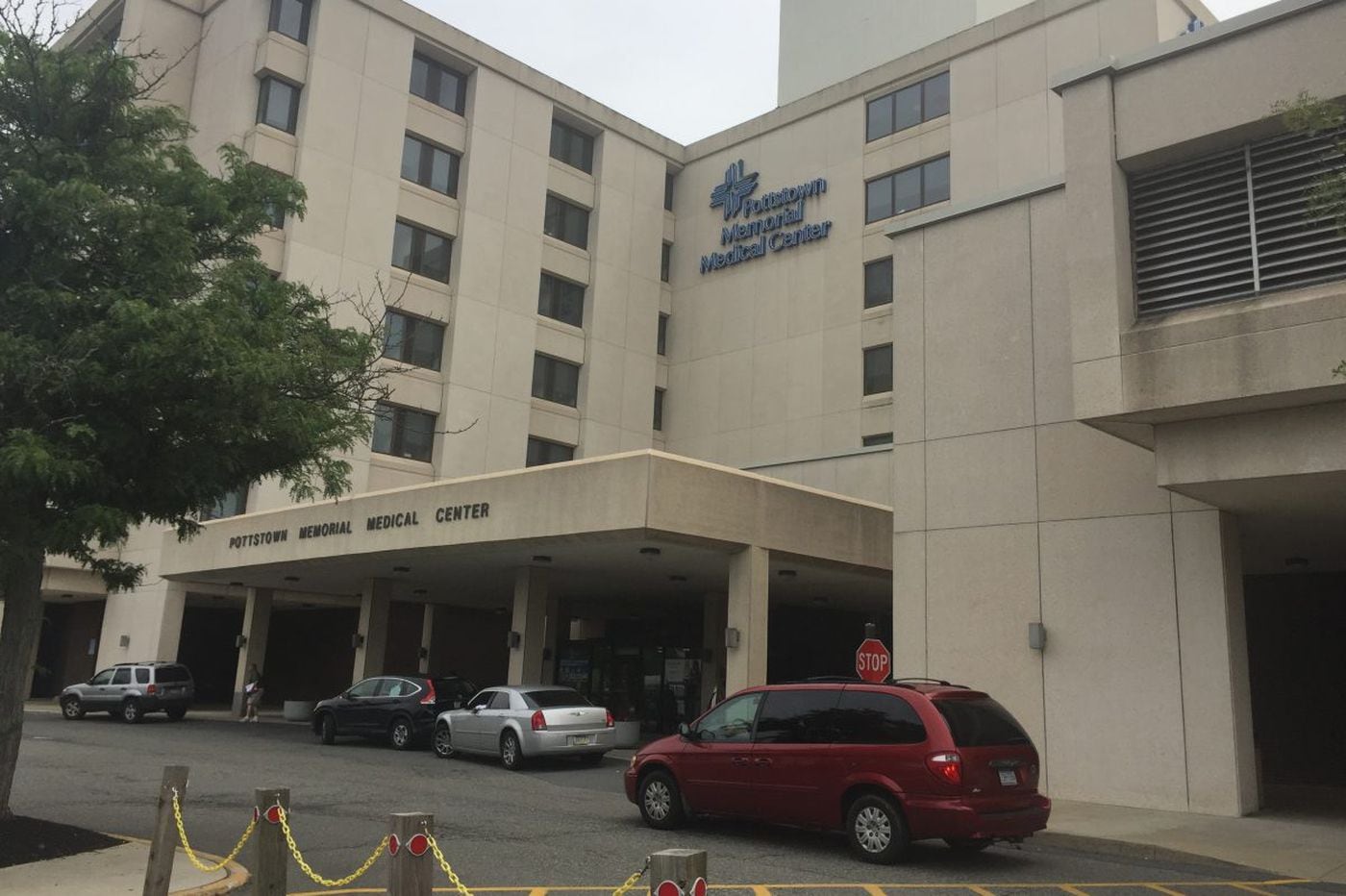
Tower Health on Tuesday announced that it is cutting 1,000 jobs, or about 8 percent of its workforce, citing the loss of $212 million in revenue through May because of the coronavirus restrictions on nonurgent care.
Fast-growing Tower had already furloughed at least 1,000 employees in April. It’s not clear how much overlap there is between the furloughed employees, some of whom have returned to work, and the people who are now losing their jobs permanently. Tower employs 12,355, including part-timers.
“The government-mandated closure of many outpatient facilities and the suspension of elective procedures caused a 40 percent drop in system revenue,” Tower’s president and chief executive, Clint Matthews, wrote in an email to staff. “At the same time, our spending increased for personal protective equipment, staff support, and COVID-related equipment needs.”
Despite the receipt of $66 million in grants through the federal CARES Act, Tower reported an operating loss of $91.6 million in the three months ended March 31, according to its disclosure to bondholders.
Tower, which is anchored by Reading Hospital in Berks County, expanded most recently with the December acquisition of St. Christopher’s Hospital for Children in a partnership with Drexel University. Tower paid $50 million for the hospital’s business, but also signed a long-term lease with a company that paid another $65 million for the real estate.
In 2017, Tower paid $418 million for five community hospitals in Southeastern Pennsylvania — Brandywine in Coatesville, Chestnut Hill in Philadelphia, Jennersville Regional in West Grove, Phoenixville in Phoenixville, and Pottstown Memorial Medical Center, now called Pottstown Hospital, in Pottstown.
Tower’s goal was to remain competitive as bigger systems — the University of Pennsylvania Health System and Jefferson Health from the Southeast, Lehigh Valley Health Network and St. Luke’s University Health Network from the east and northeast, and University of Pittsburgh Medical Center from the west — encroached on its Berk’s county base.
Tower had set itself a difficult task in the best of times, but COVID-19 has made it significantly harder for the nonprofit, which had an operating loss of $175 million on revenue of $1.75 billion in the year ended June 30, 2019.
Because health systems have high fixed costs for buildings and equipment needed no matter how many patients are coming through the door, it’s hard for them to limit the impact of the 30% to 50% collapse in demand caused by the coronavirus pandemic.
“Hospitals and all other health service providers were hit with this disruption with lightning speed, forcing the industry to learn in real time how to handle a situation for which there was no playbook,” Standard & Poor’s analysts David P. Peknay and Suzie R. Desai said in a research report last month.
Tower’s said positions will be eliminated in executive, management, clinical, and support areas.
The cuts include consolidations of clinical operations. Tower plans to close Pottstown Hospital’s maternity unit, which employs 32 nurses and where 359 babies were born in 2018, according to the most recent state data. Tower also has maternity units at Reading Hospital in West Reading and at Phoenixville Hospital.
Tower is aiming to trim expenses by $230 million over the next two years, Matthews told staff.
Like many other health systems, Tower has taken advantage of federal programs to ensure that it has ample cash in the bank to run its businesses. Tower has deferred payroll taxes, temporarily sparing $25 million. It received $166 million in advanced Medicare payments in April.
In the private sphere, Tower obtained a $40 million line of credit in April for St. Chris, which has lost $23.6 million on operations since Tower and Drexel bought it in December. Last month, Tower said it was in the final stages of negotiating a deal to sell and then lease back 24 medical office buildings. That was expected to generate $200 million in cash for Tower.

The Covid-19 pandemic has devastated the health-care industry. In addition to the tragedies that the pandemic has brought, health systems have universally experienced severe and rapid deterioration of their bottom lines due to plummeting patient volumes, pausing of high margin elective surgical procedures, and increased expenses.
By some estimates, health system losses will be around $200 billion by the end of June and revenues have dropped by around 50 percent. As a result of the financial uncertainty caused by the pandemic, many hospital and health systems terminated or delayed potential transactions as they focused on managing the crisis and protecting their workforces and communities.
But this may just be the calm before a big M&A storm.
Through our work as legal and communications counselors, we have seen preliminary M&A activity rise in recent weeks, with providers exploring and negotiating transactions, including several that have not yet been publicly announced.
Some systems are looking to capitalize on the time between the end of the first wave of Covid-19 and a potential resurgence in the fall to get letters of intent finalized and announced. This coming M&A activity presents legal and communications challenges when the national spotlight is firmly on health systems.
Providers are starting to resurrect deals that were paused during the initial period of the Covid-19 crisis, including Community Health System’s sale of Abilene Regional Medical Center and Brownwood Regional Medical Center to Hendrick Health System.
Some systems are seeking new strategic partners, such as Lake Health in Ohio, and New Hanover Regional Medical Center in North Carolina, which resumed its recent RFP response process after a pause.
Still others are looking for new opportunities consistent with pre-Covid growth strategies, as adjusted for pandemic-related developments and challenges.
Larger and more financially robust health systems are expected to weather the crisis, whereas smaller systems and hospitals with less cash and tighter operating margins, including rural and critical access hospitals, may be facing insolvency, closure, and bankruptcy. This creates a scenario where one party is financially distressed as a result of the pandemic and needs to partner with or join another system to survive. These circumstances will likely fuel increased consolidation in the health-care industry.
For a struggling provider, joining a larger system can offer much-needed financial commitments, access to capital, disciplined management structure, economies of scale for purchasing and improved IT infrastructure, among many other strategic benefits. A well-positioned system, even if financially weakened due to pandemic challenges, will be able to negotiate favorable deal terms if it has significant strategic value to its prospective partner.
As providers explore and execute partnerships, they must implement a stakeholder and communications strategy that focuses on benefits for each side given the new financial reality. Doing so will minimize criticism of opportunism by the acquiring system—and best position a definitive agreement and successful deal.
An effective communications strategy will emphasize how the proposed transaction will maintain or improve quality or affordability, ensure access to care for communities and address financial challenges faced by health systems as a result of the pandemic.
Health systems should articulate how their M&A activity will stabilize affected health systems, allow them to manage the Covid-19 crisis and future pandemics, and continue to meet the overall care needs of the community. It can also highlight how these partnerships will facilitate continued care in a market, which otherwise might lose a valuable health-care resource, as well as the positive economic benefits the transaction will bring for local communities.
Communications that support the vision, rationale and benefits of a deal will also need to be relevant to the regulatory bodies whose approval may be required.
Public perception and support of health-care providers have been extremely positive during the pandemic to date, as evidenced by homemade banners, balcony tributes, and praise on social media. Health systems and their staffs have borne personal risk and financial pain by focusing on patients and public health at the expense of all else. This goodwill can be valuable as health systems seek stakeholder and community support for their transactions.
That goodwill can also quickly be forgotten.
As health systems race to the altar to beat out competitors for M&A targets and other strategic relationships, it is critical that they are thoughtful in structuring their deals and justifying the activity.
For example, acquisitions and partnerships involving substantial outlays of capital and lucrative executive compensation or severance packages will be viewed negatively if undertaken by a system that instituted large compensation reductions across the system or even furloughed or laid off employees during the pandemic.
As the dust begins to settle from the first wave of Covid-19, it is clear that there will be drastic changes to how health systems do business. The pandemic will also create financial winners and losers. Hospitals and health systems must think proactively about a strategy for growth as opportunities with willing transaction partners arise.
But being proactive must be balanced against appearing to be opportunistic or taking advantage of the worst health crisis in our lifetimes. To maintain their goodwill and reputations, health systems should continue to do deals for the right reasons and for the benefit of their communities.

Trinity Health saw revenue decline in the first nine months of fiscal year 2020, and the Livonia, Mich.-based health system ended the period with an operating loss, according to unaudited financial documents.
Trinity Health saw revenue decline less than 1 percent year over year to $14.2 billion in the first nine months of the fiscal year, which ended March 31. The health system attributed the drop in revenue to the COVID-19 pandemic and the divestiture of Camden, N.J.-based Lourdes Health System in June 2019.
The 92-hospital system’s expenses were also up 1.2 percent year over year. Trinity Health ended the first three quarters of fiscal 2020 with expenses of $14.3 billion. Same-hospital expense growth was driven by increases in labor and supply costs, purchased services and costs related to its conversion to the Epic EHR platform in the Michigan region. The health system said the pandemic added $14.1 million of costs in March.
Trinity Health has taken several steps to reduce operating and capital spending in response to the pandemic, including implementing furloughs and reducing salaries for executives. In early April, Trinity Health announced plans to furlough 2,500 employees, most of whom are in nonclinical roles.
Trinity Health reported an operating loss of $103.5 million for the first nine months of the current fiscal year, compared to operating income of $115.2 million in the same period a year earlier.
After factoring in investments and other nonoperating items, Trinity Health posted a net loss of $883.5 million in the first three quarters of fiscal 2020, down from net income of $457.9 million a year earlier. Nonoperating losses in the first nine months of fiscal 2020 were primarily driven by the pandemic’s effect on global investment market conditions in March, the health system said.
To help offset financial damage, Trinity Health received funds from the $175 billion in relief aid Congress has allocated to hospitals and other healthcare providers to cover expenses and lost revenue tied to the pandemic. The health system said it received a total of $600 million in federal grants in April and May.
Trinity Health also applied for and received $1.6 billion of Medicare advance payments, which must be repaid.
Though Trinity Health is unable to forecast the pandemic’s impact on its financial position, it said the ultimate effect of COVID-19 on its operating margins and financial results “is likely to be adverse and significant.”

Sixty of the largest hospital chains in the U.S., including publicly traded and nonprofit systems, have received more than $15 billion in emergency funds through the Coronavirus Aid, Relief and Economic Security Act, according to an analysis by The New York Times.
Congress has allocated $175 billion in relief aid to hospitals and other healthcare providers to cover expenses or lost revenues tied to the COVID-19 pandemic. The first $50 billion in funding from the CARES Act was distributed in April. Of that pool, HHS allocated $30 billion based on Medicare fee-for-service revenue and another $20 billion based on hospitals’ share of net patient revenue. HHS also sent $12 billion to hospitals that provided inpatient care to large numbers of COVID-19 patients and $10 billion to hospitals and other providers in rural areas.
Though one of the goals of the CARES Act was to avoid job losses, at least 36 of the largest hospital systems that received emergency aid have furloughed, laid off or reduced pay for workers, according to the report.
Approximately $1.7 billion in bailout funds went to eight large nonprofit health systems: Mayo Clinic in Rochester, Minn.; Trinity Health in Livonia, Mich.; Beaumont Health in Southfield, Mich.; Henry Ford Health System in Detroit; SSM Health in St. Louis; Mercy in St. Louis; Fairview Health in Minneapolis; and Prisma Health in Greenville, S.C. Mayo Clinic furloughed or cut hours of about 23,000 workers, and the other seven health systems furloughed or laid off a total of more than 30,000 employees in recent months, according to The New York Times.
The pandemic has taken a financial toll on hospitals across the U.S. They’re losing more than $50 billion per month, according to a report from the American Hospital Association. Of the eight nonprofit systems that collected $1.7 billion in relief aid, several have reported losses for the first quarter of this year, which ended March 31. For instance, Mayo Clinic posted a $623 million net loss, SSM Health’s loss totaled $471 million, and Beaumont and Henry Ford Health System reported losses of $278 million and $235 million, respectively.
Since CARES Act payments were automatically sent to hospitals, some health systems have decided to return the funds. Kaiser Permanente, a nonprofit system, is returning more than $500 million it received through the CARES Act. The Oakland, Calif.-based health system ended the first quarter with a $1.1 billion net loss.
Access the full article from The New York Times here.

Dozens of top recipients of government aid have laid off, furloughed or cut the pay of tens of thousands of employees.
HCA Healthcare is one of the world’s wealthiest hospital chains. It earned more than $7 billion in profits over the past two years. It is worth $36 billion. It paid its chief executive $26 million in 2019.
But as the coronavirus swept the country, employees at HCA repeatedly complained that the company was not providing adequate protective gear to nurses, medical technicians and cleaning staff. Last month, HCA executives warned that they would lay off thousands of nurses if they didn’t agree to wage freezes and other concessions.
A few weeks earlier, HCA had received about $1 billion in bailout funds from the federal government, part of an effort to stabilize hospitals during the pandemic.
HCA is among a long list of deep-pocketed health care companies that have received billions of dollars in taxpayer funds but are laying off or cutting the pay of tens of thousands of doctors, nurses and lower-paid workers. Many have continued to pay their top executives millions, although some executives have taken modest pay cuts.
The New York Times analyzed tax and securities filings by 60 of the country’s largest hospital chains, which have received a total of more than $15 billion in emergency funds through the economic stimulus package in the federal CARES Act.
The hospitals — including publicly traded juggernauts like HCA and Tenet Healthcare, elite nonprofits like the Mayo Clinic, and regional chains with thousands of beds and billions in cash — are collectively sitting on tens of billions of dollars of cash reserves that are supposed to help them weather an unanticipated storm. And together, they awarded the five highest-paid officials at each chain about $874 million in the most recent year for which they have disclosed their finances.
At least 36 of those hospital chains have laid off, furloughed or reduced the pay of employees as they try to save money during the pandemic.
Industry officials argue that furloughs and pay reductions allow hospitals to keep providing essential services at a time when the pandemic has gutted their revenue.
But more than a dozen workers at the wealthy hospitals said in interviews that their employers had put the heaviest financial burdens on front-line staff, including low-paid cafeteria workers, janitors and nursing assistants. They said pay cuts and furloughs made it even harder for members of the medical staff to do their jobs, forcing them to treat more patients in less time.
Even before the coronavirus swept America, forcing hospitals to stop providing lucrative nonessential surgery and other services, many smaller hospitals were on the financial brink. In March, lawmakers sought to address that with a vast federal economic stimulus package that included $175 billion for the Department of Health and Human Services to hand out in grants to hospitals.
But the formulas to determine how much money hospitals receive were based largely on their revenue, not their financial needs. As a result, hospitals serving wealthier patients have received far more funding than those that treat low-income patients, according to a study by the Kaiser Family Foundation.
One of the bailout’s goals was to avoid job losses in health care, said Zack Cooper, an associate professor of health policy and economics at Yale University who is a critic of the formulas used to determine the payouts. “However, when you see hospitals laying off or furloughing staff, it’s pretty good evidence the way they designed the policy is not optimal,” he added.
The Mayo Clinic, with more than eight months of cash in reserve, received about $170 million in bailout funds, according to data compiled by Good Jobs First, which researches government subsidies of companies. The Mayo Clinic is furloughing or reducing the working hours of about 23,000 employees, according to a spokeswoman, who was among those who went on furlough. A second spokeswoman said that Mayo Clinic executives have had their pay cut.
Seven chains that together received more than $1.5 billion in bailout funds — Trinity Health, Beaumont Health and the Henry Ford Health System in Michigan; SSM Health and Mercy in St. Louis; Fairview Health in Minneapolis; and Prisma Health in South Carolina — have furloughed or laid off more than 30,000 workers, according to company officials and local news reports.
The bailout money, which hospitals received from the Health and Human Services Department without having to apply for it, came with few strings attached.
Katherine McKeogh, a department spokeswoman, said it “encourages providers to use these funds to maintain delivery capacity by paying and protecting doctors, nurses and other health care workers.” The legislation restricts hospitals’ ability to use the bailout funds to pay top executives, although it doesn’t stop recipients from continuing to award large bonuses.
The hospitals generally declined to comment on how much they are paying their top executives this year, although they have reported previous years’ compensation in public filings. But some hospitals furloughing front-line staff or cutting their salaries have trumpeted their top executives’ decisions to take voluntary pay cuts or to contribute portions of their salary to help their employees.
The for-profit hospital giant Tenet Healthcare, which has received $345 million in taxpayer assistance since April, has furloughed roughly 11,000 workers, citing the financial pressures from the pandemic. The company’s chief executive, Ron Rittenmeyer, told analysts in May that he would donate half of his salary for six months to a fund set up to assist those furloughed workers.
But Mr. Rittenmeyer’s salary last year was a small fraction of his $24 million pay package, which consists largely of stock options and bonuses, securities filings show. In total, he will wind up donating roughly $375,000 to the fund — equivalent to about 1.5 percent of his total pay last year.
A Tenet spokeswoman declined to comment on the precise figures.
The chief executive at HCA, Samuel Hazen, has donated two months of his salary to a fund to help HCA’s workers. Based on his pay last year, that donation would amount to about $237,000 — or less than 1 percent — of his $26 million compensation.
“The leadership cadre of these organizations are going to need to make sacrifices that are commensurate with the sacrifices of their work force, not token sacrifices,” said Jeff Goldsmith, the president of Health Futures, an industry consulting firm.
Many large nonprofit hospital chains also pay their senior executives well into the millions of dollars a year.
Dr. Rod Hochman, the chief executive of the Providence Health System, for instance, was paid more than $10 million in 2018, the most recent year for which records are available. Providence received at least $509 million in federal bailout funds.
A spokeswoman, Melissa Tizon, said Dr. Hochman would take a voluntary pay cut of 50 percent for the rest of 2020. But that applies only to his base salary, which in 2018 was less than 20 percent of his total compensation.
Some of Providence’s physicians and nurses have been told to prepare for pay cuts of at least 10 percent beginning in July. That includes employees treating coronavirus patients.
Stanford University’s health system collected more than $100 million in federal bailout grants, adding to its pile of $2.4 billion of cash that it can use for any purpose.
Stanford is temporarily cutting the hours of nursing staff, nursing assistants, janitorial workers and others at its two hospitals. Julie Greicius, a spokeswoman for Stanford, said the reduction in hours was intended “to keep everyone employed and our staff at full wages with benefits intact.”
Ms. Greicius said David Entwistle, the chief executive of Stanford’s health system, had the choice of reducing his pay by 20 percent or taking time off, and chose to reduce his working hours but “is maintaining his earning level by using paid time off.” In 2018, the latest year for which Stanford has disclosed his compensation, Mr. Entwistle earned about $2.8 million. Ms. Greicius said the majority of employees made the same choice as Mr. Entwistle.
HCA’s $1 billion in federal grants appears to make it the largest beneficiary of health care bailout funds. But its medical workers have a long list of complaints about what they see as penny-pinching practices.
Since the pandemic began, medical workers at 19 HCA hospitals have filed complaints with the Occupational Safety and Health Administration about the lack of respirator masks and being forced to reuse medical gowns, according to copies of the complaints reviewed by The Times.
Ed Fishbough, an HCA spokesman, said that despite a global shortage of masks and other protective gear, the company had “provided appropriate P.P.E., including a universal masking policy implemented in March requiring all staff in all areas to wear masks, including N95s, in line with C.D.C. guidance.”
Celia Yap-Banago, a nurse at an HCA hospital in Kansas City, Mo., died from the virus in April, a month after her colleagues complained to OSHA that she had to treat a patient without wearing protective gear. The next month, Rosa Luna, who cleaned patient rooms at HCA’s hospital in Riverside, Calif., also died of the virus; her colleagues had warned executives in emails that workers, especially those cleaning hospital rooms, weren’t provided proper masks.
Around the time of Ms. Luna’s death, HCA executives delivered a warning to officials at the Service Employees International Union and National Nurses United, which represent many HCA employees. The company would lay off up to 10 percent of their members, unless the unionized workers amended their contracts to incorporate wage freezes and the elimination of company contributions to workers’ retirement plans, among other concessions.
Nurses responded by staging protests in front of more than a dozen HCA hospitals.
“We don’t work in a jelly bean factory, where it’s OK if we make a blue jelly bean instead of a red one,” said Kathy Montanino, a nurse treating Covid-19 patients at HCA’s Riverside hospital. “We are dealing with people’s lives, and this company puts their profits over patients and their staff.”
Mr. Fishbough, the spokesman, said HCA “has not laid off or furloughed a single caregiver due to the pandemic.” He said the company had been paying medical workers 70 percent of their base pay, even if they were not working. Mr. Fishbough said that executives had taken pay cuts, but that the unions had refused to take similar steps.
“While we hope to continue to avoid layoffs, the unions’ decisions have made that more difficult for our facilities that are unionized,” he said. The dispute continues.
Apparently anticipating a strike, a unit of HCA recently created “a new line of business focused on staffing strike-related labor shortages,” according to an email that an HCA recruiter sent to nurses.
The email, reviewed by The Times, said nurses who joined the venture would earn more than they did in their current jobs: up to $980 per shift, plus a $150 “Show Up” bonus and a continental breakfast.

When it became evident that the COVID-19 pandemic would spread across the U.S., lawmakers, scientists and healthcare leaders sought to predict what the financial and operational impact on hospitals would be. In those early days, policymakers relied on data from China, where the pandemic originated.
Now, with the benefit of time, the early predictions seriously underestimated the coronavirus’ impacts. University of California Berkeley and Kaiser Permanente researchers have determined that certain factors — such as how many patients would need treatment in intensive care units, average length of stay and fatality risk — are much worse than previously anticipated, and put a much greater strain on hospital resources.
WHAT’S THE IMPACT
Looking primarily at California and Washington, data showed the incidents of COVID-19-related hospital ICU admissions totaled between 15.6 and 23.3 patients per 100,000 in northern and southern California, respectively, and 14.7 per 100,000 in Washington. This incidence increased with age, hitting 74 per 100,000 people in northern California, 90.4 per 100,000 in southern California, and 46.7 per 100,000 in Washington for those ages 80 and older. These numbers peaked in late March and early April.
Those numbers are greater than the initial forecast, especially when factoring in the virus itself. Modeling estimates based on Chinese data suggested that about 30% of coronavirus patients would require ICU care, but in the U.S., the probability of ICU admissions was 40.7%. Male patients are more likely to be admitted to the ICU than females, and also are more likely to die.
Length of stay was also higher than had been predicted. By April 9, the median length of stay was 9.3 days for survivors and 12.7 days for non-survivors. Among patients receiving intensive care, the median stay was 10.5 days, although some patients stayed in the ICU for roughly a month.
Long durations of hospital stay, in particular among non-survivors, indicates the potential for substantial healthcare burden associated with the management of patients with severe COVID-19 — including the need for ventilators, personal protective equipment including N95 masks, more ICU beds and the cancellation of elective surgeries.
The considerable length of stay among COVID patients suggests that unmitigated transmission of the virus could threaten hospital capacity as it has in hotspots such as New York and Italy. Social distancing measures have acted as a stop-gap in reducing transmission and protecting health systems, but the authors said hospitals would do well to ensure capacity in the coming months in a manner that’s responsive to changes in social distancing measures.
THE LARGER TREND
These challenges have placed a financial burden on hospitals that can’t be overstated. In fact, a Kaufman Hall report looking at April hospital financial performance showed that steep volume and revenue declines drove margin performance so low that it broke records.
Despite $50 billion in funding allocated through the CARES Act, operating EBITDA margins fell to -19%. They fell 174%, or 2,791 basis points, compared to the same period last year, and 118% compared to March. This shows a steady and dramatic decline, as EBITDA margins were as high as 6.5% in April.
 HENRY KOTULA