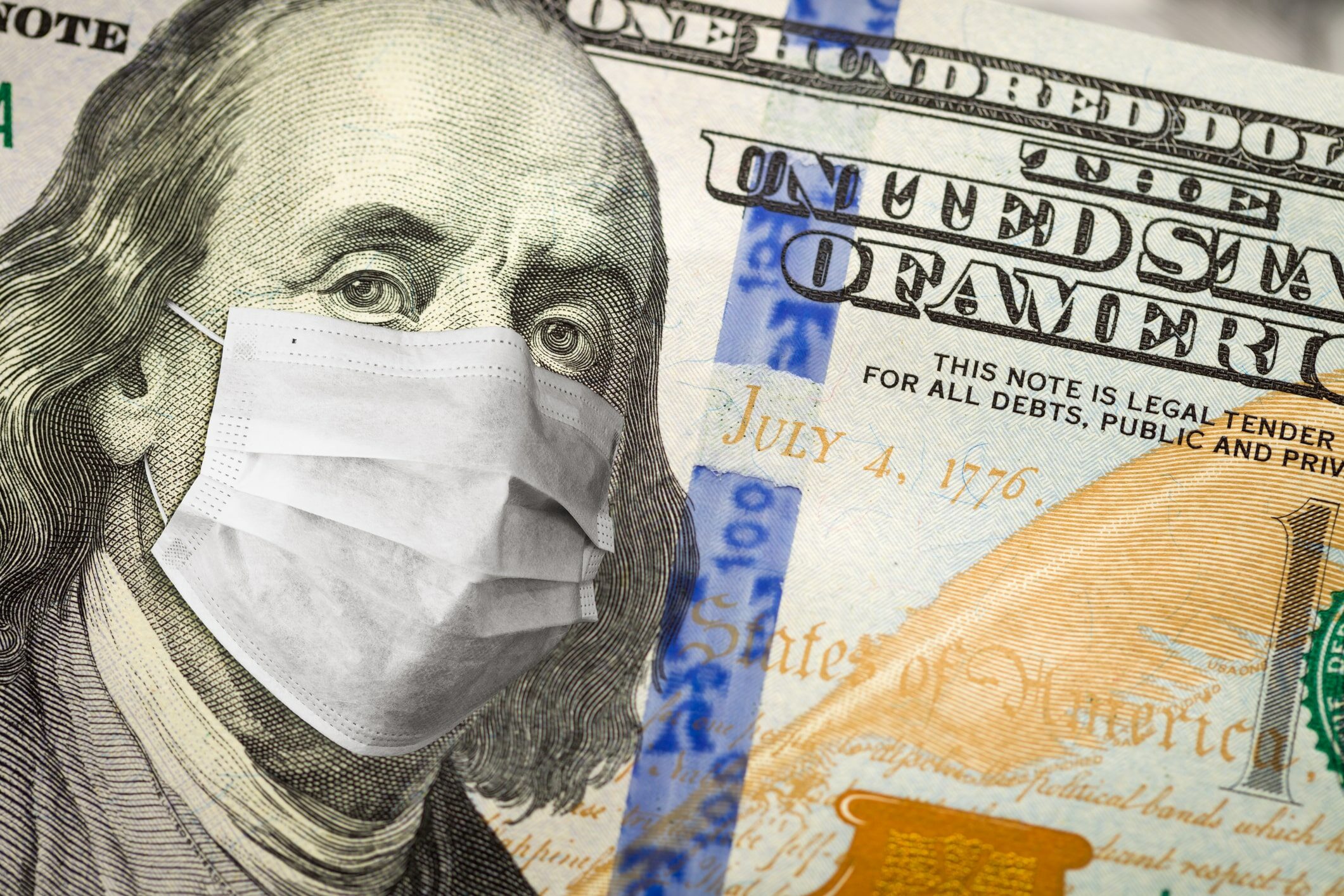
The Future of Hospitals in Post-COVID America (Part 1): The Market Response

Click to access CBC_72_08052020_Final.pdf


[Readers’ Note: This is the first of two articles on the Future of Hospitals in Post-COVID America. This article
examines how market forces are consolidating, rationalizing and redistributing acute care assets within the
broader industry movement to value-based care delivery. The second article, which will publish next month,
examines gaps in care delivery and the related public policy challenges of providing appropriate, accessible
and affordable healthcare services in medically-underserved communities.]

In her insightful 2016 book, The Gray Rhino: How to Recognize and Act on the Obvious Dangers We Ignore,
Michelle Wucker coins the term “Gray Rhinos” and contrasts them with “Black Swans.” That distinction is
highly relevant to the future of American hospitals.

Black Swans are high impact events that are highly improbable and difficult to predict. By contrast, Gray
Rhinos are foreseeable, high-impact events that we choose to ignore because they’re complex, inconvenient
and/or fortified by perverse incentives that encourage the status quo. Climate change is a powerful example
of a charging Gray Rhino.

In U.S. healthcare, we are now seeing what happens when a Gray Rhino and a Black Swan collide.
Arguably, the nation’s public health defenses should anticipate global pandemics and apply resources
systematically to limit disease spread. This did not happen with the coronavirus pandemic.

Instead, COVID-19 hit the public healthcare infrastructure suddenly and hard. This forced hospitals and health systems to dramatically reduce elective surgeries, lay off thousands and significantly change care delivery with the adoption of new practices and services like telemedicine.

In comparison, many see the current American hospital business model as a Gray Rhino that has been charging toward
unsustainability for years with ever-building momentum.

Even with massive and increasing revenue flows, hospitals have long struggled with razor-thin margins, stagnant payment rates and costly technology adoptions. Changing utilization patterns, new and disruptive competitors, pro-market regulatory rules and consumerism make their traditional business models increasingly vulnerable and, perhaps, unsustainable.

Despite this intensifying pressure, many hospitals and health systems maintain business-as-usual practices because transformation is so difficult and costly. COVID-19 has made the imperative of change harder to ignore or delay addressing.

For a decade, the transition to value-based care has dominated debate within U.S. healthcare and absorbed massive strategic,
operational and financial resources with little progress toward improved care outcomes, lower costs and better customer service. The hospital-based delivery system remains largely oriented around Fee-for-Service reimbursement.

Hospitals’ collective response to COVID-19, driven by practical necessity and financial survival, may accelerate the shift to value-based care delivery. Time will tell.

This series explores the repositioning of hospitals during the next five years as the industry rationalizes an excess supply of acute care capacity and adapts to greater societal demands for more appropriate, accessible and affordable healthcare services.

It starts by exploring the role of the marketplace in driving hospital consolidation and the compelling need to transition to value-based care delivery and payment models.

COVID’s DUAL SHOCKS TO PATIENT VOLUME

Many American hospitals faced severe financial and operational challenges before COVID-19. The sector has struggled to manage ballooning costs, declining margins and waves of policy changes. A record 18 rural hospitals closed in 2019. Overall, hospitals saw a 21% decline in operating margins in 2018-2019.

COVID intensified those challenges by administering two shocks to the system that decreased the volume of hospital-based activities and decimated operating margins.

The first shock was immediate. To prepare for potential surges in COVID care, hospitals emptied beds and cancelled most clinic visits, outpatient treatments and elective surgeries. Simultaneously, they incurred heavy costs for COVID-related equipment (e.g. ventilators,PPE) and staffing. Overall, the sector experienced over $200 billion in financial losses between March and June 20204.

The second, extended shock has been a decrease in needed but not necessary care. Initially, many patients delayed seeking necessary care because of perceived infection risk. For example, Emergency Department visits declined 42% during the early phase of the pandemic.

Increasingly, patients are also delaying care because of affordability concerns and/or the loss of health insurance. Already, 5.4 million people have lost their employer-sponsored health insurance. This will reduce incremental revenues associated with higher-paying commercial insurance claims across the industry. Additionally, avoided care reduces patient volumes and hospital revenues today even as it increases the risk and cost of future acute illness.

The infusion of emergency funding through the CARES Act helped offset some operating losses but it’s unclear when and even whether utilization patterns and revenues will return to normal pre-COVID levels. Shifts in consumer behavior, reductions in insurance coverage, and the emergence of new competitors ranging from Walmart to enhanced primary care providers will likely challenge the sector for years to come.

The disruption of COVID-19 will serve as a forcing function, driving meaningful changes to traditional hospital business models and the competitive landscape. Frankly, this is long past due. Since 1965, Fee-for-Service (FFS) payment has dominated U.S. healthcare and created pervasive economic incentives that can serve to discourage provider responsiveness in transitioning to value-based care delivery, even when aligned to market demand.

Telemedicine typifies this phenomenon. Before COVID, CMS and most health insurers paid very low rates for virtual care visits or did not cover them at all. This discouraged adoption of an efficient, high-value care modality until COVID.

Unable to conduct in-person clinical visits, providers embraced virtual care visits and accelerated its mass adoption. CMS and
commercial health insurers did their part by paying for virtual care visits at rates equivalent to in-person clinic visits. Accelerated innovation in care delivery resulted.


THE COMPLICATED TRANSITION TO VALUE

Broadly speaking, health systems and physician groups that rely almost exclusively on activity-based payment revenues have struggled the most during this pandemic. Vertically integrated providers that offer health insurance and those receiving capitated payments in risk-based contracts have better withstood volume losses.

Modern Healthcare notes that while provider data is not yet available, organizations such as Virginia Care Partners, an integrated network and commercial ACO; Optum Health (with two-thirds of its revenue risk-based); and MediSys Health Network, a New Yorkbased NFP system with 148,000 capitated and 15,000 shared risk patients, are among those navigating the turbulence successfully. As the article observes,

providers paid for value have had an easier time weathering the storm…. helped by a steady source of
income amid the chaos. Investments they made previously in care management, technology and social
determinants programs equipped them to pivot to new ways of providing care.

They were able to flip the switch on telehealth, use data and analytics to pinpoint patients at risk for
COVID-19 infection, and deploy care managers to meet the medical and nonclinical needs of patients even
when access to an office visit was limited.

Supporting this post-COVID push for value-based care delivery, six former leaders from CMS wrote to Congress in
June 2020 calling for providers, commercial insurers and states to expand their use of value-based payment models to
encourage stability and flexibility in care delivery.

If value-based payment models are the answer, however, adoption to date has been slow, limited and difficult. Ten
years after the Affordable Care Act, Fee-for-Service payment still dominates the payer landscape. The percentage of
overall provider revenue in risk-based capitated contracts has not exceeded 20%

Despite improvements in care quality and reductions in utilization rates, cost savings have been modest or negligible.
Accountable Care Organizations have only managed at best to save a “few percent of Medicare spending, [but] the
amount varies by program design.”

While most health systems accept some forms of risk-based payments, only 5% of providers expect to have a majority
(over 80%) of their patients in risk-based arrangements within 5 years.

The shift to value is challenging for numerous reasons. Commercial payers often have limited appetite or capacity for
risk-based contracting with providers. Concurrently, providers often have difficulty accessing the claims data they need
from payers to manage the care for targeted populations.

The current allocation of cost-savings between buyers (including government, employers and consumers), payers
(health insurance companies) and providers discourages the shift to value-based care delivery. Providers would
advance value-based models if they could capture a larger percentage of the savings generated from more effective
care management and delivery. Those financial benefits today flow disproportionately to buyers and payers.

This disconnection of payment from value creation slows industry transformation. Ultimately, U.S. healthcare will not
change the way it delivers care until it changes the way it pays for care. Fortunately, payment models are evolving to
incentivize value-based care delivery.

As payment reform unfolds, however, operational challenges pose significant challenges to hospitals and health
systems. They must adopt value-oriented new business models even as they continue to receive FFS payments. New
and old models of care delivery clash.

COVID makes this transition even more formidable as many health systems now lack the operating stamina and
balance sheet strength to make the financial, operational and cultural investments necessary to deliver better
outcomes, lower costs and enhanced customer service.


MARKET-DRIVEN CONSOLIDATION AND TRANSFORMATION

Full-risk payment models, such as bundled payments for episodic care and capitation for population health, are the
catalyst to value-based care delivery. Transition to value-based care occurs more easily in competitive markets with
many attributable lives, numerous provider options and the right mix of willing payers.

As increasing numbers of hospitals struggle financially, the larger and more profitable health systems are expanding
their networks, capabilities and service lines through acquisitions. This will increase their leverage with commercial
payers and give them more time to adapt to risk-based contracting and value-based care delivery.

COVID also will accelerate acquisition of physician practices. According to an April 2020 MGMA report, 97% of
physician practices have experienced a 55% decrease in revenue, forcing furloughs and layoffs15. It’s estimated the
sector could collectively lose as much as $15.1 billion in income by the end of September 2020.

Struggling health systems and physician groups that read the writing on the wall will pro-actively seek capital or
strategic partners that offer greater scale and operating stability. Aggregators can be selective in their acquisitions,
seeking providers that fuel growth, expand contiguous market positions and don’t dilute balance sheets.

Adding to the sector’s operating pressure, private equity, venture investors and payers are pouring record levels of
funding into asset-light and virtual delivery companies that are eager to take on risk, lower prices by routing procedures
and capture volume from traditional providers. With the right incentives, market-driven reforms will reallocate resources
to efficient companies that generate compelling value.

As this disruption continues to unfold, rural and marginal urban communities that lack robust market forces will
experience more facility and practice closures. Without government support to mitigate this trend, access and care gaps
that already riddle American healthcare will unfortunately increase.


WINNING AT VALUE

The average hospital generates around $11,000 per patient discharge. With ancillary services that can often add up to
more than $15,000 per average discharge. Success in a value-based system is predicated on reducing those
discharges and associated costs by managing acute care utilization more effectively for distinct populations (i.e.
attributed lives).

This changes the orientation of healthcare delivery toward appropriate and lower cost settings. It also places greater
emphasis on preventive, chronic and outpatient care as well as better patient engagement and care coordination.
Such a realignment of care delivery requires the following:

 A tight primary care network (either owned or affiliated) to feed referrals and reduce overall costs through
better preventive care.

 A gatekeeper or navigator function (increasingly technology-based) to manage / direct patients to the most
appropriate care settings and improve coordination, adherence and engagement.

 A carefully designed post-acute care network (including nursing homes, rehab centers, home care
services and behavioral health services, either owned or sufficiently controlled) to manage the 70% of
total episode-of-care costs that can occur outside the hospital setting.

 An IT infrastructure that can facilitate care coordination across all providers and settings.

Quality data and digital tools that enhance care, performance, payment and engagement.

Experience with managing risk-based contracts.

 A flexible approach to care delivery that includes digital and telemedicine platforms as well as nontraditional sites of care.

Aligned or incentivized physicians.

Payer partners willing to share data and offload risk through upside and downside risk contracts.

Engaged consumers who act on their preferences and best interests.


While none of these strategies is new or controversial, assembling them into cohesive and scalable business models is
something few health systems have accomplished. It requires appropriate market conditions, deep financial resources,
sophisticated business acumen, operational agility, broad stakeholder alignment, compelling vision, and robust
branding.

Providers that fail to embrace value-based care for their “attributed lives” risk losing market relevance. In their relentless pursuit of increasing treatment volumes and associated revenues, they will lose market share to organizations that
deliver consistent and high-value care outcomes.

CONCLUSION: THE CHARGING GRAY RHINO

America needs its hospitals to operate optimally in normal times, flex to manage surge capacity, sustain themselves
when demand falls, create adequate access and enhance overall quality while lowering total costs. That is a tall order
requiring realignment, evolution, and a balance between market and policy reform measures.

The status quo likely wasn’t sustainable before COVID. The nation has invested heavily for many decades in acute and
specialty care services while underinvesting, on a relative basis, in primary and chronic care services. It has excess
capacity in some markets, and insufficient access in others.

COVID has exposed deep flaws in the activity-based payment as well as the nation’s underinvestment in public health.
Disadvantaged communities have suffered disproportionately. Meanwhile, the costs for delivering healthcare services
consume an ever-larger share of national GDP.

Transformational change is hard for incumbent organizations. Every industry, from computer and auto manufacturing to
retailing and airline transportation, confronts gray rhino challenges. Many companies fail to adapt despite clear signals
that long-term viability is under threat. Often, new, nimble competitors emerge and thrive because they avoid the
inherent contradictions and service gaps embedded within legacy business models.

The healthcare industry has been actively engaged in value-driven care transformation for over ten years with little to
show for the reform effort. It is becoming clear that many hospitals and health systems lack the capacity to operate
profitably in competitive, risk-based market environments.

This dismal reality is driving hospital market valuations and closures. In contrast, customers and capital are flowing to
new, alternative care providers, such as OneMedical, Oak Street Health and Village MD. Each of these upstart
companies now have valuations in the $ billions. The market rewards innovation that delivers value.

Unfortunately, pure market-driven reforms often neglect a significant and growing portion of America’s people. This gap has been more apparent as COVID exacts a disproportionate toll on communities challenged by higher population
density, higher unemployment, and fewer medical care options (including inferior primary and preventive care infrastructure).

Absent fundamental change in our hospitals and health systems, and investment in more efficient care delivery and
payment models, the nation’s post-COVID healthcare infrastructure is likely to deteriorate in many American
communities, making them more vulnerable to chronic disease, pandemics and the vicissitudes of life.

Article 2 in our “Future of Hospitals” series will explore the public policy challenges of providing appropriate, affordable and accessible healthcare to all American communities.


Canceled elective procedures putting pressure on nation’s hospitals

https://www.healthcarefinancenews.com/news/canceled-elective-procedures-putting-pressure-nations-hospitals

U.S. Hospitals Brace for 'Tremendous Strain' from New Virus - JEMS

Even upticks in COVID-19 patients haven’t made up for the revenue losses, since reimbursement for those services is comparatively slim.

Elective procedures are in a strange place at the moment. When the COVID-19 pandemic started to ramp up in the U.S., many of the nation’s hospitals decided to temporarily cancel elective surgeries and procedures, instead dedicating the majority of their resources to treating coronavirus patients. Some hospitals have resumed these surgeries; others resumed them and re-cancelled them; and still others are wondering when they can resume them at all.

In a recent HIMSS20 digital presentation, Reenita Das, a senior vice president and partner at Frost and Sullivan, said that during the pandemic, plastic surgery activity declined by 100%, ENT surgeries declined by 79%, cardiovascular surgeries declined by 53% and neurosurgery surgeries declined by 57%.

It’s hard to overstate the financial impact this is likely to have on hospitals’ bottom lines. Just this week, American Hospital Association President and CEO Rick Pollack, pulling from Kaufman Hall data, said the cancellation of elective surgeries is among the factors contributing to a likely industry-wide loss of $120 billion from July to December alone. When including data from earlier in the pandemic, the losses are expected to be in the vicinity of $323 billion, and half of the nation’s hospitals are expected to be in the red by the end of the year.

Doug Wolfe, cofounder and managing partner of Miami-based law firm Wolfe Pincavage, said this has amounted to a “double-whammy” for hospitals, because on top of elective procedures being cancelled, the money healthcare facilities received from the federal Coronavirus Aid, Relief, and Economic Security Act was an advance on future Medicare payments – which is coming due. While hospitals perform fewer procedures, they will now have to start paying that money back.

All hospitals are hurting, but some are in a more precarious position than others.

“Some hospital systems have had more cash on hand and more liquidity to withstand some of the financial pressure some systems are facing,” said Wolfe. “Traditionally, the smaller hospital systems in the healthcare climate we face today have faced a lot more financial pressure. They’re not able to control costs the same way as a big system. The smaller hospitals and systems were hurting to begin with.”

LOWER REVENUE, HIGHER COSTS

Some hospitals, especially ones in hot spots, are seeing a surge in COVID-19 patients. While this has kept frontline healthcare workers scrambling to care for scores of sick Americans, COVID-19 treatments are not reimbursed at the same level as surgeries. Hospital capacity is being stretched with less lucrative services.

“Some hospitals may be filling up right now, but they’re filling up with lower-reimbursing volume,” said Wolfe. “Inpatient stuff is lower reimbursement. It’s really the perfect storm for hospitals.”

John Haupert, CEO of Grady Health in Atlanta, Georgia, said this week that COVID-19 has had about a $115 million negative impact on Grady’s bottom line. Some $70 million of that is related to the reduction in the number of elective surgeries performed, as well as dips in emergency department and ambulatory visits. 

During one week in March, Grady saw a 50% reduction in surgeries and a 38% reduction in ER visits. The system is almost back to even in terms of elective and essential surgeries, but due to a COVID-19 surge currently taking place in Georgia, it has had to suspend those services once again. ER visits have only come back about halfway from that initial 38% dip, and the system is currently operating at 105% occupancy.

“Part of what we’re seeing there is reluctance from patients to come to hospitals or seek services,” said Haupert. “Many have significantly exacerbated chronic disease conditions.”

Patient hesitation has been an ongoing problem, as has the associated cost of treating coronavirus patients, said Wolfe.

“When they were ramping up to resume the elective stuff, there was a problem getting patients comfortable,” he said. “And the other thing was that the cost of treating patients in this environment has gone up. They’ve put up plexiglass everywhere, they have more wiping-down procedures, and all of these things add cost and time. They need to add more time between procedures so they can clean everything … so they’re able to do less, and it costs more to do less. Even when elective procedures do resume, it’s not going back to the way it was.”

Most hospitals have adjusted their costs to mitigate some of the financial hit. Even some larger systems, such as 92-hospital nonprofit Trinity Health in Michigan, have taken to measures such as laying off and furloughing workers and scaling back working hours for some of its staff. At the top of the month, Trinity announced another round of layoffs and furloughs – in addition to the 2,500 furloughs it announced in April – citing a projected $2 billion in revenue losses in fiscal year 2021, which began on June 1.

Hospitals are at the mercy of the market at the moment, and Wolfe anticipates there could be an uptick in mergers and consolidation as organizations look to partner with less cash-strapped entities. 

“Whether reorganization will work remains to be seen, but there will definitely be a fallout from this,” he said.


Coronavirus’s painful side effect is deep budget cuts for state and local government services

https://theconversation.com/coronaviruss-painful-side-effect-is-deep-budget-cuts-for-state-and-local-government-services-141105

Coronavirus's painful side effect is deep budget cuts for state ...

Nationwide, state and local government leaders are warning of major budget cuts as a result of the pandemic. One state – New York – even referred to the magnitude of its cuts as having “no precedent in modern times.”

Declining revenue combined with unexpected expenditures and requirements to balance budgets means state and local governments need to cut spending and possibly raise taxes or dip into reserve funds to cover the hundreds of billions of dollars lost by state and local government over the next two to three years because of the pandemic.

Without more federal aid or access to other sources of money (like reserve funds or borrowing), government officials have made it clear: Budget cuts will be happening in the coming years.

And while specifics are not yet available in all cases, those cuts have already included reducing the number of state and local jobs – from firefighters to garbage collectors to librarians – and slashing spending for education, social services and roads and bridges.

In some states, agencies have been directed to cut their budget as much as 15% or 20% – a tough challenge as most states prepared budgets for a new fiscal year that began July 1.

As a scholar of public administration who researches how governments spend money, here are the ways state and local governments have reduced spending to close the budget gap.

Cutting jobs

State and local governments laid off or furloughed 1.5 million workers in April and May.

They are also reducing spending on employees. According to surveys, government workers are feeling personal financial strain as many state and local governments have cut merit raises and regular salary increases, frozen hiring, reduced salaries and cut seasonal employees.

Washington state, for example, cut both merit raises and instituted furloughs.

survey from the National League of Cities shows 32% of cities will have to furlough or lay off employees and 41% have hiring freezes in place or planned as a result of the pandemic.

Employment reductions have met some resistance. In Nevada, for example, a state worker union filed a complaint against the governor to the state’s labor relations board for violating a collective bargaining statute by not negotiating on furloughs and salary freezes.

Most of the employee cuts have been made in education. Teachers, classroom aids, administrators, staff, maintenance crews, bus drivers and other school employees have seen salary cuts and layoffs.

The job loss has hurt public employees beyond education, too: librarians, garbage collectors, counselors, social workers, police officers, firefighters, doctors, nurses, health aides, park rangers, maintenance crews, administrative assistants and others have been affected.

Residents also face the consequences of these cuts: They can’t get ahold of staff in the city’s water and sewer departments to talk about their bill; they can’t use the internet at the library to look for jobs; their children can’t get needed services in school.

Most of these cuts have been labeled temporary, but with the extensions to stay-at-home orders and a mostly closed economy, it will be some time before these employees are back to work.

Suspending road, bridges, building and water system projects

As another way to reduce costs quickly, a National League of Cities survey shows 65% of the municipalities surveyed are stopping temporarily, or completely, capital expenditure and infrastructure projects like roads, bridges, buildings, water systems or parking garages.

In New York City, there is a US$2.3 billion proposed cut to the capital budget, a fund that supports large, multiyear investments from sidewalk and road maintenance, school buildings, senior centers, fire trucks, sewers, playgrounds, to park upkeep. There are potentially serious consequences for residents. For example, New York housing advocates are concerned that these cuts will hurt plans for 21,000 affordable homes.

Suspending these big money projects will save the government money in the short term. But it will potentially harm the struggling economy, since both public and private sectors benefit from better roads, bridges, schools and water systems and the jobs these projects create.

Delaying maintenance also has consequences for the deteriorating infrastructure in the U.S. The costs of unaddressed repairs could increase future costs. It can cost more to replace a crumbling building than it does to fix one in better repair.

Cities and towns hit

In many states, the new budgets severely cut their aid to local governments, which will lead to large local cuts in education – both K-12 and higher education – as well as social programs, transportation, health care and other areas.

New York state’s budget proposes that part of its fiscal year 2021 budget shortfall will be balanced by $8.2 billion in reductions in aid to localities. This is the state where the cuts were referred to in the budget as “not seen in modern times.” This money is normally spent on many important services that residents need everyday –mass transit, adult and elderly care, mental health support, substance abuse programs, school programs like special education, children’s health insurance and more. Lacking any of these support services can be devastating to a person, especially in this difficult time.

Fewer workers, less money

As teachers and administrators figure out how to teach both online and in person, they and their schools will need more money – not less – to meet students’ needs.

Libraries, which provide services to many communities, from free computer use to after-school programs for children, will have to cut back. They may have fewer workers, be open for fewer hours and not offer as many programs to the public.

Parks may not be maintained, broken playground equipment may stay that way, and workers may not repave paths and mow lawns. Completely separate from activists’ calls to shift police funding to other priorities, police departments’ budgets may be slashed just for lack of cash to pay the officers. Similar cuts to firefighters and ambulance workers may mean poorly equipped responders take longer to arrive on a scene and have less training to deal with the emergency.

To keep with developing public safety standards, more maintenance staff and materials will be needed to clean and sanitize schools, courtrooms, auditoriums, correctional facilitiesmetro stations, buses and other public spaces. Strained budgets and employees will make it harder to complete these new essential tasks throughout the day.

To avoid deeper cuts, state and local government officials are trying a host of strategies including borrowing money, using rainy day funds, increasing revenue by raising tax rates or creating new taxes or fees, ending tax exemptions and using federal aid as legally allowed.

Colorado was able to hold its budget to only a 3% reduction, relying largely on one-time emergency reserve funds. Delaware managed to maintain its budget and avoided layoffs largely through using money set aside in a reserve account.

Nobody knows how long the pandemic, or its economic effects, will last.

In the worst-case scenario, budget officials are prepared to make steeper cuts in the coming months if more assistance does not come from the federal government or the economy does not recover quickly enough to restore the flow of money that governments need to operate.


Hospital margins could sink to a negative 7% this year: 5 things to know

https://www.beckershospitalreview.com/finance/hospital-margins-could-sink-to-a-negative-7-this-year-5-things-to-know.html?utm_medium=email

New Kaufman Hall Report: Hospital Finances Crashed in April ...

The COVID-19 pandemic has created financial challenges for hospitals and health systems, and, without additional federal aid, half of US hospitals could be operating in the red in the second half of this year, according to an analysis released by the American Hospital Association on July 21.

Five takeaways from the analysis: 

1. Before the COVID-19 pandemic, the median hospital margin was 3.5 percent. COVID-19 is expected to drive the median hospital margin from positive to negative. 

2. Without funding from the Coronavirus Aid, Relief and Economic Security Act, hospital margins would have been a negative 15 percent in the second quarter of 2020. Margins are still expected to drop to a negative 3 percent in the second quarter.

3. Without additional aid from the federal government, hospital margins could sink to a negative 7 percent in the second half of this year. 

4. In the second quarter of this year, nearly half of U.S. hospitals had negative margins. Those hospitals will remain with negative margins without further financial support.  

5. “Heading into the COVID-19 crisis, the financial health of many hospitals and health systems were challenged, with many operating in the red,” said hospital association President and CEO Rick Pollack in a news release. “As today’s analysis shows, this pandemic is the greatest financial threat in history for hospitals and health systems and is a serious obstacle to keeping the doors open for many.” 

The full report, prepared by Kaufman, Hall & Associates and released by the AHA, is available here


Fitch: Nonprofit hospital margins unlikely to recover until COVID-19 vaccine

https://www.beckershospitalreview.com/finance/fitch-nonprofit-hospital-margins-unlikely-to-recover-until-covid-19-vaccine.html?utm_medium=email

What Happens When A Nonprofit Hospital Goes 'For-Profit' : Shots ...

Median financial ratios for nonprofit hospitals and health systems improved before the COVID-19 pandemic, which will provide some financial cushion to withstand financial pressures, according to a report from Fitch Ratings. 

The medians for 2019, based on 2018 data, showed the nonprofit hospital and health system sector stabilized after a period of operational softness. The medians for 2020, based on 2019 audited data, are expected to show improvement in operating margins driven by higher revenues, cost reductions and increased cash flow, Fitch said.

“We expect the 2020 medians will represent peak performance levels until the sector is able to recover from the effects of the pandemic on operations,” Fitch said. 

The credit rating agency said the nonprofit healthcare sector is unlikely to stabilize until a COVID-19 vaccine is widely available.

“The sector has shown considerable resiliency over the years, weathering significant events such as the Great Recession and legislative changes to funding,” Fitch said. “However, the coronavirus presents entirely new and fundamental challenges for the sector in the short term in the form of volume and revenue disruption, and over the medium to longer term with expected deterioration of individual provider payor mixes and possible changes in the behavior of healthcare consumers.”


8 health systems with strong finances

https://www.beckershospitalreview.com/finance/8-health-systems-with-strong-finances-0713.html?utm_medium=email

Here are eight health systems with strong operational metrics and solid financial positions, according to reports from Fitch Ratings, Moody’s Investors Service and S&P Global Ratings.

1. Baylor Scott & White Health has an “AA-” rating and stable outlook with S&P. The health system has an expansive and growing market position in Texas, healthy operating performance and robust cash flow, S&P said. The health system’s financial cushion positions it well for its COVID-19 response, according to the credit rating agency.

2. South Bend, Ind.-based Beacon Health System has an “AA-” rating and stable outlook with Fitch. Beacon is the acute care leader in its northern Indiana service area and has a track record of strong operating margins, Fitch said. The credit rating agency expects Beacon to return to strong operating margins and sustain strong liquidity, despite pressure from the COVID-19 pandemic.

3. Boston Children’s Hospital has an “Aa2” rating and stable outlook with Moody’s. The hospital has a preeminent reputation as the top children’s hospital in the U.S., robust cash reserves and strong fundraising capabilities, Moody’s said. The credit rating agency expects the hospital’s exceptional market position and robust liquidity to help it return to pre-COVID-19 levels to support proposed increases in leverage and capital investments.

4. Carle Foundation, a three-hospital system based in Urbana, Ill., has an “AA-” rating and stable outlook with Fitch. The health system has a very strong financial profile, and Fitch expects it to sustain profitable operating margins after managing through the pandemic.

5. Salt Lake City-based Intermountain Healthcare has an “AA+” rating and stable outlook with Fitch and an “Aa1” rating and stable outlook with Moody’s. The health system has a leading market position, low debt levels and strong absolute and relative cash levels, Moody’s said. The credit rating agency expects Intermountain will be able to substantially return to and sustain pre-COVID-19 volume levels and margins.

6. Oakland, Calif.-based Kaiser Permanente has an “AA-” rating and stable outlook with Fitch. The rating agency said Kaiser has a leading market share in California and other key markets, and its operational profile is arguably the most emulated model of healthcare delivery in the nation.

7. New York City-based Memorial Sloan Kettering Cancer Center has an “AA-” rating and stable outlook with S&P. The hospital has robust fundraising capabilities, an advantageous payer mix and has expanded its ambulatory footprint, providing additional revenue diversity, S&P said.

8. Tacoma, Wash.-based MultiCare Health System has an “Aa3” rating and stable outlook with Moody’s and an “AA-” rating and stable outlook with Fitch.. The 10-hospital system has an extensive footprint, a track record of successfully executing on multiple projects and strategic ventures concurrently and good financial management, Moody’s said. The credit rating agency expects MultiCare to return to stronger operating results after recovering from disruptions related to the COVID-19 pandemic.


12 hospitals laying off workers in response to COVID-19

https://www.beckershospitalreview.com/finance/12-hospitals-laying-off-workers-in-response-to-covid-19.html?utm_medium=email

Facing a financial squeeze, hospitals nationwide are cutting jobs

To address the financial fallout from the COVID-19 pandemic, hospitals across the nation are looking to cut costs by implementing furloughs, layoffs or pay cuts. 

U.S. hospitals are expected to lose $323.1 billion this year due to the pandemic, according to a recent report from the American Hospital Association. The total includes $120.5 billion in financial losses that hospitals are projected to see from July through December, as well as $202.6 billion in losses that were projected between March and June. The losses were largely due to a lower patient volume after canceling elective procedures. 

Although Congress allocated $175 billion to help hospitals offset some of the revenue losses and expense increases to prepare for the pandemic, hospitals have said it is not enough.

Nearly 270 hospitals and health systems have furloughed workers in response to the pandemic and several others have implemented layoffs. 

Below are 12 hospitals and health systems that have announced layoffs since June 1:

1. Trinity Health furloughs, lays off another 1,000 workers
Trinity Health, a 92-hospital system based in Livonia, Mich., will lay off and reduce work schedules of 1,000 employees.

2. Ohio children’s hospital cuts jobs
Dayton (Ohio) Children’s Hospital said it has cut jobs to help offset financial losses due to the COVID-19 pandemic.

3. Munson Healthcare to cut 25 leadership positions
Traverse City, Mich.-based Munson Healthcare cut 25 leadership positions to help offset financial losses amid the COVID-19 pandemic.

4. Erlanger lays off 93 nonclinical employees
Chattanooga, Tenn.-based Erlanger Health System has cut 93 nonclinical positions to help offset financial damage from the COVID-19 pandemic. The layoffs come after the health system cut 11 leadership positions June 12, including the CEO of Erlanger Western Carolina Hospital in Murphy, N.C., and made staff and pay cuts in March.

5. Michigan Medicine to lay off 738 employees by end of June
Ann Arbor-based Michigan Medicine planned to eliminate 738 positions by the end of June amid financial challenges from the COVID-19 pandemic.

6. Pennsylvania health system cuts 10% of workforce amid pandemic losses
As part of a restructuring effort to cut pandemic-related losses, State College, Pa.-based Mount Nittany Health System plans to lay off 10 percent of its workforce, or about 250 employees.

7. TriHealth eliminates 440 positions to cut costs
Cincinnati-based TriHealth cut 440 positions as part of a plan to trim at least $140 million in expenditures this year.

8. Layoffs hit U of Kansas Health System
The University of Kansas Health System St. Francis Campus in Topeka laid off employees after previously implementing furloughs.

9. Tower Health to cut 1,000 jobs
Citing a $212 million loss in revenue through May due to the COVID-19 pandemic, West Reading, Pa.-based Tower Health plans to cut 1,000 jobs.

10. Colorado hospital cuts 22 positions
Parkview Medical Center in Pueblo, Colo., eliminated 22 positions in response to the COVID-19 pandemic.

11. Arkansas Children’s cuts 42 positions
Little Rock-based Arkansas Children’s Hospital said it is eliminating 42 jobs as part of cost-savings measures in response to the COVID-19 pandemic.

12. North Carolina health system cuts 10% of workforce, closes clinics
Citing a financial hit from the COVID-19 pandemic, Lumberton, N.C.-based Southeastern Health will permanently close several clinics, cut 10 percent of its workforce and reduce executive pay.


COVID-19 to cost hospitals $323 billion, American Hospital Association says

https://www.beckershospitalreview.com/finance/covid-19-to-cost-hospitals-323-billion-american-hospital-association-says.html?utm_medium=email

Catastrophic financial impact of COVID-19 expected to top $323 ...

Hospitals will lose $323.1 billion this year because of the COVID-19 pandemic, according to a new report from the American Hospital Association. 

The total includes $120.5 billion in financial losses the association predicts hospitals will see from July through December on top of $202.6 billion in losses they estimated between March and June. The losses are in large part due to lower patient volumes.

“While potentially catastrophic, these projected losses still may underrepresent the full financial losses hospitals will face in 2020, as the analysis does not account for currently increasing case rates in certain states, or potential subsequent surges of the pandemic occurring later this year,” the AHA said.

Hospitals and health systems are reporting an average decline of 19.5 percent in inpatient volume and 34.5 percent in outpatient volume when compared to baseline levels from last year. Most hospitals don’t expect to return to last year’s levels in 2020.

Read the full report here.


Nonprofit health systems — despite huge cash reserves — get billions in CARES funding

https://www.healthcaredive.com/news/nonprofit-health-systems-despite-huge-cash-reserves-get-billions-in-car/580078/

CLICK ON LINK ABOVE FOR ACCESS TO GRAPHICS

Next Steps for Public Policy | Cato Institute

Healthcare Dive’s findings revive concerns that greater examination of hospital finances is needed before divvying up COVID-19 rescue funding allocated by Congress.
The nation’s largest nonprofit health systems, led by Kaiser Permanente, Ascension and Providence, have received more than $7.1 billion in bailout funds from the federal government so far, as the novel coronavirus forced them to all but shutter their most profitable business lines.

At the same time, some of these same behemoth systems sit on billions in cash, and even greater amounts when taking into account investments that can be liquidated over time. That raises questions about how much money these systems actually need from the federal government given they have hundreds of days worth of cash on hand. Indeed, some big systems, like Kaiser Permanente, are already returning some of the funds.

And it revives concerns that greater examination of hospital finances is needed before divvying up rescue packages.

Nonprofits with more cash and greater net income tend to have received less funding — but not always

This is the second story of a Healthcare Dive series examining the bailout funds health systems received amid the COVID-19 pandemic. In this report, we focus on the 20 largest nonprofits by revenue and the amount of Coronavirus Aid, Relief, and Economic Security (CARES) Act funding they have received compared to the amount of cash on hand and recent financial performance. Healthcare Dive used bond filings filed as of June 12 to compile the amount of CARES funding received by health systems. In some instances, we relied on data from Good Jobs First, which also tracks the money. In addition to bond filings, we relied on annual audited financial statements and analyst reports to compile financial performance and days cash on hand.

Cash reserves

The cash hospitals have on hand has become an important metric to watch over the past few months as many have seen reserves dwindle to pay everyday expenses as revenue has dried up. At the same time, hospital volumes have plunged due to the economy grinding to a halt.

“You can’t write a payroll check off of accounts receivables, you have to write it off your cash and cash equivalents.” Rick Gundling, senior vice president of healthcare financial practices for Healthcare Financial Management Association, told Healthcare Dive.

In the early days of the outbreak in the U.S., some hospital executives sounded the alarm over dire financial straits, particularly small, rural hospitals whose executives warned they were weeks away from not making payroll. These pleas helped push Congress to pass massive rescue packages, with providers earmarked for $175 billion thus far.

Nonprofit health systems tend to keep more cash on hand than publicly-traded hospital chains. That’s because investor-owned facilities can raise capital more quickly, mainly through the stock market, while nonprofits have to rely on the bond market and their own operations, Gundling said.

Another important avenue that can boost cash is investments. It’s common for large nonprofits to rake in more in net income than they do from their core operations of running hospitals and caring for patients, in large part due to their investments in the stock market.

For example, Chicago-based CommonSpirit posted an operating loss of $602 million during its fiscal year 2019 but net income far exceeded that, totaling $9 billion. It was buoyed by investments and its recent merger, bringing together Catholic Health Initiatives and Dignity Health, according to its audited financial statement for the year ended June 30, 2019.

Many nonprofit health systems rake in more in net income than they do from their core operations

Ascension, the second-largest nonprofit system, received about $492 million in CARES funding, according to Good Jobs First. Ascension reported having 231 days cash on hand. Its unrestricted cash and investments totaled a sum of $15.5 billion as of March 31.

Kaiser, the nation’s largest nonprofit system, has about 200 days of cash on hand as of its fiscal year end, Dec. 31, according to a recent report from Fitch Ratings.

Providence, the third-largest nonprofit and first U.S. health system to treat a COVID-19 patient, reported 182 days of cash on hand as of March 31, according to a May bond filing.

However, Cleveland Clinic has the most cash on hand when measured in days among the top 20 nonprofits.

Cleveland Clinic had 337 days of cash on hand at the end of March, according to an unaudited financial statement from May. That’s nearly an entire year’s worth of operating expenses. The system has received $199 million in CARES funding, according to that same filing.

Rochester, Minnesota-based Mayo Clinic had the second most days of cash on hand with 252. Mayo Clinic has received $220 million in grant money, according to a May financial filing.

“You would never see that much cash on an investor-owned hospital,” Gundling said. “Generally, they want to pour that cash back into the services,” he said.

NYC Health + Hospitals, also the nation’s largest municipal health system, had the fewest days of cash on hand and it received $745 million in CARES funding, the second-most compared to other systems.

How health systems’ funding and cash on hand compare

Samantha Liss (@samanthann) | Twitter

Risks of accepting bailout money

Sitting on a pile of money and accepting the bailout funds is already raising eyebrows.

“There is significant headline risk,” Michael Abrams, co-founder and partner at Numerof & Associates, told Healthcare Dive.

Worried about the optics, other institutions with considerable reserves or endowments have returned federal bailout funds, including Harvard University and major health insurers.

Providers are returning relief funds, too. Kaiser Permanente, the nation’s largest nonprofit by revenue, told the San Francisco Business Times it has returned more than $500 million in CARES funding. CEO Greg Adams the system “will do fine” despite the setback from the pandemic.

Mara McDermott, vice president of McDermott+Consulting, agrees there is a risk in accepting the grant money if systems possess such large reserves. Yet, she also cautioned that the healthcare ecosystem is so much more complicated.

“Regardless of the structure, it requires a deeper dive into need and that’s not what HHS did. They just wrote checks,” McDermott told Healthcare Dive.

Just because a parent company has a large cash reserve, it doesn’t mean that the money is readily available on a daily basis to a smaller practice it may own down the chain and one that hasn’t had any patients since March, she said.

“It’s easy to point the finger… but it’s much more complex than that,” she said.

The first tranche of money HHS sent to hospitals was based on Medicare fee-for-service business, and later on net patient service revenue. These formulas were criticized for putting some hospitals at an advantage compared to others, particularly those with larger shares of Medicaid patients. HHS has since released more targeted funding for providers in hot spots such as New York and plans to funnel funding to those serving a large share of Medicaid members in an attempt to address earlier concerns.

Still, without certainty of how long this public health crisis will last, no one knows how much cash on hand will ultimately be enough.

“A year’s cash on hand sounds like a lot of money but when you expend hundreds of millions of dollars a month, it won’t take you long to burn through that,” Scott Graham, CEO of Three Rivers Hospital, a 25-bed facility in rural Washington state, told Healthcare Dive.

Graham had feared in March that without quick intervention from the government, his hospital was near closure with just a few weeks cash on hand. The federal grant money has bought his hospital some time, about six months if volumes stay where they are, longer if they tick back up.

“I think what HHS did was right at the moment because we needed to ensure that the healthcare system survived this. It’s one thing for a small rural hospital to close, it’s another thing for the entire health system to collapse,” he said.


Trinity Health expects $2B revenue plunge as it cuts, furloughs more staff

https://www.healthcaredive.com/news/trinity-health-cutting-cost-cutting-2-billion-revenue-shortfall/580738/

The Dumbest Things You Can Do With Your Money | Work + Money

Dive Brief:

  • Trinity Health, one of the nation’s largest nonprofit health systems, said Monday it will take more measures to cut costs due to the downturn spurred by the novel coronavirus. The restructuring plan includes eliminating positions, extending furloughs, severances and reductions in schedules. The decisions are being “customized” across the system based on factors that include volume projections and the cost and revenue challenges in each market.
  • The Livonia, Michigan-based hospital operator said it continues to treat COVID-19 patients, however, it has “for now seen declining numbers of very sick patients with COVID-19.”
  • The system said it expects revenue to be depressed or “below historical levels” for the remainder of this fiscal year and much of the next. It projects revenue to drop by $2 billion to $17.3 billion for fiscal year 2021, which starts after its June 30 year end.

Dive Insight:

In May, Trinity said it planned to furlough nearly 12% of its workforce — or 15,000 employees out of the 125,000 nationally.  

Trinity, one of the nation’s largest hospital operators with 92 facilities and operations across 22 states, is now broadening that restructuring, extending and adding new furloughs.

In a Monday bond filing, Trinity said its operations were “significantly” impacted by the effects of the pandemic as many operators saw depressed volumes due to shelter-in-place orders, which started in most of Trinity’s markets during the last two weeks of March.

“The effect of COVID-19 on the operating margins and financial results of Trinity Health is adverse and significant and, at this point, the duration of the pandemic and the length of time until Trinity Health returns to normal operations is unknown,” according to Monday’s bond filing.

The system said relief funds provided by the federal government have not been enough to cover its operating losses. Trinity has received $600 million in relief funds that do not have to be repaid and more in loans through the advanced Medicare payment program, according to a previous analysis by Healthcare Dive.

Still, the system said it has drawn on credit facilities totaling $1 billion to provide adequate liquidity during the pandemic. Trinity reported having 178 days cash on hand as of March 30.

Some nonprofits are faring better than Trinity and pulling back on earlier staffing cuts.

Mayo Clinic said last week it will call back its furloughed workers by the end of August and restore pay that had been cut due to the pandemic.

Mayo has some of the most cash on hand in terms of days when comparing other major nonprofit systems. Mayo had 252 days of cash on hand as of March 30, more than the other 20 largest nonprofits except Cleveland Clinic and New York-Presbyterian.